Explore 15 September

Explore 15 September: Central America declares its independence from Spain, the first inter-city railway opens between Liverpool and Manchester, the Royal Air Force wins the decisive day of the Battle of Britain, United Nations forces land at Inchon, and HMS Beagle brings Charles Darwin to the Galápagos. Born today: Porfirio Díaz, Murray Gell-Mann and Chimamanda Ngozi Adichie.

This day through time →18 verified events across 5 eras

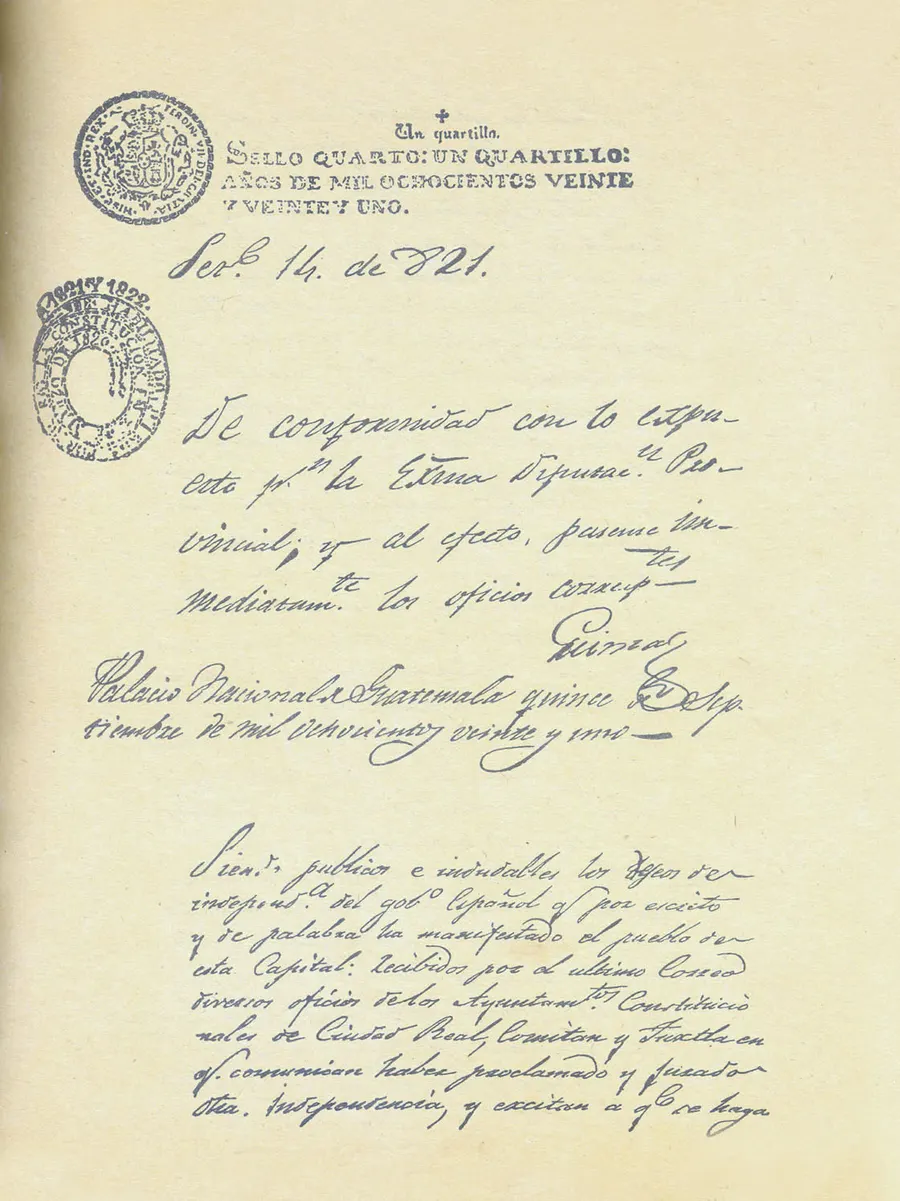
The first page of the Act of Independence of Central America, signed in Guatemala City on 15 September 1821
Image creditJosé Cecilio del Valle · Public domainResized and cropped for display.

Central America declares its independence from Spain

For almost three centuries the lands from Chiapas to Costa Rica were ruled by Spain as the Captaincy General of Guatemala. By 1821 Spain’s American empire was collapsing. Mexico, to the north, had just broken away under Agustín de Iturbide, and in the towns of Central America the leading families argued over whether to follow.

On 15 September 1821 the captain general, Gabino Gaínza, called a meeting of officials, churchmen and leading citizens in Guatemala City while a crowd waited outside. The meeting voted for independence, and the act, written by the Honduran-born scholar José Cecilio del Valle, was signed that day. There was no war: the news travelled south by horse, and each province accepted it in turn over the following weeks. After a brief union with Mexico, the provinces formed their own federation in 1823, which later broke up into Guatemala, El Salvador, Honduras, Nicaragua and Costa Rica. All five still celebrate 15 September as their independence day.

Read the full storyHistory & Timeline →Source: Library of Congress, In Custodia Legis: Acta de Independencia de Centro América ↗
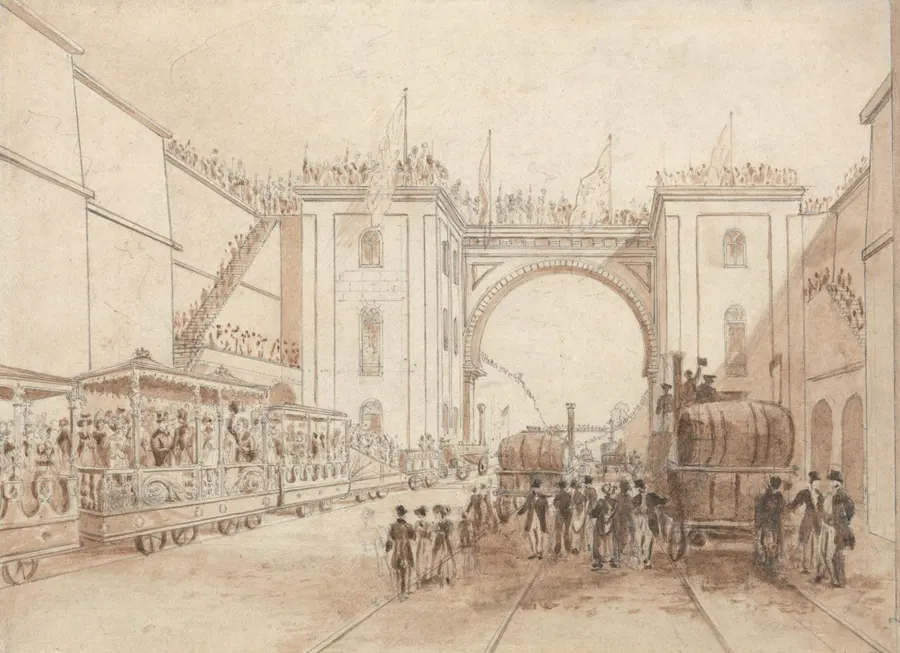
The Duke of Wellington's train at the Moorish Arch at Edge Hill, Liverpool, on the opening day of the railway, in a print by Isaac Shaw
The Duke of Wellington’s train at the Moorish Arch at Edge Hill, Liverpool, on the opening day of the railway, in a print by Isaac Shaw
Image creditIsaac Shaw · CC0Resized and cropped for display.

The Liverpool and Manchester Railway opens

Manchester’s cotton mills depended on the port of Liverpool, but goods moved between the two towns slowly and expensively by canal and road. In the 1820s a group of merchants commissioned George Stephenson to build a railway between them, 31 miles long, across the bog of Chat Moss and over the Sankey valley on a great viaduct. In 1829 trials at Rainhill settled that it would be worked by steam locomotives, and Stephenson’s Rocket won.

The line opened on 15 September 1830, when eight trains carried the prime minister, the Duke of Wellington, and hundreds of guests out of Liverpool before huge crowds. When the trains stopped for water at Parkside, William Huskisson, a Liverpool MP, stepped down onto the track and was struck by Rocket; he died later that day at Eccles, one of the first people killed by a passenger train. The railway itself was an immediate success. It was the first to link two cities with steam trains running to a timetable for both passengers and goods, and it set the pattern for railways around the world.

Read the full storyHistory & Timeline →Source: Science and Industry Museum: The making of the Liverpool and Manchester Railway ↗
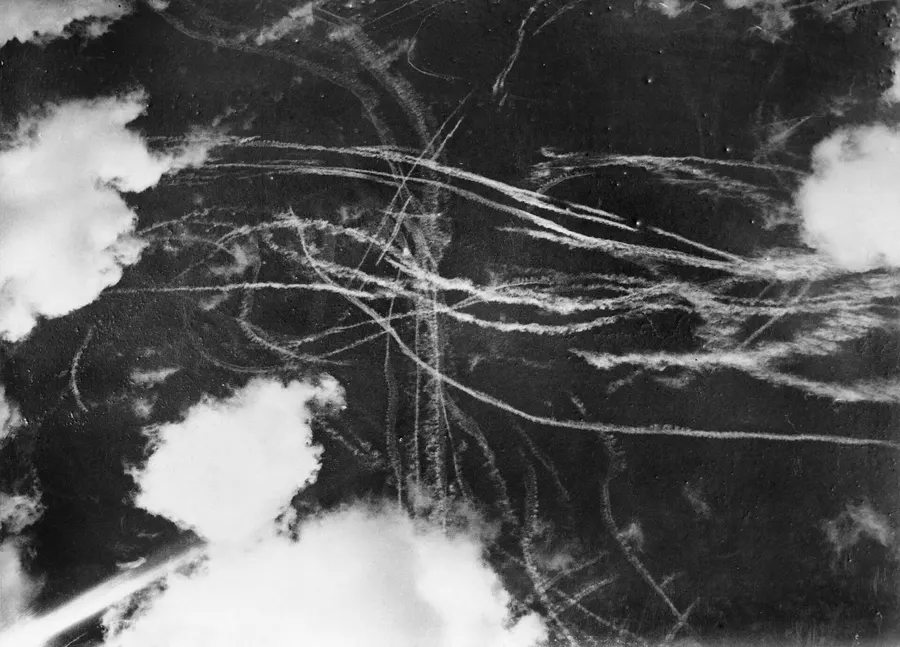
Condensation trails left in the sky by British and German aircraft after a dogfight during the Battle of Britain in 1940
Image creditMr Puttnam, War Office official photographer · Public domainResized and cropped for display.

The Royal Air Force wins the decisive day of the Battle of Britain

In the summer of 1940, with France defeated, Germany prepared to invade Britain. First the Luftwaffe had to destroy the Royal Air Force. Through August it attacked airfields and radar stations, and from 7 September it turned on London. The German commanders believed that Fighter Command was close to collapse and that one more great effort would finish it.

On Sunday 15 September 1940 the Luftwaffe sent two large waves of bombers and fighters against London, one in the late morning and one in the afternoon. Warned by radar, the RAF met them with more squadrons than the German crews had been told still existed. Winston Churchill watched the battle unfold from the operations room at Uxbridge. About 60 German aircraft were shot down for the loss of fewer than 30 British fighters; at the time the RAF claimed 185. Two days later Hitler postponed the invasion indefinitely. The date has been kept ever since as Battle of Britain Day.

Read the full storyHistory & Timeline →Source: Imperial War Museums: 8 important dates in the Battle of Britain ↗
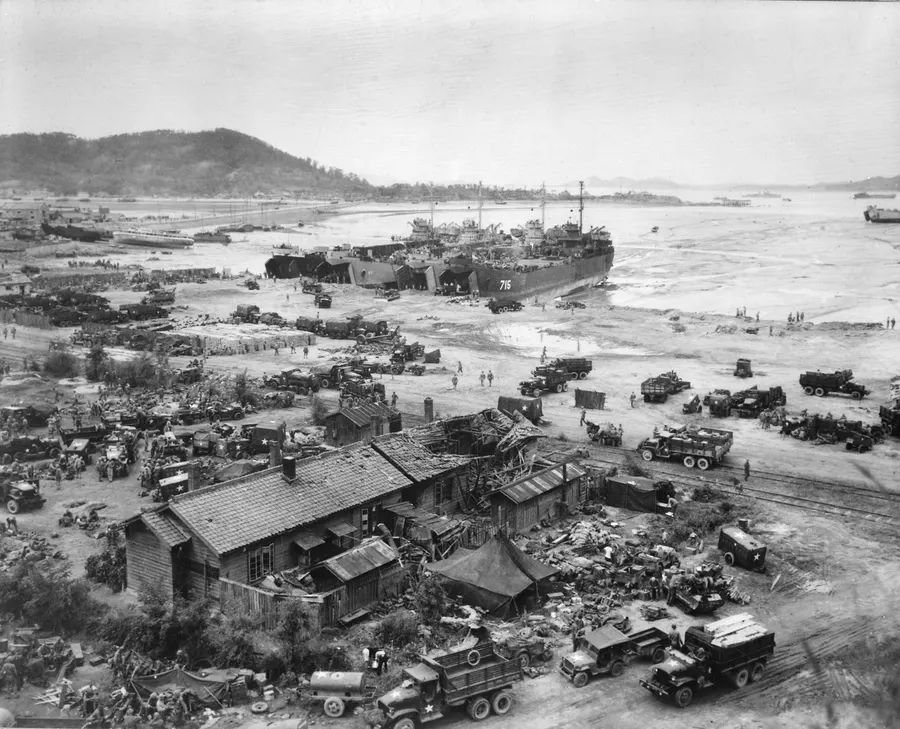
Landing ships unloading men and equipment on the beach at Inchon during the landings of September 1950
Image creditUS Navy · Public domainResized and cropped for display.

United Nations forces land at Inchon

North Korea invaded the South in June 1950, and within weeks the South Korean army and the American troops sent to help it had been driven into a small pocket around the port of Pusan in the far south-east. The United Nations commander, General Douglas MacArthur, proposed to break the deadlock with a landing far behind the enemy lines at Inchon, the port of Seoul. Other commanders doubted it could be done: Inchon had some of the highest tides in the world, narrow channels, mudflats and sea walls instead of beaches.

On 15 September 1950 US Marines took the island of Wolmi-do on the morning tide, and on the evening tide they climbed the sea walls of Inchon itself with scaling ladders. Resistance was light, and the landing force, the US X Corps, was ashore in strength within days. Seoul was retaken before the end of the month, and the North Korean army in the south, its supply lines cut, fell back in disorder. The war would turn again that winter, when China intervened.

Read the full storyHistory & Timeline →Source: US Naval History and Heritage Command: Inchon Landing (Operation Chromite) ↗

♙
PEOPLE

Born Today

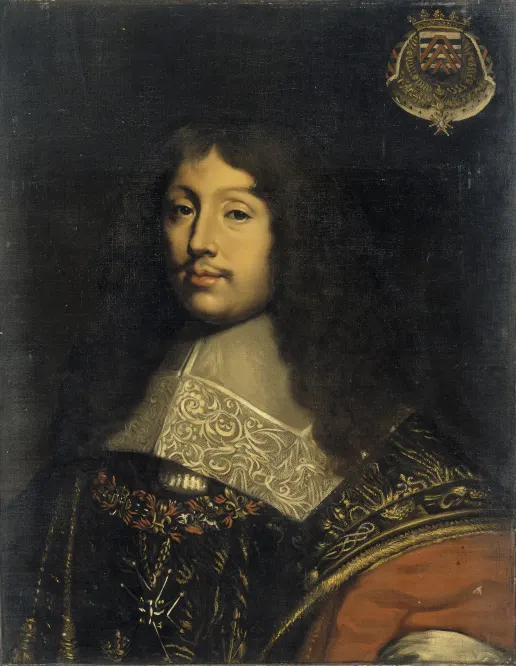
François de La Rochefoucauld
Image creditThéodore Chassériau · Public domainResized and cropped for display.

François de La Rochefoucauld

French nobleman and writer whose Maxims, short and sharp sayings about self-interest and vanity, became a classic of French literature.

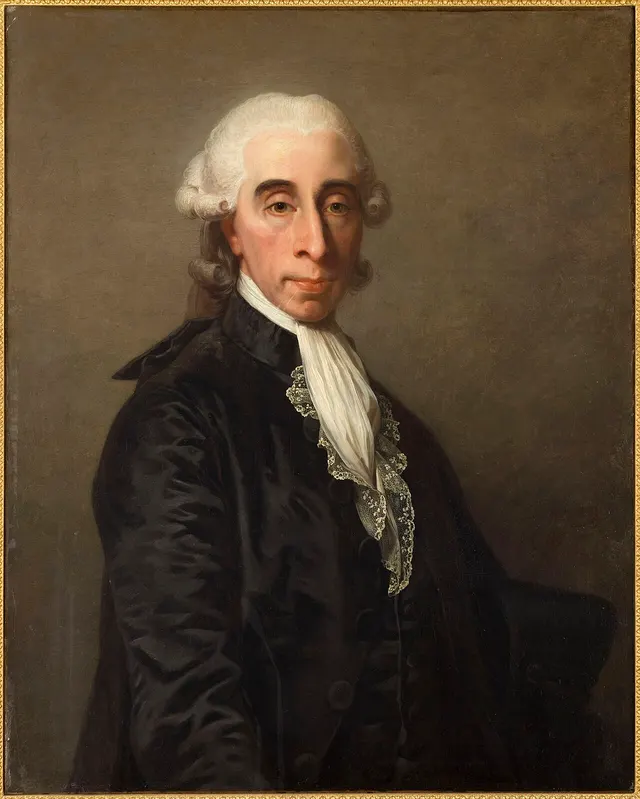
Jean Sylvain Bailly
Image creditJean-Laurent Mosnier · Public domainResized and cropped for display.

Jean Sylvain Bailly

French astronomer who presided over the Tennis Court Oath in 1789 and became the first mayor of Paris, and who died on the guillotine during the Terror.

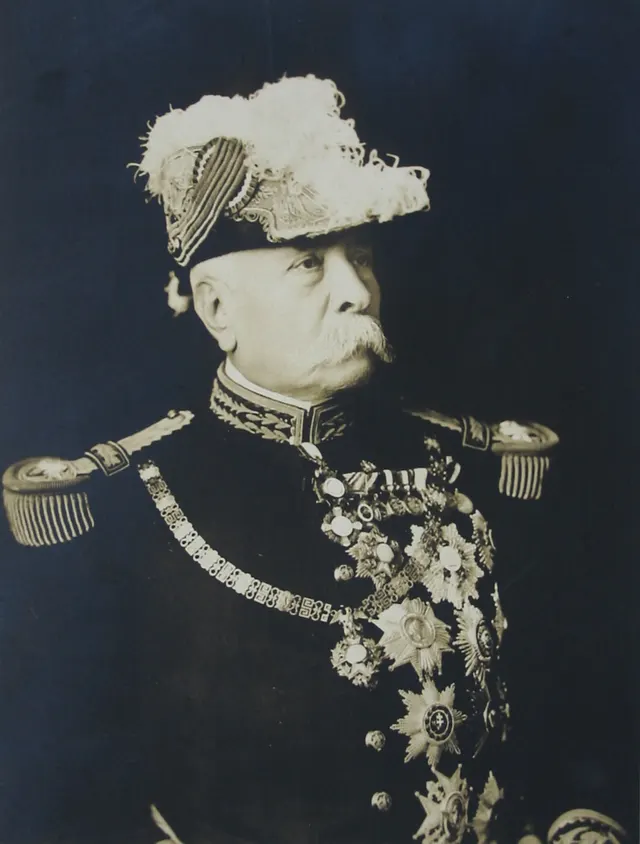
Porfirio Díaz
Image creditAurelio Escobar Castellanos · Public domainResized and cropped for display.

Porfirio Díaz

Mexican general who ruled his country as president for most of the years from 1876 to 1911, modernising it by force until the Revolution drove him out.

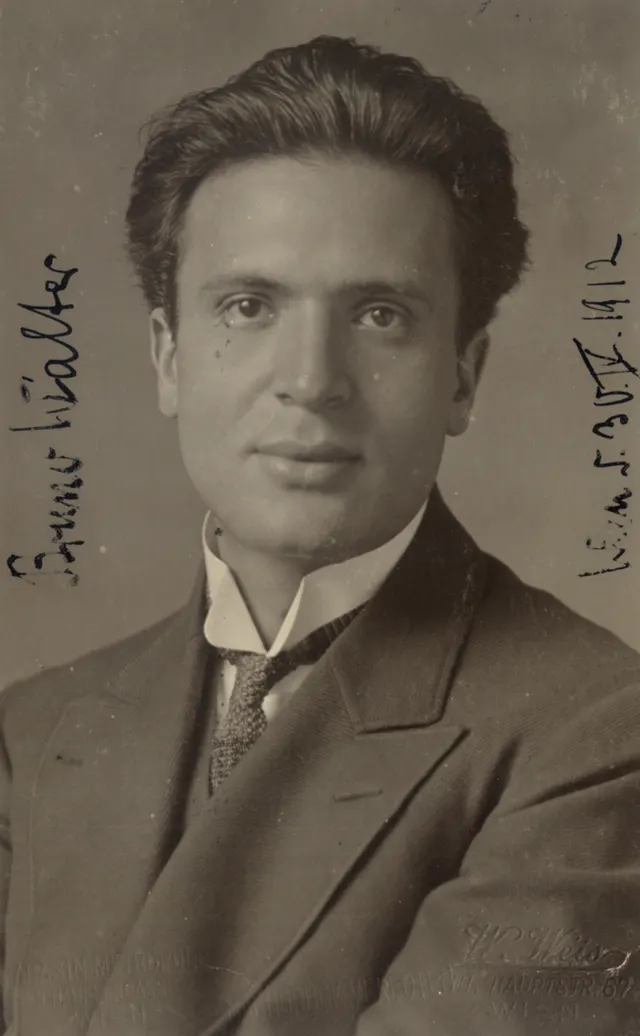
Bruno Walter
Image creditWenzel Weis · Public domainResized and cropped for display.

Bruno Walter

German-born conductor, a friend and champion of Gustav Mahler, who left Europe under the Nazis and made a second career in the United States.

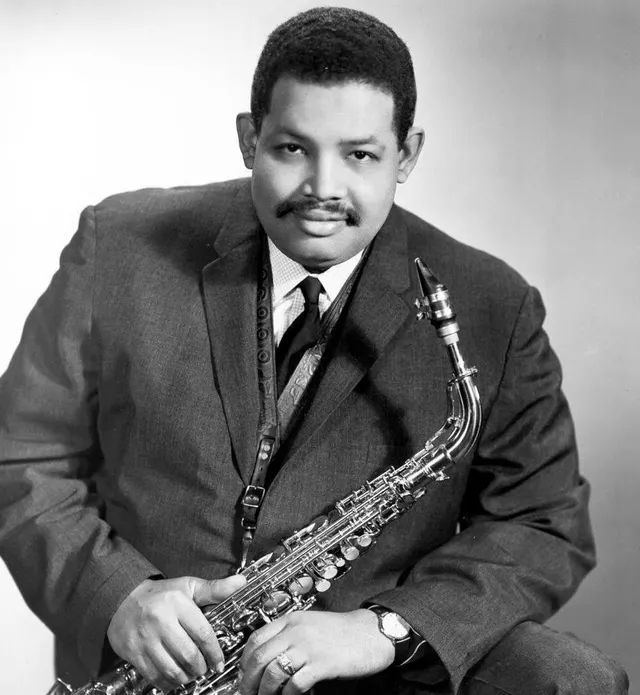
Cannonball Adderley
Image creditUnknown author · Public domainResized and cropped for display.

Cannonball Adderley

American jazz alto saxophonist who played on Miles Davis’s Kind of Blue and led a popular quintet known for ‘Mercy, Mercy, Mercy’.

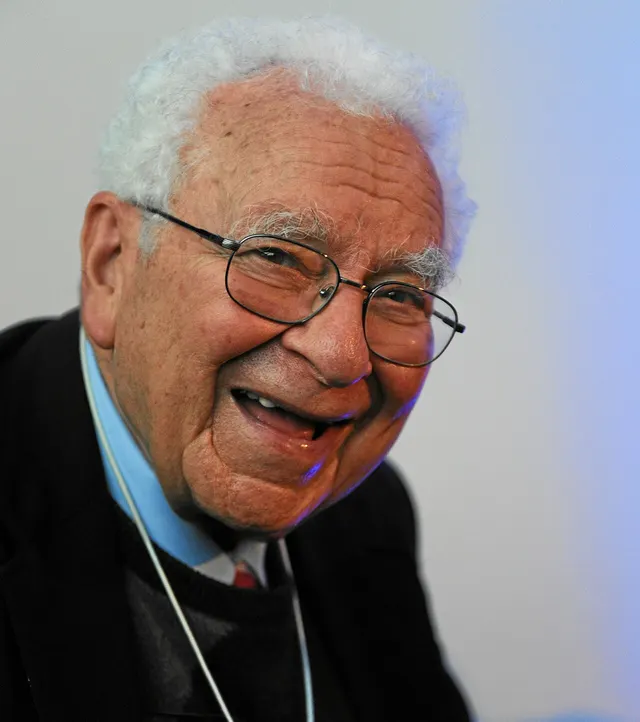
Murray Gell-Mann
Image creditWorld Economic Forum · CC BY-SA 2.0Resized and cropped for display.

Murray Gell-Mann

American physicist who brought order to the particle ‘zoo’, proposed and named the quark, and won the Nobel Prize in Physics in 1969.

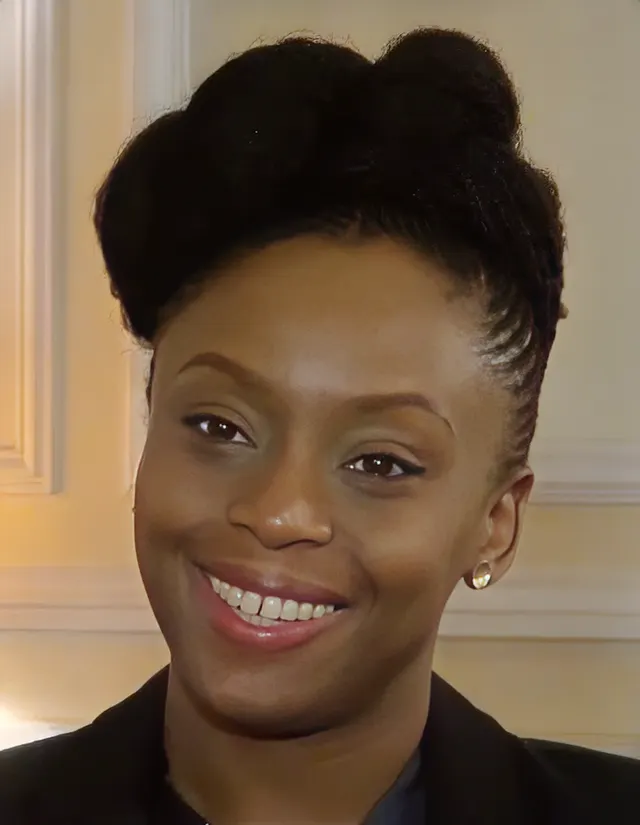
Chimamanda Ngozi Adichie
Image creditlibrairie mollat · CC BY 3.0Resized and cropped for display.

Chimamanda Ngozi Adichie

Nigerian novelist whose books include Purple Hibiscus, Half of a Yellow Sun and Americanah, and the essay We Should All Be Feminists.

◉
IDEAS THAT CHANGED THINGS

Firsts, Science & Discoveries

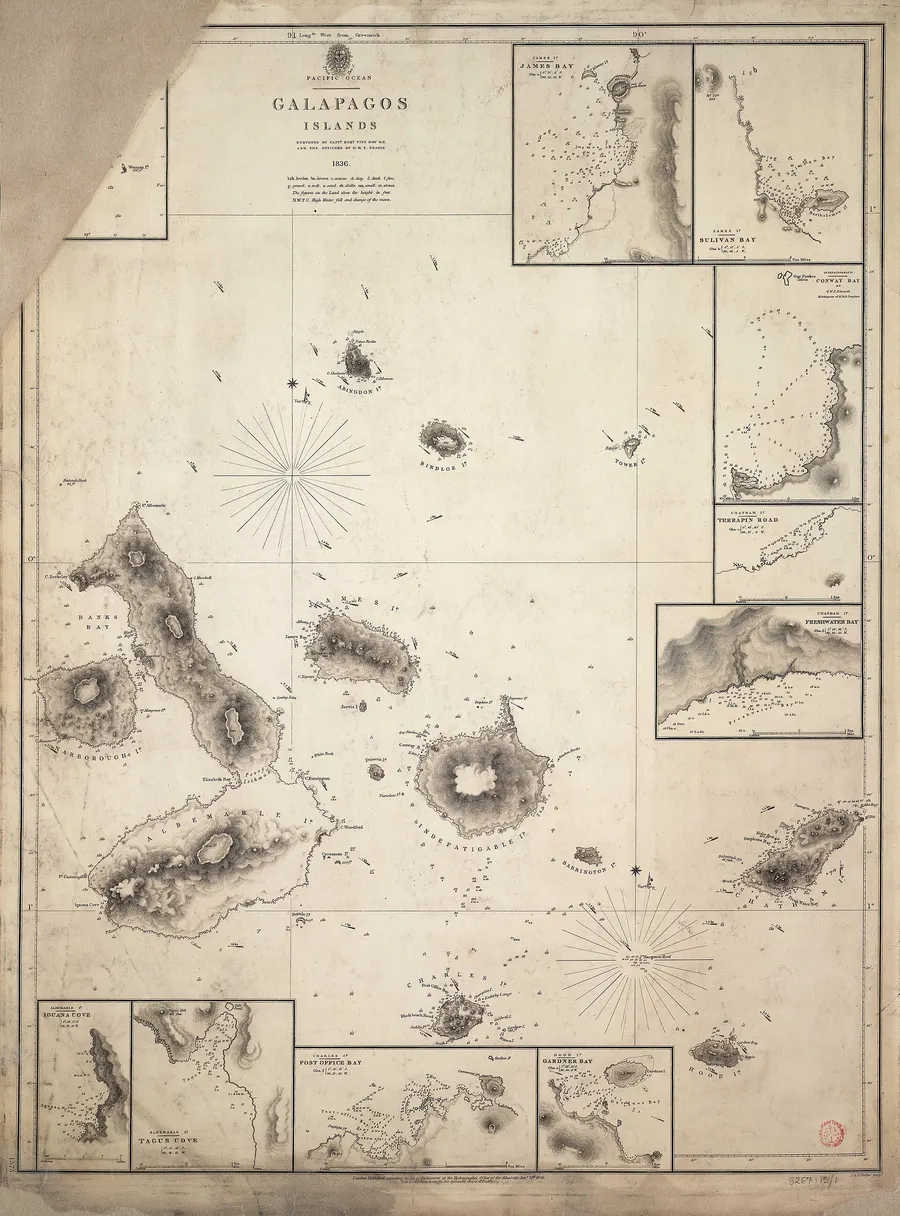
The Admiralty chart of the Galápagos Islands, published in 1841 from the survey made by Captain Robert FitzRoy and the officers of HMS Beagle
Image creditUnited Kingdom Hydrographic Office · Public domainResized and cropped for display.

HMS Beagle brings Charles Darwin to the Galápagos

HMS Beagle had left England at the end of 1831 to survey the coasts of South America, with the young Charles Darwin aboard as naturalist. After almost four years, most of them spent around Patagonia, Tierra del Fuego and Chile, Captain Robert FitzRoy sailed from Peru for the Galápagos, a group of volcanic islands on the equator about 1,000 kilometres out in the Pacific.

The Beagle reached the islands on 15 September 1835, and Darwin first went ashore the next day on Chatham Island, now San Cristóbal. In five weeks he landed on four islands, collecting plants, birds and reptiles and marvelling at the giant tortoises and the black lava. He was told that the tortoises differed from island to island, and he noticed the same of the mockingbirds. Back in England, those island differences helped to convince him that species were not fixed, a line of thought that led, 24 years later, to On the Origin of Species.

Read the full storyHistory & Timeline →Source: Darwin Online: Darwin’s field notes on the Galapagos, ‘A little world within itself’ ↗
☆
SPORTING HISTORY

Sporting Moments

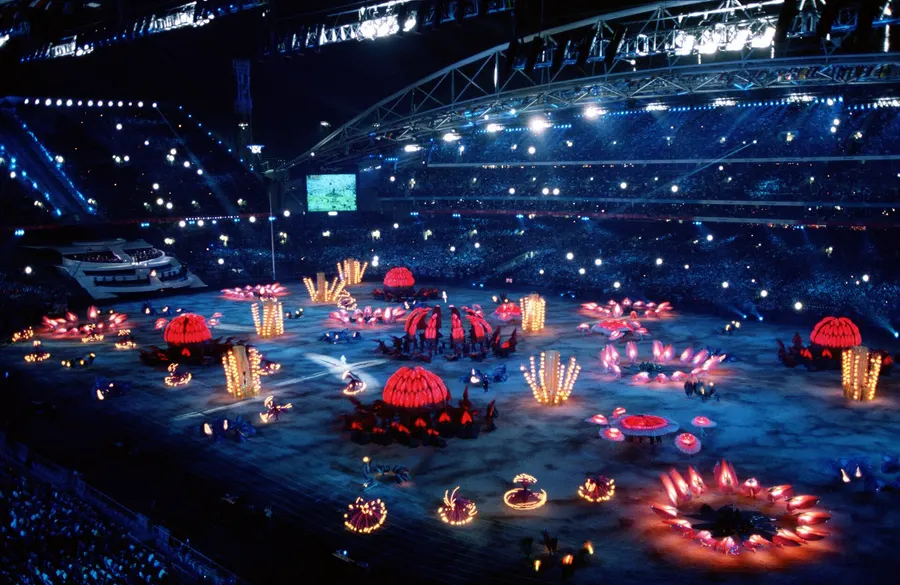
Performers on the floor of the Olympic Stadium in Sydney during the opening ceremony of the 2000 Olympic Games on 15 September 2000
Image creditTSGT Rick Sforza · Public domainResized and cropped for display.

Cathy Freeman lights the flame as the Sydney Olympics open

Sydney won the right to stage the Olympic Games of 2000, the second held in Australia after Melbourne in 1956. A new stadium was built at Homebush Bay on reclaimed industrial land, and the organisers hoped the Games would also speak to the country’s long and painful relationship with its Aboriginal and Torres Strait Islander peoples.

The Games opened on 15 September 2000 before a crowd of about 110,000. The ceremony told the story of Australia from its ancient cultures onwards, and the teams of North and South Korea marched in together behind one flag. The last runner in the torch relay was the sprinter Cathy Freeman, an Aboriginal Australian, who stood in a pool of water and lit a ring of fire that rose around her to become the cauldron. Ten days later, in the same stadium, she won the 400 metres.

Read the full storyHistory & Timeline →Source: National Museum of Australia, Defining Moments: Cathy Freeman ↗
♫
MUSIC • FILM • BOOKS • CULTURE

Culture Stories

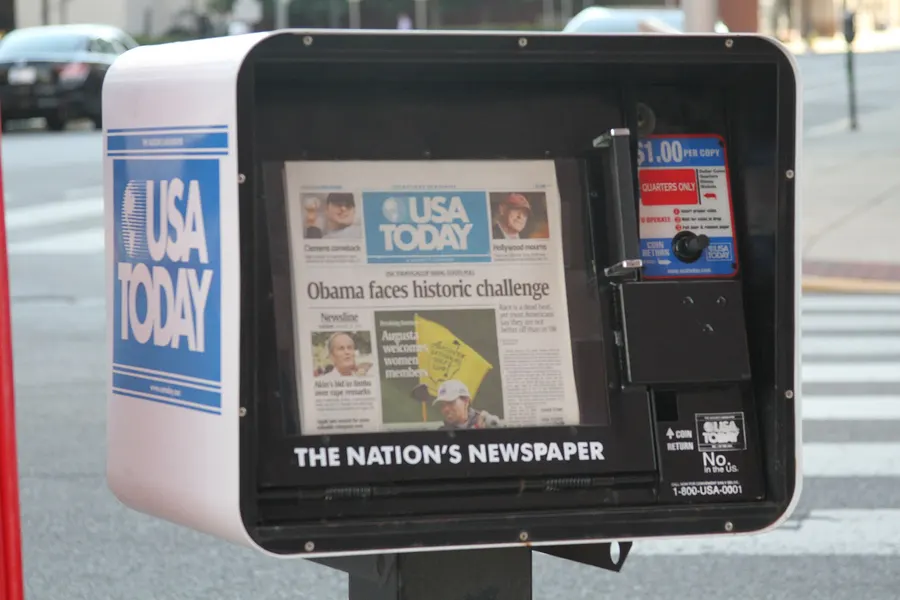
A USA Today newspaper vending machine in Fort Wayne, Indiana, photographed in 2012
Image creditTwzink · CC0Resized and cropped for display.

USA Today publishes its first issue

American newspapers had always been local: even the most famous belonged to a single city. Al Neuharth, the chairman of the Gannett newspaper chain, believed that travellers and a television generation would buy a national daily, printed at plants around the country from pages sent by satellite. Many in the business thought the plan would lose a fortune.

The first issue of USA Today appeared on 15 September 1982, launched at a ceremony in Washington attended by President Ronald Reagan. It went on sale at first in only a few areas, beginning around Washington, and spread across the country over the following year. With its short stories, colour photographs, charts and a full-page colour weather map, it was mocked by rivals as ‘McPaper’, but it found millions of readers, and within a few years most American newspapers had borrowed its colour and its graphics.

Read the full storyHistory & Timeline →Source: Library of Congress, Unfolding History: USA Today at 40 ↗
✦
LIVES REMEMBERED

Remembered Today

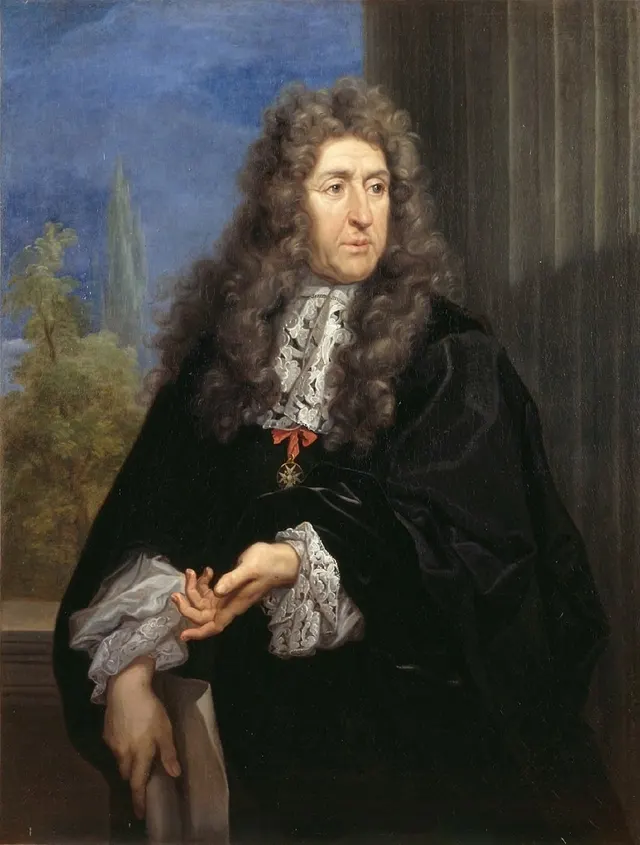
André Le Nôtre
Image creditCarlo Maratta · Public domainResized and cropped for display.

André Le Nôtre

Gardener to Louis XIV, who laid out the vast formal gardens of Versailles and Vaux-le-Vicomte and set the style for gardens across Europe.

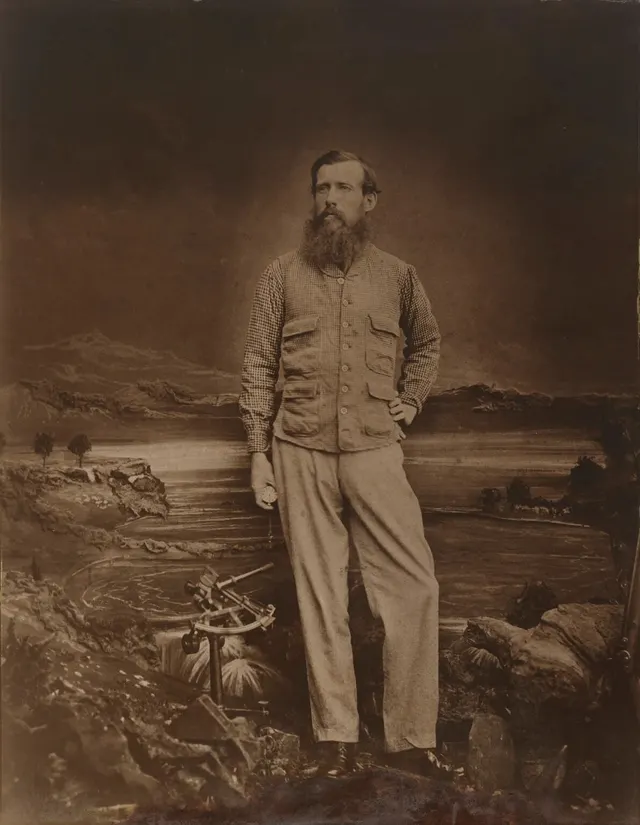
John Hanning Speke
Image creditSouthwell Brothers · Public domainResized and cropped for display.

John Hanning Speke

British explorer who reached Lake Victoria in 1858 and named it as the source of the Nile; he died in a shooting accident the day before he was due to debate the question in public.

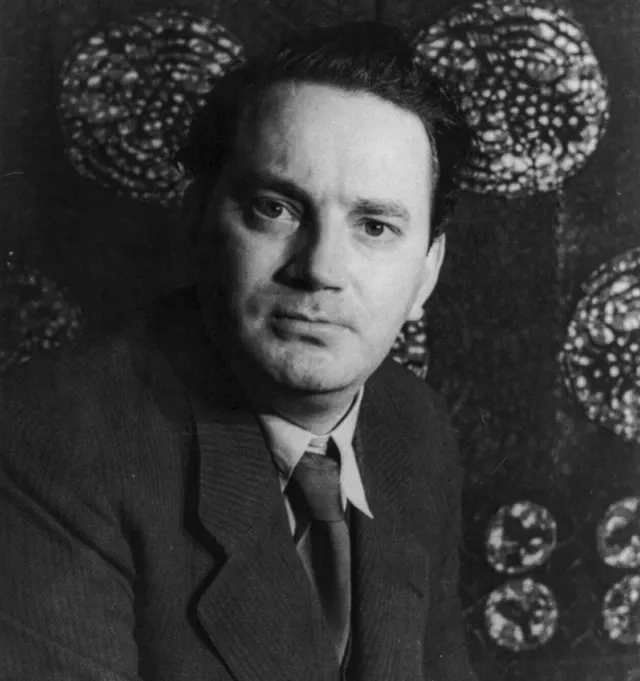
Thomas Wolfe
Image creditCarl Van Vechten · Public domainResized and cropped for display.

Thomas Wolfe

American novelist from North Carolina, author of the sprawling, autobiographical Look Homeward, Angel, who died at 37.

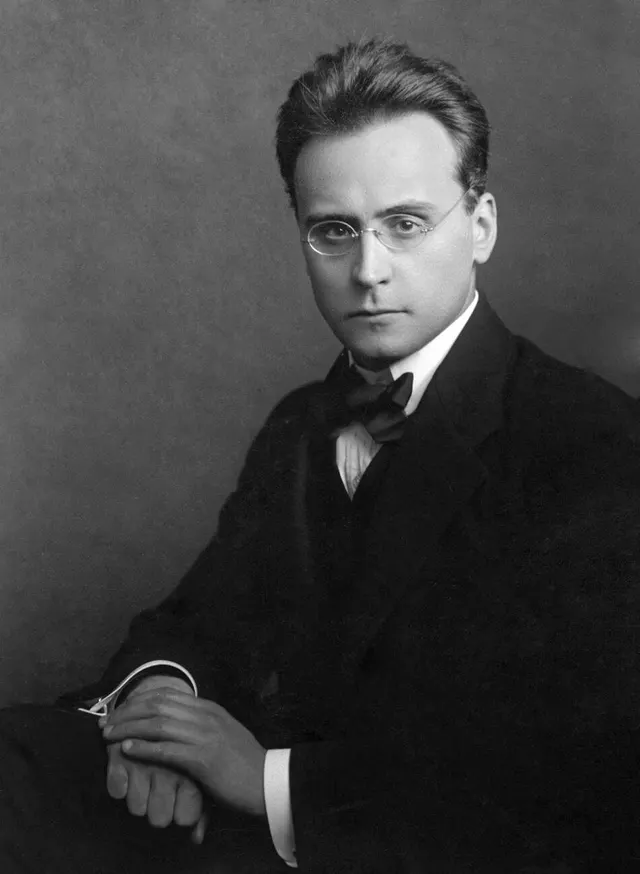
Anton Webern
Image creditUnknown author · Public domainResized and cropped for display.

Anton Webern

Austrian composer, a pupil of Schoenberg, whose brief and spare twelve-note works shaped music after 1945; he was shot by an American soldier during the occupation of Austria.

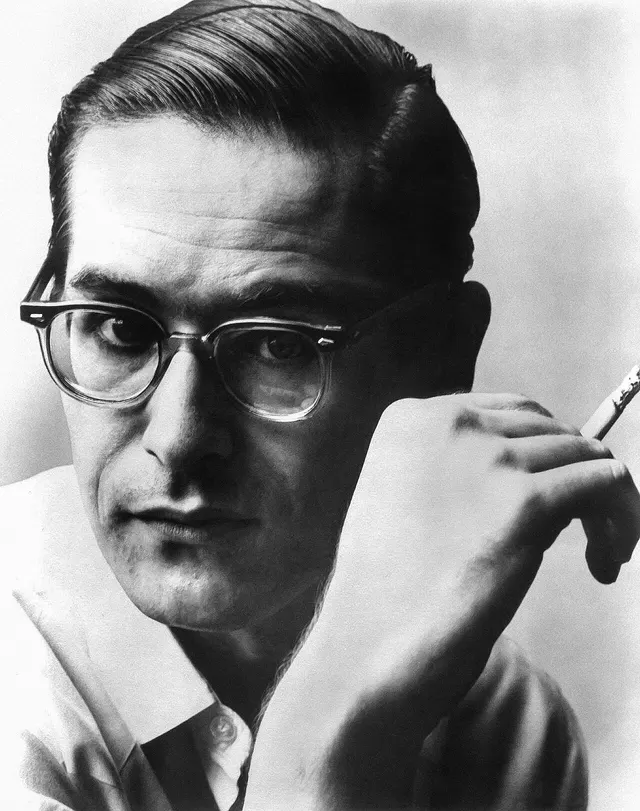
Bill Evans
Image creditSteve Schapiro · Public domainResized and cropped for display.

Bill Evans

American jazz pianist of quiet, lyrical touch, who played on Miles Davis’s Kind of Blue and led celebrated trios.

☉
AROUND THE WORLD

Observances & Anniversaries

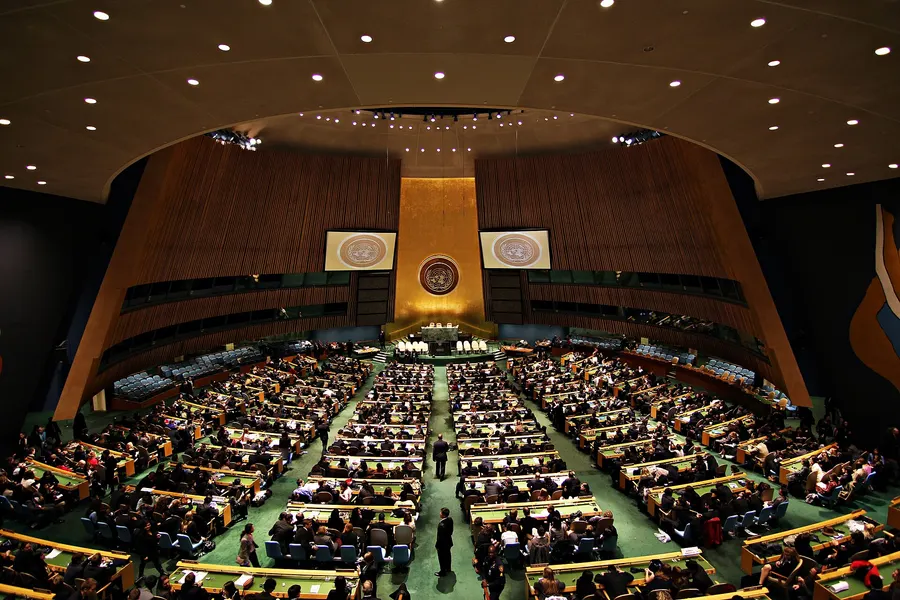
The General Assembly Hall at United Nations headquarters in New York
Image creditBasil D Soufi · CC BY-SA 3.0Resized and cropped for display.

International Day of Democracy

In November 2007 the United Nations General Assembly decided that 15 September each year should be kept as the International Day of Democracy. The resolution, put forward by Qatar after a conference of new and restored democracies, describes democracy as a universal value based on the freely expressed will of people to decide their own political, economic, social and cultural systems, while recognising that there is no single model of it.

The day was first observed in 2008. Each year the United Nations and parliaments around the world use it to review the state of democracy, with a different theme each time, from free elections and a free press to the part played by young people.

Source: United Nations: General Assembly declares 15 September International Day of Democracy ↗
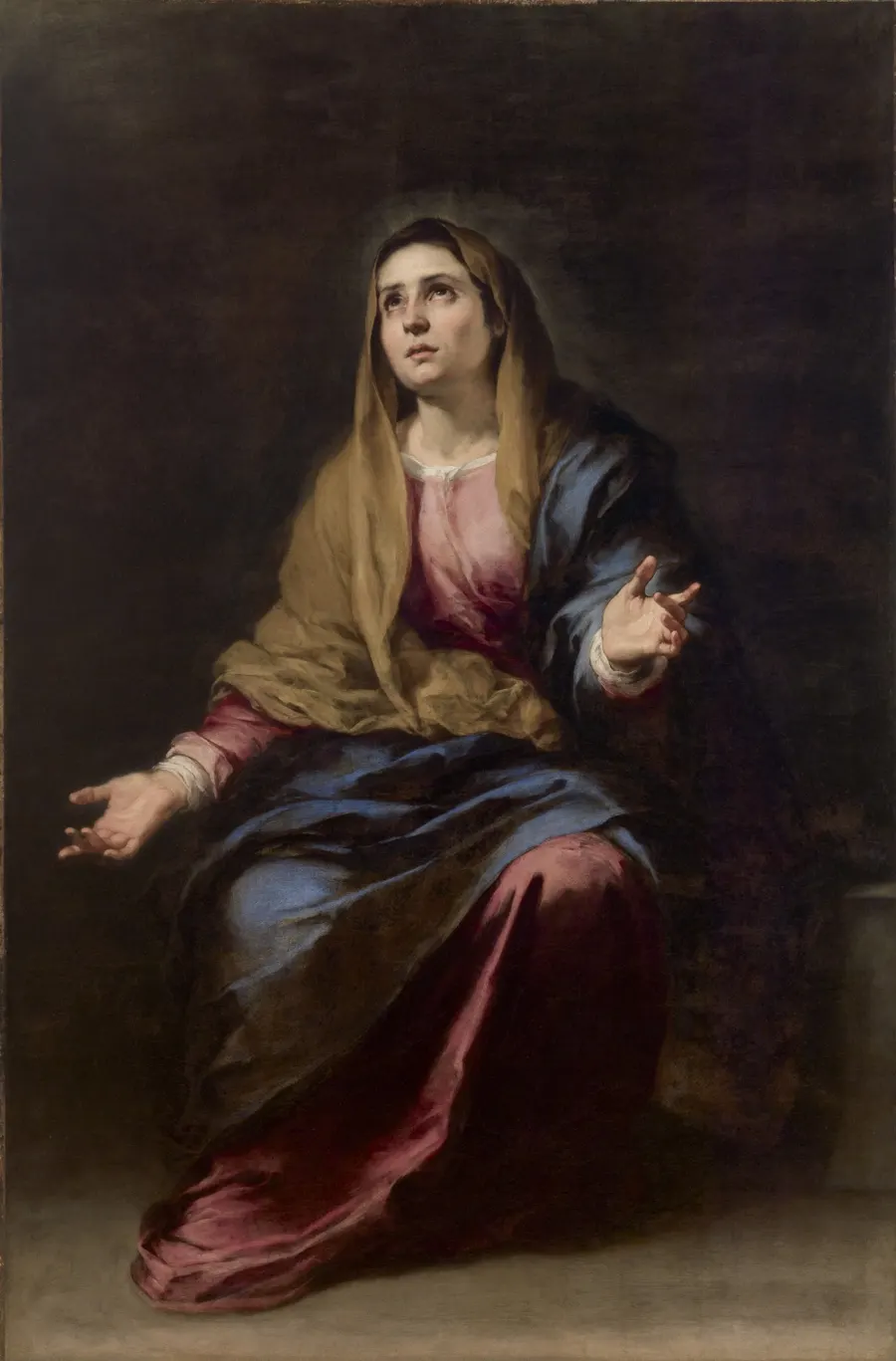
Mater Dolorosa, the sorrowing mother, painted by Bartolomé Esteban Murillo in the 17th century
Image creditBartolomé Esteban Murillo · Public domainResized and cropped for display.

Our Lady of Sorrows

On 15 September, the day after the feast of the Holy Cross, the Roman Catholic Church remembers the sorrows of Mary, the mother of Jesus, above all as she stood at the foot of the cross. Devotion to the sorrowing mother grew in the Middle Ages, and was spread especially by the Servite order, founded in Florence in 1233, which was allowed its own Mass of the Seven Sorrows in 1668.

Pope Pius X fixed the feast on 15 September in the early 20th century. Its best-known text is the medieval hymn Stabat Mater, which has been set to music by composers from Pergolesi to Dvořák, and artists have often shown Mary with her heart pierced by seven swords.

Source: Vatican News: Memorial of Our Lady of Sorrows ↗
HISTORY & TIMELINE

Finished the highlights?

Follow 15 September chronologically, from the Middle Ages to the modern day, with 18 verified events and the sources behind them.

This day through time →