Explore 8 September

Explore 8 September: German forces close the ring around Leningrad, the Ottoman army abandons the Great Siege of Malta, Spanish settlers found St Augustine in Florida, Japan and 48 nations sign the peace treaty at San Francisco and Michelangelo’s David is unveiled in Florence. Born today: Richard the Lionheart, Patsy Cline and Avicii.

This day through time →17 verified events across 5 eras

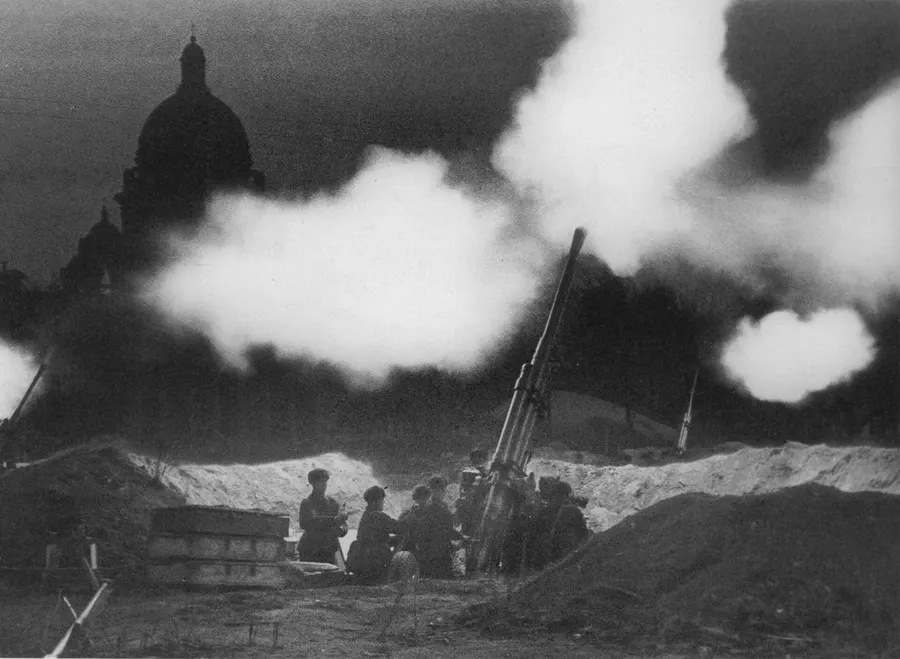
Anti-aircraft guns fire near St Isaac's Cathedral during the defence of Leningrad in 1941
Anti-aircraft guns fire near St Isaac’s Cathedral during the defence of Leningrad in 1941
Image creditBoris Kudoyarov · Public domainResized and cropped for display.

German forces cut Leningrad off and the siege begins

When Germany invaded the Soviet Union in June 1941, one of its three great army groups drove north-east through the Baltic states towards Leningrad, the former imperial capital and the Soviet Union’s second city. From the north, Finland’s army advanced around Lake Ladoga. Hitler did not plan to storm the city; he meant to surround it and starve it into surrender.

On 8 September 1941 German troops captured Shlisselburg, the old fortress town where the river Neva leaves Lake Ladoga, and cut the last land route into the city. About three million people were trapped. Through the winter that followed, rations fell to a few slices of bread a day, and people froze and starved in their homes. Supplies came in by boat across the lake and, once it froze, by lorry over the ice along the ‘Road of Life’. The siege was not fully lifted until 27 January 1944, nearly 900 days later. Estimates of the civilian dead range from about 650,000 to more than a million, most of them from hunger.

Read the full storyHistory & Timeline →Source: Britannica: Siege of Leningrad ↗
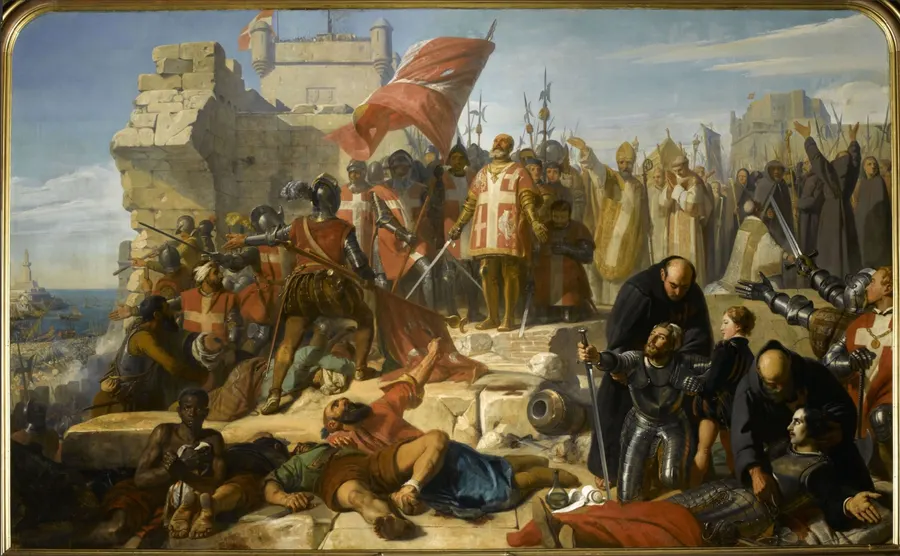
The Lifting of the Siege of Malta, a 19th-century painting by Charles-Philippe Larivière
Image creditCharles-Philippe Larivière · CC BY-SA 3.0Resized and cropped for display.

The Ottoman army abandons the Great Siege of Malta

In 1530 the Knights of St John, a military religious order driven out of Rhodes by the Ottomans, were given the island of Malta. From there their galleys raided Ottoman shipping across the Mediterranean. In May 1565 Sultan Suleiman the Magnificent sent a huge fleet and an army of perhaps 30,000 men to destroy them. Against them the Grand Master, Jean Parisot de Valette, had a few hundred knights and several thousand Maltese and other soldiers.

The small fort of St Elmo held out for a month before it fell. Through the hot summer the Ottomans then battered and stormed the fortified towns around the Grand Harbour, Birgu and Senglea, but the defenders beat back every assault. Early in September a relief force from Spanish Sicily landed in the north of the island, and on 8 September the Ottoman commanders gave up the siege and began to withdraw. The knights built a new fortified capital, named Valletta after their Grand Master, and Malta still marks the day as Victory Day.

Read the full storyHistory & Timeline →Source: Heritage Malta: Victory Day celebrations at Fort St Angelo ↗
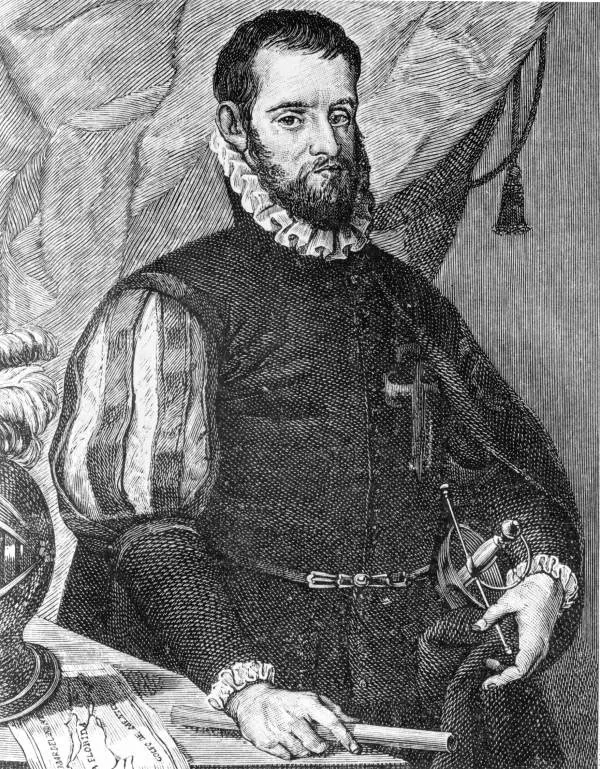
Pedro Menéndez de Avilés, founder of St Augustine, in an engraved portrait
Image creditJosé Camarón y Boronat (1730-1803) · Public domainResized and cropped for display.

Spanish settlers found St Augustine in Florida

Spain claimed Florida, but in 1564 French Protestants built Fort Caroline near the mouth of the St Johns River, close to the route of Spain’s treasure fleets. King Philip II sent the experienced admiral Pedro Menéndez de Avilés to drive them out and to settle the coast. Menéndez sighted land on 28 August 1565, the feast of St Augustine, and named the harbour he found after the saint.

On 8 September 1565 Menéndez came ashore with about 600 soldiers, sailors and settlers, including families, and formally took possession of the land for Spain, near a village of the Timucua people. Within weeks his men had captured Fort Caroline. St Augustine survived attacks by pirates and the English, and in the 1670s the Spanish began the stone fortress of the Castillo de San Marcos to protect it. It is the oldest continuously occupied settlement of European origin in the United States, founded 42 years before Jamestown.

Read the full storyHistory & Timeline →Source: City of St. Augustine: Our history ↗
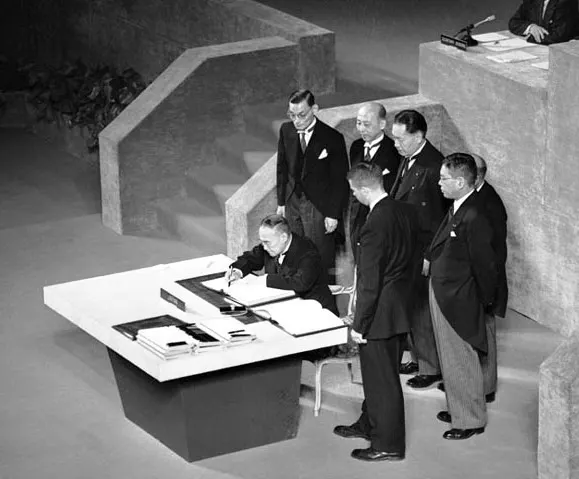
Prime Minister Shigeru Yoshida and members of the Japanese delegation sign the Treaty of San Francisco on 8 September 1951
Image creditUnknown author · Public domainResized and cropped for display.

Japan and 48 nations sign the peace treaty at San Francisco

After Japan’s surrender in 1945 the country was occupied by the Allies under General Douglas MacArthur, who oversaw a new democratic constitution and sweeping reforms. By 1950, with the Cold War deepening and war raging in Korea, the United States wanted Japan as a sovereign ally rather than an occupied enemy, and the diplomat John Foster Dulles negotiated a peace treaty that asked for no heavy reparations.

Delegates from more than 50 countries met at the War Memorial Opera House in San Francisco, and on 8 September 1951 Japan and 48 nations signed. The Soviet Union, Poland and Czechoslovakia attended but refused, and neither Chinese government was invited. Japan gave up its claims to Korea, Taiwan, the Kuril Islands, southern Sakhalin and its former Pacific mandates. The same day Japan and the United States signed a security treaty that let American forces stay. When the peace treaty came into force on 28 April 1952, the occupation ended.

Read the full storyHistory & Timeline →Source: US Office of the Historian: Occupation and reconstruction of Japan, 1945-52 ↗

♙
PEOPLE

Born Today

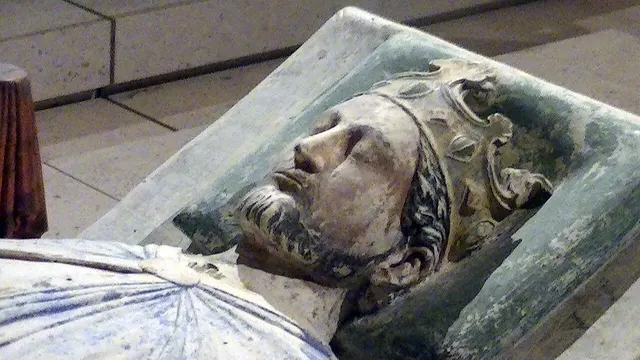
Richard I
Image creditAdam Bishop · CC BY-SA 3.0Resized and cropped for display.

Richard I

King of England known as the Lionheart, who spent most of his ten-year reign away on the Third Crusade and fighting in France.

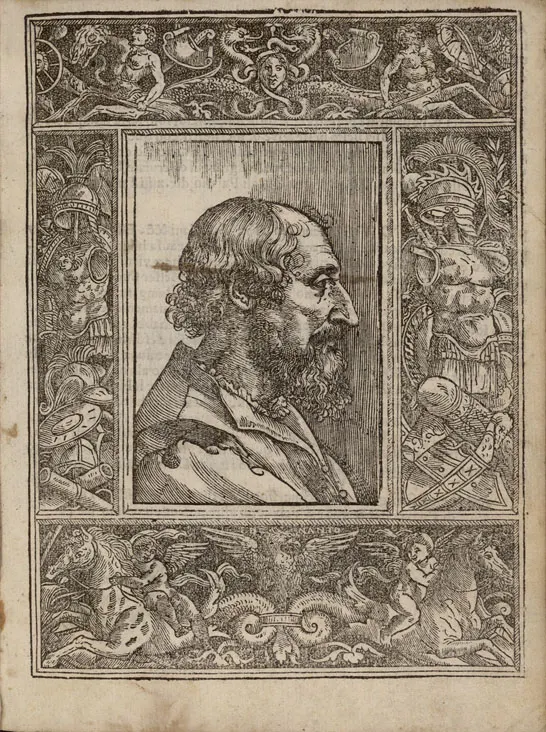
Ludovico Ariosto
Image creditUnknown author · Public domainResized and cropped for display.

Ludovico Ariosto

Italian poet whose Orlando furioso, a sprawling epic of knights, quests and enchantments, became one of the great works of the Renaissance.

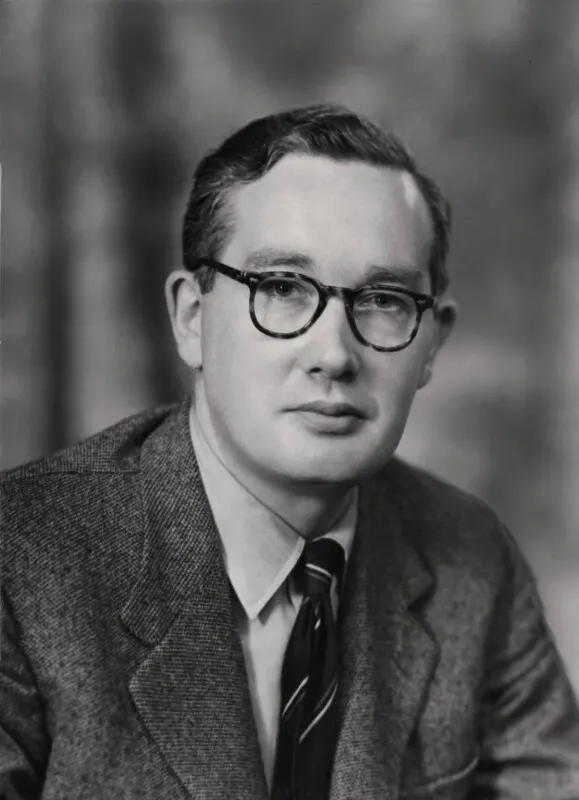
Derek Barton
Image creditNational Portrait Gallery · Public domainResized and cropped for display.

Derek Barton

English chemist who shared the 1969 Nobel Prize in Chemistry for showing how the three-dimensional shape of a molecule governs the way it reacts.

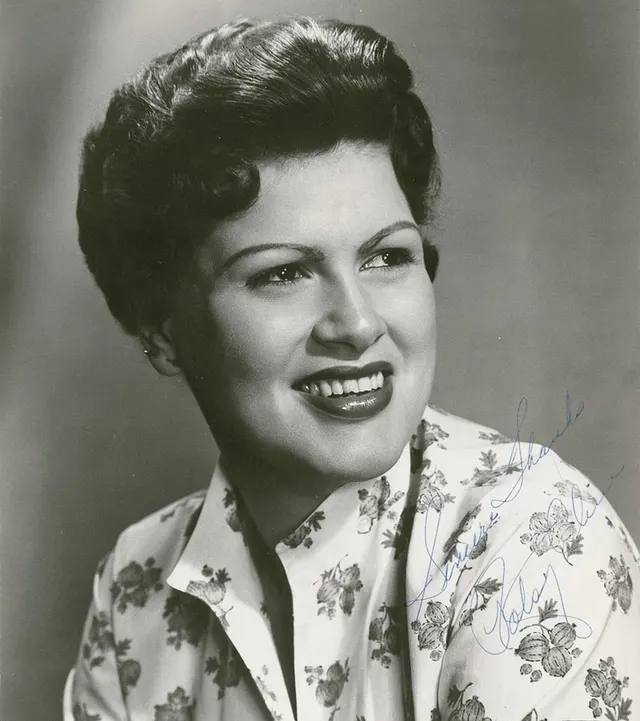
Patsy Cline
Image creditDecca Records · Public domainResized and cropped for display.

Patsy Cline

American country singer whose recordings of Crazy and I Fall to Pieces carried country music to a wider audience; she died in a plane crash at 30.

Michael Frayn
Image creditRoger Green · CC BY-SA 2.0Resized and cropped for display.

Michael Frayn

English novelist and playwright, author of the backstage farce Noises Off and of Copenhagen, about a wartime meeting between two physicists.

Peter Maxwell Davies
Image creditUniversity of Salford Press Office · CC BY 2.0Resized and cropped for display.

Peter Maxwell Davies

English composer who made his home in Orkney, founded the St Magnus Festival there and became Master of the Queen’s Music.

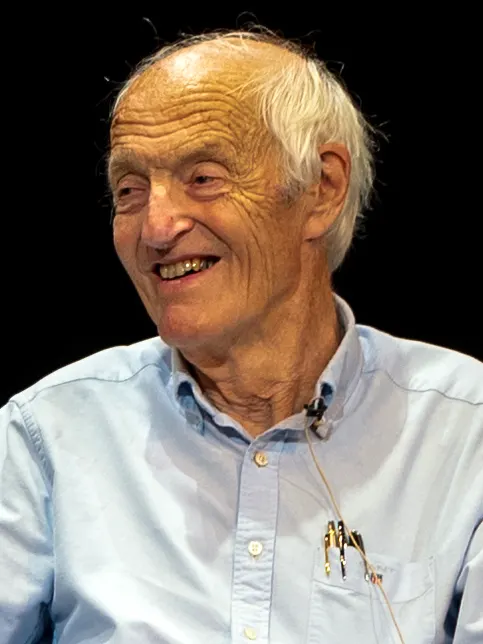
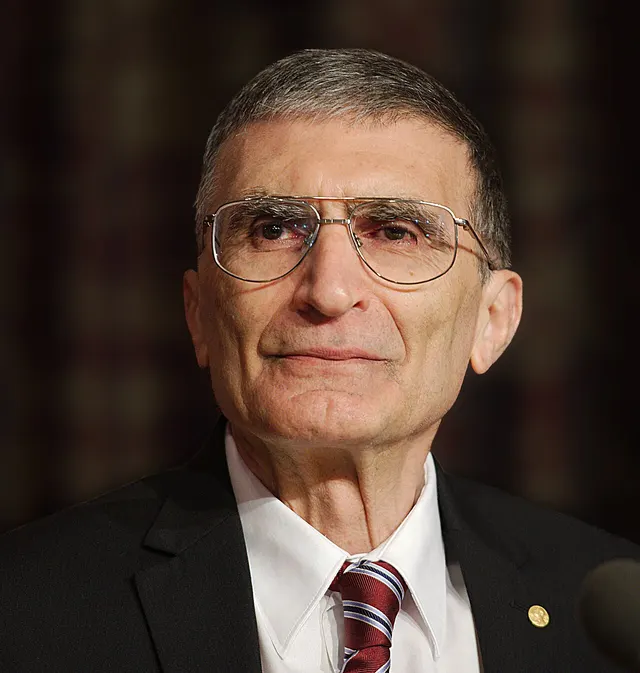
Aziz Sancar
Image creditHolger Motzkau · CC BY-SA 3.0Resized and cropped for display.

Aziz Sancar

Turkish-born biochemist who shared the 2015 Nobel Prize in Chemistry for working out how cells repair damaged DNA.

Avicii
Image creditThe Perfect World Foundation · CC BY 3.0Resized and cropped for display.

Avicii

Swedish DJ and producer Tim Bergling, whose tracks Levels and Wake Me Up carried electronic dance music into the pop charts.

◉
IDEAS THAT CHANGED THINGS

Firsts, Science & Discoveries

An Atlas V rocket lifts off from Cape Canaveral carrying NASA's OSIRIS-REx spacecraft on 8 September 2016
An Atlas V rocket lifts off from Cape Canaveral carrying NASA’s OSIRIS-REx spacecraft on 8 September 2016
Image creditJoel Kowsky · Public domainResized and cropped for display.

NASA launches OSIRIS-REx to bring back a piece of an asteroid

Asteroids are leftovers from the birth of the solar system, and some carbon-rich ones may preserve the kind of material that brought water and the building blocks of life to the early Earth. NASA chose Bennu, a dark asteroid about 500 metres across whose orbit comes close to Earth’s, and built a spacecraft to fly there, study it and bring a sample home: the Origins, Spectral Interpretation, Resource Identification, Security-Regolith Explorer, or OSIRIS-REx.

It lifted off on an Atlas V rocket from Cape Canaveral at 7.05 in the evening on 8 September 2016. OSIRIS-REx reached Bennu in December 2018 and mapped it for nearly two years. In October 2020 it briefly touched the surface and a puff of gas blew rocks and dust into its collector. Its capsule parachuted into the Utah desert in September 2023 with about 121 grams of material, the largest sample ever brought back from an asteroid. The spacecraft has flown on, renamed OSIRIS-APEX, to visit the asteroid Apophis in 2029.

Read the full storyHistory & Timeline →Source: NASA Science: OSIRIS-REx mission ↗
☆
SPORTING HISTORY

Sporting Moments

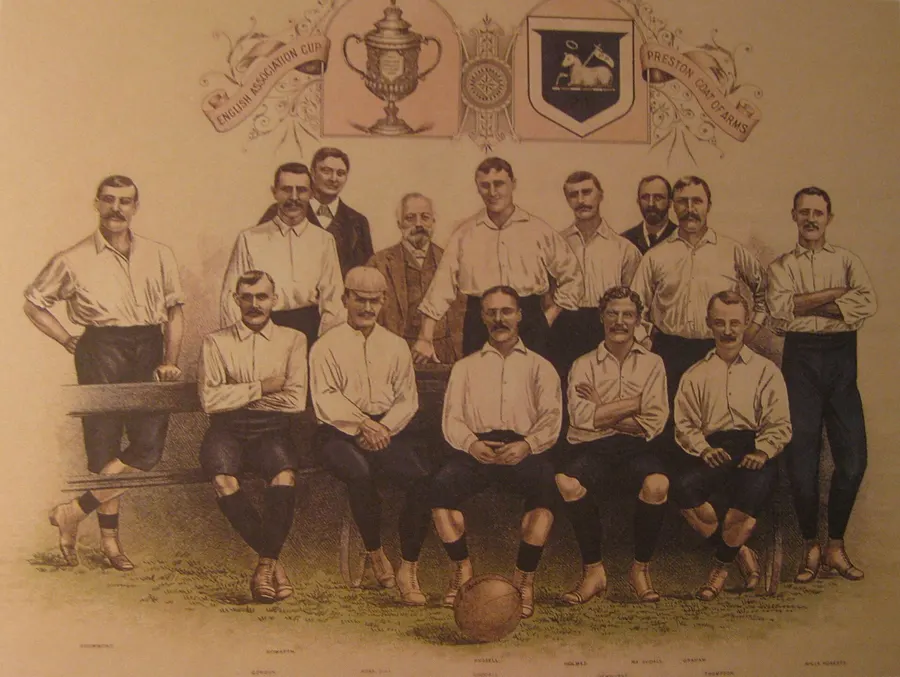
Preston North End, the first Football League champions, photographed in the 1888-89 season
Image creditUnknown author · Public domainResized and cropped for display.

The first Football League matches are played

By the 1880s football in the north of England and the Midlands had become a professional game, but clubs relied on friendlies and cup ties that were often cancelled or one-sided. In March 1888 William McGregor, a director of Aston Villa, wrote to the leading clubs proposing that they play each other home and away every season in a fixed programme. Twelve agreed: Accrington, Aston Villa, Blackburn Rovers, Bolton Wanderers, Burnley, Derby County, Everton, Notts County, Preston North End, Stoke, West Bromwich Albion and Wolverhampton Wanderers.

The first league matches were played on Saturday 8 September 1888. Preston beat Burnley 5-2, Derby won 6-3 at Bolton, and Everton beat Accrington 2-1 in front of a large crowd at Anfield, then their home ground. Preston went through the whole league season unbeaten and won the FA Cup as well, earning the name ‘the Invincibles’. The Football League was the first national football league in the world, and the model for leagues everywhere.

Read the full storyHistory & Timeline →Source: Everton FC Heritage Society: Everton’s first league match ↗
♫
MUSIC • FILM • BOOKS • CULTURE

Culture Stories

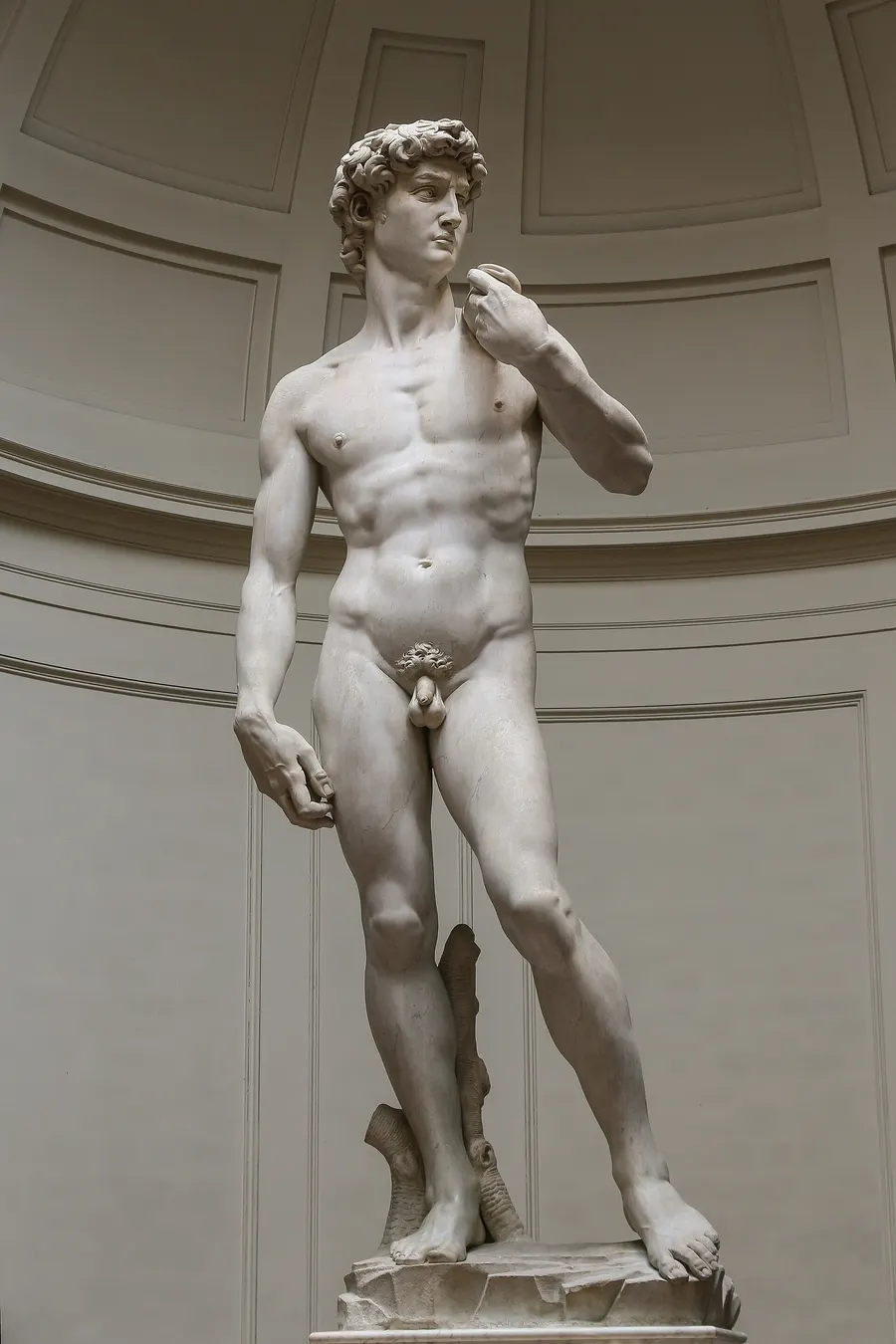
Michelangelo's David, carved between 1501 and 1504, in the Galleria dell'Accademia in Florence
Michelangelo’s David, carved between 1501 and 1504, in the Galleria dell’Accademia in Florence
Image creditJörg Bittner Unna · CC BY 3.0Resized and cropped for display.

Michelangelo’s David is unveiled in Florence

In 1501 the board of works of Florence Cathedral offered the 26-year-old Michelangelo a tall block of marble that had lain in its yard for decades, partly carved and abandoned by earlier sculptors. Working on it for more than two years, he turned it into David, the young shepherd who killed the giant Goliath, shown not in triumph but in the tense moment before the fight, sling over his shoulder.

The finished statue, more than five metres tall, was too fine to be lifted onto the cathedral roof as first planned. A committee of artists, among them Leonardo da Vinci and Sandro Botticelli, debated where to put it, and it was placed at the entrance to the Palazzo Vecchio, the seat of the city’s government, as a symbol of the Florentine Republic standing up to stronger foes. It was unveiled to the city on 8 September 1504. In 1873 it was moved indoors to the Galleria dell’Accademia to protect it from the weather, and a copy now stands in its place.

Read the full storyHistory & Timeline →Source: Galleria dell’Accademia di Firenze: David, Michelangelo ↗
✦
LIVES REMEMBERED

Remembered Today

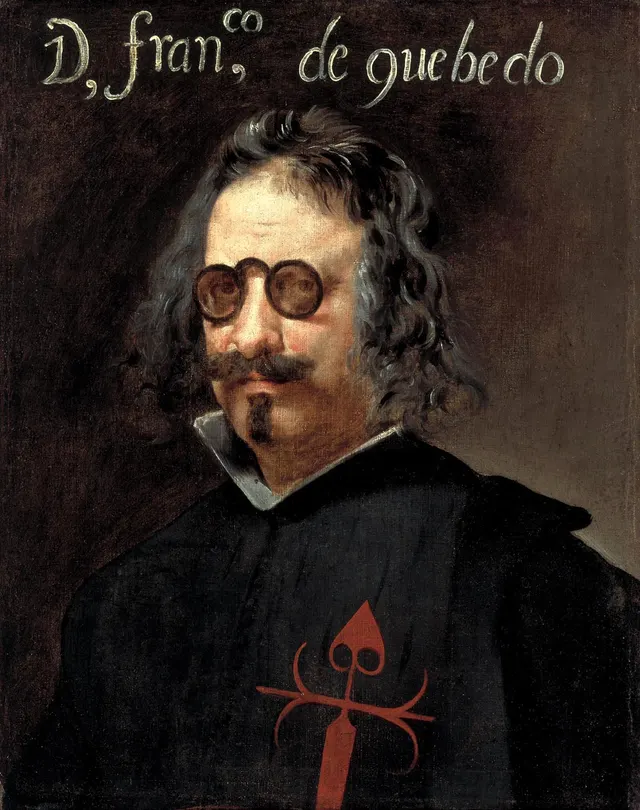
Francisco de Quevedo
Image creditAttributed to Juan van der Hamen · Public domainResized and cropped for display.

Francisco de Quevedo

Spanish poet and satirist of the Golden Age, a master of wordplay whose picaresque novel El Buscón mocked the society of his day.

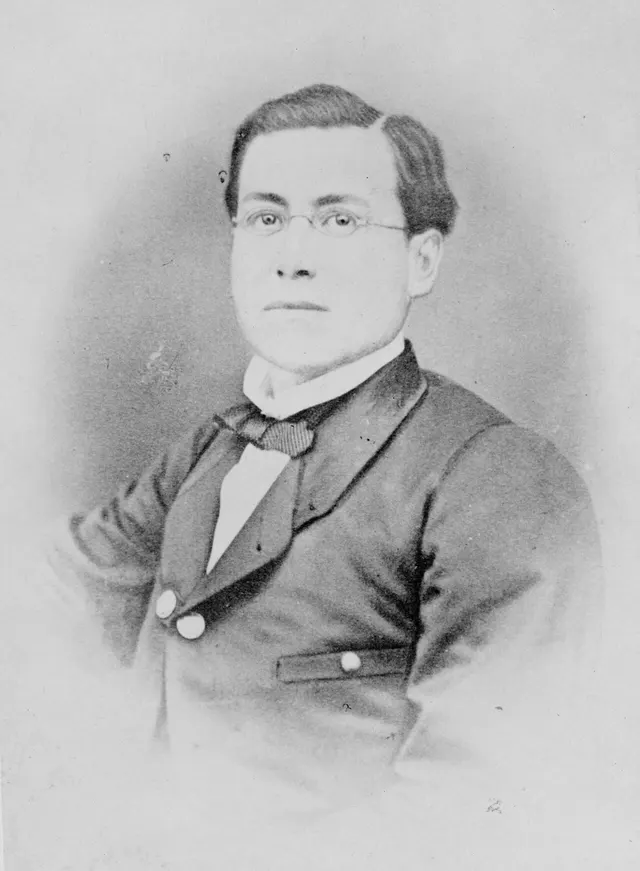
Ignacio Zaragoza
Image creditUnknown · Public domainResized and cropped for display.

Ignacio Zaragoza

Mexican general who defeated the invading French army at Puebla on 5 May 1862, the victory remembered as Cinco de Mayo; he died of typhoid months later.

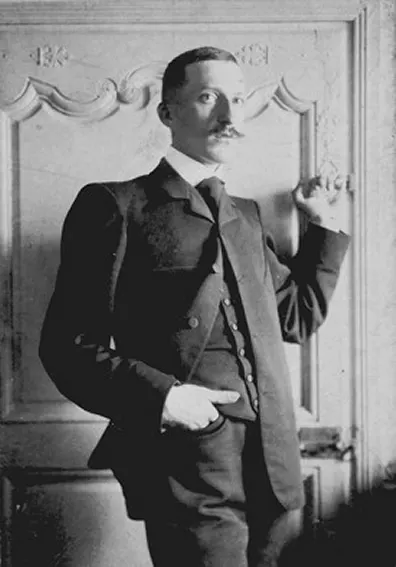
André Derain
Image creditUnknown author · Public domainResized and cropped for display.

André Derain

French painter who with Henri Matisse led the Fauves, using bold, unnatural colour in his views of Collioure and London.

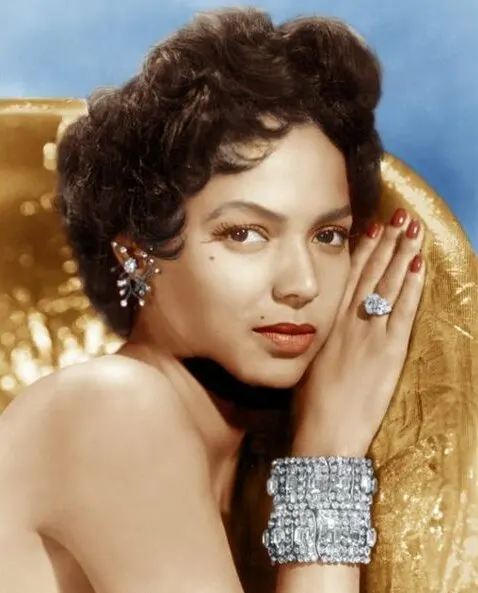
Dorothy Dandridge
Image creditStudio Publicity · Public domainResized and cropped for display.

Dorothy Dandridge

American actress and singer, the first Black woman nominated for the Academy Award for best actress, for Carmen Jones in 1954.

Hermann Staudinger
Image creditNobel Foundation · Public domainResized and cropped for display.

Hermann Staudinger

German chemist who showed that rubber, plastics and other polymers are giant chain-like molecules, winning the 1953 Nobel Prize in Chemistry.

☉
AROUND THE WORLD

Observances & Anniversaries

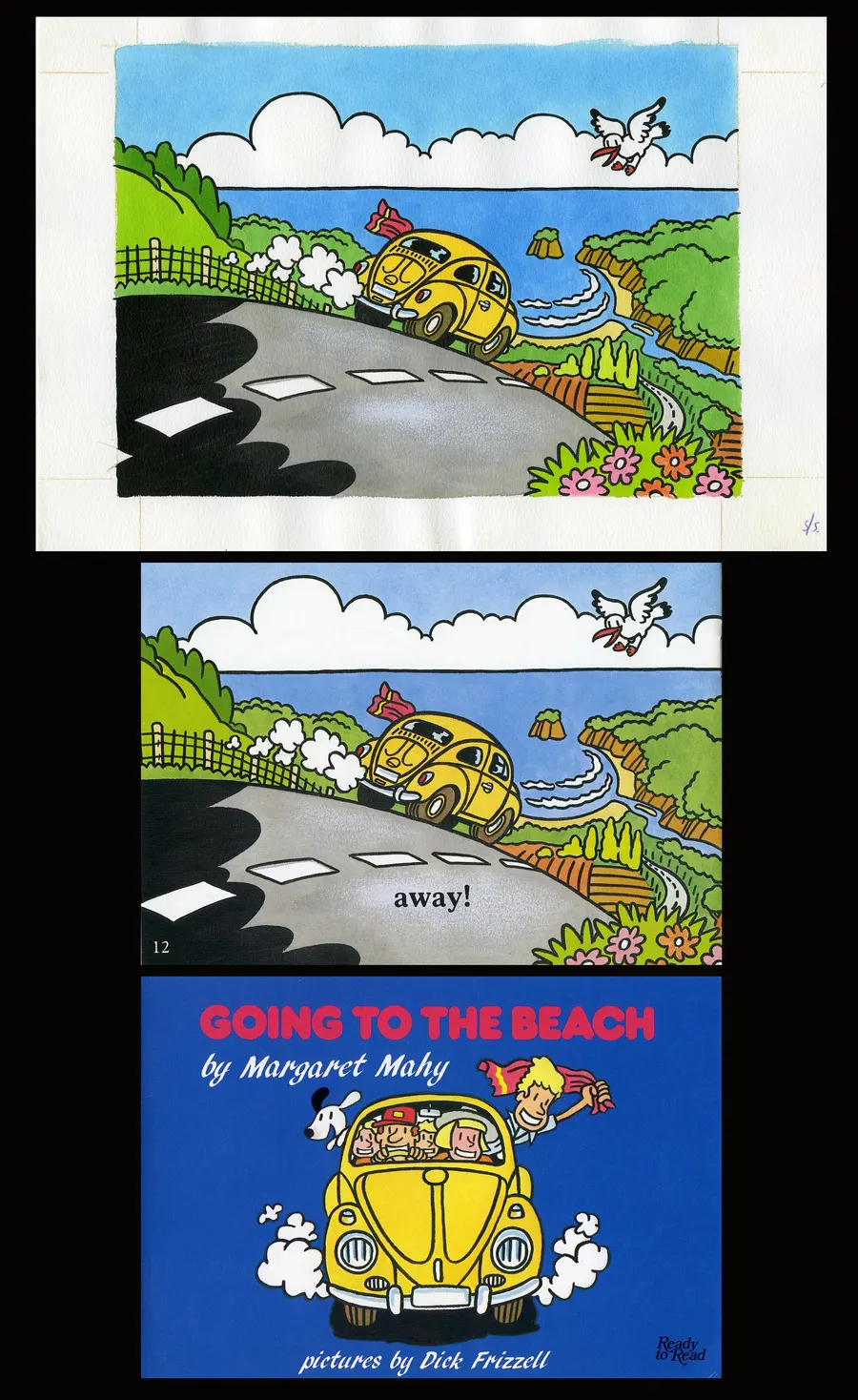
Dick Frizzell's pictures for Margaret Mahy's children's book Going to the Beach, shared by Archives New Zealand for International Literacy Day
Dick Frizzell’s pictures for Margaret Mahy’s children’s book Going to the Beach, shared by Archives New Zealand for International Literacy Day
Image creditDick Frizzell / Archives New Zealand · CC BY-SA 2.0Resized and cropped for display.

International Literacy Day

UNESCO, the United Nations’ agency for education, science and culture, proclaimed International Literacy Day in 1966, and it has been marked every year since 1967. It reminds governments and the public that being able to read and write is a basic right and the foundation for learning, work and taking part in society.

Hundreds of millions of adults around the world still lack basic literacy skills, most of them women, and many children leave school unable to read well. Each year UNESCO chooses a theme and awards international prizes to projects that teach people to read and write.

Source: UNESCO: International Literacy Day ↗
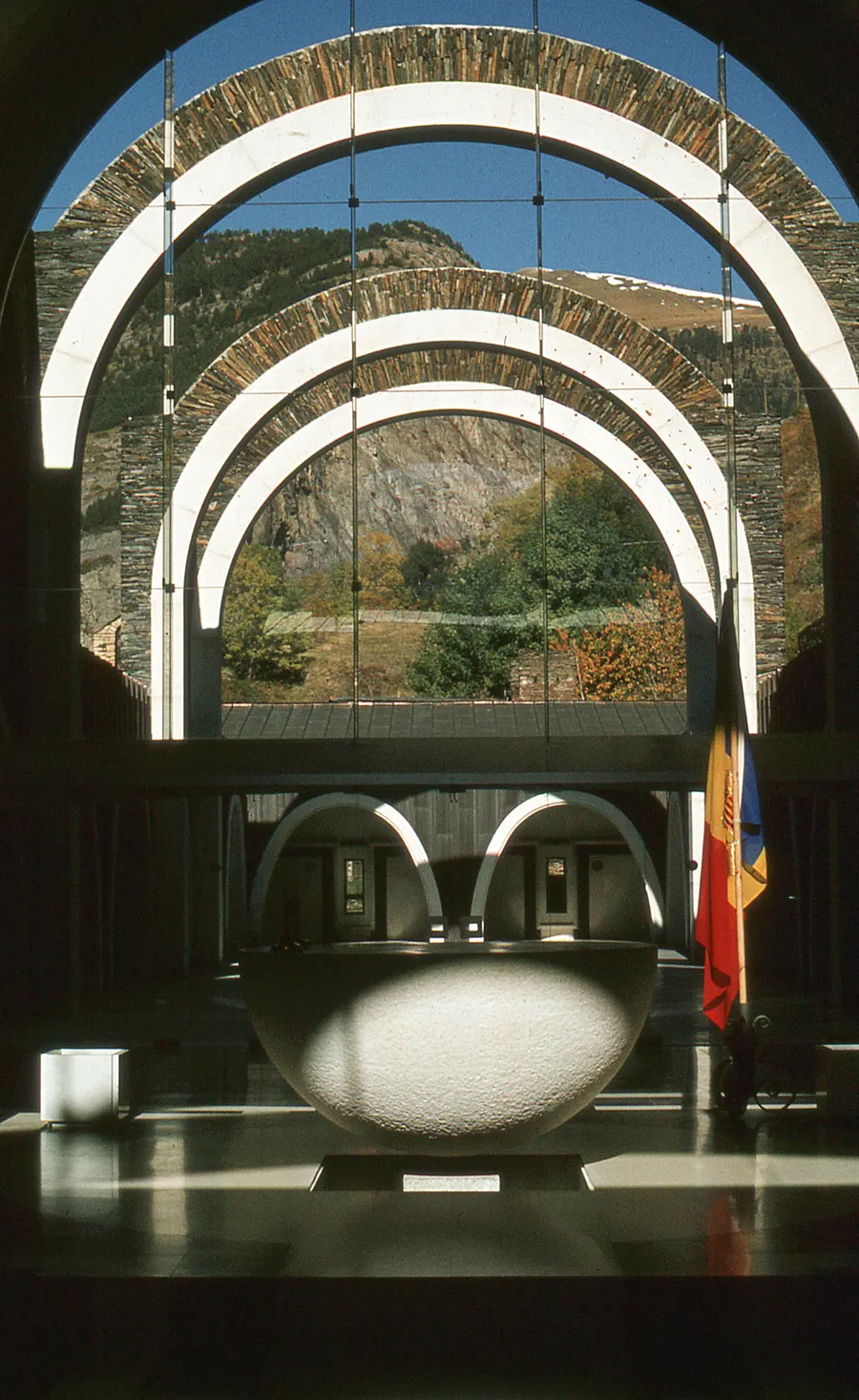
Arches of the new Sanctuary of Our Lady of Meritxell in Andorra, designed by Ricardo Bofill's Taller de Arquitectura
Arches of the new Sanctuary of Our Lady of Meritxell in Andorra, designed by Ricardo Bofill’s Taller de Arquitectura
Image creditAndrea Mesecke · CC BY-SA 3.0Resized and cropped for display.

Our Lady of Meritxell, Andorra’s national day

On 8 September, the feast of the birth of the Virgin Mary, Andorra honours its patron, Our Lady of Meritxell, and the day is the principality’s national holiday. Many people walk or drive to her sanctuary at Meritxell, in the parish of Canillo, for a festival mass.

The old Romanesque chapel there, altered in the 17th century, was destroyed by fire in 1972 together with the ancient carved statue of the Virgin. A new sanctuary by the Catalan architect Ricardo Bofill opened in 1976, and a copy of the statue is venerated there.

Source: Visit Andorra: Basilica Sanctuary of Meritxell ↗
HISTORY & TIMELINE

Finished the highlights?

Follow 8 September chronologically, from the Middle Ages to the modern day, with 17 verified events and the sources behind them.

This day through time →