Explore 4 September

Explore 4 September: Paris proclaims the Third Republic, the last Western Roman emperor loses his throne, Salvador Allende wins Chile’s presidential election, the world’s women meet in Beijing and Geronimo makes his final surrender. Born today: Al-Biruni, Richard Wright and Beyoncé.

This day through time →13 verified events across 5 eras

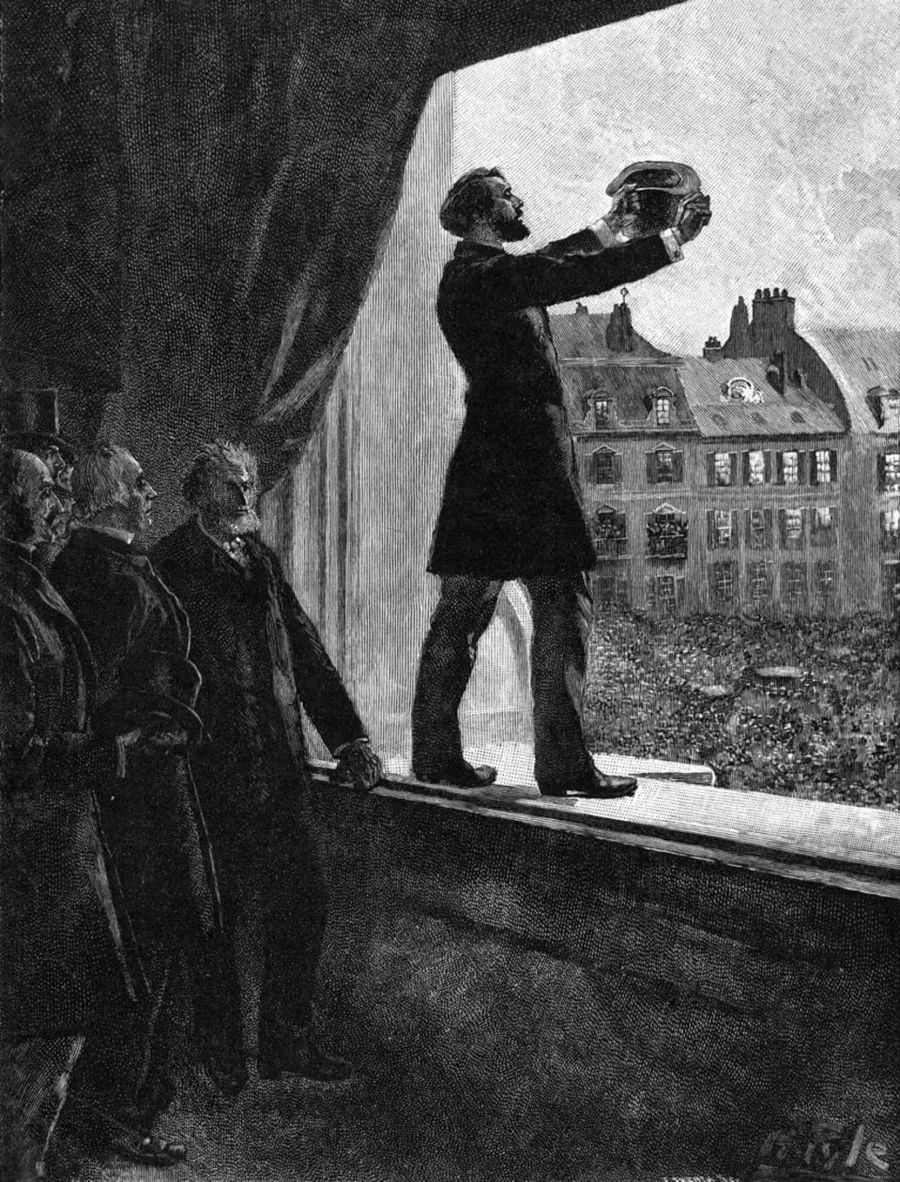
Léon Gambetta proclaiming the Republic of France, in an illustration by Howard Pyle
Image creditHoward Pyle · Public domainResized and cropped for display.

Paris proclaims the Third Republic

In July 1870 Emperor Napoleon III took France into war with Prussia and its German allies, confident of a quick victory. Instead the French armies were outmanoeuvred and beaten in a few weeks. On 2 September the emperor himself surrendered with an entire army at Sedan, near the Belgian border, and was taken prisoner. When the news reached Paris on the night of 3 September, the capital rose in anger against the regime that had led it to disaster.

On 4 September 1870 crowds invaded the Palais Bourbon, where the legislature sat, and the republican deputies Léon Gambetta and Jules Favre led them across the city to the Hôtel de Ville. There Gambetta proclaimed the Republic, and a Government of National Defence was formed to carry on the war. The Second Empire fell without a shot being fired, and the empress fled to England. The new republic began amid siege, defeat and the bloody Paris Commune of 1871, yet it lasted until 1940, longer than any French regime since the Revolution.

Read the full storyHistory & Timeline →Source: Assemblée nationale: Defeat at Sedan, proclamation of the Republic and provisional government ↗
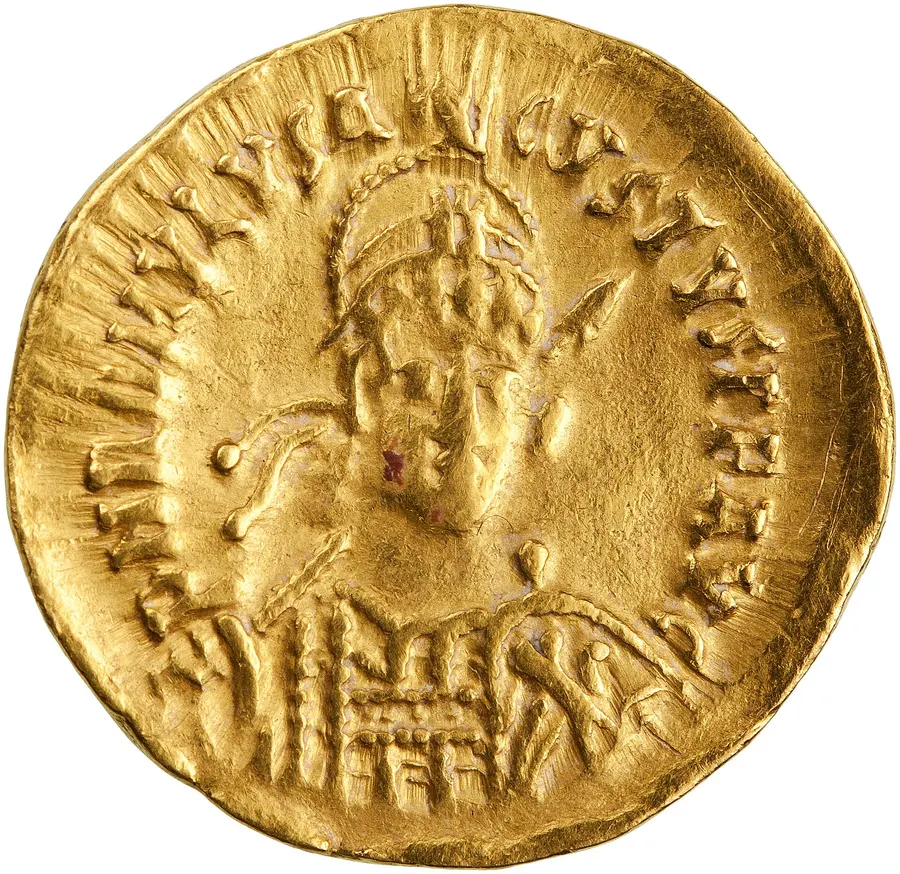
A gold solidus of Romulus Augustulus, the last emperor of the Western Roman Empire, in the collection of the American Numismatic Society
Image creditANS · CC0Resized and cropped for display.

The last Western Roman emperor, Romulus Augustulus, is deposed

In 475 the general Orestes drove the emperor Julius Nepos out of Ravenna and placed his own son Romulus, still a boy, on the Western Roman throne. Mocked as Augustulus, ‘the little emperor’, he had no power of his own. Real strength lay with the army in Italy, made up largely of Germanic soldiers, and when Orestes refused their demand for land of their own, they turned to one of their officers, Odoacer, and proclaimed him king on 23 August 476.

Odoacer defeated and killed Orestes, then took Ravenna and its emperor. The ancient sources do not give an exact day, but the deposition of Romulus took place on or soon after 4 September 476. Odoacer spared the boy because of his youth, gave him a pension and sent him to live with relatives in Campania. Rather than take the imperial title himself, Odoacer sent the regalia to Constantinople and ruled Italy as king. No new emperor was ever named in the West, and 476 became the date traditionally given for the fall of the Western Roman Empire.

Read the full storyHistory & Timeline →Source: De Imperatoribus Romanis (Loyola University Chicago): Romulus Augustulus ↗
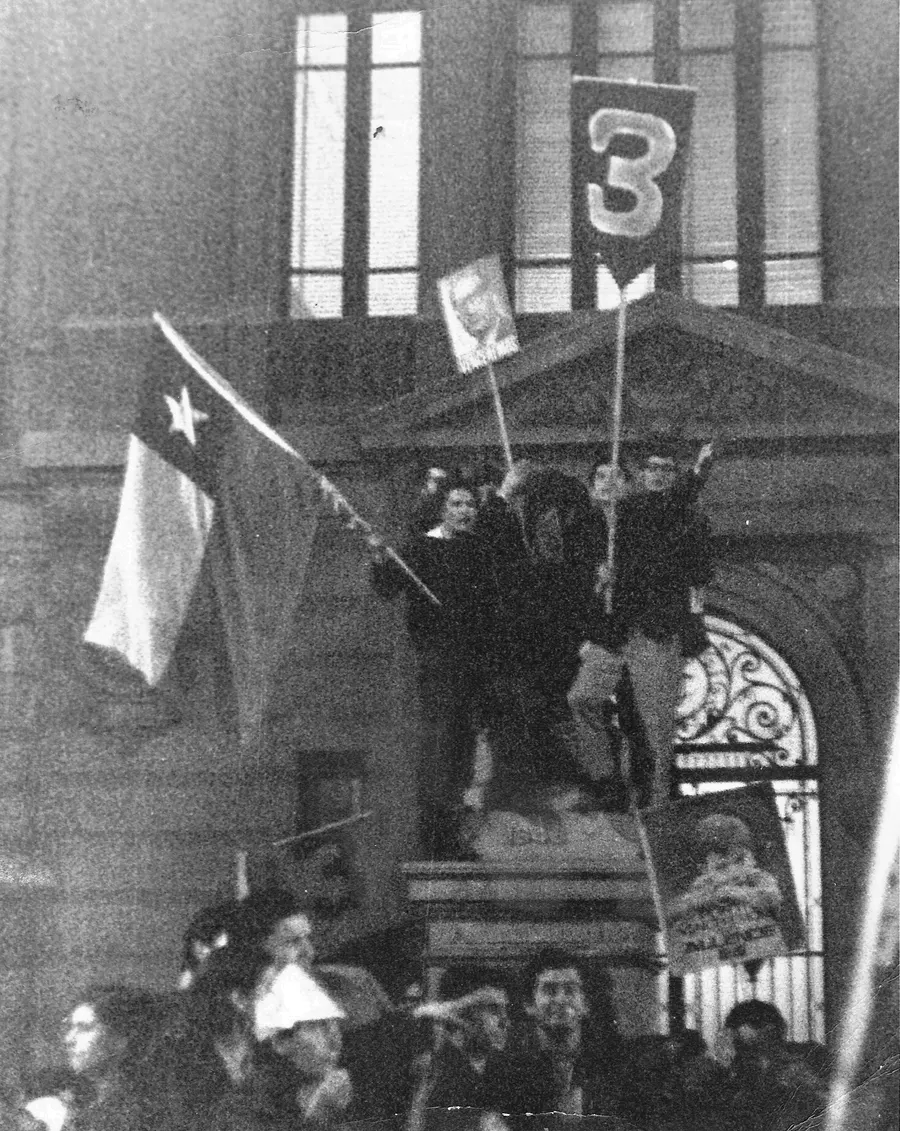
Supporters of Salvador Allende celebrate in front of the Catholic University on the Alameda in Santiago on the night of his election win, 4 September 1970
Image creditPaul Lowry from New York, EEUU de A · CC BY 2.0Resized and cropped for display.

Salvador Allende wins Chile’s presidential election

Salvador Allende, a doctor and veteran Socialist senator, had stood for the presidency of Chile three times before and lost each time. In 1970 he ran again at the head of Popular Unity, a coalition of Socialists, Communists and smaller left-wing parties, promising to nationalise the great copper mines, speed up land reform and lead Chile peacefully towards socialism.

In the three-way election on 4 September 1970 Allende came first with about 36 per cent of the vote, narrowly ahead of the conservative former president Jorge Alessandri. With no candidate holding a majority, Congress had to choose, and on 24 October it confirmed Allende after he agreed to constitutional guarantees demanded by the Christian Democrats. He took office on 3 November as one of the first Marxists to win the presidency of a country through an open election. The United States worked secretly against his government, and it was overthrown in a military coup in September 1973, during which Allende died.

Read the full storyHistory & Timeline →Source: National Security Archive (George Washington University): Allende Wins ↗
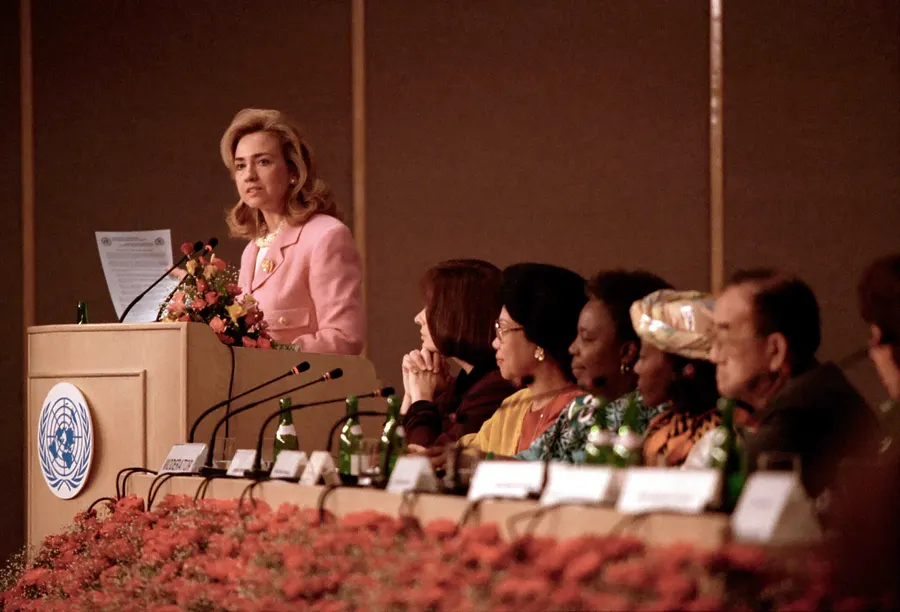
The US First Lady Hillary Clinton speaking at the UN Fourth World Conference on Women in Beijing, September 1995
Image creditWhite House Photograph Office · Public domainResized and cropped for display.

The UN’s Fourth World Conference on Women opens in Beijing

The United Nations held its first world conference on women in Mexico City in 1975, followed by meetings in Copenhagen in 1980 and Nairobi in 1985. Each pushed governments to treat equality between women and men as a matter of law and policy, but progress was slow and uneven, and by the 1990s campaigners wanted a single agreed plan that every country would sign up to.

The Fourth World Conference on Women opened in Beijing on 4 September 1995 and ran until 15 September. More than 17,000 people took part, among them some 6,000 government delegates, while about 30,000 more gathered at a parallel forum for non-governmental groups at Huairou, outside the city. On 5 September the US First Lady Hillary Clinton declared that ‘women’s rights are human rights’. The conference ended with 189 countries adopting the Beijing Declaration and Platform for Action, which set goals in twelve areas, from education and health to violence and political power, and is still the main global plan for gender equality.

Read the full storyHistory & Timeline →Source: United Nations: Fourth World Conference on Women, Beijing 1995 ↗
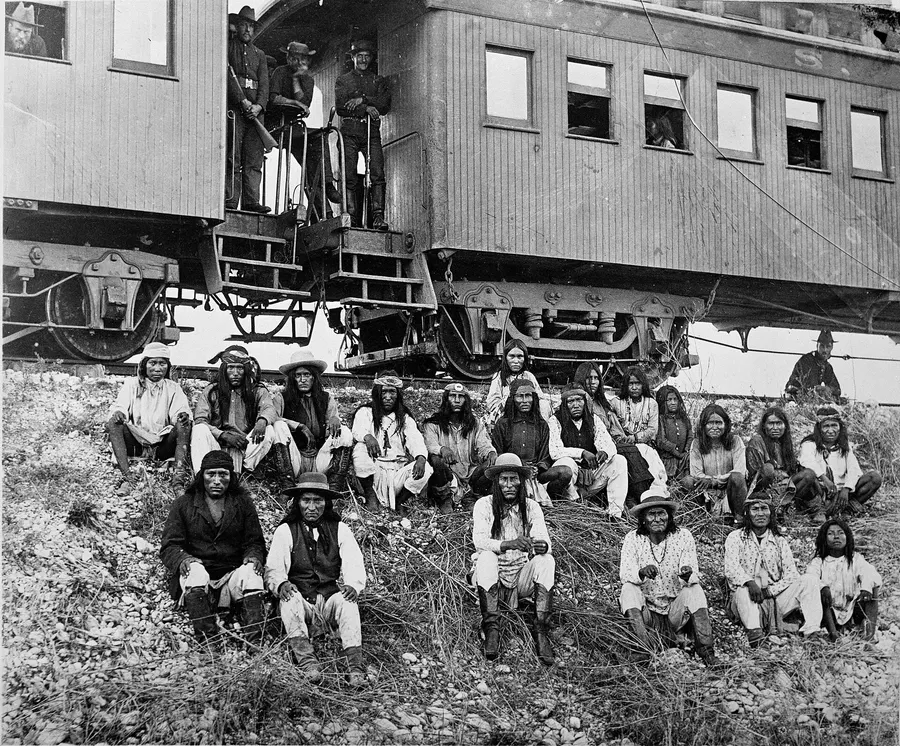
Geronimo (third from the right, in front) and other Apache prisoners beside the Southern Pacific Railway near the Nueces River, Texas, on 10 September 1886, on their way to exile in Florida
Image creditUnknown photographer · Public domainResized and cropped for display.

Geronimo makes his final surrender

Geronimo, a Bedonkohe Apache war leader, had fought Mexican and American forces for decades as settlers and soldiers pushed into the Apache homelands of the south-west. Confined with his people to the San Carlos reservation in Arizona, he broke out several times, and in May 1885 he fled again into the mountains of northern Mexico with a small band. Thousands of American and Mexican troops spent more than a year hunting a few dozen men, women and children.

Apache scouts finally found the band, and Lieutenant Charles Gatewood persuaded Geronimo to meet General Nelson Miles. On 4 September 1886, in Skeleton Canyon in southern Arizona, Geronimo surrendered, ending the last major armed resistance by the Apache. Miles promised that the Apache would be allowed to return to Arizona, but the promise was broken. Geronimo and hundreds of Chiricahua Apache, including the scouts who had served the army, were sent as prisoners of war to Florida and later Alabama and Oklahoma. Geronimo never saw his homeland again and died at Fort Sill in 1909.

Read the full storyHistory & Timeline →Source: US National Park Service, Chiricahua National Monument: Post Apache Wars ↗

♙
PEOPLE

Born Today

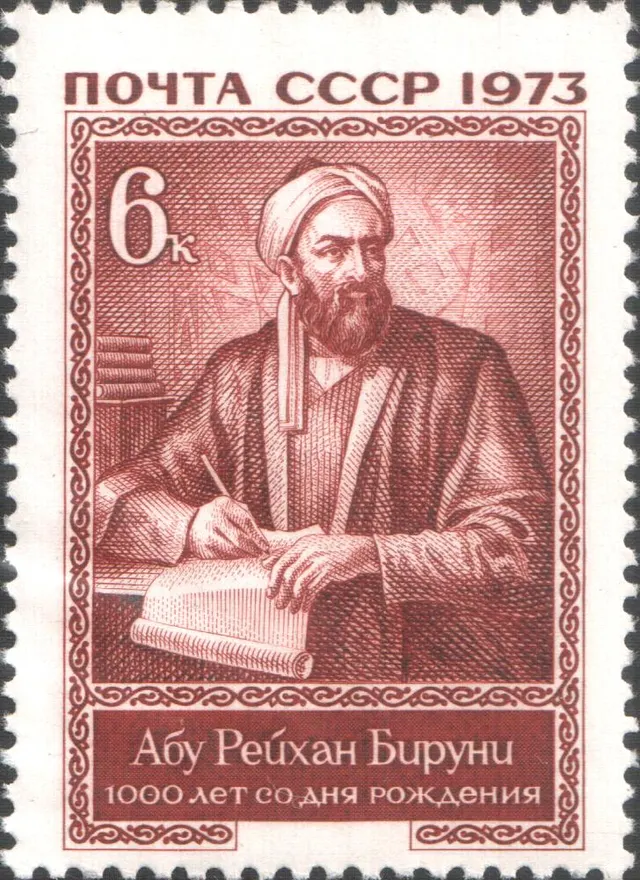
Al-Biruni
Image creditSoviet postal stamp (1973) · Public domainResized and cropped for display.

Al-Biruni

Persian scholar from Khwarazm who wrote on astronomy, mathematics, geography and medicine, measured the Earth’s radius and produced a celebrated study of India.

Constantijn Huygens
Image creditMichiel Jansz. van Mierevelt · Public domainResized and cropped for display.

Constantijn Huygens

Dutch poet, composer and secretary to the princes of Orange who championed the young Rembrandt and was the father of the scientist Christiaan Huygens.

Dadabhai Naoroji
Image creditUnknown · Public domainResized and cropped for display.

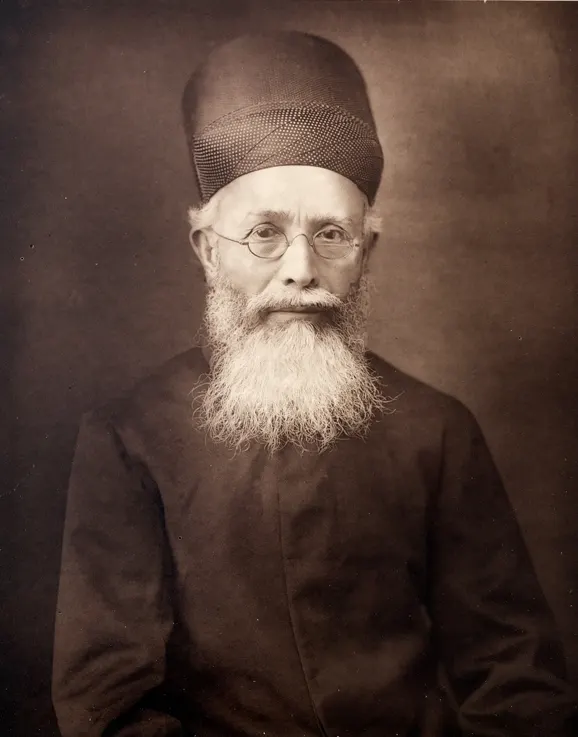
Dadabhai Naoroji

Indian scholar and nationalist, the ‘Grand Old Man of India’, who argued that British rule was draining India’s wealth and became the first Asian elected to the British Parliament.

Richard Wright
Image creditCarl Van Vechten · Public domainResized and cropped for display.

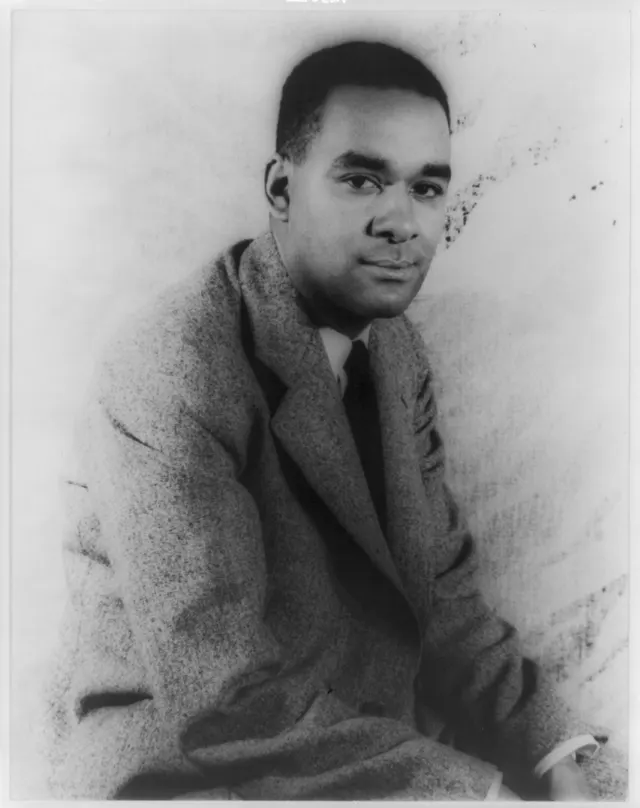
Richard Wright

African American writer whose novel Native Son and memoir Black Boy confronted American racism with unflinching force.

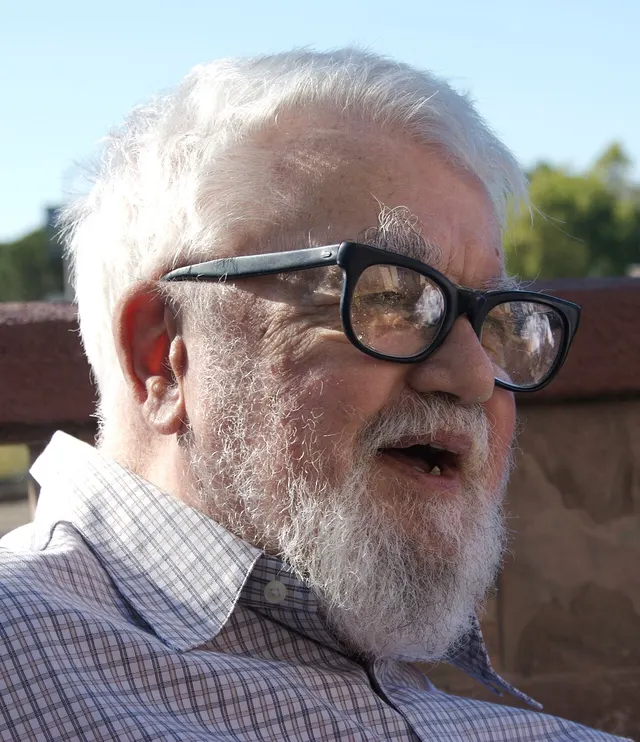
John McCarthy
Image creditnull0 (Flickr) · CC BY-SA 2.0Resized and cropped for display.

John McCarthy

American computer scientist who coined the term ‘artificial intelligence’, created the programming language Lisp and helped found the field of AI.

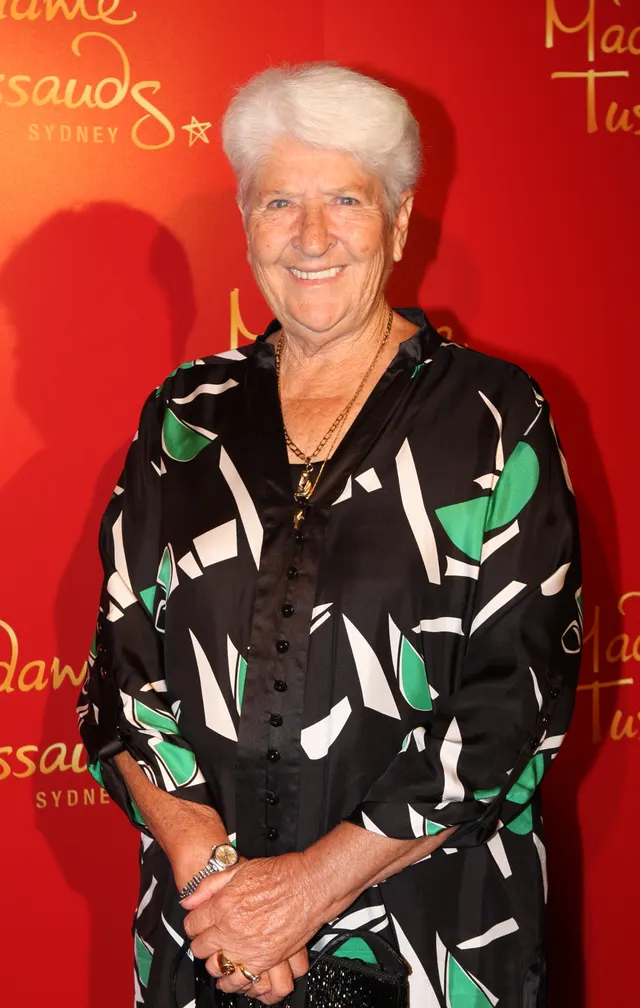
Dawn Fraser
Image creditEva Rinaldi · CC BY-SA 2.0Resized and cropped for display.

Dawn Fraser

Australian swimmer who won the Olympic 100 metres freestyle at three Games in a row, in 1956, 1960 and 1964.

Shinya Yamanaka
Image creditJapan Academy · CC BY 4.0Resized and cropped for display.

Shinya Yamanaka

Japanese scientist who discovered how to turn ordinary adult cells back into stem cells, winning a share of the 2012 Nobel Prize in Physiology or Medicine.

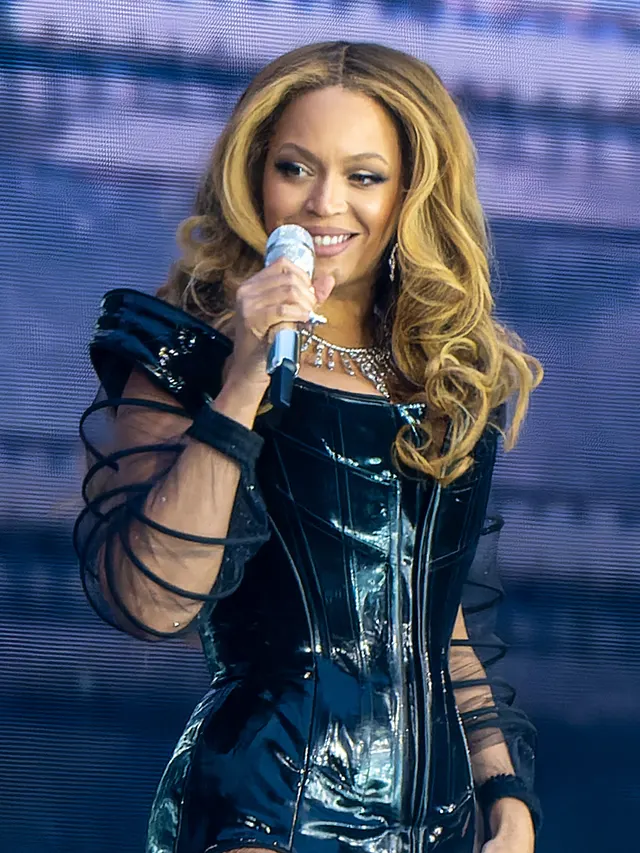
Beyoncé
Image creditRaph_PH · CC BY 2.0Resized and cropped for display.

Beyoncé

American singer, songwriter and performer who rose to fame with Destiny’s Child and became one of the most successful and most awarded artists in music.

◉
IDEAS THAT CHANGED THINGS

Firsts, Science & Discoveries

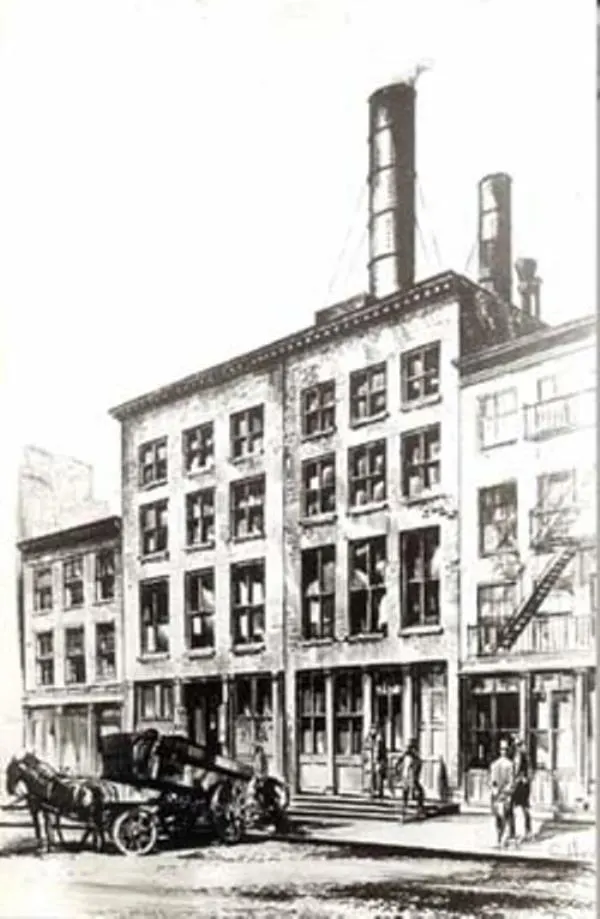
A sketch of Edison's Pearl Street power station in Lower Manhattan
A sketch of Edison’s Pearl Street power station in Lower Manhattan
Image creditEarl Morter · Public domainResized and cropped for display.

Edison’s Pearl Street station switches on New York’s electric light

Thomas Edison’s incandescent lamp of 1879 was of little use without a reliable supply of electricity, and Edison set out to build a whole system: generators, underground cables, meters, switches and fuses. He chose a district of Lower Manhattan around Wall Street, home to banks and newspapers that could afford the new light, and bought two buildings at 255 and 257 Pearl Street for his power station.

On 4 September 1882, from the office of the banker J. P. Morgan, Edison gave the signal to switch on. Six large steam-driven dynamos began sending direct current to about 85 customers with some 400 lamps in a district of about a quarter of a square mile. It was the first permanent central power station for incandescent lighting and the model for the power stations that would soon spread to cities around the world. It ran until 1890, when it was badly damaged by fire.

Read the full storyHistory & Timeline →Source: IEEE, Engineering and Technology History Wiki: Milestones, Pearl Street Station, 1882 ↗
☆
SPORTING HISTORY

Sporting Moments

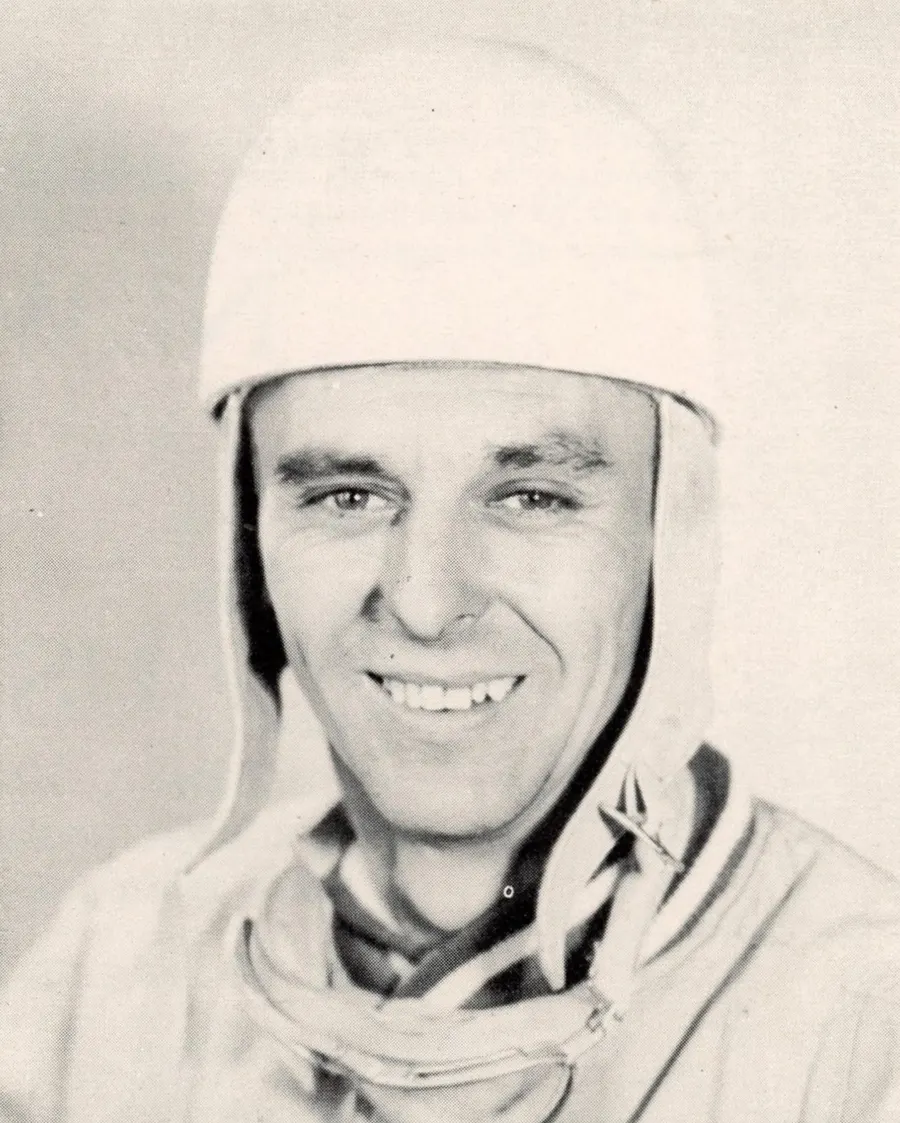
Johnny Mantz, winner of the first Southern 500, photographed around 1957
Image creditTrenton International Speedway · Public domainResized and cropped for display.

The first Southern 500 is run at Darlington

In the late 1940s stock-car racing in the American South was mostly run on short dirt tracks. Harold Brasington, a businessman in Darlington, South Carolina, had seen the Indianapolis 500 and decided to build a paved track long and fast enough for a 500-mile race. The egg-shaped oval he built on farmland outside the town became the first superspeedway in the young NASCAR series.

The first Southern 500 was run on 4 September 1950, Labor Day, with a record field of 75 cars and some 25,000 spectators. It took more than six and a half hours. The winner was the Californian Johnny Mantz, the slowest qualifier, who used hard-wearing truck tyres while his rivals kept stopping for new ones, and finished nine laps ahead. It was NASCAR’s first 500-mile race and its first on asphalt, and the Southern 500 remains one of the sport’s most famous events.

Read the full storyHistory & Timeline →Source: NASCAR Hall of Fame: The first Southern 500 ↗
♫
MUSIC • FILM • BOOKS • CULTURE

Culture Stories

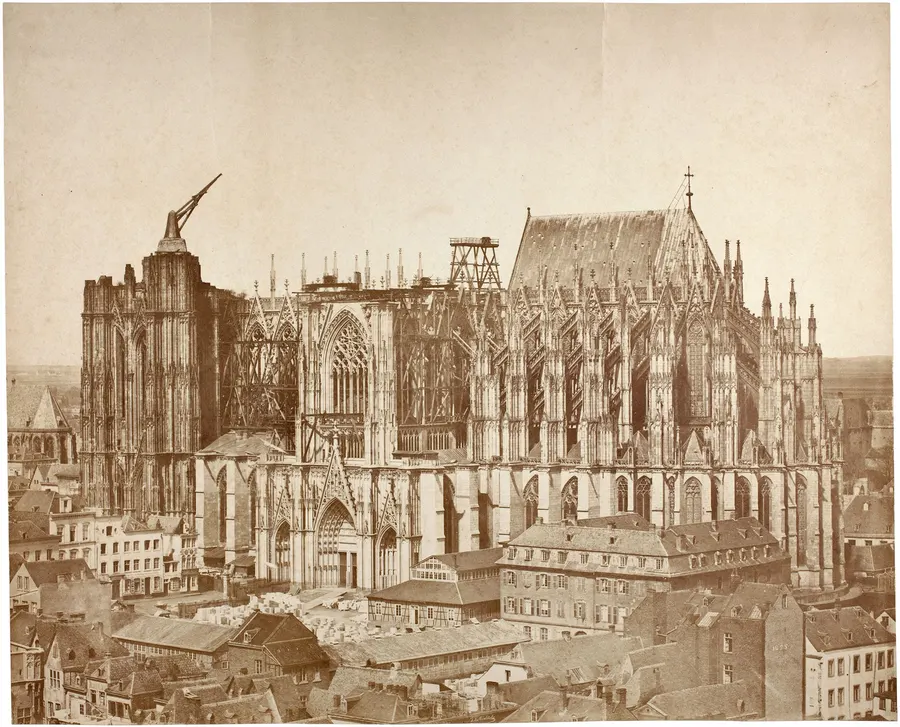
Cologne Cathedral under construction in 1855, in an early salt-paper photograph, with the medieval crane still on the unfinished south tower
Image creditJohannes Franciscus Michiels · Public domainResized and cropped for display.

Work resumes on Cologne Cathedral after almost three centuries

Building on Cologne Cathedral began in 1248 to house the relics of the Three Kings, but work slowed over the centuries and stopped altogether in the 1500s. For about 300 years the unfinished choir stood beside a stump of the south tower, topped by a wooden crane that became a familiar part of the city’s skyline. In the early 19th century, as German Romantics rediscovered the Gothic, the rediscovery of the cathedral’s original medieval plans revived the dream of finishing it.

On 4 September 1842 King Friedrich Wilhelm IV of Prussia, with the coadjutor archbishop Johannes von Geissel, laid the foundation stone for the cathedral’s completion. The king saw it as a national monument for all Germans, and the citizens of Cologne founded the Central Cathedral Building Society, which raised most of the money. Following the medieval designs, the builders finished the cathedral in 1880. Its twin spires, 157 metres high, made it for a few years the tallest building in the world, and it is now a UNESCO World Heritage Site.

Read the full storyHistory & Timeline →Source: Kölner Dom (Cologne Cathedral): History ↗
✦
LIVES REMEMBERED

Remembered Today

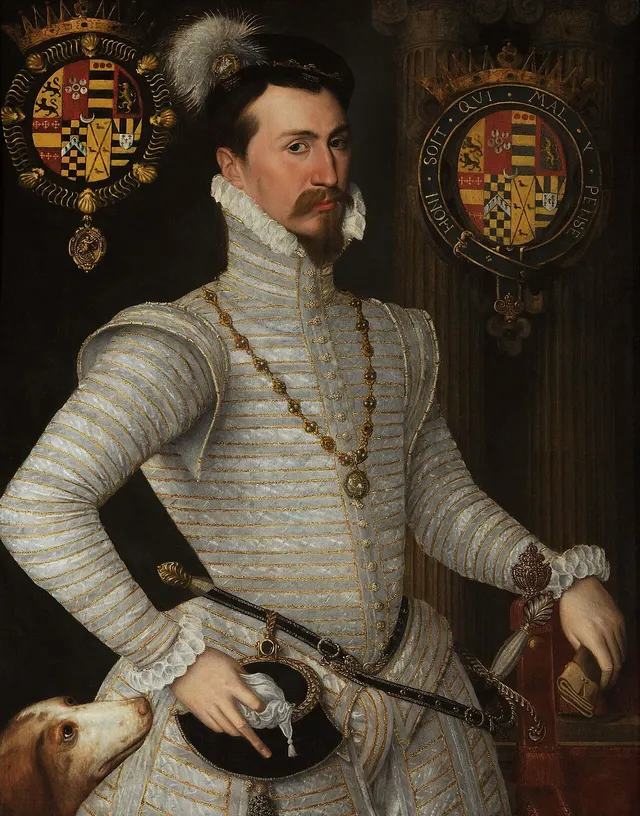
Robert Dudley, Earl of Leicester
Image creditSteven van der Meulen · Public domainResized and cropped for display.

Robert Dudley, Earl of Leicester

English courtier who was the closest favourite of Queen Elizabeth I for three decades and led the English army sent to help the Dutch revolt.

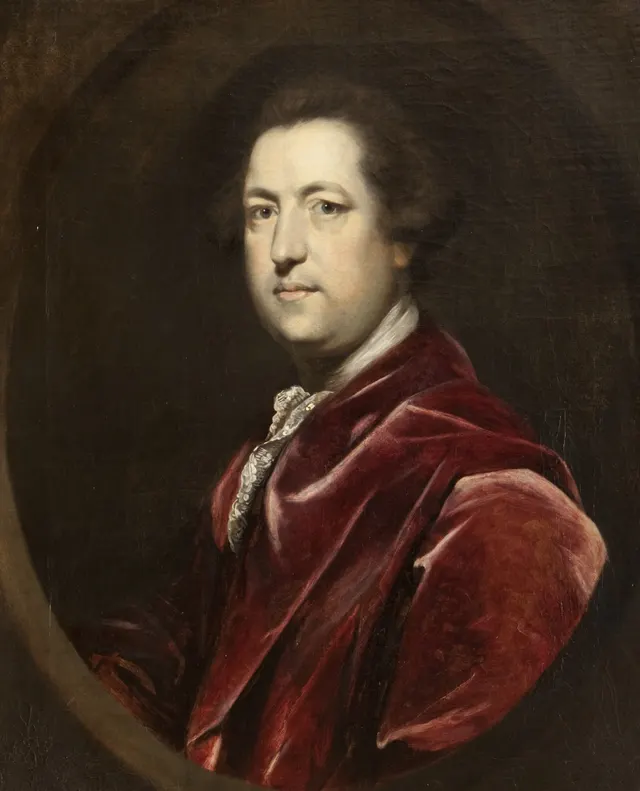
Charles Townshend
Image creditJoshua Reynolds · Public domainResized and cropped for display.

Charles Townshend

British Chancellor of the Exchequer whose Townshend Acts, taxing goods imported into the American colonies, deepened the quarrel that led to American independence.

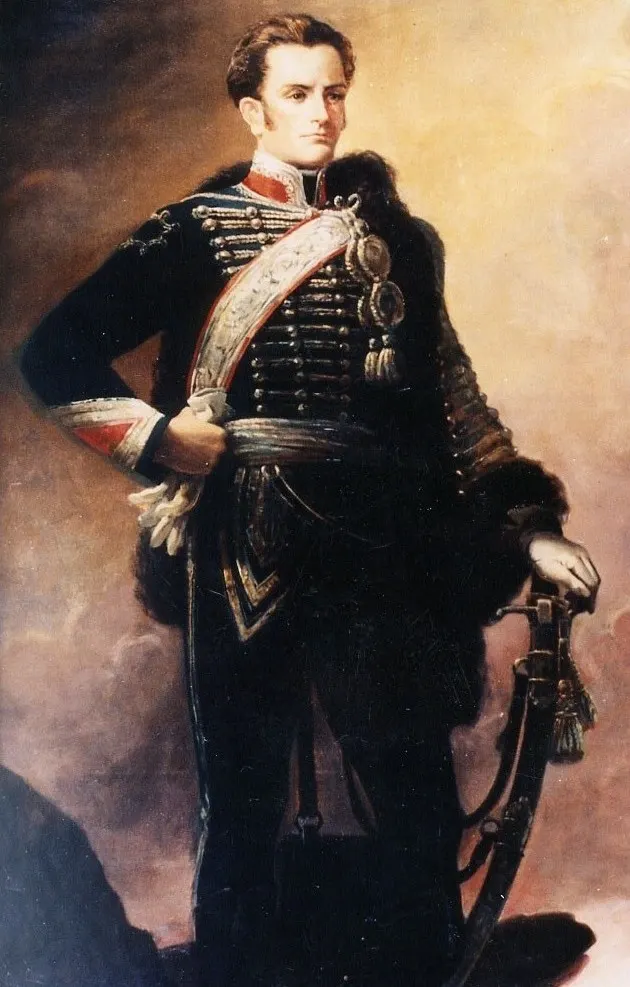
José Miguel Carrera
Image creditMiguel Venegas Cifuentes · Public domainResized and cropped for display.

José Miguel Carrera

Chilean general who led his country’s early struggle for independence from Spain and was executed by firing squad in Mendoza, Argentina.

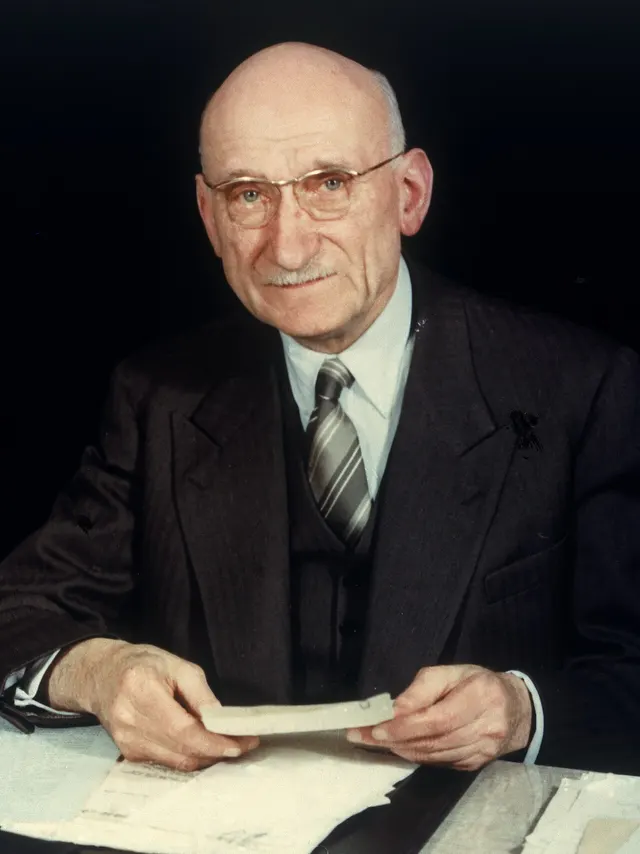
Robert Schuman
Image creditEuropean Commission · CC BY 4.0Resized and cropped for display.

Robert Schuman

French statesman whose 1950 declaration proposing to pool French and German coal and steel launched the movement that became the European Union.

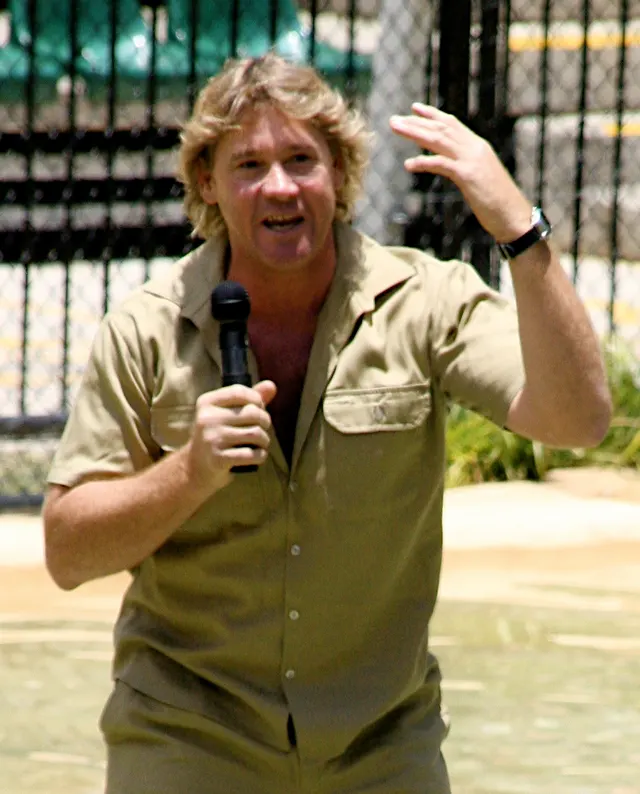
Steve Irwin
Image creditRichard Giles aka rich 115 · CC BY 2.0Resized and cropped for display.

Steve Irwin

Australian wildlife expert and television presenter, known worldwide as the Crocodile Hunter, who ran Australia Zoo and campaigned for conservation.

☉
AROUND THE WORLD

Observances & Anniversaries

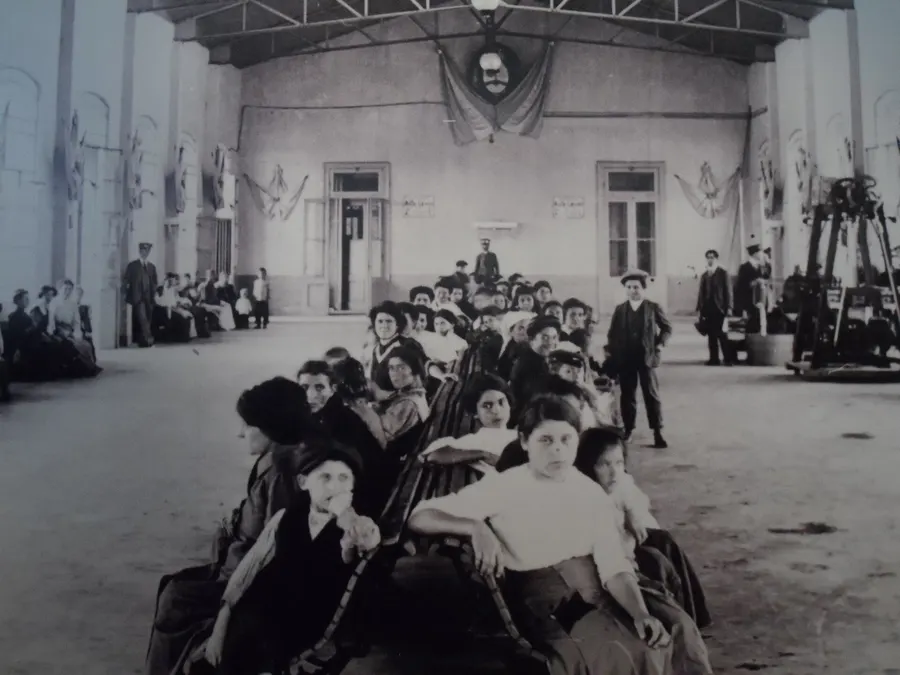
Newly arrived immigrants waiting for their turn in the dining hall of the Hotel de Inmigrantes in Buenos Aires, in an early 20th-century photograph displayed at the city’s Museum of Immigration
Image creditAnonymousUnknown author · Public domainResized and cropped for display.

Immigrant’s Day in Argentina

On 4 September 1812, two years after the May Revolution, Argentina’s First Triumvirate issued a decree offering its protection to people of every nation who wished to settle in the territory with their families. Over the following century millions of immigrants arrived, above all from Italy and Spain, and transformed the country’s cities, farms and culture.

In 1949 a decree set 4 September as Immigrant’s Day, in memory of that first act of welcome. The day is marked with events across Argentina, and Buenos Aires holds festivals of its many immigrant communities, with food, music and dance from around the world.

Source: Government of Argentina: 4 September 1949, Immigrant’s Day ↗
HISTORY & TIMELINE

Finished the highlights?

Follow 4 September chronologically, from the Middle Ages to the modern day, with 13 verified events and the sources behind them.

This day through time →