Explore 30 August

Explore 30 August: East Timor votes for independence, settlers from the schooner Enterprize found Melbourne, Turkey wins its decisive battle at Dumlupınar, Germany crushes a Russian army at Tannenberg and Lenin survives an assassin’s bullets. Born today: Itō Jinsai, Evelyn De Morgan and Warren Buffett.

This day through time →13 verified events across 4 eras

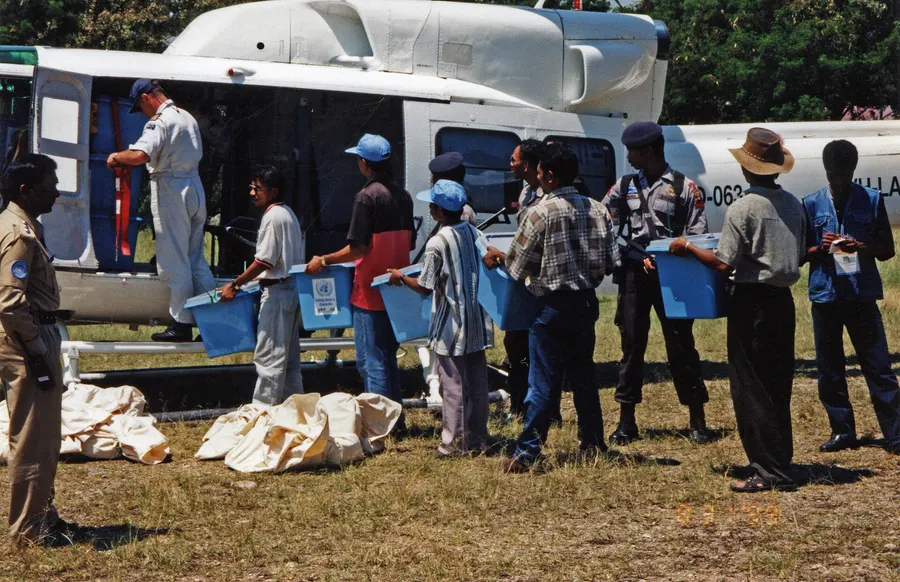
Ballot boxes from East Timor's 1999 independence referendum being transported for counting
Ballot boxes from East Timor’s 1999 independence referendum being transported for counting
Image creditAnna Voss, Watch Indonesia! · CC BY-SA 3.0Resized and cropped for display.

East Timor votes for independence

East Timor, the eastern half of the island of Timor, was a Portuguese colony for four centuries. When Portugal withdrew in 1975 the territory declared independence, but within days Indonesia invaded and later annexed it. Over the next two decades a long resistance, and the famine and killings that followed the invasion, cost the lives of perhaps a quarter of the population, while the United Nations never recognised Indonesian rule.

After the fall of President Suharto in 1998, his successor B. J. Habibie agreed to let the East Timorese choose between wide autonomy within Indonesia and independence. On 30 August 1999, in a ballot organised by the UN, almost 99 per cent of registered voters turned out despite months of intimidation by pro-Indonesian militias. When the result was announced on 4 September, 78.5 per cent had rejected autonomy. Militias backed by parts of the Indonesian army then killed hundreds of people and burned much of the territory, until an international force led by Australia restored order. After a period of UN administration, East Timor became independent in May 2002.

Read the full storyHistory & Timeline →Source: United Nations: Security Council’s work in 1999, question of East Timor ↗
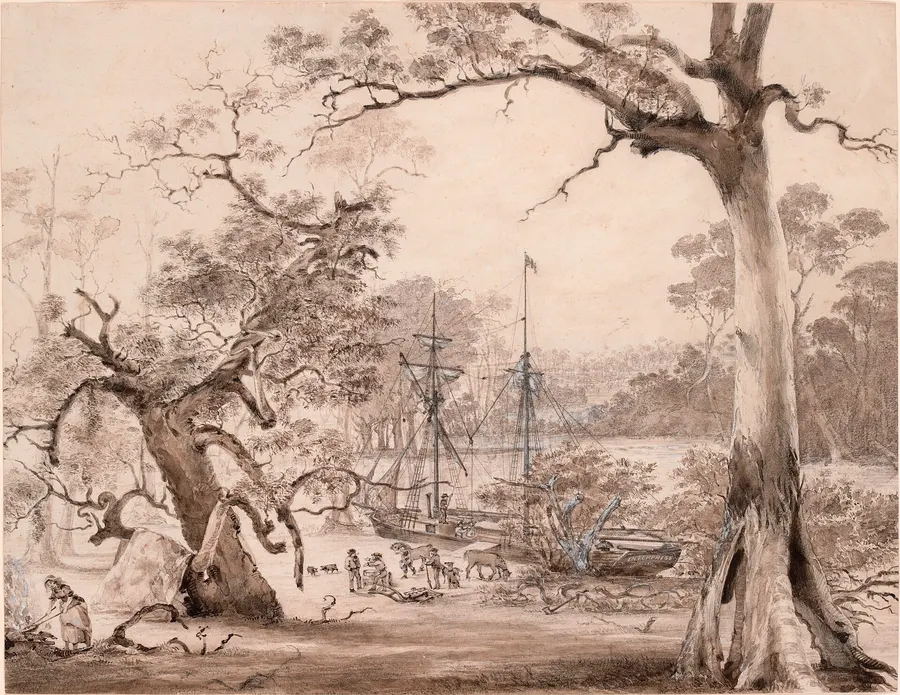
A picture by an unknown artist of the schooner Enterprize moored among the gum trees on the Yarra at the founding of Melbourne in August 1835
Image creditUnknown · Public domainResized and cropped for display.

Settlers from the schooner Enterprize found Melbourne

In the 1830s graziers in Van Diemen’s Land, today’s Tasmania, were looking across Bass Strait for new pasture. In June 1835 John Batman sailed to Port Phillip and claimed to have bought a vast tract of land from Kulin elders, a ‘treaty’ the colonial government soon declared void. At the same time John Pascoe Fawkner, a Launceston innkeeper and newspaperman, bought the schooner Enterprize and sent a party of settlers across the strait.

Fawkner, held back by his debts, stayed behind, but his party sailed up the Yarra River and on 30 August 1835 moored the Enterprize by the bank near where the Customs House now stands and came ashore to build huts and plant crops. Batman’s men arrived soon afterwards, and the two men’s supporters argued for years over who had founded the city. The settlement grew fast on the wool trade, was named Melbourne in 1837 after the British prime minister, and after the gold rushes of the 1850s became one of the richest cities in the world.

Read the full storyHistory & Timeline →Source: eMelbourne, The Encyclopedia of Melbourne (University of Melbourne): Foundation and early history ↗
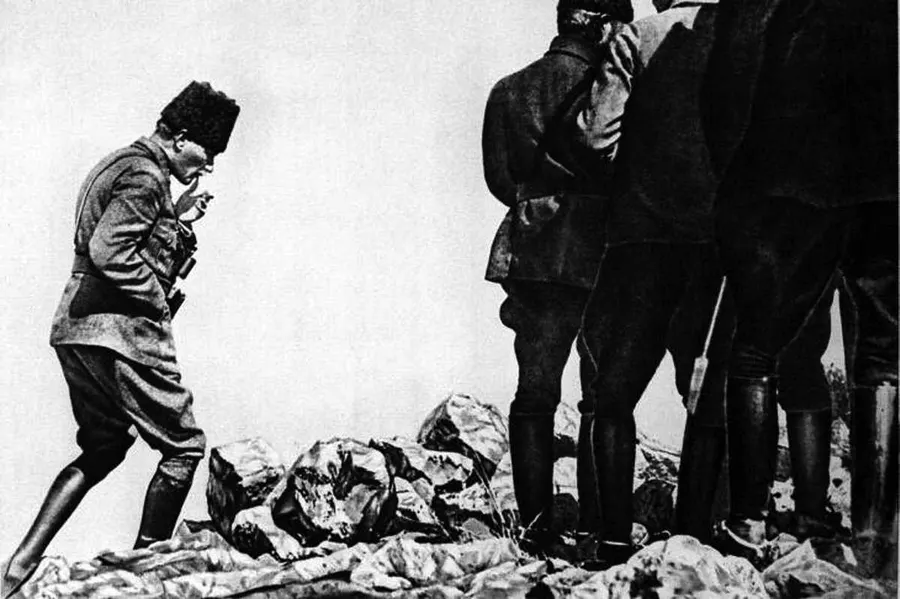
Mustafa Kemal with his officers on the rocky summit of Kocatepe in 1922, from where he directed the opening of the Great Offensive
Image creditUnknown photographer (Turkish government archive) · Public domainResized and cropped for display.

Turkish forces win the decisive battle at Dumlupınar

After the Ottoman defeat in the First World War, Greek troops landed at Smyrna (İzmir) in 1919 and pushed deep into western Anatolia, while the Allies imposed the harsh Treaty of Sèvres on the sultan’s government. A nationalist movement led by Mustafa Kemal, based in Ankara, refused to accept it. In 1921 his forces halted the Greek advance on the Sakarya River, and through the following year they rebuilt their strength for a counter-attack.

The Great Offensive opened on 26 August 1922, when Turkish forces broke through the Greek lines near Afyonkarahisar. On 30 August, in what Turks call the Battle of the Commander-in-Chief, they surrounded and destroyed much of the main Greek army near Dumlupınar. The rest fell back to the coast, and on 9 September Turkish troops entered İzmir. The victory led to the Treaty of Lausanne and the founding of the Republic of Turkey in 1923, and 30 August is still celebrated as Victory Day.

Read the full storyHistory & Timeline →Source: Republic of Türkiye Ministry of Culture and Tourism: 1922 ↗
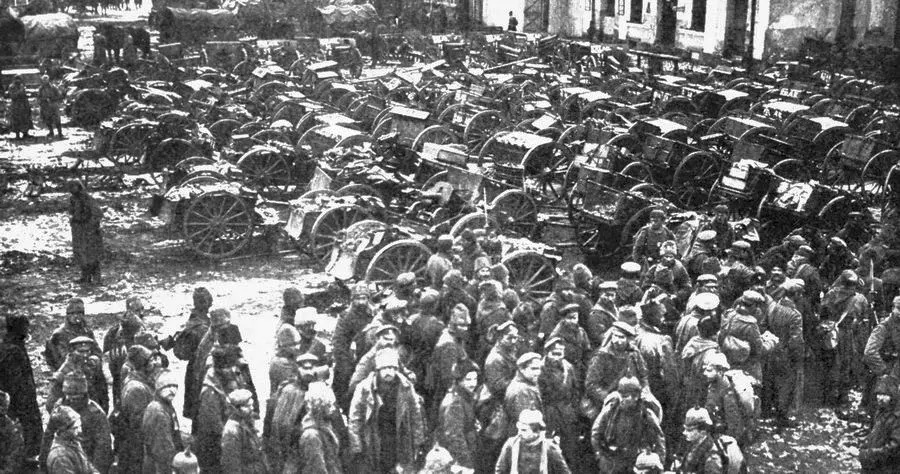
Russian prisoners and captured guns and wagons after the Battle of Tannenberg, 1914
Image creditUnknown photographer · Public domainResized and cropped for display.

Germany destroys a Russian army at Tannenberg

When the First World War began in August 1914, Russia moved faster than Germany expected, sending two armies into East Prussia to help its French ally by drawing German troops away from the west. The First Army under Paul von Rennenkampf advanced from the east and the Second Army under Alexander Samsonov from the south, but the two commanders did not work together, and their orders were sent by radio without code.

The Germans, now led by Paul von Hindenburg and Erich Ludendorff, read the messages and moved almost all their forces against Samsonov. From 26 August his army was surrounded in the forests and lakes near Tannenberg, and by 30 August the battle was over. About 30,000 Russians were killed or wounded and more than 90,000 taken prisoner; Samsonov shot himself. The victory made Hindenburg a national hero, and the Germans named it after Tannenberg to answer the defeat of the Teutonic Knights near the same spot in 1410.

Read the full storyHistory & Timeline →Source: Britannica: Battle of Tannenberg ↗
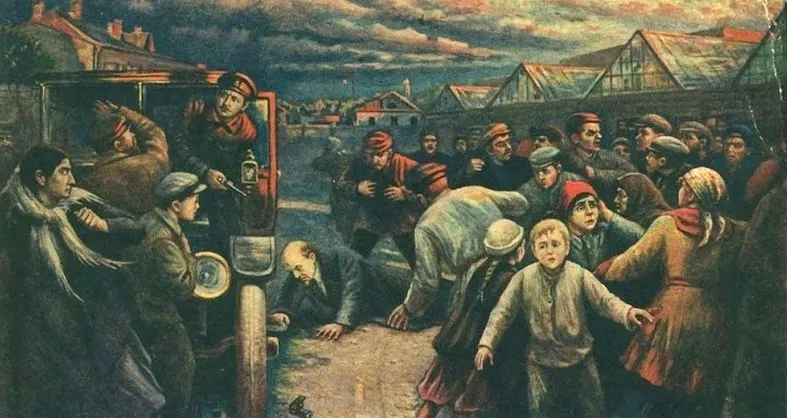
The attempt on Lenin's life outside the Mikhelson factory, in a 1927 painting by Vladimir Pchelin
The attempt on Lenin’s life outside the Mikhelson factory, in a 1927 painting by Vladimir Pchelin
Image creditVladimir Pchelin · Public domainResized and cropped for display.

Lenin is shot and wounded in Moscow

By the summer of 1918 the Bolsheviks, who had seized power in Petrograd the previous autumn, were fighting a civil war on several fronts. They had broken up the elected Constituent Assembly, made a harsh peace with Germany and turned on their former allies, the Socialist Revolutionaries, many of whom now regarded Lenin as a traitor to the revolution.

On the evening of 30 August 1918, as Lenin left a meeting at the Mikhelson factory in Moscow, he was hit by two bullets, one in the neck and one in the shoulder. Fanny Kaplan, a Socialist Revolutionary, was arrested at the scene, said she had shot him for her beliefs, and was executed without trial a few days later. On the same day the head of the Petrograd secret police, Moisei Uritsky, had been assassinated. Lenin recovered, but the government answered the attacks by formally launching the Red Terror, a campaign of arrests, hostage-taking and mass executions.

Read the full storyHistory & Timeline →Source: Presidential Library of Russia: Declassified materials on the attempt on Lenin’s life ↗

♙
PEOPLE

Born Today

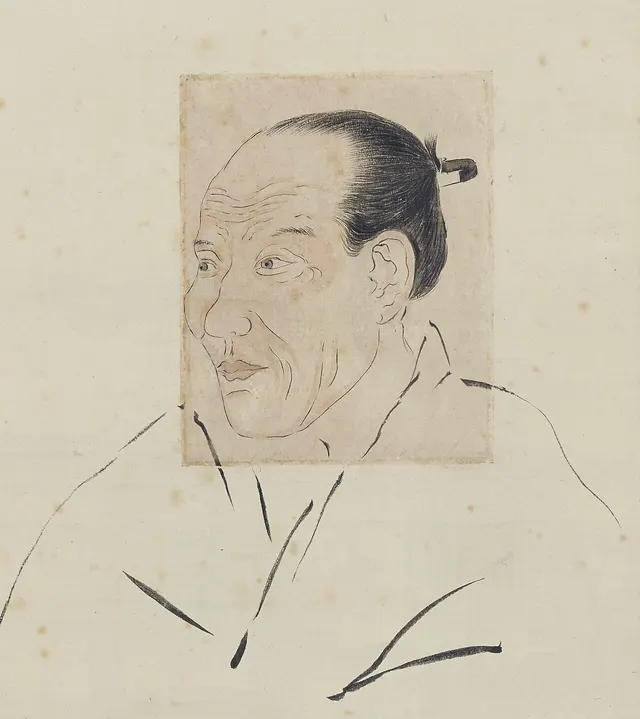
Itō Jinsai
Image creditUnknown · Public domainResized and cropped for display.

Itō Jinsai

Japanese Confucian philosopher who taught in Kyoto for some forty years and urged a return to the original words of Confucius and Mencius.

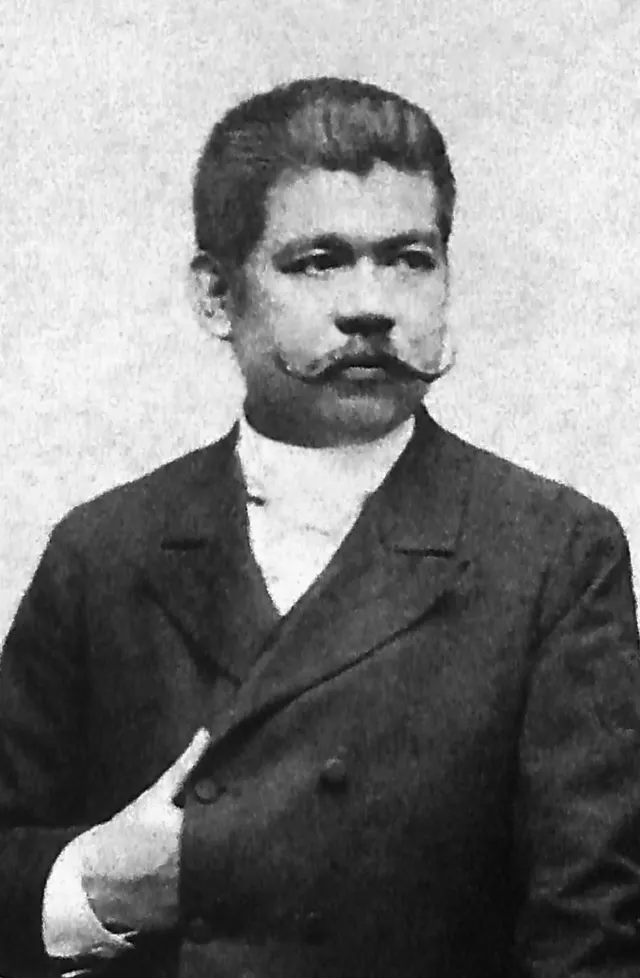
Marcelo H. del Pilar
Image creditUnknown · Public domainResized and cropped for display.

Marcelo H. del Pilar

Filipino lawyer and journalist who edited the reformist paper La Solidaridad in Spain and campaigned against Spanish friar rule.

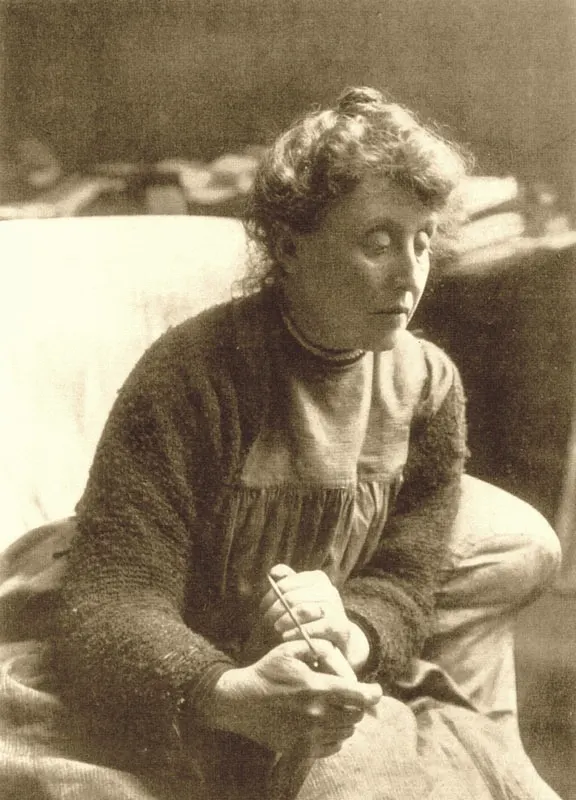
Evelyn De Morgan
Image creditUnknown · Public domainResized and cropped for display.

Evelyn De Morgan

English painter of the late Pre-Raphaelite circle whose mythological and allegorical pictures were also a vehicle for her support for women’s suffrage.

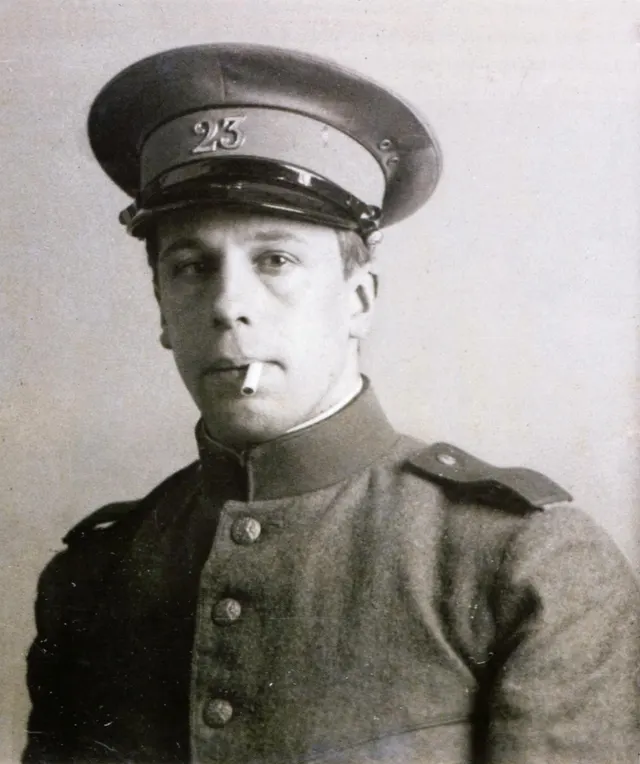
Theo van Doesburg
Image creditUnknown photographer, about 1915 · Public domainResized and cropped for display.

Theo van Doesburg

Dutch artist and architect who founded the magazine De Stijl with Piet Mondrian and spread its abstract style across Europe.

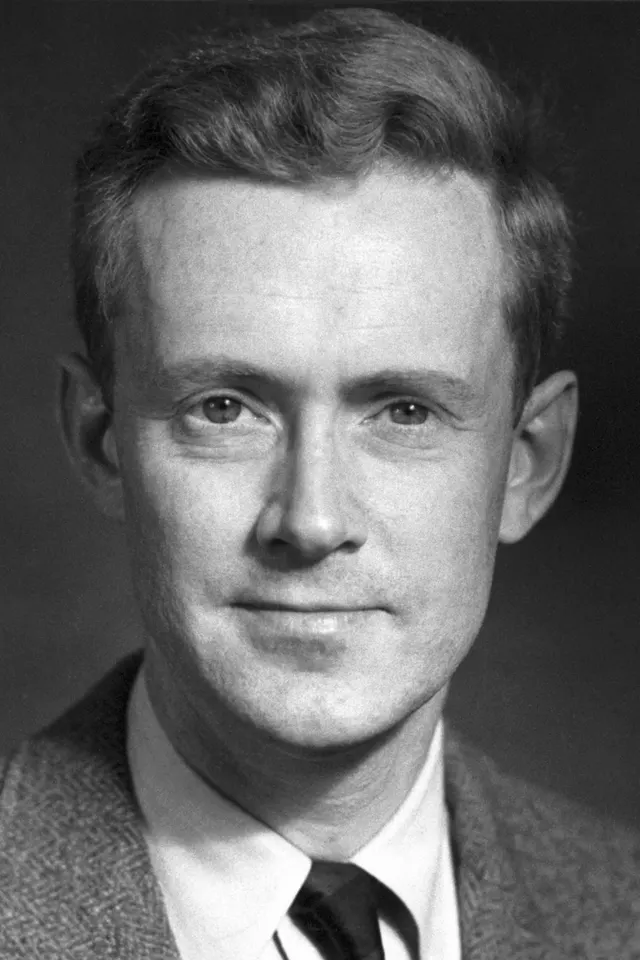
Edward Mills Purcell
Image creditUnknown · Public domainResized and cropped for display.

Edward Mills Purcell

American physicist who shared the 1952 Nobel Prize in Physics for discovering nuclear magnetic resonance in solids and liquids, the basis of MRI.

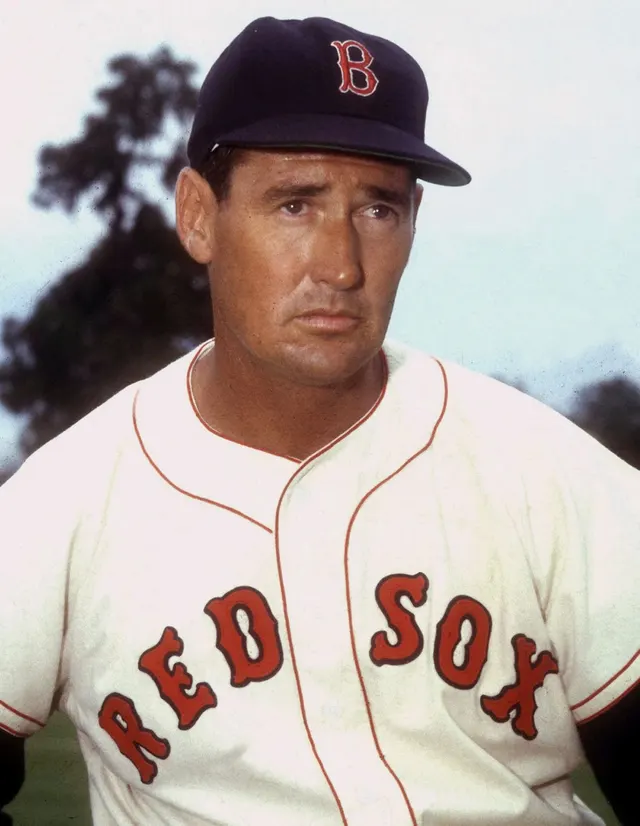
Ted Williams
Image creditUnknown author · Public domainResized and cropped for display.

Ted Williams

Boston Red Sox hitter, often called the greatest of all, who was the last major league player to bat over .400 in a season, in 1941.

Warren Buffett
Image creditUSA International Trade Administration · Public domainResized and cropped for display.

Warren Buffett

American investor who built Berkshire Hathaway into one of the world’s largest companies and pledged most of his fortune to charity.

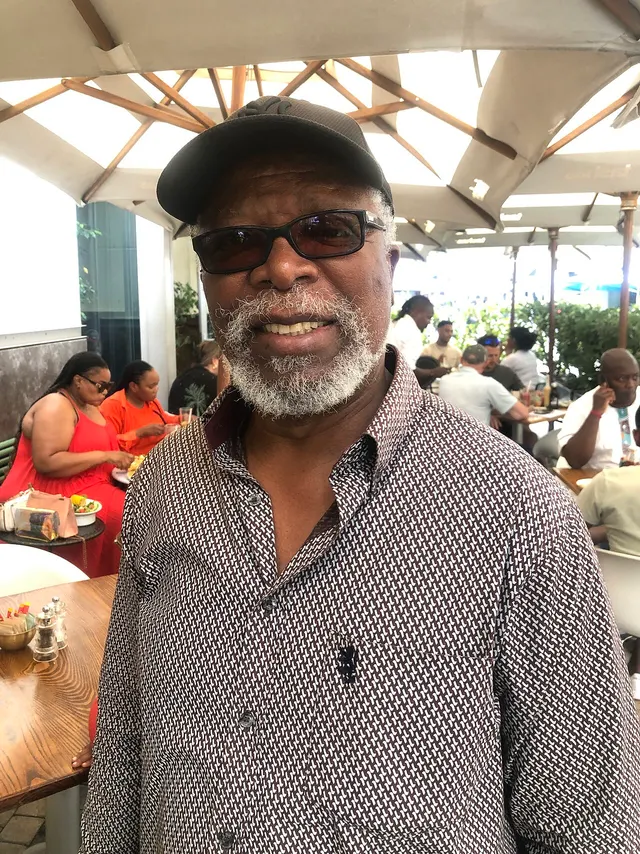
John Kani
Image creditBobbyshabangu · CC0Resized and cropped for display.

John Kani

South African actor and playwright who co-created the anti-apartheid plays Sizwe Banzi Is Dead and The Island and later played T’Chaka in Black Panther.

◉
IDEAS THAT CHANGED THINGS

Firsts, Science & Discoveries

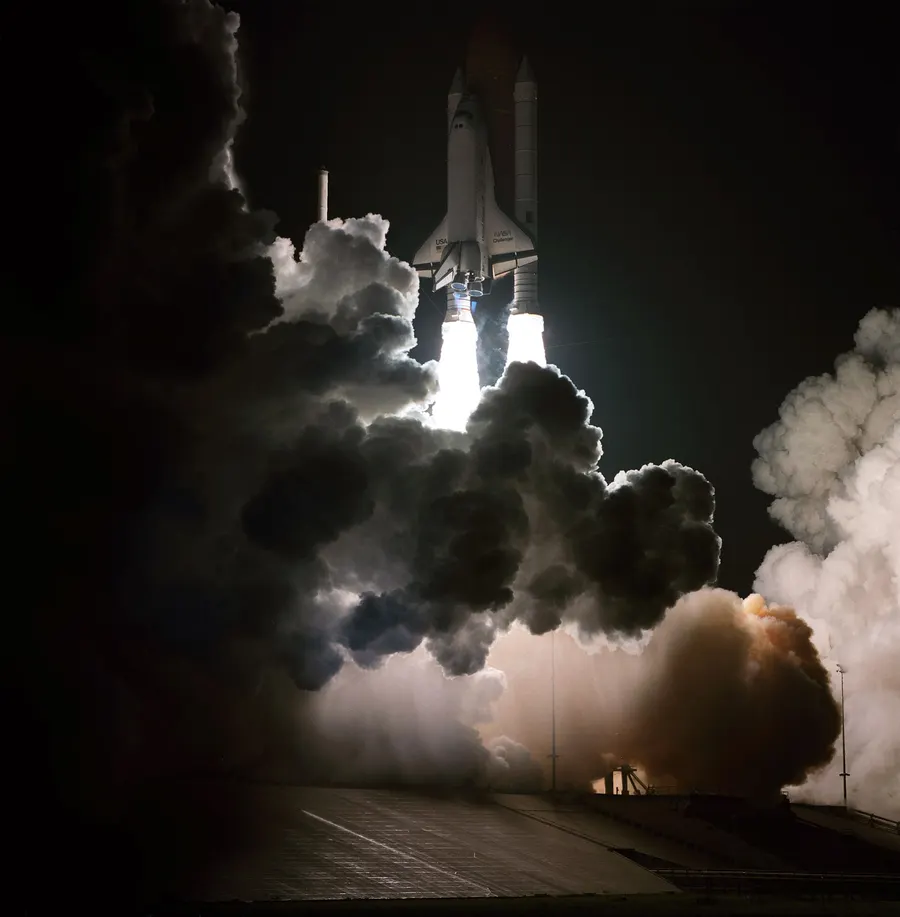
Space Shuttle Challenger lights up the sky as it lifts off on mission STS-8 at 2.32am on 30 August 1983
Image creditNASA · Public domainResized and cropped for display.

Guion Bluford becomes the first African American in space

Guion Bluford flew 144 combat missions as a US Air Force pilot in the Vietnam War and later earned a doctorate in aerospace engineering. In 1978 he was one of the 35 people chosen for NASA’s first new astronaut group in almost a decade, the first to include women and men from ethnic minorities, selected to fly the new space shuttle.

At 2.32 in the morning of 30 August 1983 the shuttle Challenger lifted off from the Kennedy Space Center on mission STS-8, the first shuttle launch made at night. Bluford, a mission specialist, became the first African American to travel into space. During the six-day flight the crew put an Indian communications and weather satellite, INSAT-1B, into orbit, tested the shuttle’s robot arm with a heavy payload and carried out medical experiments, before Challenger made the programme’s first night landing in California on 5 September.

Read the full storyHistory & Timeline →Source: NASA: STS-8 ↗
☆
SPORTING HISTORY

Sporting Moments

Mike Powell in mid-leap for UCLA at a college meet in 1986, five years before his world record
Image creditLori Shepler, Los Angeles Times · CC BY 4.0Resized and cropped for display.

Mike Powell breaks Bob Beamon’s long jump record

At the 1968 Olympics in Mexico City Bob Beamon jumped 8.90 metres, beating the long jump world record by more than half a metre. The leap, helped by the thin mountain air, seemed beyond reach, and it stood for almost 23 years. By 1991 the favourite to beat it was Carl Lewis, who had not lost a long jump competition for a decade; his fellow American Mike Powell had finished second to him again and again.

On 30 August 1991, in the final at the World Championships in Tokyo, Lewis produced the best series of jumps ever seen, including a wind-assisted 8.91 metres. But in the fifth round Powell landed at 8.95 metres, with a legal wind, to take Beamon’s record by five centimetres and end Lewis’s winning run. More than thirty years later Powell’s mark is still the world record.

Read the full storyHistory & Timeline →Source: World Athletics: 3rd IAAF World Championships, men’s long jump final ↗
♫
MUSIC • FILM • BOOKS • CULTURE

Culture Stories

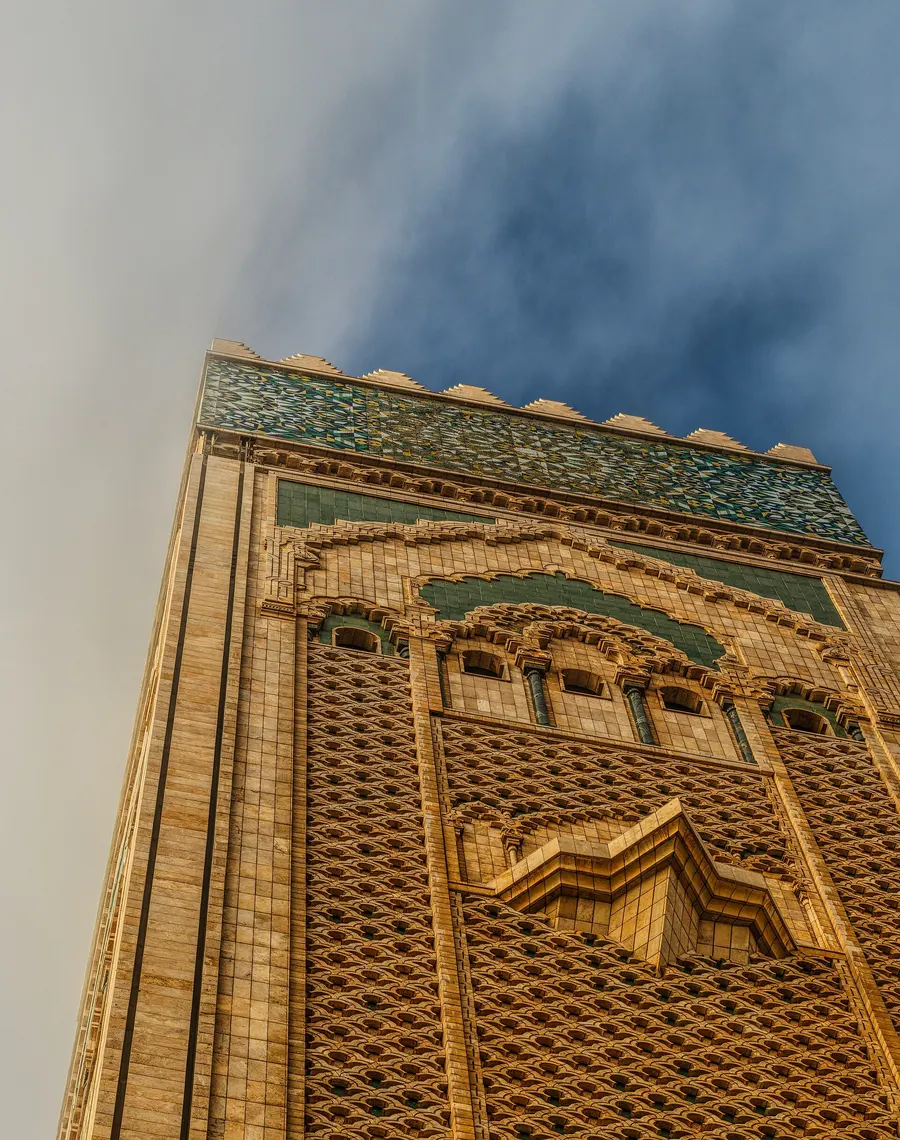
The minaret of the Hassan II Mosque in Casablanca, seen from below
Image creditTinuzzo · CC BY 4.0Resized and cropped for display.

The Hassan II Mosque opens in Casablanca

In the 1980s King Hassan II of Morocco decided to give Casablanca, the country’s largest city, a great mosque built partly on land reclaimed from the Atlantic, inspired by the Quranic verse that God’s throne was upon the water. It was designed by the French architect Michel Pinseau and paid for largely by public subscription, and thousands of Moroccan craftsmen worked on its carved wood, marble, plaster and zellige tilework.

The mosque was inaugurated on 30 August 1993, which fell on 12 Rabi’ al-Awwal 1414, the celebration of the birthday of the Prophet Muhammad. Its prayer hall can hold about 25,000 worshippers and the esplanade outside tens of thousands more, and its minaret, about 200 metres high, was for many years the tallest in the world. Unusually for a working mosque in Morocco, it is open to visitors of all faiths on guided tours.

Read the full storyHistory & Timeline →Source: Hassan II Mosque Foundation, Académie des Arts Traditionnels: History ↗
✦
LIVES REMEMBERED

Remembered Today

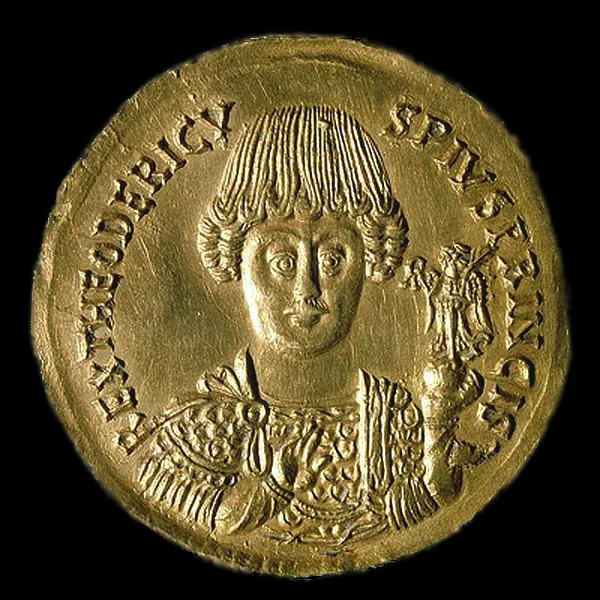
Theodoric the Great
Image creditUnknown · CC BY 3.0Resized and cropped for display.

Theodoric the Great

King of the Ostrogoths who ruled Italy from Ravenna for more than thirty years after the fall of the Western Roman Empire.

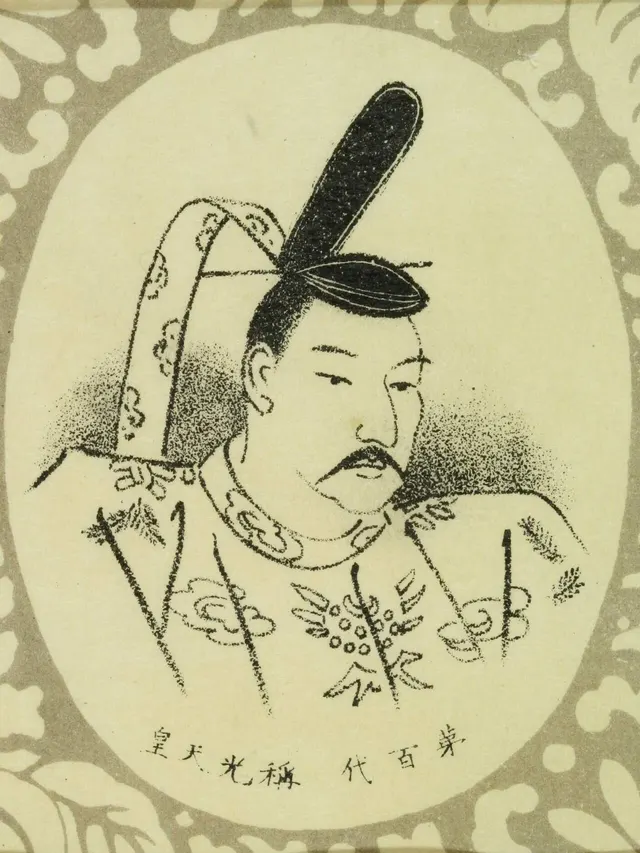
Emperor Shōkō
Image creditMiyake Kōtarō · Public domainResized and cropped for display.

Emperor Shōkō

Emperor of Japan from 1412, a sickly ruler whose death without an heir passed the throne to a distant branch of the imperial family.

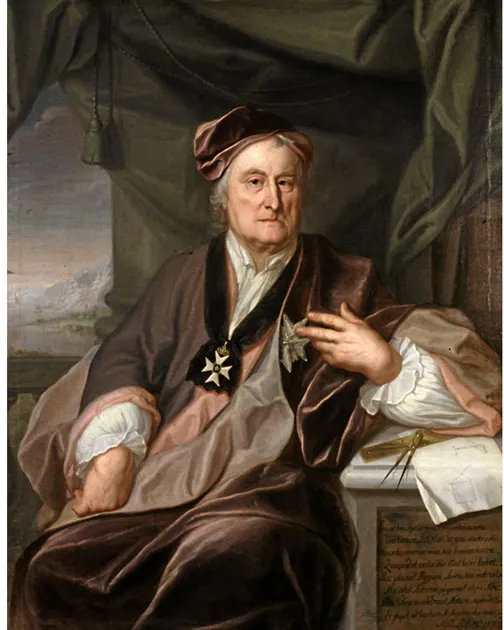
Christopher Polhem
Image creditJohan Henrik Scheffel · Public domainResized and cropped for display.

Christopher Polhem

Swedish inventor and engineer who mechanised mines and factories and is remembered as the father of Swedish mechanics.

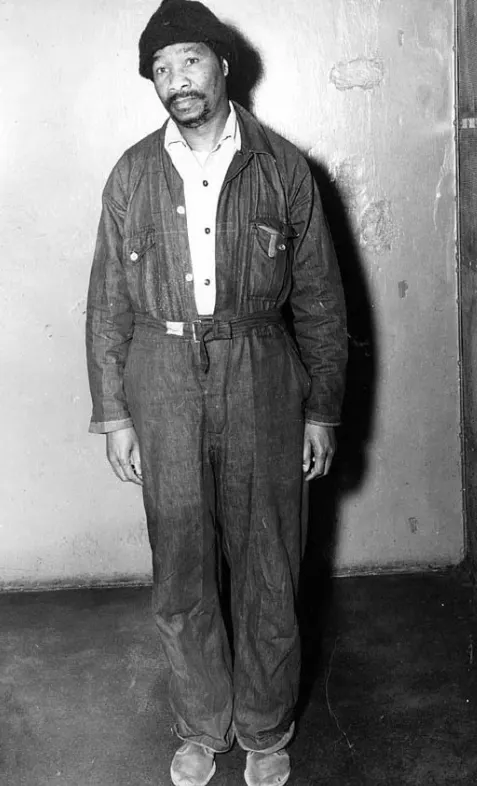
Govan Mbeki
Image creditSouth African Police · Public domainResized and cropped for display.

Govan Mbeki

South African ANC leader who was jailed for life with Nelson Mandela at the Rivonia trial and was the father of President Thabo Mbeki.

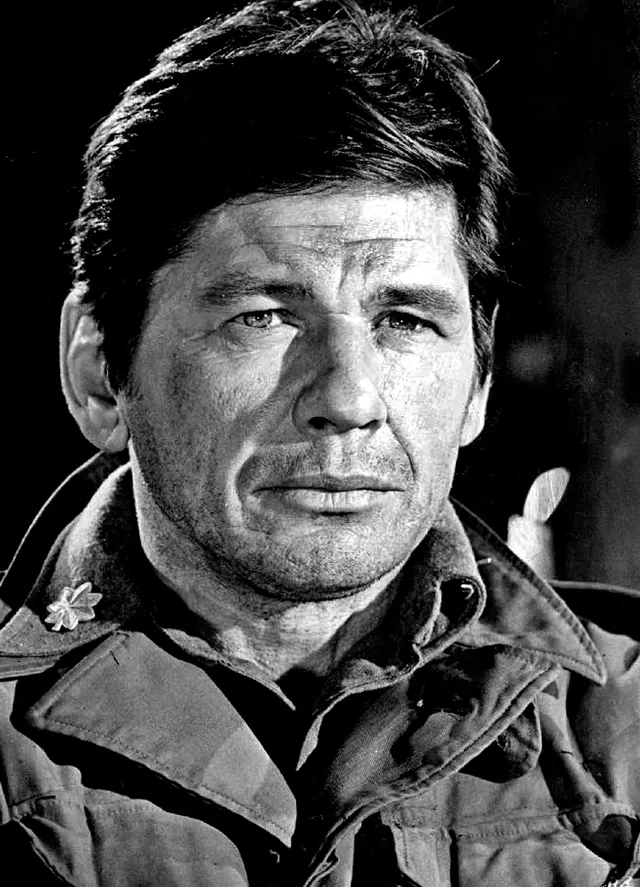
Charles Bronson
Image creditHerald American · Public domainResized and cropped for display.

Charles Bronson

American actor, the son of a Pennsylvania coal miner, who became a star in The Magnificent Seven, The Great Escape and Death Wish.

☉
AROUND THE WORLD

Observances & Anniversaries

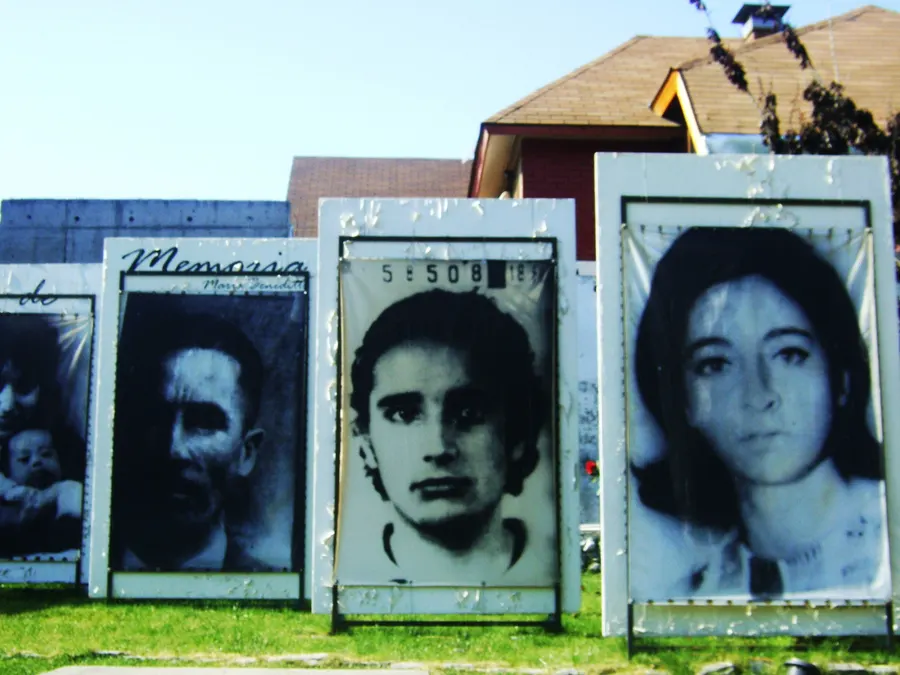
Portraits of disappeared people displayed at the Peace Park of Villa Grimaldi in Santiago, Chile, a former secret detention centre
Image creditRazi Sol · CC BY-SA 2.0Resized and cropped for display.

International Day of the Victims of Enforced Disappearances

An enforced disappearance happens when people are arrested, detained or abducted by agents of a state, or by groups acting with its backing, and the authorities then refuse to say what has happened to them. The practice was used on a large scale by military regimes in Latin America in the 1970s and 1980s, where the families of the ‘disappeared’ first organised to demand answers, and it continues in many parts of the world.

The United Nations General Assembly chose 30 August as the International Day of the Victims of Enforced Disappearances, first marked in 2011, after the adoption in 2006 of an international convention against the practice. The day remembers the hundreds of thousands of people who have vanished in at least 85 countries, and the families who go on searching for them.

Source: United Nations: International Day of the Victims of Enforced Disappearances ↗
HISTORY & TIMELINE

Finished the highlights?

Follow 30 August chronologically, from the Middle Ages to the modern day, with 13 verified events and the sources behind them.

This day through time →