Explore 23 August

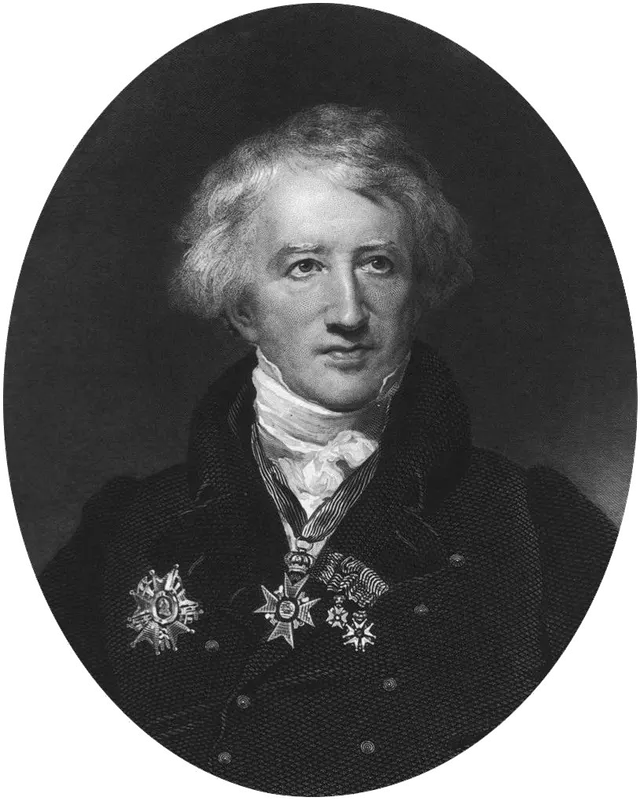
Explore 23 August: Hitler and Stalin’s foreign ministers sign the pact that opens the way to war, the Baltic peoples join hands across three countries fifty years later, Ottoman guns break the Safavid cavalry at Chaldiran, Sacco and Vanzetti go to the electric chair and Chinese batteries open fire on Kinmen. Born today: Louis XVI, Georges Cuvier and Park Chan-wook.

This day through time →15 verified events across 5 eras

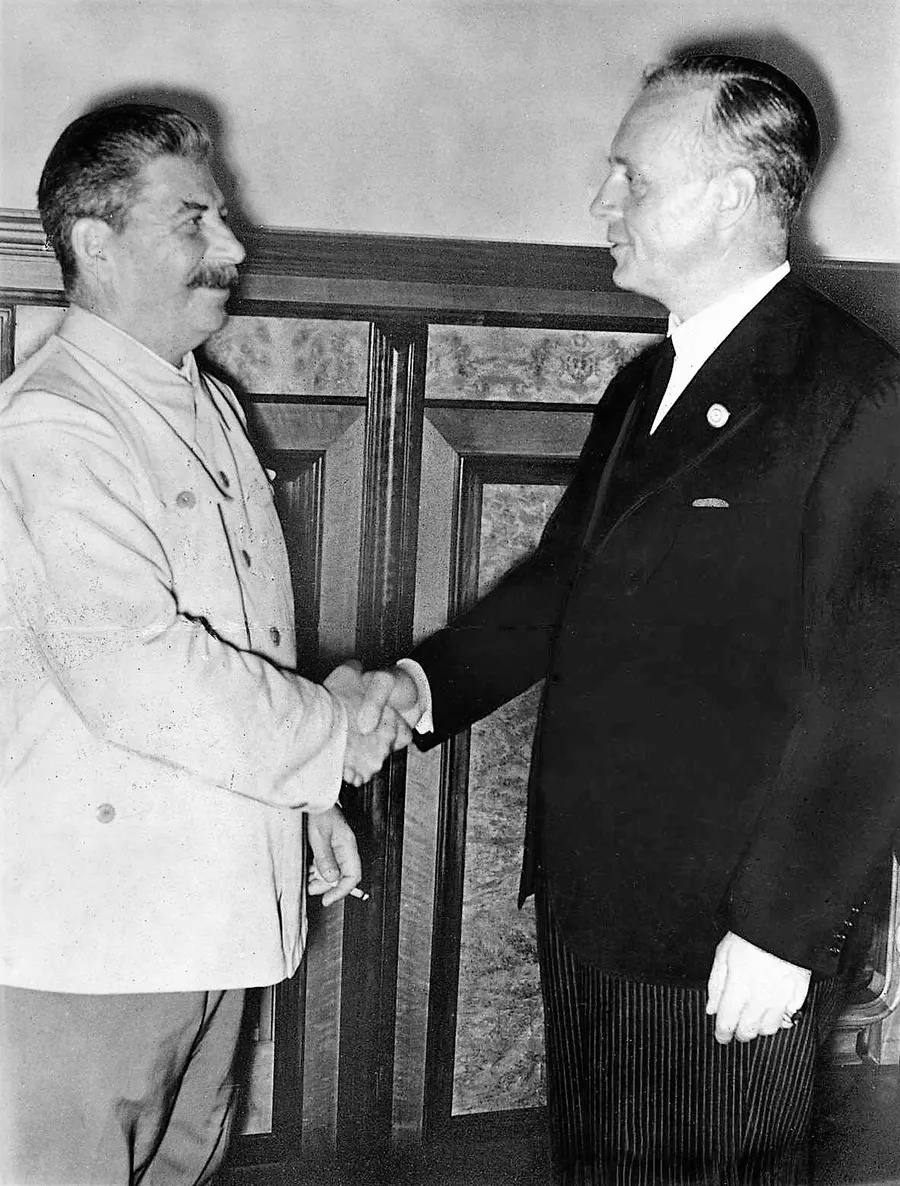
Stalin and the German foreign minister Joachim von Ribbentrop in the Kremlin after the signing of the pact on 23 August 1939 (German Federal Archives)
Image creditTemplate:Helmut Laux · CC BY-SA 3.0 deResized and cropped for display.

Hitler and Stalin’s foreign ministers sign the Nazi-Soviet pact

Through the 1930s Nazi Germany and the Soviet Union had treated each other as mortal enemies, and in the summer of 1939 Britain and France were still trying to bring Moscow into an alliance against Hitler. But Stalin distrusted the Western powers, and Hitler wanted a free hand to attack Poland without having to fight the Soviet Union as well. In August secret talks moved quickly, and the German foreign minister, Joachim von Ribbentrop, flew to Moscow.

On 23 August 1939 Ribbentrop and the Soviet foreign minister, Vyacheslav Molotov, signed a ten-year non-aggression pact, each side promising not to attack the other. A secret protocol divided eastern Europe between them: Poland was to be split, and Finland, Estonia and Latvia fell into the Soviet sphere, with Lithuania added soon afterwards. Germany invaded Poland nine days later, and the Soviet Union denied the protocol’s existence until 1989. Since 2009, 23 August has been marked in the European Union as a day of remembrance for the victims of totalitarian regimes.

Read the full storyHistory & Timeline →Source: United States Holocaust Memorial Museum: German-Soviet Pact ↗
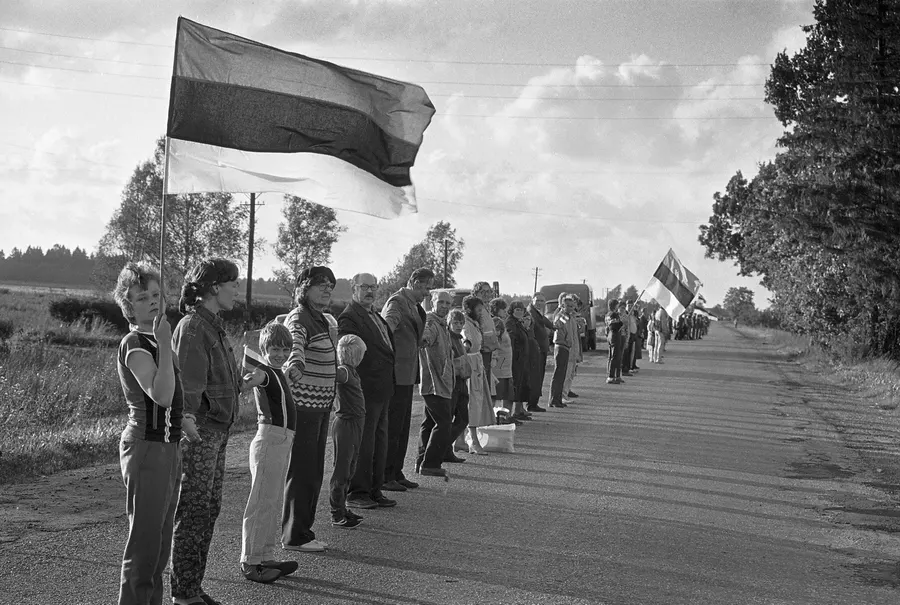
People holding hands along a country road in Estonia as part of the Baltic Way in 1989, photographed by Jaan Künnap
Image creditJaan Künnap · CC BY-SA 4.0Resized and cropped for display.

The Baltic Way: a human chain 600 kilometres long

Estonia, Latvia and Lithuania had been independent between the two world wars, but in 1940 they were occupied and annexed by the Soviet Union under the secret terms of the Nazi-Soviet pact. By 1989, as Mikhail Gorbachev’s reforms loosened controls, popular movements in all three countries were demanding that Moscow admit the truth about the pact and accept that the annexation had been illegal.

On the evening of 23 August 1989, the pact’s fiftieth anniversary, people from all three nations joined hands in an unbroken chain about 600 kilometres long, from Tallinn through Riga to Vilnius. It was organised by the Popular Fronts of Estonia and Latvia and Lithuania’s Sąjūdis movement; estimates of the number taking part vary, running up to two million. The peaceful protest drew the eyes of the world to the Baltic cause, and within two years all three countries had regained their independence. The documents of the Baltic Way are now on UNESCO’s Memory of the World register.

Read the full storyHistory & Timeline →Source: UNESCO Memory of the World: The Baltic Way ↗
Shah Ismail at the Battle of Chaldiran, in a 17th-century Persian manuscript painting by Muin Musavvir
Image creditMuin Musavvir · Public domainResized and cropped for display.

Ottoman guns break the Safavid cavalry at Chaldiran

In the early 1500s the young Shah Ismail I founded the Safavid dynasty in Iran and made Shia Islam its state faith. His influence reached deep into eastern Anatolia, where many Turkmen tribes followed him, and this alarmed the Sunni Ottoman Empire. Sultan Selim I, who had seized the Ottoman throne from his father in 1512, set out to destroy the threat, and in 1514 he marched east with a huge army.

On 23 August 1514 the two armies met on the plain of Chaldiran, in north-western Iran. Ismail’s army was built around its famous cavalry, while Selim’s had heavy cannon and Janissary infantry armed with muskets. The Safavid charges broke against the Ottoman guns, and Ismail was defeated and fled. Selim went on to occupy the Safavid capital, Tabriz, for a time. The battle gave the Ottomans eastern Anatolia and roughly fixed the frontier between the Turkish and Iranian worlds for centuries.

Read the full storyHistory & Timeline →Source: Britannica: Battle of Chāldirān ↗
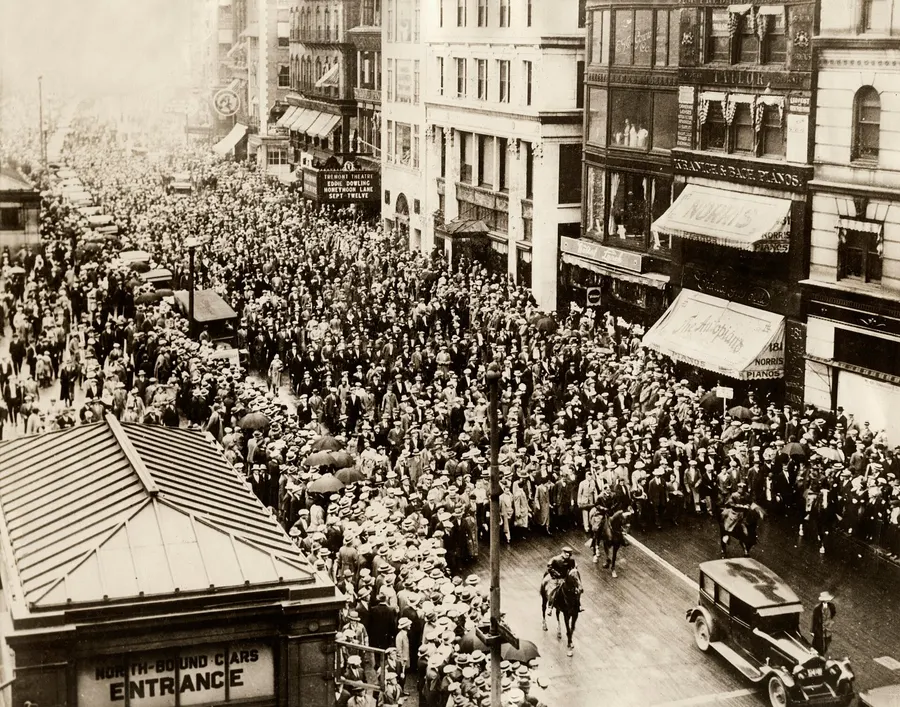
Thousands of people follow the hearses carrying Sacco and Vanzetti through Boston in August 1927 (Nationaal Archief)
Image creditUnknown author · Public domainResized and cropped for display.

Sacco and Vanzetti are executed in Massachusetts

Nicola Sacco and Bartolomeo Vanzetti were Italian immigrants and anarchists living in Massachusetts. In 1920 they were arrested for the murder of a paymaster and a guard during a robbery in South Braintree, and in 1921 they were convicted and sentenced to death. Many people, in America and abroad, believed that the evidence against them was weak and that the trial had been coloured by prejudice against immigrants and radicals, and their appeals dragged on for six years.

Despite protests and petitions from around the world, the two men were executed in the electric chair at Charlestown State Prison just after midnight on 23 August 1927. Huge crowds followed their funeral through Boston. Exactly fifty years later, on 23 August 1977, Governor Michael Dukakis issued a proclamation stating that they had not been treated justly and that any stigma should be removed from their names.

Read the full storyHistory & Timeline →Source: Mass.gov: Sacco and Vanzetti, the executions and funeral ↗
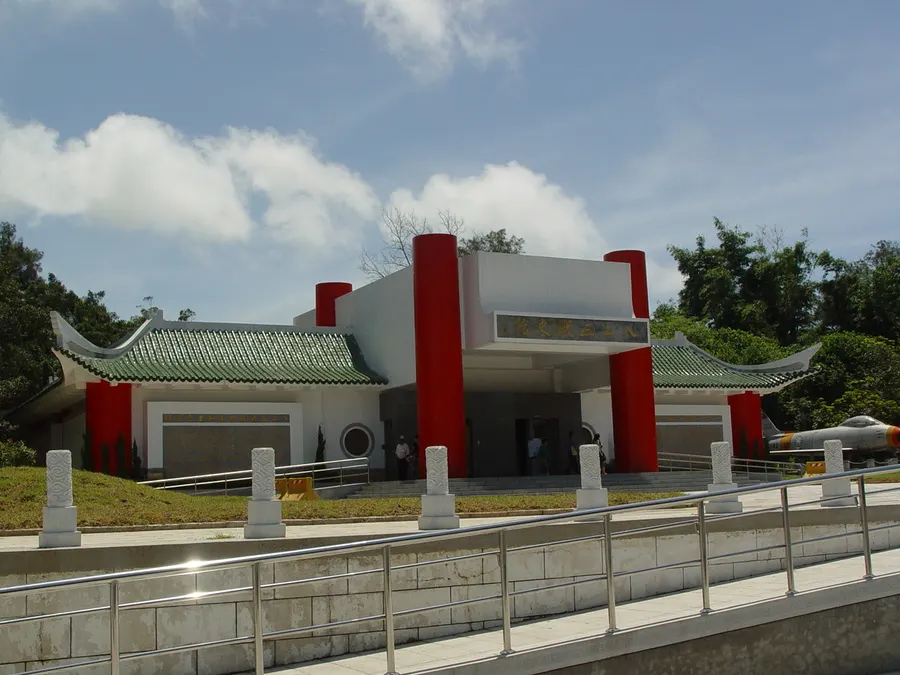
The August 23 Artillery Battle Museum on Kinmen, which remembers the bombardment, photographed in 2005
Image creditSeasurfer · CC BY-SA 3.0Resized and cropped for display.

Chinese guns open fire on Kinmen and start a new Taiwan Strait crisis

After the Chinese Civil War, Chiang Kai-shek’s Nationalist government held Taiwan and a handful of small islands just off the mainland coast, among them Kinmen (Quemoy) and Matsu. The Communist People’s Republic claimed them all, and the United States had promised to help defend Taiwan. In the summer of 1958 Mao Zedong decided to test that promise.

On 23 August 1958 Communist artillery opened a massive bombardment of the Kinmen islands, firing tens of thousands of shells on the first day alone. The United States sent warships to the strait and escorted Nationalist convoys to resupply the garrison, while the world feared that the crisis might grow into a wider war. After some weeks the shelling eased, and the two Chinese sides settled into a strange routine of firing shells, many of them filled with leaflets, on alternate days, which went on until 1979.

Read the full storyHistory & Timeline →Source: US Office of the Historian: The Taiwan Straits crises, 1954-55 and 1958 ↗

♙
PEOPLE

Born Today

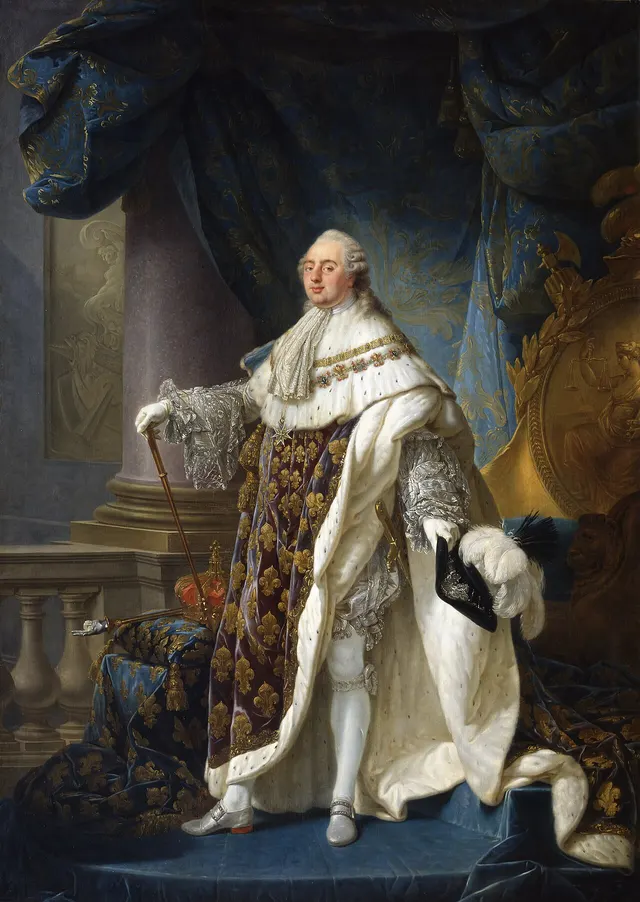
Louis XVI
Image creditAntoine-François Callet · Public domainResized and cropped for display.

Louis XVI

Last king of France before the Revolution, who was deposed in 1792 and guillotined in Paris in January 1793.

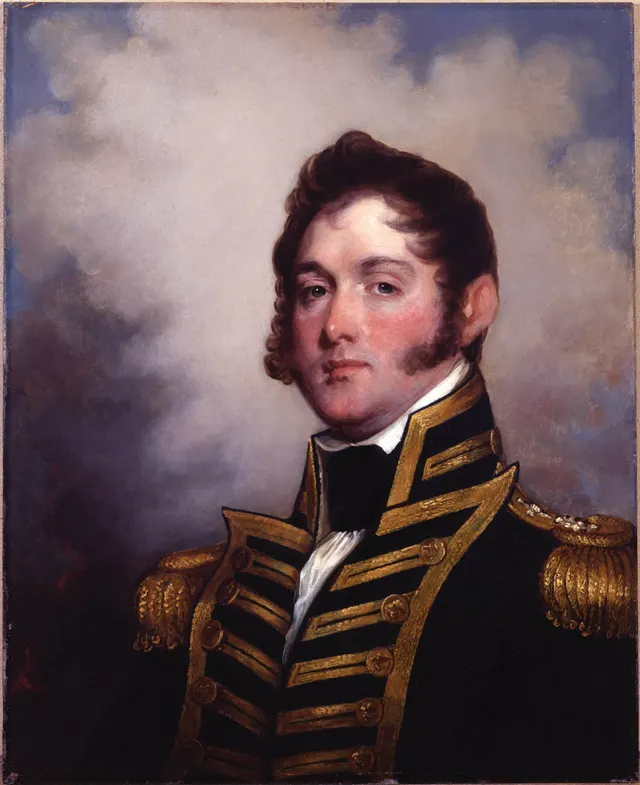
Oliver Hazard Perry
Image creditJane Stuart / Gilbert Stuart · Public domainResized and cropped for display.

Oliver Hazard Perry

American naval officer who won the Battle of Lake Erie in 1813 and died of yellow fever on his 34th birthday.

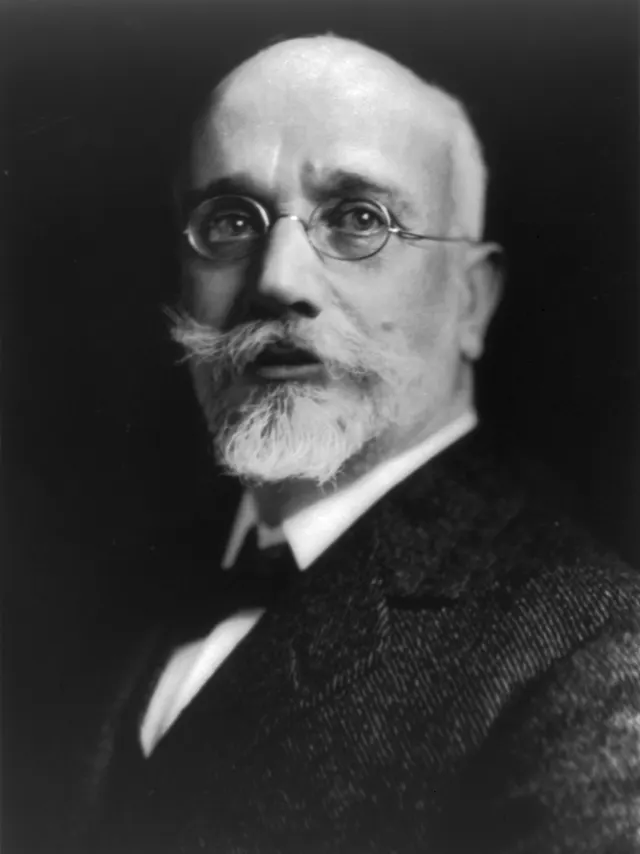
Eleftherios Venizelos
Image creditHarris & Ewing · Public domainResized and cropped for display.

Eleftherios Venizelos

Cretan-born statesman who served several times as prime minister of Greece and nearly doubled its territory in the Balkan Wars.

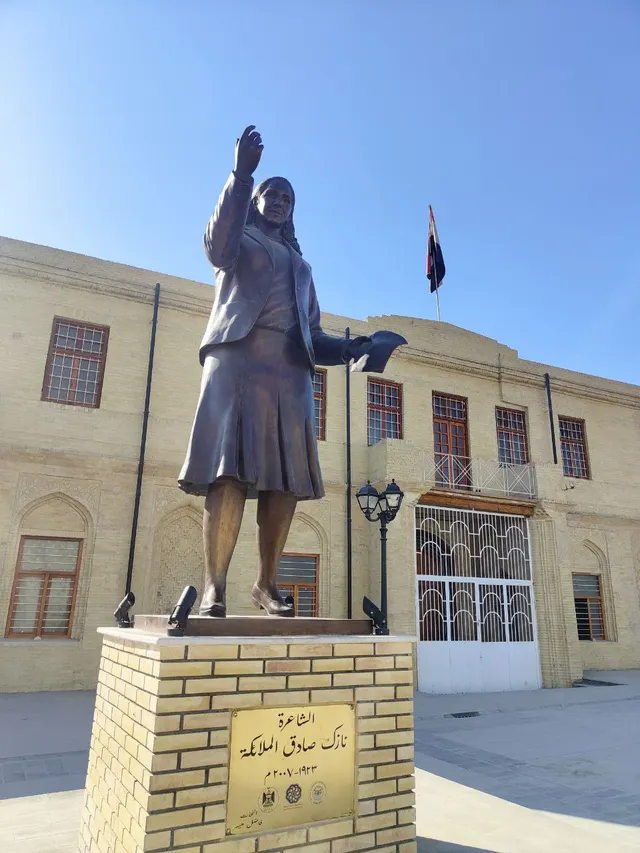
Nazik Al-Malaika
Image creditAyat Jaryan · CC BY-SA 4.0Resized and cropped for display.

Nazik Al-Malaika

Iraqi poet who was among the first to write Arabic poetry in free verse, breaking with centuries-old classical forms.

Queen Noor of Jordan
Image creditSkoll World Forum · CC BY 2.0Resized and cropped for display.

Queen Noor of Jordan

American-born widow of King Hussein of Jordan, known for her campaigning against landmines and for peace.

Park Chan-wook
Image creditYantsImages · CC BY-SA 4.0Resized and cropped for display.

Park Chan-wook

South Korean film director whose films include Oldboy, The Handmaiden and Decision to Leave.

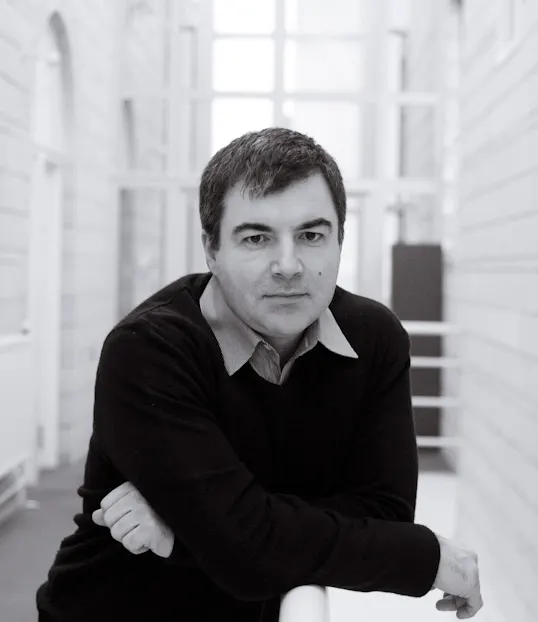
Konstantin Novoselov
Image creditZp2010 · CC BY-SA 3.0Resized and cropped for display.

Konstantin Novoselov

Russian-British physicist who shared the 2010 Nobel Prize in Physics with Andre Geim for their work on graphene.

◉
IDEAS THAT CHANGED THINGS

Firsts, Science & Discoveries

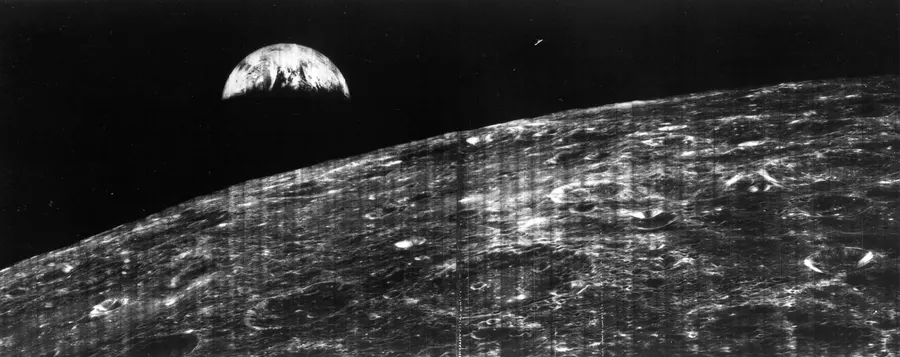
The first picture of Earth taken from lunar orbit, by Lunar Orbiter 1 on 23 August 1966 (NASA)
Image creditNASA · Public domainResized and cropped for display.

Lunar Orbiter 1 sends home the first picture of Earth from the Moon

Before astronauts could land on the Moon, NASA needed detailed maps of possible landing sites. Lunar Orbiter 1, launched in August 1966, was the first of five robotic spacecraft sent to photograph the lunar surface from orbit. It carried a camera that took pictures on film, developed them on board and then scanned them line by line to radio them back to Earth.

On 23 August 1966, as the craft came round from the far side of the Moon on its 16th orbit, controllers turned its camera towards home. The result, received at a tracking station near Madrid, was the first photograph of Earth taken from the Moon’s orbit, a thin crescent rising above the grey lunar horizon. It caused a sensation, two years before Apollo 8’s colour ‘Earthrise’, and in 2008 a NASA project recovered the original tapes and produced a far sharper version.

Read the full storyHistory & Timeline →Source: NASA: First view of Earth from Moon ↗
♫
MUSIC • FILM • BOOKS • CULTURE

Culture Stories

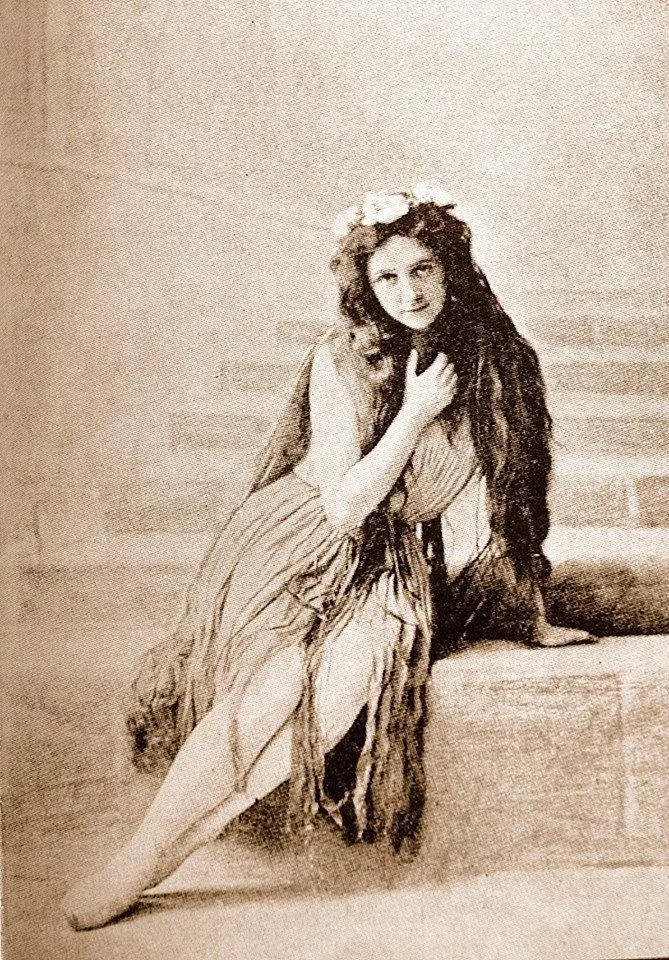
The ballerina Ellen Price as the Little Mermaid at the Royal Danish Ballet in 1909, the performance that inspired the statue
Image creditUnknown author · Public domainResized and cropped for display.

Copenhagen’s Little Mermaid takes her place on the rocks

Hans Christian Andersen’s fairy tale ‘The Little Mermaid’, first published in 1837, tells of a young sea creature who gives up her voice for the chance of a human soul. In 1909 the brewer Carl Jacobsen, son of the founder of Carlsberg, saw a ballet version of the story at the Royal Theatre in Copenhagen and was so taken with it that he commissioned the sculptor Edvard Eriksen to make a statue of the mermaid.

The bronze figure, just over a metre high, was unveiled on 23 August 1913 on a rock by the Langelinie promenade, as Jacobsen’s gift to the city. The ballerina Ellen Price is said to have been the model for the head, and Eriksen’s wife Eline for the body. The modest statue became the best known symbol of Copenhagen, visited by more than a million people a year, and has survived being beheaded, painted and even blown off her rock.

Read the full storyHistory & Timeline →Source: VisitCopenhagen: The Little Mermaid ↗
✦
LIVES REMEMBERED

Remembered Today

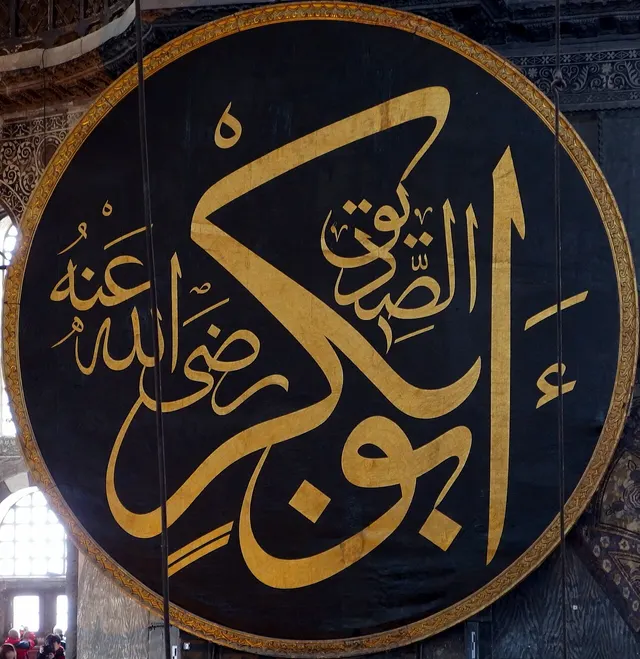
Abu Bakr
Image creditMark Ahsmann · CC BY-SA 3.0Resized and cropped for display.

Abu Bakr

Companion and father-in-law of the Prophet Muhammad who led the Muslim community as the first caliph from 632 until his death.

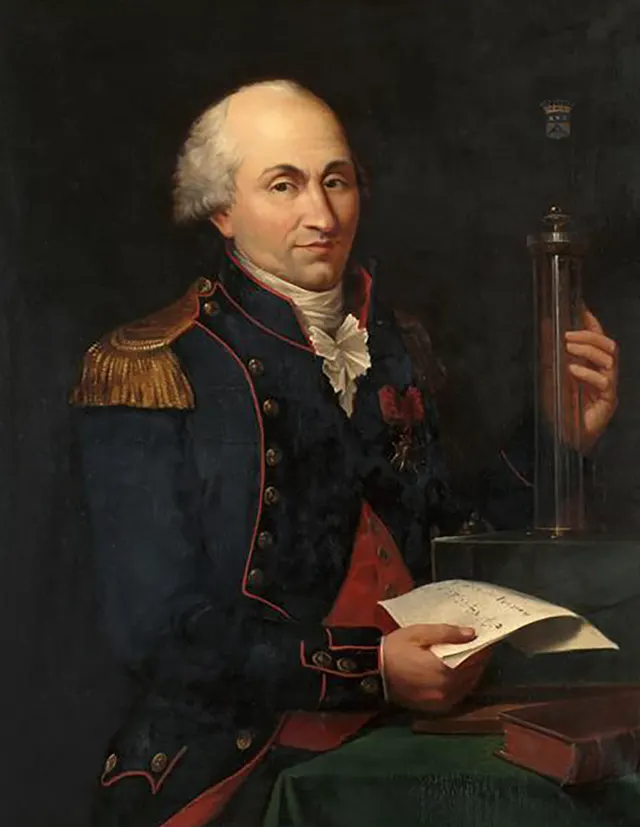
Charles-Augustin de Coulomb
Image creditLouis Hierle · Public domainResized and cropped for display.

Charles-Augustin de Coulomb

French physicist who worked out the law of the force between electric charges; the unit of electric charge is named after him.

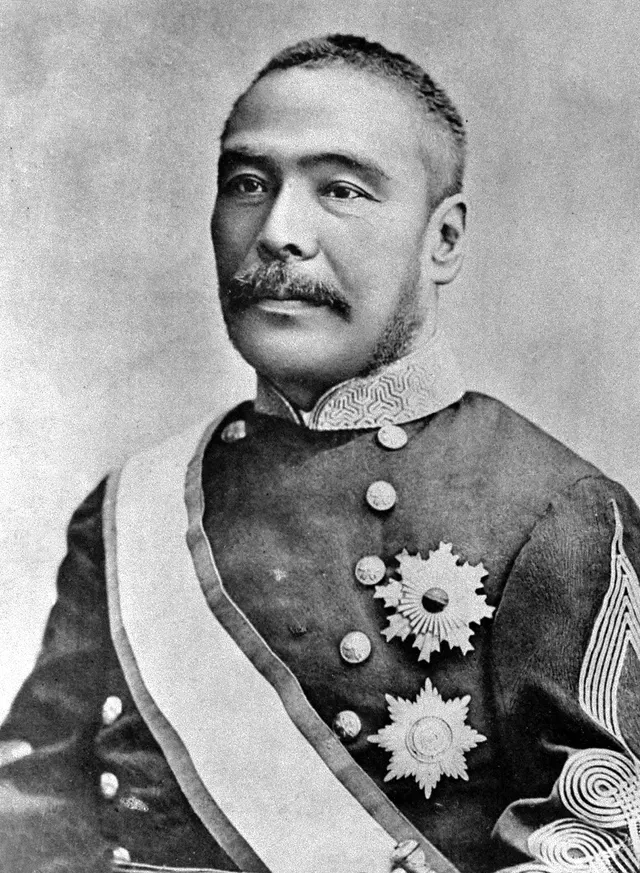
Kuroda Kiyotaka
Image creditUnknown author · Public domainResized and cropped for display.

Kuroda Kiyotaka

Japanese soldier and statesman who led the settlement of Hokkaido and was prime minister in 1888 and 1889.

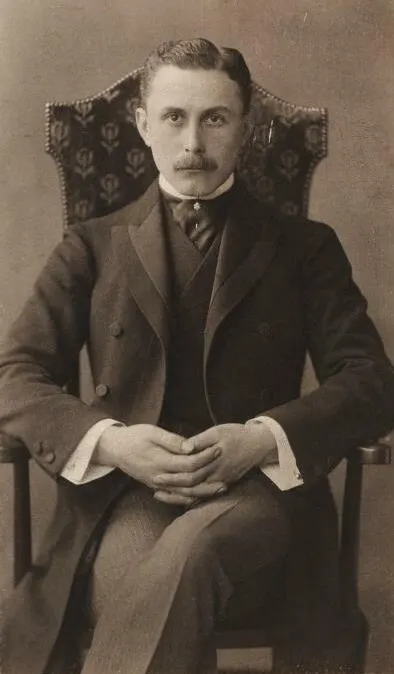
Adolf Loos
Image creditOtto Mayer · Public domainResized and cropped for display.

Adolf Loos

Austrian architect whose plain buildings and essay Ornament and Crime helped shape modern architecture.

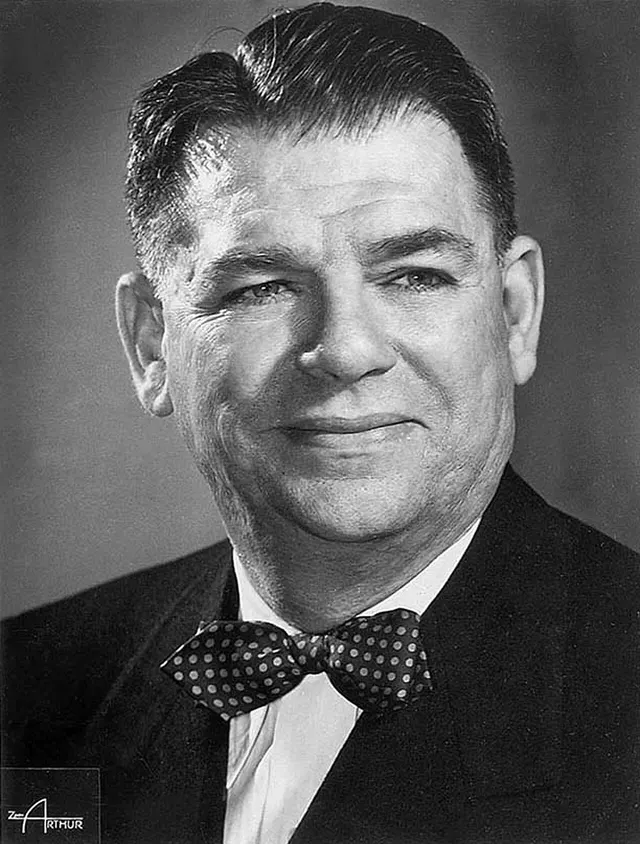
Oscar Hammerstein II
Image creditZ Arthur printed on photo · Public domainResized and cropped for display.

Oscar Hammerstein II

American lyricist who wrote Show Boat with Jerome Kern and Oklahoma!, South Pacific and The Sound of Music with Richard Rodgers.

☉
AROUND THE WORLD

Observances & Anniversaries

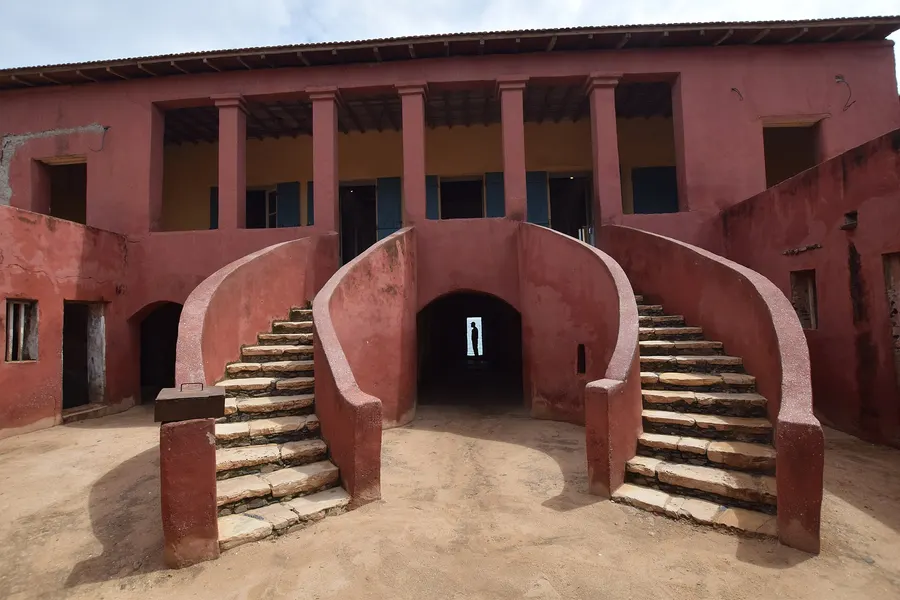
The House of Slaves on Gorée Island, Senegal, where the day was marked in 1999
Image creditCharlottedkr · CC BY-SA 4.0Resized and cropped for display.

International Day for the Remembrance of the Slave Trade and its Abolition

On the night of 22 to 23 August 1791, enslaved people in the French colony of Saint-Domingue rose in revolt. The uprising grew into the Haitian Revolution, which ended slavery in the colony and created the independent nation of Haiti in 1804, and it played a crucial part in the fight to end the Atlantic slave trade.

UNESCO chose 23 August as the day to remember the slave trade and its abolition. It was first marked in Haiti in 1998 and on Gorée Island in Senegal in 1999, and is meant to keep the history of the trade, its causes and its consequences in the memory of all peoples.

Source: UNESCO World Heritage Centre: International Day for the Remembrance of the Slave Trade and its Abolition ↗
HISTORY & TIMELINE

Finished the highlights?

Follow 23 August chronologically, from the Middle Ages to the modern day, with 15 verified events and the sources behind them.

This day through time →