Explore 19 August

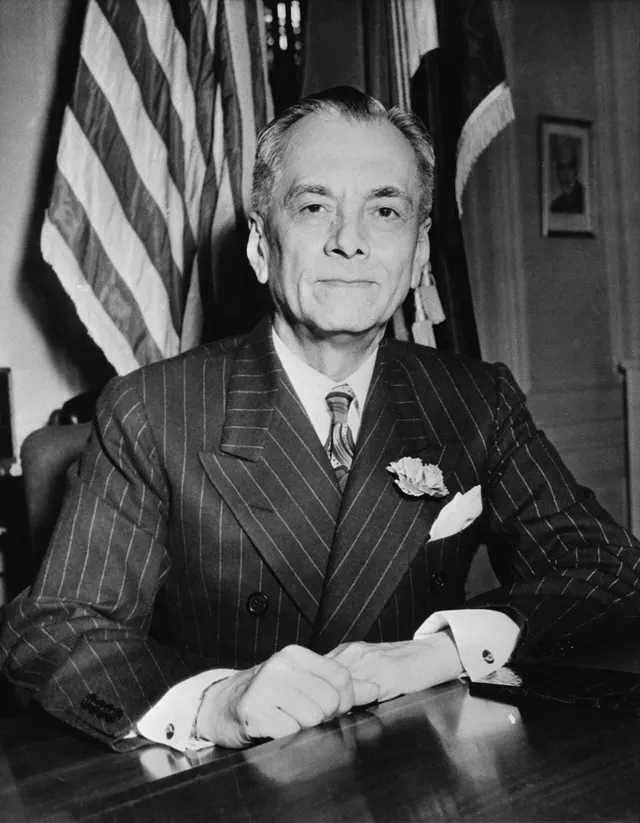
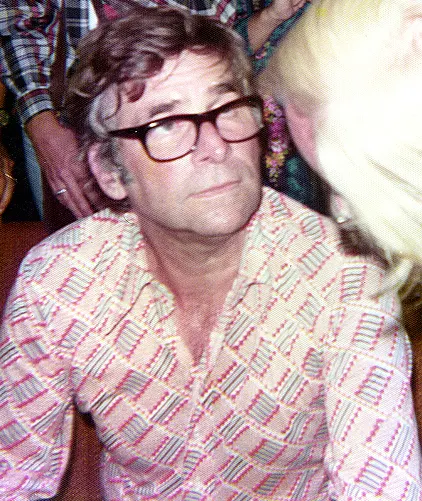
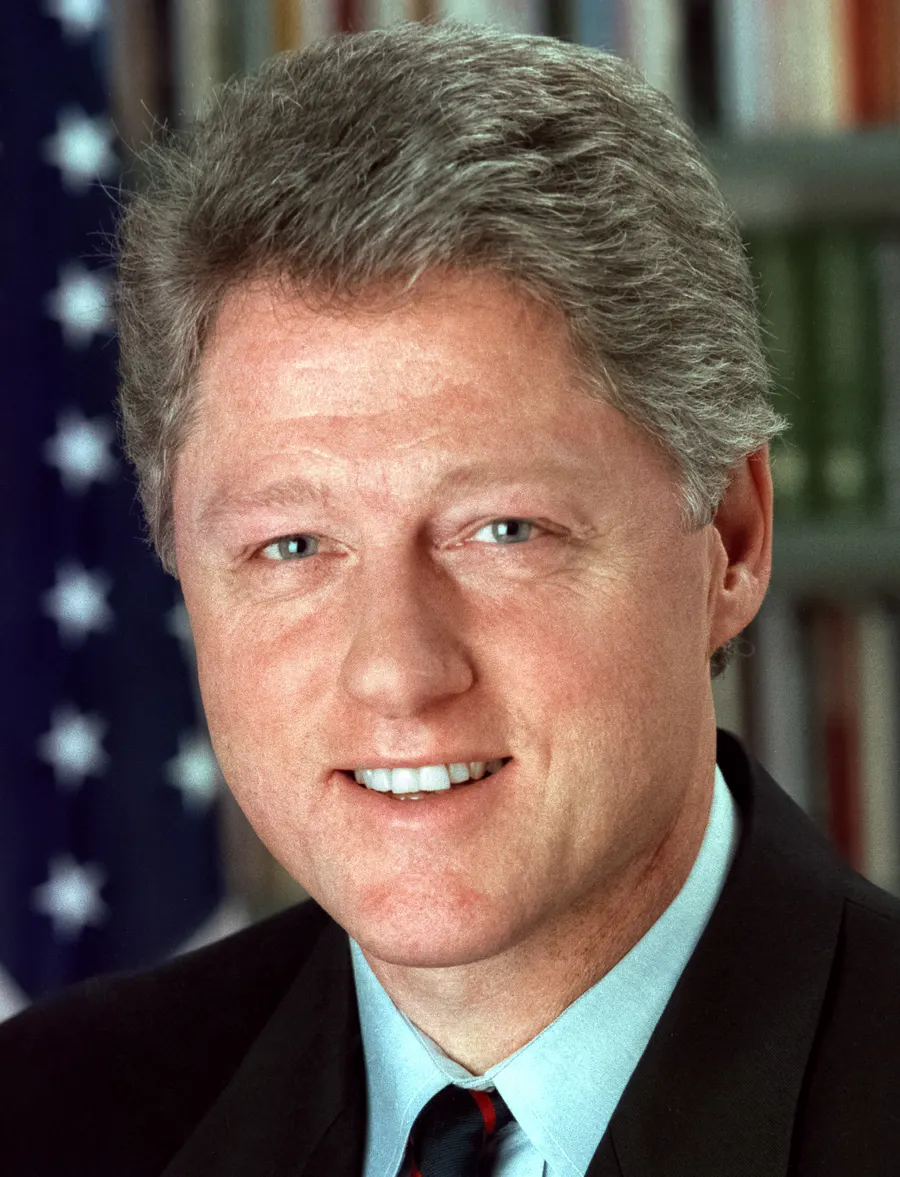
Explore 19 August: hardliners in Moscow try to topple Mikhail Gorbachev, a coup backed by the CIA and MI6 removes Iran’s prime minister, the Viet Minh take power in Hanoi, Mary, Queen of Scots comes home from France and two Soviet dogs return alive from orbit. Born today: John Flamsteed, Manuel Quezon and Bill Clinton.

This day through time →15 verified events across 6 eras

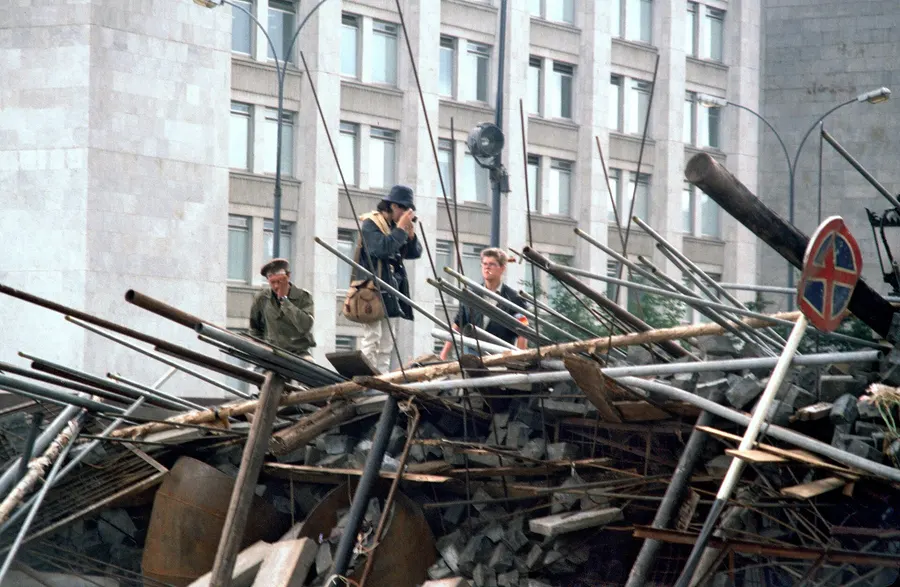
A barricade on the Gorbaty Bridge beside the Russian parliament building in Moscow, photographed on 22 August 1991
Image creditIvan Petrovich Vtorov · CC BY-SA 4.0Resized and cropped for display.

Hardliners try to seize power from Gorbachev in Moscow

By the summer of 1991 Mikhail Gorbachev’s reforms had loosened the Communist Party’s grip on the Soviet Union, and several republics were pushing for independence. A new Union Treaty, which would hand far more power to the republics, was due to be signed on 20 August. On 18 August, while Gorbachev was on holiday at Foros in Crimea, a delegation from Moscow demanded that he hand over power. He refused, and was cut off and held at his villa.

Early on 19 August 1991 Soviet radio announced that Gorbachev was too ill to govern and that a State Committee for the State of Emergency, led by Vice President Gennady Yanayev with the heads of the KGB, the army and the government, had taken charge. Tanks rolled into Moscow. Boris Yeltsin, the newly elected president of Russia, climbed onto a tank outside the Russian parliament building and called the coup illegal, and crowds built barricades to defend it. Within three days the plot collapsed and the plotters were arrested, but the Soviet Union itself survived only until the end of the year.

Read the full storyHistory & Timeline →Source: Britannica: 1991 Soviet coup attempt ↗
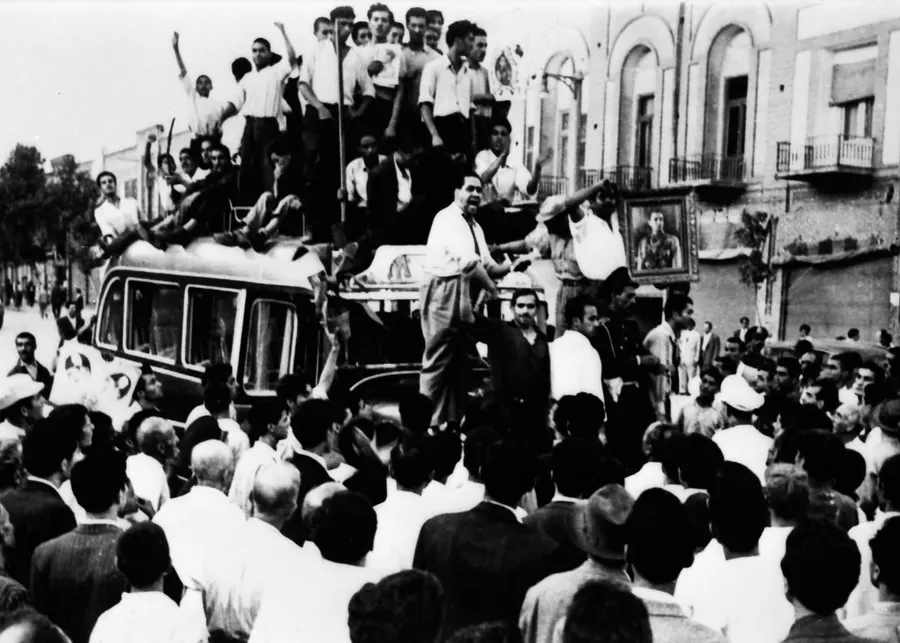
Crowds of the shah's supporters around a vehicle in Tehran during the coup of August 1953
Crowds of the shah’s supporters around a vehicle in Tehran during the coup of August 1953
Image creditWilliam Arthur Cram · Public domainResized and cropped for display.

A coup backed by the CIA and MI6 topples Iran’s prime minister

In 1951 Iran’s parliament, led by the nationalist Mohammad Mosaddegh, voted to nationalise the country’s oil industry, which had been run for decades by the British-owned Anglo-Iranian Oil Company. Britain answered with a boycott of Iranian oil, and as the economy suffered Mosaddegh fell out with the shah, the clergy and parts of the army. Britain persuaded the United States, which feared that Iran might drift towards communism, to join a secret plan to remove him.

A first attempt in mid-August 1953 failed, and the shah fled the country. Then on 19 August crowds, some of them paid, and army units loyal to General Fazlollah Zahedi took over the streets of Tehran, seized the radio station and attacked Mosaddegh’s house. Some 300 people were killed. Zahedi became prime minister, the shah returned in triumph, and Mosaddegh spent three years in prison and the rest of his life under house arrest. The coup left a lasting distrust of the West in Iran.

Read the full storyHistory & Timeline →Source: Britannica: 1953 coup in Iran ↗
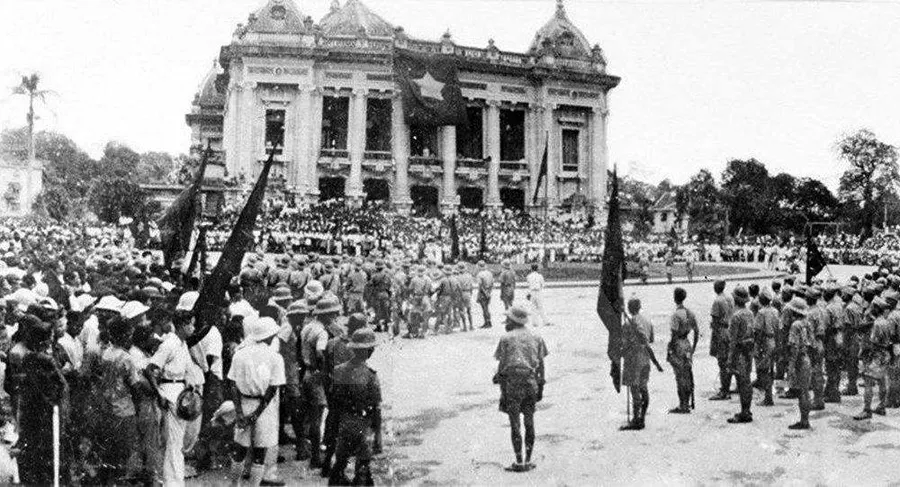
Crowds and Viet Minh troops outside the Hanoi Opera House at a rally celebrating the August Revolution in 1945
Image creditUncredited photographer · Public domainResized and cropped for display.

The Viet Minh take power in Hanoi in the August Revolution

France had ruled Vietnam since the 19th century, but during the Second World War Japan occupied French Indochina, and in March 1945 it threw out the French administration altogether. Ho Chi Minh’s Viet Minh, a communist-led independence movement, had spent the war building up support and small guerrilla forces in the north, and was ready when Japan’s surrender left a sudden gap in power.

The Viet Minh called a general uprising, and on 19 August 1945 huge crowds filled the streets of Hanoi as its supporters took over government offices with almost no resistance. The movement spread to Hue and Saigon within days, the last emperor, Bao Dai, gave up his throne, and on 2 September Ho Chi Minh proclaimed the Democratic Republic of Vietnam in Hanoi. France soon returned to fight for its colony, and Vietnam faced 30 years of war. Vietnam still marks 19 August as the day of the August Revolution.

Read the full storyHistory & Timeline →Source: Britannica: Vietnam, World War II and independence ↗
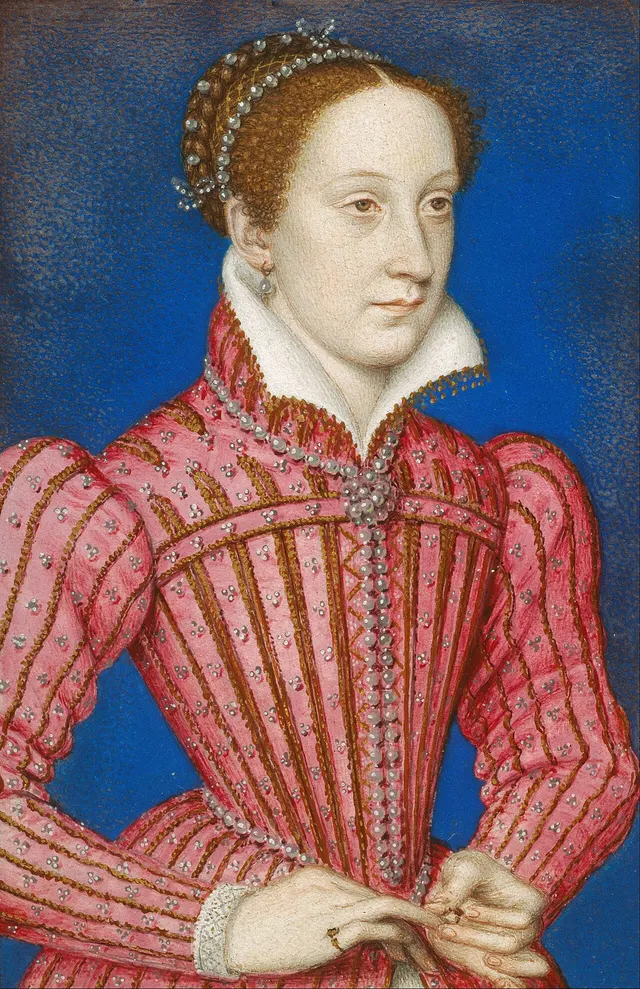
Mary, Queen of Scots, in a portrait after François Clouet
Image creditFrançois Clouet · Public domainResized and cropped for display.

Mary, Queen of Scots comes home to Scotland

Mary became Queen of Scots when she was six days old, and at the age of five she was sent to France to be brought up at the French court, safe from English attempts to marry her to Henry VIII’s son. In 1558 she married the heir to the French throne, and for little more than a year she was Queen of France. When her young husband, Francis II, died in December 1560, the 18-year-old widow had no future in France and decided to go home.

She landed at Leith, the port of Edinburgh, on 19 August 1561, earlier than expected and in thick fog, so that no proper welcome was ready. The country she returned to had changed: in 1560 the Scottish parliament had broken with the pope and made Scotland Protestant. Mary, a Catholic, was allowed to hear Mass privately in her own chapel at Holyrood, but the preacher John Knox thundered against it. Her personal rule would last less than six years.

Read the full storyHistory & Timeline →Source: National Museums Scotland: Life and deathline of Mary, Queen of Scots ↗
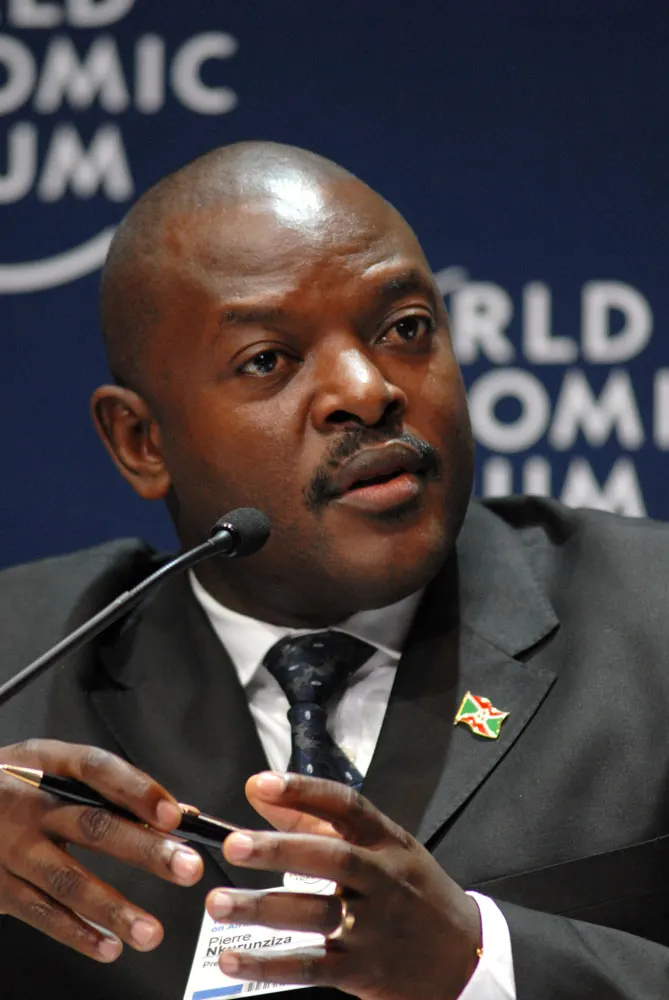
Pierre Nkurunziza at the World Economic Forum on Africa in 2008
Image creditWorld Economic Forum/Eric Miller · CC BY-SA 2.0Resized and cropped for display.

Burundi’s parliament chooses a president to end a long transition

Burundi, a small country in the hills of central Africa, was torn by civil war after its first elected Hutu president, Melchior Ndadaye, was murdered in an army coup in 1993. Fighting between the Tutsi-led army and Hutu rebel groups cost hundreds of thousands of lives. Peace talks led to the Arusha agreement of 2000, a power-sharing government and, in 2003, a deal with the largest rebel movement, the CNDD-FDD.

In 2005 Burundians approved a new constitution and the CNDD-FDD won the parliamentary elections. On 19 August 2005 the two houses of parliament, meeting together, elected the movement’s leader, Pierre Nkurunziza, a former teacher and rebel commander, as the first president since the transition, by 151 of 162 votes. He was sworn in a week later. Nkurunziza went on to rule for 15 years, and his bid for a third term in 2015 plunged the country into a new crisis.

Read the full storyHistory & Timeline →Source: Britannica: Pierre Nkurunziza ↗

♙
PEOPLE

Born Today

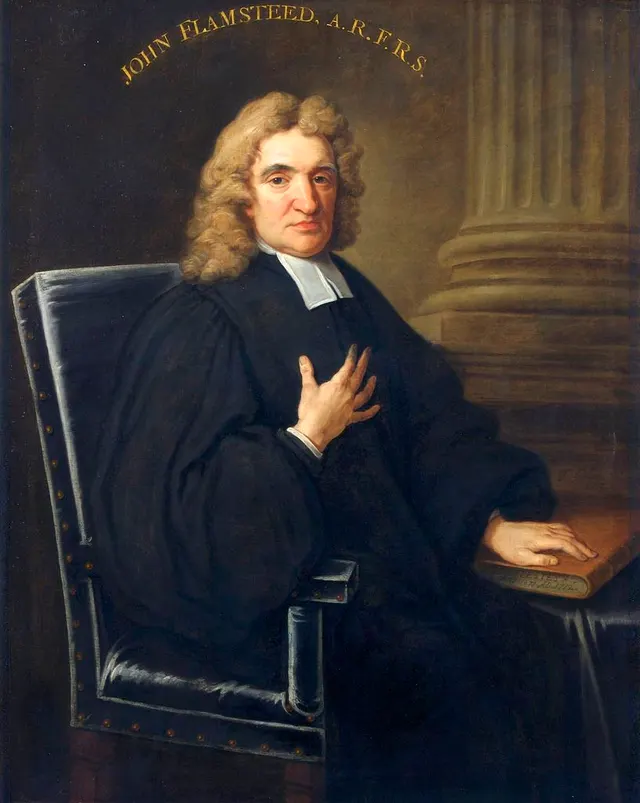
John Flamsteed
Image creditThomas Gibson · Public domainResized and cropped for display.

John Flamsteed

English astronomer who became the first Astronomer Royal at the new Greenwich Observatory and compiled a great catalogue of about 3,000 stars.

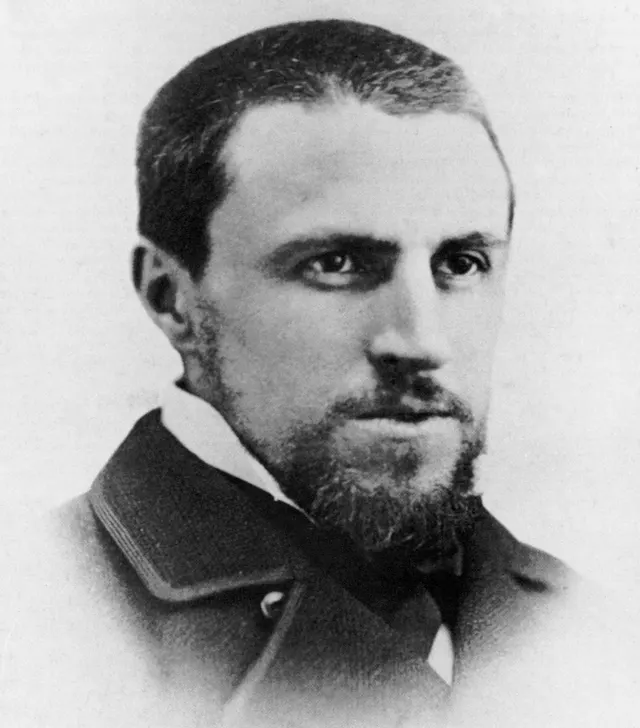
Gustave Caillebotte
Image creditAnonymous photographer · Public domainResized and cropped for display.

Gustave Caillebotte

French painter of Paris street scenes such as Paris Street, Rainy Day, who also bought and championed the work of his fellow Impressionists.

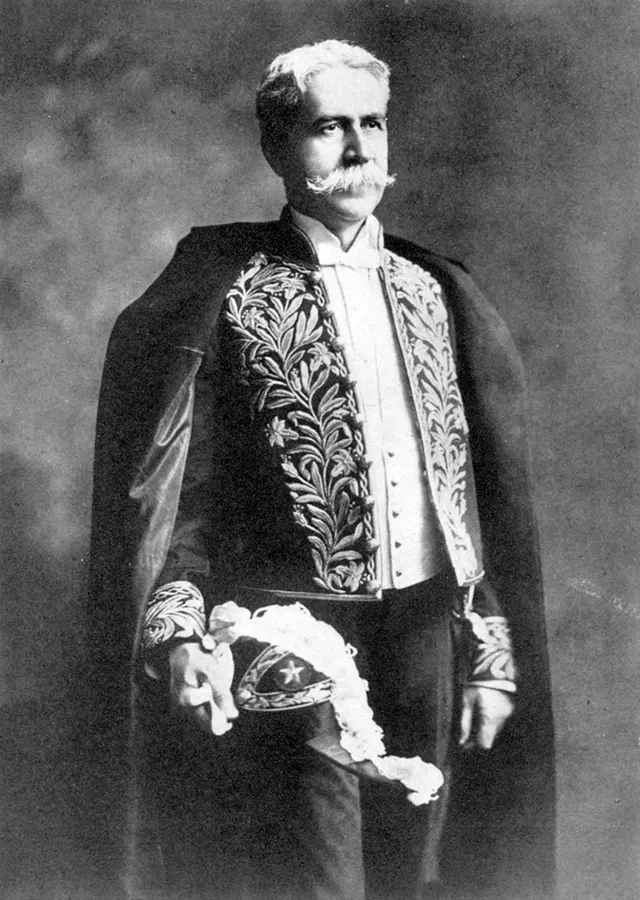
Joaquim Nabuco
Image creditJames Lafayette · Public domainResized and cropped for display.

Joaquim Nabuco

Brazilian statesman and writer who was a leading voice in the campaign to abolish slavery in Brazil and later his country’s first ambassador to the United States.

Gene Roddenberry
Image creditLarry D. Moore · CC BY 4.0Resized and cropped for display.

Gene Roddenberry

American television writer and producer who created Star Trek.

Missy Higgins
Image creditJoelcangy · CC BY-SA 4.0Resized and cropped for display.

Missy Higgins

Australian singer-songwriter known for songs such as ‘Scar’ and ‘Where I Stood’.

◉
IDEAS THAT CHANGED THINGS

Firsts, Science & Discoveries

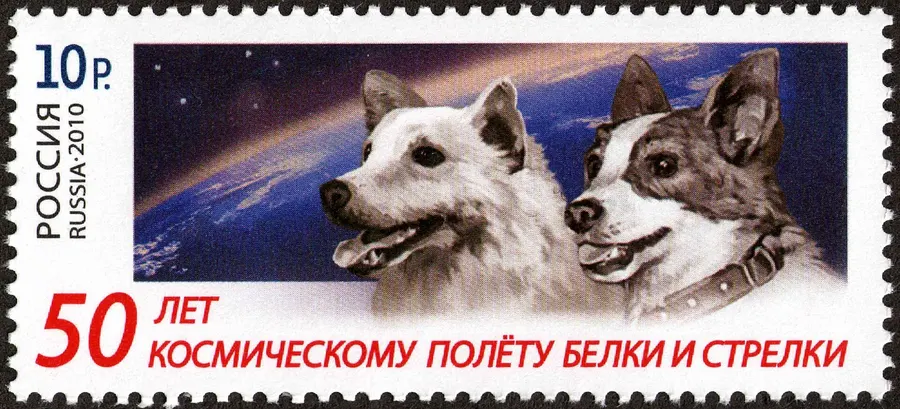
Belka and Strelka on a Russian stamp issued in 2010 for the 50th anniversary of their flight
Image creditRussian Post, Publishing and Trade Centre "Marka" (ИТЦ «Марка»). The design of the stamp by O. Yakovleva. · Public domainResized and cropped for display.

Belka and Strelka become the first animals to return alive from orbit

The Soviet dog Laika had reached orbit in 1957, but there was no way to bring her back. Before risking a person, Soviet engineers needed to show that a spacecraft could carry living things into orbit and land them safely, and in 1960 they began flying test versions of the capsule that would later carry Yuri Gagarin.

On 19 August 1960 one of these test ships, known as Korabl-Sputnik 2, was launched from Baikonur carrying two dogs, Belka and Strelka, together with a rabbit, 40 mice, two rats, flies and plants. It circled the Earth 17 times and came down the next day, and the dogs became the first living creatures to go into orbit and return alive. Less than a year later Gagarin followed them. Strelka later had puppies, and Nikita Khrushchev gave one, Pushinka, to the daughter of President Kennedy.

Read the full storyHistory & Timeline →Source: NASA Space Science Data Coordinated Archive: Sputnik 5 ↗
☆
SPORTING HISTORY

Sporting Moments

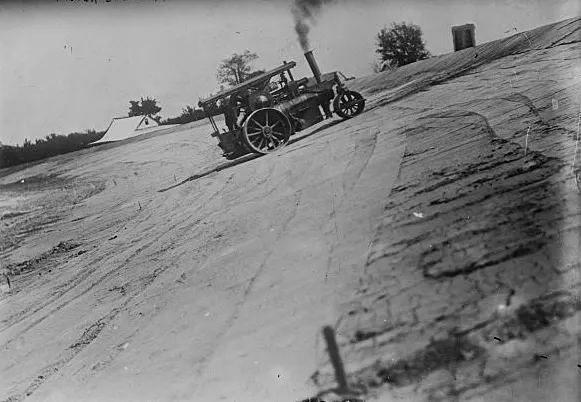
A steam roller on the banked track of the Indianapolis Motor Speedway in its early days
Image creditUnknown author · Public domainResized and cropped for display.

Cars race at the Indianapolis Motor Speedway for the first time

The Indianapolis businessman Carl G. Fisher believed America’s young car industry needed a proper track where cars could be tested and raced, and in 1909 he and three partners built a 2.5-mile oval on farmland outside the city. Its first event, in June, was a balloon race, and motorcycles raced there on 14 August.

The first car races began on 19 August 1909. The surface of crushed stone and tar broke up under the speeding cars, and fatal crashes marred the three-day meeting. Fisher’s answer was to pave the whole track with more than three million bricks, which gave it the nickname ‘the Brickyard’, and in 1911 the Speedway held the first Indianapolis 500.

Read the full storyHistory & Timeline →Source: Indianapolis Motor Speedway: The world when IMS opened ↗
♫
MUSIC • FILM • BOOKS • CULTURE

Culture Stories

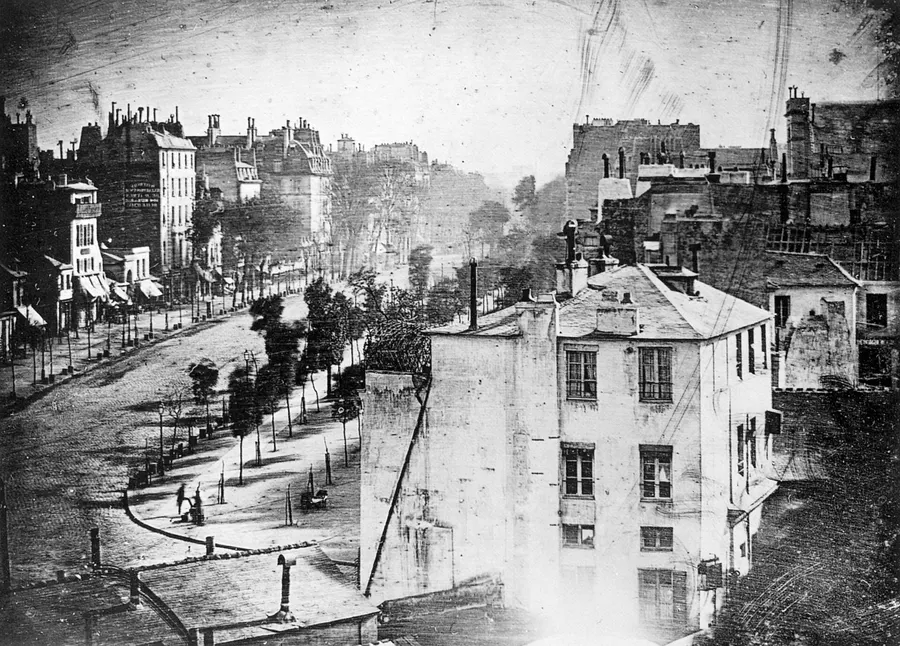
Boulevard du Temple, Paris, a daguerreotype made by Louis Daguerre in 1838
Image creditLouis Daguerre · Public domainResized and cropped for display.

Daguerre’s photographic process is revealed to the world in Paris

Louis Daguerre, a Parisian painter of theatre scenery and dioramas, had worked with the inventor Nicéphore Niépce on ways of fixing the images seen in a camera. After Niépce’s death Daguerre perfected a method of his own: a silver-coated copper plate was made sensitive with iodine, exposed in the camera, developed over mercury fumes and fixed, giving a single, astonishingly detailed picture.

The scientist and politician François Arago persuaded the French state to buy the process in return for lifetime pensions for Daguerre and Niépce’s son. On 19 August 1839 Arago explained it, step by step, to a joint meeting of the Academy of Sciences and the Academy of Fine Arts, while a crowd waited outside. France presented the invention as a gift to the world, and within months daguerreotype cameras were in use across Europe and America.

Read the full storyHistory & Timeline →Source: Metropolitan Museum of Art: Daguerre (1787-1851) and the invention of photography ↗
✦
LIVES REMEMBERED

Remembered Today

Augustus
Image creditJustin Benttinen · CC BY-SA 4.0Resized and cropped for display.

Augustus

First Roman emperor, who as Octavian defeated Mark Antony and Cleopatra and then ruled for more than 40 years, dying on the anniversary of his first consulship.

Andrea Palladio
Image creditAlessandro Maganza · Public domainResized and cropped for display.

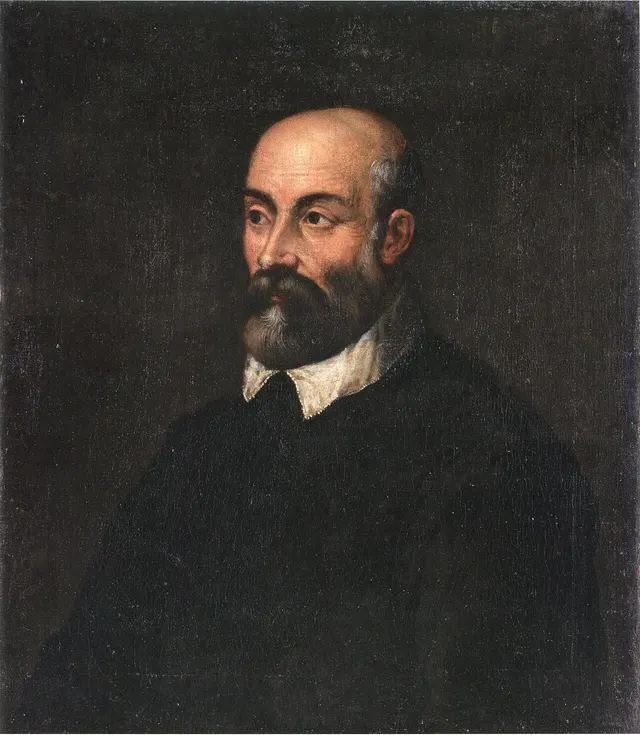
Andrea Palladio

Italian architect of villas and churches in and around Venice and Vicenza whose books on classical building shaped architecture across Europe and America.

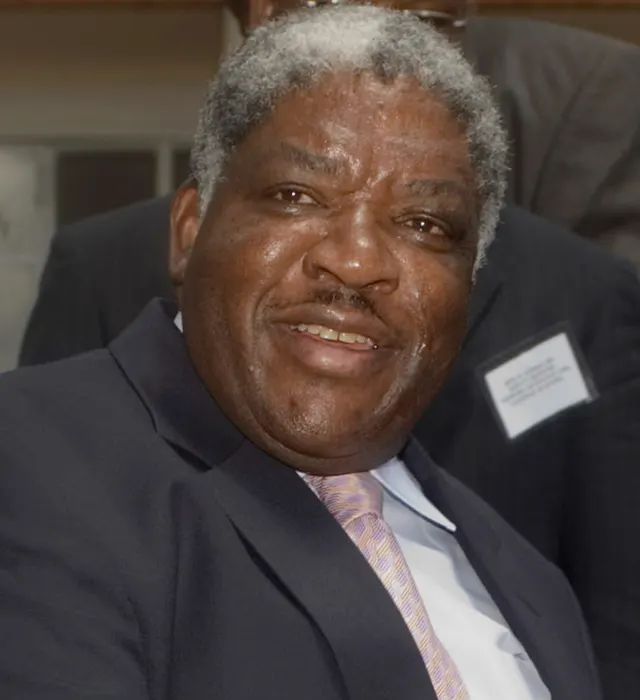
Levy Mwanawasa
Image creditInternational Monetary Fund · Public domainResized and cropped for display.

Levy Mwanawasa

Zambian lawyer who was president of Zambia from 2002 until his death, and who made the fight against corruption a mark of his rule.

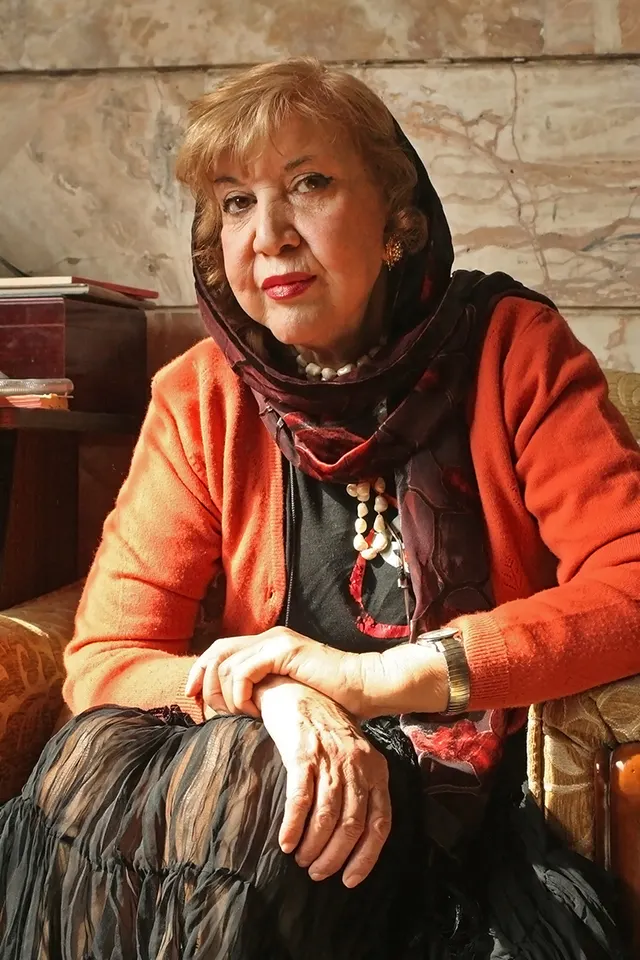
Simin Behbahani
Image creditRomissa Mofidi · CC BY-SA 3.0Resized and cropped for display.

Simin Behbahani

Iranian poet who gave new life to the traditional ghazal form and was one of the best-loved voices of modern Persian poetry.

☉
AROUND THE WORLD

Observances & Anniversaries

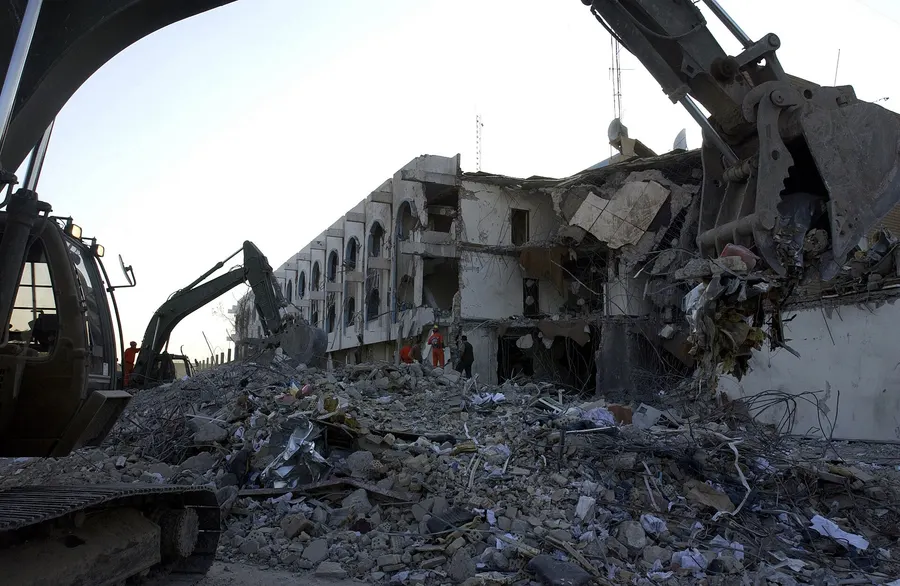
Excavators clear the rubble of the UN headquarters at the Canal Hotel in Baghdad after the bombing of 19 August 2003
Image creditMSGT JAMES M. BOWMAN, USAF · Public domainResized and cropped for display.

World Humanitarian Day

On 19 August 2003 a truck bomb wrecked the United Nations headquarters at the Canal Hotel in Baghdad, killing 22 people, among them the UN’s special representative in Iraq, the Brazilian diplomat Sergio Vieira de Mello. In 2008 the UN General Assembly chose the anniversary as World Humanitarian Day, first held in 2009.

The day honours the aid workers who have been killed or injured while helping others, and draws attention to the millions of people caught up in war and disaster who depend on humanitarian help.

Source: UN OCHA: World Humanitarian Day ↗
HISTORY & TIMELINE

Finished the highlights?

Follow 19 August chronologically, from the Middle Ages to the modern day, with 15 verified events and the sources behind them.

This day through time →