Explore 21 August

Explore 21 August: Hawaii becomes the 50th American state, Latvia restores its independence as the Moscow coup collapses, Portugal seizes Ceuta and opens its age of expansion, Leon Trotsky dies in Mexico City and Ninoy Aquino is shot on his return to Manila. Born today: William IV, Peter Weir and Sergey Brin.

This day through time →14 verified events across 4 eras

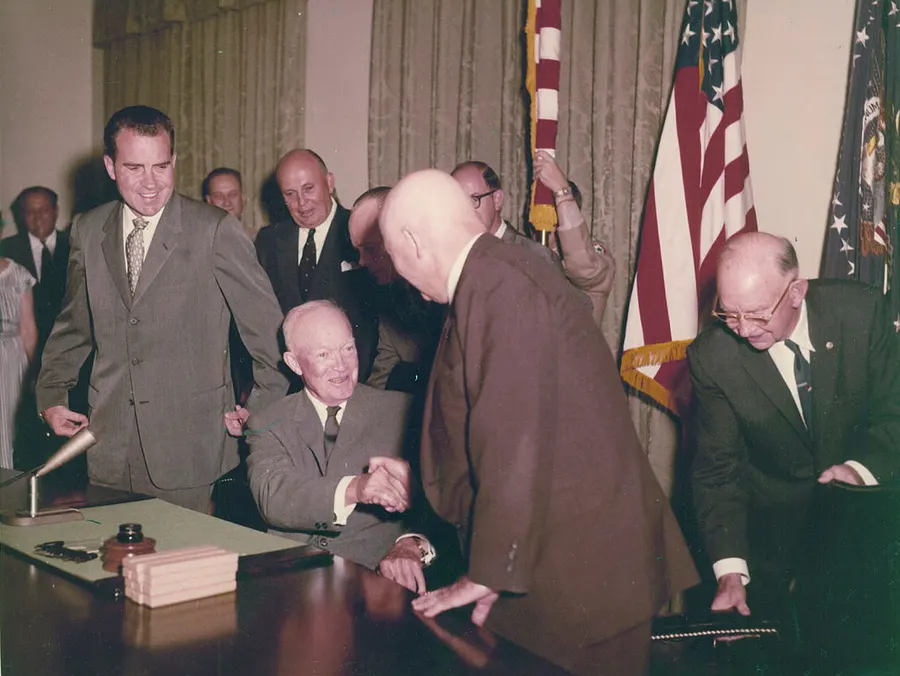
President Dwight D. Eisenhower, seated, at the signing of the proclamation admitting Hawaii as the 50th state, 21 August 1959
Image creditU.S. Army Pictorial Agency · Public domainResized and cropped for display.

Hawaii becomes the 50th state of the United States

The Hawaiian Islands had been an independent kingdom until 1893, when American businessmen overthrew Queen Liliʻuokalani, and the United States annexed them in 1898. Hawaii became a US territory in 1900, but for decades Congress put off statehood, held back by doubts about a territory so far from the mainland and by prejudice against its largely Asian and Native Hawaiian population.

After the Second World War the pressure grew, and in March 1959 President Eisenhower signed the Hawaii Admission Act. In June the islanders voted overwhelmingly to accept statehood, and on 21 August 1959 Eisenhower signed the proclamation formally admitting Hawaii as the 50th state. On the same day he unveiled the new 50-star flag that would fly from the following Fourth of July.

Read the full storyHistory & Timeline →Source: Eisenhower Presidential Library: Hawaii statehood ↗
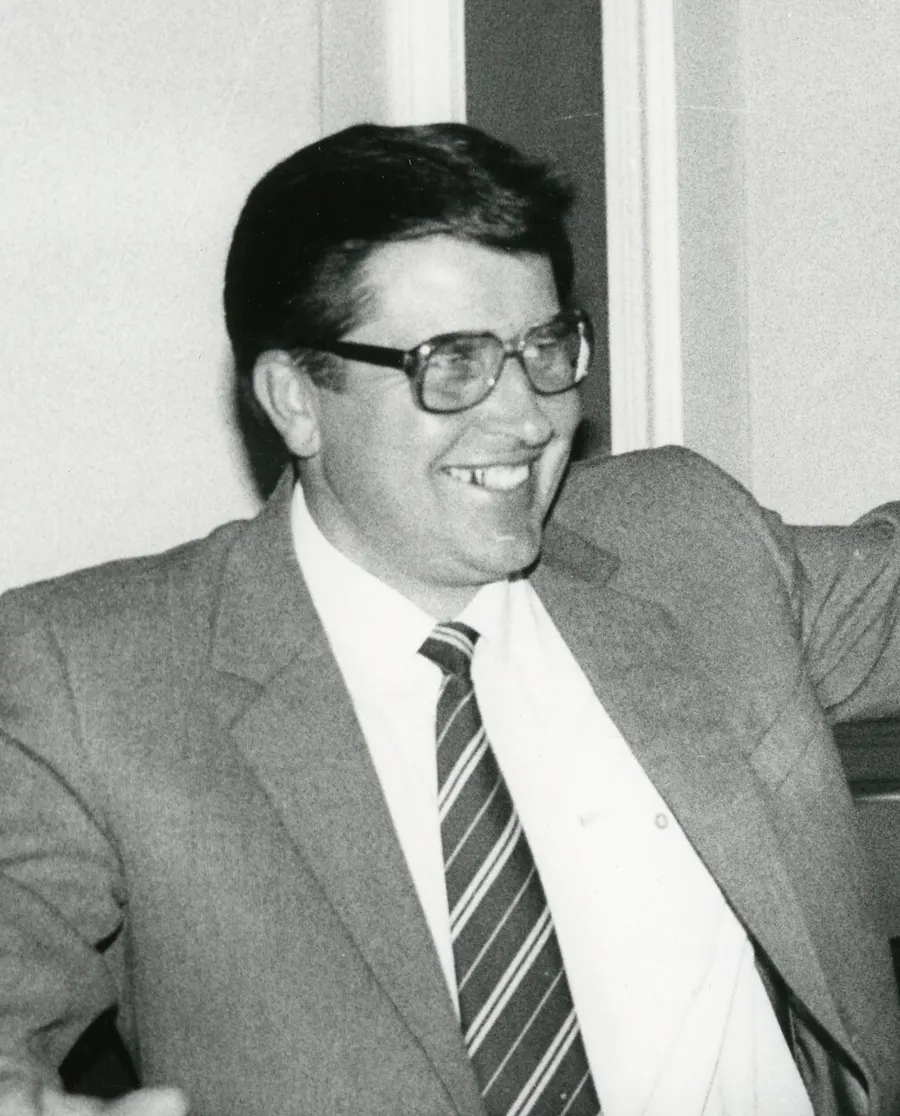
Anatolijs Gorbunovs, chairman of Latvia's Supreme Council, on 2 September 1991, the day the United States recognised Latvia's restored independence, from the Saeima photo archive
Anatolijs Gorbunovs, chairman of Latvia’s Supreme Council, on 2 September 1991, the day the United States recognised Latvia’s restored independence, from the Saeima photo archive
Image creditUldis Pāže, Saeima · CC BY-SA 2.0Resized and cropped for display.

Latvia restores its independence as the Moscow coup collapses

Latvia had been an independent republic from 1918 until 1940, when the Soviet Union occupied and annexed it. As Mikhail Gorbachev’s reforms loosened the Soviet grip, Latvians organised mass protests and the Baltic Way human chain, and on 4 May 1990 the Supreme Council in Riga declared the restoration of independence, with a period of transition to follow. Moscow refused to accept it, and in January 1991 Rigans built barricades to defend their parliament against Soviet troops.

On 19 August 1991 hardliners in Moscow tried to seize power from Gorbachev. Two days later, as the coup was failing, the Supreme Council adopted the Constitutional Law on the Statehood of the Republic of Latvia on 21 August 1991, ending the transition period and restoring the country’s full independence under its 1922 constitution. Soviet laws ceased to apply, foreign governments quickly recognised the restored state, and the Soviet Union itself did so in September.

Read the full storyHistory & Timeline →Source: Saeima of the Republic of Latvia: 21 August, the de facto restoration of Latvia’s independence ↗
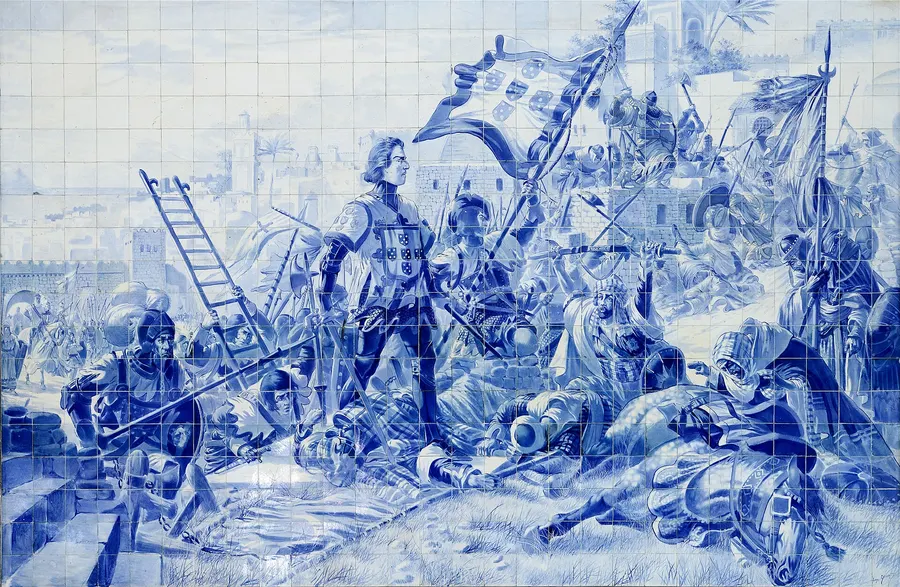
The capture of Ceuta, with Prince Henry the Navigator, in a 20th-century tile panel by Jorge Colaço at São Bento station in Porto
Image creditAlvesgaspar · CC BY-SA 4.0Resized and cropped for display.

Portugal seizes Ceuta and begins its overseas expansion

Ceuta, on the African shore of the Strait of Gibraltar, was a rich Muslim trading port under the Marinid rulers of Morocco, at the end of caravan routes that brought gold and other goods north across the Sahara. King João I of Portugal, whose kingdom had made peace with Castile, prepared a large fleet in secret, partly to give his sons a chance to win knighthood in battle and partly to strike at the Muslim powers across the strait.

On 21 August 1415 the Portuguese army, led by the king and his sons Duarte, Pedro and Henrique, stormed and took the city. The great mosque was turned into a cathedral, where the princes were knighted, and a Portuguese garrison was left to hold Ceuta. Historians often date the start of Portugal’s age of expansion to this conquest; Prince Henry, later called ‘the Navigator’, went on to sponsor the voyages down the coast of Africa.

Read the full storyHistory & Timeline →Source: Arquivo Nacional da Torre do Tombo: Conquista de Ceuta ↗
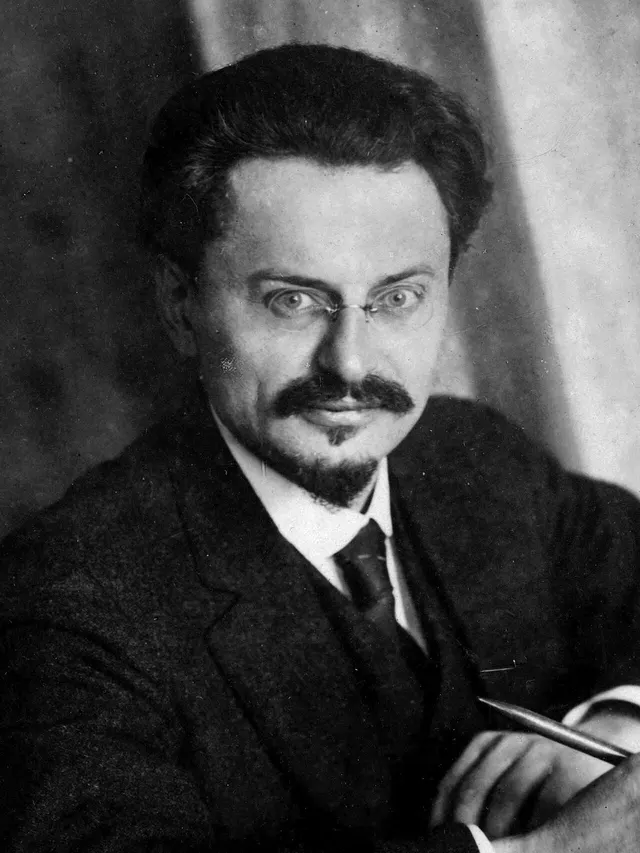
Leon Trotsky in 1918, when he was building the Red Army
Image creditRijksmuseum · CC0Resized and cropped for display.

Leon Trotsky dies after an attack in Mexico City

Leon Trotsky had been one of the leaders of the Bolshevik Revolution of 1917 and the founder of the Red Army. After Lenin’s death he lost the struggle for power to Joseph Stalin, was expelled from the Communist Party and in 1929 was deported from the Soviet Union. From exile in Turkey, France, Norway and finally Mexico, where he settled in Coyoacán in 1937, he kept up a stream of writing against Stalin’s rule.

On 20 August 1940 Ramón Mercader, a Spanish communist who had won the confidence of Trotsky’s household under a false name, attacked him with an ice axe in his study. Trotsky died in hospital the next day, 21 August 1940, aged 60. Mercader was convicted and served 20 years in a Mexican prison; it was later confirmed that he had acted for Stalin’s secret police. Trotsky’s house in Coyoacán is now a museum.

Read the full storyHistory & Timeline →Source: Britannica: The assassination of Leon Trotsky ↗
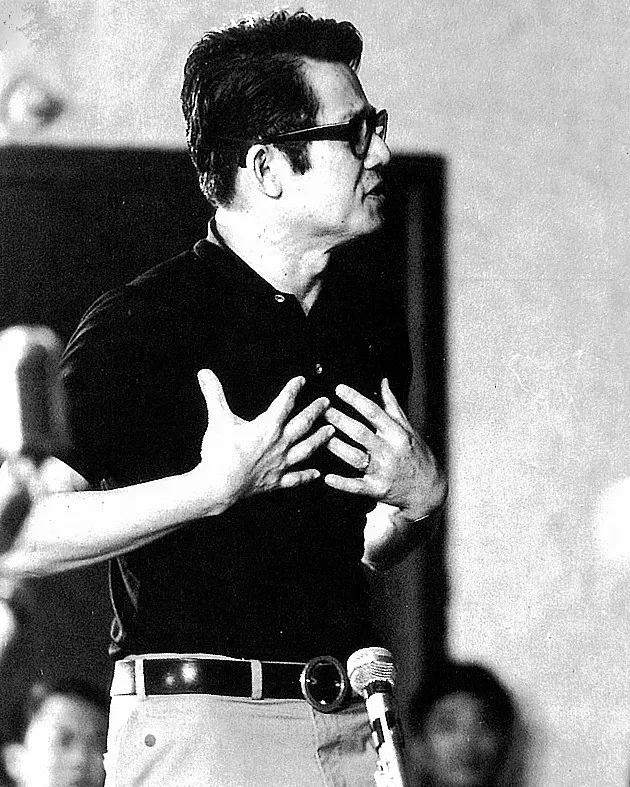
Benigno 'Ninoy' Aquino Jr. speaking at his trial before a military commission in 1973
Benigno ‘Ninoy’ Aquino Jr. speaking at his trial before a military commission in 1973
Image creditMalacañang Palace · Public domainResized and cropped for display.

Ninoy Aquino is shot on his return to Manila

Benigno ‘Ninoy’ Aquino Jr. was a senator and the best-known opponent of President Ferdinand Marcos, who placed the Philippines under martial law in 1972. Aquino was arrested and held for more than seven years, and sentenced to death by a military court, before Marcos allowed him to leave for heart surgery in the United States in 1980. After three years in exile he decided to go home, despite warnings that his life was in danger.

On 21 August 1983 he was shot dead moments after leaving his plane at Manila International Airport, while in the custody of soldiers. An independent board later concluded that the killing was a military conspiracy, though the accused were acquitted under Marcos. His death turned a divided opposition into a mass movement, brought his widow Corazon into politics and led to the People Power revolution of 1986. The airport now bears his name.

Read the full storyHistory & Timeline →Source: National Historical Commission of the Philippines: death anniversary of Sen. Benigno ‘Ninoy’ Aquino Jr. ↗

♙
PEOPLE

Born Today

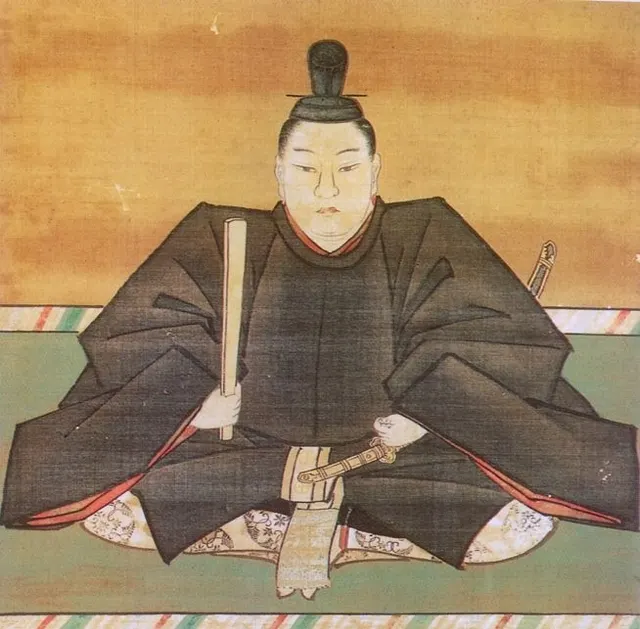
Shimazu Yoshihiro
Image creditUnknown author · Public domainResized and cropped for display.

Shimazu Yoshihiro

Japanese warlord of the Shimazu clan of Satsuma, remembered for his fighting retreat through the enemy lines at the Battle of Sekigahara in 1600.

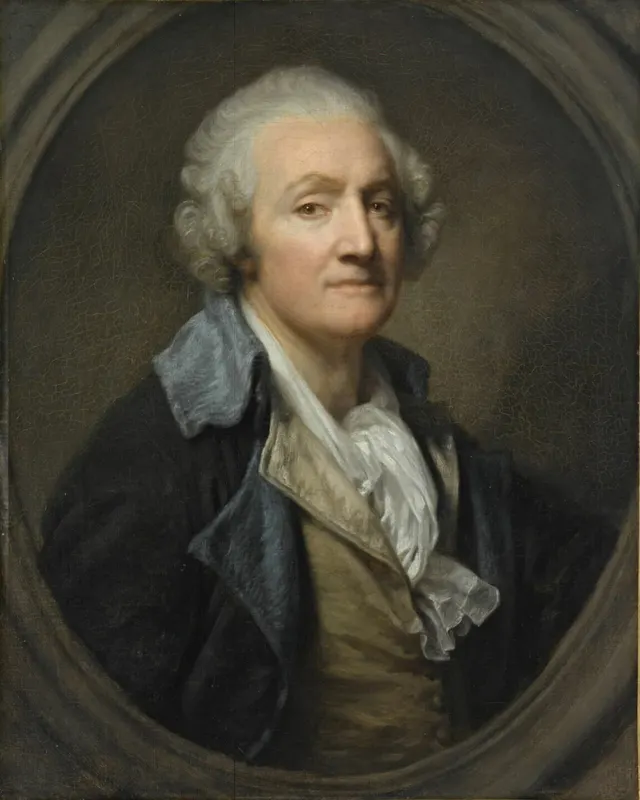
Jean-Baptiste Greuze
Image creditJean-Baptiste Greuze · Public domainResized and cropped for display.

Jean-Baptiste Greuze

French painter whose moralising scenes of family life, such as The Village Bride, were praised by Diderot and widely copied.

William Murdoch
Image creditUnknown author · Public domainResized and cropped for display.

William Murdoch

Scottish engineer who worked for Boulton and Watt and pioneered lighting by coal gas in the 1790s.

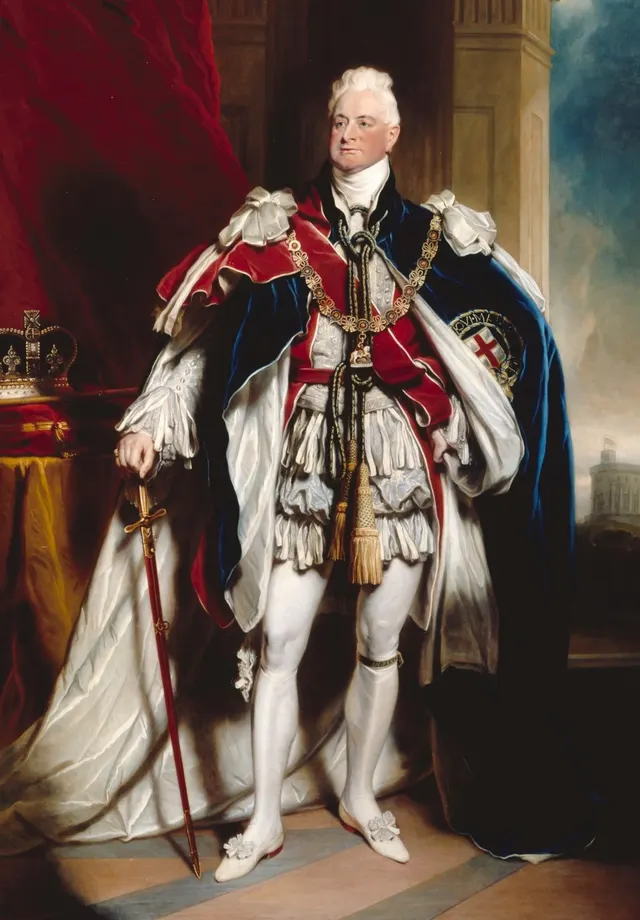
William IV
Image creditMartin Archer Shee · Public domainResized and cropped for display.

William IV

King of the United Kingdom from 1830 to 1837, known as the ‘Sailor King’ after his years in the Royal Navy, whose reign saw the Great Reform Act of 1832.

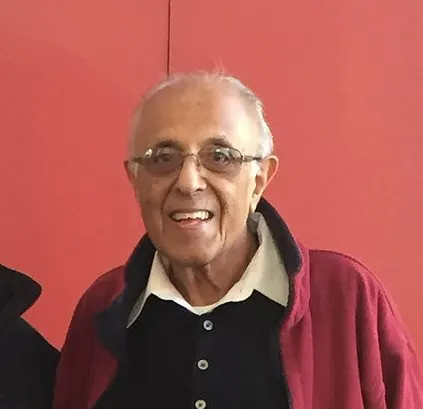
Ahmed Kathrada
Image creditOffice of Senator Christopher Coons · Public domainResized and cropped for display.

Ahmed Kathrada

South African anti-apartheid activist who was jailed with Nelson Mandela after the Rivonia Trial and spent 26 years in prison, many of them on Robben Island.

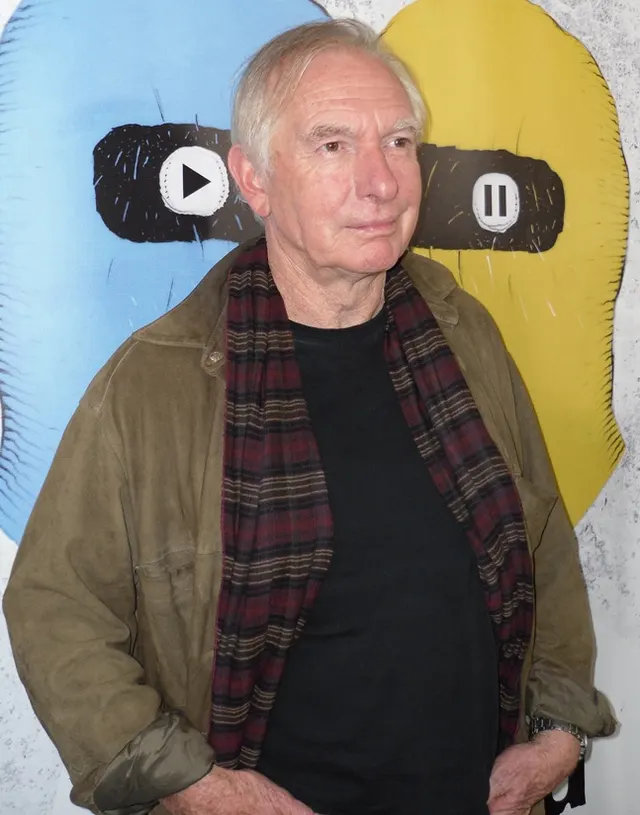
Peter Weir
Image creditPiotr Drabik · CC BY 2.0Resized and cropped for display.

Peter Weir

Australian film director of Picnic at Hanging Rock, Gallipoli, Witness and The Truman Show.

Stephen Hillenburg
Image creditCarlos Cazurro Burgos · CC BY-SA 3.0Resized and cropped for display.

Stephen Hillenburg

American marine biology teacher turned animator who created the cartoon series SpongeBob SquarePants.

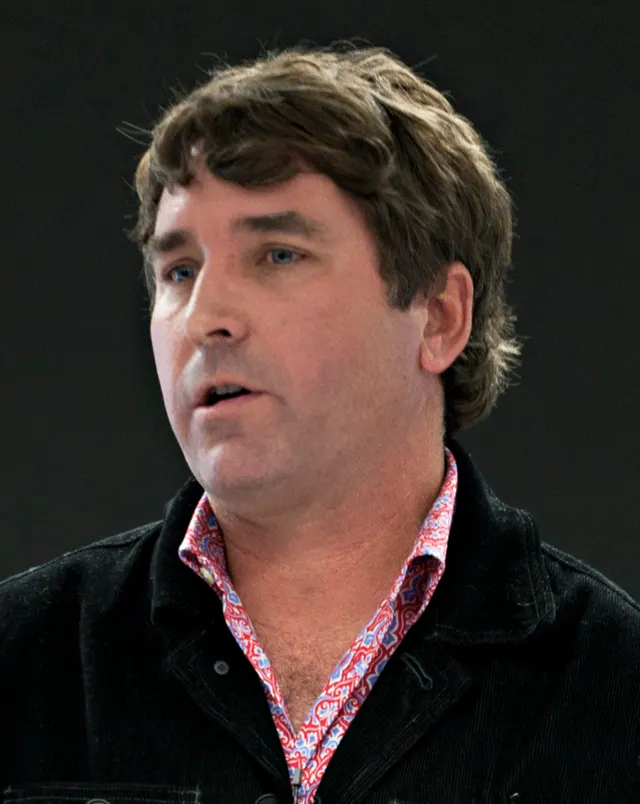
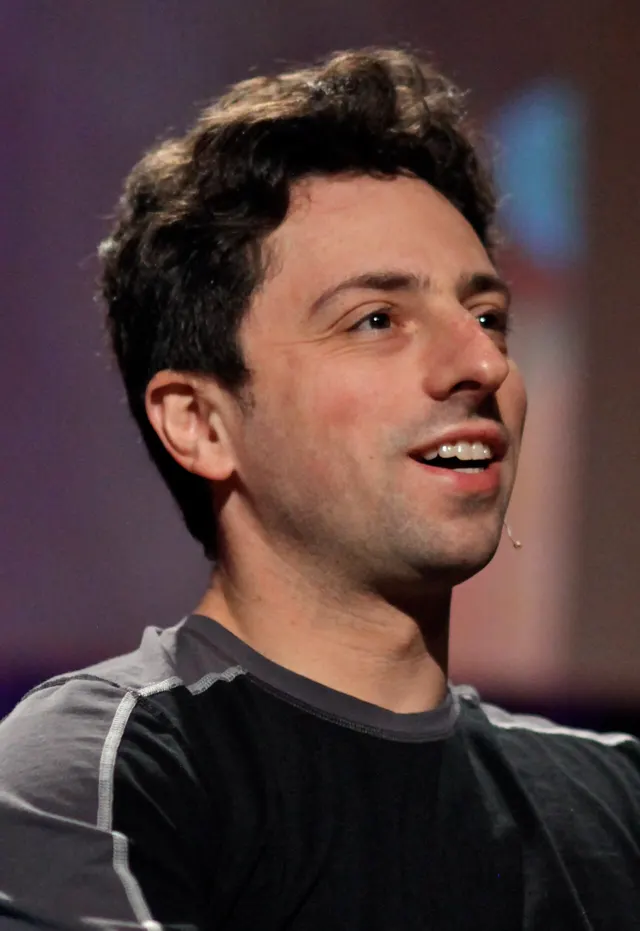
Sergey Brin
Image creditSteve Jurvetson · CC BY 2.0Resized and cropped for display.

Sergey Brin

Russian-born American computer scientist who co-founded Google with Larry Page in 1998.

◉
IDEAS THAT CHANGED THINGS

Firsts, Science & Discoveries

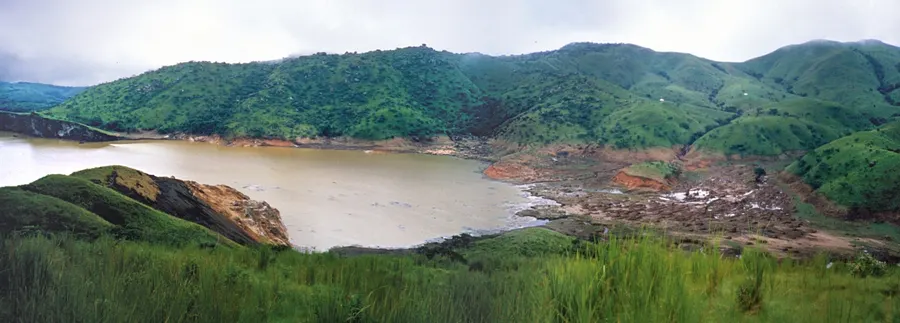
Lake Nyos in Cameroon on 29 August 1986, eight days after the gas release, in a view made from two photographs
Image creditUnited States Geological Survey · Public domainResized and cropped for display.

A cloud of carbon dioxide pours out of Lake Nyos in Cameroon

Lake Nyos lies in the crater of an old volcano in the highlands of north-western Cameroon. Carbon dioxide seeping up from magma deep below had been dissolving into its bottom waters for years, held down by the weight of the water above, much as gas is held in a sealed bottle of fizzy drink. Nobody living around the lake knew of the danger.

On the evening of 21 August 1986 the deep water was suddenly disturbed, perhaps by a landslide, and a huge volume of gas burst out. The heavy, invisible cloud rolled down the valleys and suffocated about 1,700 people and thousands of cattle in nearby villages. Scientists recognised it as a rare ‘limnic eruption’, and since 2001 pipes have been installed to let the gas escape from the lake gradually.

Read the full storyHistory & Timeline →Source: Britannica: Lake Nyos ↗
♫
MUSIC • FILM • BOOKS • CULTURE

Culture Stories

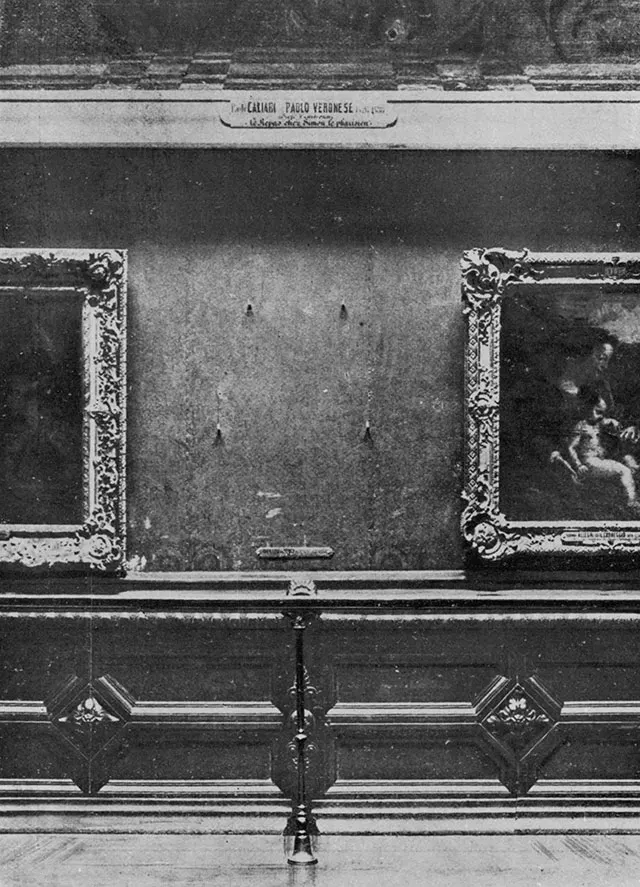
The empty space on the wall of the Salon Carré in the Louvre after the Mona Lisa was stolen in 1911
Image creditUnknown author · Public domainResized and cropped for display.

The Mona Lisa is stolen from the Louvre

On Monday 21 August 1911, when the Louvre was closed to the public, Leonardo da Vinci’s portrait of Lisa del Giocondo was lifted off the wall of the Salon Carré and carried out of the museum. The thief was Vincenzo Peruggia, an Italian handyman who had worked at the Louvre and had helped to fit the glass case that protected the painting. Hardly anyone noticed the gap until the next day.

The theft caused a sensation. The museum closed for a week, crowds came to stare at the empty hooks, and newspapers around the world printed the painting’s image. For more than two years Peruggia kept it in his Paris lodgings, until in December 1913 he tried to sell it to an art dealer in Florence, who called the police. The painting returned to the Louvre in January 1914, far more famous than it had ever been.

Read the full storyHistory & Timeline →Source: Britannica: Mona Lisa ↗
✦
LIVES REMEMBERED

Remembered Today

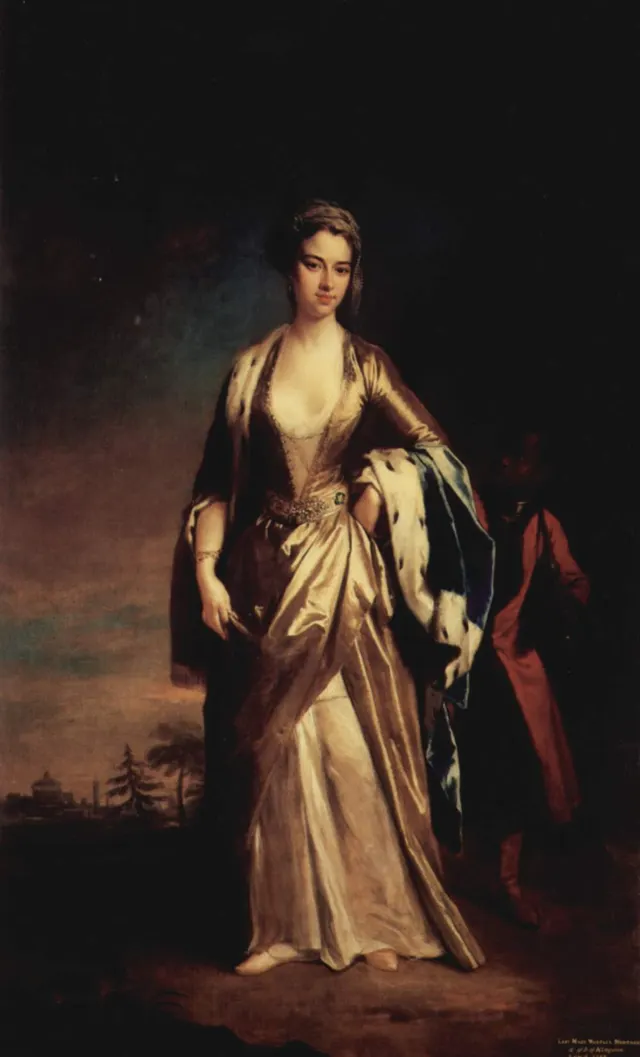
Lady Mary Wortley Montagu
Image creditJonathan Richardson the younger · Public domainResized and cropped for display.

Lady Mary Wortley Montagu

English writer whose letters from the Ottoman Empire made her famous, and who championed inoculation against smallpox in Britain after seeing it practised in Constantinople.

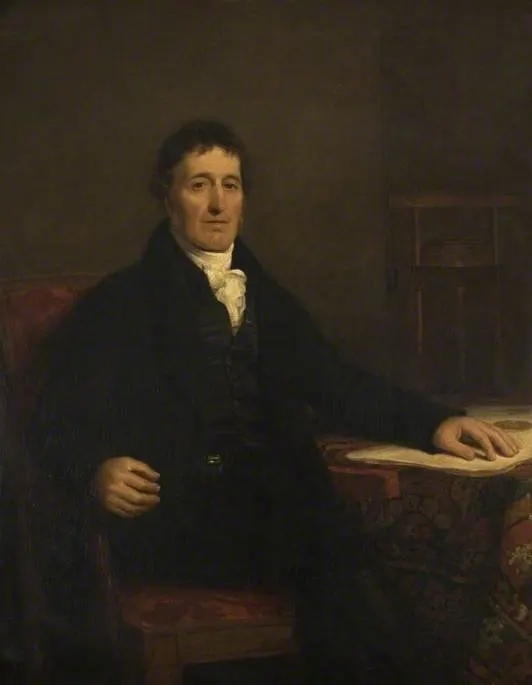
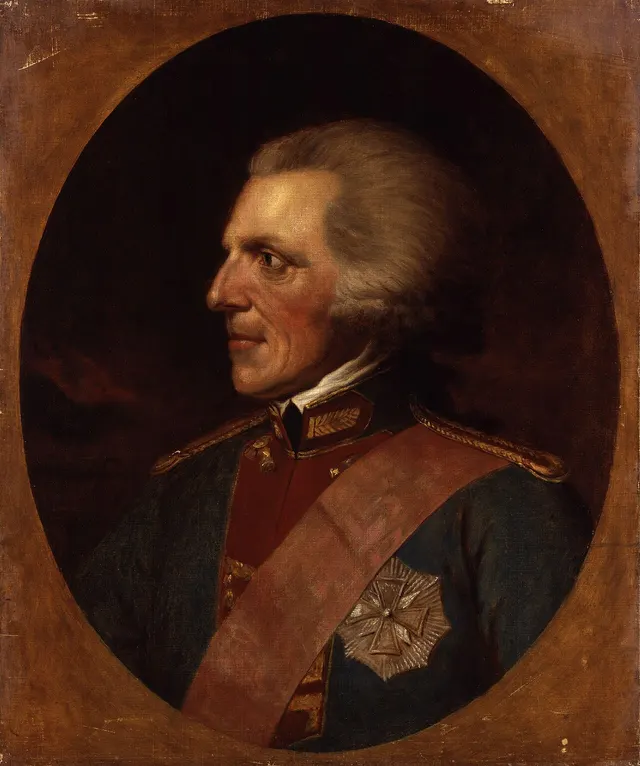
Benjamin Thompson, Count Rumford
Image creditAfter Moritz Kellerhoven · Public domainResized and cropped for display.

Benjamin Thompson, Count Rumford

American-born physicist whose experiments on boring cannon helped show that heat is a form of motion, and who helped found the Royal Institution in London.

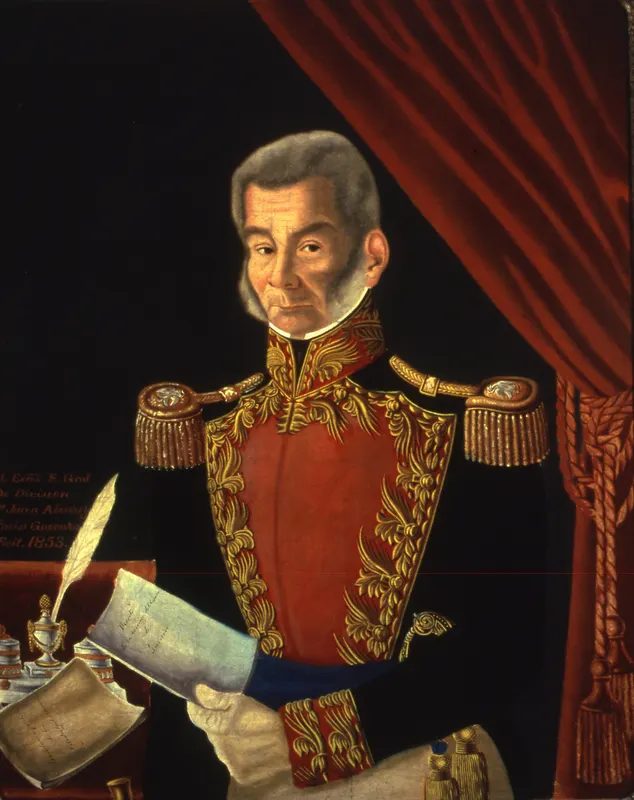
Juan Álvarez
Image creditUnidentified painter · CC BY-SA 3.0Resized and cropped for display.

Juan Álvarez

Mexican general who fought in the war of independence and led the Revolution of Ayutla that drove Santa Anna from power, serving briefly as president in 1855.

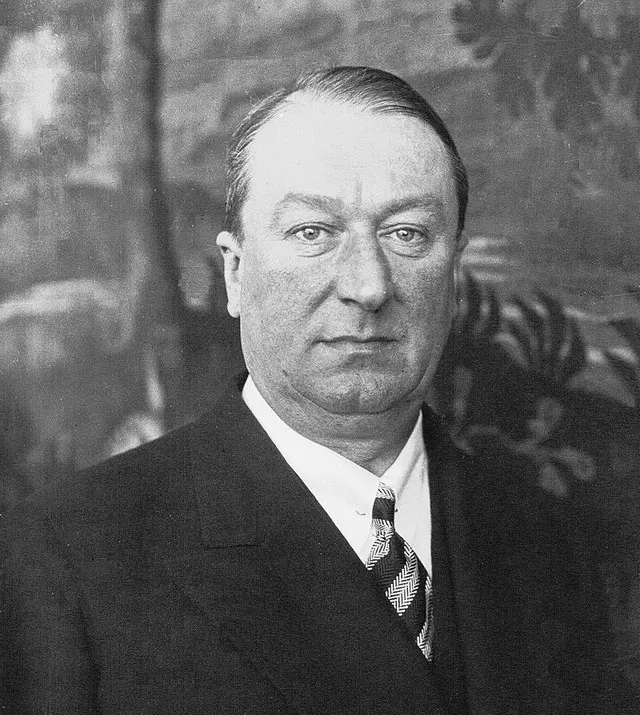
Ettore Bugatti
Image creditAgence de presse Meurisse · Public domainResized and cropped for display.

Ettore Bugatti

Italian-born car maker whose firm at Molsheim in Alsace built some of the fastest and most elegant cars of the 1920s and 1930s.

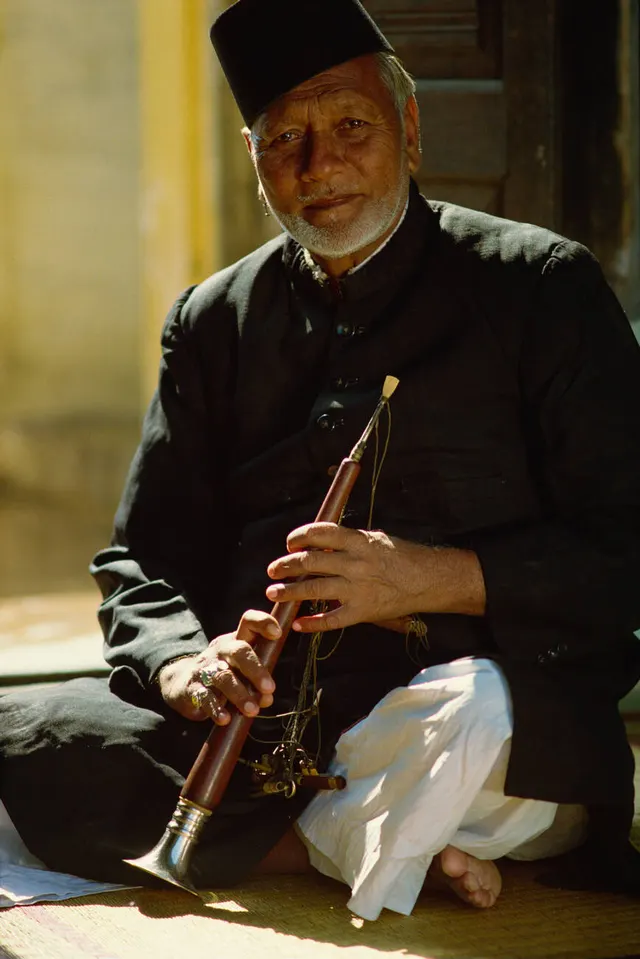
Bismillah Khan
Image creditJohn Henry Claude Wilson · Public domainResized and cropped for display.

Bismillah Khan

Indian musician who made the shehnai a concert instrument and was awarded the Bharat Ratna, India’s highest civilian honour, in 2001.

☉
AROUND THE WORLD

Observances & Anniversaries

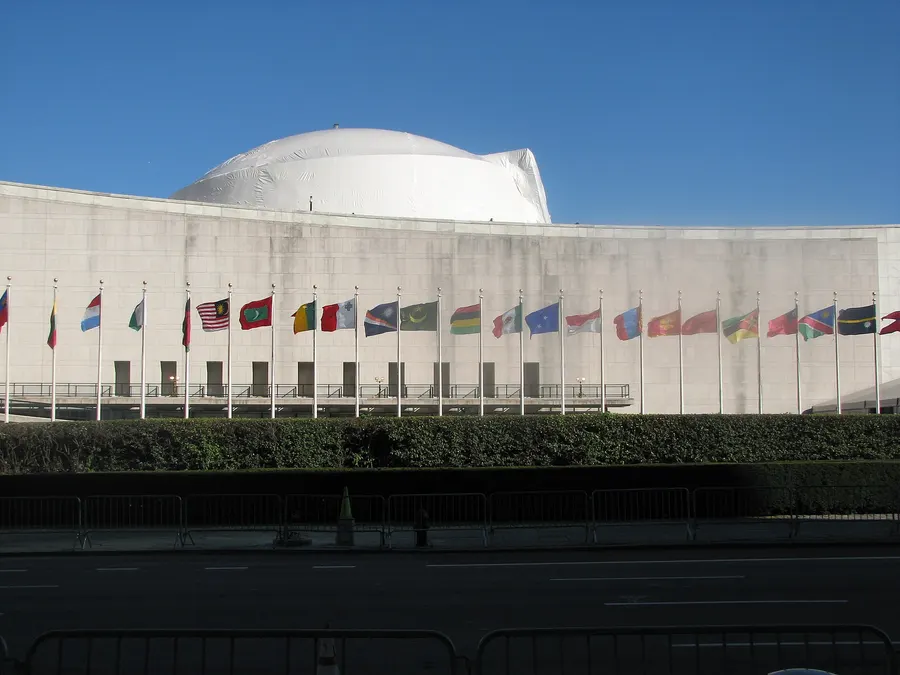
The flags of member states outside United Nations Headquarters in New York
Image creditUSAID U.S. Agency for International Development · Public domainResized and cropped for display.

International Day of Remembrance of and Tribute to the Victims of Terrorism

The United Nations General Assembly set aside 21 August as a day to honour and support the victims and survivors of terrorism, and the day has been marked each year since 2018.

Its aim is to remember those killed and injured, to stand with survivors and families, and to make sure their voices are heard and their rights upheld, long after the news has moved on.

Source: United Nations: International Day of Remembrance of and Tribute to the Victims of Terrorism ↗
HISTORY & TIMELINE

Finished the highlights?

Follow 21 August chronologically, from the Middle Ages to the modern day, with 14 verified events and the sources behind them.

This day through time →