Explore 18 August

Explore 18 August: Tennessee’s vote gives American women the ballot, a royal wedding in Paris comes days before a massacre, John White finds the Roanoke colony deserted, fire sweeps through Thessaloniki and Pakistan’s president resigns. Born today: Meriwether Lewis, Roberto Clemente and Robert Redford.

This day through time →13 verified events across 5 eras

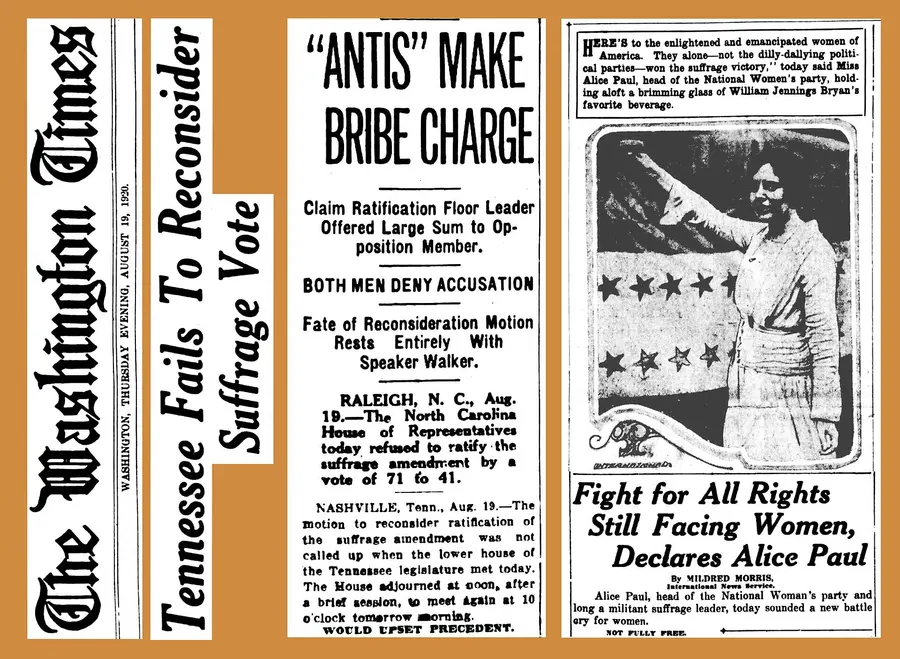
The Washington Times of 19 August 1920 reports that Tennessee has refused to reconsider its suffrage vote
Image creditThe Washington Times (newspaper) · Public domainResized and cropped for display.

Tennessee’s vote gives American women the right to vote

American women had campaigned for the vote since the Seneca Falls convention of 1848, and by 1920 several western states already allowed it. In June 1919 Congress at last passed the Nineteenth Amendment, which said that the right to vote could not be denied ‘on account of sex’, but it needed the approval of 36 of the 48 states. By the summer of 1920 thirty-five had ratified, and the campaign came down to Tennessee, where suffragists and their opponents, wearing yellow and red roses, filled the corridors of the state capitol in Nashville.

On 18 August 1920 the state House of Representatives seemed deadlocked. Harry Burn, at 24 its youngest member, had arrived wearing an anti-suffrage red rose, but in his pocket was a letter from his mother urging him to ‘be a good boy’ and vote for ratification. He voted yes, and the amendment passed. Tennessee became the 36th state to ratify, and the amendment was certified in Washington eight days later, in time for millions of women to vote in that November’s presidential election.

Read the full storyHistory & Timeline →Source: US National Park Service: Tennessee and the 19th Amendment ↗
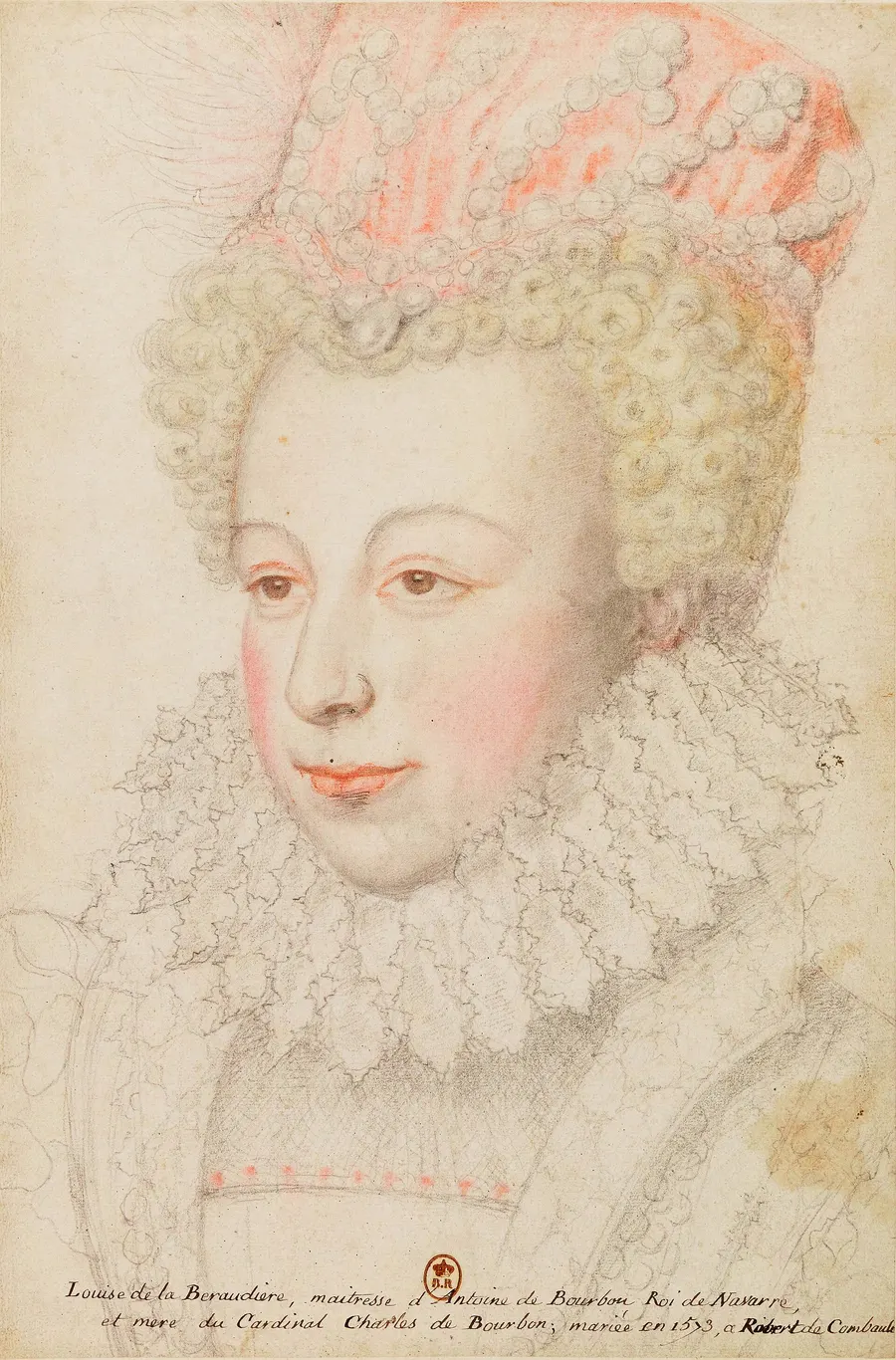
Margaret of Valois, the French king's sister, in a chalk portrait drawing of about 1574
Margaret of Valois, the French king’s sister, in a chalk portrait drawing of about 1574
Image creditanonymous · Public domainResized and cropped for display.

Henry of Navarre marries Margaret of Valois in Paris

By 1572 France had been torn by ten years of war between Catholics and Protestant Huguenots. To seal a fragile peace, the queen mother, Catherine de’ Medici, arranged for her daughter Margaret, sister of the Catholic King Charles IX, to marry the young Huguenot prince Henry, King of Navarre. The pope refused to approve the match, and Paris, a fiercely Catholic city, watched uneasily as hundreds of Protestant nobles arrived for the celebrations.

The couple, both 19, were married on 18 August 1572 on a platform built in front of Notre-Dame. Because of his faith, Henry stayed outside while the wedding mass was said, and his bride’s brother took his place. Six days later the peace collapsed in the St Bartholomew’s Day massacre, in which thousands of Huguenots were killed. Henry survived by converting, escaped the court in 1576 and became King Henry IV of France in 1589. The marriage was childless, and it was annulled in 1599.

Read the full storyHistory & Timeline →Source: Britannica: Margaret of Valois ↗
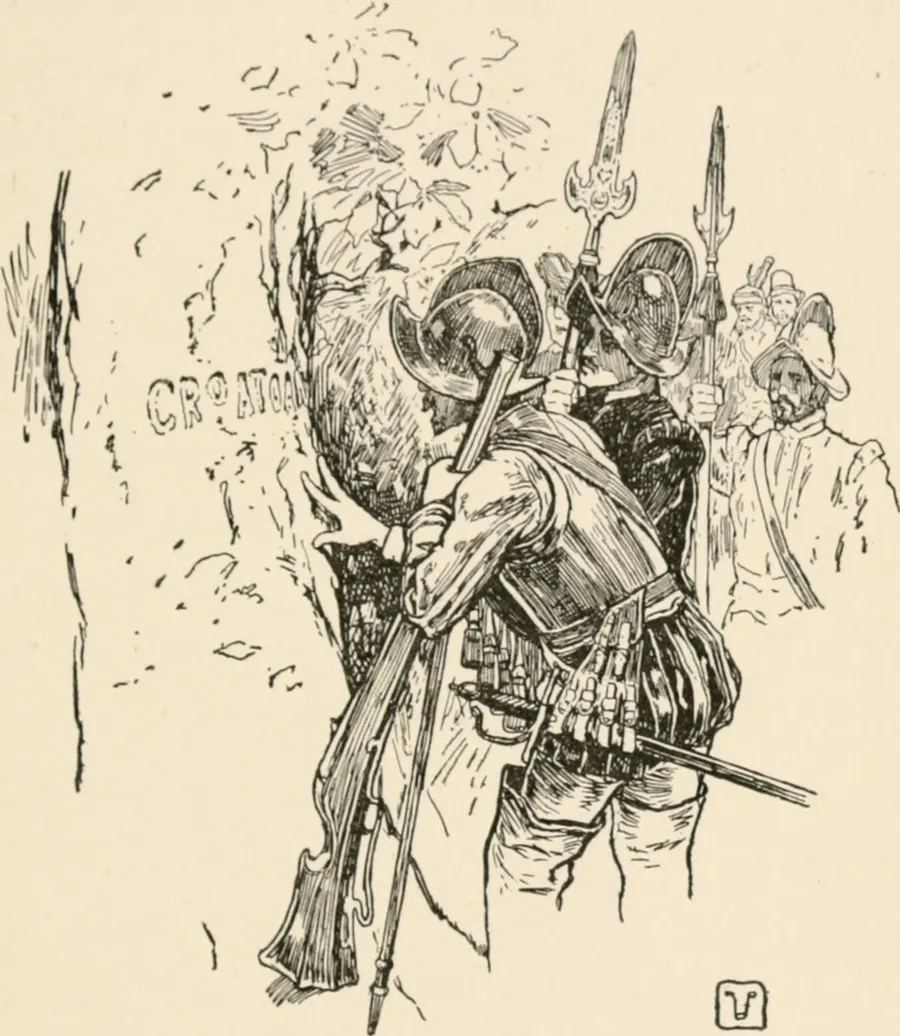
John White and his men find the word CROATOAN carved at the deserted settlement, in an illustration from a book of 1906
Image creditIllustration from Wilbur F. Gordy, Stories of American Explorers (1906) · CC0Resized and cropped for display.

John White returns to Roanoke and finds the colony gone

In 1587 about 115 English men, women and children landed on Roanoke Island, off what is now North Carolina, to found a colony for Sir Walter Raleigh, with the artist John White as their governor. On 18 August 1587 White’s daughter Eleanor Dare gave birth to Virginia Dare, the first English child born in the Americas. Days later White sailed home for supplies, but war with Spain and the threat of the Armada kept ships in England, and he could not get back for three years.

He finally landed on Roanoke on 18 August 1590, his granddaughter’s third birthday. The houses had been taken down and a palisade put up, and nobody was there. The letters ‘CRO’ were carved on a tree and the word ‘CROATOAN’ on a gatepost. The settlers had agreed to leave such a sign if they moved, with a cross if they left in danger, and there was no cross. White hoped they had gone to the friendly Croatoan people on Hatteras Island, but storms drove his ships away, and the ‘Lost Colony’ was never found.

Read the full storyHistory & Timeline →Source: North Carolina Department of Natural and Cultural Resources: Origins of the Lost Colony mystery ↗
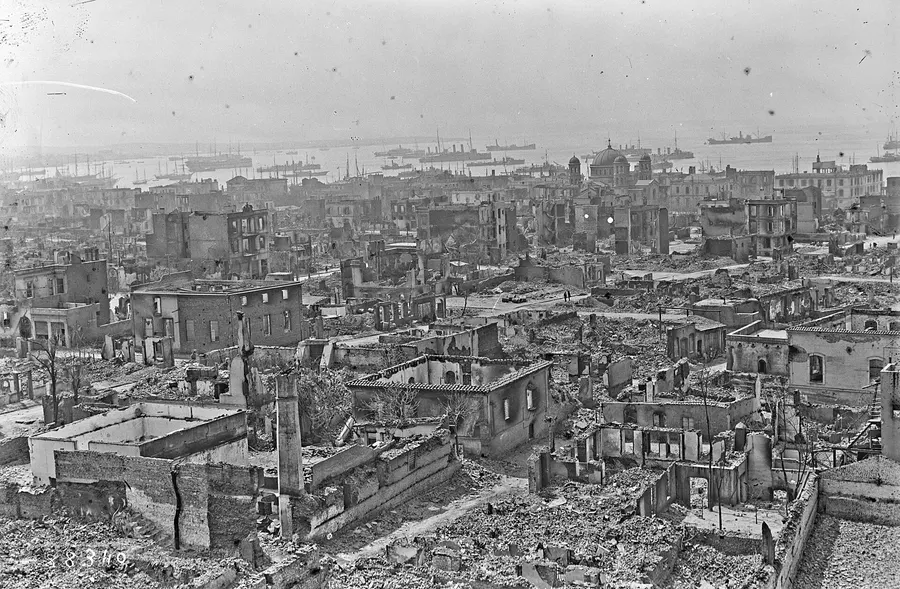
Ruined streets of Thessaloniki after the fire of 1917
Image creditAgence Rol · Public domainResized and cropped for display.

The great fire of Thessaloniki

Thessaloniki had been part of Greece for only five years in 1917. For centuries an Ottoman port, it was a city of narrow streets and wooden houses, home to Greeks, Turks and one of the largest Jewish communities in the world, and during the First World War it was crowded with Allied soldiers and refugees.

On the afternoon of 18 August 1917 a fire broke out in a house in the upper town. Driven by a strong wind, and with water scarce, it spread down through the old centre and burned for about 32 hours. Some 9,500 buildings were destroyed and more than 70,000 people were left homeless, many of them Jewish families who lost homes, shops and synagogues. The Greek government asked the French architect Ernest Hébrard to plan a new city, and his broad avenues and Aristotelous Square still shape the centre today.

Read the full storyHistory & Timeline →Source: National Documentation Centre of Greece (SearchCulture): The Great Thessaloniki Fire of 1917 ↗
Pervez Musharraf, photographed in 2004
Image creditAntônio Cruz/ABr · CC BY 3.0 brResized and cropped for display.

Pervez Musharraf resigns as president of Pakistan

General Pervez Musharraf seized power in Pakistan in a bloodless coup in October 1999 and made himself president in 2001. He became a key ally of the United States after the attacks of 11 September 2001, but at home his rule grew more troubled: in 2007 he suspended the chief justice, declared a state of emergency and finally gave up command of the army. In elections in February 2008 his supporters were heavily beaten, and the parties of Benazir Bhutto, assassinated weeks before, and Nawaz Sharif, whom he had overthrown, formed a coalition government.

In August 2008 the coalition moved to impeach him for violating the constitution. On 18 August 2008, in a televised address of about an hour, Musharraf defended his record, admitted making mistakes and announced that he would resign rather than put the country through a damaging fight. Asif Ali Zardari, Benazir Bhutto’s widower, was elected president the following month.

Read the full storyHistory & Timeline →Source: Britannica: Pakistan, the Pervez Musharraf government ↗

♙
PEOPLE

Born Today

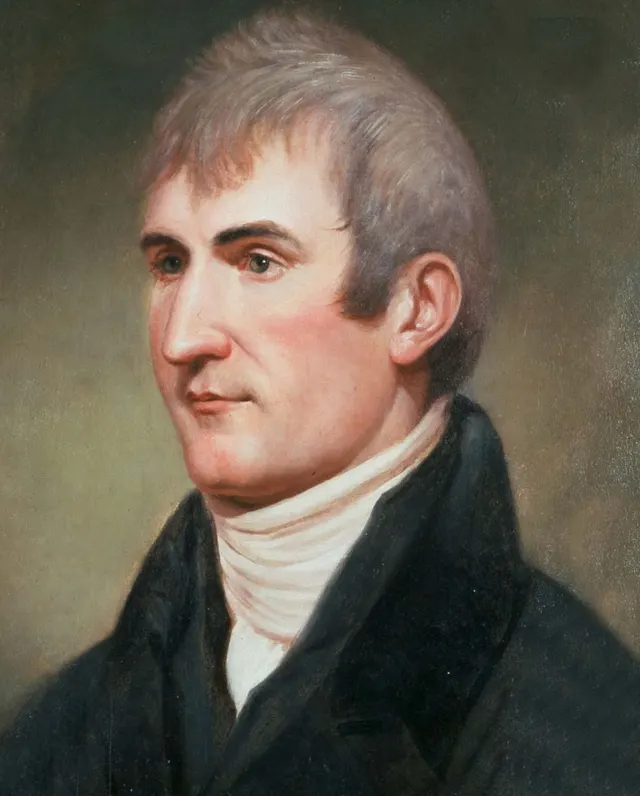
Meriwether Lewis
Image creditCharles Willson Peale · Public domainResized and cropped for display.

Meriwether Lewis

American army officer who led the Lewis and Clark expedition across the continent to the Pacific and back between 1804 and 1806.

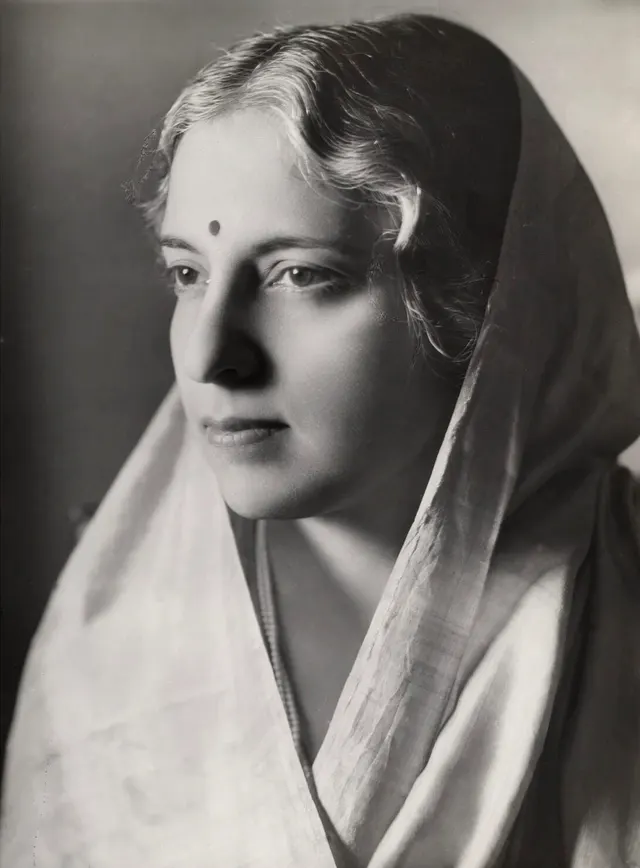
Vijaya Lakshmi Pandit
Image creditBassano · Public domainResized and cropped for display.

Vijaya Lakshmi Pandit

Indian diplomat and sister of Jawaharlal Nehru who in 1953 became the first woman to preside over the United Nations General Assembly.

Just Fontaine
Image creditPanini · Public domainResized and cropped for display.

Just Fontaine

Marrakesh-born French striker whose 13 goals at the 1958 World Cup remain the record for a single tournament.

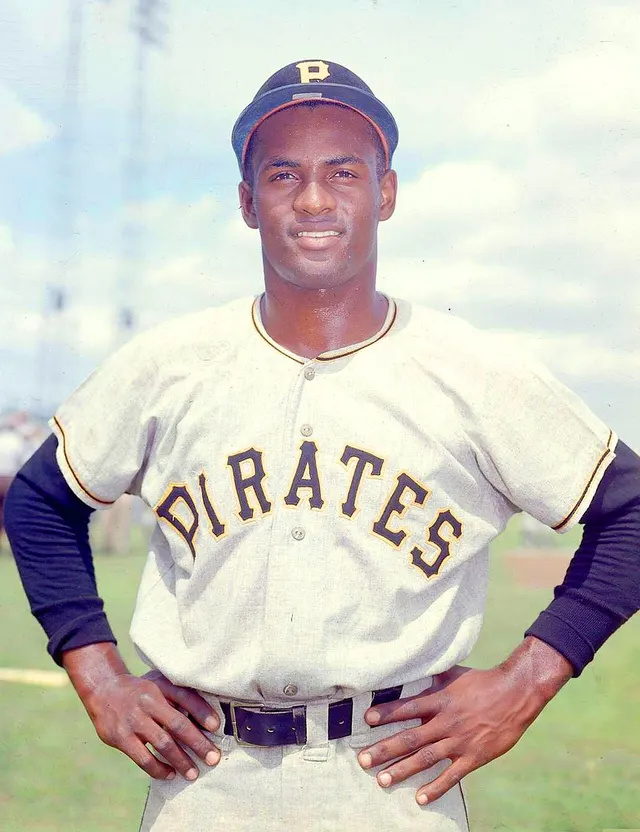
Roberto Clemente
Image creditUnknown author · Public domainResized and cropped for display.

Roberto Clemente

Puerto Rican baseball star of the Pittsburgh Pirates who died in a plane crash in 1972 while taking aid to earthquake victims in Nicaragua.

Robert Redford
Image creditNBC Television · Public domainResized and cropped for display.

Robert Redford

American actor and director who starred in The Sting and All the President’s Men, won an Oscar for directing Ordinary People and founded the Sundance Institute.

◉
IDEAS THAT CHANGED THINGS

Firsts, Science & Discoveries

A glass tube of helium glowing as an electric current passes through it
Image creditUser:Pslawinski · CC BY-SA 2.5Resized and cropped for display.

An eclipse in India reveals a new element in the Sun

Astronomers in the 1860s had a new tool, the spectroscope, which splits light into its colours and shows the bright lines that each chemical element gives off. A total eclipse of the Sun on 18 August 1868 crossed southern Asia, and expeditions set up their instruments along its path. The French astronomer Jules Janssen observed it from Guntur in India and turned his spectroscope on the glowing prominences at the edge of the darkened Sun.

Among their lines was a bright yellow one close to, but not quite matching, the familiar lines of sodium. Janssen also realised that the prominences could be studied without an eclipse, and did so the next day. In England Norman Lockyer saw the same yellow line that October, and their reports reached the French Academy of Sciences on the same day, so the two usually share the credit. Lockyer concluded that it came from an element unknown on Earth and named it helium, after the Greek word for the Sun. It was finally found on Earth in 1895.

Read the full storyHistory & Timeline →Source: Smithsonian Magazine: How scientists discovered helium, the first alien element, 150 years ago ↗
☆
SPORTING HISTORY

Sporting Moments

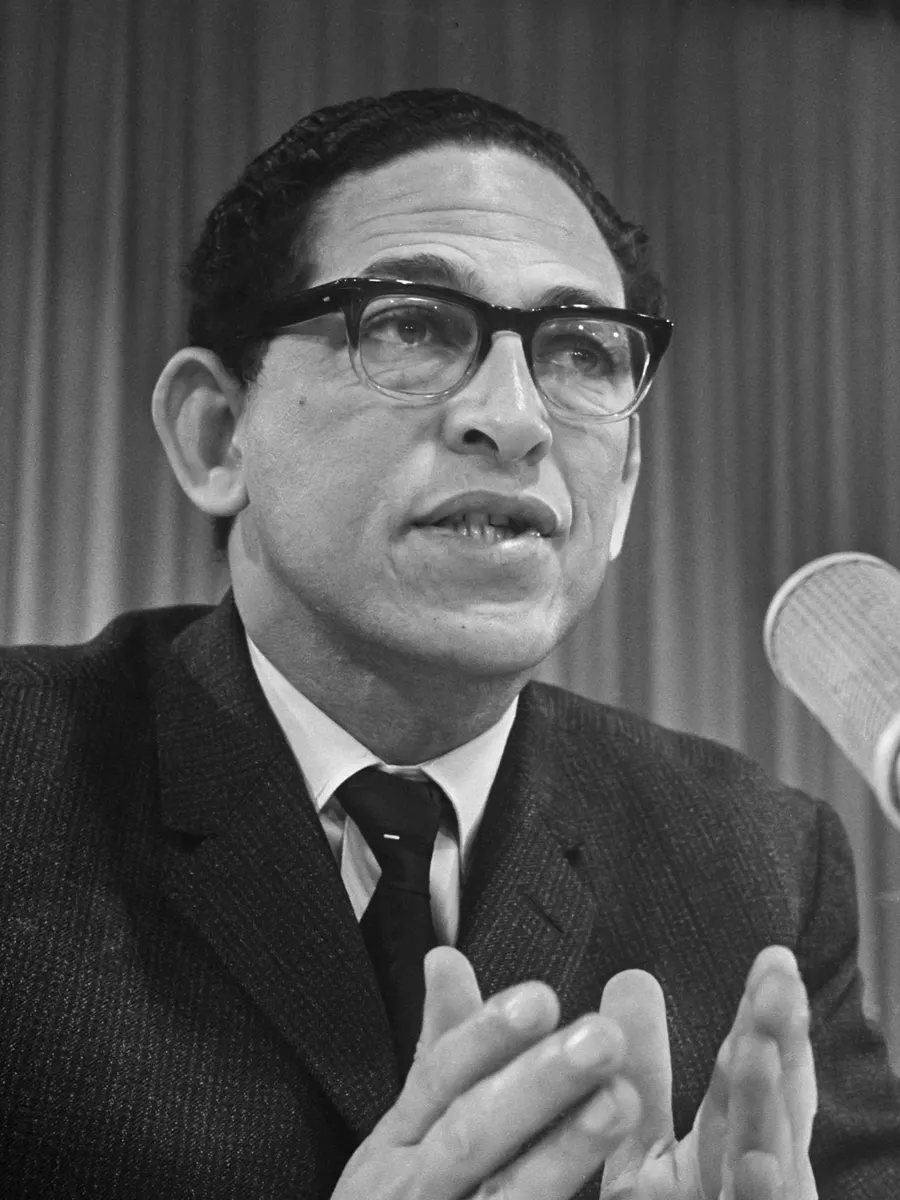
Dennis Brutus, a South African poet who campaigned against apartheid in sport, at a press conference in Amsterdam in 1967
Image creditEric Koch for Anefo · CC BY-SA 3.0 nlResized and cropped for display.

South Africa is shut out of the Tokyo Olympics over apartheid

Under apartheid, South Africa’s Olympic teams were chosen from white athletes only, and black sportsmen and women could not compete against them at home. Campaigners inside the country and abroad pressed the International Olympic Committee to act, and in October 1963, meeting at Baden-Baden, the IOC told South Africa to end racial discrimination in its sport by the end of the year or miss the 1964 Games in Tokyo.

The deadline was extended, and South Africa named a team that for the first time included seven black athletes, but the government insisted that they travel and live apart from the white team members. That did not satisfy the IOC, and on 18 August 1964 it withdrew South Africa’s invitation to Tokyo. It was the start of a long sporting isolation: South Africa was expelled from the Olympic movement in 1970 and did not return to the Games until Barcelona in 1992.

Read the full storyHistory & Timeline →Source: South African History Online: SA is banned from the Olympic Games ↗
♫
MUSIC • FILM • BOOKS • CULTURE

Culture Stories

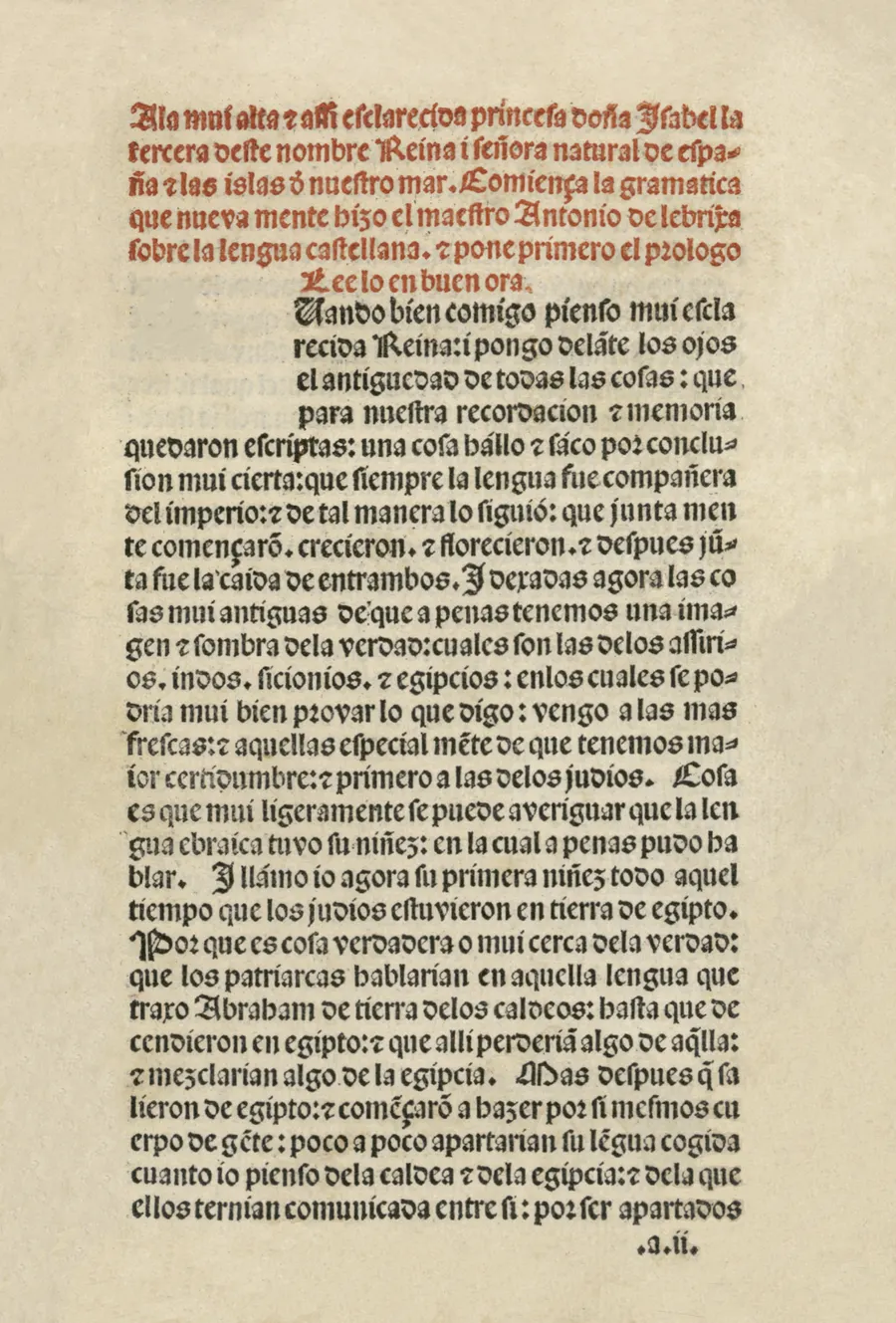
The first page of the prologue to Antonio de Nebrija's Gramática castellana, printed at Salamanca in 1492, addressed to Queen Isabella
The first page of the prologue to Antonio de Nebrija’s Gramática castellana, printed at Salamanca in 1492, addressed to Queen Isabella
Image creditAntonio de Nebrija, Gramática castellana (Salamanca, 1492) · Public domainResized and cropped for display.

The first grammar of the Spanish language comes off the press

Antonio de Nebrija was a scholar at the University of Salamanca who had studied in Italy and made his name with a Latin grammar. Turning to his own tongue, Castilian, he set out to give it rules as Latin had, at a time when scholars still thought of everyday languages as unworthy of serious study.

His Gramática de la lengua castellana was finished printing at Salamanca on 18 August 1492, in the year that Granada fell and Columbus sailed. Dedicated to Queen Isabella, it was the first printed grammar of any modern European language, and its last book was a guide to teaching Castilian to speakers of other languages. Nebrija famously wrote that language had always been the companion of empire, yet the book sold poorly and was not reprinted until the 18th century.

Read the full storyHistory & Timeline →Source: Biblioteca Nacional de España: Gramática castellana ↗
✦
LIVES REMEMBERED

Remembered Today

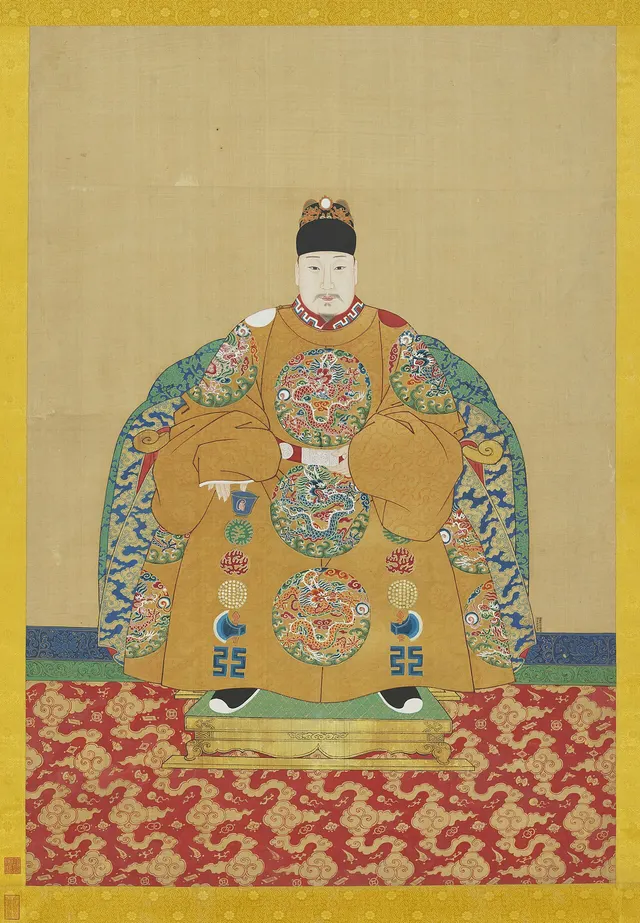
Wanli Emperor
Image creditUnknown author · Public domainResized and cropped for display.

Wanli Emperor

Emperor of China from 1572, the longest-reigning ruler of the Ming dynasty, who for years refused to meet his ministers as the government decayed.

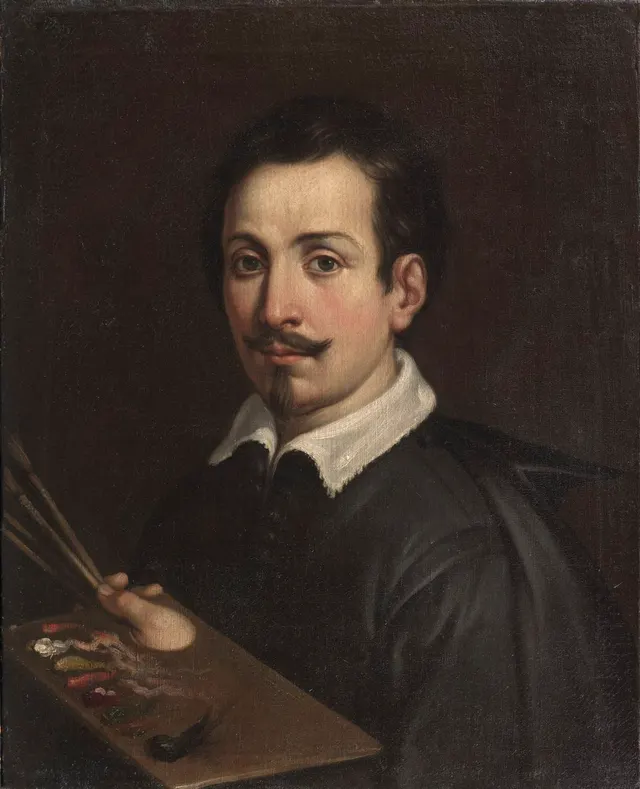
Guido Reni
Image creditGuido Reni · Public domainResized and cropped for display.

Guido Reni

Painter from Bologna whose graceful altarpieces and the Aurora ceiling in Rome made him one of the most admired artists of the Baroque.

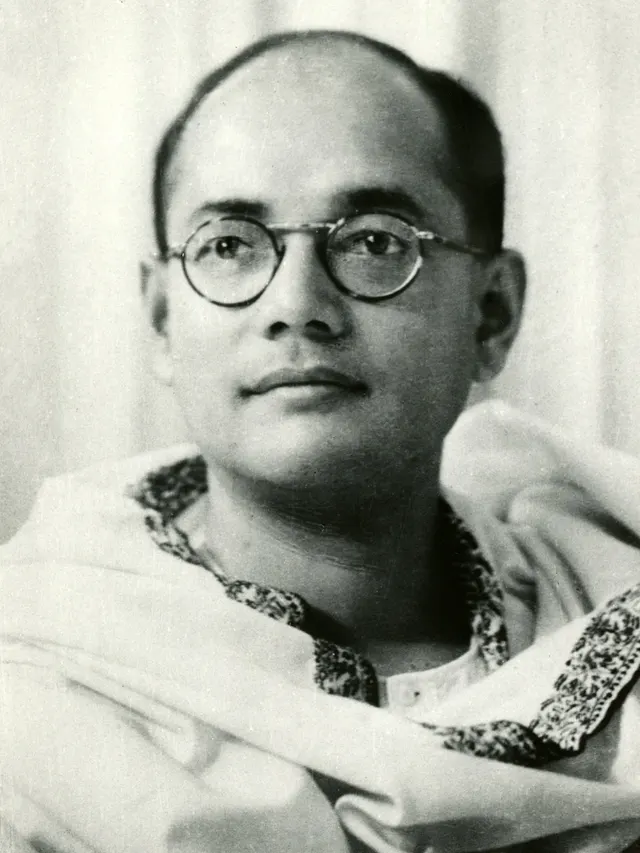
Subhas Chandra Bose
Image creditUnknown (Netaji Research Bureau, Calcutta) · Public domainResized and cropped for display.

Subhas Chandra Bose

Indian nationalist who led the Indian National Army alongside Japan in the Second World War and died after an air crash in Taipei, an account long doubted by some of his followers.

Anita Loos
Image creditUnknown photographer · Public domainResized and cropped for display.

Anita Loos

American screenwriter and novelist best known for her comic novel Gentlemen Prefer Blondes.

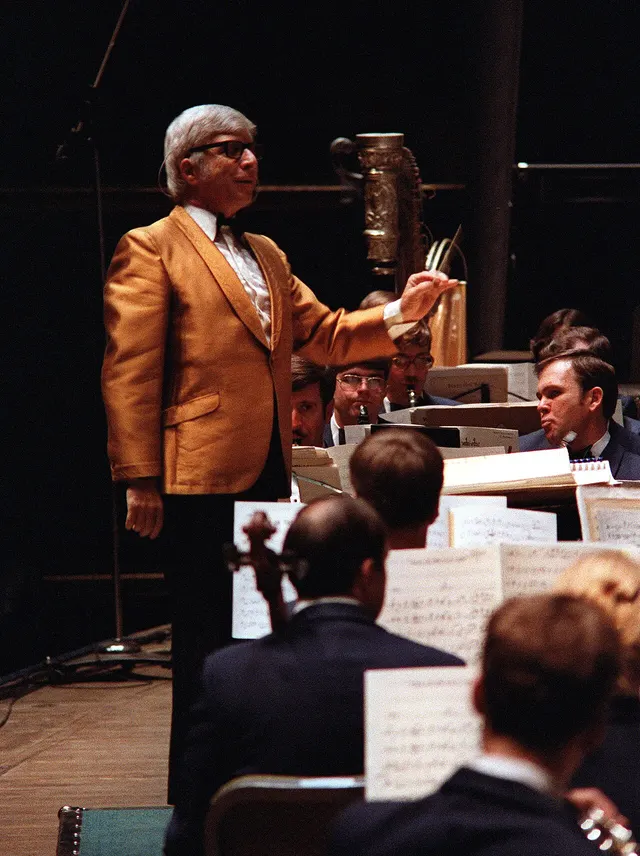
Elmer Bernstein
Image creditMSGT Deal Toney · Public domainResized and cropped for display.

Elmer Bernstein

American composer of film scores including The Magnificent Seven and The Great Escape.

☉
AROUND THE WORLD

Observances & Anniversaries

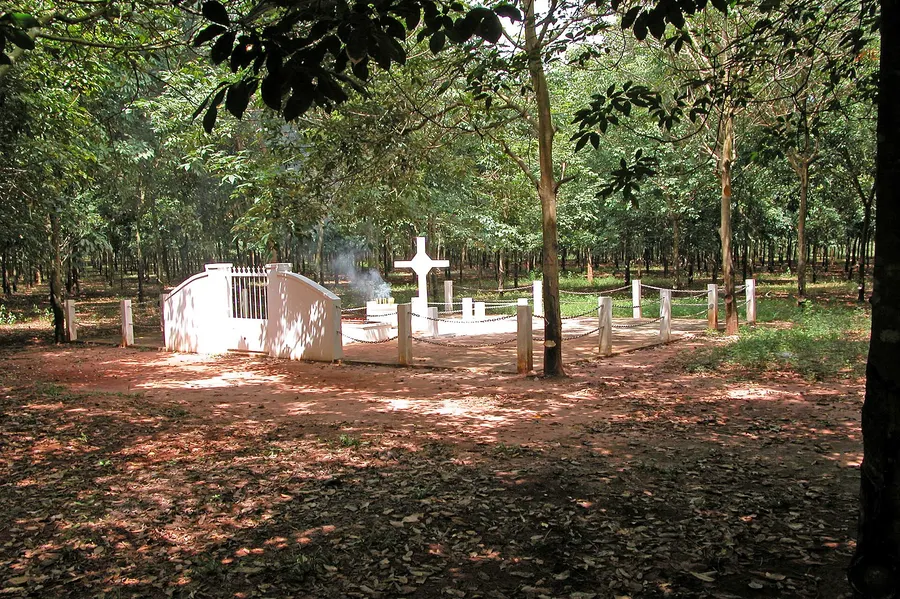
The memorial cross in the rubber plantation at Long Tan, Vietnam, where the battle was fought
Image creditTacintop · Public domainResized and cropped for display.

Vietnam Veterans’ Day (Long Tan Day), Australia

On 18 August 1966, 108 Australian and New Zealand soldiers of D Company, 6th Battalion, Royal Australian Regiment, fought a much larger Viet Cong and North Vietnamese force for four hours in torrential rain in a rubber plantation near the village of Long Tan. Eighteen Australians were killed.

Three years later the battalion raised a cross on the battlefield, and veterans began to mark the anniversary as Long Tan Day. In 1987 Prime Minister Bob Hawke announced that it would become Vietnam Veterans’ Day, when Australia remembers everyone who served in the Vietnam War.

Source: Australian Department of Veterans’ Affairs, Anzac Portal: Vietnam Veterans’ Day ↗
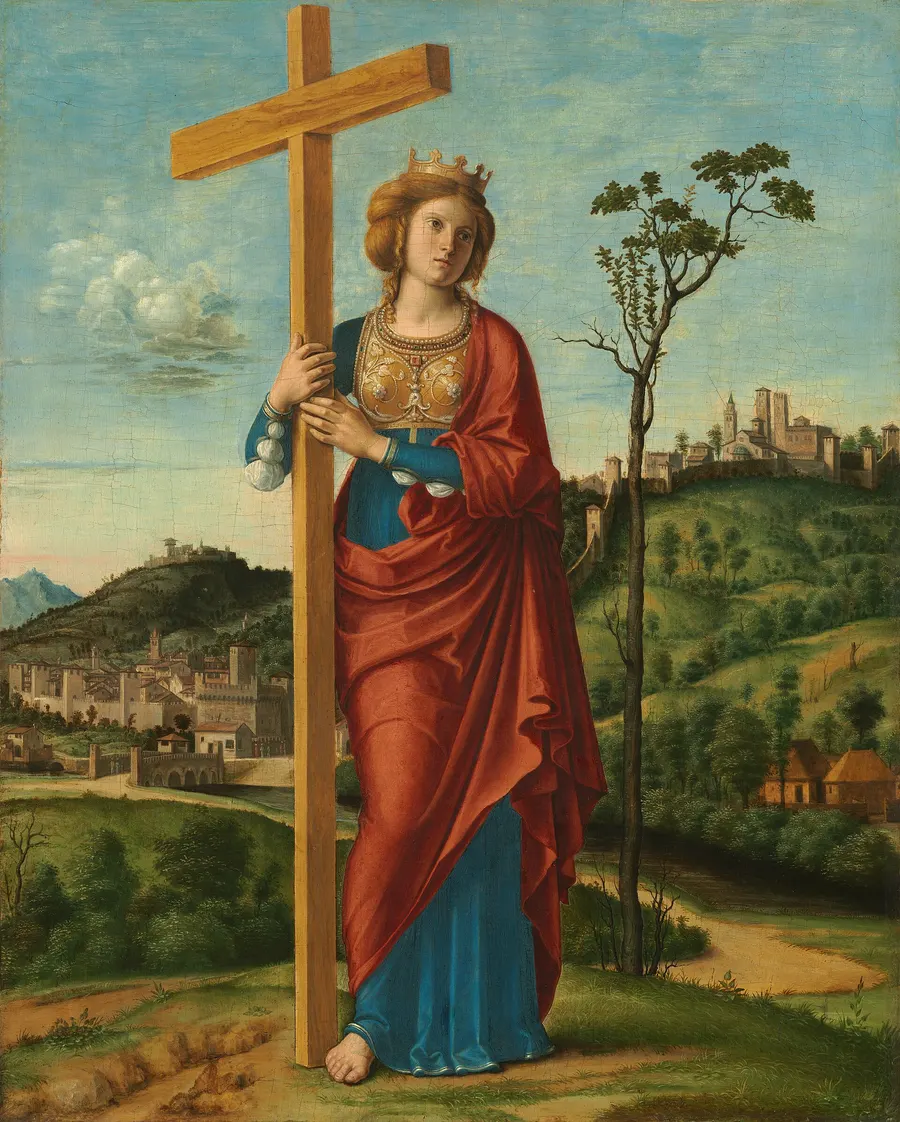
Saint Helena holding the True Cross, painted by Cima da Conegliano
Image creditGiovanni Battista Cima da Conegliano · Public domainResized and cropped for display.

Feast of St Helena

Helena was the mother of Constantine the Great, the first Roman emperor to become a Christian. Born into a humble family, she was given the title Augusta by her son and became known for her charity and her gifts to churches.

In old age she made a pilgrimage to the Holy Land, and tradition credits her with finding the cross on which Jesus was crucified. Roman Catholics keep her feast on 18 August.

Source: Catholic Online: St Helena ↗
HISTORY & TIMELINE

Finished the highlights?

Follow 18 August chronologically, from the Middle Ages to the modern day, with 13 verified events and the sources behind them.

This day through time →