Explore 13 August

Explore 13 August: barbed wire goes up across Berlin, the Central African Republic becomes independent, the Aztec capital Tenochtitlan falls to Cortés, the Battle of Shanghai begins and Wagner’s first Bayreuth Festival opens with the Ring. Born today: Lucy Stone, Annie Oakley and John Logie Baird.

This day through time →14 verified events across 5 eras

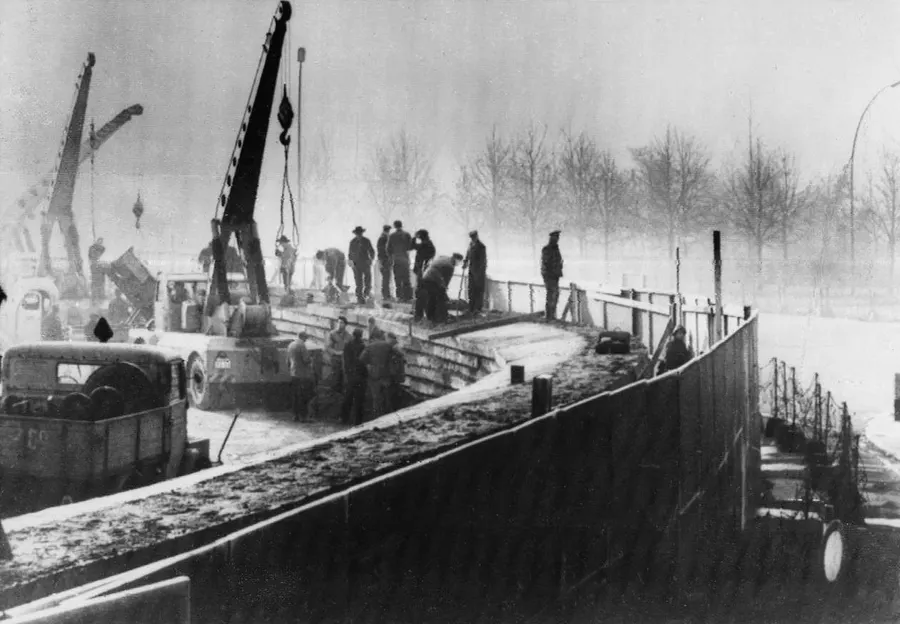
East German workers use cranes to strengthen the new wall in Berlin, 20 November 1961
Image creditNational Archives · Public domainResized and cropped for display.

Barbed wire goes up across Berlin, the first stage of the Berlin Wall

After the Second World War Berlin was divided into four sectors, and when Germany split in two in 1949 the city’s western half stayed tied to West Germany, an island deep inside the communist East. The border between the two halves of the city stayed open. Every year tens of thousands of East Germans simply took the train or walked into West Berlin and flew on to a new life in the West, and by 1961 the drain of young and skilled people was threatening to cripple East Germany.

In the early hours of Sunday 13 August 1961 East German police, soldiers and workers rolled out barbed wire along the sector border, tore up streets and blocked train and underground lines. Over the following days and months the wire was replaced by concrete walls, watchtowers and a guarded ‘death strip’. Families and friends were cut off from one another, and well over a hundred people were killed trying to cross. The Wall stood for 28 years, until the night of 9 November 1989.

Read the full storyHistory & Timeline →Source: German Federal Government: Construction of the Berlin Wall ↗
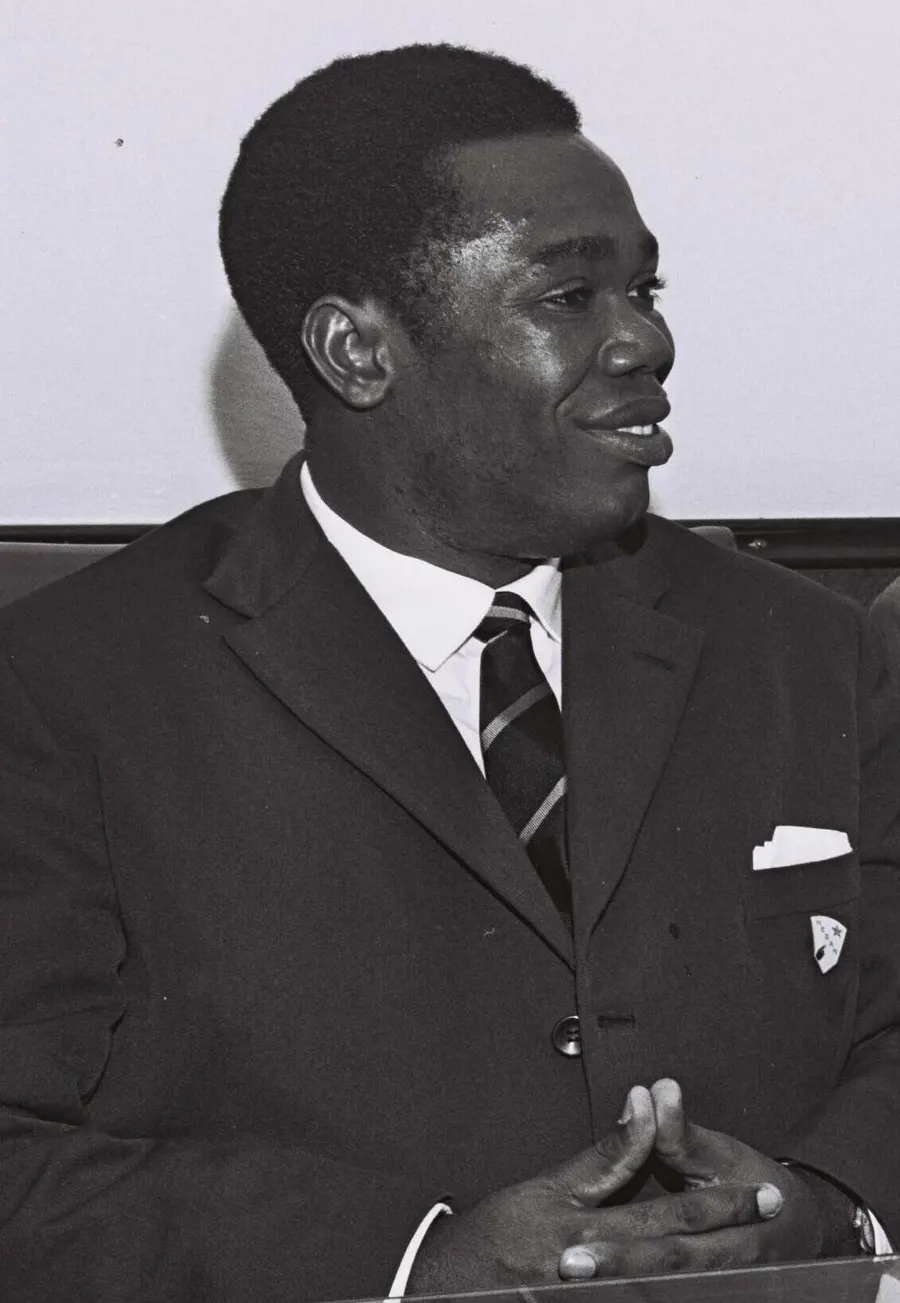
David Dacko, the first president of the Central African Republic, photographed in 1962
Image creditMoshe Pridan · Public domainResized and cropped for display.

The Central African Republic becomes independent

The French colony of Ubangi-Shari, in the heart of the continent, was part of French Equatorial Africa and was run for decades largely for the profit of concession companies. Its leading nationalist was Barthélemy Boganda, a Catholic priest turned politician, who dreamed of a united state of central Africa. In December 1958 the territory became the self-governing Central African Republic with Boganda at its head, but in March 1959 he was killed in a plane crash.

His place was taken by David Dacko, a former schoolteacher, and on 13 August 1960 the Central African Republic became fully independent from France, with Dacko as its first president. He soon made his party the only legal one, and at the end of 1965 he was overthrown by the army commander Jean-Bédel Bokassa, who later crowned himself emperor. Independence Day is still celebrated on 13 August.

Read the full storyHistory & Timeline →Source: Britannica: Central African Republic, Independence ↗
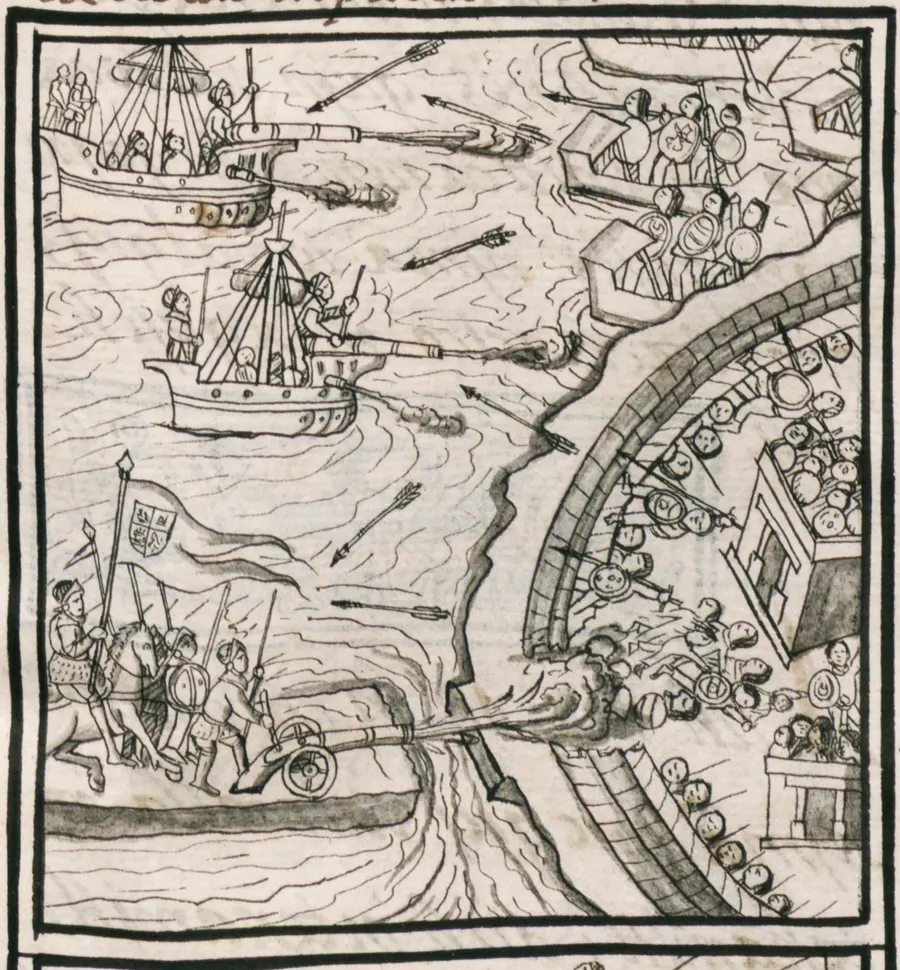
Spanish brigantines on the lake during the siege of Tenochtitlan, from the Florentine Codex compiled by Bernardino de Sahagún
Image creditBernardino de Sahagún · Public domainResized and cropped for display.

Tenochtitlan, the Aztec capital, falls to Cortés and his allies

Tenochtitlan, built on an island in Lake Texcoco and joined to the shore by causeways, was one of the largest cities in the world. Hernán Cortés and his Spanish soldiers had been driven out of it in June 1520, but they returned the next year with tens of thousands of Indigenous allies, above all from Tlaxcala, who had their own reasons to hate Aztec rule. Cortés had a fleet of small sailing warships built so that he could control the lake and cut the causeways.

The siege began in May 1521. Smallpox, brought by the Europeans, had already killed many of the city’s people, including the emperor Cuitláhuac, and now food and fresh water ran out as the attackers fought their way in street by street. On 13 August 1521, after some 93 days, the young emperor Cuauhtémoc was captured as he tried to escape across the lake in a canoe, and the city fell. The Spaniards built Mexico City on its ruins.

Read the full storyHistory & Timeline →Source: World History Encyclopedia: The Fall of Tenochtitlan ↗
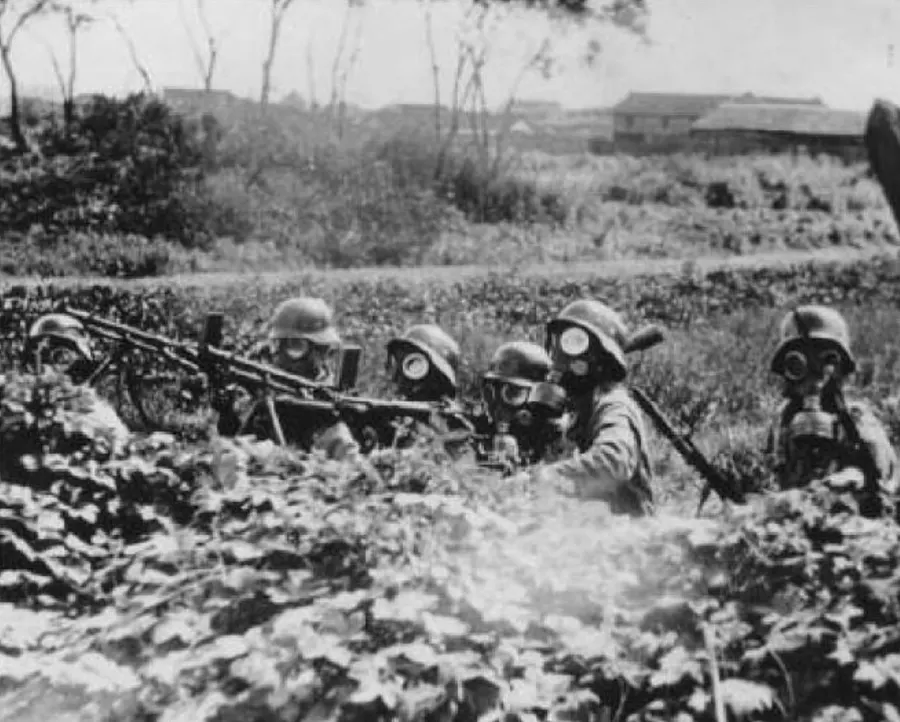
Chinese soldiers in gas masks man a machine gun outside Shanghai in 1937
Image creditUnknown photographer · Public domainResized and cropped for display.

The Battle of Shanghai begins

In July 1937 a clash between Chinese and Japanese troops at the Marco Polo Bridge near Beijing turned into open war. Japan quickly took the north China plain, and China’s leader Chiang Kai-shek decided to fight back at Shanghai, the country’s greatest port and business centre, where Japan kept a garrison of marines and where foreign powers had their own districts. He hoped to tie down the Japanese army and win sympathy abroad.

Fighting broke out in the city on 13 August 1937 and grew into one of the biggest battles of the war, with hundreds of thousands of men on each side and heavy bombing of the crowded streets. Chiang’s best divisions held on for three months before Japanese landings to the south forced them to retreat in November. Japan then marched on the capital, Nanjing, but the long defence of Shanghai had shown that China would not give in quickly.

Read the full storyHistory & Timeline →Source: Britannica: Second Sino-Japanese War ↗
♙
PEOPLE

Born Today

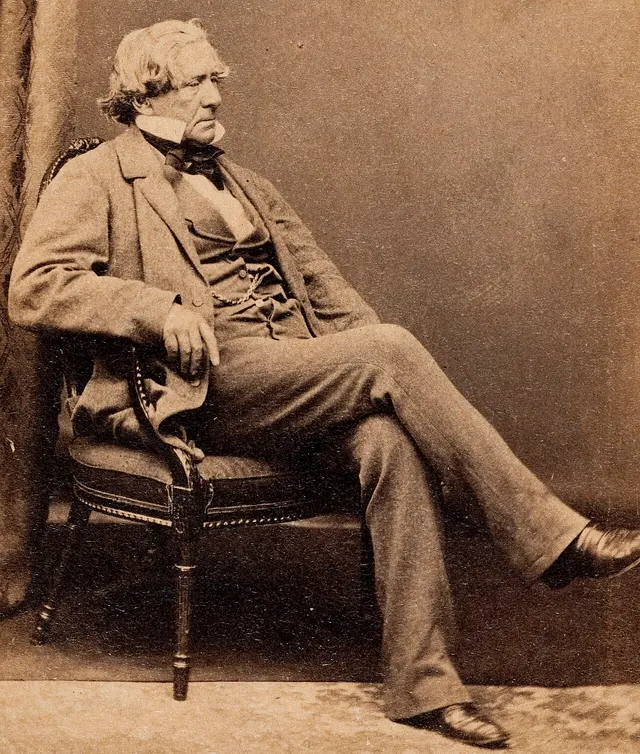
William Wentworth
Image creditDalton's Royal Photographic Gallery · Public domainResized and cropped for display.

William Wentworth

Explorer, newspaper owner and politician who helped find a route across the Blue Mountains and campaigned for self-government in New South Wales.

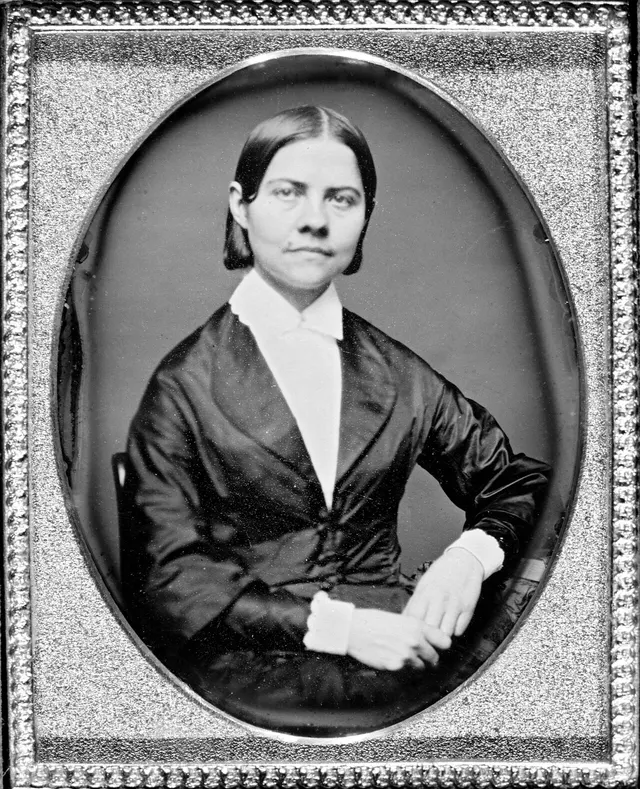
Lucy Stone
Image creditUnknown author · Public domainResized and cropped for display.

Lucy Stone

American campaigner against slavery and for women’s rights, the first woman from Massachusetts to earn a college degree, who famously kept her own surname after marriage.

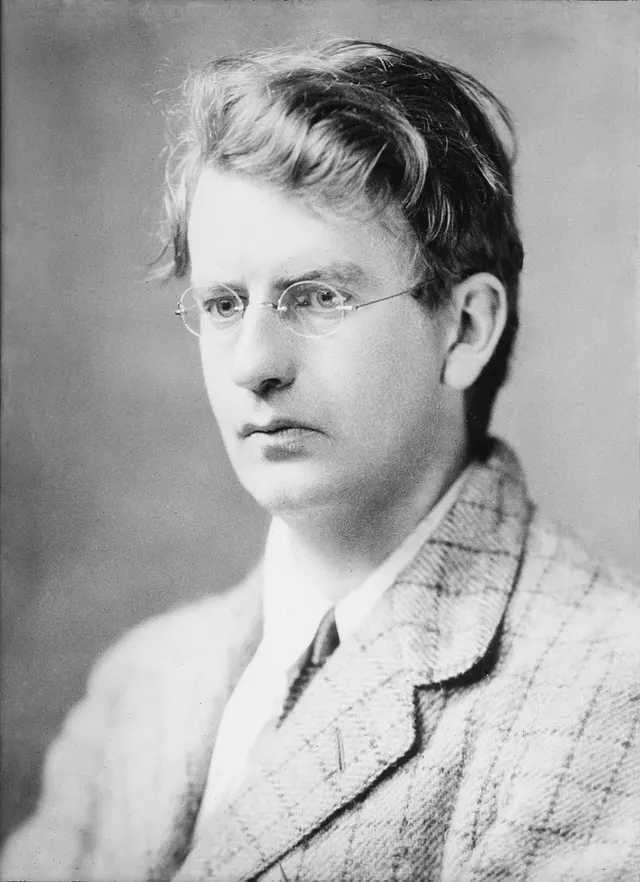
John Logie Baird
Image creditUnknown author · Public domainResized and cropped for display.

John Logie Baird

Scottish engineer who gave the first public demonstration of television pictures of moving objects, in London in 1926.

Sridevi
Image creditBollywood Hungama · CC BY 3.0Resized and cropped for display.

Sridevi

Indian actress who starred in Tamil, Telugu and Hindi films for five decades and was often called Indian cinema’s first female superstar.

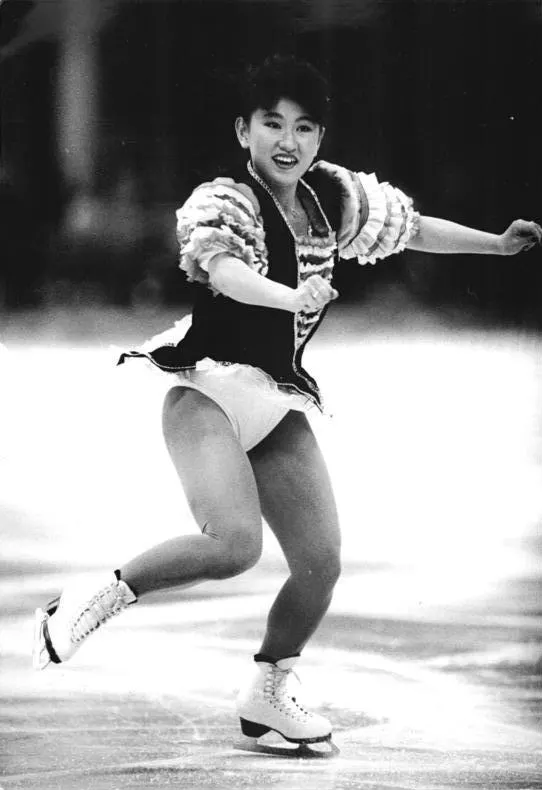
Midori Ito
Image creditBernd Settnik · CC BY-SA 3.0 deResized and cropped for display.

Midori Ito

Japanese figure skater who became the first woman to land a triple axel in competition, won the 1989 world title and took Olympic silver in 1992.

Kamila Shamsie
Image creditAndrew Lih (User:Fuzheado) · CC BY-SA 3.0Resized and cropped for display.

Kamila Shamsie

Pakistani and British novelist whose book Home Fire won the Women’s Prize for Fiction.

◉
IDEAS THAT CHANGED THINGS

Firsts, Science & Discoveries

The asteroid Eros photographed by NASA's NEAR Shoemaker spacecraft
The asteroid Eros photographed by NASA’s NEAR Shoemaker spacecraft
Image creditNASA/NEAR Project (JHU/APL). · Public domainResized and cropped for display.

Gustav Witt discovers Eros, the first known near-Earth asteroid

On the night of 13 August 1898 Gustav Witt, at the Urania observatory in Berlin, took a two-hour photographic exposure to follow a known asteroid. His plate also showed a short trail left by an unknown object moving unusually fast across the sky. The same night Auguste Charlois at Nice in France recorded it too.

Its orbit turned out to bring it closer to the Sun than Mars and, at times, near the Earth: it was the first near-Earth asteroid ever found, and was named Eros. Astronomers used its close approaches to measure the scale of the solar system more accurately, and in 2000 NASA’s NEAR Shoemaker became the first spacecraft to orbit an asteroid when it went into orbit round Eros, before landing on it in 2001.

Read the full storyHistory & Timeline →Source: NASA Science: 433 Eros ↗
☆
SPORTING HISTORY

Sporting Moments

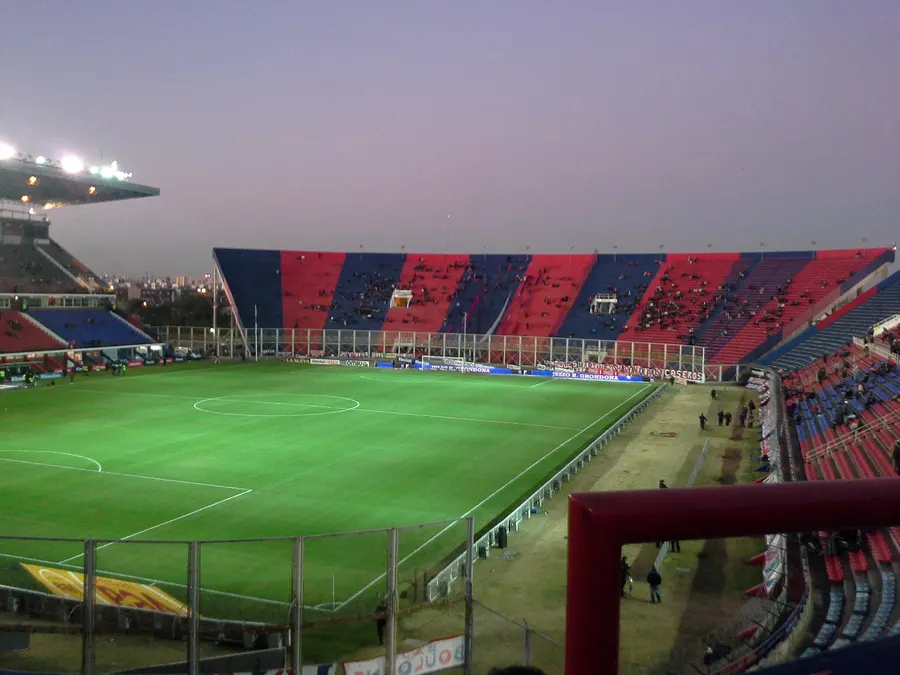
The stands of San Lorenzo's stadium in Buenos Aires, the Estadio Pedro Bidegain, known as the Nuevo Gasómetro
The stands of San Lorenzo’s stadium in Buenos Aires, the Estadio Pedro Bidegain, known as the Nuevo Gasómetro
Image creditNicocuervo95 · CC BY-SA 4.0Resized and cropped for display.

San Lorenzo win the Copa Libertadores for the first time

The Copa Libertadores, South America’s club championship, began in 1960, and San Lorenzo of Buenos Aires reached the semi-finals of that first competition. In the half-century that followed every other member of Argentina’s traditional ‘big five’ clubs won it, but San Lorenzo never did, and the gap became a running joke among rival fans.

In 2014 they reached the final against Nacional of Paraguay and drew the first leg 1-1 in Asunción. In the second leg, at their own stadium in Buenos Aires on 13 August 2014, the midfielder Néstor Ortigoza scored from a penalty in the 36th minute, and San Lorenzo held on to win 1-0 and take the cup 2-1 on aggregate, the first major international title in the club’s history.

Read the full storyHistory & Timeline →Source: CONMEBOL: Histórica final San Lorenzo-Nacional para alzar la Copa por primera vez ↗
♫
MUSIC • FILM • BOOKS • CULTURE

Culture Stories

The Festspielhaus at Bayreuth, the theatre Wagner built for his own operas, photographed in 2006
Image creditRico Neitzel · CC BY-SA 2.5Resized and cropped for display.

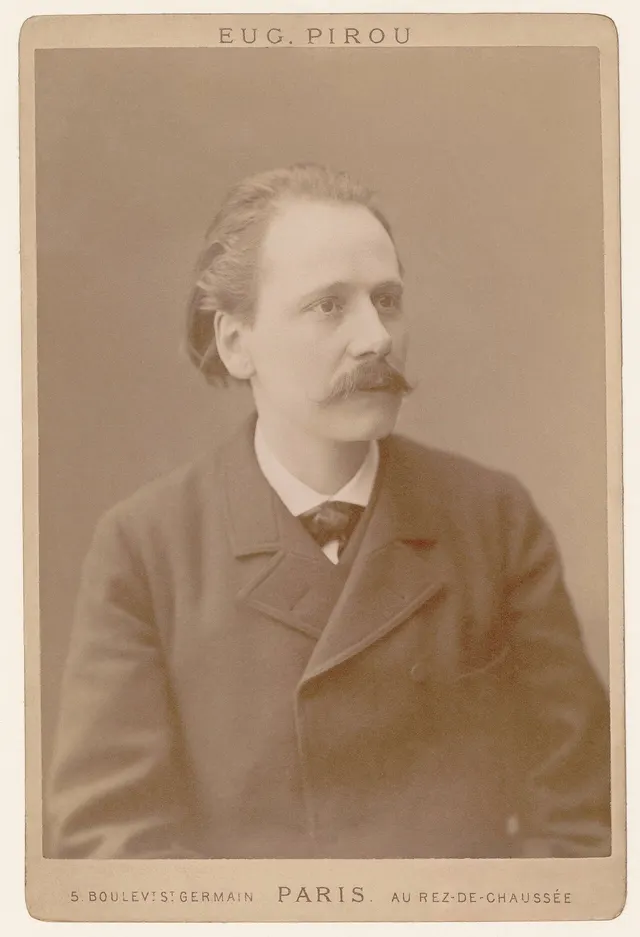
Wagner’s first Bayreuth Festival opens with Das Rheingold

Richard Wagner spent more than a quarter of a century on Der Ring des Nibelungen, four operas telling one vast story of gods, giants, dwarfs and a cursed gold ring. He wanted it staged as a festival in a theatre of his own, and with money from King Ludwig II of Bavaria and from Wagner societies he built the Festspielhaus in the small Franconian town of Bayreuth, with a hidden orchestra pit and seats arranged like an ancient amphitheatre.

On 13 August 1876 Das Rheingold opened the first complete performance of the cycle, with Die Walküre, Siegfried and Götterdämmerung following over the next four days. Emperor Wilhelm I and many of Europe’s leading musicians came to see it. The festival lost a great deal of money and was not held again until 1882, but it still runs every summer, devoted to Wagner’s works alone.

Read the full storyHistory & Timeline →Source: Britannica: Der Ring des Nibelungen ↗
✦
LIVES REMEMBERED

Remembered Today

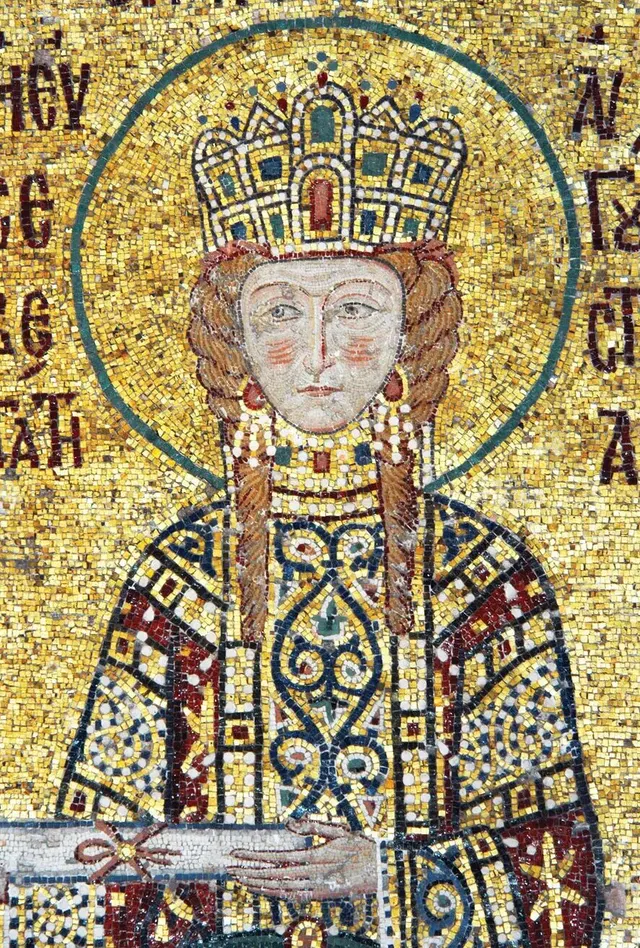
Irene of Hungary
Image creditUnknown Byzantine artist · Public domainResized and cropped for display.

Irene of Hungary

Hungarian princess who became Byzantine empress as wife of John II Komnenos and founded the Pantokrator monastery in Constantinople.

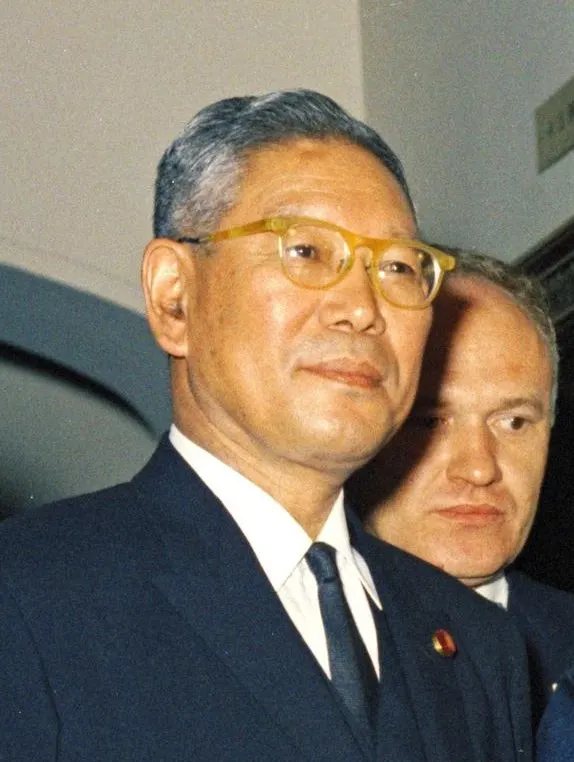
Hayato Ikeda
Image creditRobert LeRoy Knudsen · Public domainResized and cropped for display.

Hayato Ikeda

Prime Minister of Japan from 1960 to 1964, whose plan to double the national income in ten years drove the country’s post-war boom.

Nazia Hassan
Image creditDhanakTV USA · CC BY 3.0Resized and cropped for display.

Nazia Hassan

Pakistani singer whose hit ‘Aap Jaisa Koi’, recorded at the age of 15, and the album Disco Deewane made her South Asia’s first pop star.

Julia Child
Image creditLynn Gilbert · CC BY-SA 4.0Resized and cropped for display.

Julia Child

American cook and author whose book Mastering the Art of French Cooking and television show The French Chef brought French food into American kitchens.

☉
AROUND THE WORLD

Observances & Anniversaries

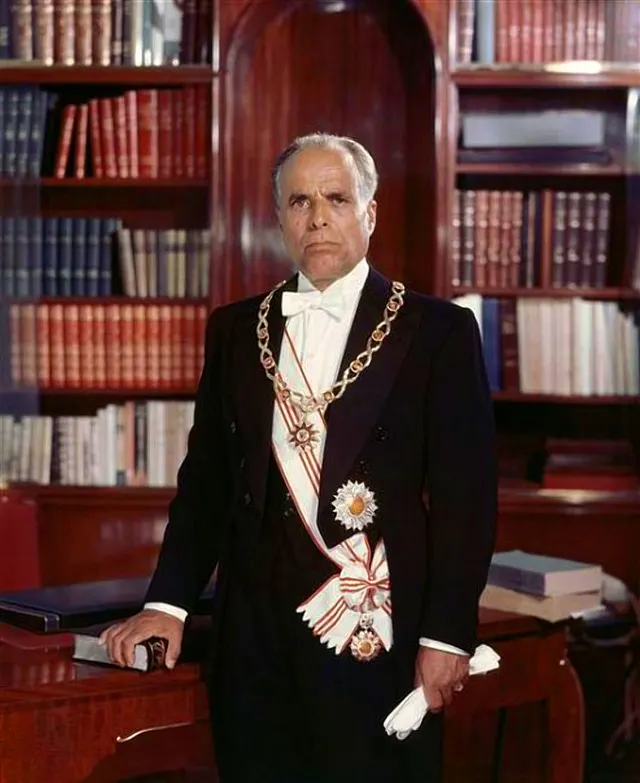
Habib Bourguiba, who as Tunisia's prime minister brought in the Code of Personal Status in 1956
Habib Bourguiba, who as Tunisia’s prime minister brought in the Code of Personal Status in 1956
Image creditHabib Osman · Public domainResized and cropped for display.

National Women’s Day (Tunisia)

On 13 August 1956, a few months after independence from France, Tunisia’s new government under Habib Bourguiba issued the Code of Personal Status. It abolished polygamy, required both partners to consent to a marriage, set a minimum age for marrying and let women as well as men seek a divorce through the courts.

The code was one of the boldest family-law reforms in the Arab world, and the anniversary of its issue is kept every year as Tunisia’s National Women’s Day.

Source: UN Women: On National Women’s Day, UN Women congratulates the Government and people of Tunisia ↗
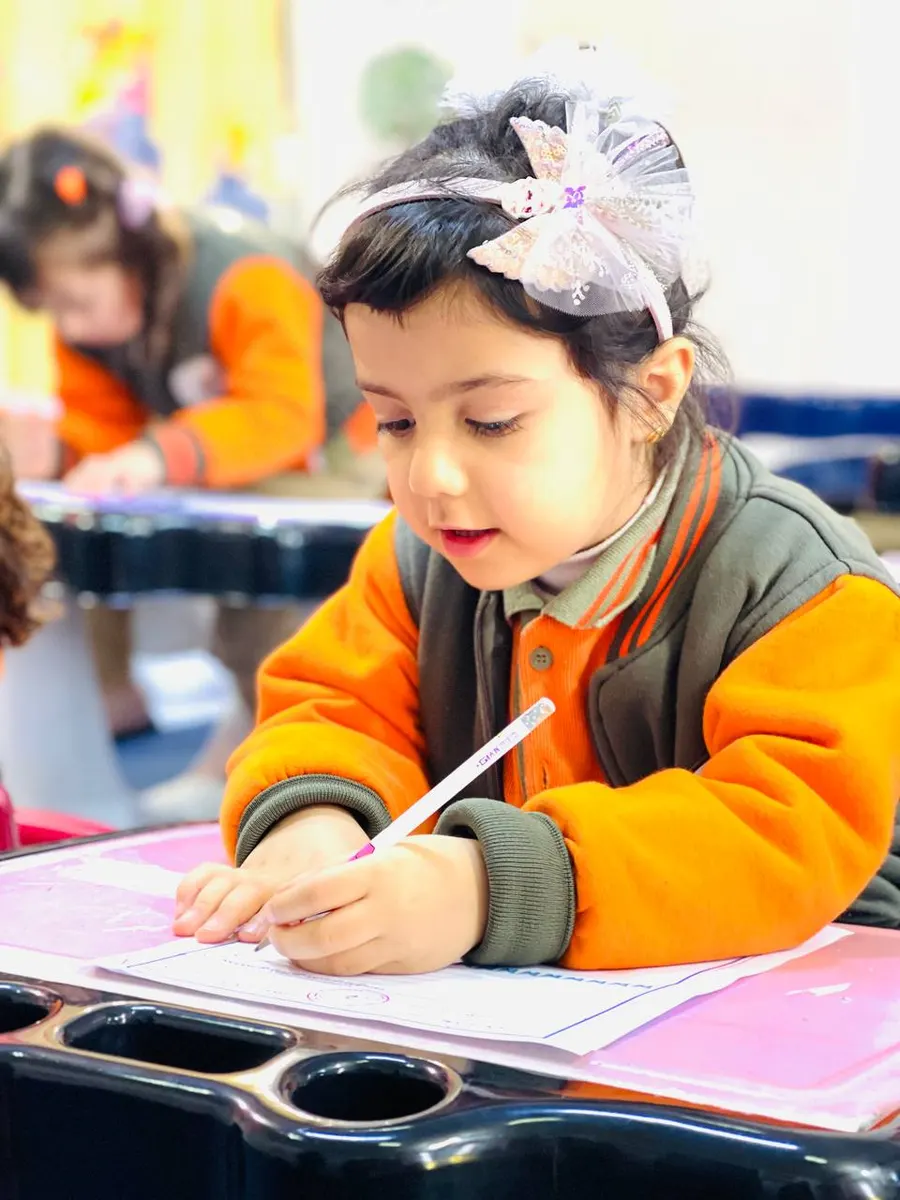
A schoolgirl writing with her left hand
Image creditجيهان شيركو · CC0Resized and cropped for display.

International Left-Handers Day

About one person in ten is left-handed, and for centuries many were made to write with their right hand at school. In 1992 the Left-Handers Club, a British group founded two years earlier, launched International Left-Handers Day on 13 August.

The day is used to celebrate left-handers and to raise awareness of the everyday difficulties of living in a world designed mostly for right-handed people, from scissors and tin-openers to desks and notebooks.

Source: Left-Handers Club: About International Left-Handers Day ↗
HISTORY & TIMELINE

Finished the highlights?

Follow 13 August chronologically, from the Middle Ages to the modern day, with 14 verified events and the sources behind them.

This day through time →