Explore 14 August

Explore 14 August: Pakistan is born as an independent state, Churchill and Roosevelt publish the Atlantic Charter, shipyard workers in Gdańsk down tools, Portugal keeps its crown at Aljubarrota and a blackout plunges 50 million people into darkness. Born today: Pope Pius VII, the Guangxu Emperor and Magic Johnson.

This day through time →12 verified events across 4 eras

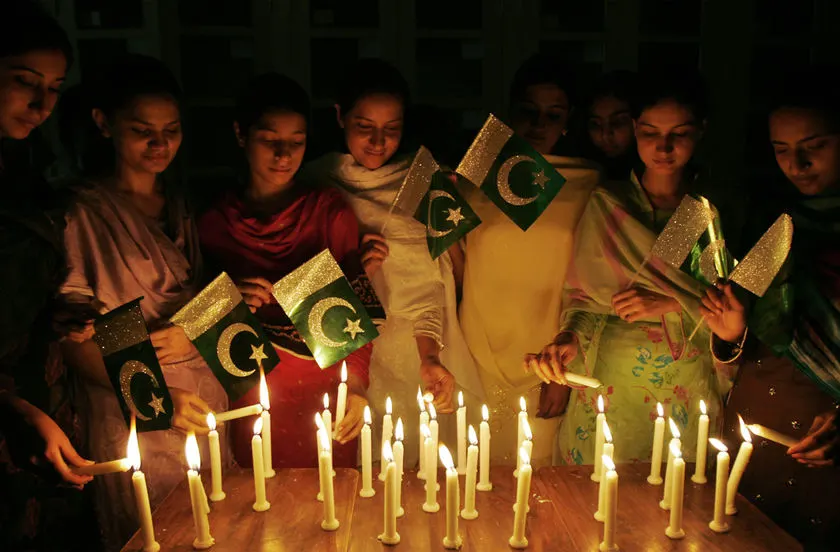
Young Pakistanis light candles and hold the national flag at a midnight celebration of Independence Day
Image creditKhaum · CC BY 3.0Resized and cropped for display.

Pakistan becomes an independent state

In British India, Muslims made up about a quarter of the population, and as the end of British rule came in sight many feared they would be a permanent minority in a Hindu-majority country. The All-India Muslim League, led by the Bombay lawyer Muhammad Ali Jinnah, called in its Lahore Resolution of 1940 for separate homelands in the Muslim-majority regions of the north-west and east. After the Second World War Britain decided to leave quickly, and in June 1947 the last viceroy, Lord Mountbatten, announced that the subcontinent would be divided.

On 14 August 1947 Mountbatten addressed Pakistan’s new Constituent Assembly in Karachi, and the Dominion of Pakistan came into being, a day before India, with Jinnah as its first governor-general. The new state was made of two wings, West and East Pakistan, more than 1,500 kilometres apart. Partition brought one of the largest migrations in history, with millions crossing the new borders amid killings in which hundreds of thousands died. Pakistan celebrates 14 August as its Independence Day.

Read the full storyHistory & Timeline →Source: Britannica: Independence Day (Pakistan) ↗
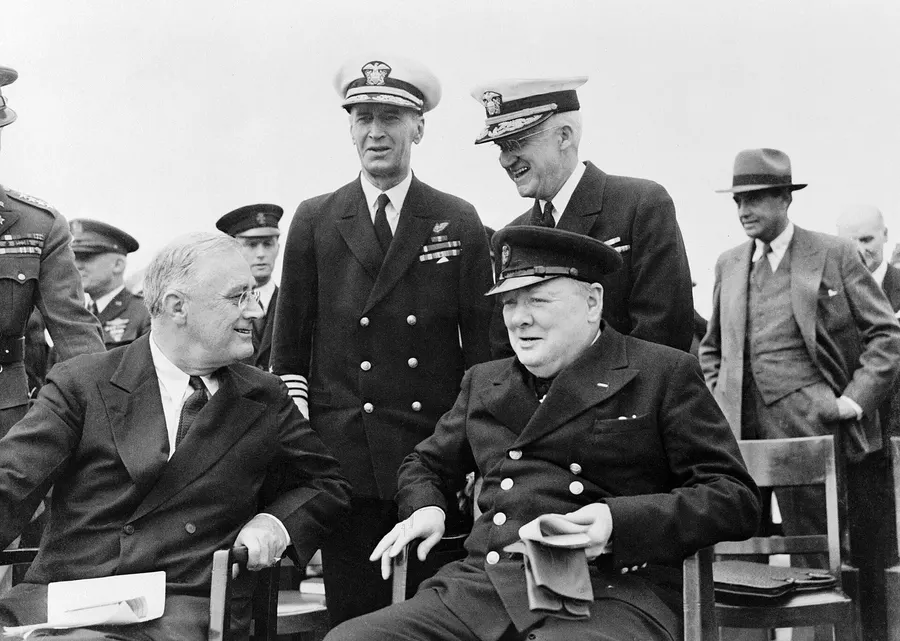
Franklin D. Roosevelt and Winston Churchill at a Sunday service on the quarterdeck of HMS Prince of Wales in Placentia Bay, 10 August 1941
Image creditLeslie Cornish Priest · Public domainResized and cropped for display.

Churchill and Roosevelt publish the Atlantic Charter

In August 1941 Britain had been at war with Germany for almost two years, and the United States, though officially neutral, was sending it weapons and supplies under Lend-Lease. Winston Churchill crossed the Atlantic in the battleship HMS Prince of Wales, and from 9 August he and President Franklin D. Roosevelt met in secret aboard their warships in Placentia Bay, off Newfoundland, to talk about the war and the world that should follow it.

On 14 August 1941 the two leaders released a joint declaration of eight ‘common principles’. Their countries would seek no new territory, respect the right of all peoples to choose their own government, work for freer trade and better labour and social standards, keep the seas free and disarm aggressor nations. The Atlantic Charter was not a treaty and was never formally signed, but it set out shared war aims months before America entered the fighting, and its ideas fed directly into the founding of the United Nations.

Read the full storyHistory & Timeline →Source: US Office of the Historian: The Atlantic Conference and Charter, 1941 ↗
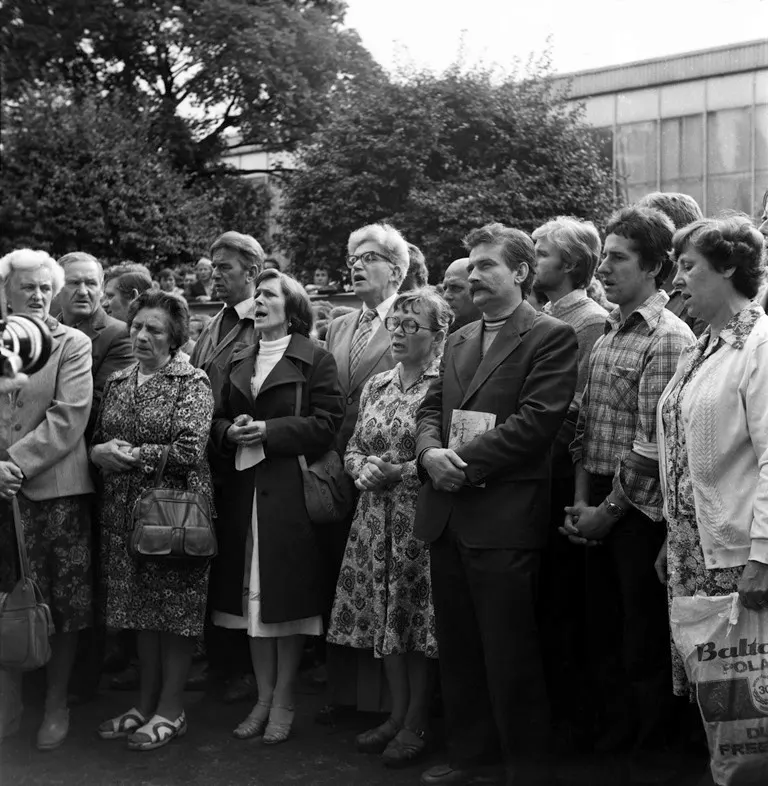
Strikers and supporters at an open-air Mass inside the Lenin Shipyard during the August 1980 strike; Lech Wałęsa and Anna Walentynowicz are among them
Image creditTadeusz Kłapyta · CC BY-SA 3.0 plResized and cropped for display.

Workers at the Lenin Shipyard in Gdańsk go on strike

In the summer of 1980 rising food prices set off a wave of strikes across communist Poland. At the Lenin Shipyard in Gdańsk, on the Baltic coast, the crane operator Anna Walentynowicz, a well-known activist in the underground Free Trade Unions of the Coast, was dismissed on 7 August, only months before she was due to retire. Her fellow activists decided to answer with a strike.

On the morning of 14 August 1980 the shipyard stopped work. The strikers demanded that Walentynowicz and the sacked electrician Lech Wałęsa be taken back, that pay be raised and that a memorial be built to the workers killed in the protests of December 1970. Wałęsa became the strike’s leader, other workplaces along the coast joined in, and an inter-factory committee drew up 21 demands. On 31 August the government signed the Gdańsk Agreement, which led to Solidarity, the first independent trade union in the Soviet bloc.

Read the full storyHistory & Timeline →Source: European Solidarity Centre: How did Solidarność (Solidarity) come to be? ↗
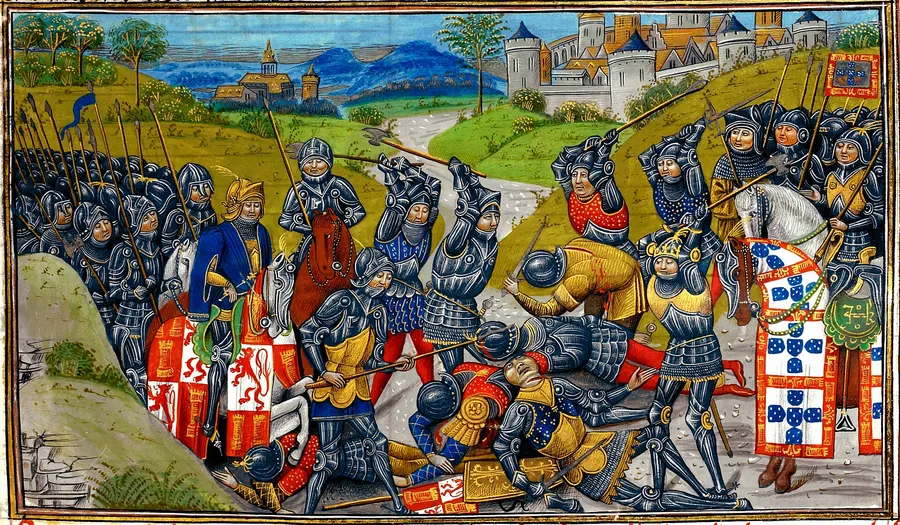
The Battle of Aljubarrota in a 15th-century illuminated manuscript of Jean de Wavrin's chronicle, now in the British Library
The Battle of Aljubarrota in a 15th-century illuminated manuscript of Jean de Wavrin’s chronicle, now in the British Library
Image creditJean d'Wavrin (Chronique d'Angleterre) · Public domainResized and cropped for display.

Portugal defeats Castile at Aljubarrota and keeps its independence

When King Ferdinand I of Portugal died in 1383, his only heir was his daughter Beatriz, who was married to King John I of Castile. Many Portuguese feared their kingdom would be swallowed by its larger neighbour. They rallied behind Ferdinand’s half-brother John, Master of the military Order of Aviz, and in April 1385 the Cortes at Coimbra proclaimed him king. The Castilian king invaded to claim the throne for his wife.

On 14 August 1385 the two armies met near Aljubarrota, north of Lisbon. The Portuguese, led by John and his commander Nuno Álvares Pereira, were heavily outnumbered, but they held a strong defensive position and broke the Castilian cavalry; the king of Castile barely escaped. The victory secured Portugal’s independence and the Aviz dynasty. John built the great monastery of Batalha nearby in thanks.

Read the full storyHistory & Timeline →Source: Britannica: Battle of Aljubarrota ↗
♙
PEOPLE

Born Today

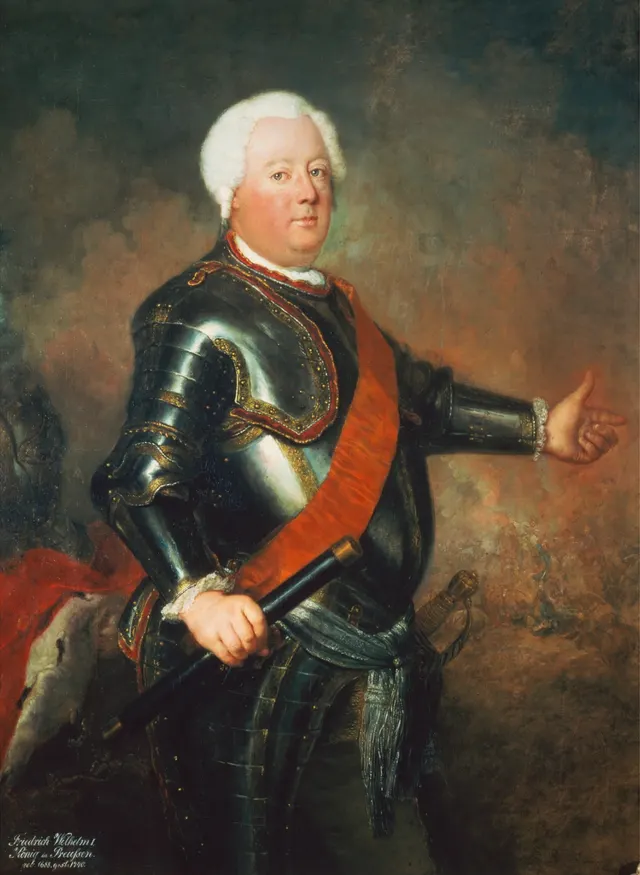
Frederick William I of Prussia
Image creditAntoine Pesne · Public domainResized and cropped for display.

Frederick William I of Prussia

The ‘Soldier King’ of Prussia from 1713, who built up a large, drilled army and a thrifty, efficient state, and was the father of Frederick the Great.

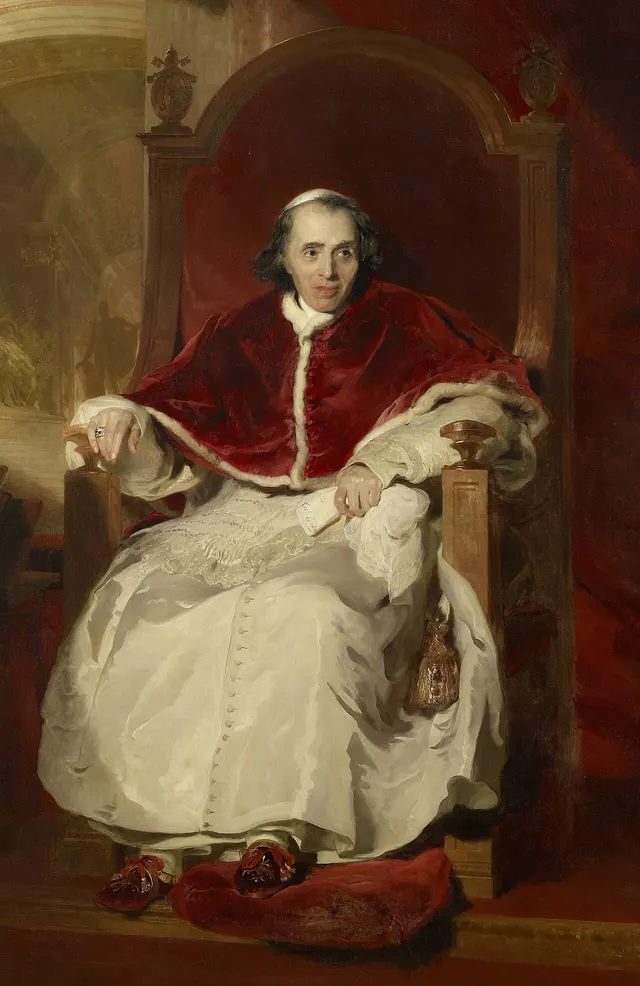
Pope Pius VII
Image creditThomas Lawrence · Public domainResized and cropped for display.

Pope Pius VII

Benedictine monk elected pope in 1800 who made the Concordat of 1801 with Napoleon, was later held captive by him for five years and restored the Jesuits in 1814.

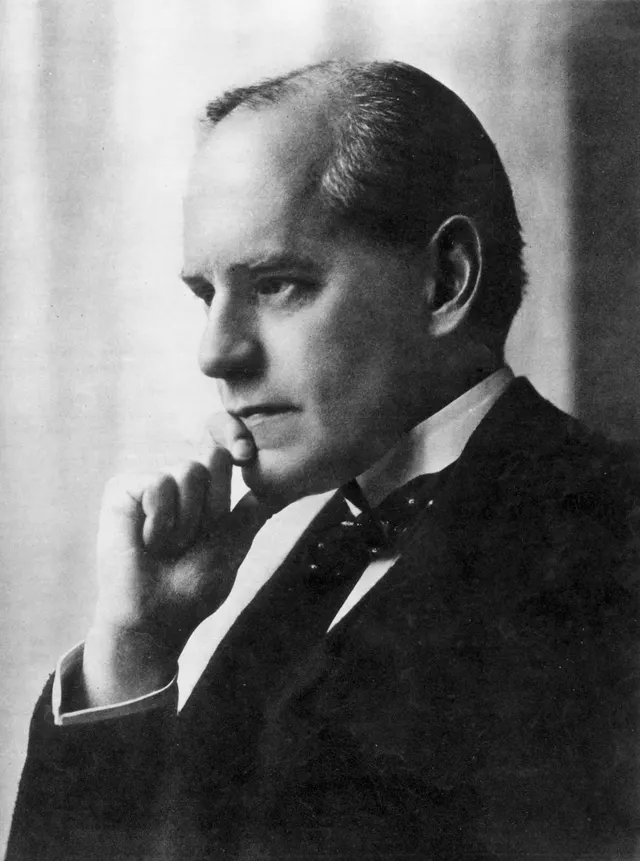
John Galsworthy
Image creditUnknown author · Public domainResized and cropped for display.

John Galsworthy

English novelist and playwright, author of The Forsyte Saga, who won the Nobel Prize in Literature in 1932.

Guangxu Emperor
Image creditAnonymous · Public domainResized and cropped for display.

Guangxu Emperor

Emperor of China from 1875 whose Hundred Days’ Reform of 1898 was cut short by the Empress Dowager Cixi, who kept him confined until his death in 1908.

Dick Tiger
Image creditUnknown author · Public domainResized and cropped for display.

Dick Tiger

Nigerian boxer who won world titles at middleweight and light heavyweight in the 1960s.

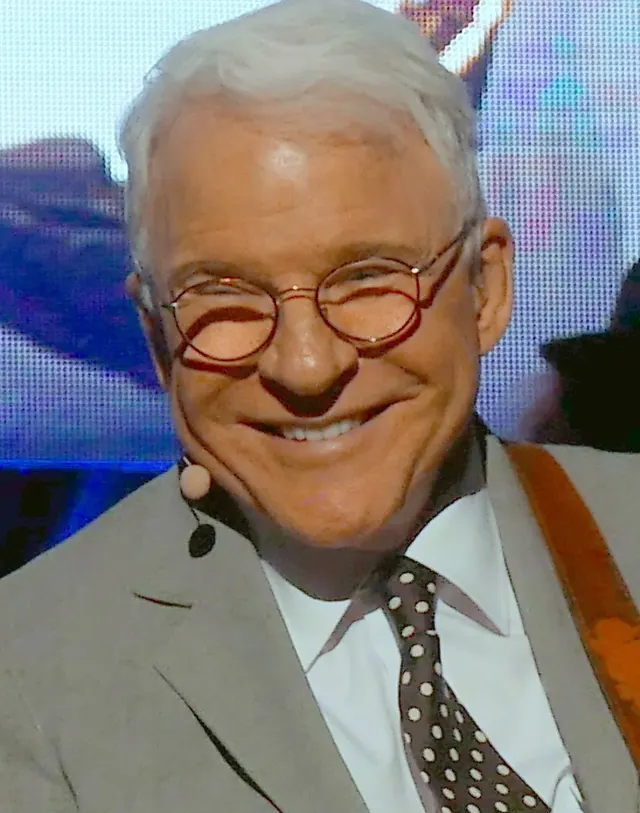
Steve Martin
Image creditDavidwbaker · CC BY-SA 4.0Resized and cropped for display.

Steve Martin

American comedian, actor, writer and banjo player, star of The Jerk and Roxanne.

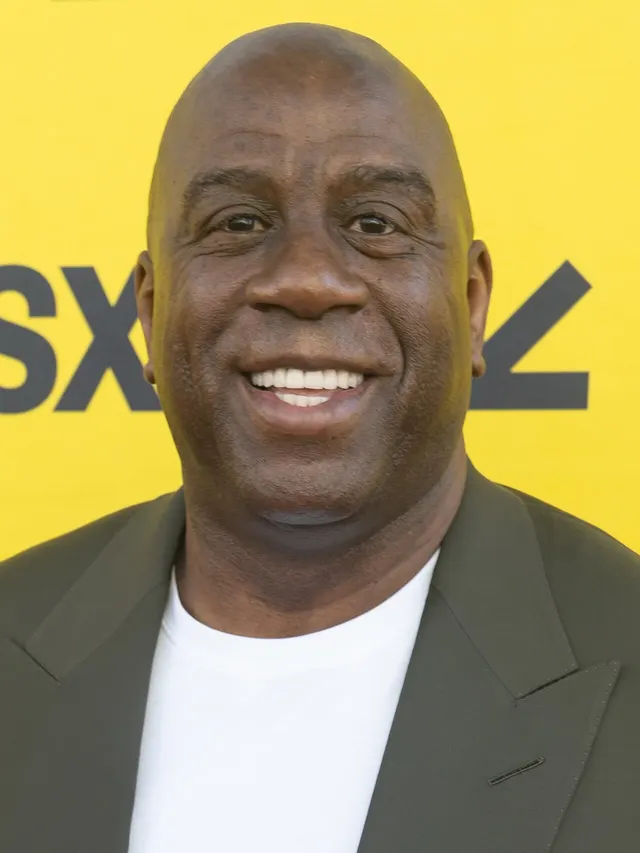
Magic Johnson
Image creditDaniel Benavides from Austin, TX · CC BY 2.0Resized and cropped for display.

Magic Johnson

American basketball player who won five NBA championships with the Los Angeles Lakers and became a leading voice for HIV awareness.

Sunidhi Chauhan
Image creditGaiusAugustine · CC BY 4.0Resized and cropped for display.

Sunidhi Chauhan

Indian playback singer who has recorded hundreds of songs for Hindi films since her teens.

◉
IDEAS THAT CHANGED THINGS

Firsts, Science & Discoveries

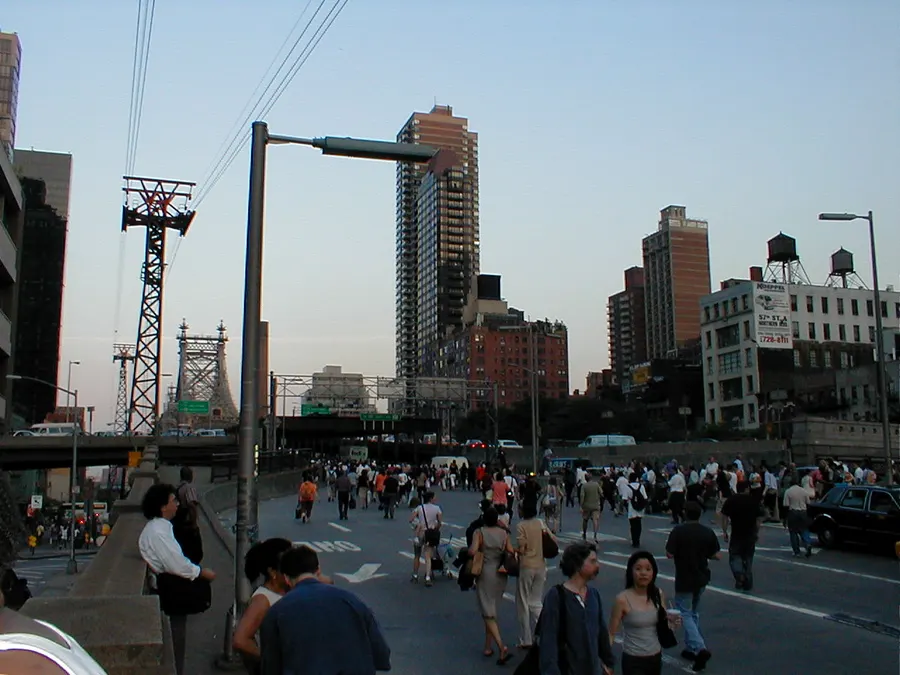
People on foot in the streets of Manhattan during the blackout of August 2003
Image creditGlitch010101 · CC BY-SA 2.0Resized and cropped for display.

A cascading failure blacks out 50 million people in North America

On the hot afternoon of 14 August 2003, several high-voltage lines in northern Ohio sagged into trees that had been left to grow too tall and shut down one after another. In the control room of the local utility, FirstEnergy, a computer alarm system had stopped working, and the operators did not realise how serious things were becoming. As the load shifted onto other lines, they too tripped.

Shortly after 4 p.m. the failure cascaded through the interconnected grid within minutes. An area with about 50 million people, across large parts of the Midwest and Northeast of the United States and the Canadian province of Ontario, lost power. A joint US-Canadian task force later found that the blackout had been preventable and made 46 recommendations to make the grid more reliable.

Read the full storyHistory & Timeline →Source: US Department of Energy: Final Report on the August 14, 2003 Blackout in the United States and Canada ↗
☆
SPORTING HISTORY

Sporting Moments

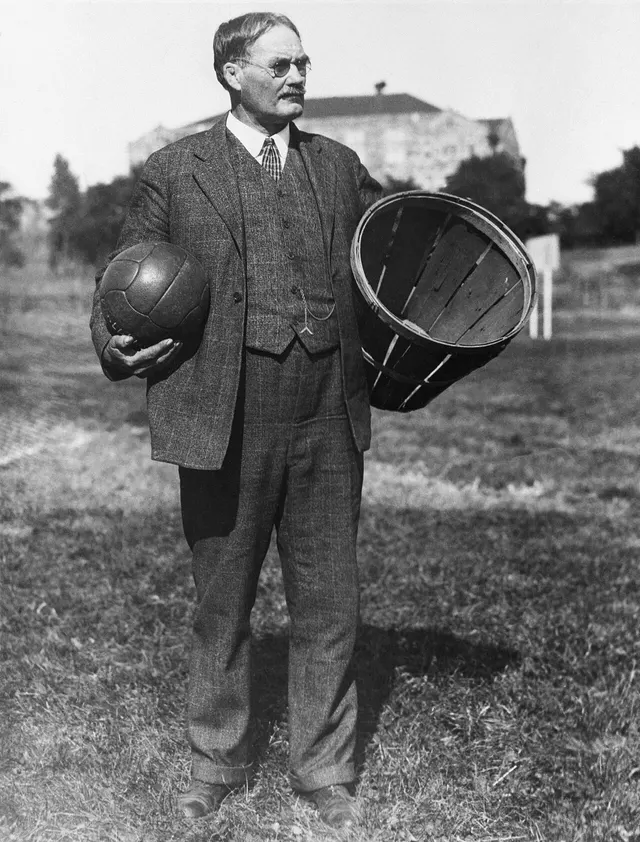
James Naismith, who invented basketball in 1891, with a ball and one of the first baskets
Image creditUnknown authorUnknown author · Public domainResized and cropped for display.

The first Olympic basketball final is played in the rain

Basketball, invented by James Naismith in Massachusetts in 1891, joined the Olympic programme for the first time at the Berlin Games of 1936. The tournament was played outdoors on clay courts, and the United States reached the final against Canada.

The final on 14 August 1936 was played in pouring rain. The court turned to mud, the ball would hardly bounce and dribbling became almost impossible. The Americans led 15-4 at half-time, only eight points were scored in the whole second half, and the United States won 19-8, with Joe Fortenberry scoring eight.

Read the full storyHistory & Timeline →Source: Olympics.com: Olympic basketball’s muddy beginnings ↗
♫
MUSIC • FILM • BOOKS • CULTURE

Culture Stories

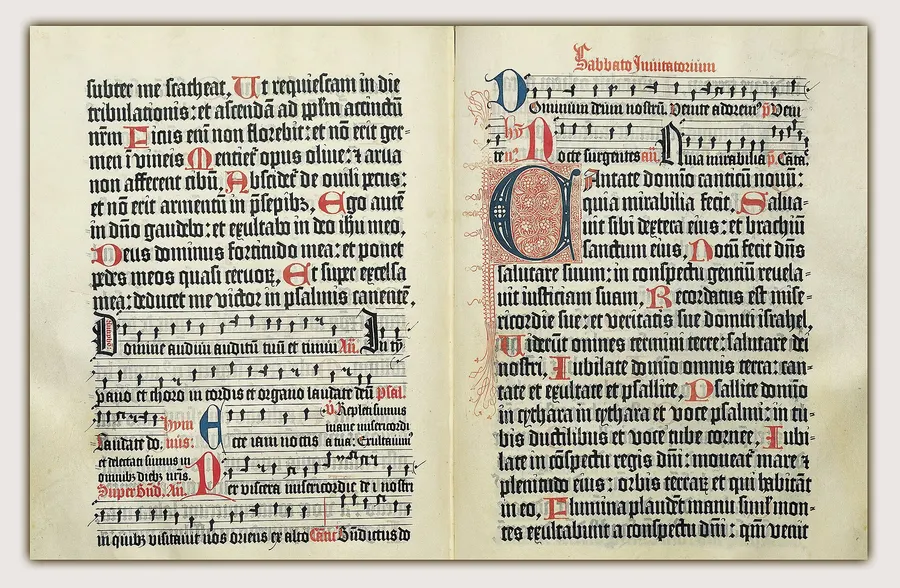
An opening of the Mainz Psalter, printed by Johann Fust and Peter Schöffer in 1457, with its red and blue initials
Image creditJohann Fust and Peter Schöffer (printers) · Public domainResized and cropped for display.

The Mainz Psalter becomes the first printed book to carry its date

Johannes Gutenberg had printed his Bible in Mainz in the mid-1450s, but he fell out with his financial backer, the merchant Johann Fust, who took over much of the workshop. With Gutenberg’s skilled assistant Peter Schöffer, Fust set out to print a book of psalms for church services that could rival the finest handwritten manuscripts.

The Mainz Psalter was finished on 14 August 1457, the eve of the Feast of the Assumption, and its closing note, or colophon, says so. It was the first printed book to record its date, its place of printing and the names of its printers, and among the first to be printed in more than one colour, with large decorated initials printed rather than painted by hand. Only ten copies survive; one is in the Royal Library at Windsor.

Read the full storyHistory & Timeline →Source: Royal Collection Trust: 10 greatest treasures of the Royal Library ↗
✦
LIVES REMEMBERED

Remembered Today

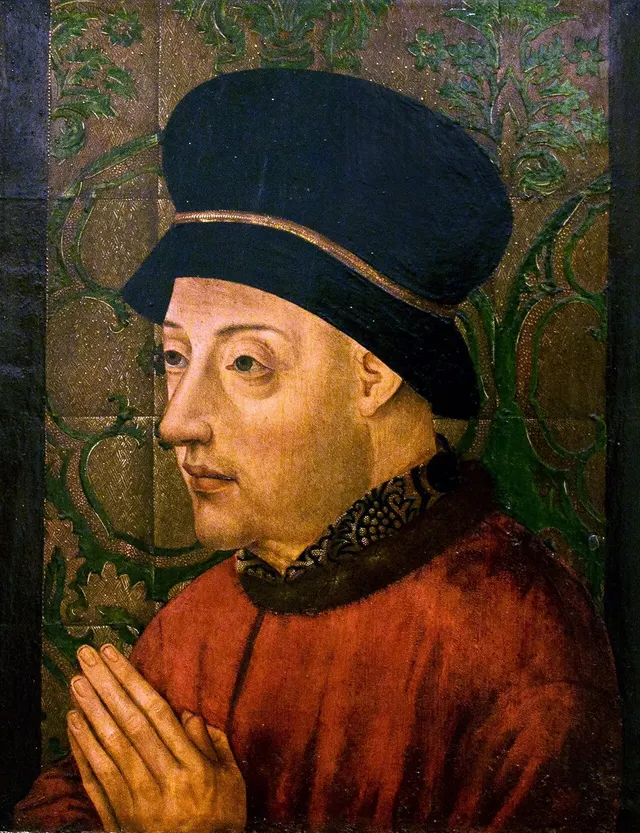
John I of Portugal
Image creditanonymous · Public domainResized and cropped for display.

John I of Portugal

King of Portugal from 1385, the victor of Aljubarrota and founder of the Aviz dynasty, whose capture of Ceuta in 1415 opened the age of Portuguese expansion.

Maximilian Kolbe
Image creditUnknown author · Public domainResized and cropped for display.

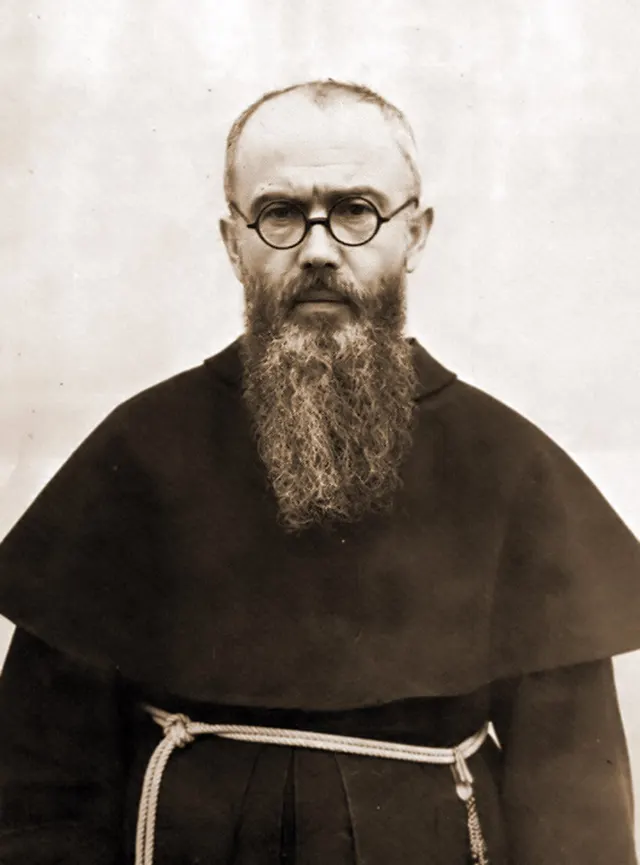
Maximilian Kolbe

Polish Franciscan friar who, in Auschwitz, offered his own life in place of a fellow prisoner with a family, and was declared a saint in 1982.

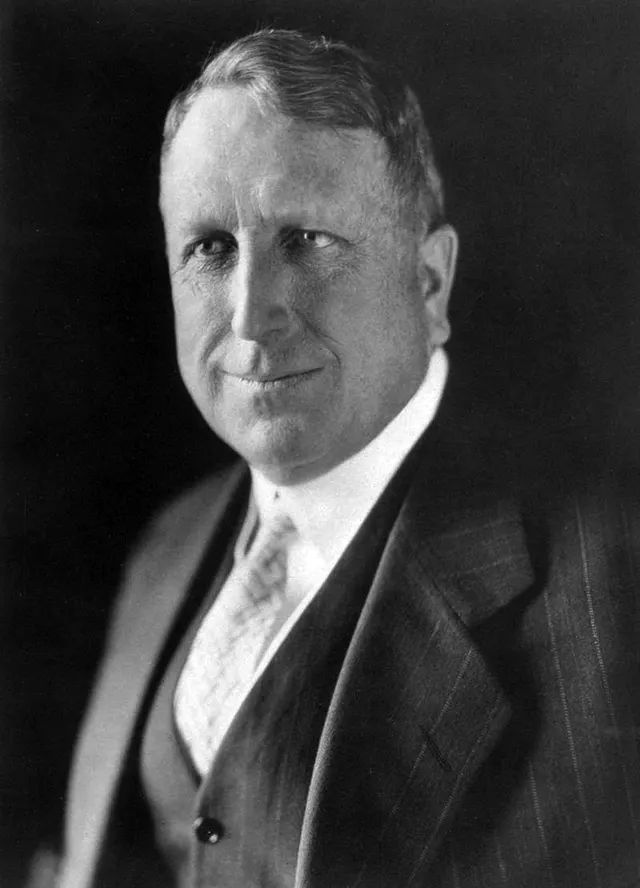
William Randolph Hearst
Image creditAnonymous · Public domainResized and cropped for display.

William Randolph Hearst

American press baron who built the country’s largest chain of newspapers and magazines and whose life inspired the film Citizen Kane.

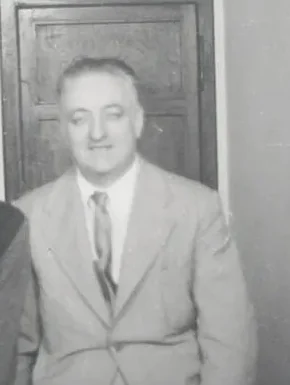
Enzo Ferrari
Image creditUnknown photographer · Public domainResized and cropped for display.

Enzo Ferrari

Italian racing driver and team manager who founded the Ferrari car company and its Formula One team.

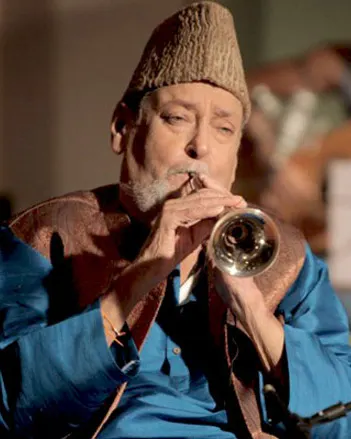
Shammi Kapoor
Image creditBollywood Hungama · CC BY 3.0Resized and cropped for display.

Shammi Kapoor

Hindi film star of the 1950s and 1960s, known for his exuberant dancing in hits such as Junglee and Teesri Manzil.

☉
AROUND THE WORLD

Observances & Anniversaries

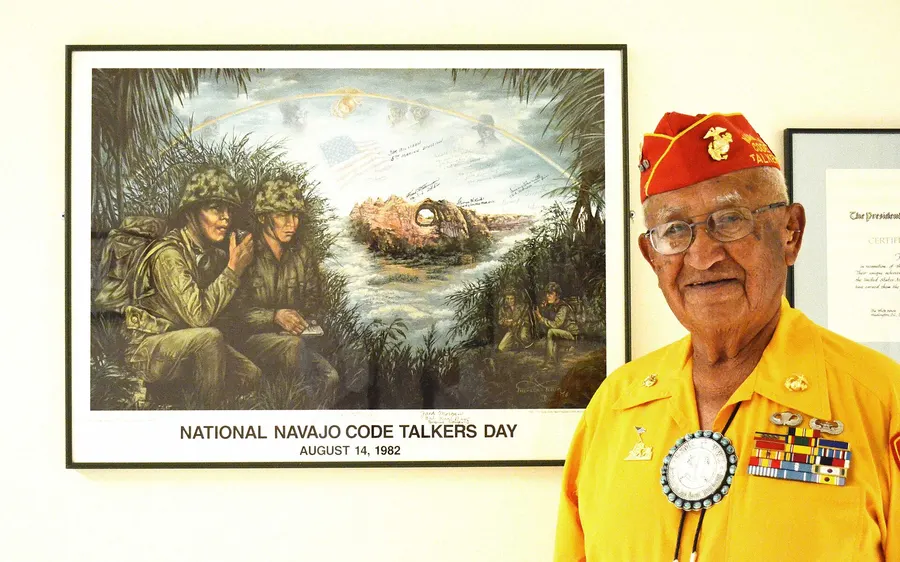
Navajo code talker veteran Thomas Begay with a framed picture marking National Navajo Code Talkers Day
Image creditUnited States Department of Veterans Affairs · Public domainResized and cropped for display.

National Navajo Code Talkers Day

During the Second World War, hundreds of Navajo men served in the US Marine Corps in the Pacific as code talkers, passing radio messages in a code built on their own language. It was never broken by the Japanese, but the code talkers’ work stayed secret for many years after the war.

In 1982 President Ronald Reagan proclaimed 14 August National Navajo Code Talkers Day, and the Navajo Nation has marked it every year since, with parades, ceremonies and tributes to the code talkers and to all Native Americans who served.

Source: Navajo Nation Office of the President and Vice President: National Navajo Code Talkers Day ↗
HISTORY & TIMELINE

Finished the highlights?

Follow 14 August chronologically, from the Middle Ages to the modern day, with 12 verified events and the sources behind them.

This day through time →