Explore 15 August

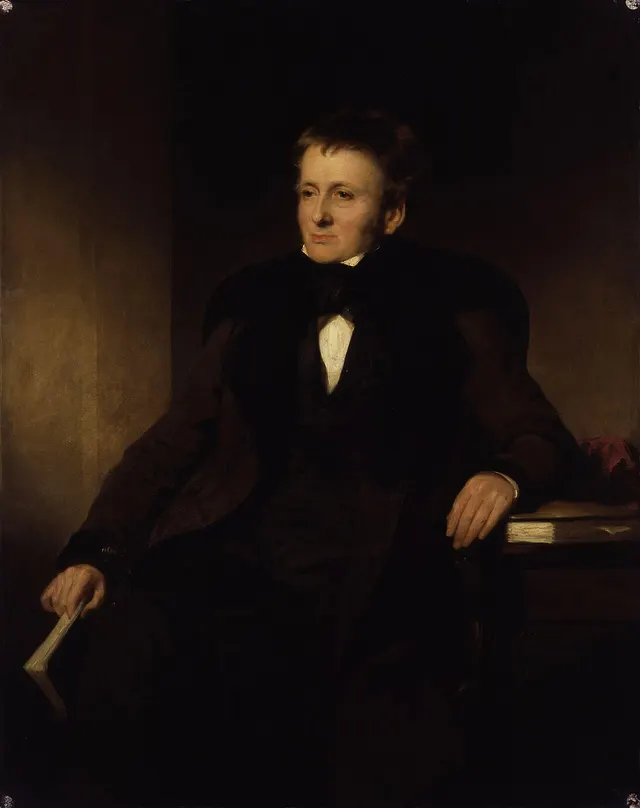
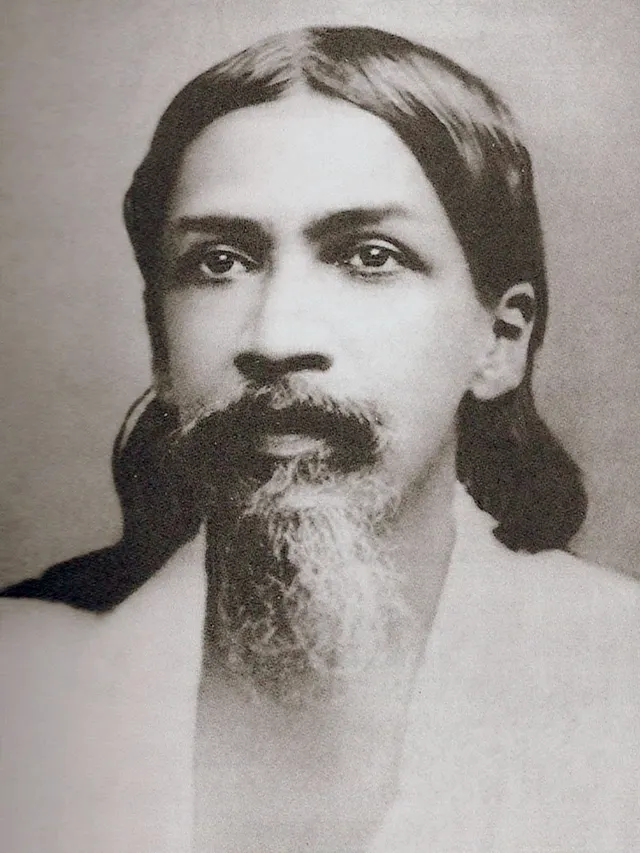
Explore 15 August: India wakes to independence, Japan hears its emperor’s voice for the first time as he announces the end of the war, the Panama Canal opens to shipping, Congo-Brazzaville becomes a free nation and half a million people descend on a farm in New York State for Woodstock. Born today: Thomas De Quincey, Sri Aurobindo and Alejandro González Iñárritu.

This day through time →14 verified events across 5 eras

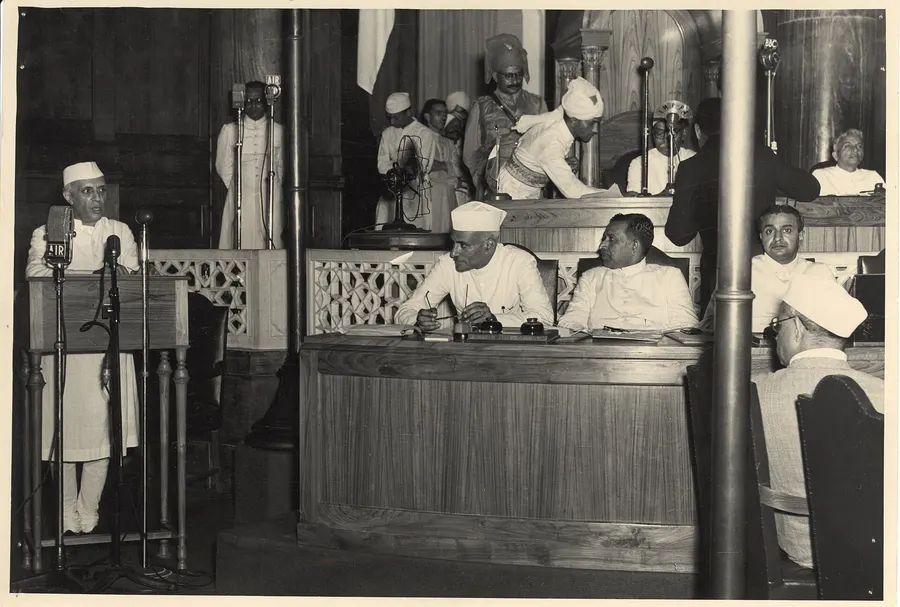
Jawaharlal Nehru delivering his 'Tryst with Destiny' speech to the Constituent Assembly on the eve of independence
Jawaharlal Nehru delivering his ‘Tryst with Destiny’ speech to the Constituent Assembly on the eve of independence
Image creditUnknown author · Public domainResized and cropped for display.

India wakes to independence

Britain had ruled much of the Indian subcontinent, first through the East India Company and from 1858 through the Crown, for close to two centuries. Decades of campaigning by the Indian National Congress, Mahatma Gandhi’s mass movements and the strains of the Second World War left Britain both unwilling and unable to hold on. In June 1947 the last viceroy, Lord Mountbatten, announced that power would be handed over within weeks, and that British India would be divided into two states, India and Pakistan.

Just before midnight on 14 August 1947 Jawaharlal Nehru rose in the Constituent Assembly in New Delhi and told the members that, as the world slept, India would awake to life and freedom. On 15 August 1947 India became an independent dominion, with Nehru as its first prime minister, and the saffron, white and green flag flew over Delhi. Gandhi spent the day praying and fasting in Calcutta. Partition was followed by terrible violence and the flight of millions of people across the new borders; estimates of the dead range from hundreds of thousands to a million. India marks 15 August every year as Independence Day.

Read the full storyHistory & Timeline →Source: Britannica: Independence Day (Indian holiday) ↗
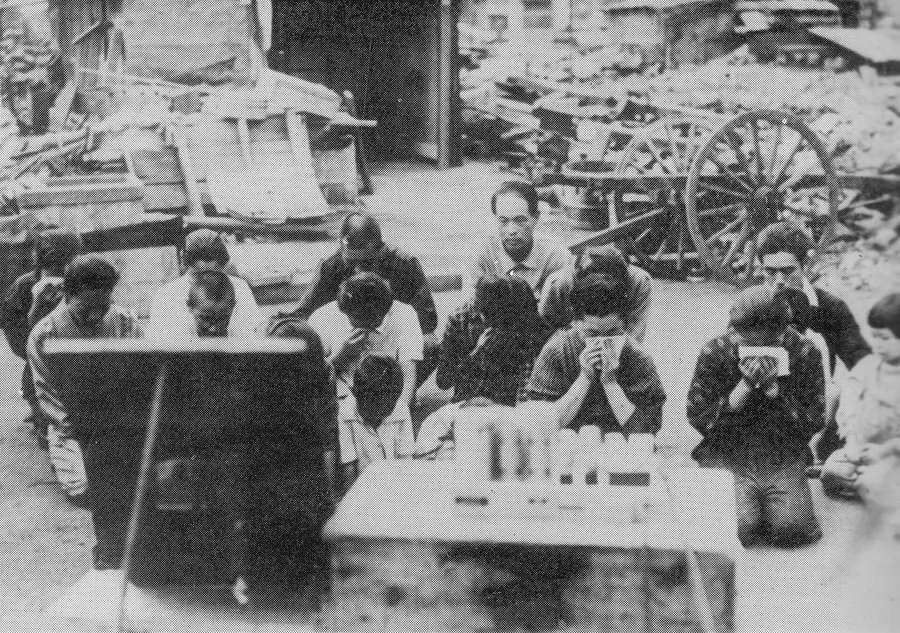
Japanese civilians bow their heads as they listen to the emperor's broadcast on 15 August 1945
Japanese civilians bow their heads as they listen to the emperor’s broadcast on 15 August 1945
Image creditUnknown photographer · Public domainResized and cropped for display.

Japan hears its emperor announce the end of the war

By August 1945 Japan’s cities had been burned by bombing, two had been destroyed by atomic bombs and the Soviet Union had entered the war against it. On 14 August Emperor Hirohito’s government accepted the Allied terms set out in the Potsdam Declaration, and that night the emperor recorded a rescript announcing the decision. A group of young army officers tried to stop it, seizing parts of the Imperial Palace and searching for the recording, but they failed to find it and the revolt collapsed before morning.

At noon on 15 August 1945 the recording was broadcast across Japan and its empire. Most Japanese had never heard their emperor’s voice. His courtly language was hard to follow and he never used the word ‘surrender’, but listeners understood that the war was over, and many wept. The formal surrender was signed aboard the battleship USS Missouri in Tokyo Bay on 2 September. Japan still marks 15 August as the anniversary of the end of the war.

Read the full storyHistory & Timeline →Source: National Diet Library: Imperial Rescript on the Termination of the War, 14 August 1945 ↗
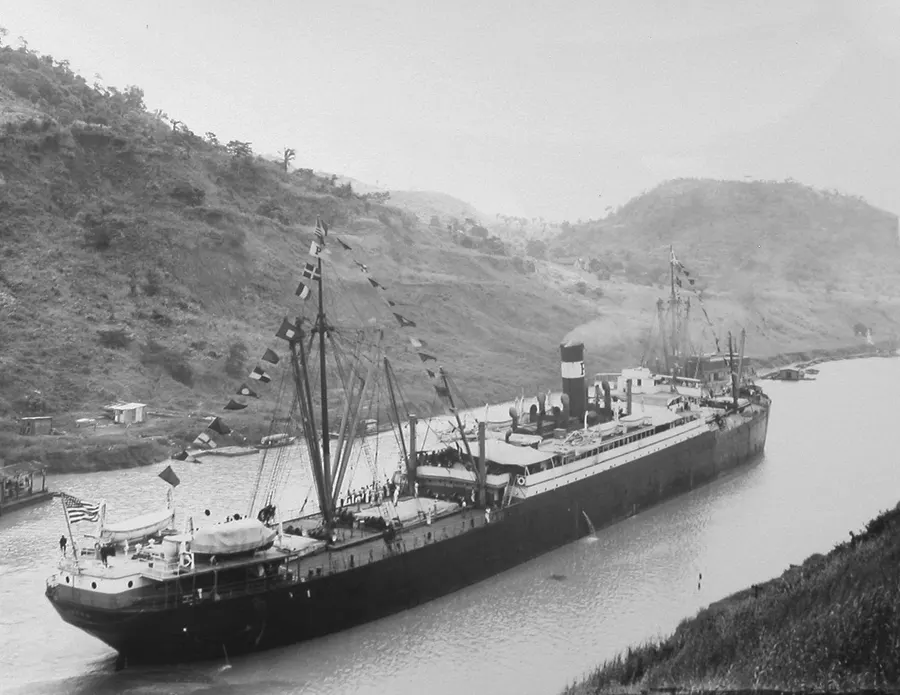
The steamship Ancon, the first ship to make an official passage through the Panama Canal
Image creditPanama Railroad Company · Public domainResized and cropped for display.

The Panama Canal opens to shipping

A French company led by Ferdinand de Lesseps, builder of the Suez Canal, began digging across the Isthmus of Panama in 1881 but was beaten by landslides, yellow fever and malaria, and went bankrupt. The United States took over the works in 1904. Under the engineer George Washington Goethals, workers from the Caribbean, Europe and the Americas cut through the mountains at Culebra, dammed the Chagres River to make the vast Gatun Lake, and built giant locks to lift ships 26 metres above sea level. Thousands of workers died in the course of the French and American projects.

On 15 August 1914 the cargo and passenger ship Ancon left Cristóbal on the Atlantic side at 7.10 in the morning and crossed the isthmus to Balboa on the Pacific, a passage of about 80 kilometres. Among some 200 people on board was Belisario Porras, the president of Panama. Grand celebrations had been planned, but the First World War had just broken out in Europe and the opening was a quiet affair. The canal spared ships the long and dangerous voyage around the tip of South America.

Read the full storyHistory & Timeline →Source: Smithsonian National Museum of American History: It’s your birthday, Panama Canal! ↗
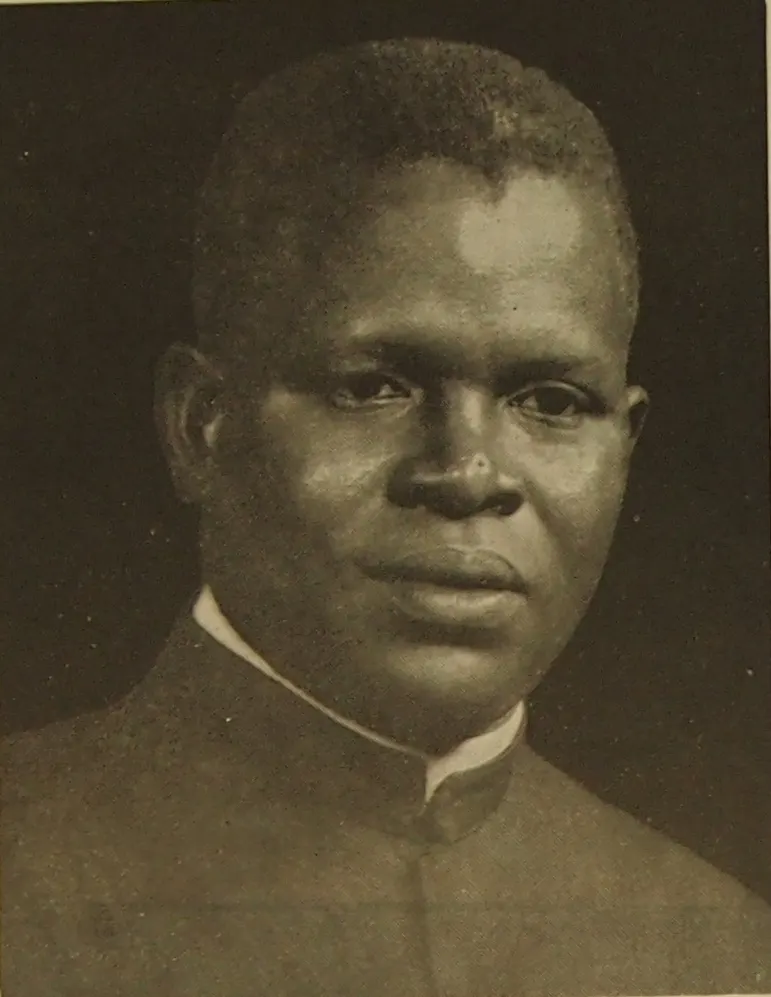
Fulbert Youlou, the first president of the Republic of the Congo
Image creditRepublic of the Congo, Ministry of Information · Public domainResized and cropped for display.

The Republic of the Congo becomes independent from France

France claimed the lands on the north bank of the Congo River in the 1880s, after the explorer Pierre Savorgnan de Brazza signed treaties with the Teke king Makoko, and the riverside post that took Brazza’s name became the capital of French Equatorial Africa. In 1940 Brazzaville served as the capital of Charles de Gaulle’s Free France. After the war the colony, then known as Middle Congo, won its own assembly, and in 1958 it became an autonomous republic within the French Community.

Independence was proclaimed on 15 August 1960. The first president was Fulbert Youlou, a former Catholic priest from the Pool region around Brazzaville, who had been elected by the National Assembly. His rule was marked by ethnic rivalry and growing anger over corruption, and in August 1963, after three days of strikes and protests in the capital, he was forced to resign. The country, often called Congo-Brazzaville to set it apart from its larger neighbour across the river, still celebrates 15 August as its national day.

Read the full storyHistory & Timeline →Source: US Department of State, Office of the Historian: Republic of the Congo ↗
The west front of Cologne Cathedral, photographed by Raimond Spekking in 2022
Image creditRaimond Spekking · CC BY-SA 4.0Resized and cropped for display.

The foundation stone of Cologne Cathedral is laid

In 1164 Rainald of Dassel, Archbishop of Cologne, brought home from Milan the relics said to be those of the Three Kings, a prize given to him by the Emperor Frederick Barbarossa. Pilgrims poured into the city, and the old cathedral was soon too small for them. The archbishops decided to replace it with a church in the new Gothic style then rising in France, built to house a golden shrine for the relics.

On 15 August 1248, the feast of the Assumption, Archbishop Konrad von Hochstaden laid the foundation stone. The great choir was finished in 1322, but work slowed and then stopped altogether in the 16th century, leaving a stump of a south tower with a wooden crane on top that stood for centuries. Building began again in 1842, following the medieval plans, and the cathedral was completed in 1880, 632 years after it was begun. Its twin spires, 157 metres high, made it for a few years the tallest building in the world, and it is now a UNESCO World Heritage Site.

Read the full storyHistory & Timeline →Source: Cologne Cathedral: History ↗

♙
PEOPLE

Born Today

Thomas De Quincey
Image creditJohn Watson Gordon · Public domainResized and cropped for display.

Thomas De Quincey

English essayist whose Confessions of an English Opium-Eater, published in 1821, made his name and helped invent the literature of addiction.

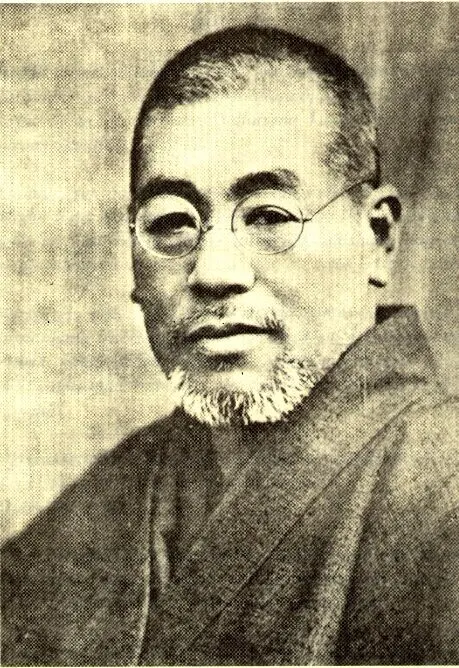
Mikao Usui
Image creditUnknown author · Public domainResized and cropped for display.

Mikao Usui

Japanese spiritual teacher who founded Reiki, a healing practice based on the laying on of hands that later spread around the world.

Sri Aurobindo
Image creditRudolf 1922 · Public domainResized and cropped for display.

Sri Aurobindo

Indian nationalist turned philosopher, poet and yogi, who founded an ashram at Pondicherry and was born on the date that became India’s Independence Day.

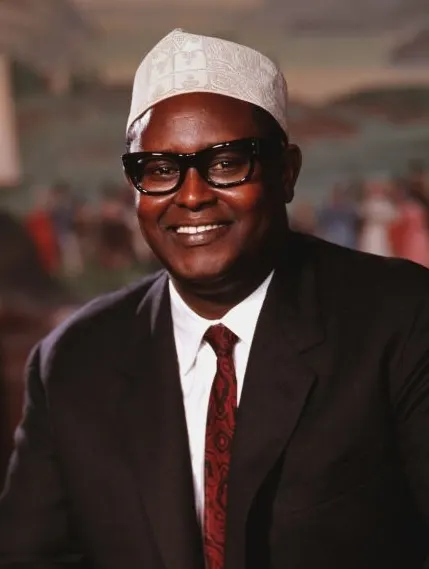
Muhammad Haji Ibrahim Egal
Image creditUnknown author · Public domainResized and cropped for display.

Muhammad Haji Ibrahim Egal

Somali statesman who was prime minister of Somalia in the 1960s and later served as president of the breakaway Somaliland from 1993 until his death.

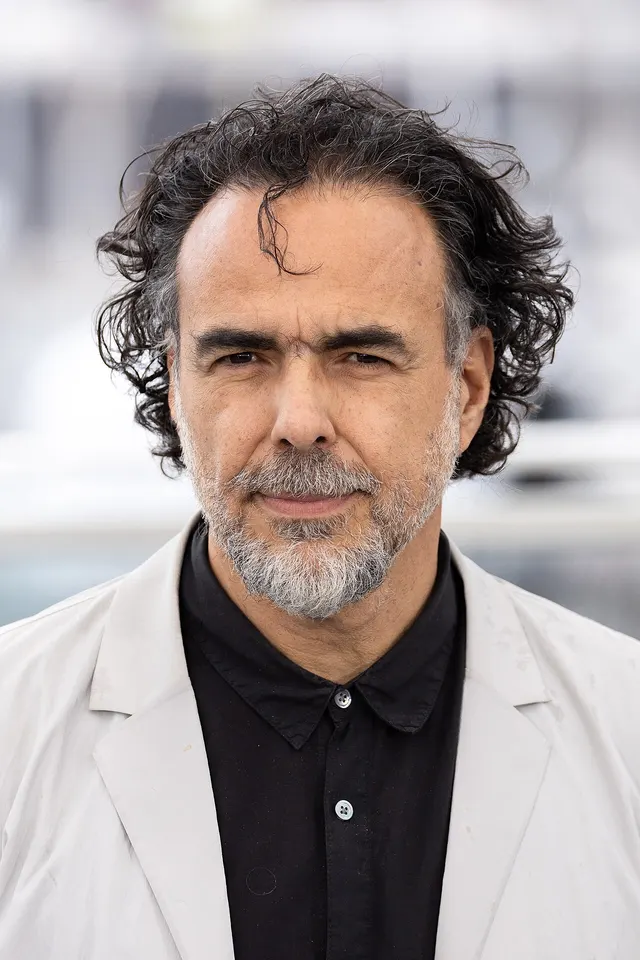
Alejandro González Iñárritu
Image creditMartin Kraft · CC BY-SA 4.0Resized and cropped for display.

Alejandro González Iñárritu

Mexican film director of Amores perros, Birdman and The Revenant, who won the Academy Award for best director two years running.

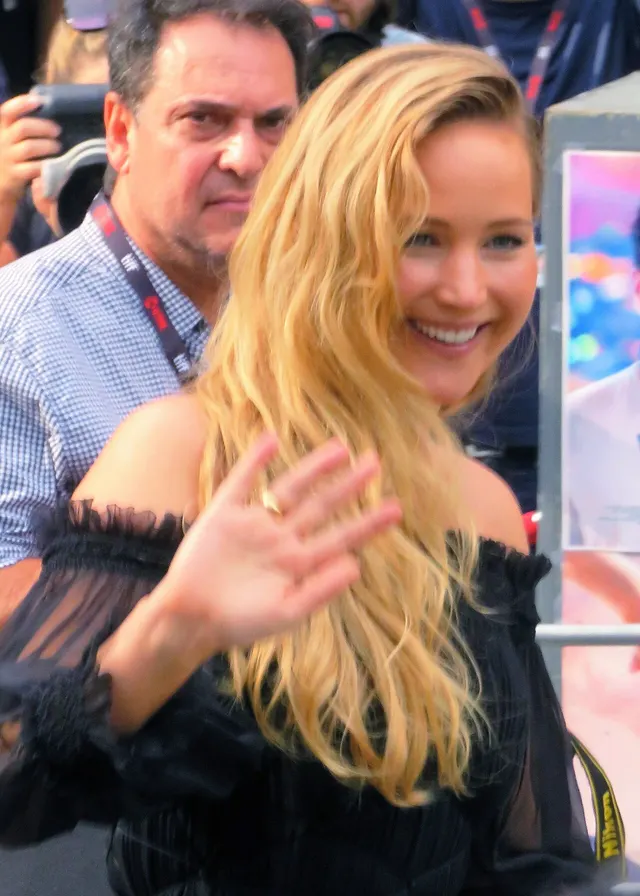
Jennifer Lawrence
Image creditGabboT · CC BY-SA 2.0Resized and cropped for display.

Jennifer Lawrence

American actress who starred in The Hunger Games films and won the Academy Award for best actress for Silver Linings Playbook.

◉
IDEAS THAT CHANGED THINGS

Firsts, Science & Discoveries

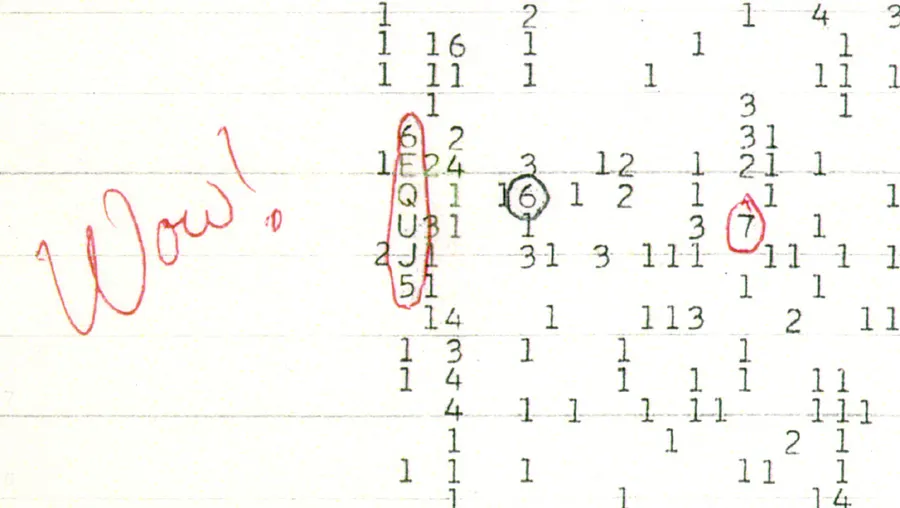
A copy of the Big Ear computer printout of the 'Wow!' signal, with Jerry Ehman's note in red
A copy of the Big Ear computer printout of the ‘Wow!’ signal, with Jerry Ehman’s note in red
Image creditBig Ear Radio Observatory and North American AstroPhysical Observatory (NAAPO) · Public domainResized and cropped for display.

A radio telescope in Ohio picks up the ‘Wow!’ signal

Big Ear, a radio telescope built by Ohio State University on a field near Delaware, Ohio, spent the 1970s on one of the longest searches ever made for signals from other civilisations. It listened close to the frequency at which hydrogen, the commonest element in the universe, gives off radio waves, a natural channel that astronomers thought aliens might choose. Its results were printed out as columns of numbers and letters.

At about 11.16 p.m. on 15 August 1977 a strong, narrow signal swept through the telescope’s beam from the direction of the constellation Sagittarius, rising and falling over 72 seconds as the Earth turned, just as a signal from a fixed point in space should. A few days later the volunteer astronomer Jerry Ehman, checking the printouts, circled the sequence of characters and wrote ‘Wow!’ beside it. Despite many searches since, the signal has never been heard again, and its source remains a mystery.

Read the full storyHistory & Timeline →Source: Big Ear Radio Observatory (Ohio State University) archive: About the Wow! signal ↗
☆
SPORTING HISTORY

Sporting Moments

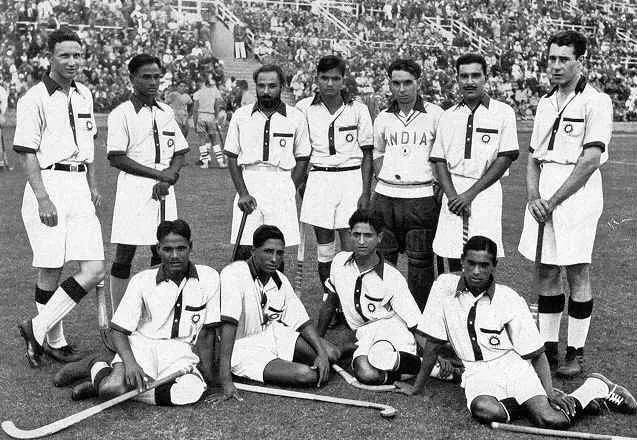
India's hockey team at the 1936 Berlin Olympics, with the captain, Dhyan Chand, standing second from left
India’s hockey team at the 1936 Berlin Olympics, with the captain, Dhyan Chand, standing second from left
Image creditUnknown author (Bharat Hockey) · Public domainResized and cropped for display.

India beat Germany to win a third straight Olympic hockey gold

India first entered the Olympic hockey tournament in 1928 and won it without conceding a goal, then took gold again at Los Angeles in 1932. The team that travelled to Berlin in 1936 was captained by Dhyan Chand, a soldier whose close control of the ball had made him famous far beyond India.

In the final on 15 August 1936, in front of a large crowd in Berlin, India beat the host nation Germany 8-1. Dhyan Chand led the scoring, and over the whole tournament India scored 38 goals and let in only one. It was the country’s third Olympic hockey title in a row, and India would go on to win three more after independence, in 1948, 1952 and 1956.

Read the full storyHistory & Timeline →Source: Olympics.com: At the 1936 Olympics, hockey wizard Dhyan Chand led by example ↗
♫
MUSIC • FILM • BOOKS • CULTURE

Culture Stories

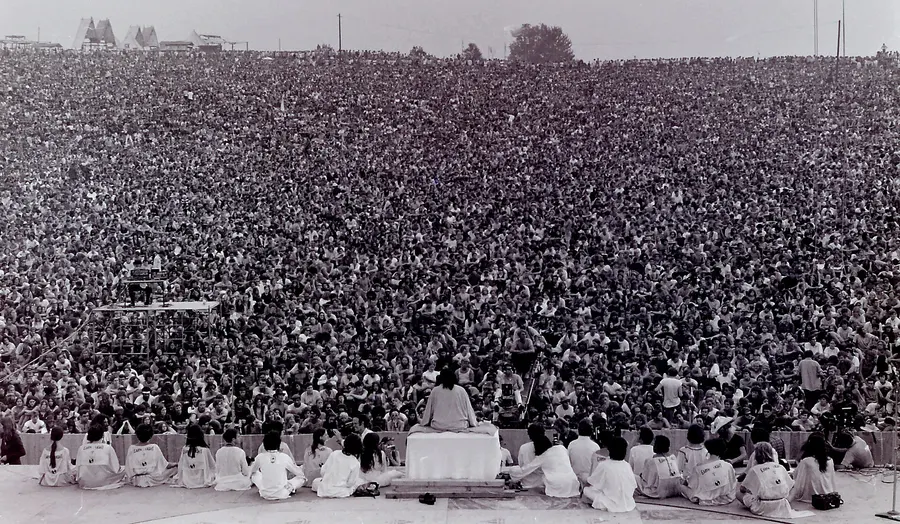
The vast crowd at the opening ceremony of the Woodstock festival, 15 August 1969, photographed by Mark Goff
Image creditMark Goff · Public domainResized and cropped for display.

The Woodstock festival opens on a farm in New York State

Four young promoters planned the Woodstock Music and Art Fair as ‘three days of peace and music’, but after the towns of Woodstock and Wallkill turned them away they settled on a dairy farm owned by Max Yasgur at Bethel, in the Catskill Mountains. They expected perhaps 50,000 people, then 200,000. As fences and ticket booths were still going up, the crowds arrived far faster than anyone had imagined, and roads for miles around were jammed.

On the afternoon of Friday 15 August 1969 the folk singer Richie Havens opened the festival, stepping in because the scheduled band was stuck in traffic. Around 400,000 people came, most of them without paying. Despite rain, mud and shortages of food and water, the weekend passed largely peacefully, and performers from Joan Baez to Jimi Hendrix, who closed the festival on the Monday morning, made it the defining event of the 1960s counterculture.

Read the full storyHistory & Timeline →Source: Bethel Woods Center for the Arts: Woodstock history ↗
✦
LIVES REMEMBERED

Remembered Today

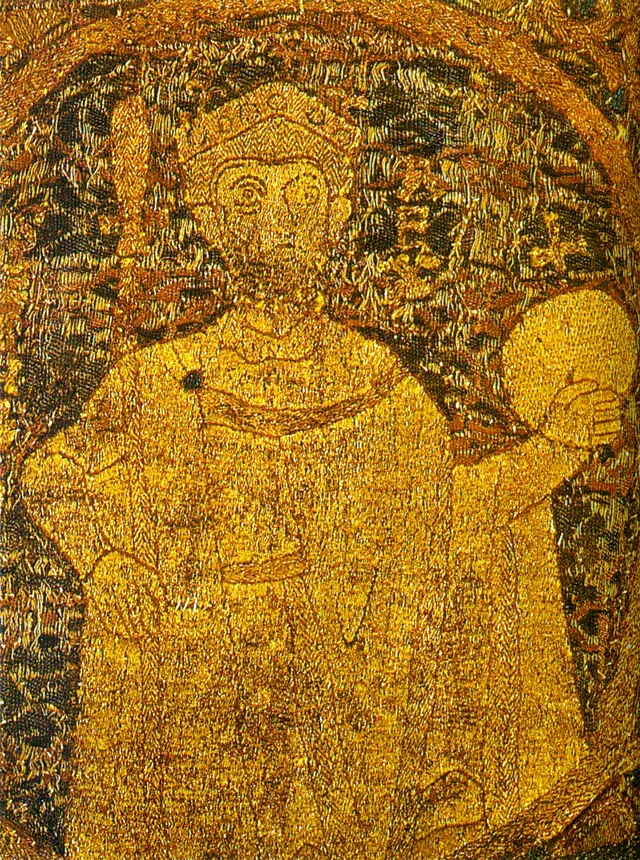
Stephen I of Hungary
Image creditUnknown author · Public domainResized and cropped for display.

Stephen I of Hungary

First king of Hungary, crowned around the year 1000, who made his country a Christian kingdom and was later declared a saint.

Johann Adam Schall von Bell
Image creditUnknown author · Public domainResized and cropped for display.

Johann Adam Schall von Bell

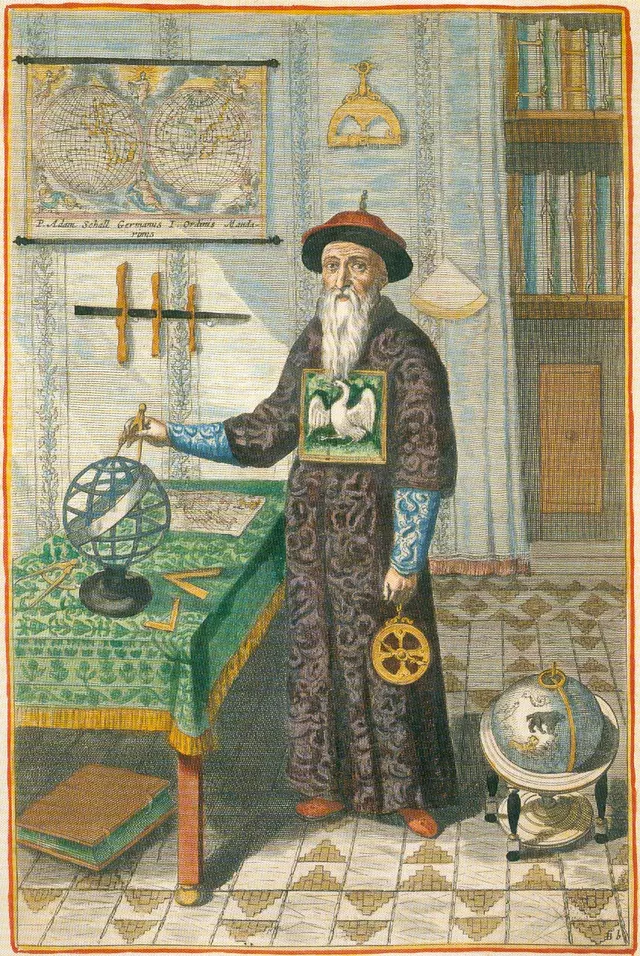
German Jesuit astronomer who reformed the Chinese calendar and headed the imperial bureau of astronomy in Beijing under the first Qing emperor.

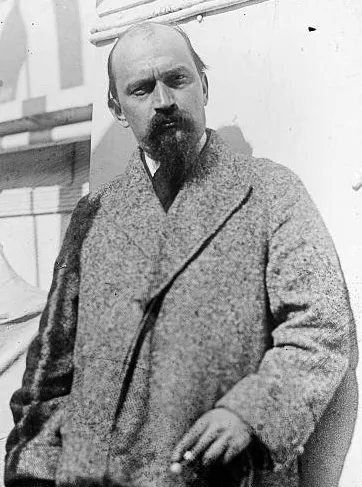
Paul Signac
Image creditUnidentified photographer · Public domainResized and cropped for display.

Paul Signac

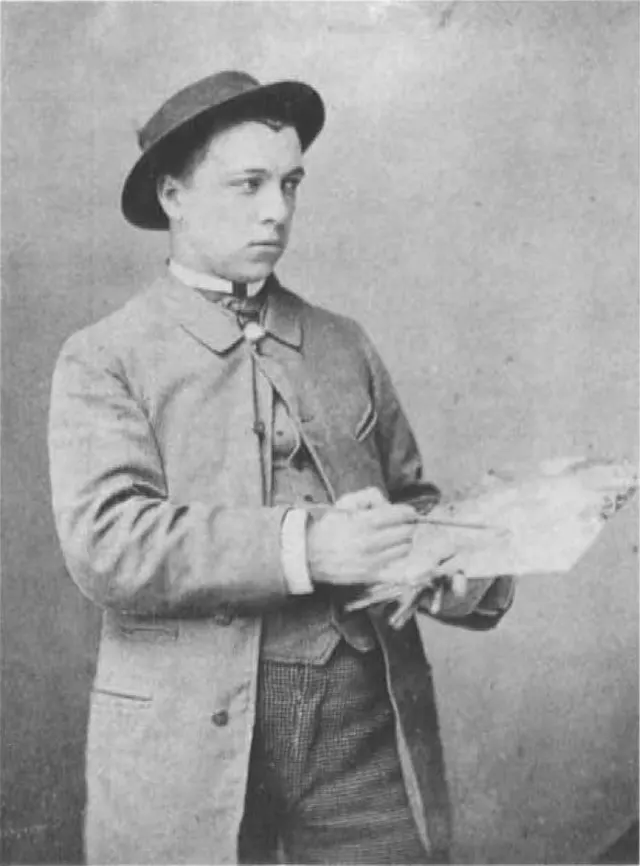
French painter who, with Georges Seurat, developed pointillism, building pictures of harbours and coasts from small dots of pure colour.

Vida Goldstein
Image creditUnknown photographer · Public domainResized and cropped for display.

Vida Goldstein

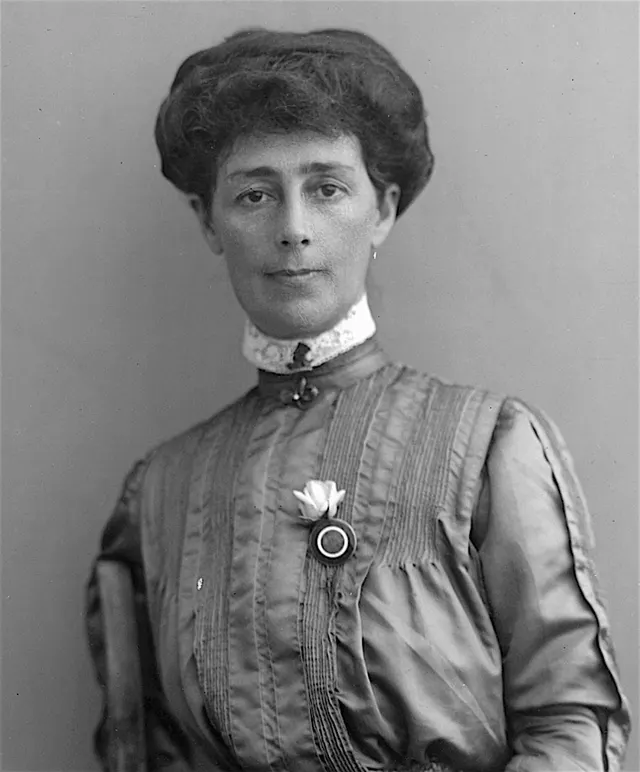
Australian suffragist who in 1903 became one of the first women in the British Empire to stand for election to a national parliament.

Manuel Prado Ugarteche
Image creditUnknown author · Public domainResized and cropped for display.

Manuel Prado Ugarteche

Banker who was twice president of Peru, from 1939 to 1945 and from 1956 until a military coup removed him in 1962.

☉
AROUND THE WORLD

Observances & Anniversaries

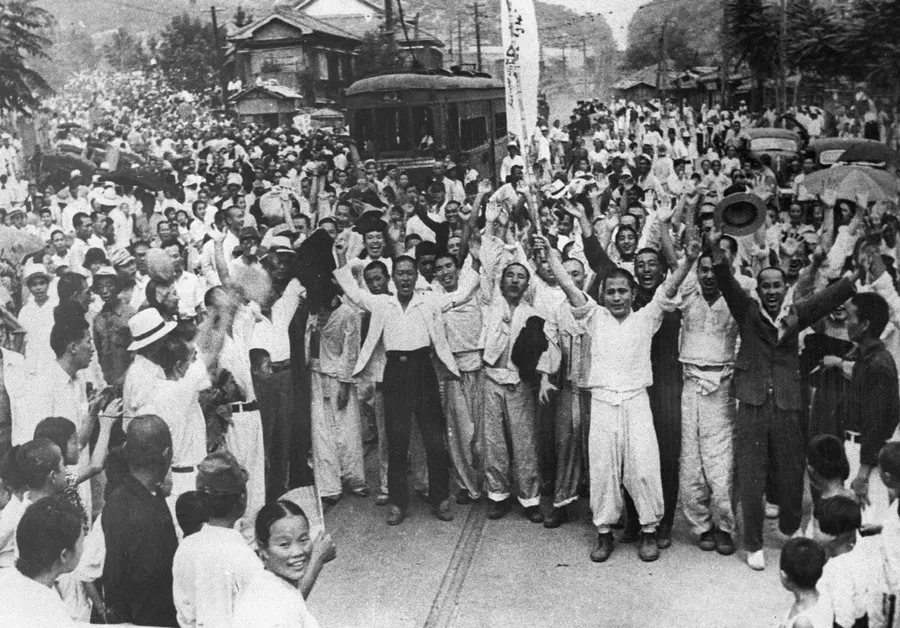
Crowds outside Seodaemun Prison in Seoul greet freed Korean independence activists on 16 August 1945, the day after liberation
Image creditNational Archives of Korea · Public domainResized and cropped for display.

National Liberation Day of Korea (Gwangbokjeol)

Japan annexed Korea in 1910 and ruled it for 35 years, suppressing the Korean language and culture and sending many Koreans to work in Japan’s war effort. When the emperor’s broadcast on 15 August 1945 announced the end of the war, Koreans poured into the streets to celebrate their freedom, and political prisoners were released.

South Korea marks 15 August as Gwangbokjeol, ‘the day the light returned’, a public holiday that also recalls the founding of the Republic of Korea’s government on the same date in 1948. North Korea celebrates the date too, as the Day of Liberation of the Fatherland.

Source: Korea.net (Government of the Republic of Korea): The day of the restoration of light ↗
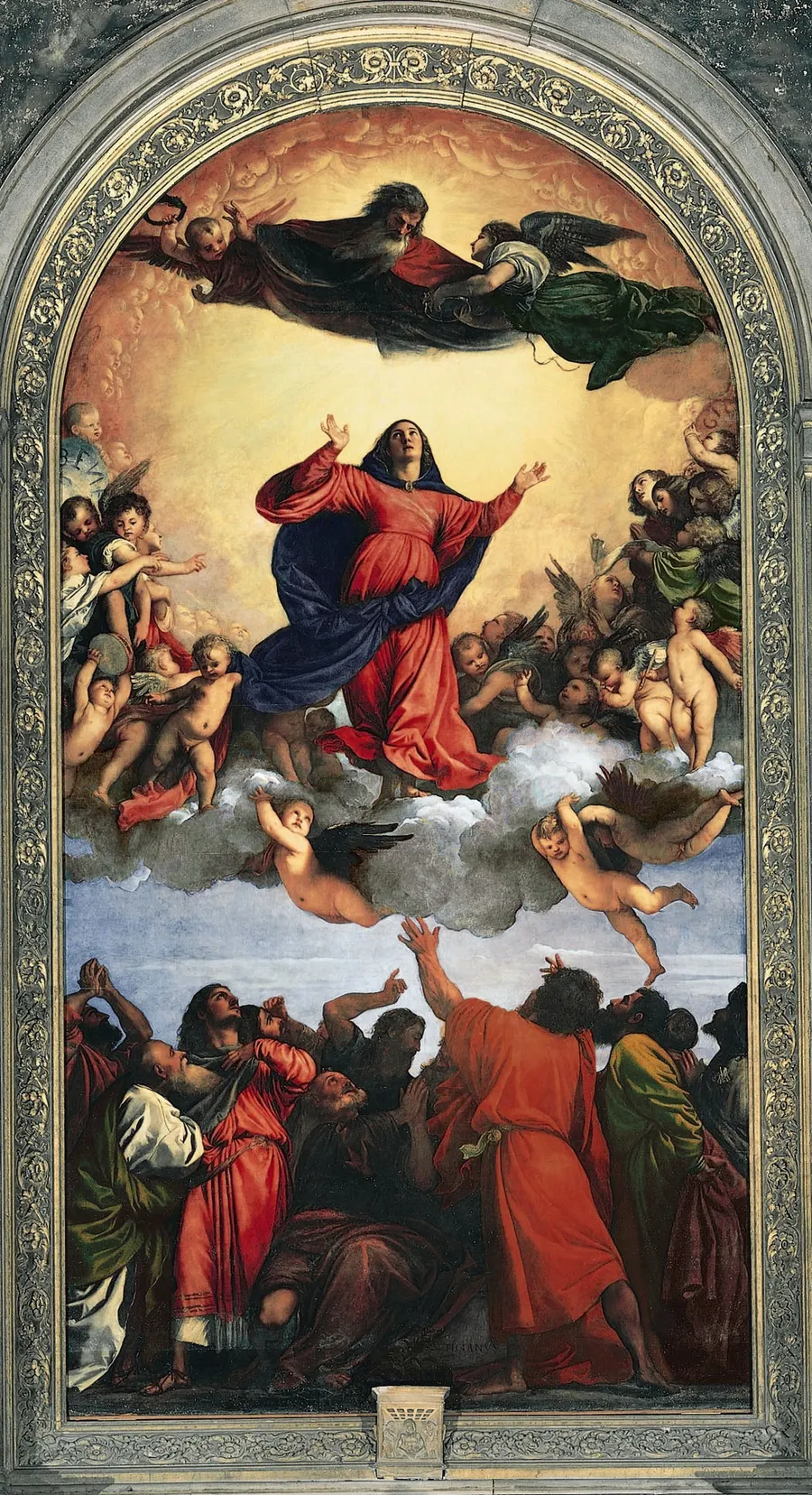
Titian's Assumption of the Virgin, painted for the Frari church in Venice between 1516 and 1518
Titian’s Assumption of the Virgin, painted for the Frari church in Venice between 1516 and 1518
Image creditTitian · Public domainResized and cropped for display.

The Assumption of Mary

Christians have long believed that at the end of her earthly life the Virgin Mary was taken up into heaven. Eastern churches celebrate her ‘falling asleep’, the Dormition, and in the West the feast of the Assumption on 15 August grew from the same tradition. In 1950 Pope Pius XII defined the Assumption, body and soul, as a dogma of the Catholic Church.

The feast is a public holiday in many countries, among them Italy, France, Spain, Austria, Belgium, Poland and much of Latin America. In Italy the day is Ferragosto, the height of the summer holidays, and many towns hold processions in Mary’s honour.

Source: Britannica: Munificentissimus Deus ↗
HISTORY & TIMELINE

Finished the highlights?

Follow 15 August chronologically, from the Middle Ages to the modern day, with 14 verified events and the sources behind them.

This day through time →