
HISTORY & TIMELINE
15 August

A journey through
15 August in history

The story of 15 August runs from the ambush of Charlemagne’s rearguard in the Pyrenees in 778 to the peace agreement that ended the war in Aceh in 2005. In between come the laying of the foundation stone of Cologne Cathedral, the founding of Asunción, Francis Xavier’s arrival in Japan, the opening of the Tivoli Gardens, the first ship through the Panama Canal, India’s third straight Olympic hockey gold, the emperor’s broadcast that ended Japan’s war, the independence of India and of the Republic of the Congo, Woodstock, the end of the dollar’s link to gold and the mysterious ‘Wow!’ signal from space.

II
THE MIDDLE AGES

Medieval History

Kingdoms, conflict, faith, power and the changing medieval world.

778
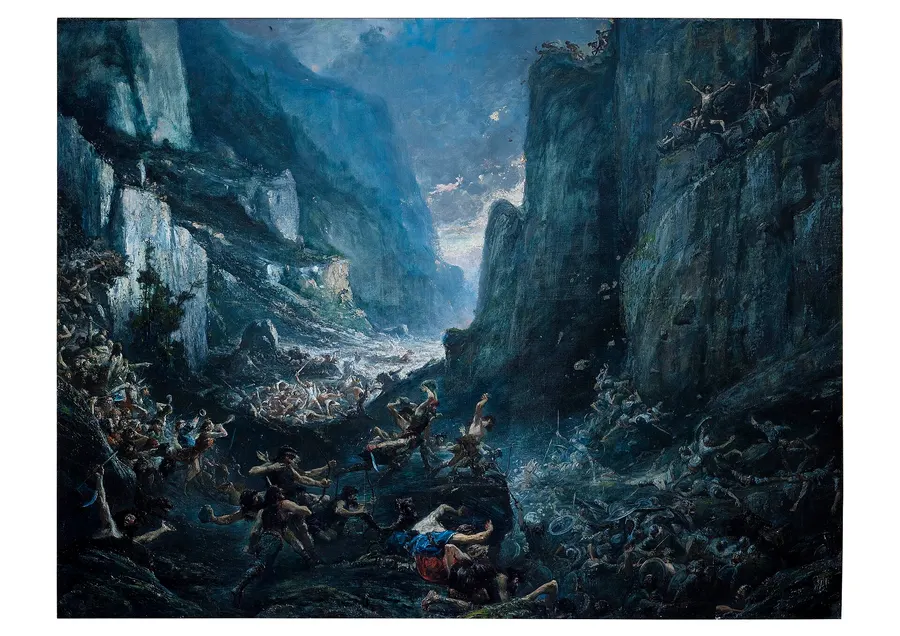
Roland at Roncevaux, a painting by Gustave DoréRoland at Roncevaux, a painting by Gustave DoréImage: Gustave Doré · Public domain
world · Europe

Basques destroy Charlemagne’s rearguard at Roncevaux

In 778 Charlemagne led his Frankish army into Spain, but his campaign against the Muslim rulers there achieved little, and on the way home he razed the walls of Pamplona. On 15 August 778, as the army crossed the Pyrenees, Basque fighters ambushed its rearguard and baggage train in a mountain pass and killed every man. Among the dead was Roland, governor of the Breton March. Three centuries later the Song of Roland turned the disaster into a great epic, with Muslim enemies in place of the Basques.

Source: Britannica: Battle of Roncesvalles ↗
1248
The west front of Cologne Cathedral, photographed by Raimond Spekking in 2022The west front of Cologne Cathedral, photographed by Raimond Spekking in 2022Image: Raimond Spekking · CC BY-SA 4.0
culture · Europe

The foundation stone of Cologne Cathedral is laid

In 1164 Rainald of Dassel, Archbishop of Cologne, brought home from Milan the relics said to be those of the Three Kings, a prize given to him by the Emperor Frederick Barbarossa. Pilgrims poured into the city, and the old cathedral was soon too small for them. The archbishops decided to replace it with a church in the new Gothic style then rising in France, built to house a golden shrine for the relics. On 15 August 1248, the feast of the Assumption, Archbishop Konrad von Hochstaden laid the foundation stone. The great choir was finished in 1322, but work slowed and then stopped altogether in the 16th century, leaving a stump of a south tower with a wooden crane on top that stood for centuries. Building began again in 1842, following the medieval plans, and the cathedral was completed in 1880, 632 years after it was begun. Its twin spires, 157 metres high, made it for a few years the tallest building in the world, and it is now a UNESCO World Heritage Site.

Source: Cologne Cathedral: History ↗
III
A CHANGING WORLD

Early Modern Era

Exploration, political change, scientific development and expanding global connections.

1537
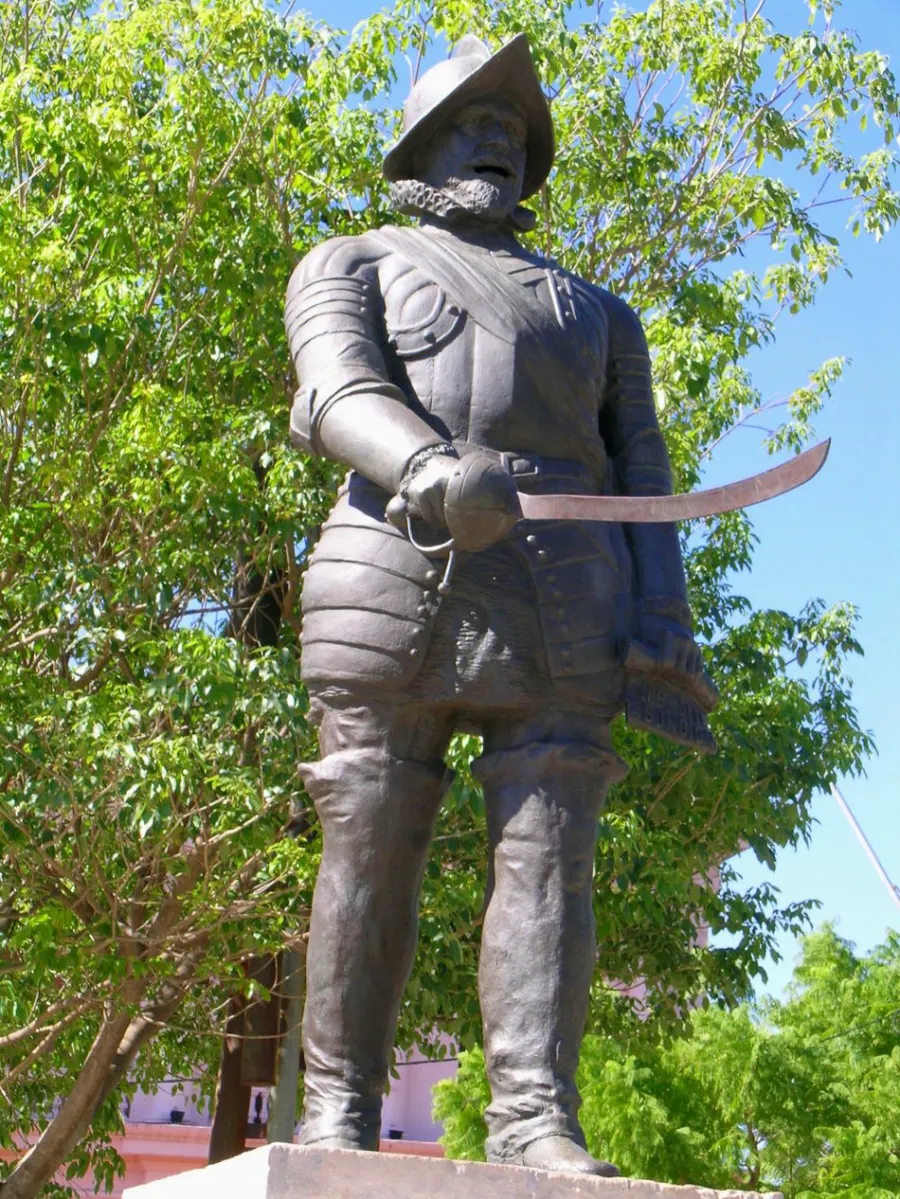
A statue of Juan de Salazar de Espinosa, the founder of AsunciónA statue of Juan de Salazar de Espinosa, the founder of AsunciónImage: Iwan · CC BY-SA 3.0
world · Americas

Juan de Salazar founds Asunción on the Paraguay River

Spanish explorers pushing up the rivers of South America in search of a route to the silver of Peru needed a base far inland. On 15 August 1537, the feast of the Assumption, Captain Juan de Salazar de Espinosa built a fort of palm-trunk stockades on a bluff above the Paraguay River and named it Nuestra Señora de la Asunción. It became one of the earliest Spanish towns in the interior of the continent, and today it is the capital of Paraguay.

Source: Municipality of Asunción: Calle 15 de Agosto, where the city was founded ↗
1549
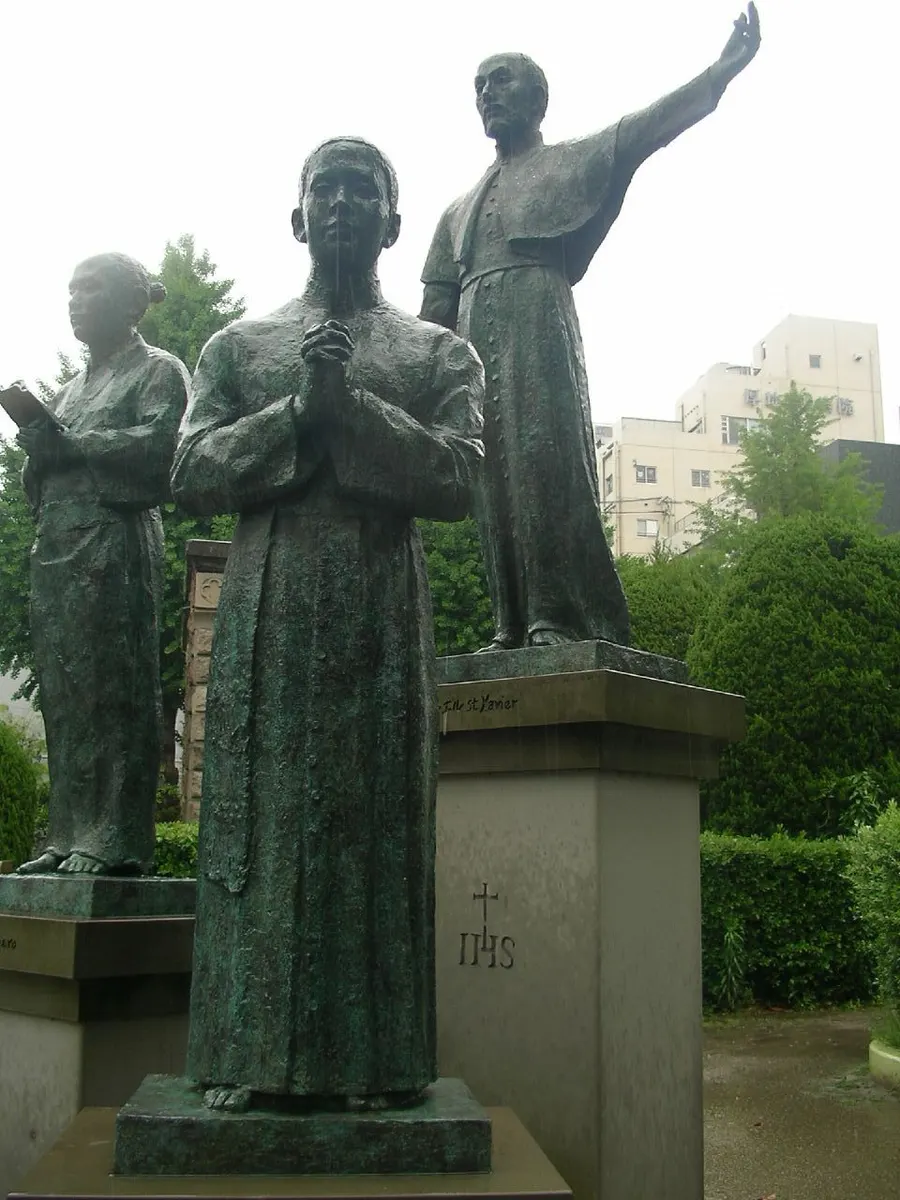
Statues of Francis Xavier, Anjirō and Bernardo the Japanese in Xavier Park, KagoshimaStatues of Francis Xavier, Anjirō and Bernardo the Japanese in Xavier Park, KagoshimaImage: Hajime NAKANO · CC BY-SA 2.0
culture · Asia

Francis Xavier lands in Japan at Kagoshima

In Malacca the Jesuit missionary Francis Xavier met Anjirō, a Japanese man who had fled his country and was eager to learn about Christianity. Anjirō was baptised at Goa, and in 1549 he guided Xavier and two Jesuit companions to his home town. They came ashore at Kagoshima, in southern Kyushu, on 15 August 1549, and began the first Christian mission in Japan. Xavier spent about two years in the country before leaving, and he died in 1552 waiting to enter China.

Source: Britannica: St Francis Xavier ↗
IV
THE NINETEENTH CENTURY

The 1800s

Industry, empire, invention, reform and a century of enormous transformation.

1843
The Tivoli Gardens seen from the air by the Swiss balloonist Eduard SpelteriniThe Tivoli Gardens seen from the air by the Swiss balloonist Eduard SpelteriniImage: Eduard Spelterini · Public domain
culture · Europe

The Tivoli Gardens open in Copenhagen

Georg Carstensen, a Danish writer and publisher who had seen pleasure gardens abroad, persuaded King Christian VIII to let him open one on the old fortifications outside Copenhagen’s western gate. The Tivoli Gardens opened on 15 August 1843, with a concert hall, a theatre, illuminations, a roller coaster and exotic buildings in an oriental style. Hans Christian Andersen was among the early visitors. Tivoli is one of the oldest amusement parks still open anywhere.

Source: Tivoli: The history of Tivoli Gardens ↗
V
THE TWENTIETH CENTURY

The 1900s

War and peace, technological leaps, social change, politics, sport and popular culture.

1914
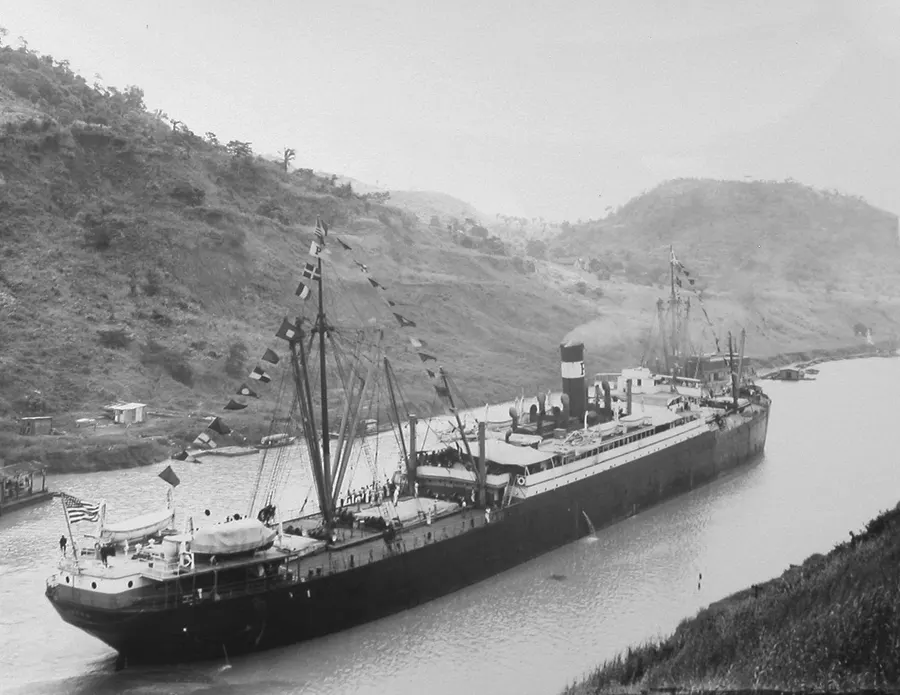
The steamship Ancon, the first ship to make an official passage through the Panama CanalThe steamship Ancon, the first ship to make an official passage through the Panama CanalImage: Panama Railroad Company · Public domain
world · Americas

The Panama Canal opens to shipping

A French company led by Ferdinand de Lesseps, builder of the Suez Canal, began digging across the Isthmus of Panama in 1881 but was beaten by landslides, yellow fever and malaria, and went bankrupt. The United States took over the works in 1904. Under the engineer George Washington Goethals, workers from the Caribbean, Europe and the Americas cut through the mountains at Culebra, dammed the Chagres River to make the vast Gatun Lake, and built giant locks to lift ships 26 metres above sea level. Thousands of workers died in the course of the French and American projects. On 15 August 1914 the cargo and passenger ship Ancon left Cristóbal on the Atlantic side at 7.10 in the morning and crossed the isthmus to Balboa on the Pacific, a passage of about 80 kilometres. Among some 200 people on board was Belisario Porras, the president of Panama. Grand celebrations had been planned, but the First World War had just broken out in Europe and the opening was a quiet affair. The canal spared ships the long and dangerous voyage around the tip of South America.

Source: Smithsonian National Museum of American History: It’s your birthday, Panama Canal! ↗
1936
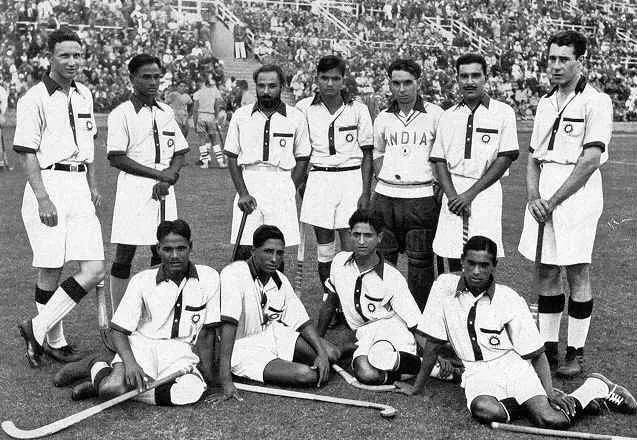
India's hockey team at the 1936 Berlin Olympics, with the captain, Dhyan Chand, standing second from leftIndia’s hockey team at the 1936 Berlin Olympics, with the captain, Dhyan Chand, standing second from leftImage: Unknown author (Bharat Hockey) · Public domain
sport · Europe

India beat Germany to win a third straight Olympic hockey gold

India first entered the Olympic hockey tournament in 1928 and won it without conceding a goal, then took gold again at Los Angeles in 1932. The team that travelled to Berlin in 1936 was captained by Dhyan Chand, a soldier whose close control of the ball had made him famous far beyond India. In the final on 15 August 1936, in front of a large crowd in Berlin, India beat the host nation Germany 8-1. Dhyan Chand led the scoring, and over the whole tournament India scored 38 goals and let in only one. It was the country’s third Olympic hockey title in a row, and India would go on to win three more after independence, in 1948, 1952 and 1956.

Source: Olympics.com: At the 1936 Olympics, hockey wizard Dhyan Chand led by example ↗
1945
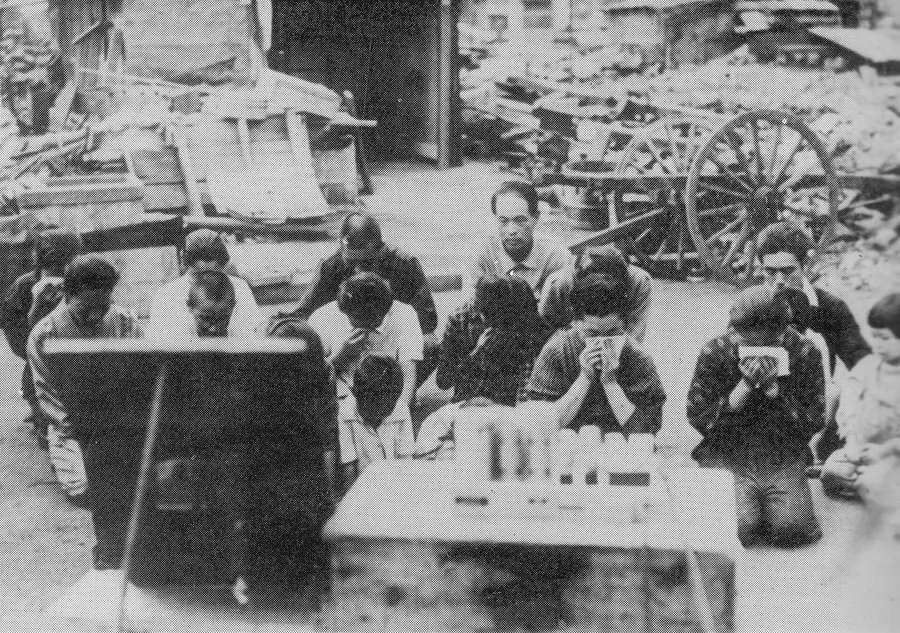
Japanese civilians bow their heads as they listen to the emperor's broadcast on 15 August 1945Japanese civilians bow their heads as they listen to the emperor’s broadcast on 15 August 1945Image: Unknown photographer · Public domain
world · Asia

Japan hears its emperor announce the end of the war

By August 1945 Japan’s cities had been burned by bombing, two had been destroyed by atomic bombs and the Soviet Union had entered the war against it. On 14 August Emperor Hirohito’s government accepted the Allied terms set out in the Potsdam Declaration, and that night the emperor recorded a rescript announcing the decision. A group of young army officers tried to stop it, seizing parts of the Imperial Palace and searching for the recording, but they failed to find it and the revolt collapsed before morning. At noon on 15 August 1945 the recording was broadcast across Japan and its empire. Most Japanese had never heard their emperor’s voice. His courtly language was hard to follow and he never used the word ‘surrender’, but listeners understood that the war was over, and many wept. The formal surrender was signed aboard the battleship USS Missouri in Tokyo Bay on 2 September. Japan still marks 15 August as the anniversary of the end of the war.

Source: National Diet Library: Imperial Rescript on the Termination of the War, 14 August 1945 ↗
1947
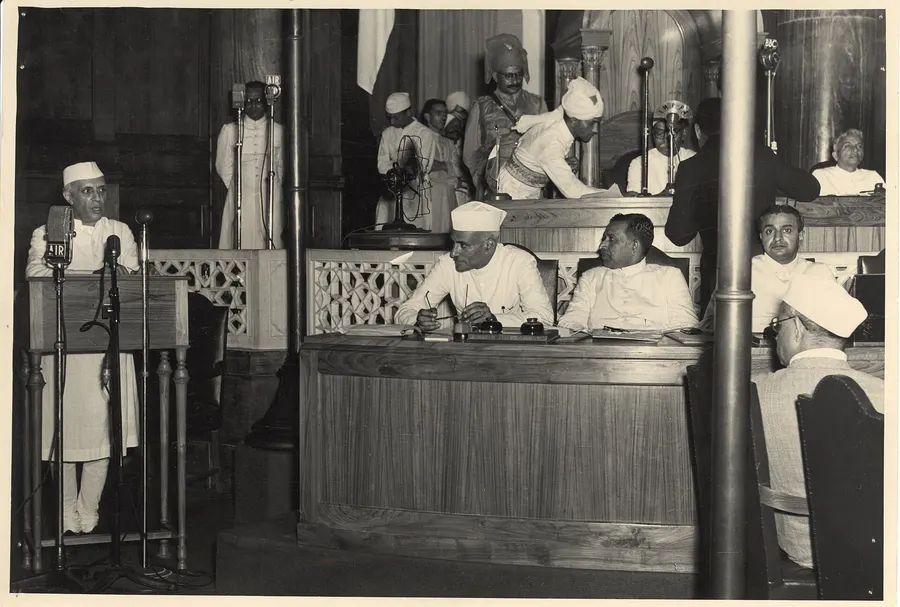
Jawaharlal Nehru delivering his 'Tryst with Destiny' speech to the Constituent Assembly on the eve of independenceJawaharlal Nehru delivering his ‘Tryst with Destiny’ speech to the Constituent Assembly on the eve of independenceImage: Unknown author · Public domain
politics · Asia

India wakes to independence

Britain had ruled much of the Indian subcontinent, first through the East India Company and from 1858 through the Crown, for close to two centuries. Decades of campaigning by the Indian National Congress, Mahatma Gandhi’s mass movements and the strains of the Second World War left Britain both unwilling and unable to hold on. In June 1947 the last viceroy, Lord Mountbatten, announced that power would be handed over within weeks, and that British India would be divided into two states, India and Pakistan. Just before midnight on 14 August 1947 Jawaharlal Nehru rose in the Constituent Assembly in New Delhi and told the members that, as the world slept, India would awake to life and freedom. On 15 August 1947 India became an independent dominion, with Nehru as its first prime minister, and the saffron, white and green flag flew over Delhi. Gandhi spent the day praying and fasting in Calcutta. Partition was followed by terrible violence and the flight of millions of people across the new borders; estimates of the dead range from hundreds of thousands to a million. India marks 15 August every year as Independence Day.

Source: Britannica: Independence Day (Indian holiday) ↗
1960
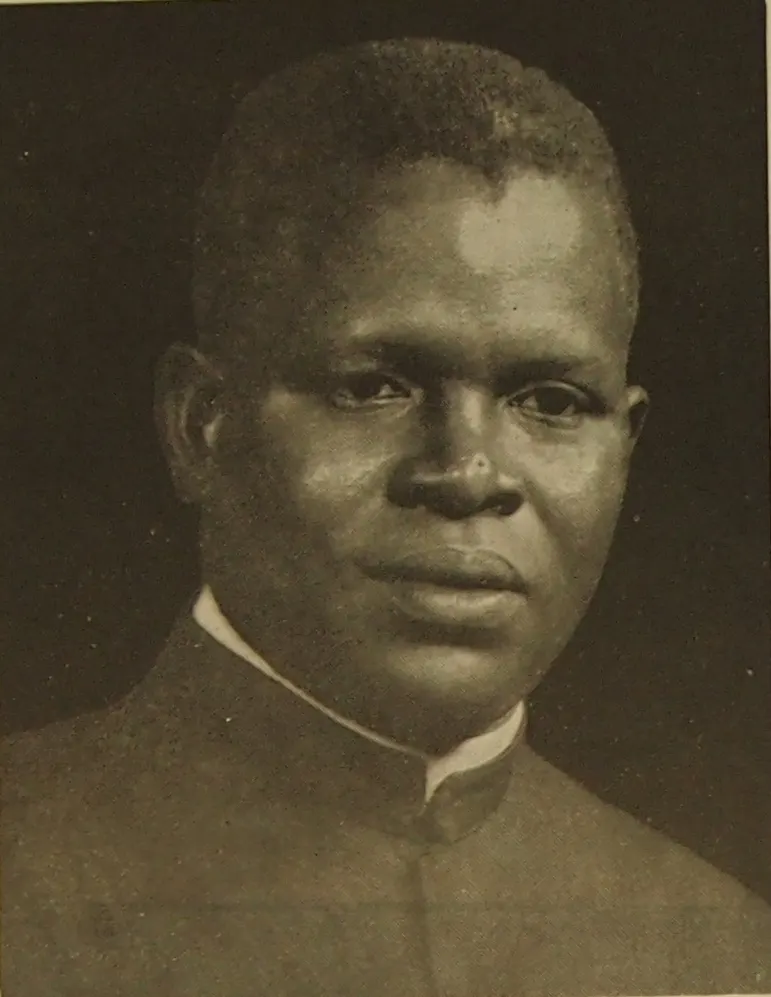
Fulbert Youlou, the first president of the Republic of the CongoFulbert Youlou, the first president of the Republic of the CongoImage: Republic of the Congo, Ministry of Information · Public domain
politics · Africa

The Republic of the Congo becomes independent from France

France claimed the lands on the north bank of the Congo River in the 1880s, after the explorer Pierre Savorgnan de Brazza signed treaties with the Teke king Makoko, and the riverside post that took Brazza’s name became the capital of French Equatorial Africa. In 1940 Brazzaville served as the capital of Charles de Gaulle’s Free France. After the war the colony, then known as Middle Congo, won its own assembly, and in 1958 it became an autonomous republic within the French Community. Independence was proclaimed on 15 August 1960. The first president was Fulbert Youlou, a former Catholic priest from the Pool region around Brazzaville, who had been elected by the National Assembly. His rule was marked by ethnic rivalry and growing anger over corruption, and in August 1963, after three days of strikes and protests in the capital, he was forced to resign. The country, often called Congo-Brazzaville to set it apart from its larger neighbour across the river, still celebrates 15 August as its national day.

Source: US Department of State, Office of the Historian: Republic of the Congo ↗
1969
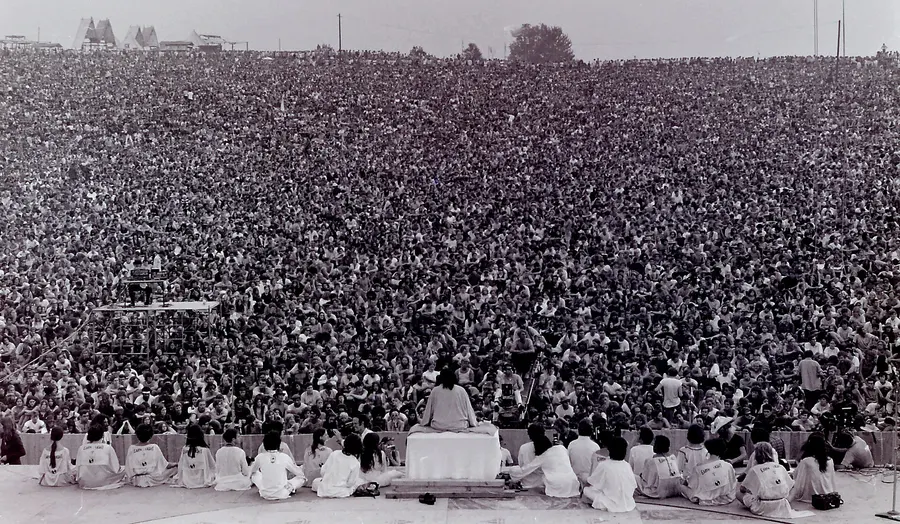
The vast crowd at the opening ceremony of the Woodstock festival, 15 August 1969, photographed by Mark GoffThe vast crowd at the opening ceremony of the Woodstock festival, 15 August 1969, photographed by Mark GoffImage: Mark Goff · Public domain
culture · Americas

The Woodstock festival opens on a farm in New York State

Four young promoters planned the Woodstock Music and Art Fair as ‘three days of peace and music’, but after the towns of Woodstock and Wallkill turned them away they settled on a dairy farm owned by Max Yasgur at Bethel, in the Catskill Mountains. They expected perhaps 50,000 people, then 200,000. As fences and ticket booths were still going up, the crowds arrived far faster than anyone had imagined, and roads for miles around were jammed. On the afternoon of Friday 15 August 1969 the folk singer Richie Havens opened the festival, stepping in because the scheduled band was stuck in traffic. Around 400,000 people came, most of them without paying. Despite rain, mud and shortages of food and water, the weekend passed largely peacefully, and performers from Joan Baez to Jimi Hendrix, who closed the festival on the Monday morning, made it the defining event of the 1960s counterculture.

Source: Bethel Woods Center for the Arts: Woodstock history ↗
1971
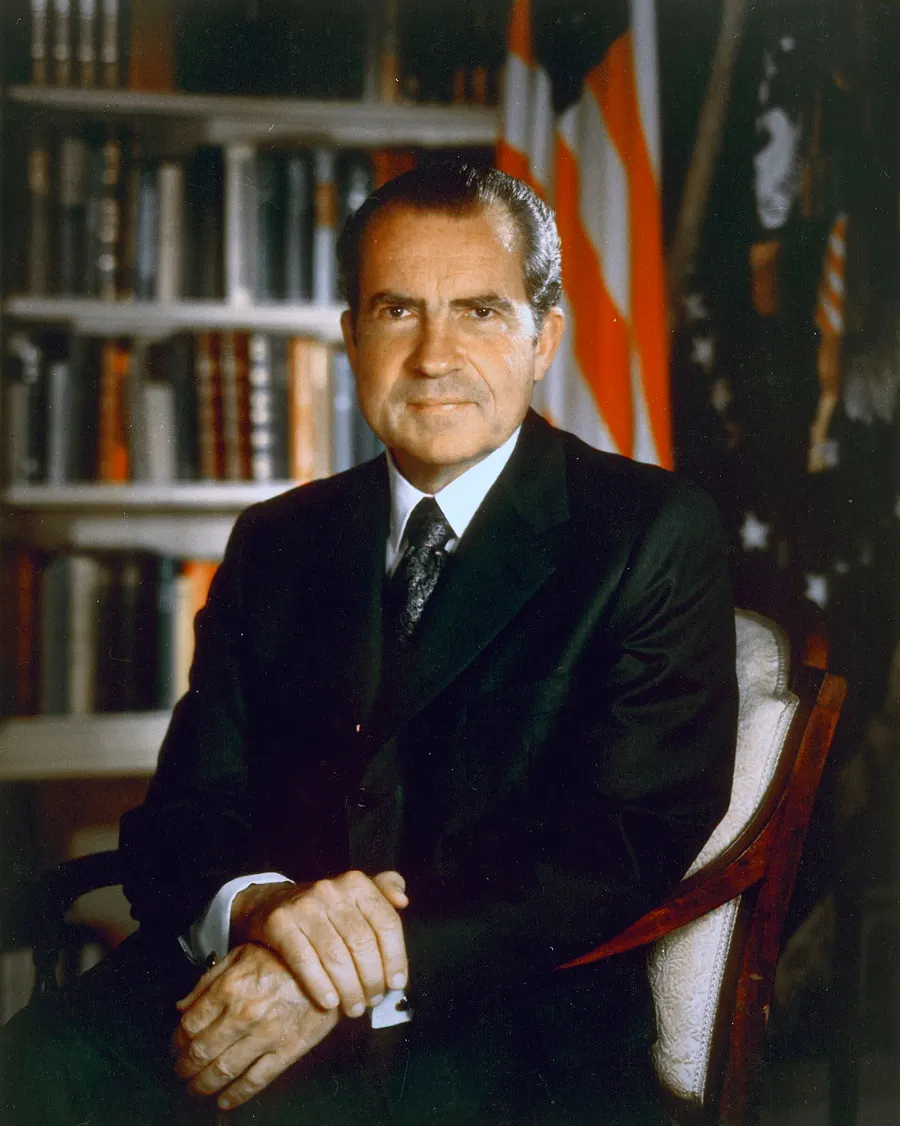
Richard Nixon's official presidential portrait, taken in July 1971Richard Nixon’s official presidential portrait, taken in July 1971Image: Oliver F. Atkins · Public domain
world · Americas

Nixon cuts the link between the dollar and gold

Since 1944 the world’s currencies had been tied to the US dollar, and foreign governments could swap their dollars for American gold at 35 dollars an ounce. By 1971 there were far more dollars abroad than gold to back them. On the evening of 15 August 1971 President Richard Nixon told Americans on television that he was closing the ‘gold window’, along with a freeze on wages and prices and a new tax on imports. The ‘Nixon shock’ broke up the Bretton Woods system, and by 1973 the major currencies were floating freely.

Source: Federal Reserve History: Nixon ends convertibility of US dollars to gold ↗
1977
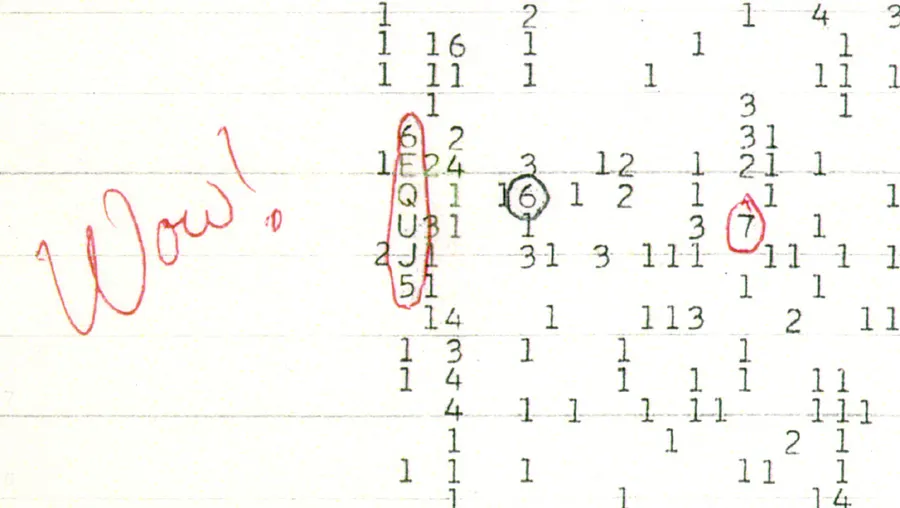
A copy of the Big Ear computer printout of the 'Wow!' signal, with Jerry Ehman's note in redA copy of the Big Ear computer printout of the ‘Wow!’ signal, with Jerry Ehman’s note in redImage: Big Ear Radio Observatory and North American AstroPhysical Observatory (NAAPO) · Public domain
science · Americas

A radio telescope in Ohio picks up the ‘Wow!’ signal

Big Ear, a radio telescope built by Ohio State University on a field near Delaware, Ohio, spent the 1970s on one of the longest searches ever made for signals from other civilisations. It listened close to the frequency at which hydrogen, the commonest element in the universe, gives off radio waves, a natural channel that astronomers thought aliens might choose. Its results were printed out as columns of numbers and letters. At about 11.16 p.m. on 15 August 1977 a strong, narrow signal swept through the telescope’s beam from the direction of the constellation Sagittarius, rising and falling over 72 seconds as the Earth turned, just as a signal from a fixed point in space should. A few days later the volunteer astronomer Jerry Ehman, checking the printouts, circled the sequence of characters and wrote ‘Wow!’ beside it. Despite many searches since, the signal has never been heard again, and its source remains a mystery.

Source: Big Ear Radio Observatory (Ohio State University) archive: About the Wow! signal ↗
VI
2000 TO TODAY

Modern Day

The events of recent decades that have already become part of the historical record.

2005
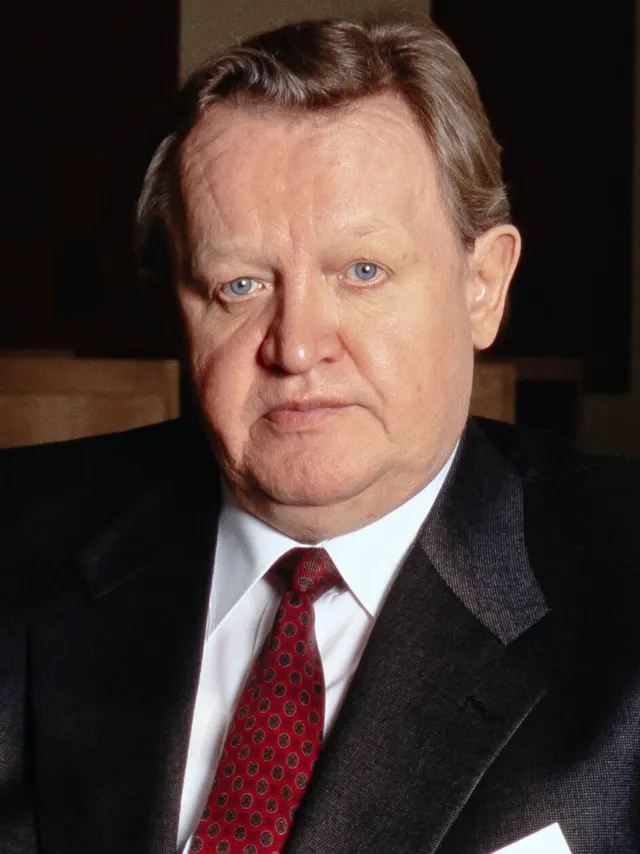
Martti Ahtisaari, the former president of Finland, who mediated the Helsinki talksMartti Ahtisaari, the former president of Finland, who mediated the Helsinki talksImage: Markku Niskanen · CC BY 4.0
politics · Asia

A peace agreement in Helsinki ends the war in Aceh

For almost 30 years the Free Aceh Movement (GAM) fought for independence for Aceh, at the northern tip of Sumatra, and some 15,000 people died. The Indian Ocean tsunami of December 2004, which killed well over 100,000 people in Aceh, pushed both sides back to talks, mediated by the former Finnish president Martti Ahtisaari. On 15 August 2005 the Indonesian government and GAM signed a memorandum of understanding in Helsinki: the rebels gave up their weapons and their demand for independence, and Aceh gained wide self-government.

Source: UN News: Annan applauds signing of Aceh peace agreement ↗
RESEARCH

Sources & Further Reading

Selected authoritative references supporting the events on this page.

Britannica: Battle of Roncesvalles↗Wikipedia: Battle of Roncevaux Pass↗Cologne Cathedral: History↗Britannica: Cologne↗Municipality of Asunción: Calle 15 de Agosto, where the city was founded↗Britannica: Asunción↗Britannica: St Francis Xavier↗Kagoshima City tourism: Monument of St Xavier’s landing↗Tivoli: The history of Tivoli Gardens↗Britannica: Tivoli↗Smithsonian National Museum of American History: It’s your birthday, Panama Canal!↗Panama Canal Authority: The Panama Canal celebrates 100 years connecting the world↗Olympics.com: At the 1936 Olympics, hockey wizard Dhyan Chand led by example↗Olympics.com: India men’s hockey and their love affair with Olympic gold↗National Diet Library: Imperial Rescript on the Termination of the War, 14 August 1945↗National WWII Museum: What (and when) is V-J Day?↗Britannica: Independence Day (Indian holiday)↗Know India, National Portal of India: Independence Day↗US Department of State, Office of the Historian: Republic of the Congo↗US Department of State: Background Note, Congo (Brazzaville)↗Bethel Woods Center for the Arts: Woodstock history↗Britannica: Woodstock↗Federal Reserve History: Nixon ends convertibility of US dollars to gold↗US Department of State, Office of the Historian: Nixon and the end of the Bretton Woods system↗Big Ear Radio Observatory (Ohio State University) archive: About the Wow! signal↗Ohio State University, College of Arts and Sciences: Did Ohio State really detect an alien signal?↗UN News: Annan applauds signing of Aceh peace agreement↗European Parliament: Memorandum of Understanding between the Government of Indonesia and the Free Aceh Movement↗
WHY THESE MOMENTS?

Significance before volume

This page is not the longest possible list of events. It is a chronological journey through 15 August, where each entry is chosen for historical significance, human interest and reliability.

Facts are checked against authoritative museums, archives, universities and reference works. Where sources disagree, the page says so.

EXPLORED THE DEEPER STORY?

Return to the highlights of 15 August

Discover the lighter side of the date with famous birthdays, culture, firsts and lives remembered.

Explore This Day →
← PREVIOUS DAY14 August
HISTORY & TIMELINE15 August
NEXT DAY →16 August