
HISTORY & TIMELINE
16 August

A journey through
16 August in history

The story of 16 August runs from the arrival of the Mandylion in Constantinople in 944 to the launch of Micius, the first quantum communication satellite, in 2016. In between come the Battle of Bennington, the surrender of Detroit to Isaac Brock and Tecumseh, the Peterloo Massacre, the gold strike on Bonanza Creek that began the Klondike rush, the first British Empire Games in Hamilton, the Tân Trào congress on the eve of Vietnam’s August Revolution, the independence of Cyprus, Joseph Kittinger’s leap from the edge of space, the attack on Hassan II’s airliner, the Wave Hill handback and the announcement of Debian.

II
THE MIDDLE AGES

Medieval History

Kingdoms, conflict, faith, power and the changing medieval world.

944
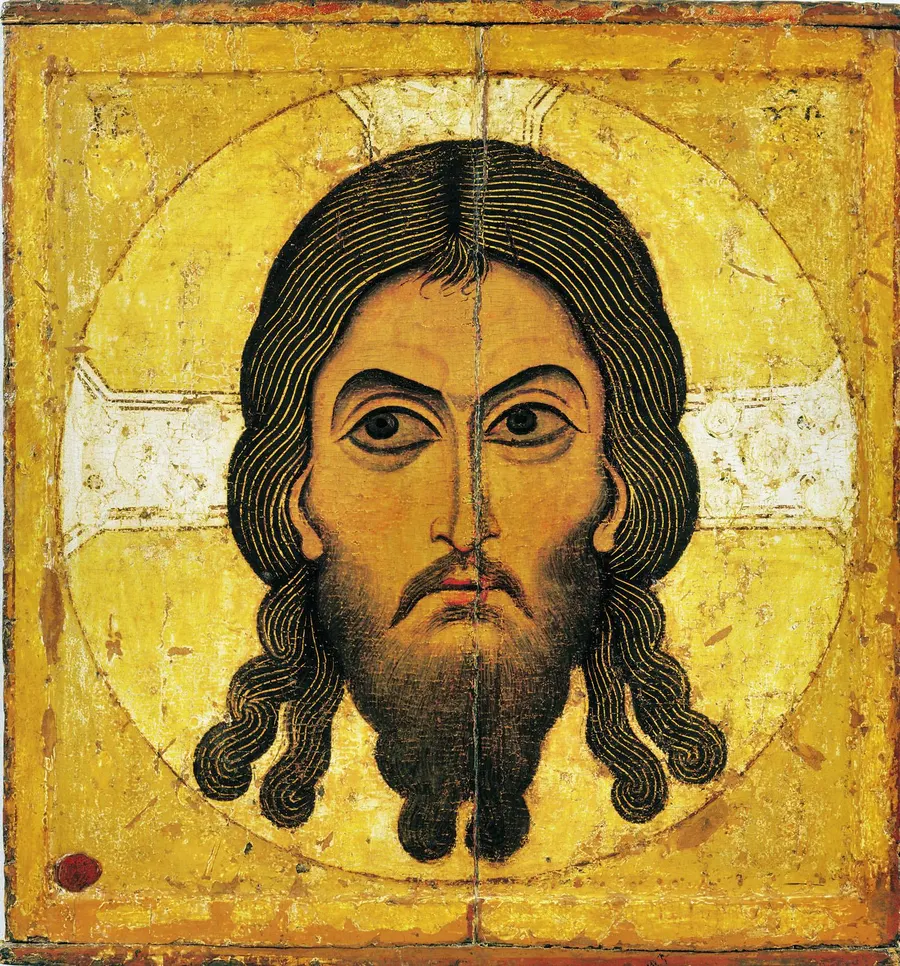
The Holy Face 'not made by hands', an icon of the Mandylion painted in Novgorod in the 12th century, now in the Tretyakov GalleryThe Holy Face ‘not made by hands’, an icon of the Mandylion painted in Novgorod in the 12th century, now in the Tretyakov GalleryImage: anonymous · Public domain
culture · Middle East

The Mandylion, the Image of Edessa, arrives in Constantinople

Christian legend told that King Abgar of Edessa, in what is now south-eastern Turkey, wrote to Jesus asking to be healed, and received in reply a cloth bearing the imprint of Christ’s face. The cloth, known as the Mandylion, was treasured at Edessa for centuries, long after the city passed under Muslim rule. In 944 a Byzantine army under the general John Kourkouas besieged Edessa, and the city’s rulers agreed to hand over the relic in exchange for Muslim prisoners held by the Byzantines. It was carried in triumph to Constantinople, and by church tradition it was placed in the palace church of the Virgin of the Pharos on 16 August 944. The Orthodox Church still keeps the day as the feast of its translation, and icons of the Holy Face became one of the best-loved images of Eastern Christian art.

Source: Orthodox Church in America: Translation of the Image Not Made by Hands from Edessa to Constantinople ↗
III
A CHANGING WORLD

Early Modern Era

Exploration, political change, scientific development and expanding global connections.

1777
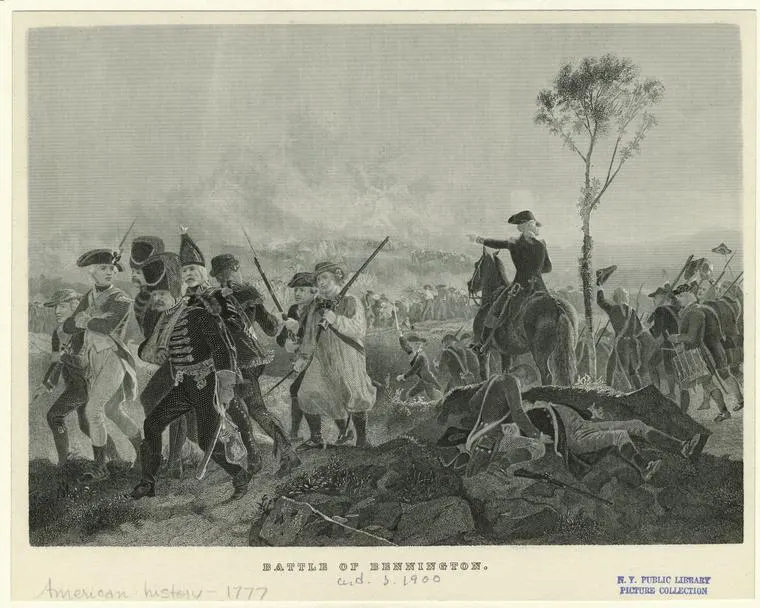
The Battle of Bennington, in an engraving after a painting by Alonzo ChappelThe Battle of Bennington, in an engraving after a painting by Alonzo ChappelImage: Engraving after a painting by Alonzo Chappel · Public domain
world · Americas

New England militia defeat Burgoyne’s raiders at Bennington

Short of horses and food on his march south from Canada, the British general John Burgoyne sent a force of German dragoons, Loyalists and Native allies under Lieutenant Colonel Friedrich Baum to seize supplies stored at Bennington in Vermont. On 16 August 1777, a few miles from the town, they were attacked by New Hampshire and Vermont militia under John Stark. Baum was mortally wounded and his force overwhelmed, and the losses weakened Burgoyne’s army two months before its surrender at Saratoga.

Source: American Battlefield Trust: Bennington ↗
IV
THE NINETEENTH CENTURY

The 1800s

Industry, empire, invention, reform and a century of enormous transformation.

1812
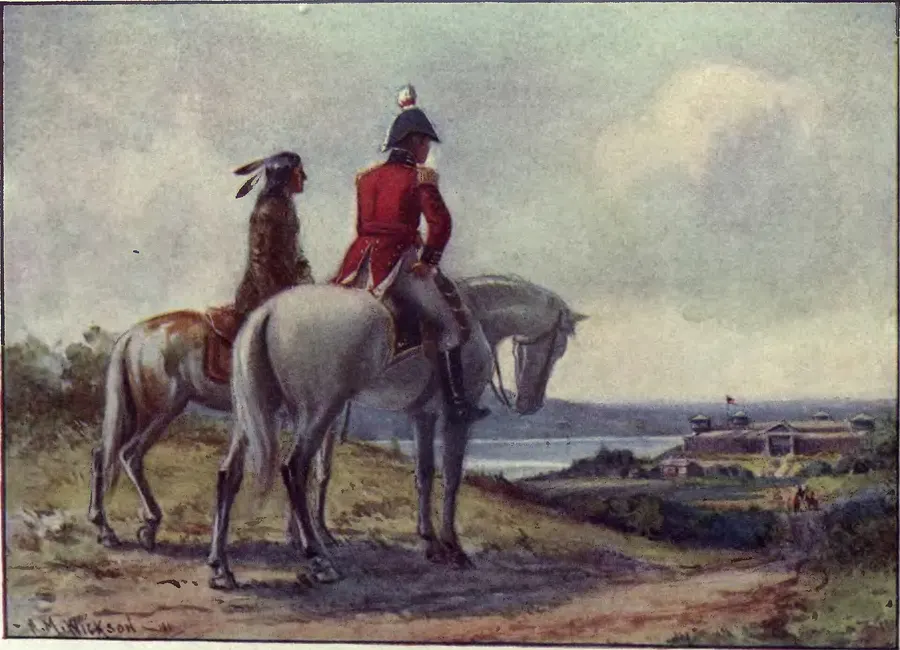
Tecumseh and Isaac Brock at Detroit, in a painting by Alfred Morton WicksonTecumseh and Isaac Brock at Detroit, in a painting by Alfred Morton WicksonImage: A.M. Wickson [Alfred Morton Wickson (1882-1947)] · Public domain
world · Americas

Detroit surrenders to Isaac Brock and Tecumseh

A month after the United States declared war on Britain in 1812, General William Hull led an American army across the Detroit River into Upper Canada, then fell back to Fort Detroit. The British commander Isaac Brock, joined by the Shawnee leader Tecumseh and his warriors, crossed the river after him on 16 August 1812 with a smaller force and prepared to attack. Hull, afraid of what an assault might bring, surrendered the fort and his army without a fight, a blow that helped keep Upper Canada British.

Source: Dictionary of Canadian Biography: Brock, Sir Isaac ↗
1819
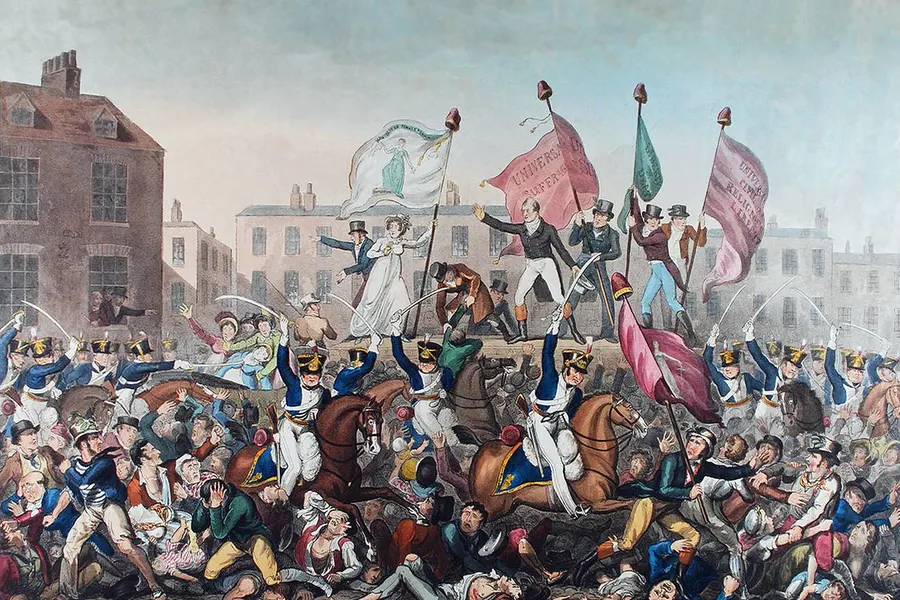
Yeomanry cavalry ride into the crowd at St Peter's Field, Manchester, in a print published by the radical Richard CarlileYeomanry cavalry ride into the crowd at St Peter’s Field, Manchester, in a print published by the radical Richard CarlileImage: Richard Carlile · Public domain
politics · Europe

Cavalry charge a reform meeting in Manchester: the Peterloo Massacre

After the end of the Napoleonic Wars, Britain’s northern industrial towns suffered unemployment and high bread prices, while fast-growing Manchester had no member of parliament of its own. Reformers called a great open-air meeting to demand a wider vote, and on 16 August 1819 a crowd of around 60,000 men, women and children, many in their Sunday best and marching behind banners, gathered at St Peter’s Field to hear the radical speaker Henry Hunt. The local magistrates, alarmed by the size of the crowd, sent the Manchester and Salford Yeomanry to arrest Hunt. The inexperienced volunteer cavalry hacked their way through the crowd with sabres, and regular hussars were then ordered in to clear the field. Accounts differ: at least 11 and probably 18 people were killed, and between 400 and 700 injured. A newspaper dubbed it ‘Peterloo’ in mockery of the victory at Waterloo. Hunt was jailed, and the government passed the Six Acts to curb meetings and the radical press, but the massacre became a rallying cry for parliamentary reform.

Source: The National Archives: The Peterloo Massacre, 1819 ↗
1896
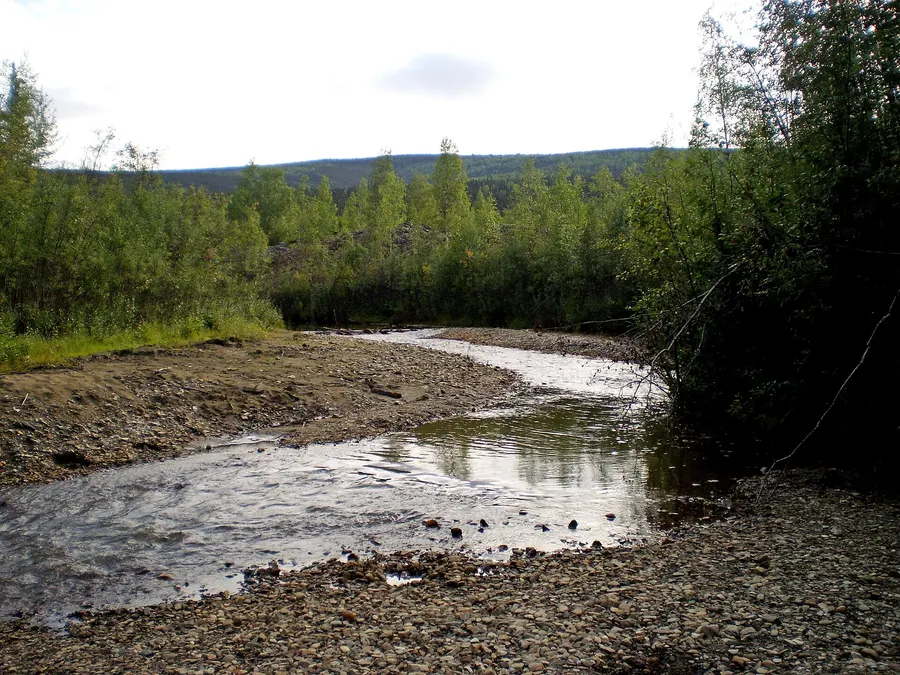
The Discovery Claim on Bonanza Creek in the Yukon, where gold was found in August 1896, photographed in 2009The Discovery Claim on Bonanza Creek in the Yukon, where gold was found in August 1896, photographed in 2009Image: JKBrooks85 · Public domain
world · Americas

Gold is found on Bonanza Creek, starting the Klondike rush

In the summer of 1896 the American prospector George Carmack was fishing and cutting timber near the mouth of the Klondike River in Canada’s far north-west with his wife Shaaw Tláa (Kate Carmack), her brother Keish, known as Skookum Jim, and their nephew Káa Goox, known as Dawson Charlie, all members of the Tagish First Nation. Acting on a tip from another prospector, Robert Henderson, they went up a small tributary then called Rabbit Creek. On the afternoon of 16 August 1896 they found rich deposits of gold in the gravels of the creek, and the next day they staked their claims. The stream was renamed Bonanza Creek, and miners already in the Yukon rushed to it. When ships carrying Klondike gold reached Seattle and San Francisco in July 1897, the news set off one of the greatest stampedes in history, with tens of thousands of people setting out for the goldfields over the mountain passes and the Yukon River. A government surveyor later concluded that Carmack, Skookum Jim and Dawson Charlie were the first discoverers.

Source: Parks Canada: Original Gold Discovery, National Historic Event ↗
V
THE TWENTIETH CENTURY

The 1900s

War and peace, technological leaps, social change, politics, sport and popular culture.

1930
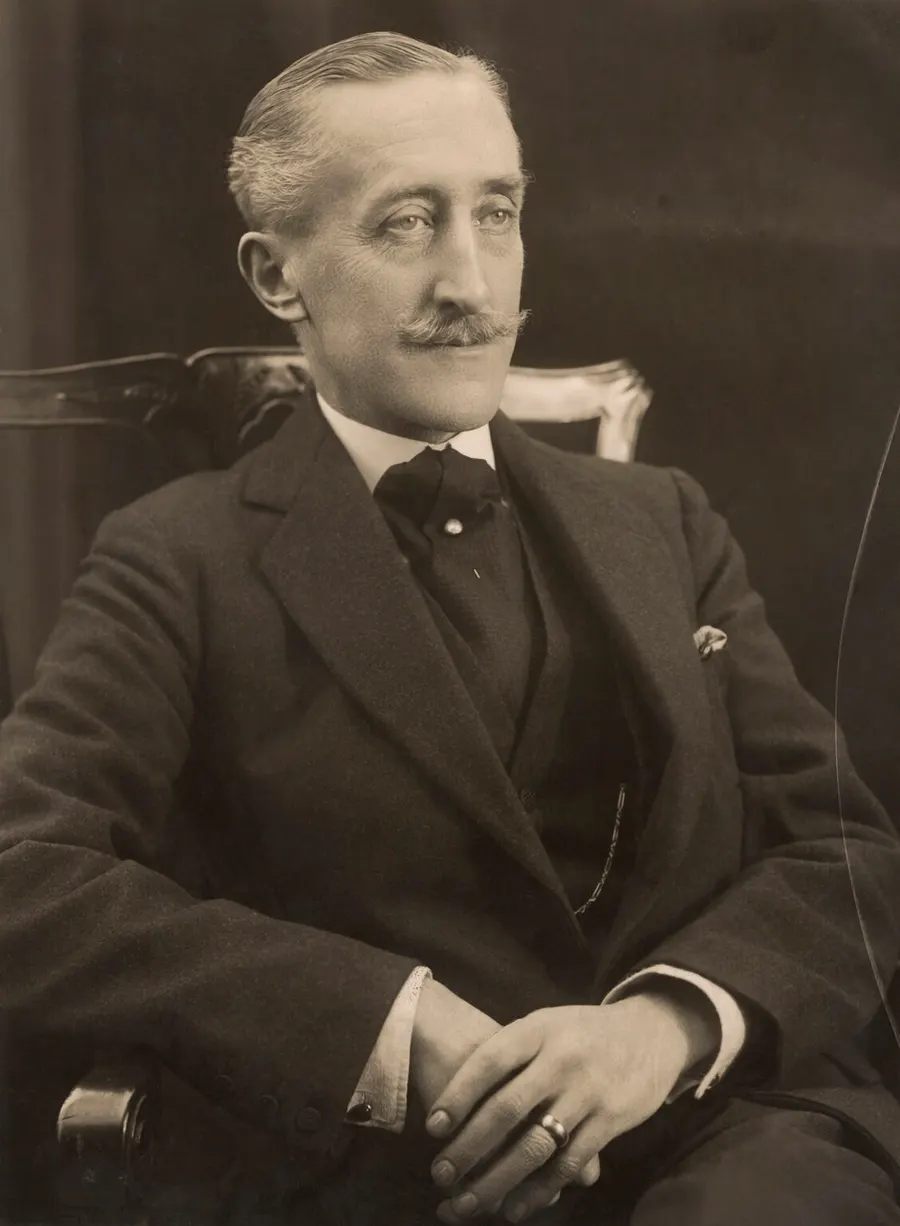
Lord Willingdon, Governor General of Canada, who took the salute at the opening of the first British Empire Games, in a portrait by Henry Walter BarnettLord Willingdon, Governor General of Canada, who took the salute at the opening of the first British Empire Games, in a portrait by Henry Walter BarnettImage: Henry Walter Barnett · Public domain
sport · Americas

The first British Empire Games open in Hamilton, Ontario

The idea of a sporting festival for the countries of the British Empire had been talked about since the 1890s, and in 1911 a Festival of Empire in London included athletics, boxing and swimming. It was a Canadian sports journalist, Bobby Robinson of Hamilton, who turned it into a regular event, persuading his city to host the first games and to help pay the travel costs of visiting teams. On 16 August 1930, declared a civic holiday in Hamilton, a crowd of more than 20,000 cheered as some 400 competitors from 11 nations marched past the Governor General of Canada, Lord Willingdon. Over the following week they competed in athletics, boxing, lawn bowls, rowing, swimming and diving and wrestling, with women taking part only in the swimming events. The games have been held every four years since, apart from the war years, and are now the Commonwealth Games.

Source: Commonwealth Sport: The history of the Hamilton 1930 Games ↗
1945
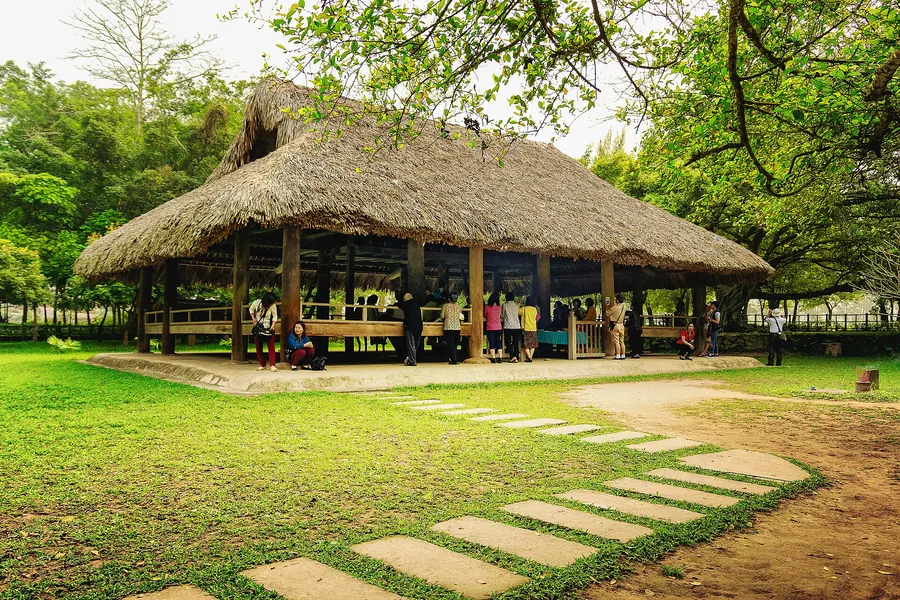
The communal house at Tân Trào in Tuyên Quang province, where the National Congress met in August 1945The communal house at Tân Trào in Tuyên Quang province, where the National Congress met in August 1945Image: Bùi Thụy Đào Nguyên · CC BY-SA 4.0
politics · Asia

Vietnam’s Tân Trào congress calls a general uprising

As Japan’s surrender left a vacuum of power in Indochina, delegates of the Viet Minh independence front met on the afternoon of 16 August 1945 in the communal house of Tân Trào, a village in the hills of Tuyên Quang province. Over two days the National Congress approved a general uprising and elected a National Liberation Committee headed by Ho Chi Minh. Within days the August Revolution had taken Hanoi, and on 2 September Ho declared Vietnam’s independence.

Source: National Assembly of Vietnam: Quốc dân Đại hội Tân Trào ↗
1960
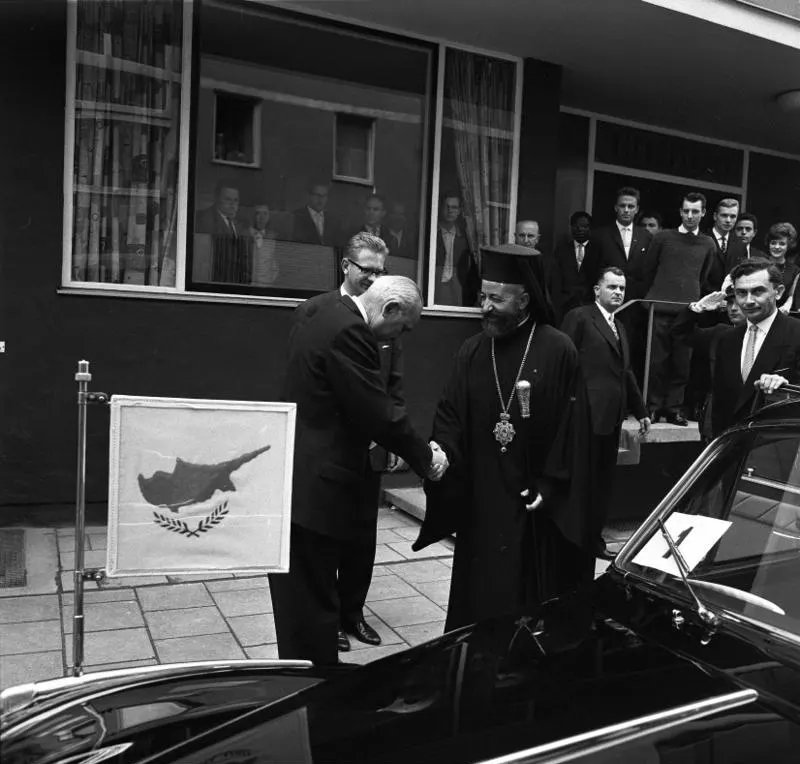
President Makarios of Cyprus, in clerical robes, beside a stand bearing his country's flag during a state visit to West Germany in the 1960sPresident Makarios of Cyprus, in clerical robes, beside a stand bearing his country’s flag during a state visit to West Germany in the 1960sImage: Steiner · CC BY-SA 3.0 de
politics · Europe

Cyprus becomes an independent republic

Britain took over the running of Cyprus from the Ottoman Empire in 1878, annexed it in 1914 and made it a crown colony in 1925. Most Greek Cypriots wanted enosis, union with Greece, while the Turkish Cypriot minority looked to Turkey and came to call for partition. In 1955 the Greek Cypriot underground organisation EOKA began an armed campaign against British rule, and the island slid into years of bombings, reprisals and emergency law. In 1959 Greece, Turkey and Britain agreed a settlement at Zürich and London: Cyprus would be neither Greek nor Turkish but an independent state, with power shared between the two communities. On 16 August 1960 the Republic of Cyprus was proclaimed, with Archbishop Makarios III as president and Fazıl Küçük as vice-president, while Britain kept two military base areas on the south coast. The power-sharing constitution broke down in fighting in 1963, and UN peacekeepers arrived the following year. Cyprus marks its Independence Day not in August but on 1 October.

Source: Government of Cyprus: Council of Ministers, background ↗
1960
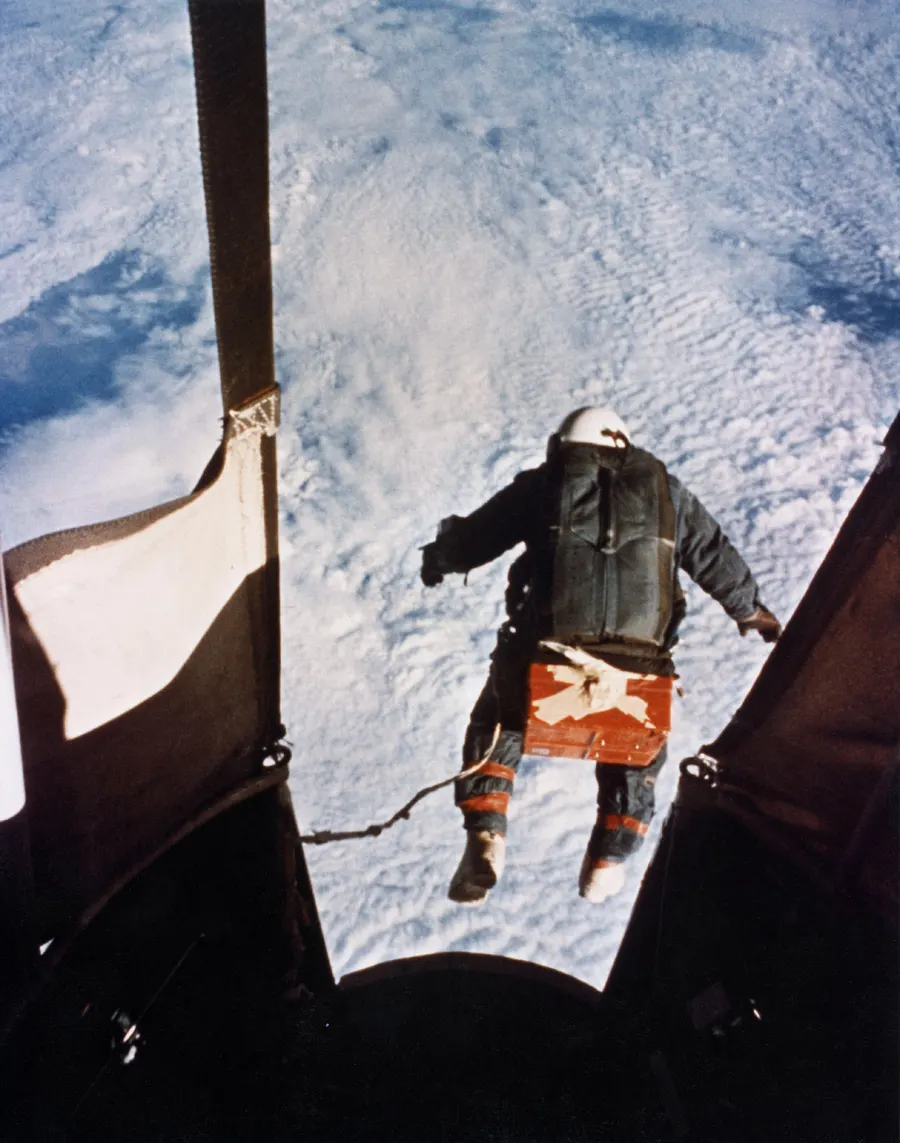
An automatic camera catches Joseph Kittinger as he steps from the Excelsior III gondola at 102,800 feet on 16 August 1960An automatic camera catches Joseph Kittinger as he steps from the Excelsior III gondola at 102,800 feet on 16 August 1960Image: U.S. Air Force/Volkmar Wentzel · Public domain
science · Americas

Joseph Kittinger jumps from the edge of space

In the late 1950s jet aircraft and rockets were climbing higher than ever, and the US Air Force needed to know whether a pilot forced to bail out at extreme altitude could survive the fall. Project Excelsior tested a new multi-stage parachute system, with a small stabilising drogue to stop a falling body spinning out of control, and Captain Joseph Kittinger made the test jumps himself from an open gondola hung beneath a helium balloon. Just before 7 a.m. on 16 August 1960, over New Mexico, Kittinger stepped out of Excelsior III at 102,800 feet, more than 31 kilometres up and above almost all of the atmosphere. He fell for 4 minutes and 36 seconds before his main parachute opened, reaching about 614 miles an hour, despite a pressure glove that failed and left one hand painfully swollen. His altitude record for a parachute jump stood for 52 years.

Source: Smithsonian National Air and Space Museum: The long, lonely leap ↗
1972
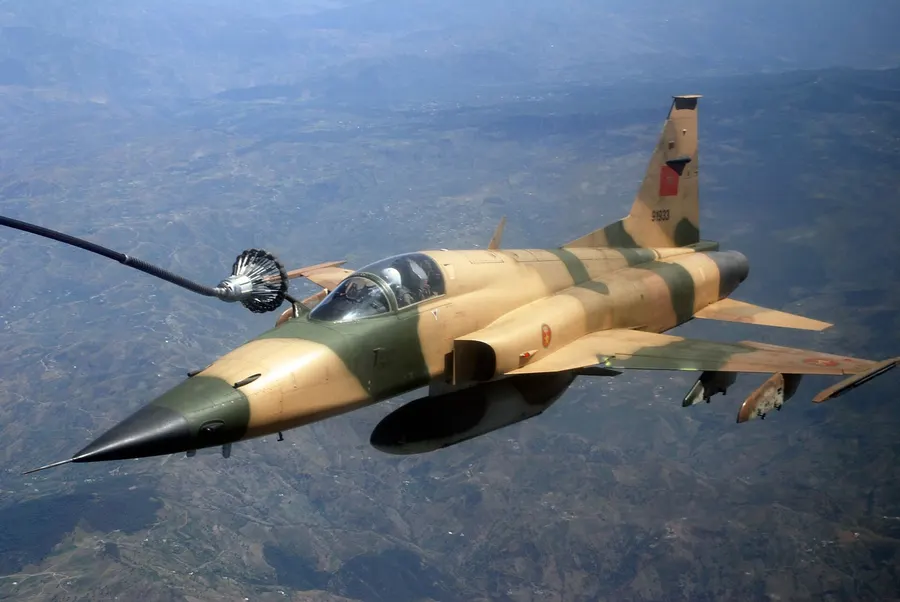
A Northrop F-5 fighter of the Royal Moroccan Air Force, the type that attacked the king's airliner in 1972, photographed in 2009A Northrop F-5 fighter of the Royal Moroccan Air Force, the type that attacked the king’s airliner in 1972, photographed in 2009Image: Rocco DeFilippis, U.S. Marine Corps · Public domain
politics · Africa

Rebel fighter jets fire on King Hassan II’s airliner

King Hassan II of Morocco had already survived one coup attempt, in July 1971, when cadets stormed his summer palace at Skhirat during his birthday party. Afterwards he placed great trust in his interior and then defence minister, General Mohamed Oufkir, who was given wide control over the armed forces. On 16 August 1972, as the king flew home from France in a Boeing 727, fighter jets of the Moroccan air force intercepted the airliner over the north of the country and raked it with gunfire. According to later accounts, the king’s pilot, or Hassan himself, radioed that the king was dying, and the attackers broke off. The damaged plane landed at Rabat, and the king escaped, though several people on board were killed. That night Oufkir was found dead, officially by his own hand. A US intelligence estimate the following month judged that there was good evidence he had been behind the plot.

Source: US Department of State, Office of the Historian: Special National Intelligence Estimate 61-1-72, Morocco ↗
1975
Prime Minister Gough Whitlam pours soil into the hand of Vincent Lingiari at Daguragu, photographed by Mervyn BishopPrime Minister Gough Whitlam pours soil into the hand of Vincent Lingiari at Daguragu, photographed by Mervyn BishopImage: Mervyn Bishop · Public domain
politics · Oceania

Gough Whitlam hands land back to the Gurindji

On 23 August 1966 Vincent Lingiari led about 200 Gurindji stockmen, house servants and their families off the British-owned Wave Hill cattle station in the Northern Territory, in protest at their pay and treatment. The strike soon became something larger: the Gurindji set up camp at Wattie Creek, on their own country, and asked for part of their traditional land to be returned. They held out for years, winning support from unions, students and churchgoers across Australia. On 16 August 1975 Prime Minister Gough Whitlam came to Daguragu to hand the Gurindji a lease over part of the station. As he gave Lingiari the deeds, he poured a handful of red earth into his palm, a sign, he said, that the land belonged to the Gurindji and their children for ever. Mervyn Bishop’s photograph of the moment became one of the best known in Australian history. The walk-off and the handback helped bring about the Aboriginal Land Rights (Northern Territory) Act of 1976.

Source: National Museum of Australia: Wave Hill walk-off ↗
1993
Ian Murdock, founder of the Debian projectIan Murdock, founder of the Debian projectImage: Ilya Schurov, Computerra Weekly · CC BY-SA 2.0
science · Global

Ian Murdock announces the Debian Linux release

On 16 August 1993 Ian Murdock posted a message to a Linux newsgroup announcing a new release of the free operating system that he was building ‘basically from scratch’, to be developed openly by volunteers. Debian grew into one of the largest volunteer software projects in the world, and many other Linux systems are built on it.

Source: Debian Project: A brief history of Debian, introduction ↗
VI
2000 TO TODAY

Modern Day

The events of recent decades that have already become part of the historical record.

2016
A Long March 2D rocket, the type that carried Micius into orbit, lifting off with the Venezuelan satellite VRSS-1 in 2012A Long March 2D rocket, the type that carried Micius into orbit, lifting off with the Venezuelan satellite VRSS-1 in 2012Image: Cristóbal Alvarado Minic · CC BY 2.0
science · Asia

China launches Micius, the first quantum communication satellite

In the early hours of 16 August 2016 a Long March 2D rocket lifted off from the Jiuquan launch centre in north-west China carrying the world’s first satellite designed for quantum communication experiments. Named Micius after Mozi, an ancient Chinese thinker credited with early experiments in optics, it was built to test ‘hack-proof’ quantum communication by sending secret keys from space to the ground and to study quantum entanglement over long distances.

Source: University of Science and Technology of China: Chinese satellite is one giant step for the quantum internet ↗
RESEARCH

Sources & Further Reading

Selected authoritative references supporting the events on this page.

WHY THESE MOMENTS?

Significance before volume

This page is not the longest possible list of events. It is a chronological journey through 16 August, where each entry is chosen for historical significance, human interest and reliability.

Facts are checked against authoritative museums, archives, universities and reference works. Where sources disagree, the page says so.

EXPLORED THE DEEPER STORY?

Return to the highlights of 16 August

Discover the lighter side of the date with famous birthdays, culture, firsts and lives remembered.

Explore This Day →
← PREVIOUS DAY15 August
HISTORY & TIMELINE16 August
NEXT DAY →17 August