Explore 16 August

Explore 16 August: Cyprus becomes an independent republic, Gough Whitlam pours a handful of soil into Vincent Lingiari’s palm, gold is found on a Yukon creek, cavalry charge a reform meeting in Manchester and rebel jets open fire on the King of Morocco’s plane. Born today: Wilhelm Wundt, Elsie Inglis and Madonna.

This day through time →13 verified events across 5 eras

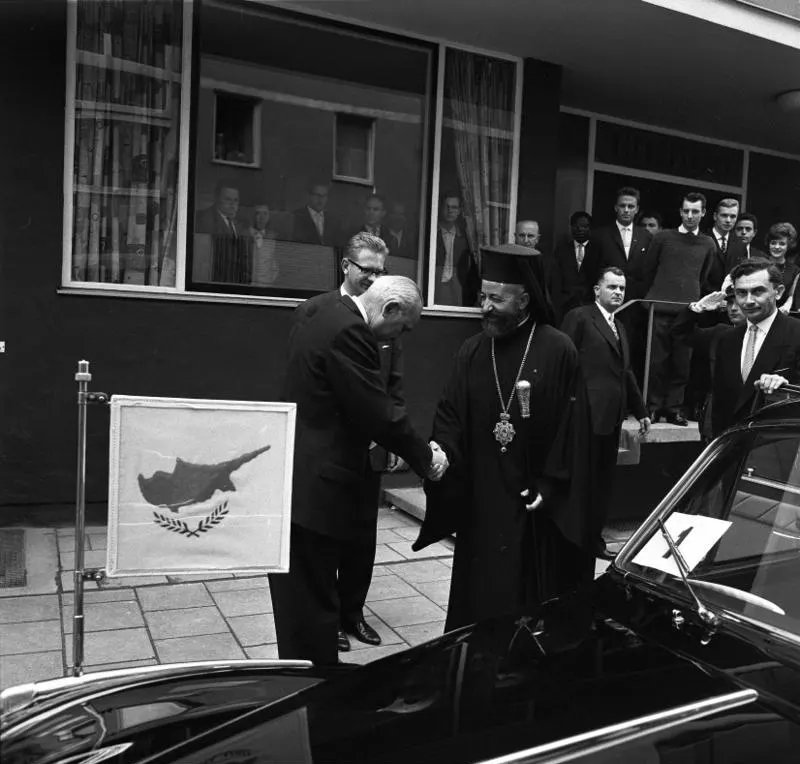
President Makarios of Cyprus, in clerical robes, beside a stand bearing his country's flag during a state visit to West Germany in the 1960s
President Makarios of Cyprus, in clerical robes, beside a stand bearing his country’s flag during a state visit to West Germany in the 1960s
Image creditSteiner · CC BY-SA 3.0 deResized and cropped for display.

Cyprus becomes an independent republic

Britain took over the running of Cyprus from the Ottoman Empire in 1878, annexed it in 1914 and made it a crown colony in 1925. Most Greek Cypriots wanted enosis, union with Greece, while the Turkish Cypriot minority looked to Turkey and came to call for partition. In 1955 the Greek Cypriot underground organisation EOKA began an armed campaign against British rule, and the island slid into years of bombings, reprisals and emergency law.

In 1959 Greece, Turkey and Britain agreed a settlement at Zürich and London: Cyprus would be neither Greek nor Turkish but an independent state, with power shared between the two communities. On 16 August 1960 the Republic of Cyprus was proclaimed, with Archbishop Makarios III as president and Fazıl Küçük as vice-president, while Britain kept two military base areas on the south coast. The power-sharing constitution broke down in fighting in 1963, and UN peacekeepers arrived the following year. Cyprus marks its Independence Day not in August but on 1 October.

Read the full storyHistory & Timeline →Source: Government of Cyprus: Council of Ministers, background ↗
Prime Minister Gough Whitlam pours soil into the hand of Vincent Lingiari at Daguragu, photographed by Mervyn Bishop
Image creditMervyn Bishop · Public domainResized and cropped for display.

Gough Whitlam hands land back to the Gurindji

On 23 August 1966 Vincent Lingiari led about 200 Gurindji stockmen, house servants and their families off the British-owned Wave Hill cattle station in the Northern Territory, in protest at their pay and treatment. The strike soon became something larger: the Gurindji set up camp at Wattie Creek, on their own country, and asked for part of their traditional land to be returned. They held out for years, winning support from unions, students and churchgoers across Australia.

On 16 August 1975 Prime Minister Gough Whitlam came to Daguragu to hand the Gurindji a lease over part of the station. As he gave Lingiari the deeds, he poured a handful of red earth into his palm, a sign, he said, that the land belonged to the Gurindji and their children for ever. Mervyn Bishop’s photograph of the moment became one of the best known in Australian history. The walk-off and the handback helped bring about the Aboriginal Land Rights (Northern Territory) Act of 1976.

Read the full storyHistory & Timeline →Source: National Museum of Australia: Wave Hill walk-off ↗
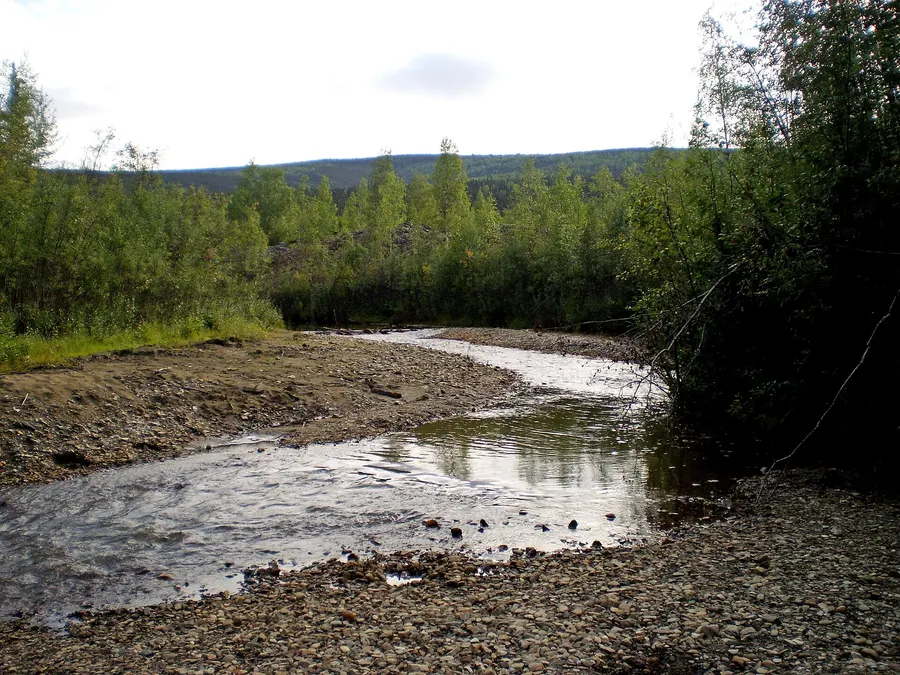
The Discovery Claim on Bonanza Creek in the Yukon, where gold was found in August 1896, photographed in 2009
Image creditJKBrooks85 · Public domainResized and cropped for display.

Gold is found on Bonanza Creek, starting the Klondike rush

In the summer of 1896 the American prospector George Carmack was fishing and cutting timber near the mouth of the Klondike River in Canada’s far north-west with his wife Shaaw Tláa (Kate Carmack), her brother Keish, known as Skookum Jim, and their nephew Káa Goox, known as Dawson Charlie, all members of the Tagish First Nation. Acting on a tip from another prospector, Robert Henderson, they went up a small tributary then called Rabbit Creek.

On the afternoon of 16 August 1896 they found rich deposits of gold in the gravels of the creek, and the next day they staked their claims. The stream was renamed Bonanza Creek, and miners already in the Yukon rushed to it. When ships carrying Klondike gold reached Seattle and San Francisco in July 1897, the news set off one of the greatest stampedes in history, with tens of thousands of people setting out for the goldfields over the mountain passes and the Yukon River. A government surveyor later concluded that Carmack, Skookum Jim and Dawson Charlie were the first discoverers.

Read the full storyHistory & Timeline →Source: Parks Canada: Original Gold Discovery, National Historic Event ↗
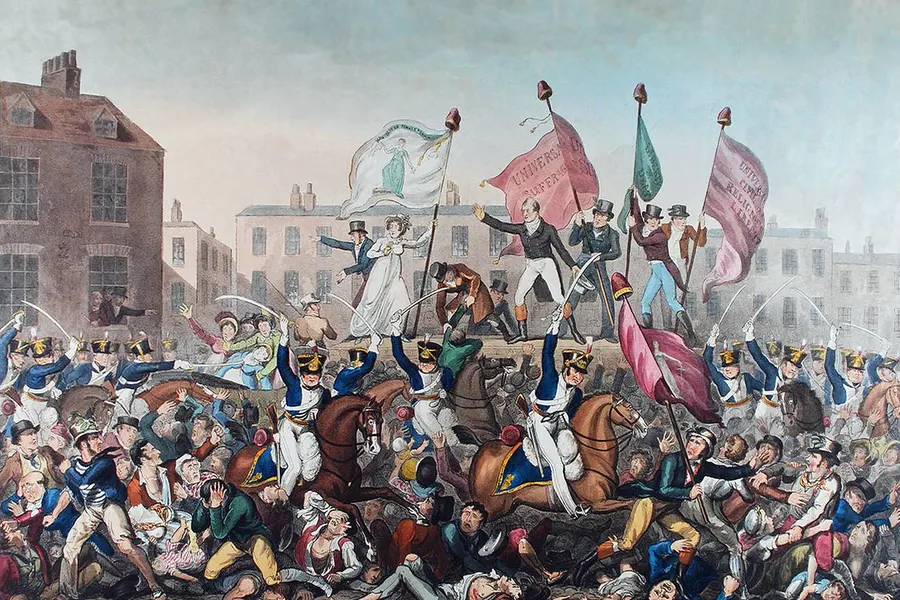
Yeomanry cavalry ride into the crowd at St Peter's Field, Manchester, in a print published by the radical Richard Carlile
Yeomanry cavalry ride into the crowd at St Peter’s Field, Manchester, in a print published by the radical Richard Carlile
Image creditRichard Carlile · Public domainResized and cropped for display.

Cavalry charge a reform meeting in Manchester: the Peterloo Massacre

After the end of the Napoleonic Wars, Britain’s northern industrial towns suffered unemployment and high bread prices, while fast-growing Manchester had no member of parliament of its own. Reformers called a great open-air meeting to demand a wider vote, and on 16 August 1819 a crowd of around 60,000 men, women and children, many in their Sunday best and marching behind banners, gathered at St Peter’s Field to hear the radical speaker Henry Hunt.

The local magistrates, alarmed by the size of the crowd, sent the Manchester and Salford Yeomanry to arrest Hunt. The inexperienced volunteer cavalry hacked their way through the crowd with sabres, and regular hussars were then ordered in to clear the field. Accounts differ: at least 11 and probably 18 people were killed, and between 400 and 700 injured. A newspaper dubbed it ‘Peterloo’ in mockery of the victory at Waterloo. Hunt was jailed, and the government passed the Six Acts to curb meetings and the radical press, but the massacre became a rallying cry for parliamentary reform.

Read the full storyHistory & Timeline →Source: The National Archives: The Peterloo Massacre, 1819 ↗
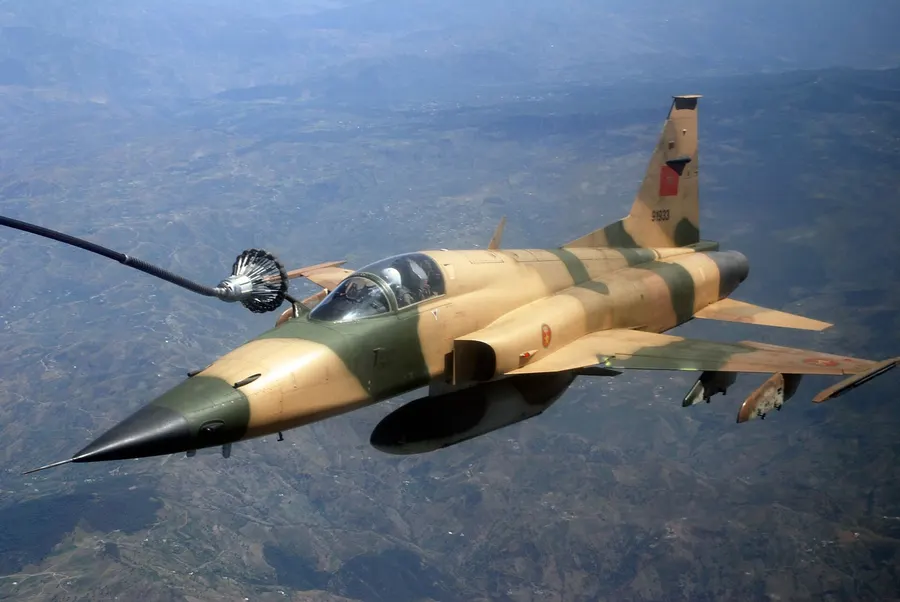
A Northrop F-5 fighter of the Royal Moroccan Air Force, the type that attacked the king's airliner in 1972, photographed in 2009
A Northrop F-5 fighter of the Royal Moroccan Air Force, the type that attacked the king’s airliner in 1972, photographed in 2009
Image creditRocco DeFilippis, U.S. Marine Corps · Public domainResized and cropped for display.

Rebel fighter jets fire on King Hassan II’s airliner

King Hassan II of Morocco had already survived one coup attempt, in July 1971, when cadets stormed his summer palace at Skhirat during his birthday party. Afterwards he placed great trust in his interior and then defence minister, General Mohamed Oufkir, who was given wide control over the armed forces.

On 16 August 1972, as the king flew home from France in a Boeing 727, fighter jets of the Moroccan air force intercepted the airliner over the north of the country and raked it with gunfire. According to later accounts, the king’s pilot, or Hassan himself, radioed that the king was dying, and the attackers broke off. The damaged plane landed at Rabat, and the king escaped, though several people on board were killed. That night Oufkir was found dead, officially by his own hand. A US intelligence estimate the following month judged that there was good evidence he had been behind the plot.

Read the full storyHistory & Timeline →Source: US Department of State, Office of the Historian: Special National Intelligence Estimate 61-1-72, Morocco ↗

♙
PEOPLE

Born Today

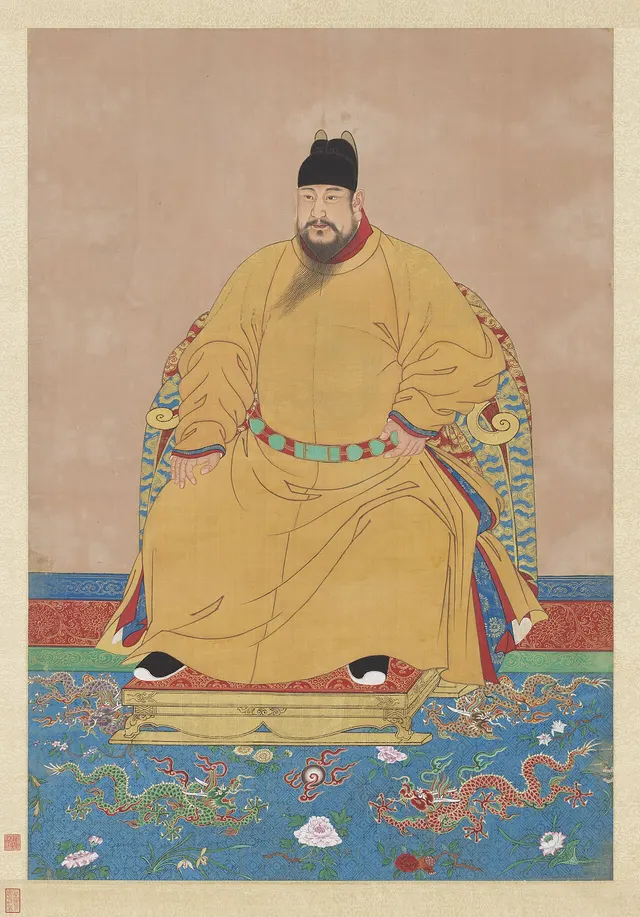
Hongxi Emperor
Image creditUnknown author · Public domainResized and cropped for display.

Hongxi Emperor

Fourth emperor of China’s Ming dynasty, who in a reign of less than a year turned away from his father’s costly wars and halted the great treasure voyages of Zheng He.

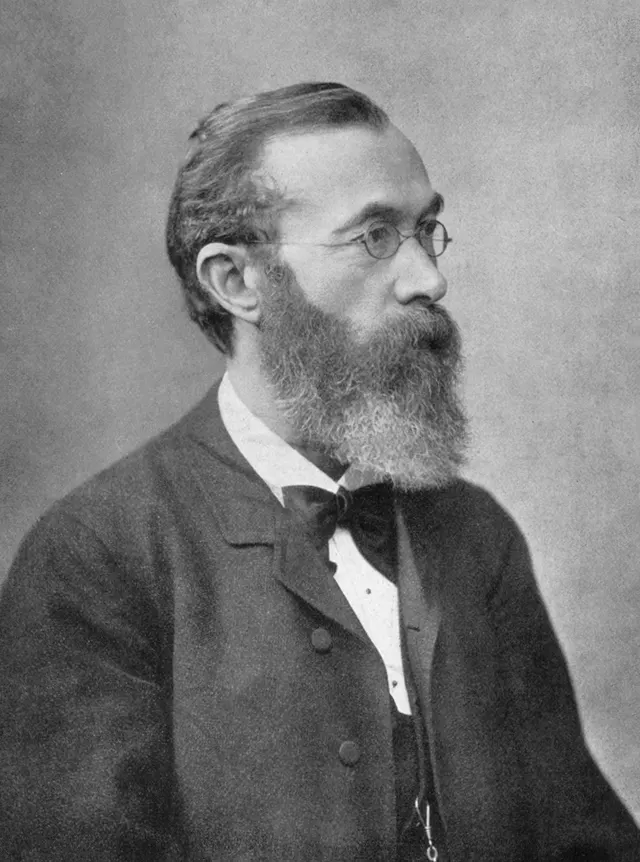
Wilhelm Wundt
Image creditUnknown author · Public domainResized and cropped for display.

Wilhelm Wundt

German physiologist and philosopher who opened the first laboratory of experimental psychology at Leipzig in 1879 and is often called the founder of modern psychology.

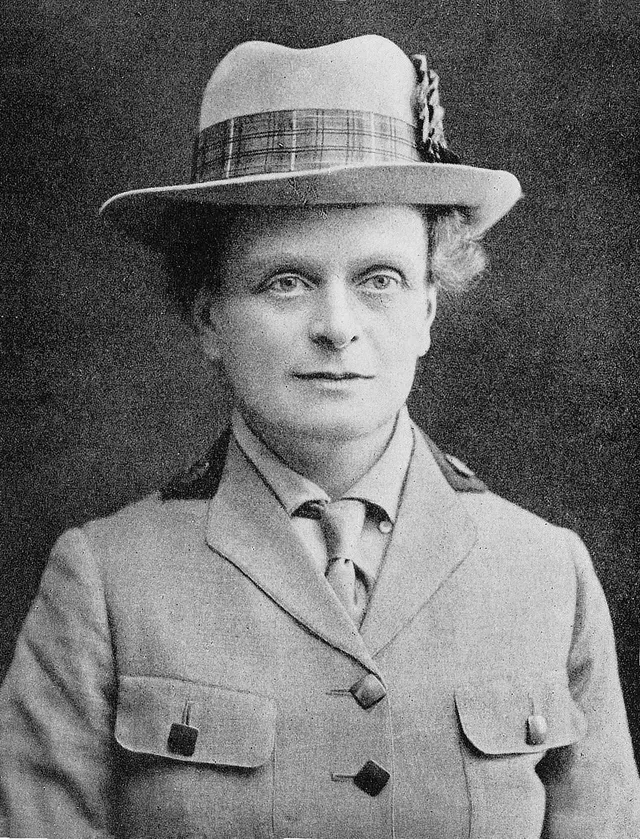
Elsie Inglis
Image creditBalfour, Lady Francis · CC BY 4.0Resized and cropped for display.

Elsie Inglis

Scottish doctor and suffragist who founded the Scottish Women’s Hospitals, whose all-female units served in Serbia, France and Russia in the First World War.

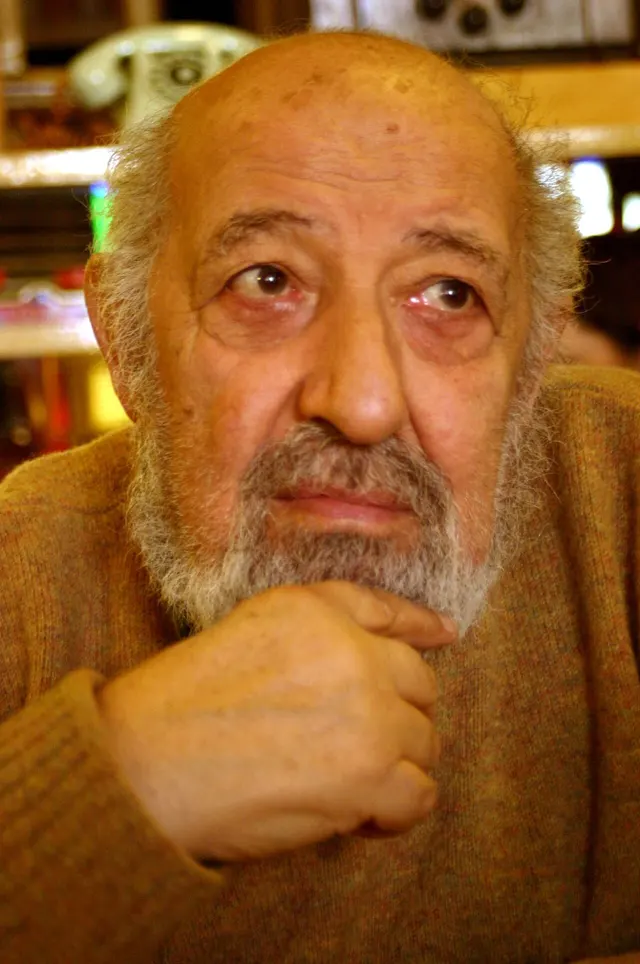
Ara Güler
Image creditFrancis Payne · CC BY-SA 3.0Resized and cropped for display.

Ara Güler

Turkish photojournalist, known as ‘the Eye of Istanbul’, whose black-and-white pictures recorded the life of the city through the second half of the 20th century.

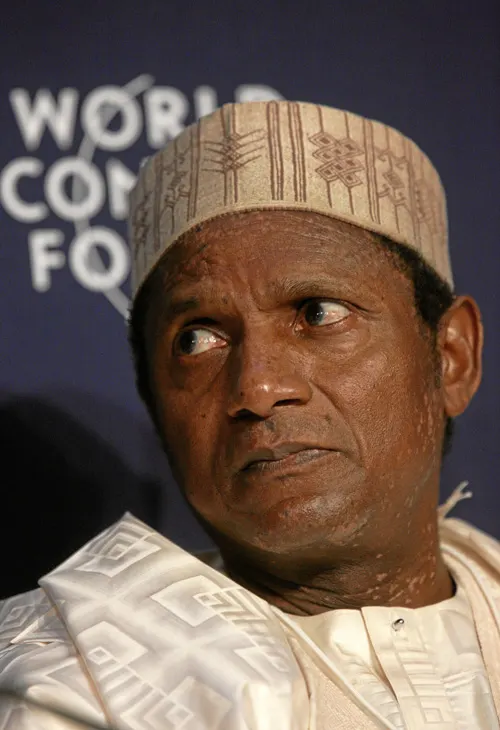
Umaru Musa Yar'Adua
Image creditWorld Economic Forum from Cologny, Switzerland · CC BY-SA 2.0Resized and cropped for display.

Umaru Musa Yar’Adua

Governor of Katsina State who became President of Nigeria in 2007 and offered an amnesty to militants in the Niger Delta before his death in office in 2010.

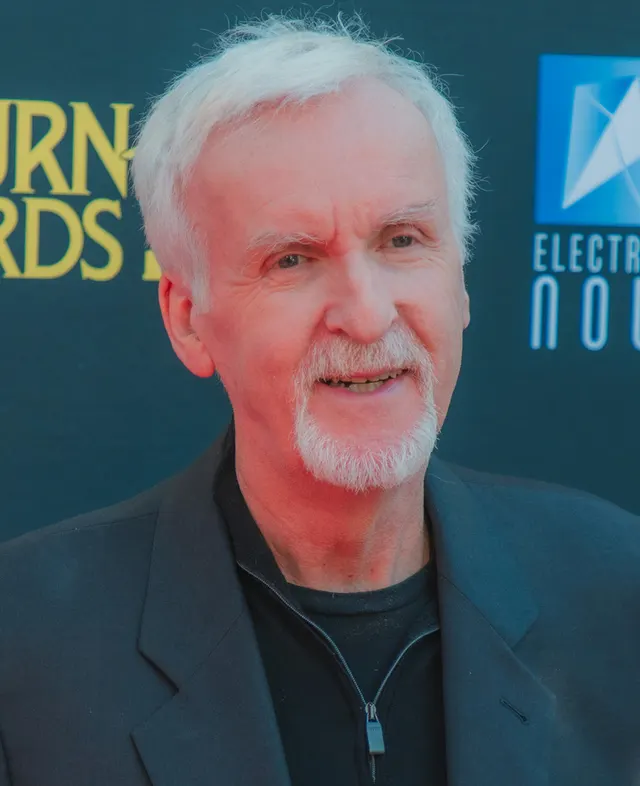
James Cameron
Image creditKevin Paul · CC BY 4.0Resized and cropped for display.

James Cameron

Canadian film director of The Terminator, Titanic and Avatar, who in 2012 dived alone to the deepest point of the ocean in the Mariana Trench.

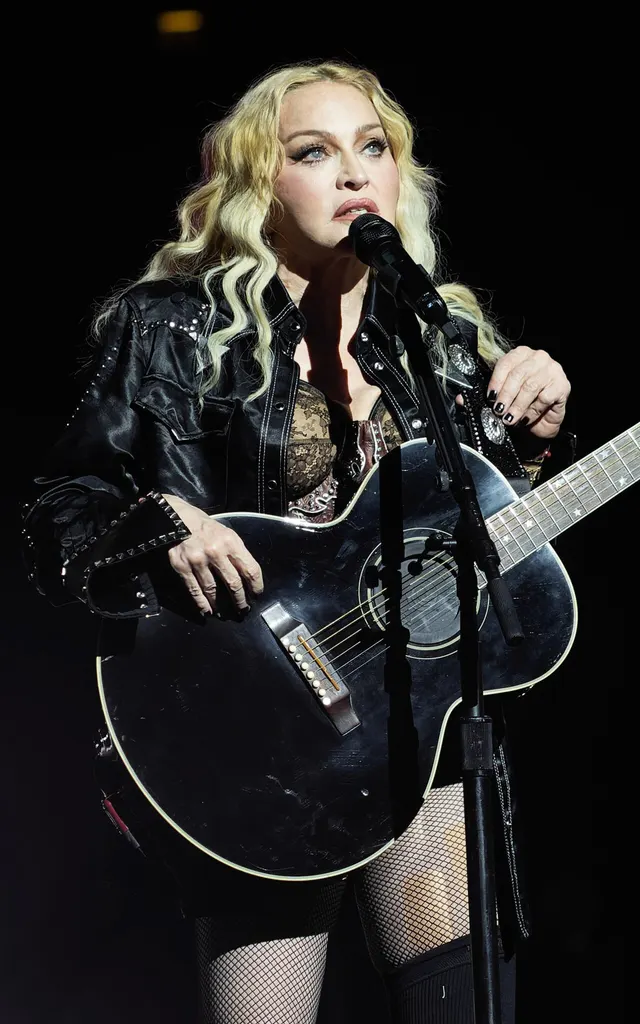
Madonna
Image creditRaph_PH · CC BY 2.0Resized and cropped for display.

Madonna

American singer, songwriter and actor whose hits from ‘Like a Virgin’ to ‘Vogue’ and constant reinvention made her the best-selling female recording artist of her era.

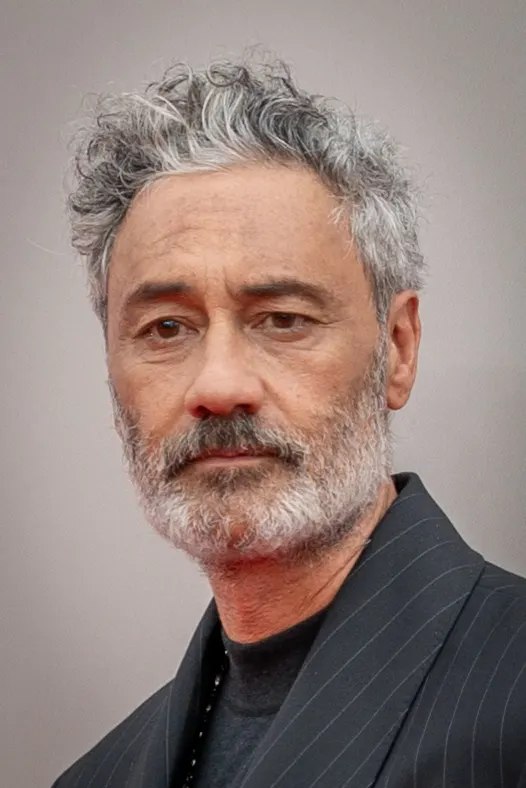
Taika Waititi
Image creditCaseyJNewell · CC BY-SA 4.0Resized and cropped for display.

Taika Waititi

New Zealand film-maker and actor of Māori and Jewish descent whose films include Hunt for the Wilderpeople, Thor: Ragnarok and Jojo Rabbit.

◉
IDEAS THAT CHANGED THINGS

Firsts, Science & Discoveries

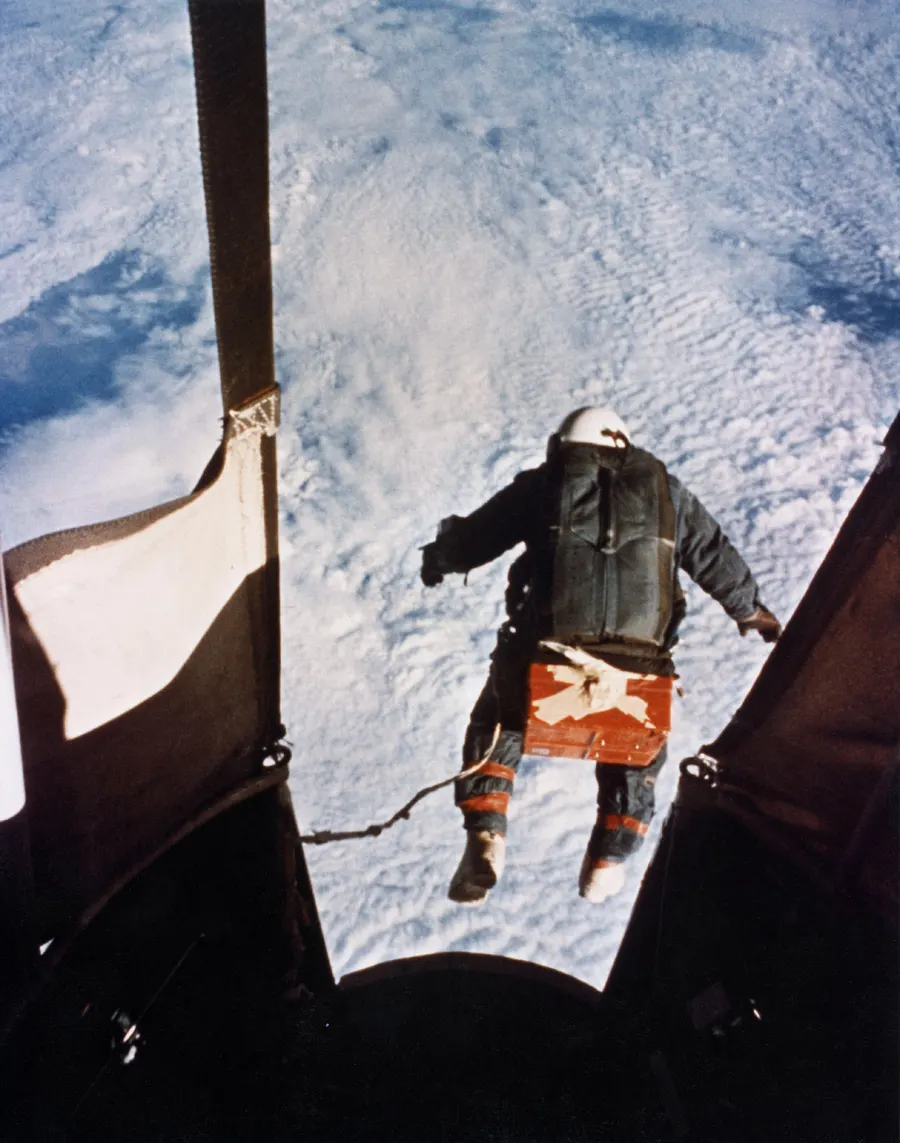
An automatic camera catches Joseph Kittinger as he steps from the Excelsior III gondola at 102,800 feet on 16 August 1960
Image creditU.S. Air Force/Volkmar Wentzel · Public domainResized and cropped for display.

Joseph Kittinger jumps from the edge of space

In the late 1950s jet aircraft and rockets were climbing higher than ever, and the US Air Force needed to know whether a pilot forced to bail out at extreme altitude could survive the fall. Project Excelsior tested a new multi-stage parachute system, with a small stabilising drogue to stop a falling body spinning out of control, and Captain Joseph Kittinger made the test jumps himself from an open gondola hung beneath a helium balloon.

Just before 7 a.m. on 16 August 1960, over New Mexico, Kittinger stepped out of Excelsior III at 102,800 feet, more than 31 kilometres up and above almost all of the atmosphere. He fell for 4 minutes and 36 seconds before his main parachute opened, reaching about 614 miles an hour, despite a pressure glove that failed and left one hand painfully swollen. His altitude record for a parachute jump stood for 52 years.

Read the full storyHistory & Timeline →Source: Smithsonian National Air and Space Museum: The long, lonely leap ↗
☆
SPORTING HISTORY

Sporting Moments

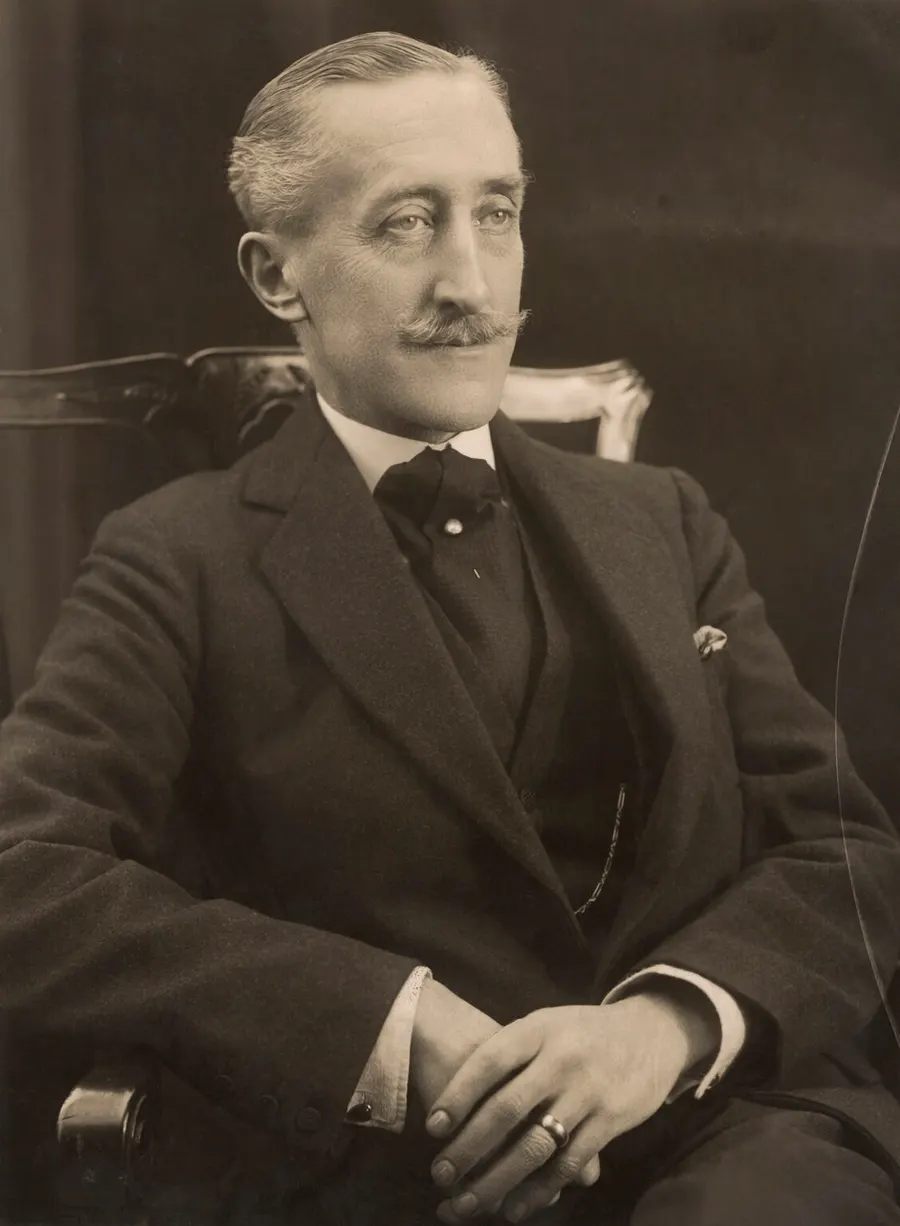
Lord Willingdon, Governor General of Canada, who took the salute at the opening of the first British Empire Games, in a portrait by Henry Walter Barnett
Image creditHenry Walter Barnett · Public domainResized and cropped for display.

The first British Empire Games open in Hamilton, Ontario

The idea of a sporting festival for the countries of the British Empire had been talked about since the 1890s, and in 1911 a Festival of Empire in London included athletics, boxing and swimming. It was a Canadian sports journalist, Bobby Robinson of Hamilton, who turned it into a regular event, persuading his city to host the first games and to help pay the travel costs of visiting teams.

On 16 August 1930, declared a civic holiday in Hamilton, a crowd of more than 20,000 cheered as some 400 competitors from 11 nations marched past the Governor General of Canada, Lord Willingdon. Over the following week they competed in athletics, boxing, lawn bowls, rowing, swimming and diving and wrestling, with women taking part only in the swimming events. The games have been held every four years since, apart from the war years, and are now the Commonwealth Games.

Read the full storyHistory & Timeline →Source: Commonwealth Sport: The history of the Hamilton 1930 Games ↗
♫
MUSIC • FILM • BOOKS • CULTURE

Culture Stories

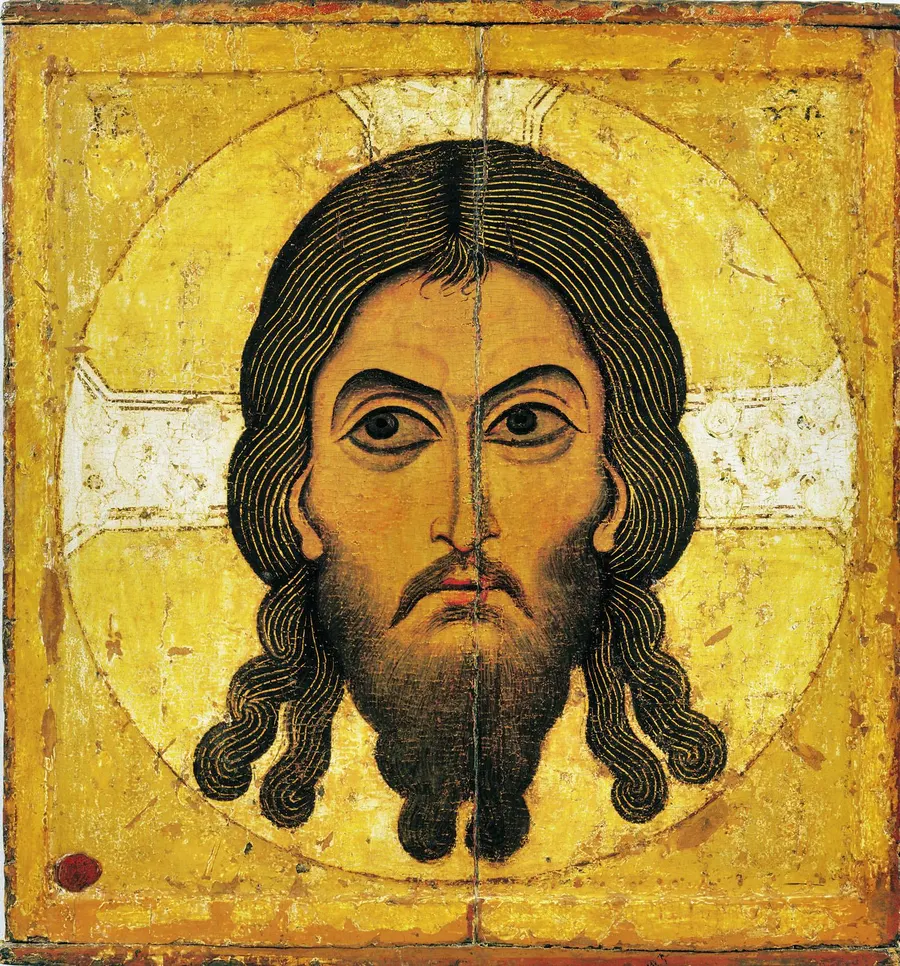
The Holy Face 'not made by hands', an icon of the Mandylion painted in Novgorod in the 12th century, now in the Tretyakov Gallery
The Holy Face ‘not made by hands’, an icon of the Mandylion painted in Novgorod in the 12th century, now in the Tretyakov Gallery
Image creditanonymous · Public domainResized and cropped for display.

The Mandylion, the Image of Edessa, arrives in Constantinople

Christian legend told that King Abgar of Edessa, in what is now south-eastern Turkey, wrote to Jesus asking to be healed, and received in reply a cloth bearing the imprint of Christ’s face. The cloth, known as the Mandylion, was treasured at Edessa for centuries, long after the city passed under Muslim rule.

In 944 a Byzantine army under the general John Kourkouas besieged Edessa, and the city’s rulers agreed to hand over the relic in exchange for Muslim prisoners held by the Byzantines. It was carried in triumph to Constantinople, and by church tradition it was placed in the palace church of the Virgin of the Pharos on 16 August 944. The Orthodox Church still keeps the day as the feast of its translation, and icons of the Holy Face became one of the best-loved images of Eastern Christian art.

Read the full storyHistory & Timeline →Source: Orthodox Church in America: Translation of the Image Not Made by Hands from Edessa to Constantinople ↗
✦
LIVES REMEMBERED

Remembered Today

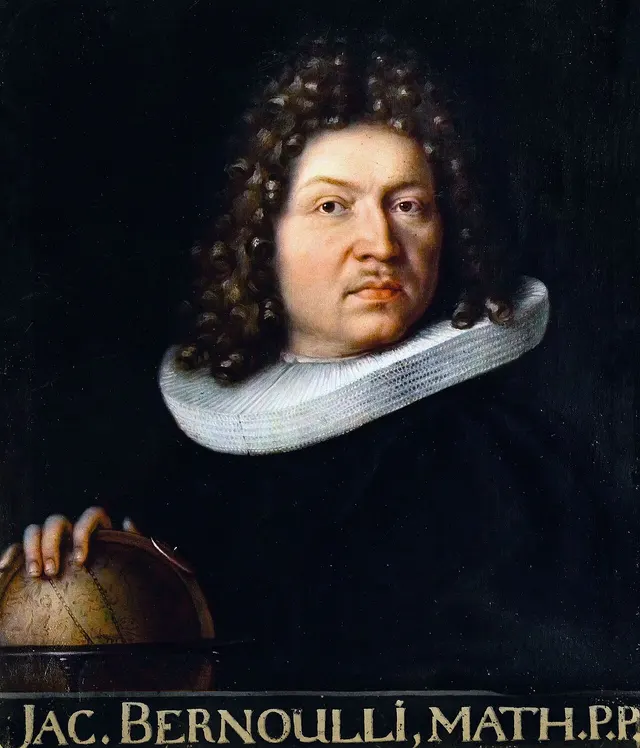
Jacob Bernoulli
Image creditNiklaus Bernoulli (1662-1716) · Public domainResized and cropped for display.

Jacob Bernoulli

Swiss mathematician of Basel, the first of a famous family of scientists, whose work on chance gave probability theory its law of large numbers.

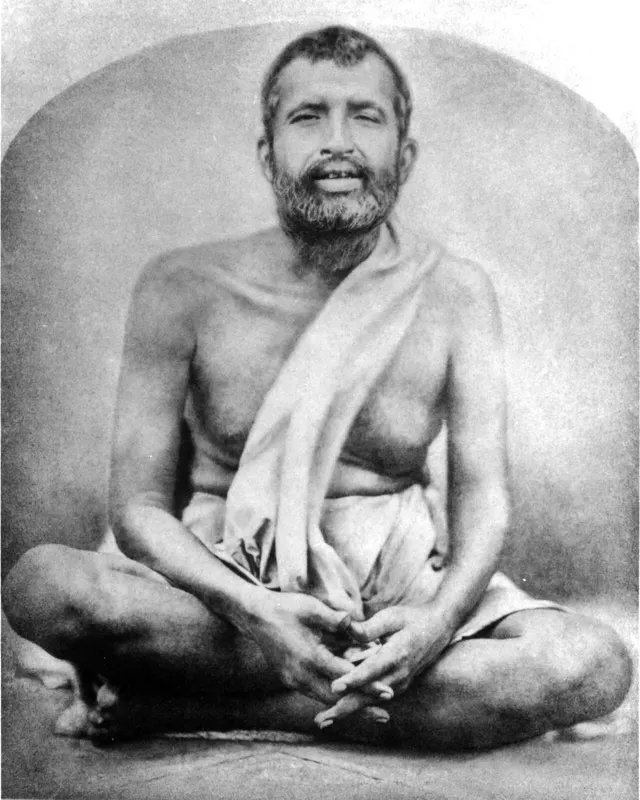
Ramakrishna
Image creditAbinash Chandra Dna · Public domainResized and cropped for display.

Ramakrishna

Bengali Hindu mystic and teacher at the Dakshineswar temple near Calcutta, whose disciple Swami Vivekananda carried his ideas around the world.

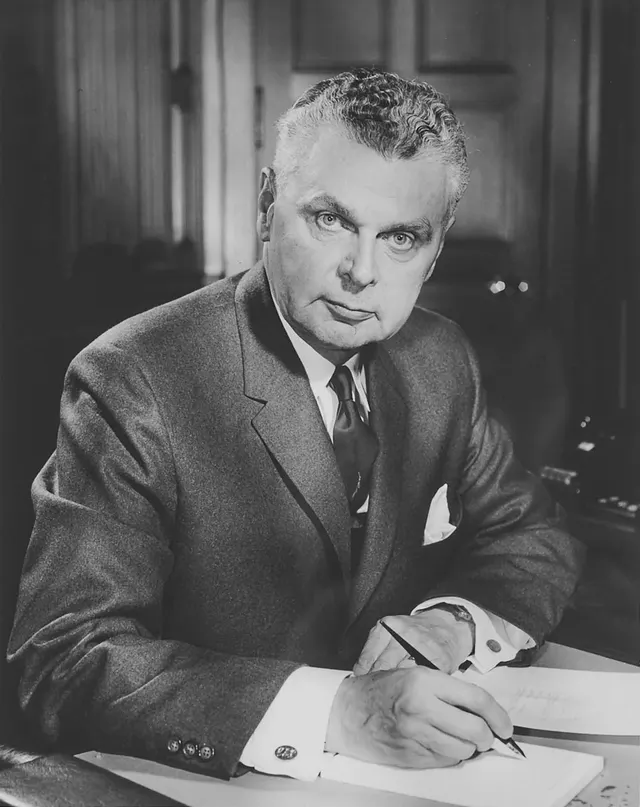
John Diefenbaker
Image creditGar Lunney · Public domainResized and cropped for display.

John Diefenbaker

Prime Minister of Canada from 1957 to 1963, a lawyer from the prairies whose government passed the Canadian Bill of Rights in 1960.

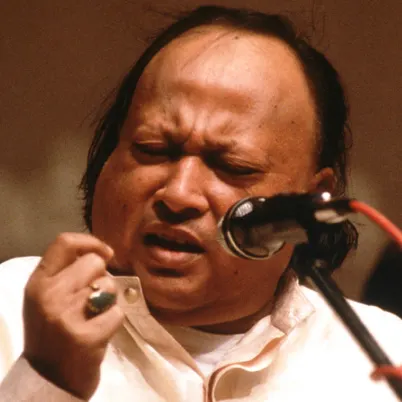
Nusrat Fateh Ali Khan
Image creditThomas Rome · CC BY 2.0Resized and cropped for display.

Nusrat Fateh Ali Khan

Pakistani singer whose soaring voice brought qawwali, the devotional music of the Sufis, to audiences around the world.

☉
AROUND THE WORLD

Observances & Anniversaries

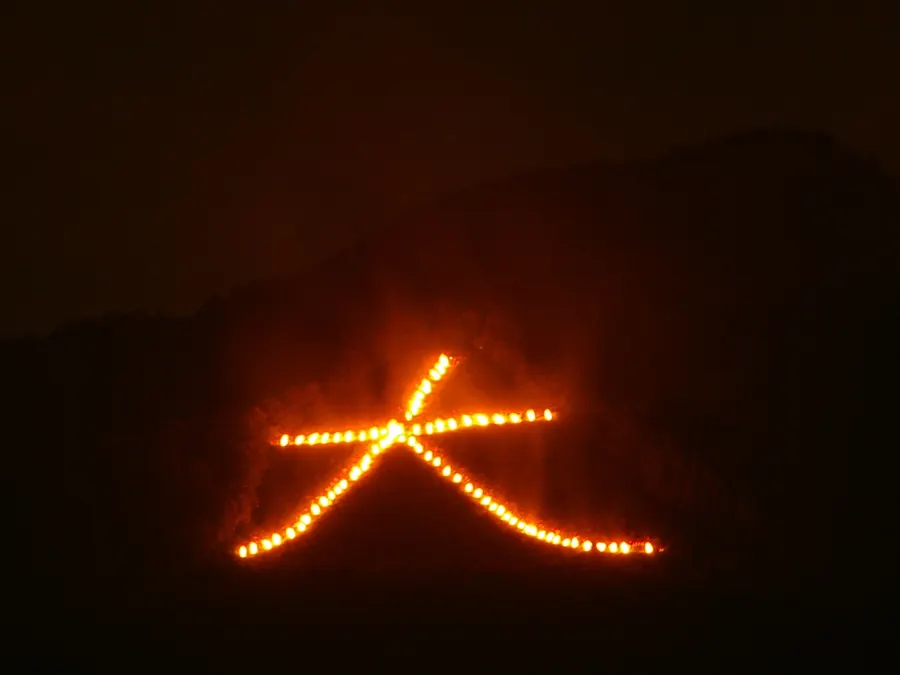
The character 'dai', meaning 'great', burns on the mountainside above Kyoto during the Gozan Okuribi
The character ‘dai’, meaning ‘great’, burns on the mountainside above Kyoto during the Gozan Okuribi
Image creditJ_o · CC BY-SA 3.0Resized and cropped for display.

Gozan Okuribi, Kyoto’s farewell bonfires

During the Buddhist festival of Obon, from 13 to 16 August, Japanese families welcome the spirits of their ancestors back to their homes. In Kyoto the festival ends with the Gozan Okuribi, the ‘five mountain send-off fires’, which light the spirits’ way back to the other world. The custom is thought to have become an annual event between the 15th and the 17th centuries.

From 8 p.m. on 16 August, great bonfires are lit one after another on five mountains around the city, forming the Chinese character for ‘great’ on two of them, the words ‘myō-hō’, from Buddhist teaching, a ship and a shrine gate. Crowds gather along the banks of the Kamo River to watch.

Source: Kyoto City Tourism Association: Gozan Okuribi bonfires ↗
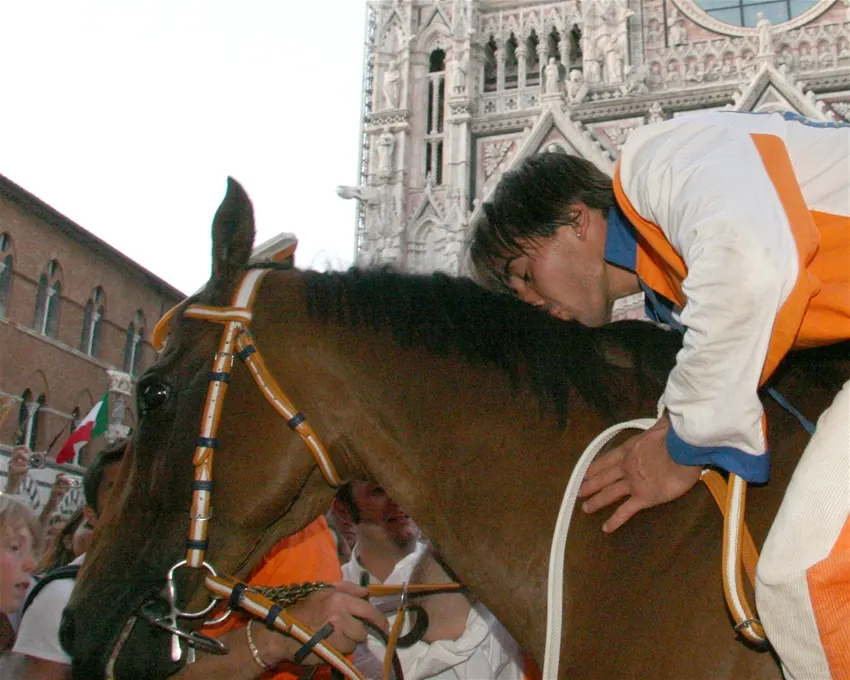
Jockey Jonatan Bartoletti kisses his horse Brento after winning the Palio dell'Assunta in Siena in 2007
Jockey Jonatan Bartoletti kisses his horse Brento after winning the Palio dell’Assunta in Siena in 2007
Image creditRoberto Vicario · CC BY-SA 3.0Resized and cropped for display.

Palio dell’Assunta, Siena’s August horse race

Twice each summer, on 2 July and 16 August, the Tuscan city of Siena turns its sloping, shell-shaped main square, the Piazza del Campo, into a racetrack, laid with a track of sand and earth. The city’s contrade, or districts, each send a horse and a bareback rider to race three laps of the square, after four days of trial races and ceremonies.

The August race, held in honour of the Assumption of the Virgin Mary, lasts little more than a minute. The prize is the palio itself, a painted banner, and the winner is the horse that first completes the three laps, with or without its jockey.

Source: Comune di Siena: Palio 16 agosto, tutti gli orari ↗
HISTORY & TIMELINE

Finished the highlights?

Follow 16 August chronologically, from the Middle Ages to the modern day, with 13 verified events and the sources behind them.

This day through time →