Explore 10 August

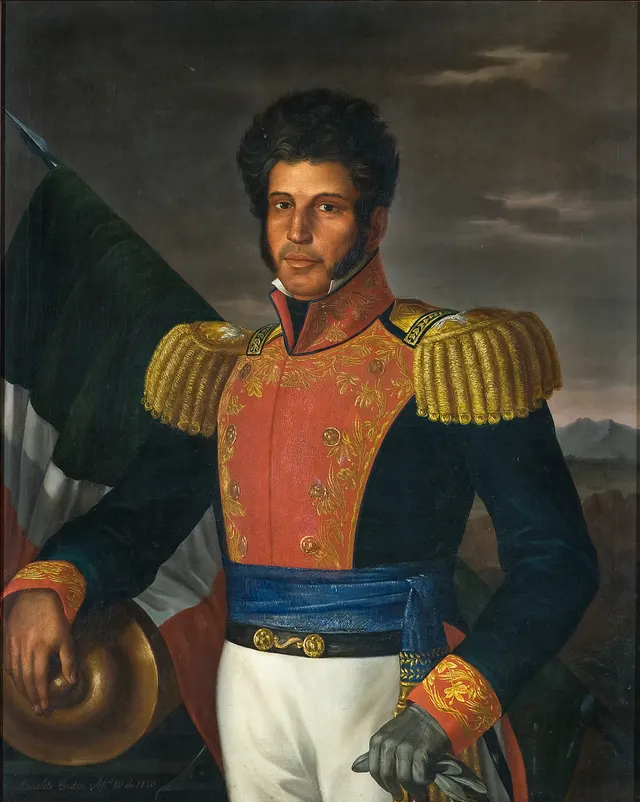
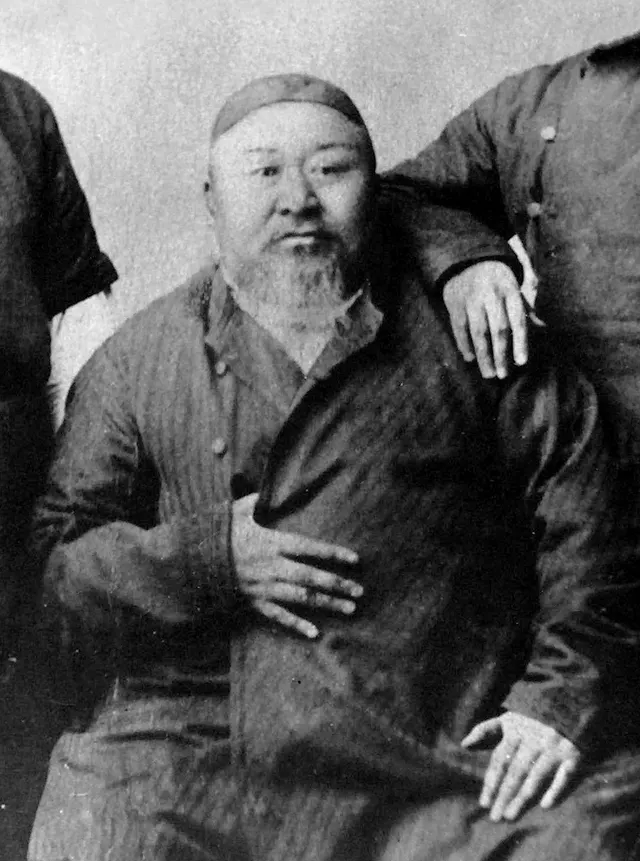
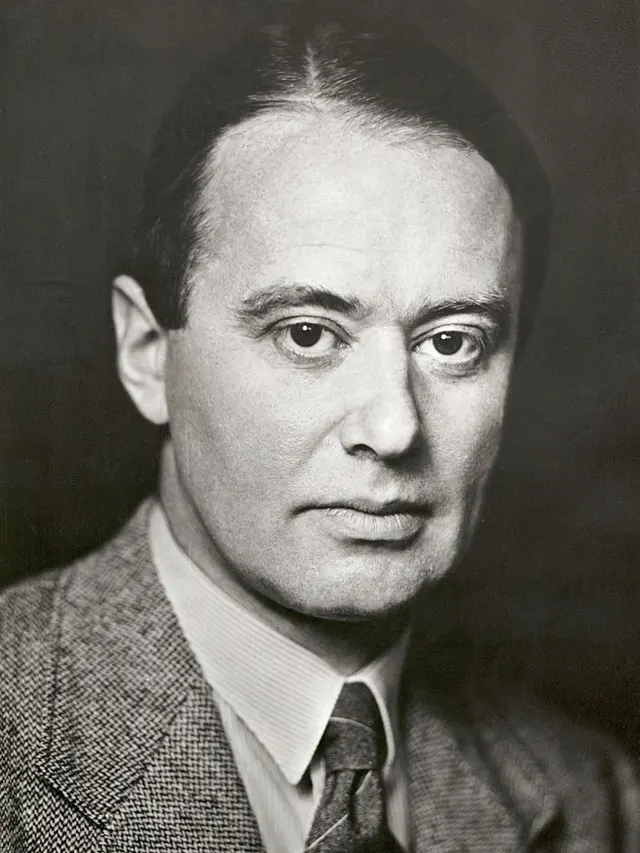
Explore 10 August: Paris storms the Tuileries and brings down the French monarchy, the warship Vasa sinks within sight of Stockholm, Pueblo warriors rise against Spanish rule, Quito sounds its first cry of independence and the Louvre opens as a public museum. Born today: Vicente Guerrero, Abai Qunanbaiuly and Arne Tiselius.

This day through time →13 verified events across 4 eras

The storming of the Tuileries palace on 10 August 1792, painted by Jacques Bertaux in 1793
Image creditJacques Bertaux · Public domainResized and cropped for display.

Paris storms the Tuileries and the French monarchy falls

Three years into the French Revolution, Louis XVI was still king, but he was trusted by almost no one. France had gone to war with Austria in April 1792, the queen, Marie Antoinette, was the Austrian emperor’s aunt, and many Parisians suspected the court of hoping for a foreign victory. In late July the Prussian commander, the Duke of Brunswick, issued a manifesto threatening Paris with destruction if the royal family were harmed, and it had exactly the opposite effect.

Before dawn on 10 August 1792 an insurrectionary Commune took over the Hôtel de Ville, and armed crowds and volunteer units from the provinces marched on the Tuileries palace. The royal family fled to the nearby Legislative Assembly, but fighting broke out at the palace and hundreds of the Swiss Guards defending it were killed. That day the Assembly suspended the king and called elections for a new National Convention. The monarchy was abolished the following month, and Louis was executed in January 1793.

Read the full storyHistory & Timeline →Source: Britannica: French Revolution, counterrevolution, regicide and the Reign of Terror ↗
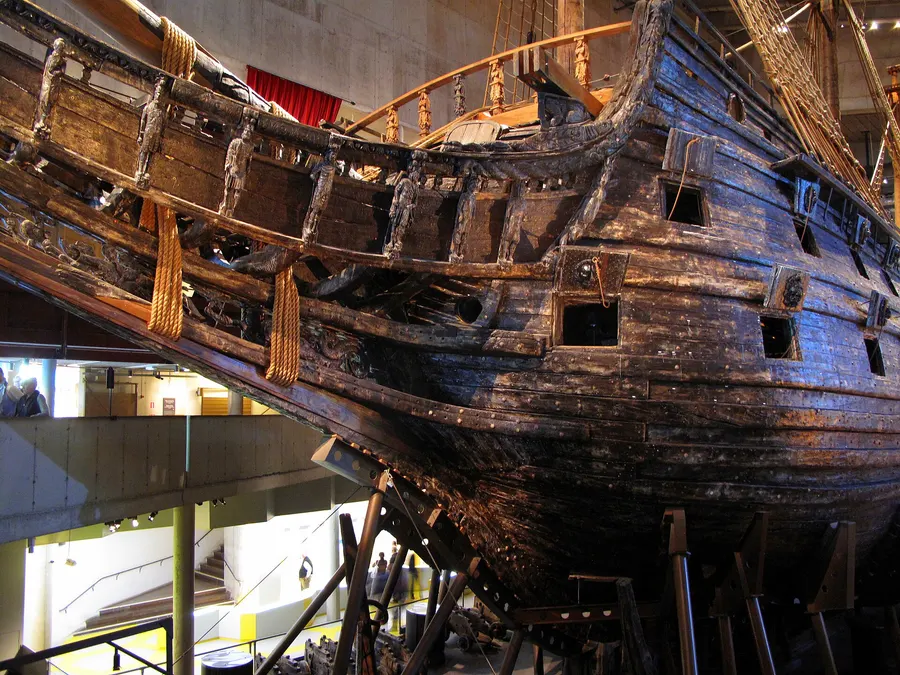
The bow of the Vasa, raised from Stockholm harbour in 1961 and now displayed in the Vasa Museum
Image creditDavisbc · CC BY-SA 3.0Resized and cropped for display.

The warship Vasa sinks minutes into her maiden voyage

King Gustav II Adolf of Sweden was at war around the Baltic and wanted a warship that would overawe his enemies. The Vasa, built at the royal shipyard in Stockholm, carried 64 guns on two gun decks and was covered in hundreds of painted and gilded carvings. But her tall, heavy upper works sat on too little hull below the waterline, and her centre of gravity was dangerously high.

On 10 August 1628 crowds lined the quays to watch her sail for the first time, and some of the crew had brought their families aboard. Within minutes a gust heeled her over, water poured in through the open gunports and she sank in the harbour, taking 30 to 50 people with her. Found again in the 1950s, she was raised almost intact in 1961 and is now the centrepiece of the Vasa Museum in Stockholm.

Read the full storyHistory & Timeline →Source: Vasa Museum: The disaster ↗
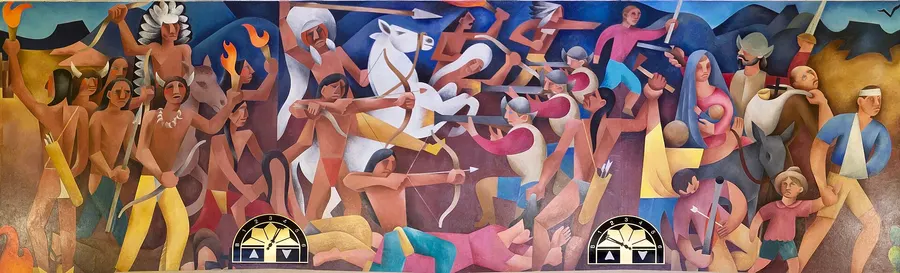
Loren Mozley's 1936 mural of the Pueblo Revolt of 1680, painted under a New Deal art programme for a federal building in Albuquerque
Loren Mozley’s 1936 mural of the Pueblo Revolt of 1680, painted under a New Deal art programme for a federal building in Albuquerque
Image creditLoren Mozley · Public domainResized and cropped for display.

The Pueblo peoples of New Mexico rise against Spanish rule

Spain had ruled New Mexico since 1598. Pueblo villages were forced to hand over labour and crops to colonists, Franciscan friars suppressed their ceremonies, and religious leaders were flogged or hanged. In 1680 Po’pay, a Tewa religious leader from Ohkay Owingeh, organised a secret alliance of pueblos that spoke different languages and lived hundreds of miles apart. Runners carried knotted cords to each village; one knot was untied each day to count down to the rising.

The attack was set for 11 August, but the Spanish captured two messengers on 9 August, so the leaders struck a day early. On 10 August 1680 the pueblos rose together, killing hundreds of colonists and many of the friars and burning churches. Warriors then besieged Santa Fe, and the Spanish governor and the survivors retreated south to El Paso. The Pueblo peoples governed themselves for 12 years before the Spanish returned in 1692.

Read the full storyHistory & Timeline →Source: Library of Congress, In Custodia Legis: 1680, the Pueblo Revolt ↗
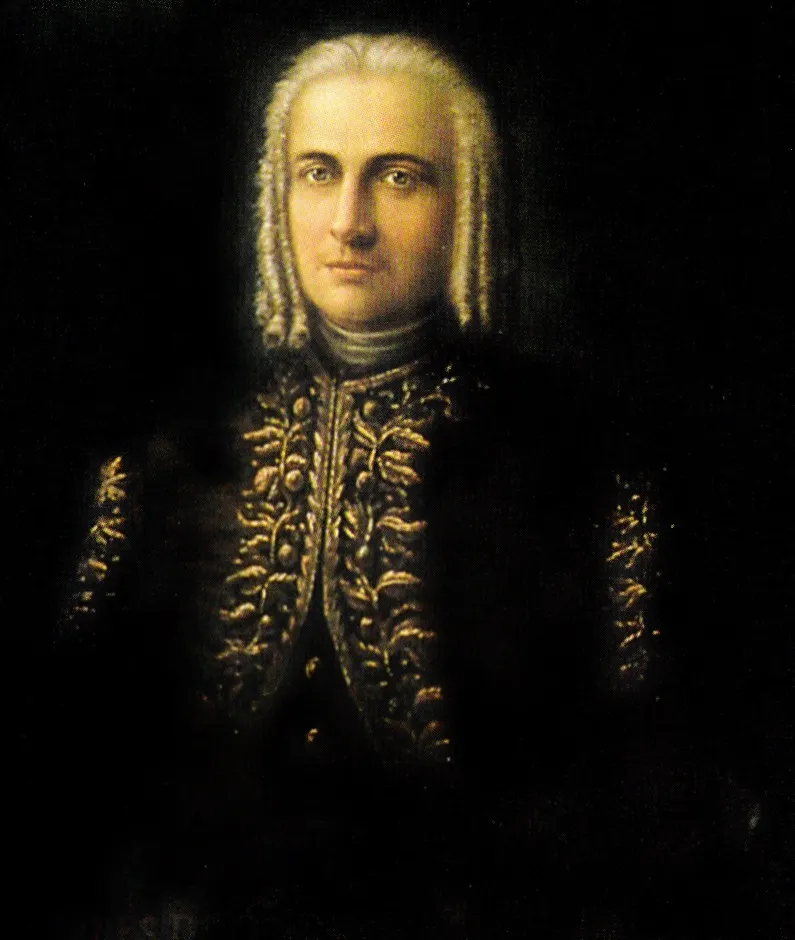
Juan Pío Montúfar, Marquis of Selva Alegre, president of the junta formed in Quito on 10 August 1809
Image creditUnknown painter (photo: Fzura) · CC BY-SA 3.0Resized and cropped for display.

Quito’s patriots form a junta: the ‘first cry’ of independence

In 1808 Napoleon forced the Spanish king Ferdinand VII off his throne, and across Spanish America local leaders began to ask who now had the right to govern them. In Quito, the capital of a Spanish audiencia in what is now Ecuador, a group of Creole aristocrats, lawyers and doctors met secretly on the night of 9 August 1809 at the house of Manuela Cañizares.

In the early hours of 10 August 1809 they removed the Spanish president of the audiencia, the Count Ruiz de Castilla, and set up a governing junta led by Juan Pío Montúfar, Marquis of Selva Alegre. The junta claimed to rule in the name of the captive Ferdinand, and it collapsed within months; many of its leaders were killed in prison in August 1810. Ecuador won its independence only in 1822, but it remembers 10 August as its first cry of independence, a national holiday.

Read the full storyHistory & Timeline →Source: Asamblea Nacional del Ecuador: 206 años del Primer Grito de la Independencia ↗
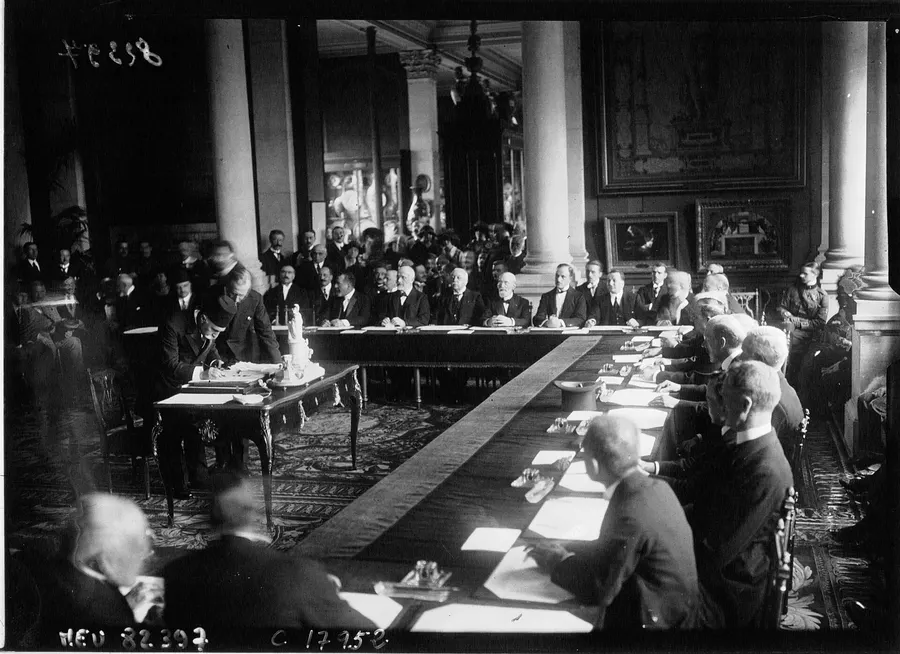
The Ottoman delegation signs the Treaty of Sèvres on 10 August 1920, in a press photograph by the Agence Meurisse
Image creditAgence Meurisse · Public domainResized and cropped for display.

The Allies impose the Treaty of Sèvres on the Ottoman Empire

The Ottoman Empire had fought on the losing side in the First World War, and by 1920 Allied troops occupied Constantinople and much of the empire. On 10 August 1920, in the showroom of the porcelain factory at Sèvres near Paris, delegates of Sultan Mehmed VI’s government signed the peace treaty the victors had drawn up.

Its terms were severe. The Ottomans gave up their Arab lands and North Africa, and the straits were placed under international control. The treaty provided for an independent Armenia and an autonomous Kurdistan, and it gave Greece eastern Thrace and the administration of Smyrna. Turkish nationalists led by Mustafa Kemal rejected it and fought on; only Greece ratified it, and after the nationalists’ victory it was replaced by the Treaty of Lausanne in 1923.

Read the full storyHistory & Timeline →Source: Britannica: Treaty of Sèvres ↗

♙
PEOPLE

Born Today

Vicente Guerrero
Image creditAnacleto Escutia · Public domainResized and cropped for display.

Vicente Guerrero

Mexican guerrilla leader who kept the independence war alive in the south, helped win independence in 1821 and, as president in 1829, abolished slavery in Mexico.

Abai Qunanbaiuly
Image creditUnknown author · Public domainResized and cropped for display.

Abai Qunanbaiuly

Kazakh poet, composer and thinker whose verse and prose Words of Edification helped found modern Kazakh written literature.

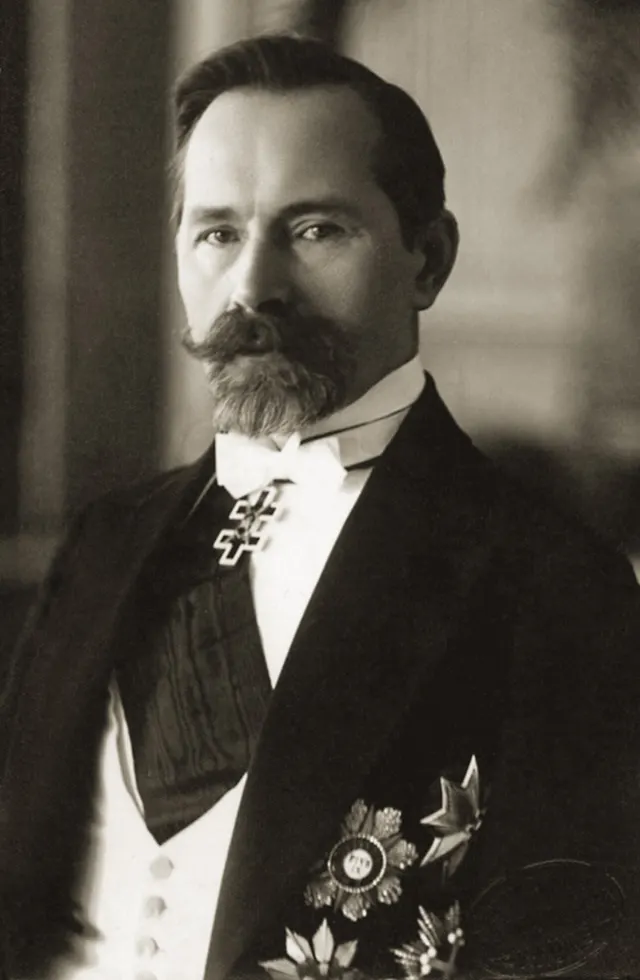
Antanas Smetona
Image creditOwned by the National Museum of Lithuania · CC BY-SA 2.5Resized and cropped for display.

Antanas Smetona

Lithuanian journalist and politician who was the first president of independent Lithuania and later ruled it as authoritarian head of state from 1926 to 1940.

Arne Tiselius
Image creditNobel Foundation · Public domainResized and cropped for display.

Arne Tiselius

Swedish biochemist who won the 1948 Nobel Prize in Chemistry for his work on electrophoresis, a way of separating proteins using an electric field.

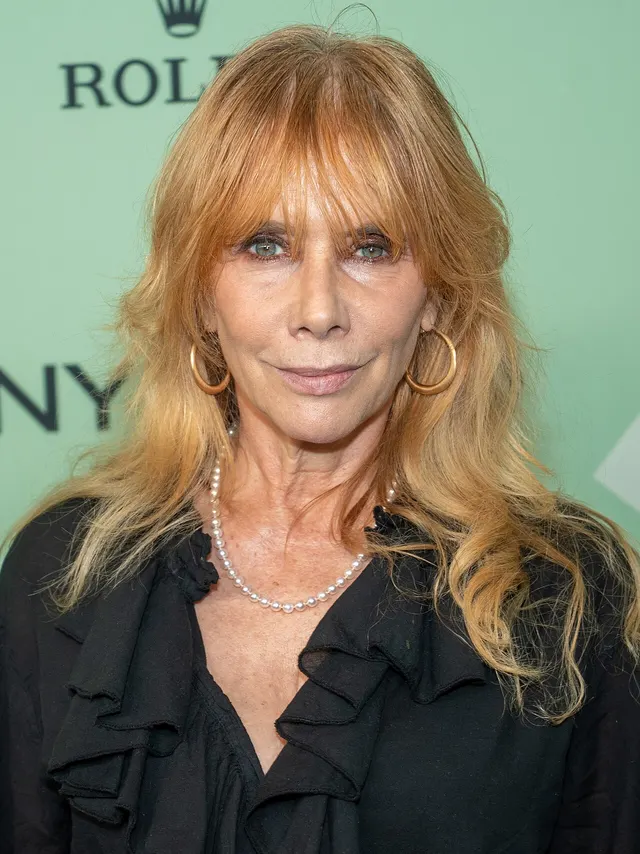
Rosanna Arquette
Image creditBryan Berlin · CC BY-SA 4.0Resized and cropped for display.

Rosanna Arquette

American actress who won a BAFTA for Desperately Seeking Susan, starring opposite Madonna, and later appeared in Pulp Fiction.

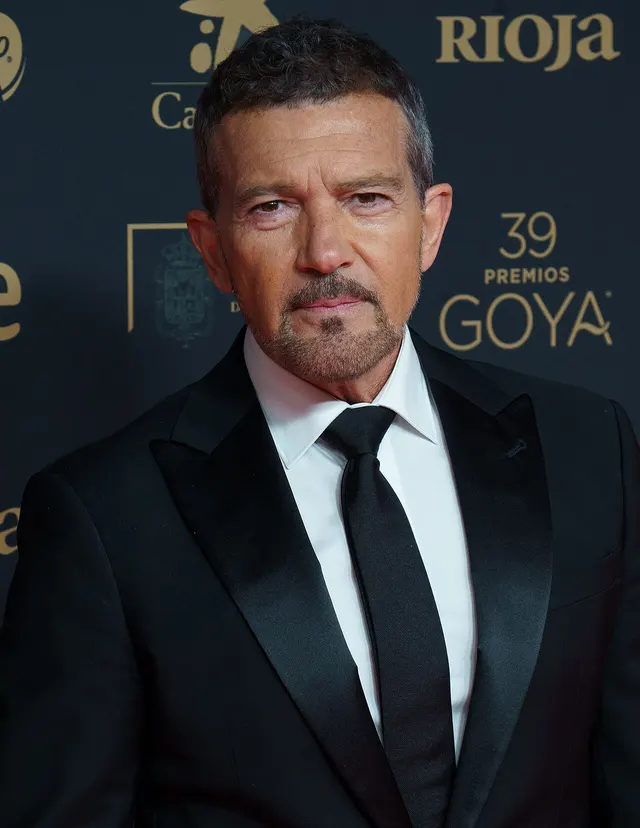
Antonio Banderas
Image creditPedro J Pacheco · CC BY-SA 4.0Resized and cropped for display.

Antonio Banderas

Spanish actor who made his name in Pedro Almodóvar’s films before Hollywood roles such as The Mask of Zorro and the voice of Puss in Boots.

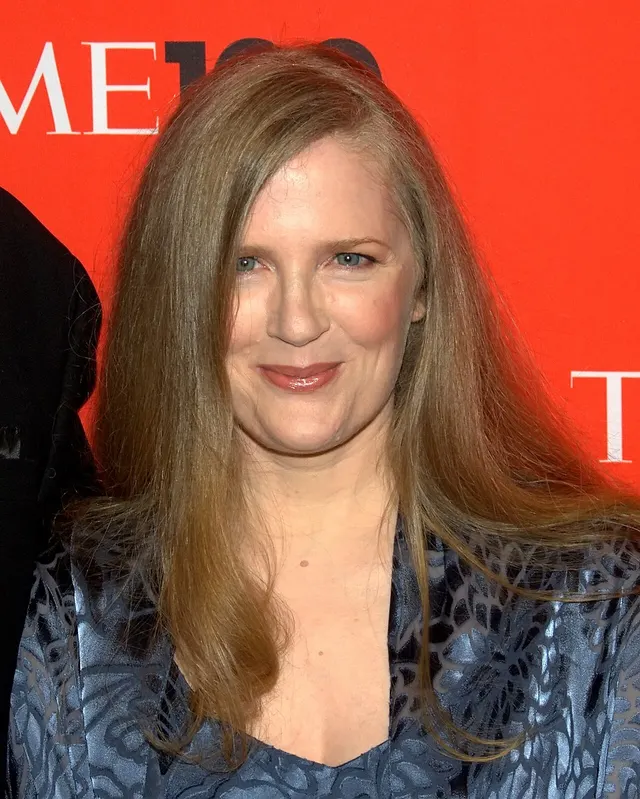
Suzanne Collins
Image creditDavid Shankbone · CC BY 2.0Resized and cropped for display.

Suzanne Collins

American author and television writer whose Hunger Games novels, about teenagers forced to fight to the death, became worldwide bestsellers and films.

Taufik Hidayat
Image creditMayeres · CC BY-SA 3.0Resized and cropped for display.

Taufik Hidayat

Indonesian badminton player, famous for his backhand smash, who won the men’s singles gold at the 2004 Olympics and the world title in 2005.

◉
IDEAS THAT CHANGED THINGS

Firsts, Science & Discoveries

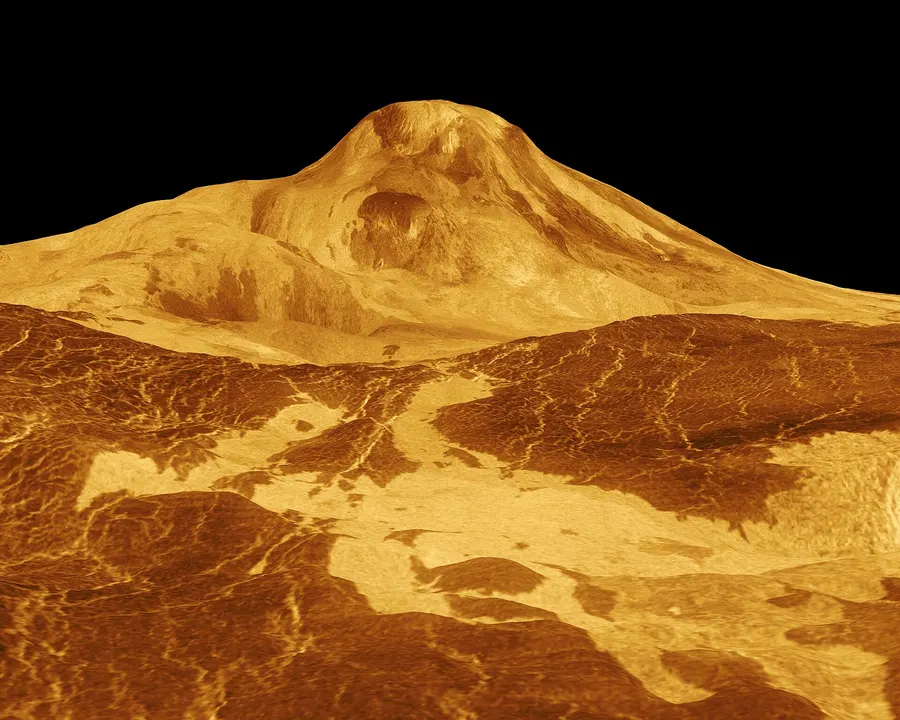
Maat Mons, a volcano on Venus, in a three-dimensional view built from Magellan's radar data, with the height exaggerated
Maat Mons, a volcano on Venus, in a three-dimensional view built from Magellan’s radar data, with the height exaggerated
Image creditNASA - Jet Propulsion Laboratory · Public domainResized and cropped for display.

The Magellan probe arrives at Venus to map it by radar

Venus is wrapped in thick clouds that hide its surface from ordinary cameras. NASA’s Magellan spacecraft, released from the Space Shuttle Atlantis in May 1989, carried a radar that could see through them. On 10 August 1990, after a looping journey of more than a year, it swung over the north pole of Venus, passed behind the planet and fired its solid rocket motor for 84 seconds to brake into orbit.

Over the next four years Magellan mapped about 98 per cent of the surface in fine detail, revealing a young landscape of volcanoes, lava plains and strange domes and craters, and measured the planet’s gravity. In October 1994 it was steered down into the thick atmosphere, where it broke up, gathering data to the end.

Read the full storyHistory & Timeline →Source: NASA Jet Propulsion Laboratory: Magellan orbits Venus ↗
☆
SPORTING HISTORY

Sporting Moments

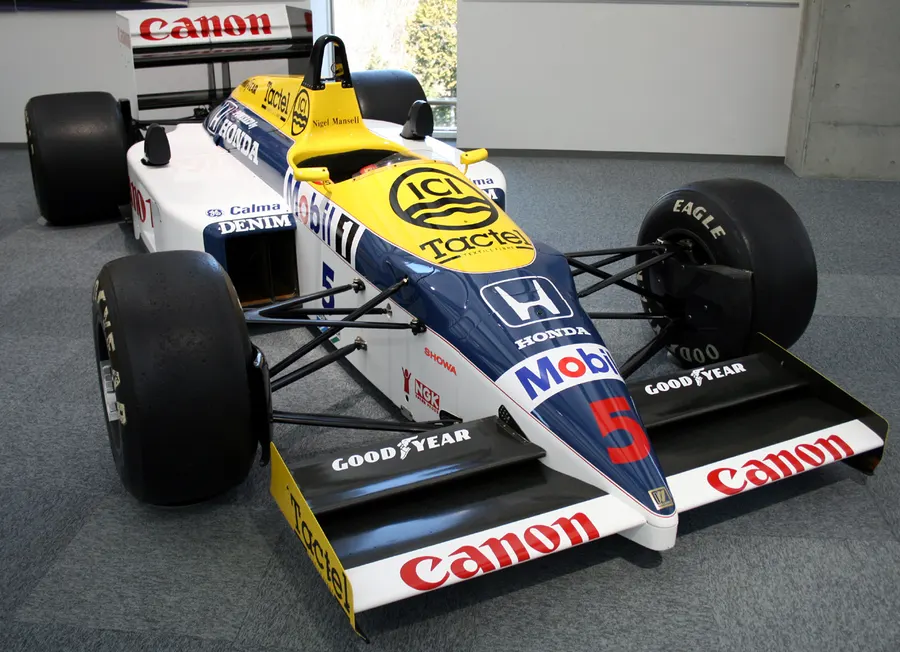
A Williams-Honda FW11, the model Nelson Piquet drove to victory in the first Hungarian Grand Prix; this one carries the number 5 of his team-mate Nigel Mansell
Image creditMorio · CC BY-SA 3.0Resized and cropped for display.

Formula One races behind the Iron Curtain for the first time

For decades the Formula One world championship had no race in the communist countries of Eastern Europe. That changed when Hungary agreed to host a Grand Prix, and the Hungaroring circuit was built in about eight months in the hills at Mogyoród, north-east of Budapest.

The first Hungarian Grand Prix was held on 10 August 1986 before a crowd estimated at 200,000 or more. The Brazilian Nelson Piquet, driving a Williams-Honda, won it after overtaking his compatriot Ayrton Senna’s Lotus with a daring slide around the outside of a corner, one of the most famous passes in the sport. The Hungarian Grand Prix has been part of the championship ever since.

Read the full storyHistory & Timeline →Source: Hungaroring: History of the race track ↗
♫
MUSIC • FILM • BOOKS • CULTURE

Culture Stories

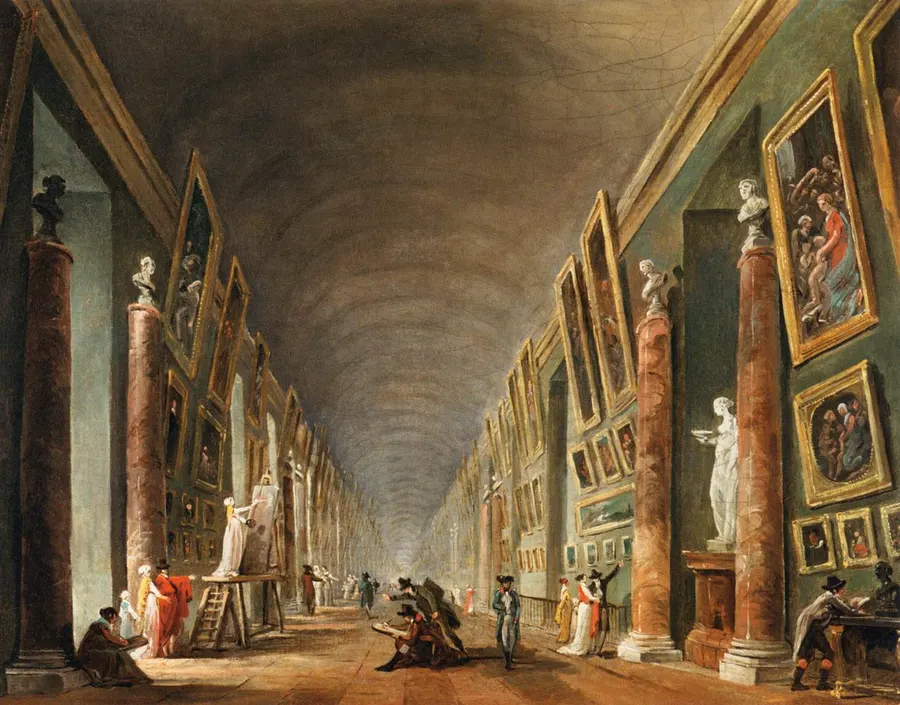
The Grande Galerie of the Louvre painted by Hubert Robert, the artist who helped turn the palace into a museum
Image creditHubert Robert · Public domainResized and cropped for display.

The Louvre opens its doors as a public museum

The Louvre had been a royal palace for centuries, but the kings had moved to Versailles, and paintings from the royal collection were seen by few people. Plans to show them to the public had been discussed since the 1740s. After the monarchy fell, the revolutionary government seized the royal collections, along with art taken from the church and from émigré nobles, and decided they should belong to the nation.

The Muséum central des arts opened in the Louvre’s Grande Galerie on 10 August 1793, chosen as the first anniversary of the fall of the monarchy. Many difficulties followed and the museum was not fully open until 1801, and under Napoleon it filled with works seized from across Europe. Today the Louvre is the most visited art museum in the world.

Read the full storyHistory & Timeline →Source: Musée du Louvre press office: The Musée du Louvre at a glance ↗
✦
LIVES REMEMBERED

Remembered Today

Allan Ramsay
Image creditAllan Ramsay · Public domainResized and cropped for display.

Allan Ramsay

Scottish portrait painter admired for the natural, intimate style of his portraits, who became principal painter to King George III.

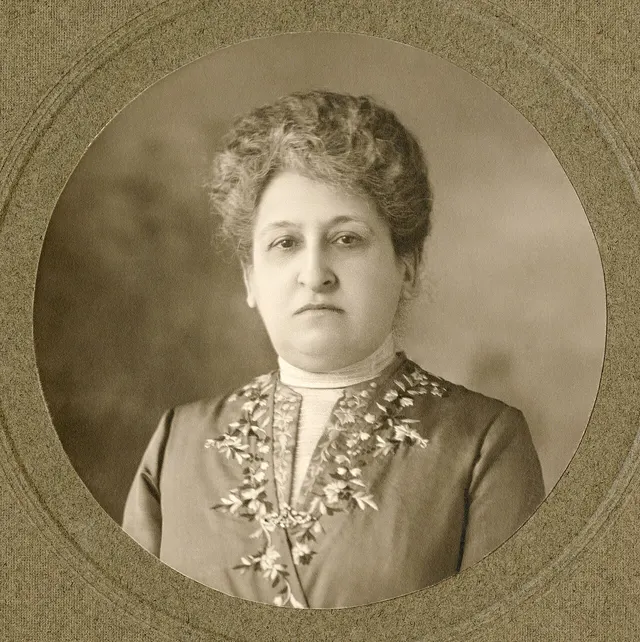
Aletta Jacobs
Image creditMax Büttinghausen / Adam Cuerden · Public domainResized and cropped for display.

Aletta Jacobs

Dutch physician, the first woman to attend a Dutch university, who opened a free birth-control clinic and campaigned for women’s right to vote.

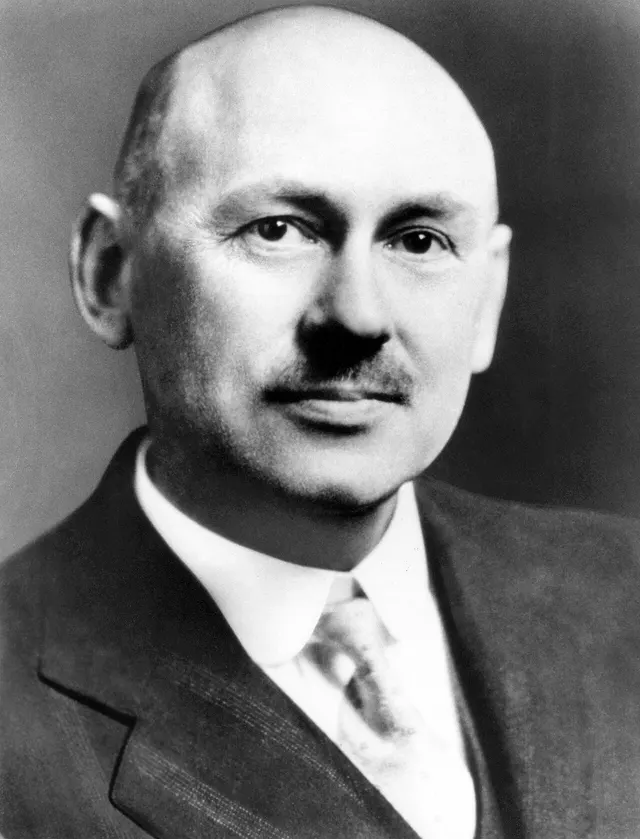
Robert H. Goddard
Image creditNASA · Public domainResized and cropped for display.

Robert H. Goddard

American physicist and inventor who launched the world’s first liquid-fuelled rocket in 1926 and laid foundations for the space age.

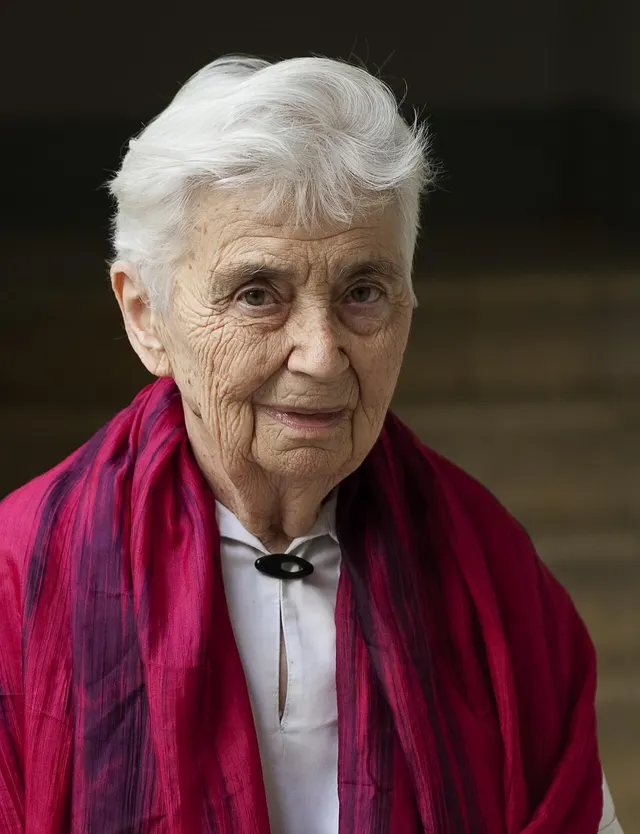
Ruth Pfau
Image creditBernd Hartung · CC BY-SA 4.0Resized and cropped for display.

Ruth Pfau

German-born nun and doctor who spent more than 55 years fighting leprosy in Pakistan, where she was given a state funeral.

☉
AROUND THE WORLD

Observances & Anniversaries

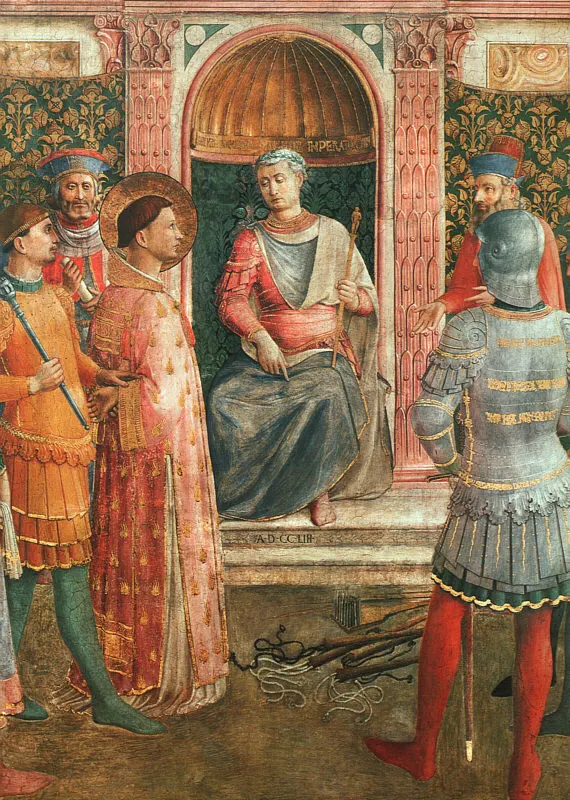
Saint Lawrence before the Roman emperor Valerian, painted by Fra Angelico in the Niccoline Chapel of the Vatican
Image creditFra Angelico · Public domainResized and cropped for display.

Feast of Saint Lawrence

Lawrence was one of the deacons of the church in Rome, responsible for its goods and its care of the poor, when the emperor Valerian launched a persecution of Christians. Pope Sixtus II was put to death in August 258, and Lawrence was martyred a few days later, on 10 August. Tradition says that when ordered to hand over the church’s treasures he brought forward the poor and the sick, and that he was roasted on a gridiron.

He became one of the most honoured martyrs of Rome, and he is the patron saint of deacons, cooks and firefighters. His feast falls in the middle of the Perseid meteor shower, which in parts of Europe is still called the ‘tears of Saint Lawrence’.

Source: Vatican News: Saint Lawrence, deacon and martyr ↗
HISTORY & TIMELINE

Finished the highlights?

Follow 10 August chronologically, from the Middle Ages to the modern day, with 13 verified events and the sources behind them.

This day through time →