Explore 3 August

Explore 3 August: Columbus sails from Palos, Germany declares war on France, Niger becomes independent, a treaty at Greenville opens the Ohio country and a nuclear submarine passes beneath the North Pole. Born today: Elisha Otis, Alfred Deakin and Martin Sheen.

This day through time →12 verified events across 5 eras

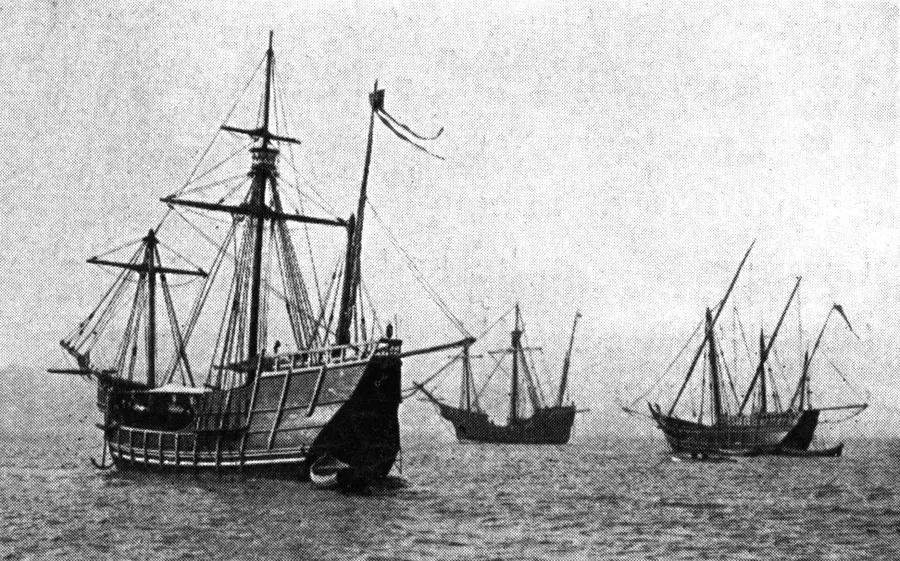
Replicas of the Pinta, the Niña and the Santa María on the Hudson River in New York, after crossing from Spain for the Chicago World's Fair of 1893
Replicas of the Pinta, the Niña and the Santa María on the Hudson River in New York, after crossing from Spain for the Chicago World’s Fair of 1893
Image creditE. Benjamin Andrews · Public domainResized and cropped for display.

Columbus sails from Palos on his first voyage west

For years the Genoese navigator Christopher Columbus had tried to persuade the rulers of Portugal and then Spain to back a voyage west across the Atlantic, which he believed would bring him quickly to Japan, China and the riches of the Indies. In April 1492, soon after the fall of Granada, Ferdinand and Isabella finally agreed. He was given three ships at Palos, a small port on the Río Tinto in south-western Spain: the Santa María, his flagship, and two lighter caravels, the Pinta and the Niña, commanded by the local seafaring brothers Martín Alonso and Vicente Yáñez Pinzón.

At dawn on 3 August 1492 the little fleet, with about 90 men aboard, left Palos and headed first for the Canary Islands to pick up the easterly trade winds. After a long stop for repairs it sailed west into the unknown in September, and on 12 October the crews sighted an island in the Bahamas. Columbus never accepted that he had not reached Asia, but his voyage began lasting contact between Europe and the Americas, with vast consequences for the peoples on both sides of the ocean.

Read the full storyHistory & Timeline →Source: Britannica: Christopher Columbus, the first voyage ↗
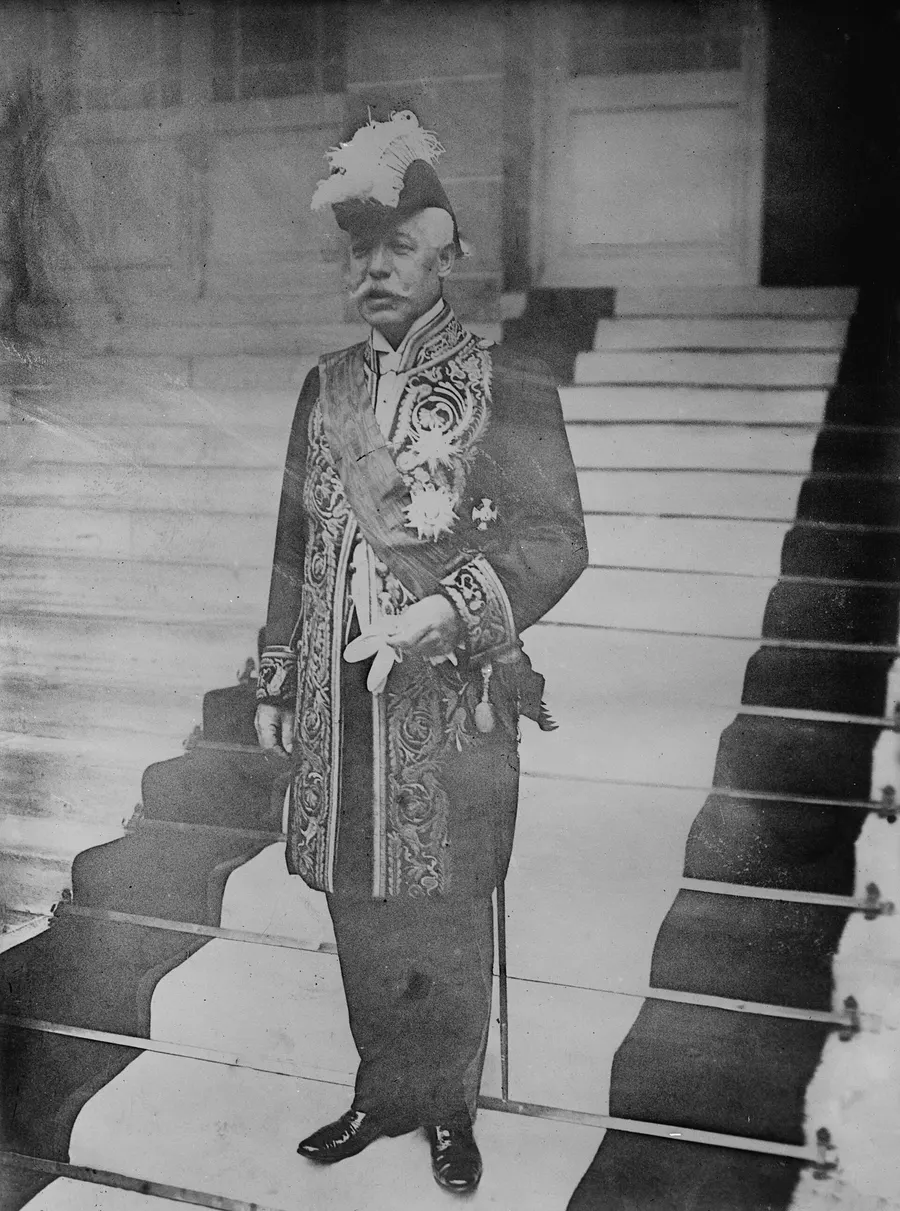
Baron Wilhelm von Schoen, the German ambassador in Paris, who delivered Germany's declaration of war to the French government
Baron Wilhelm von Schoen, the German ambassador in Paris, who delivered Germany’s declaration of war to the French government
Image creditBain News Service · Public domainResized and cropped for display.

Germany declares war on France

Germany’s plans for a war on two fronts rested on one idea: defeat France quickly in the west, then turn east against Russia, whose huge army would be slow to mobilise. When Russia began to mobilise in support of Serbia at the end of July 1914, Germany declared war on it on 1 August. France, Russia’s ally, ordered its own general mobilisation the same day, while Germany demanded to know whether France would stay neutral and was told only that France would act in its own interests.

On the evening of 3 August 1914 the German ambassador, Wilhelm von Schoen, called on the French prime minister, René Viviani, in Paris and handed him Germany’s declaration of war, which accused French aircraft of bombing German territory, claims that were untrue. German armies were already poised to sweep through neutral Belgium, whose government had refused them passage that day. The invasion began the next morning, and it brought Britain into the war on 4 August.

Read the full storyHistory & Timeline →Source: Imperial War Museums: How the world went to war in 1914 ↗
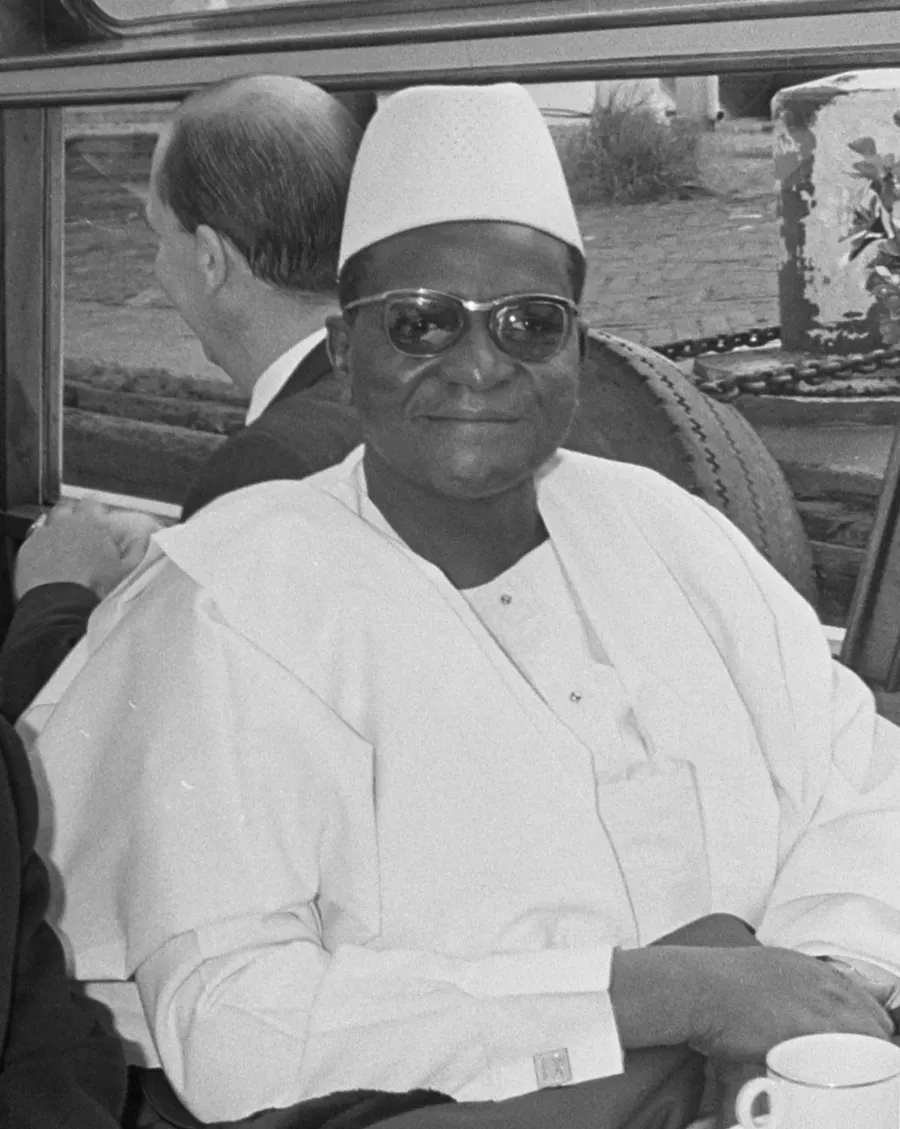
Hamani Diori, Niger's first president, photographed on a visit to the Netherlands in October 1968
Hamani Diori, Niger’s first president, photographed on a visit to the Netherlands in October 1968
Image creditKroon, Ron / Anefo · CC BY-SA 3.0 nlResized and cropped for display.

Niger becomes independent from France

Niger, a vast, mostly desert country on the southern edge of the Sahara, was conquered by France in the decades around 1900 and ruled as part of French West Africa. After the Second World War its people gained a limited say in their own affairs, and two rival parties emerged: Hamani Diori’s Nigerien Progressive Party, which favoured a gradual path and close ties with France, and Djibo Bakary’s Sawaba, which wanted a clean break. In the referendum of 1958 Niger voted to stay within a French Community, and Diori’s side came out on top.

Across Africa, though, the tide was running towards full independence, and in 1960 France let its West African colonies go one after another. Niger became independent on 3 August 1960, with Diori as its first president. He ruled for 14 years as head of a one-party state, but he could not relieve a terrible Sahel drought and famine, and in April 1974 he was overthrown by the army under Seyni Kountché. Niger still marks 3 August as its independence day.

Read the full storyHistory & Timeline →Source: Britannica: Hamani Diori ↗
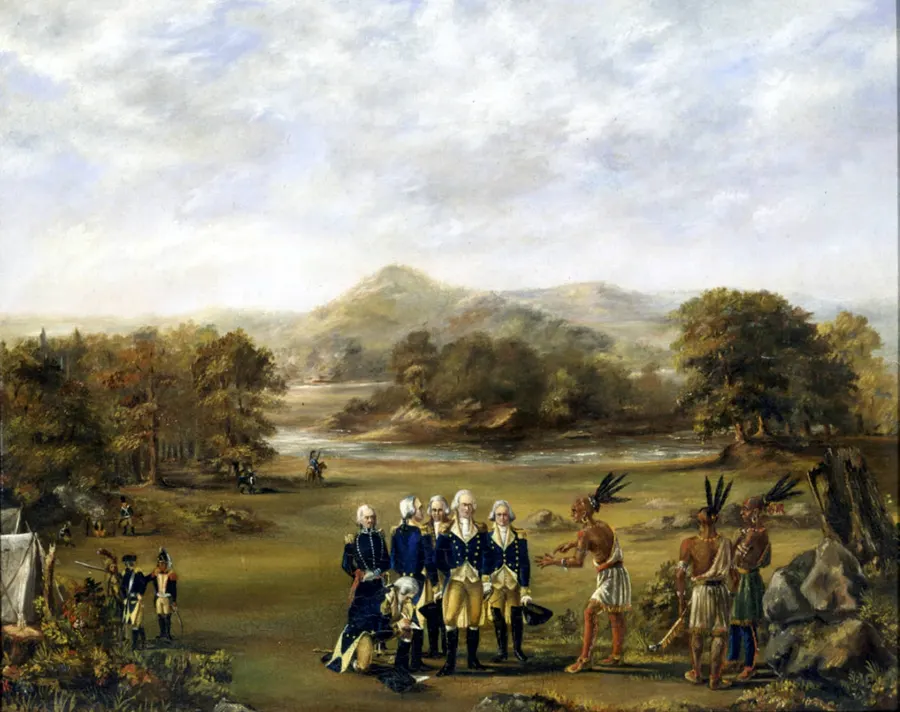
The Treaty of Greenville, painted by an unidentified artist around the time; the central figures are believed to be General Anthony Wayne and Little Turtle
Image creditUnidentified painter · Public domainResized and cropped for display.

The Treaty of Greenville opens the Ohio country to settlers

After American independence, settlers pushed across the Ohio River into lands held by the Shawnee, Miami, Delaware, Wyandot and other nations, who formed a confederation to resist them. Led by the Miami war chief Little Turtle and the Shawnee Blue Jacket, the confederation destroyed two American armies in 1790 and 1791. In 1794 a new, better-trained army under General Anthony Wayne defeated them at Fallen Timbers, near present-day Toledo, and their British allies refused to help.

The following summer leaders of twelve nations met Wayne at Fort Greenville, in western Ohio, and on 3 August 1795 they signed a treaty of peace. In return for goods and yearly payments, they gave up most of what is now Ohio and smaller tracts further west, including the sites of future cities such as Chicago and Fort Wayne. The treaty line opened the region to rapid settlement. The Shawnee leader Tecumseh refused to accept it and later tried to build a new alliance to stop the loss of Native land.

Read the full storyHistory & Timeline →Source: Britannica: Treaty of Greenville ↗

♙
PEOPLE

Born Today

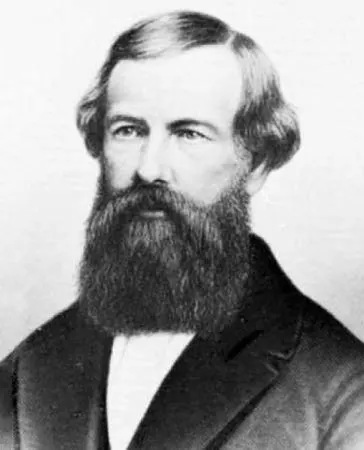
Elisha Otis
Image creditUnknown photographer · Public domainResized and cropped for display.

Elisha Otis

American inventor whose safety brake, which stopped a lift from falling if its rope broke, made passenger lifts practical and led to the company that still bears his name.

Alfred Deakin
Image creditNational Library of Australia · Public domainResized and cropped for display.

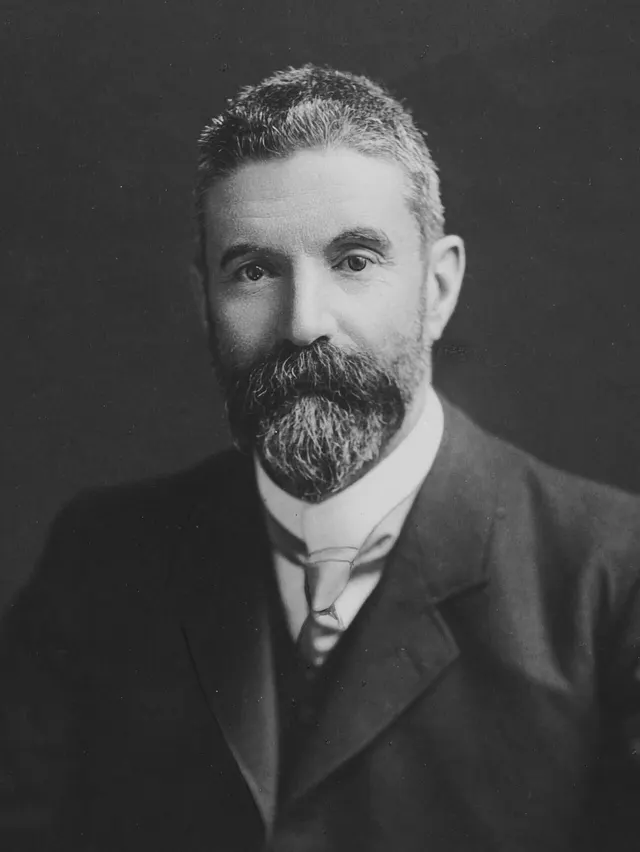
Alfred Deakin

Australian politician and leading campaigner for federation who served three times as prime minister of the new Commonwealth of Australia between 1903 and 1910.

William Kennedy Dickson
Image creditUnknown author · Public domainResized and cropped for display.

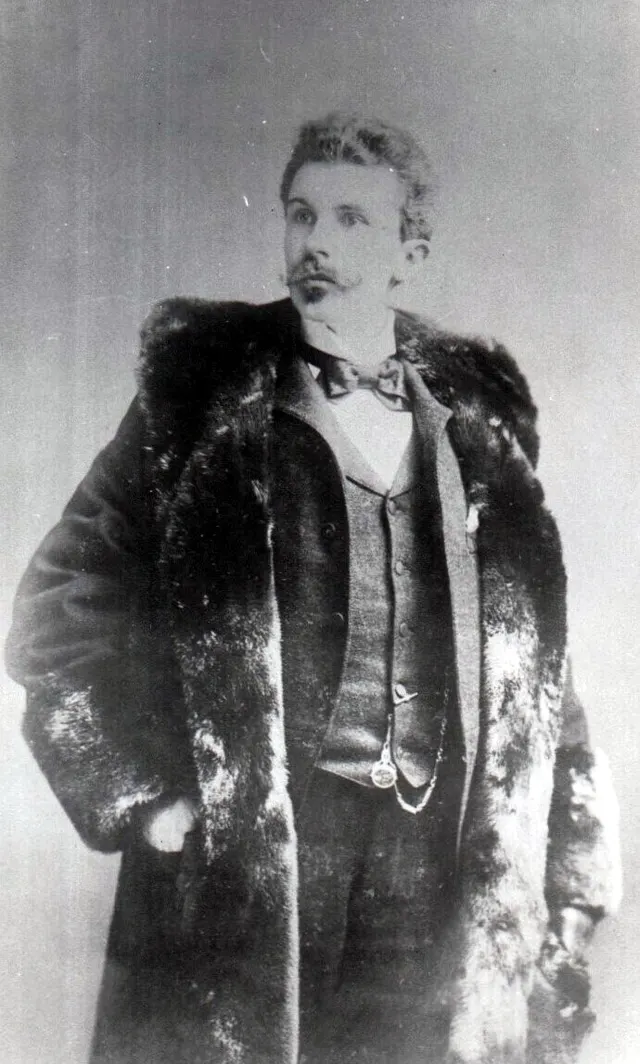
William Kennedy Dickson

French-born inventor of British parentage who, in Thomas Edison’s laboratory, led the work on the Kinetograph camera and Kinetoscope viewer, among the first motion-picture machines.

Stanley Baldwin
Image creditBassano Ltd · Public domainResized and cropped for display.

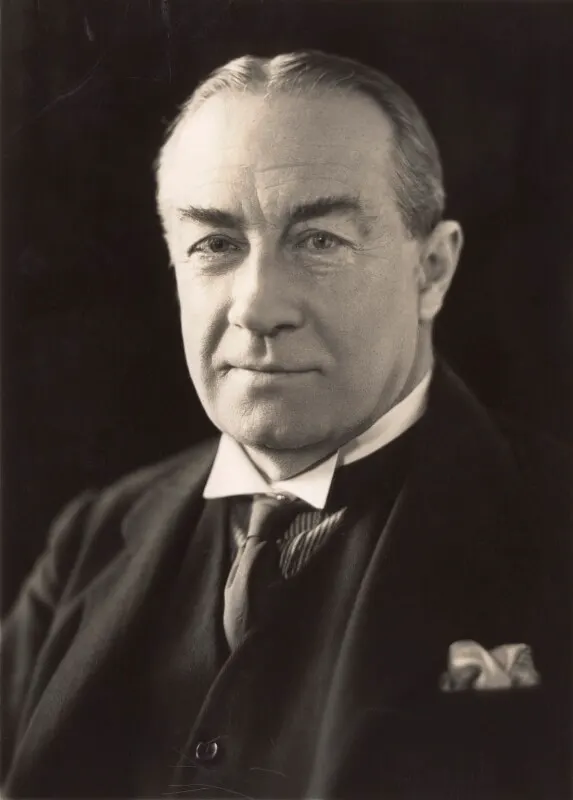
Stanley Baldwin

British Conservative politician who was prime minister three times between 1923 and 1937, through the General Strike of 1926 and the abdication crisis of 1936.

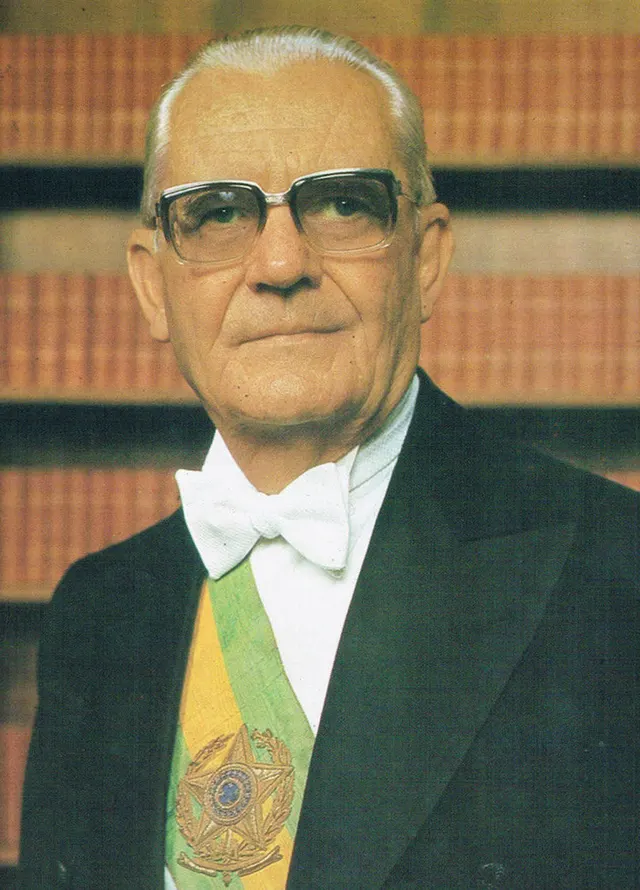
Ernesto Geisel
Image creditFederal Government of Brazil · Public domainResized and cropped for display.

Ernesto Geisel

Brazilian army general who was president of Brazil’s military regime from 1974 to 1979 and began a slow political opening towards democracy.

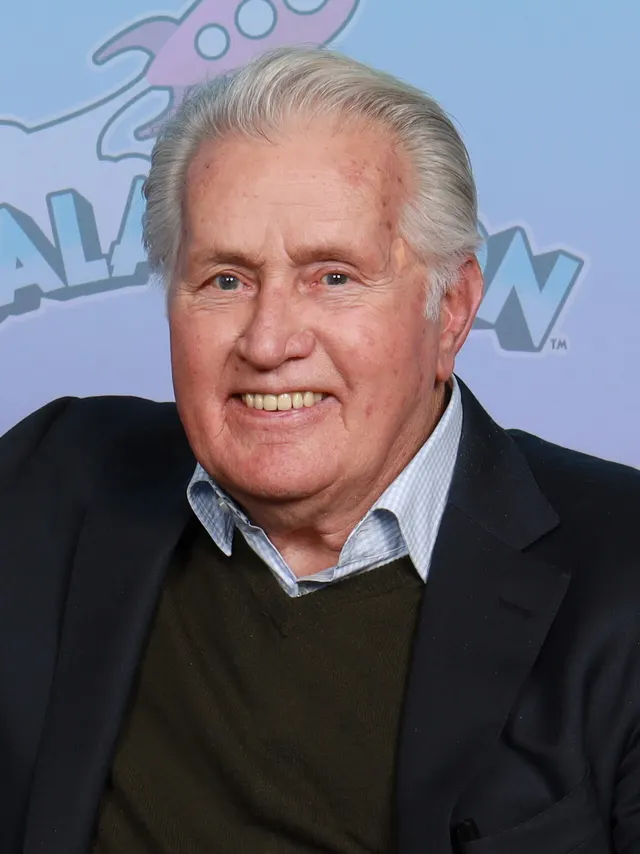
Martin Sheen
Image creditSuper Festivals · CC BY 2.0Resized and cropped for display.

Martin Sheen

American actor known for Badlands, Apocalypse Now and his role as President Josiah Bartlet in the television series The West Wing.

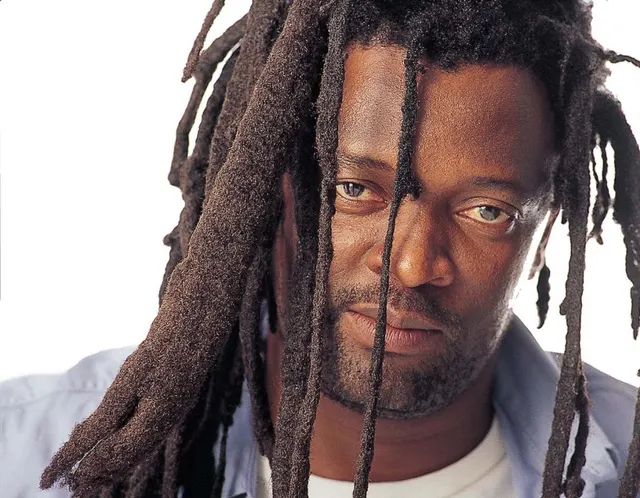
Lucky Dube
Image creditMusic Updater Uganda · CC BY-SA 4.0Resized and cropped for display.

Lucky Dube

South African singer who became one of Africa’s best-selling reggae artists, with songs attacking apartheid and injustice; he was killed in a car hijacking in 2007.

Abhisit Vejjajiva
Image creditGovernment of Thailand · CC BY 2.0Resized and cropped for display.

Abhisit Vejjajiva

Thai politician, born in England and educated at Oxford, who led the Democrat Party and was prime minister of Thailand from 2008 to 2011.

◉
IDEAS THAT CHANGED THINGS

Firsts, Science & Discoveries

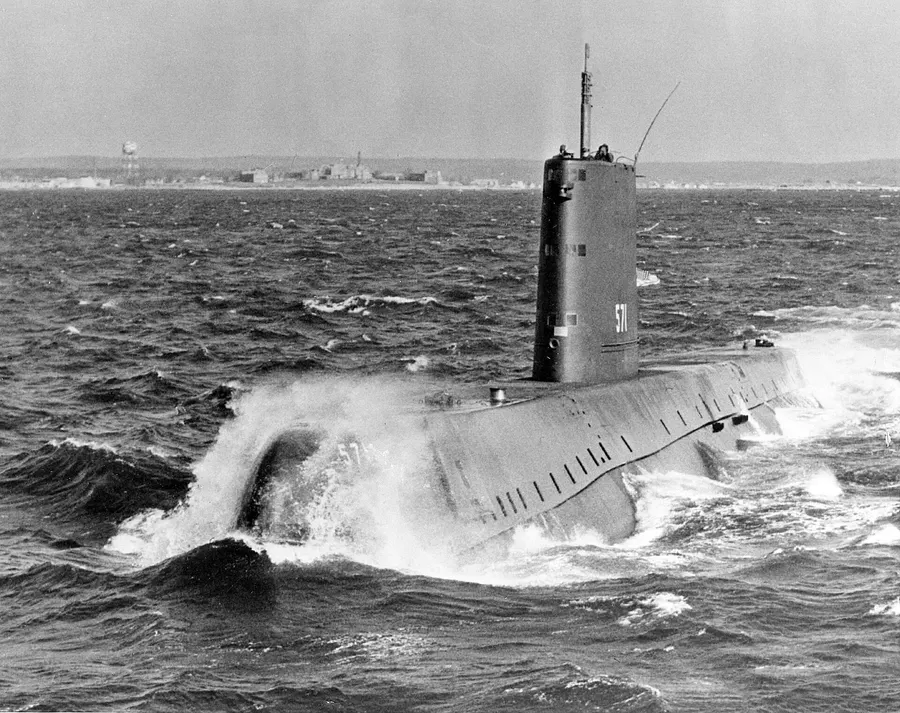
USS Nautilus, the world's first nuclear-powered submarine, under way at sea
USS Nautilus, the world’s first nuclear-powered submarine, under way at sea
Image creditU.S. Navy (official photograph) · Public domainResized and cropped for display.

USS Nautilus passes beneath the North Pole

USS Nautilus, the world’s first nuclear-powered submarine, could stay submerged for weeks rather than hours, because her reactor needed no air. That made a voyage long dreamed of possible: a passage under the Arctic ice cap from the Pacific to the Atlantic. After a first attempt was turned back by deep ice in 1958, she left Pearl Harbor in secret in late July on a mission code-named Operation Sunshine, with 116 men aboard under Commander William R. Anderson.

Nautilus slipped beneath the ice north of Alaska and steered for the Pole, where ordinary compasses become useless, relying on a special inertial navigation system. At 11:15 p.m. on 3 August 1958 Anderson announced to the crew that they had reached 90 degrees north, the first ship ever to do so. Two days later she surfaced in the Greenland Sea, and the famous signal ‘Nautilus 90 North’ told the world that she had crossed the top of the planet.

Read the full storyHistory & Timeline →Source: Naval History and Heritage Command: Nautilus (SSN-571) ↗
☆
SPORTING HISTORY

Sporting Moments

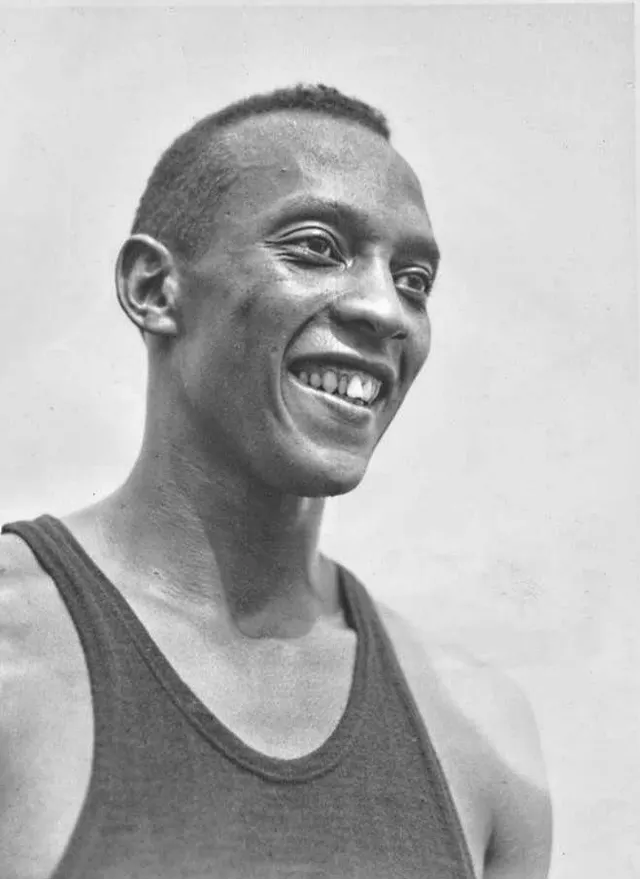
Jesse Owens in July 1936, a few weeks before the Berlin Olympics
Image creditAcme News Photos · Public domainResized and cropped for display.

Jesse Owens wins the Olympic 100 metres in Berlin

The Nazi regime meant the 1936 Olympics in Berlin to show off a proud, efficient Germany and its ideas of racial superiority. Jesse Owens, the grandson of enslaved people and the son of an Alabama sharecropper, had already shown his talent at Ohio State University, where he set or equalled several world records in less than an hour in 1935.

After the heats on 2 August, Owens won the 100 metres final on 3 August 1936 in 10.3 seconds, equal to the world record, ahead of his American team-mate Ralph Metcalfe and the Dutch sprinter Tinus Osendarp. It was the first of four gold medals he won in Berlin, followed by the long jump, the 200 metres and the sprint relay, and his triumph made him one of the most famous athletes of the century.

Read the full storyHistory & Timeline →Source: Olympics.com: Jesse Owens’ quest for glory started with 100m gold ↗
♫
MUSIC • FILM • BOOKS • CULTURE

Culture Stories

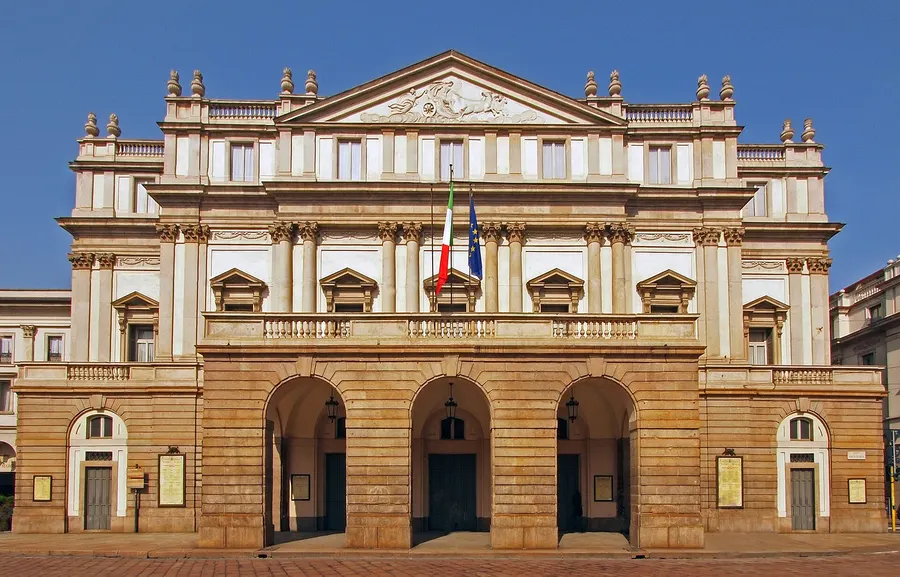
The neoclassical front of the Teatro alla Scala in Milan, designed by Giuseppe Piermarini
Image creditJohn Picken · CC BY 2.0Resized and cropped for display.

La Scala opens in Milan

When Milan’s court theatre, the Teatro Regio Ducale, burned down in 1776, the city’s opera-loving nobles asked the Habsburg empress Maria Theresa, who then ruled Milan, for a new and larger house. The architect Giuseppe Piermarini built it on the site of the demolished church of Santa Maria alla Scala, which gave the theatre its name, and the owners of the boxes paid much of the cost.

The Teatro alla Scala opened on 3 August 1778 with Europa riconosciuta, a new opera by Antonio Salieri. It became the most famous opera house in Italy, where many works by Rossini, Donizetti, Bellini, Verdi and Puccini had their first performances. Bombed in 1943 and rebuilt after the war, it was restored again in 2002-04 and reopened, fittingly, with Salieri’s Europa riconosciuta.

Read the full storyHistory & Timeline →Source: Teatro alla Scala: History ↗
✦
LIVES REMEMBERED

Remembered Today

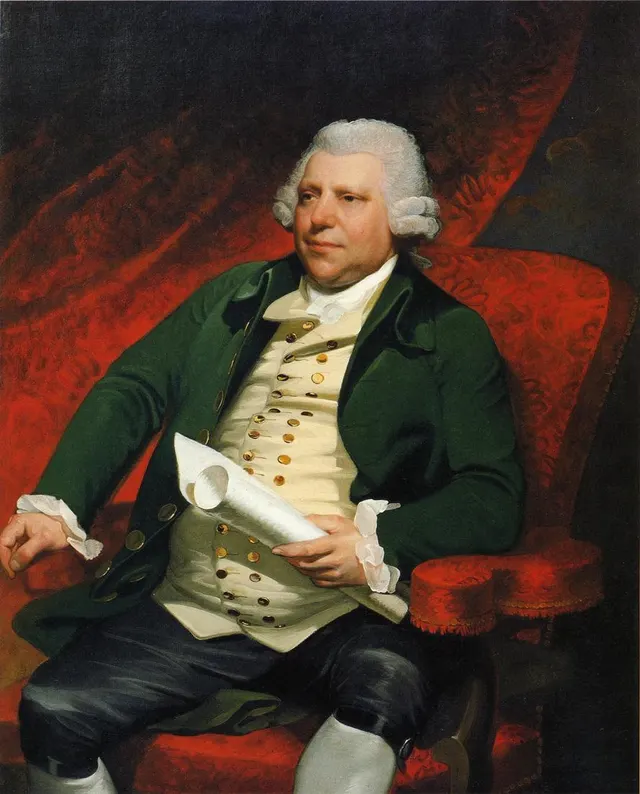
Richard Arkwright
Image creditMather Brown · Public domainResized and cropped for display.

Richard Arkwright

English inventor of the water frame for spinning cotton, whose mills at Cromford in Derbyshire helped create the factory system of the Industrial Revolution.

Flannery O'Connor
Image creditCmacauley · CC BY-SA 3.0Resized and cropped for display.

Flannery O’Connor

American writer from Georgia whose darkly comic stories and novels, such as A Good Man Is Hard to Find and Wise Blood, made her a master of Southern fiction; she died of lupus at 39.

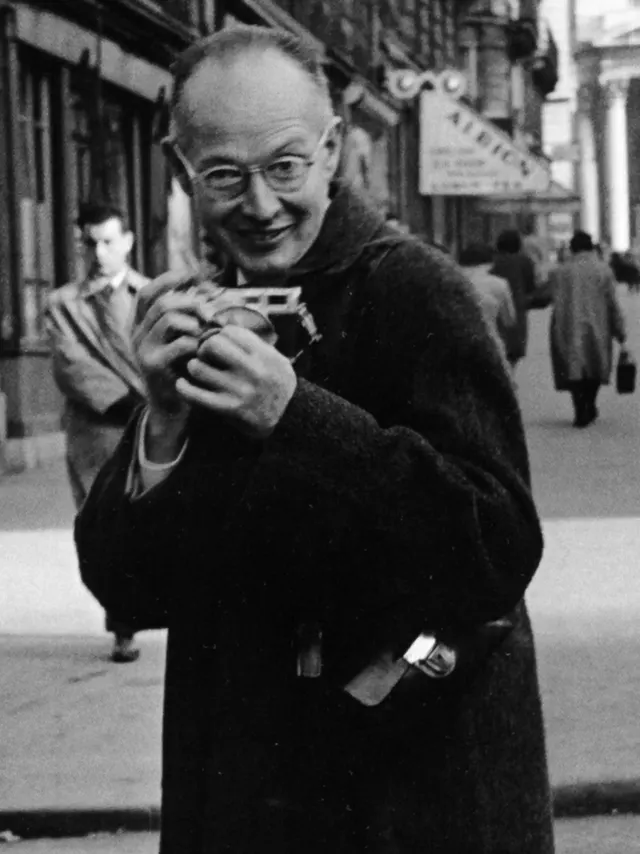
Henri Cartier-Bresson
Image creditIhei Kimura · Public domainResized and cropped for display.

Henri Cartier-Bresson

French photographer and co-founder of the Magnum agency, famous for catching the ‘decisive moment’ in pictures of everyday life around the world.

☉
AROUND THE WORLD

Observances & Anniversaries

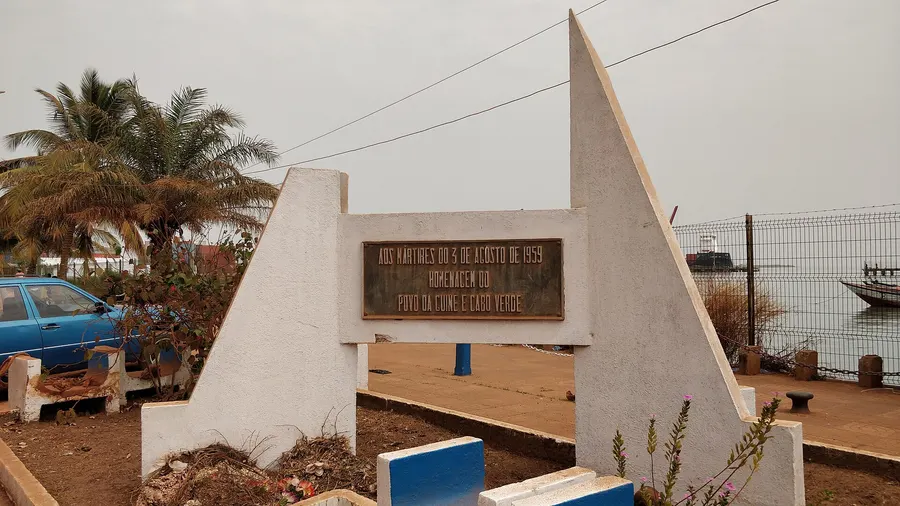
The memorial to the victims of the Pidjiguiti massacre near the docks in Bissau
Image creditJcornelius · CC BY-SA 4.0Resized and cropped for display.

Pidjiguiti Day, Guinea-Bissau

On 3 August 1959 dock and river workers at the Pidjiguiti quay in Bissau, then the capital of Portuguese Guinea, went on strike for better pay. Colonial police opened fire on them. How many died is still disputed: the Portuguese inquiry counted 9, other reports 24, and nationalist accounts spoke of 50.

The killings persuaded Amílcar Cabral’s independence party, the PAIGC, that peaceful protest would not end Portuguese rule, and it turned to armed struggle, which began in 1963 and led to independence in 1973-74. Guinea-Bissau remembers the victims every year on 3 August.

Source: Cadernos de Estudos Africanos: António E. Duarte Silva, Guiné-Bissau: a causa do nacionalismo e a fundação do PAIGC ↗
HISTORY & TIMELINE

Finished the highlights?

Follow 3 August chronologically, from the Middle Ages to the modern day, with 12 verified events and the sources behind them.

This day through time →