Explore 27 July

Explore 27 July: Philip Augustus wins at Bouvines, the Bank of England gets its charter, the Convention turns on Robespierre, an Afghan army routs the British at Maiwand and the guns fall silent in Korea. Born today: Charlotte Corday, Giosuè Carducci and Norman Lear.

This day through time →15 verified events across 5 eras

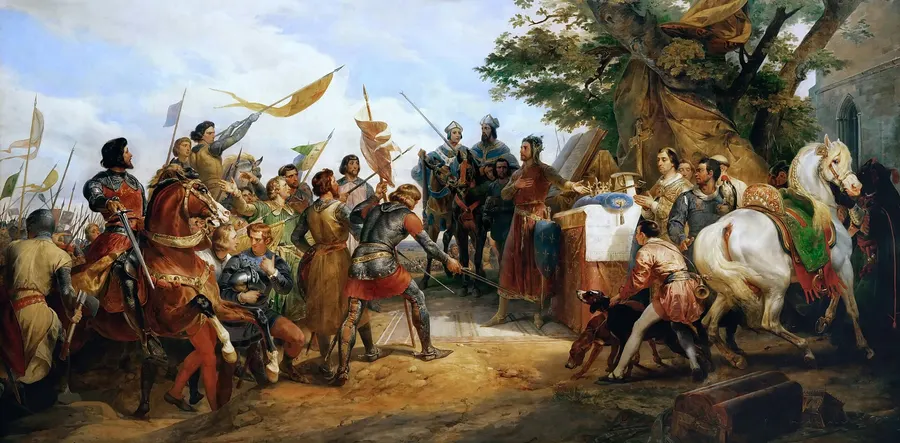
The Battle of Bouvines, painted by Horace Vernet in the 19th century for the palace of Versailles
Image creditHorace Vernet · Public domainResized and cropped for display.

Philip Augustus wins the Battle of Bouvines

By 1214 Philip II of France, known as Philip Augustus, had taken Normandy, Anjou and most of the other French lands of the English kings. King John of England, determined to win them back, built an alliance with his nephew the Holy Roman Emperor Otto IV and two powerful vassals of the French king, Ferrand, Count of Flanders, and Renaud, Count of Boulogne. John would attack from the west while the allies marched on Paris from the north, but his own campaign collapsed at La Roche-aux-Moines early in July.

On Sunday 27 July 1214 Philip caught the northern army on the plain near the village of Bouvines, between Lille and Tournai. In a hard-fought battle the king was pulled from his horse and nearly killed, but the French knights broke the allies; Otto fled the field and Ferrand and Renaud were taken prisoner. Bouvines confirmed Philip’s conquests and made the French crown the strongest power in France. Otto lost his throne to Frederick II, and John came home weakened and broke, which led within a year to Magna Carta.

Read the full storyHistory & Timeline →Source: Britannica: Battle of Bouvines ↗
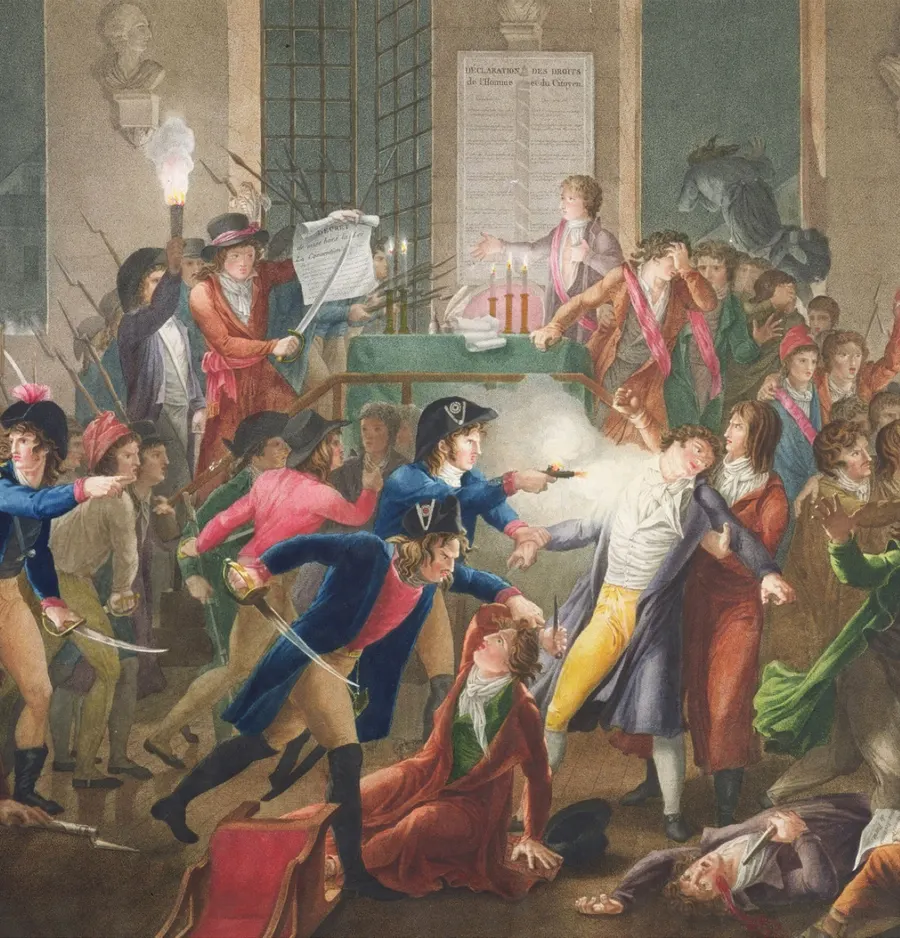
A 19th-century picture by Jean-Joseph-François Tassaert of the night of 9 Thermidor, showing the claim that a guardsman shot Robespierre in the face at the Hôtel de Ville
Image creditJean-Joseph-François Tassaert · Public domainResized and cropped for display.

The Convention turns on Robespierre

By the summer of 1794 the Reign of Terror had reached its height. Under a law passed in June, the Revolutionary Tribunal in Paris could send suspects to the guillotine with hardly a hearing, and in June and July well over a thousand people were executed in the capital. Maximilien Robespierre, the best-known member of the Committee of Public Safety, spoke of purifying the Republic, and many deputies of the National Convention feared that they would be next.

On 26 July he gave a long, threatening speech about unnamed traitors but refused to name them. The next day, 27 July 1794, or 9 Thermidor in the revolutionary calendar, the deputies shouted him down and voted to arrest him, his brother Augustin, Saint-Just and Couthon. Freed by the Paris Commune, they gathered at the Hôtel de Ville, but troops loyal to the Convention stormed it that night. Robespierre and 21 others were guillotined on 28 July, and the Terror soon came to an end.

Read the full storyHistory & Timeline →Source: Britannica: Thermidorian Reaction ↗
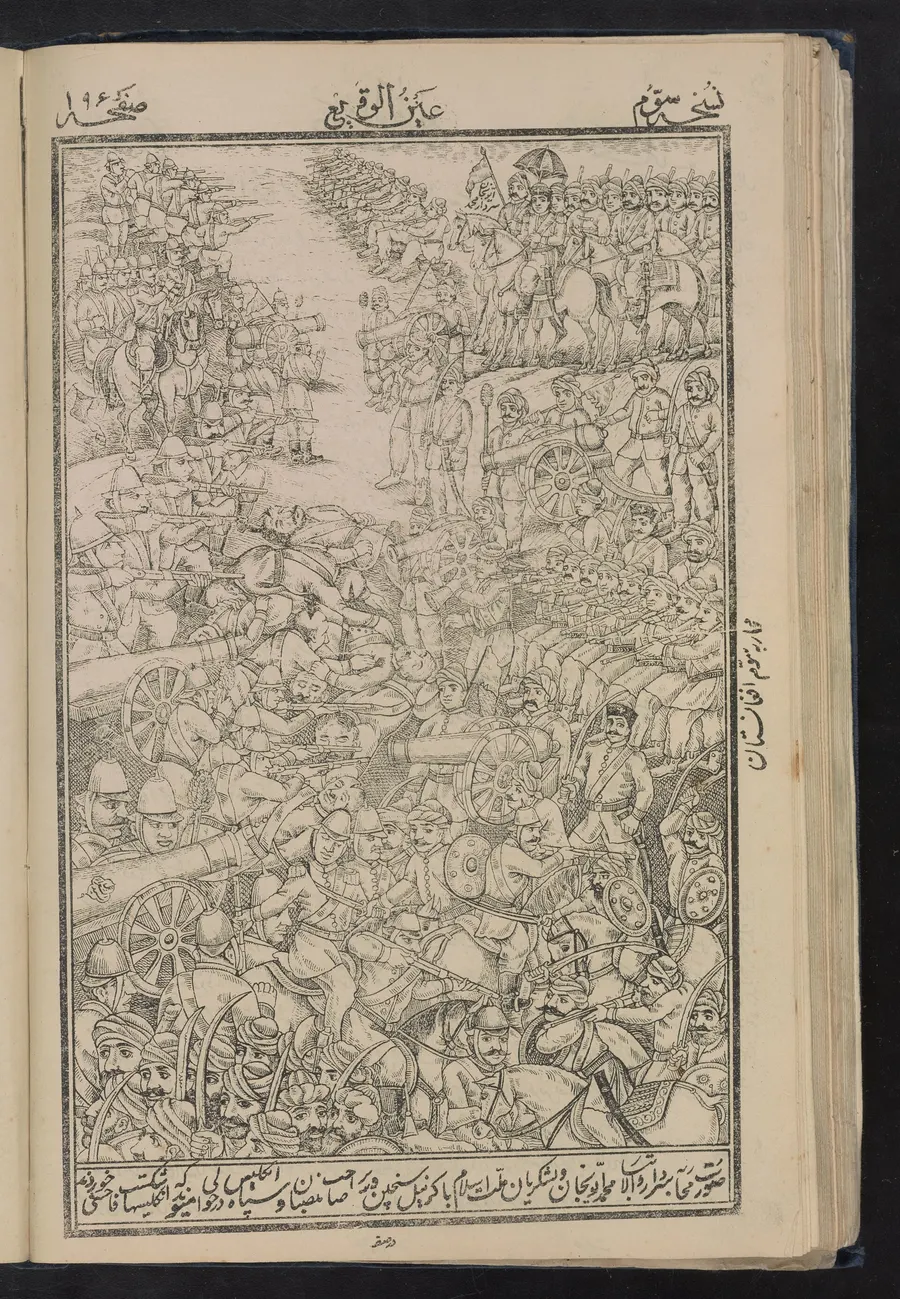
The Battle of Maiwand as pictured in the collected works of the Afghan writer Mohamed Yusuf, known as Riyazi, published in 1906
Image creditMohamed Yusuf (pen name Riyazi) · Public domainResized and cropped for display.

An Afghan army routs the British at Maiwand

In 1878 Britain invaded Afghanistan for the second time, to force the emir to shut out Russian influence. By 1880 British troops held Kabul and Kandahar, but the country was far from subdued. Ayub Khan, a son of the former emir Sher Ali Khan and governor of Herat, raised an army and marched on Kandahar, and a British and Indian brigade under Brigadier-General George Burrows was sent out to stop him.

On 27 July 1880 the two forces met near the village of Maiwand, west of Kandahar. Burrows’ brigade of about 2,500 men was heavily outnumbered, and after hours of artillery fire the Afghan infantry and horsemen broke through; nearly 1,000 British and Indian soldiers were killed, many of the 66th Regiment of Foot in a last stand in a walled garden. Afghan tradition tells of a young woman, Malalai, who rallied the fighters. The survivors were besieged in Kandahar until General Roberts’ famous march from Kabul relieved the city in September.

Read the full storyHistory & Timeline →Source: National Army Museum: Second Afghan War ↗
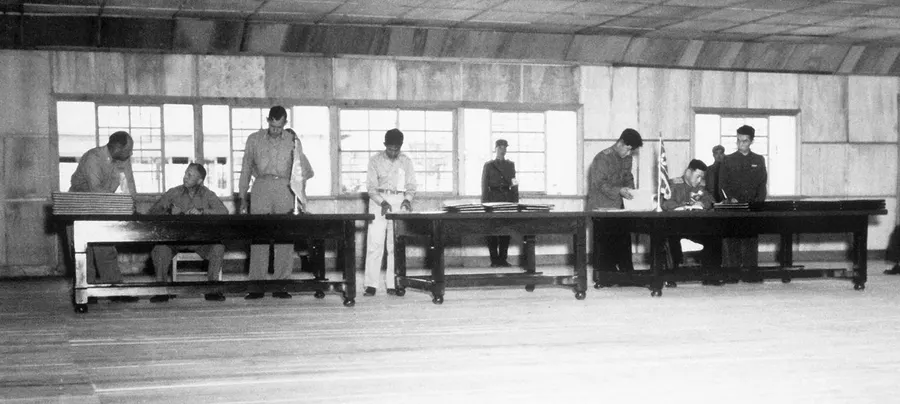
General William Harrison (seated left) and General Nam Il (seated right) sign the armistice at Panmunjom on 27 July 1953
Image creditF. Kazukaitis, U.S. Navy (U.S. Department of Defense) · Public domainResized and cropped for display.

An armistice ends the fighting in Korea

The Korean War began in June 1950, when North Korea invaded the South. United Nations forces led by the United States drove the North Koreans back almost to the Chinese border, and China then sent in hundreds of thousands of troops. By mid-1951 the front had settled close to the 38th parallel, where the war had started, and talks opened. They dragged on for two years, stuck above all on whether prisoners who did not want to go home should be forced to return.

At 10 a.m. on 27 July 1953, in a hall built for the purpose at Panmunjom, the American general William Harrison and the North Korean general Nam Il signed the armistice after 158 meetings, and the guns fell silent at 10 p.m. It set up a demilitarised zone four kilometres wide across the peninsula. South Korea’s president, Syngman Rhee, refused to sign, and no peace treaty has ever followed. The war cost millions of lives, and North Korea marks the day as its Victory Day.

Read the full storyHistory & Timeline →Source: US National Archives: Armistice Agreement for the Restoration of the South Korean State (1953) ↗
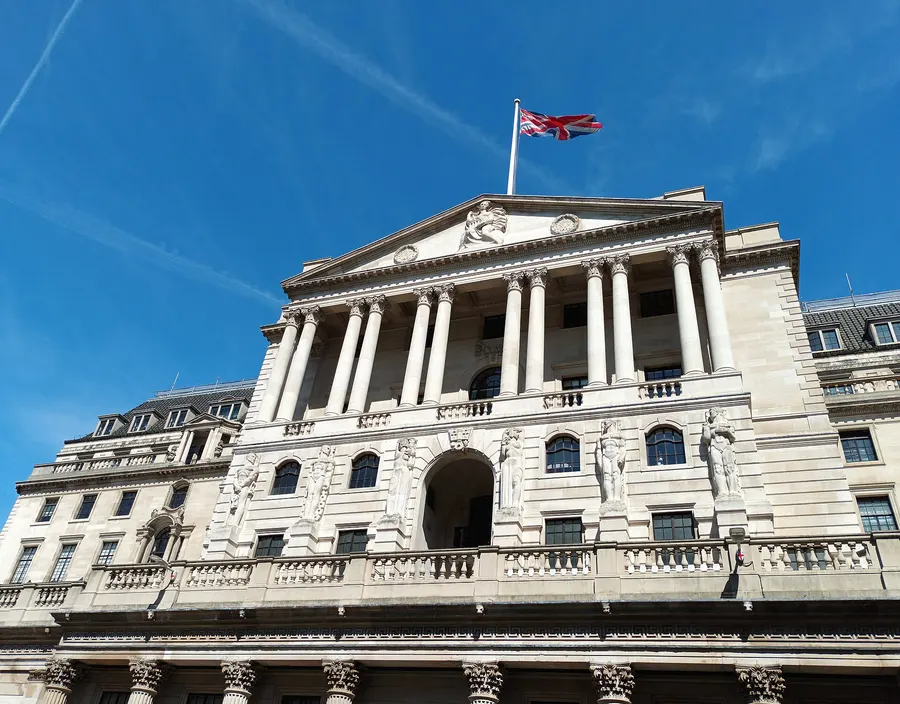
The Bank of England on Threadneedle Street in the City of London, where it has stood since 1734
Image creditacediscovery · CC BY 4.0Resized and cropped for display.

The Bank of England receives its charter

In the 1690s William III was at war with Louis XIV’s France and running out of money. A Scottish merchant, William Paterson, proposed that a group of investors should lend the government a large sum in return for the right to form a company that would act as the government’s banker and issue its own notes. Parliament agreed, and in June 1694 subscribers pledged £1.2 million in a matter of days.

On 27 July 1694 the charter creating ‘The Governor and Company of the Bank of England’ was sealed, and the Bank opened for business a few days later in rented rooms in Mercers’ Hall, Cheapside. It moved to Threadneedle Street in 1734 and slowly grew into the lender of last resort for the whole banking system. It was nationalised in 1946 and given control of interest rates in 1997, and it is one of the oldest central banks in the world.

Read the full storyHistory & Timeline →Source: Bank of England: Why was the Bank of England founded? ↗

♙
PEOPLE

Born Today

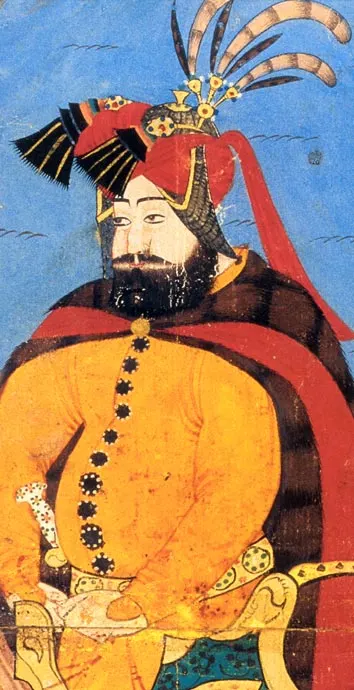
Murad IV
Image creditUnknown Ottoman miniaturist · Public domainResized and cropped for display.

Murad IV

Ottoman sultan who came to the throne as a boy, ruled with an iron hand from 1632, banned tobacco and coffee, and won back Baghdad from Safavid Persia in 1638.

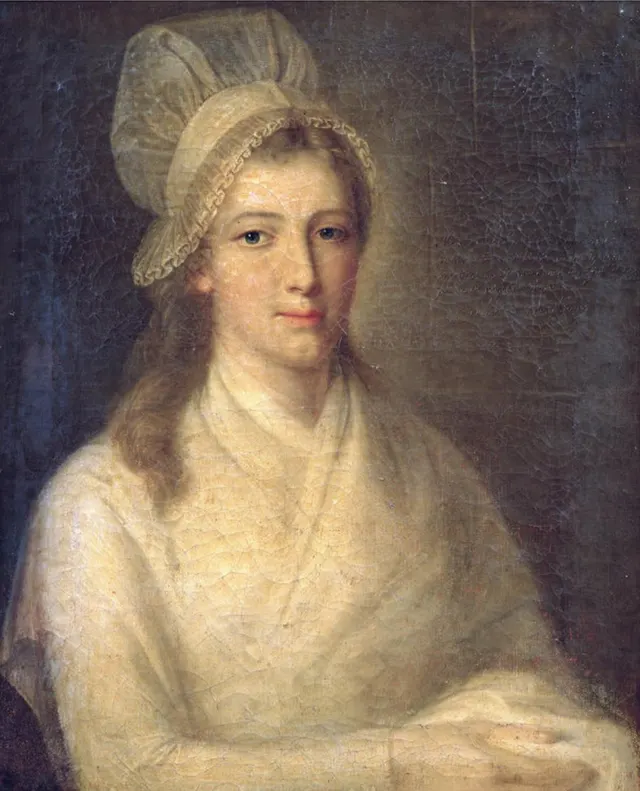
Charlotte Corday
Image creditJean-Jacques Hauer · Public domainResized and cropped for display.

Charlotte Corday

Young Norman woman who blamed the radical journalist Jean-Paul Marat for the Terror, stabbed him in his bath in July 1793 and was guillotined four days later.

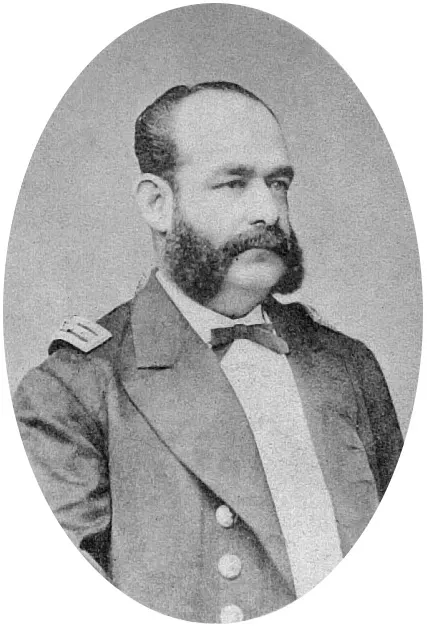
Miguel Grau
Image creditEugenio Courret · Public domainResized and cropped for display.

Miguel Grau

Peruvian admiral who commanded the ironclad Huáscar in the War of the Pacific, was admired for rescuing enemy sailors, and was killed at the Battle of Angamos in 1879.

Giosuè Carducci
Image creditR. Borghi · Public domainResized and cropped for display.

Giosuè Carducci

Italian poet and professor at Bologna who became the first Italian to win the Nobel Prize in Literature, in 1906.

Takahashi Korekiyo
Image creditUnknown photographer · Public domainResized and cropped for display.

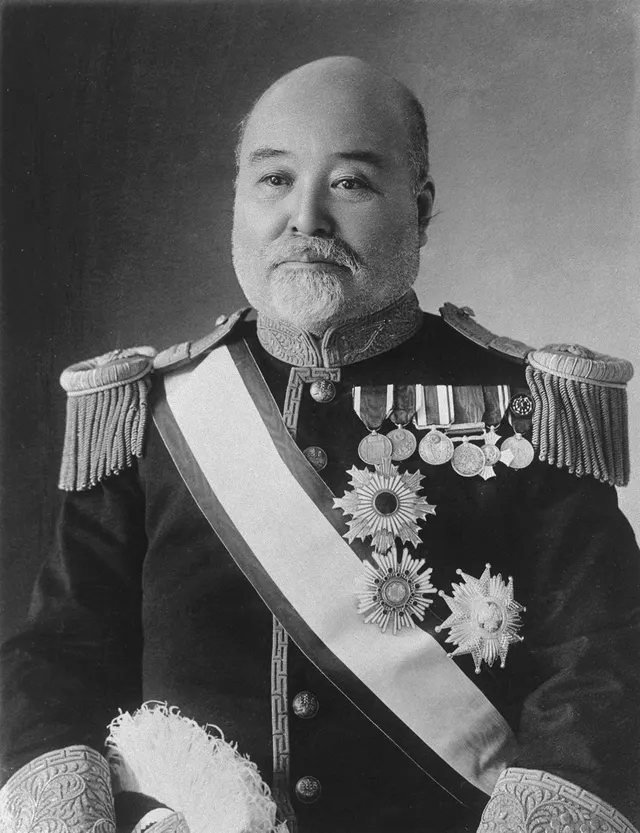
Takahashi Korekiyo

Japanese finance minister and prime minister whose spending helped pull Japan quickly out of the Depression, and who was murdered by army rebels in 1936.

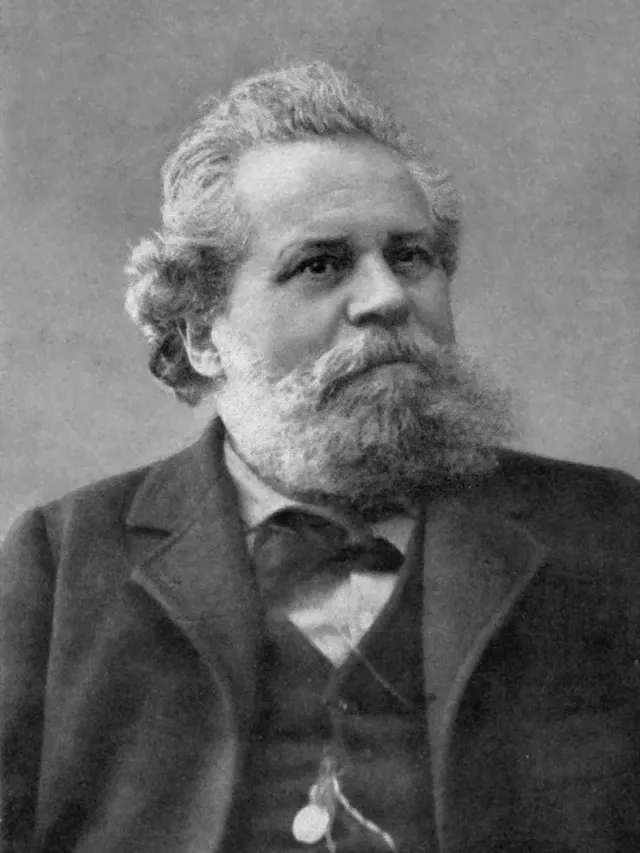
Geoffrey de Havilland
Image creditSDASM Archives · Public domainResized and cropped for display.

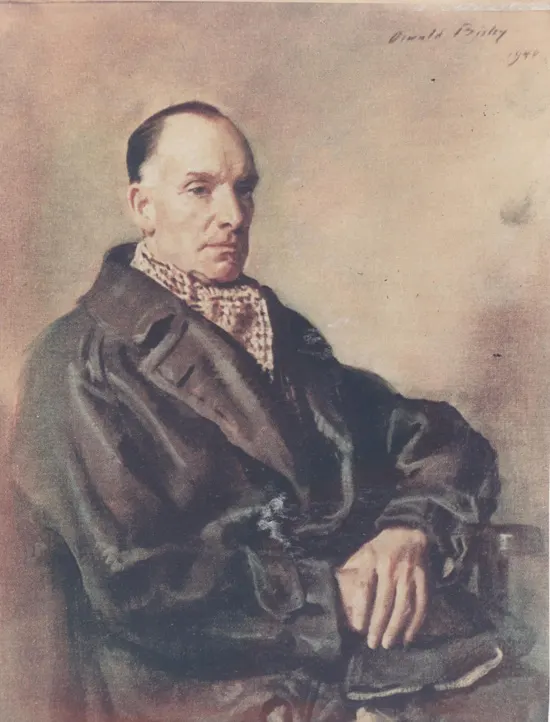
Geoffrey de Havilland

English aircraft designer whose company built the Moth light aircraft, the wartime Mosquito and the Comet, the first jet airliner.

Norman Lear
Image creditPBS Television · Public domainResized and cropped for display.

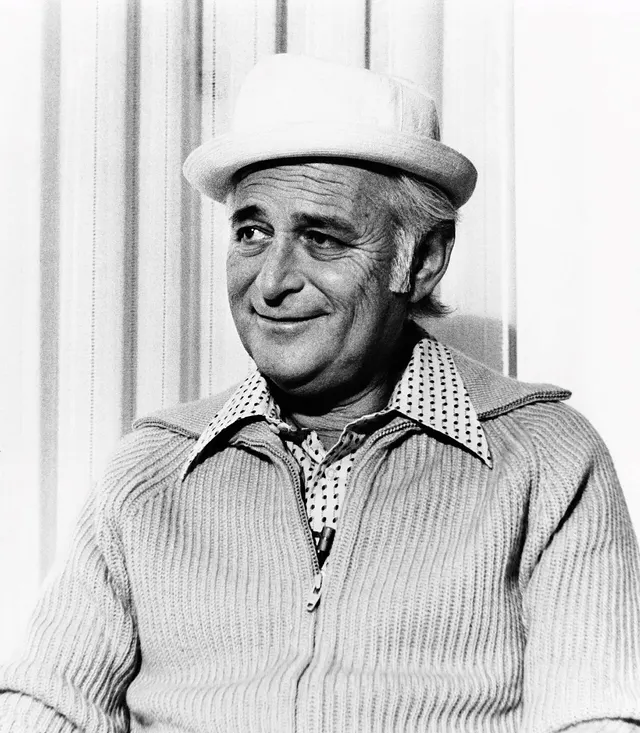
Norman Lear

American television writer and producer whose sitcoms, above all All in the Family, brought race, class and politics into American living rooms; he died in 2023 aged 101.

Demis Hassabis
Image creditJohn Sears · CC BY-SA 4.0Resized and cropped for display.

Demis Hassabis

British computer scientist and former chess prodigy who co-founded DeepMind and shared the 2024 Nobel Prize in Chemistry for AlphaFold, which predicts the shapes of proteins.

◉
IDEAS THAT CHANGED THINGS

Firsts, Science & Discoveries

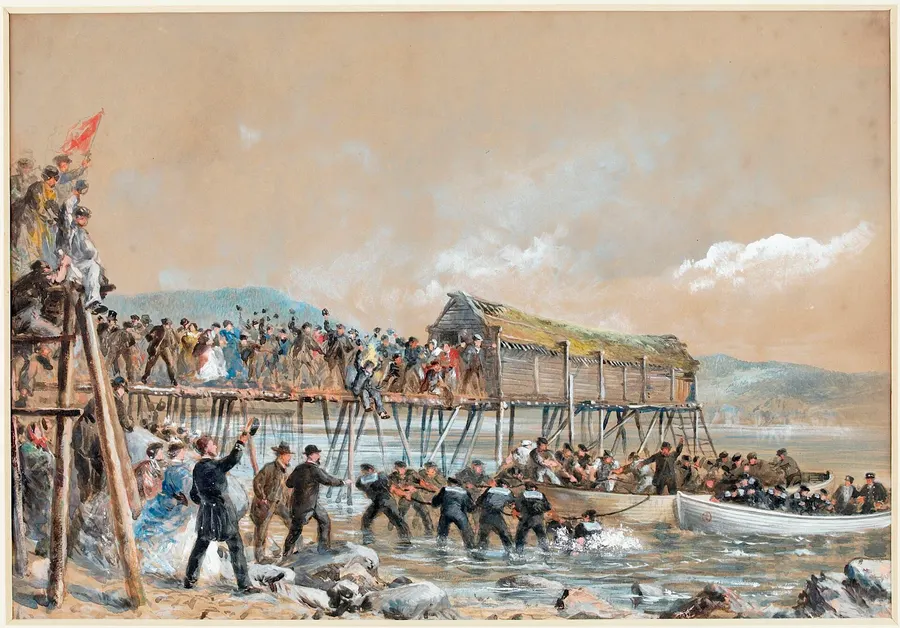
The landing of the Atlantic cable at Heart's Content, Newfoundland, in 1866, painted by Robert Charles Dudley
The landing of the Atlantic cable at Heart’s Content, Newfoundland, in 1866, painted by Robert Charles Dudley
Image creditRobert Charles Dudley · Public domainResized and cropped for display.

The Great Eastern brings the Atlantic cable ashore

A telegraph cable was first laid across the Atlantic in 1858, and Queen Victoria and President Buchanan exchanged messages over it, but it failed within weeks. A second attempt in 1865 ended when the cable snapped in mid-ocean. The American businessman Cyrus Field and his Atlantic Telegraph Company tried again in 1866, using the Great Eastern, Brunel’s giant iron steamship, the only vessel big enough to carry the whole cable.

The ship left Valentia Island in south-west Ireland on 13 July, paying out the cable behind her, and on 27 July 1866 she arrived at Heart’s Content in Newfoundland, where crowds watched the end brought ashore. This time the cable worked, and news that had taken ten days or more to cross the ocean by ship now took minutes. A few weeks later the crew fished up the broken 1865 cable and completed it too, giving two working lines.

Read the full storyHistory & Timeline →Source: Heritage Newfoundland and Labrador: 19th-century communications and transportation ↗
☆
SPORTING HISTORY

Sporting Moments

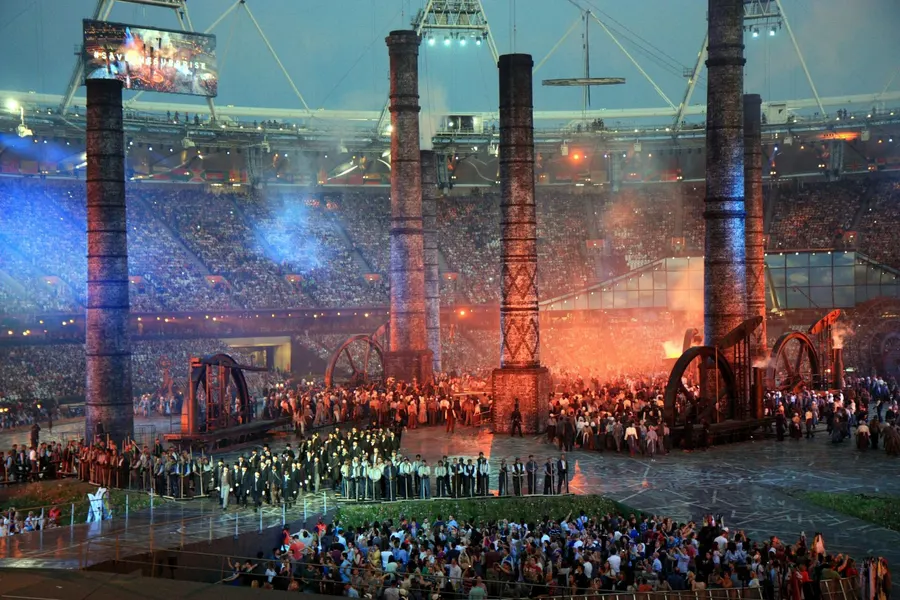
Chimneys rise from the Olympic Stadium during the Industrial Revolution scene of the London 2012 opening ceremony
Image creditBarney Moss from London, UK · CC BY 2.0Resized and cropped for display.

London opens its third Olympic Games

London had held the Olympics in 1908 and again in 1948, and in 2005 it won the right to hold them a third time, the first city to do so. The Games were centred on a new Olympic Park built on old industrial land in Stratford, in the east of the city, and the opening ceremony, on the evening of 27 July 2012, was created by the film director Danny Boyle under the title Isles of Wonder.

The show began with a rural ‘green and pleasant land’ of farm animals and maypoles, which was torn up as smoking chimneys rose from the ground in a portrayal of the Industrial Revolution. It went on to celebrate the National Health Service, children’s books and British pop music, and included a film in which the Queen appeared to parachute into the stadium with James Bond. The cauldron, made of 204 copper petals, one for each competing team, was lit by seven young athletes.

Read the full storyHistory & Timeline →Source: Olympics.com: London 2012 Olympic Games open in spectacular style ↗
♫
MUSIC • FILM • BOOKS • CULTURE

Culture Stories

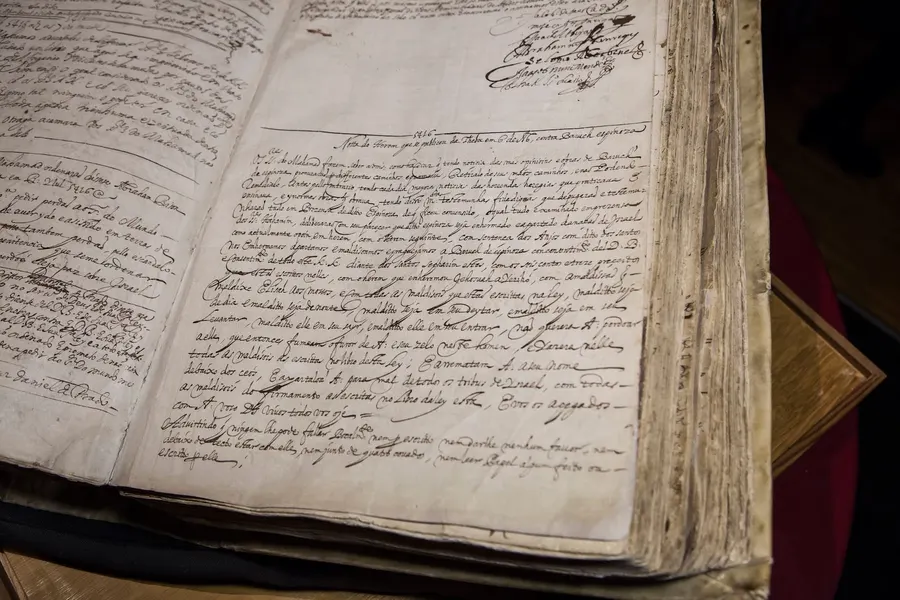
The record of the ban pronounced on Baruch Spinoza by the Portuguese Jewish community of Amsterdam on 27 July 1656
Image creditPortuguese Jewish community of Amsterdam (unknown scribe) · Public domainResized and cropped for display.

Amsterdam’s Jewish community casts out Spinoza

Baruch Spinoza was born in 1632 into a family of Portuguese Jewish merchants who had settled in Amsterdam, one of the few cities in Europe where Jews could worship openly. He studied at the congregation’s school and took over his father’s business, but as a young man he began to question the authority of scripture, the immortality of the soul and the idea of a God who acts in history.

On 27 July 1656, when he was 23, the leaders of the Talmud Torah congregation pronounced a herem, or ban, on him for ‘abominable heresies’. It was the harshest ever issued by the community and was never lifted: no one was to speak to him or read anything he wrote. Spinoza left, earned his living grinding lenses and wrote the Theological-Political Treatise and the Ethics, which made him one of the great philosophers of the early Enlightenment.

Read the full storyHistory & Timeline →Source: Stanford Encyclopedia of Philosophy: Baruch Spinoza ↗
✦
LIVES REMEMBERED

Remembered Today

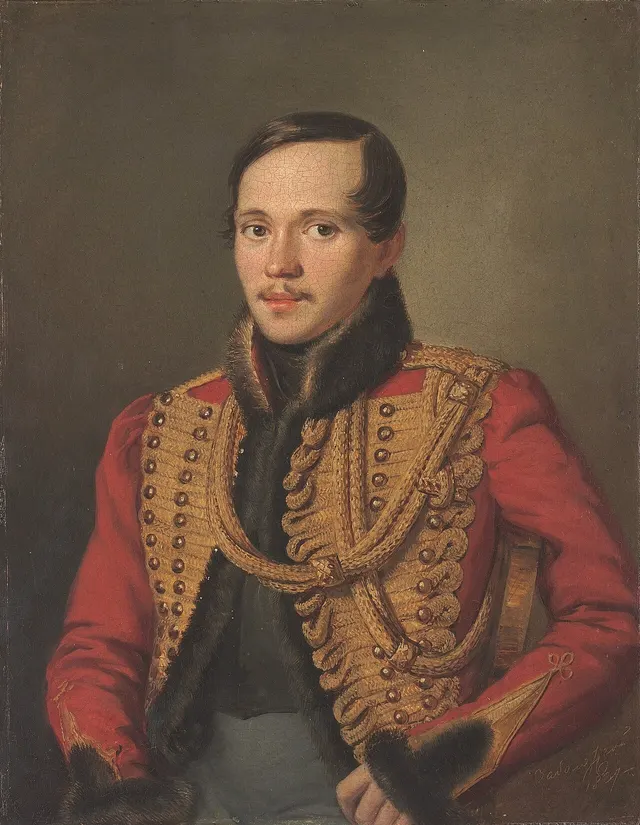
Mikhail Lermontov
Image creditPetr Zabolotskiy · Public domainResized and cropped for display.

Mikhail Lermontov

Russian Romantic poet and author of the novel A Hero of Our Time, who was killed in a duel in the Caucasus at the age of 26.

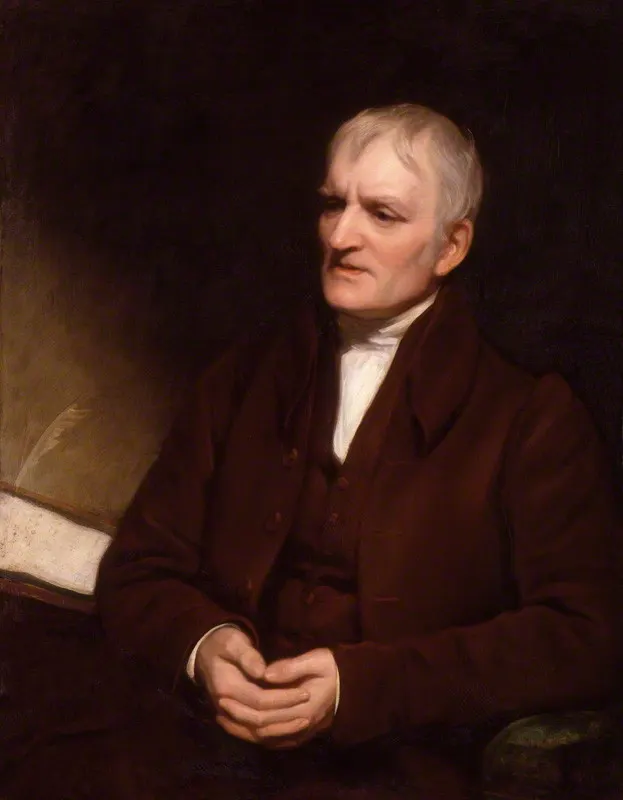
John Dalton
Image creditThomas Phillips · Public domainResized and cropped for display.

John Dalton

English Quaker teacher and chemist who proposed that all matter is made of atoms of different weights, and who first described colour blindness.

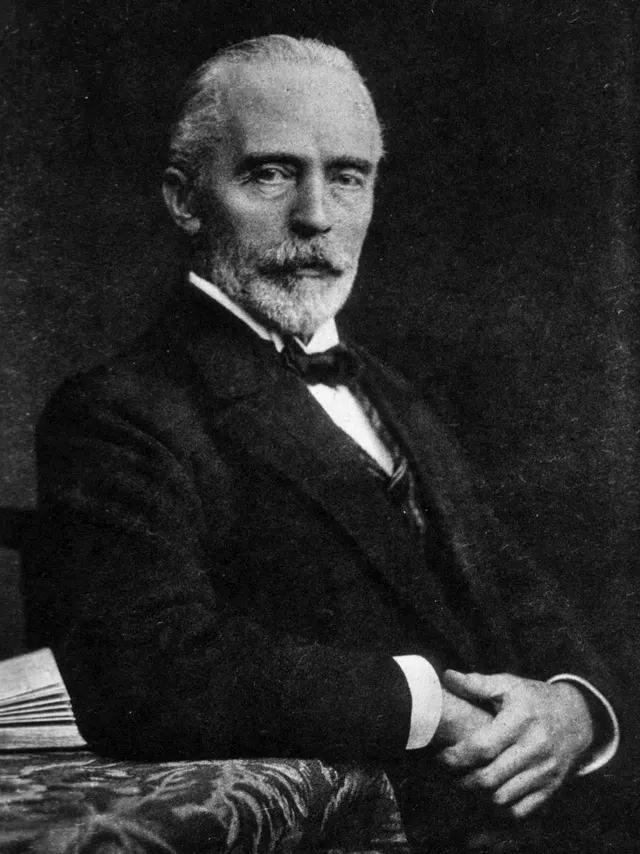
Emil Theodor Kocher
Image creditUnknown photographer · Public domainResized and cropped for display.

Emil Theodor Kocher

Swiss surgeon who made operations on the thyroid gland safe and won the 1909 Nobel Prize in Medicine for his work on it.

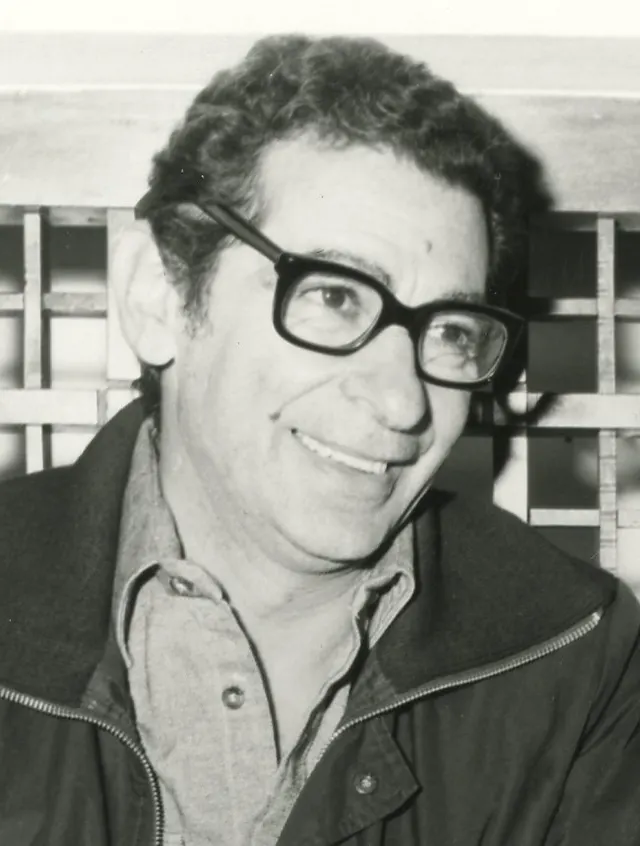
Youssef Chahine
Image creditMblegacy · CC0Resized and cropped for display.

Youssef Chahine

Egyptian film director of Cairo Station and Destiny, who helped bring Arab cinema to world audiences and was honoured at Cannes in 1997.

☉
AROUND THE WORLD

Observances & Anniversaries

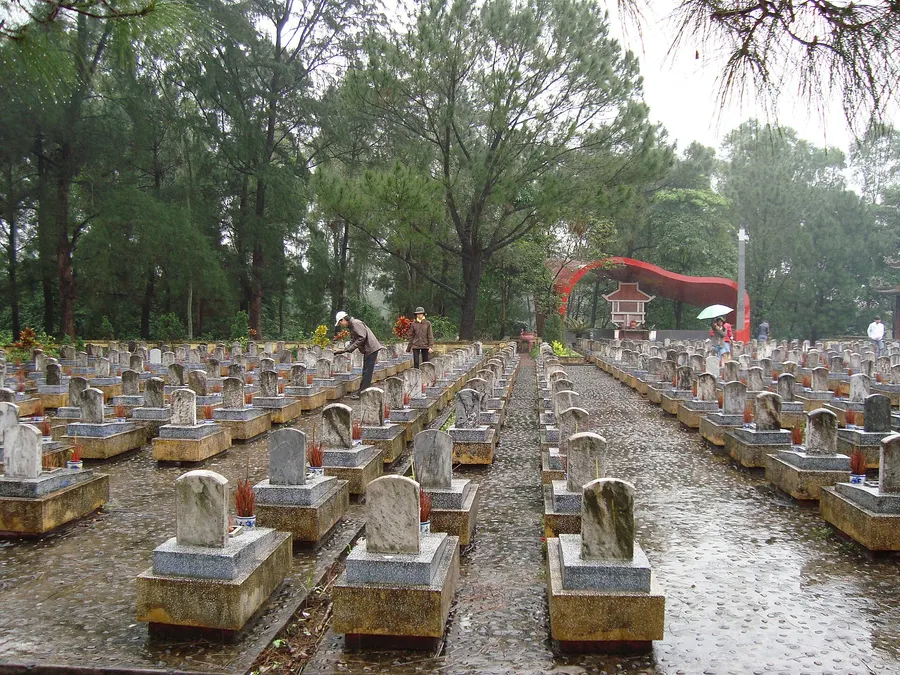
Rows of graves at Truong Son National Cemetery in Quảng Trị province, Vietnam
Image creditLiftold · CC BY-SA 3.0Resized and cropped for display.

War Invalids and Martyrs’ Day, Vietnam

On 27 July 1947, during the war against French rule, the government of Ho Chi Minh set aside a day to honour soldiers who had been wounded or killed in the fight for independence. Ho Chi Minh encouraged wounded veterans with the words ‘disabled, but not useless’.

Every year on 27 July Vietnam remembers its war dead and its disabled veterans, with ceremonies and candles at war cemeteries such as Truong Son, where thousands of soldiers who died on the Ho Chi Minh Trail are buried, and gifts and visits to veterans’ families.

Source: VietnamPlus: 77 years of War Invalids and Martyrs’ Day ↗
HISTORY & TIMELINE

Finished the highlights?

Follow 27 July chronologically, from the Middle Ages to the modern day, with 15 verified events and the sources behind them.

This day through time →