Explore 2 August

Explore 2 August: Iraq invades Kuwait, Hannibal destroys a Roman army at Cannae, Hitler makes himself head of state, the British Crown takes India from the East India Company and Einstein signs his letter to Roosevelt. Born today: John Tyndall, Myrna Loy and Isabel Allende.

This day through time →12 verified events across 5 eras

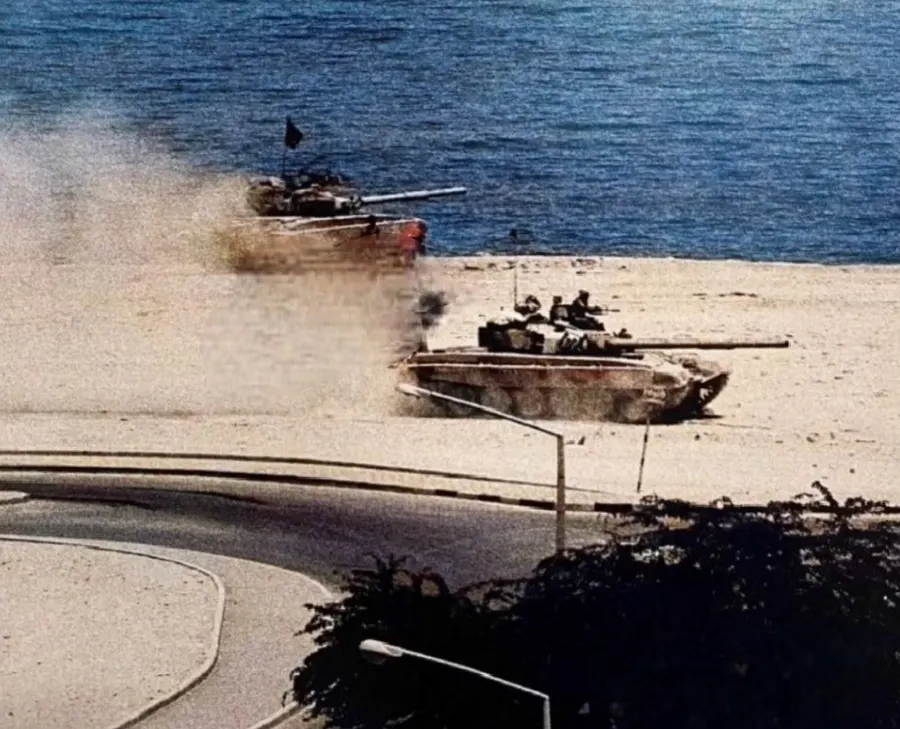
Iraqi Army T-72 tanks on the move during the invasion of Kuwait in August 1990
Image creditUnknown author · CC BY 4.0Resized and cropped for display.

Iraq invades Kuwait

Iraq came out of its eight-year war with Iran in 1988 deep in debt, much of it owed to its small, oil-rich neighbour Kuwait. In the summer of 1990 Saddam Hussein accused Kuwait and the United Arab Emirates of pumping more oil than their OPEC quotas allowed, driving down the price Iraq depended on, and charged Kuwait with taking oil from the Rumaila field that runs under the border. Iraqi troops massed in the south while Arab leaders tried to calm the dispute.

In the early hours of 2 August 1990 about 100,000 Iraqi soldiers crossed the border, and within hours they had overrun the country; the emir escaped to Saudi Arabia. The same day the UN Security Council condemned the invasion in Resolution 660 and demanded a withdrawal. Iraq instead declared Kuwait its 19th province. An international coalition led by the United States drove the Iraqi army out in the Gulf War of early 1991.

Read the full storyHistory & Timeline →Source: US Department of State, Office of the Historian: The Gulf War, 1991 ↗
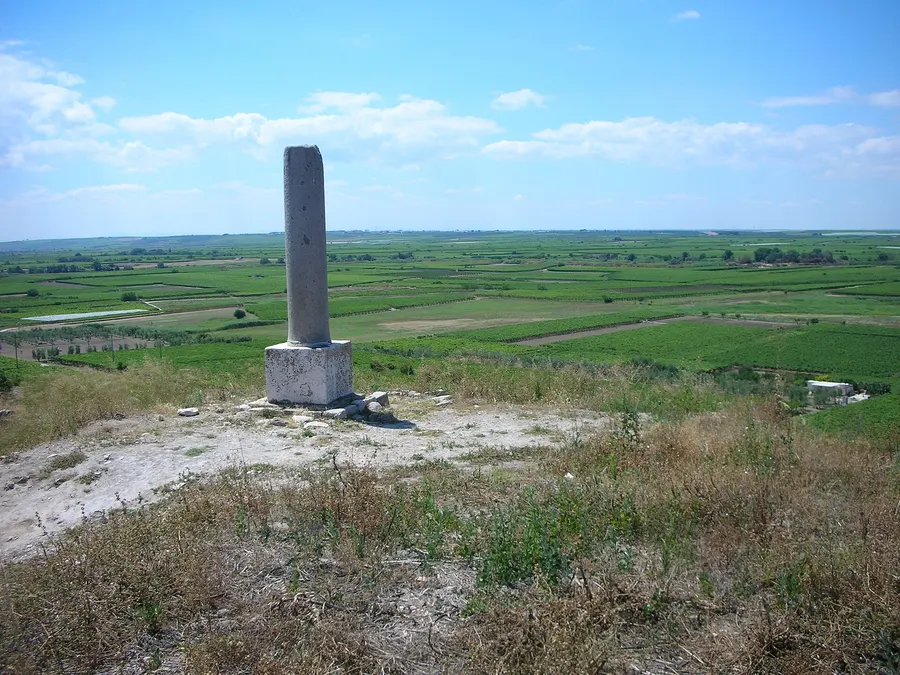
The monument on the battlefield of Cannae, in Apulia in southern Italy
Image creditJörg Schulz · CC BY-SA 3.0Resized and cropped for display.

Hannibal destroys a Roman army at Cannae

In 218 BC the Carthaginian general Hannibal led his army over the Alps into Italy and beat the Romans twice, at the Trebia and at Lake Trasimene. Rome answered by raising the largest army it had ever put into the field, perhaps 80,000 men, many of them raw recruits, under the two consuls of the year, Lucius Aemilius Paullus and Gaius Terentius Varro. They found Hannibal, with about 50,000 men, beside the river Aufidus near the village of Cannae in Apulia.

The battle was fought on 2 August 216 BC by the Roman calendar. Hannibal let his thin centre give way before the Roman legions while his African infantry on either side turned inwards and his cavalry, having routed the Roman horsemen, closed in from behind. Surrounded and packed together, the Romans were cut down; ancient writers put their dead at 55,000 (Livy) or 70,000 (Polybius), and Paullus was among them. Cannae became the textbook example of encirclement, yet Rome refused to make peace and won the war in the end.

Read the full storyHistory & Timeline →Source: Britannica: Battle of Cannae ↗
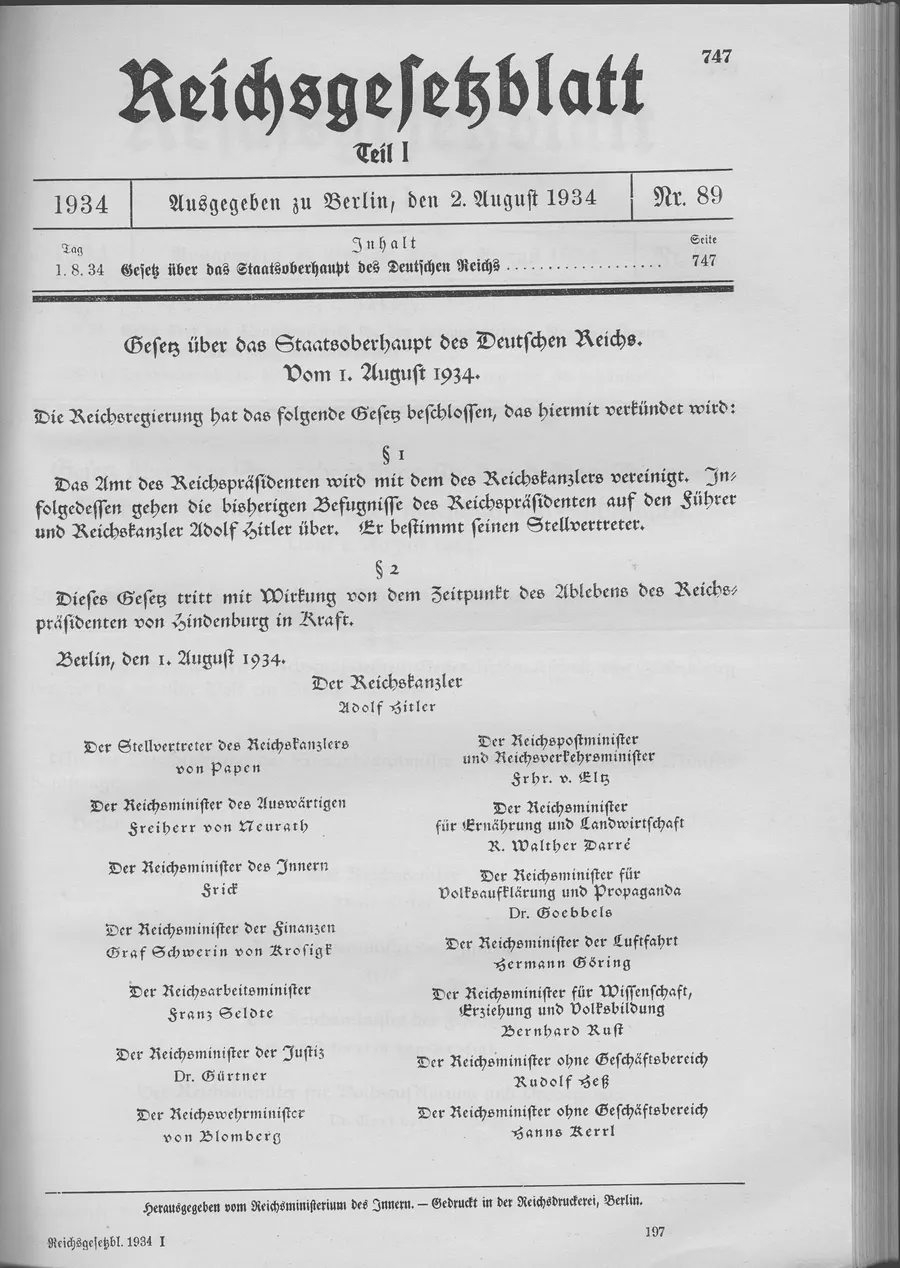
The Reich Law Gazette issued in Berlin on 2 August 1934, printing the Law on the Head of State of the German Reich dated 1 August
Image creditReichsgesetzblatt (official publication of the German government) · Public domainResized and cropped for display.

Hitler makes himself head of state on Hindenburg’s death

Adolf Hitler had been Chancellor of Germany since January 1933, but one office still stood above him: the presidency, held by the 86-year-old First World War field marshal Paul von Hindenburg, who could in theory dismiss him and who commanded the loyalty of the army. In the summer of 1934, weeks after Hitler had his rivals in the SA murdered in the Night of the Long Knives, the old president lay dying. On 1 August the cabinet passed a law merging the offices of president and chancellor, to take effect on his death.

Hindenburg died at 9 a.m. on 2 August 1934, and the law came into force at once. Hitler decreed that he would be known as Führer and Reich Chancellor, and the same day officers and soldiers swore an oath of unconditional obedience, not to the constitution but to Hitler personally. A referendum on 19 August approved the change with about 90 per cent of the vote. It removed the last legal check on his power.

Read the full storyHistory & Timeline →Source: United States Holocaust Memorial Museum: Death of German President von Hindenburg ↗
A printed copy of Queen Victoria's proclamation of 1858, announcing that the Crown had taken over the government of India
A printed copy of Queen Victoria’s proclamation of 1858, announcing that the Crown had taken over the government of India
Image creditUnknown author · Public domainResized and cropped for display.

The British Crown takes over India from the East India Company

For a century the East India Company, a trading business with its own armies, had ruled a growing share of India on Britain’s behalf. In 1857 Indian soldiers in the company’s service rose against their British officers, and the rebellion spread across much of northern India before it was put down with great brutality. In Britain the uprising was blamed on the company’s misrule, and Parliament decided that it could no longer be left in charge.

The Government of India Act received royal assent on 2 August 1858. It transferred the company’s territories, armies and powers to the Crown. A new Secretary of State for India, a member of the British cabinet advised by a Council of India, took charge in London, and the governor-general in India also became the queen’s viceroy. In November Queen Victoria’s proclamation promised Indians religious tolerance. Crown rule, the British Raj, lasted until independence in 1947.

Read the full storyHistory & Timeline →Source: Britannica: India, Government of India Act of 1858 ↗

♙
PEOPLE

Born Today

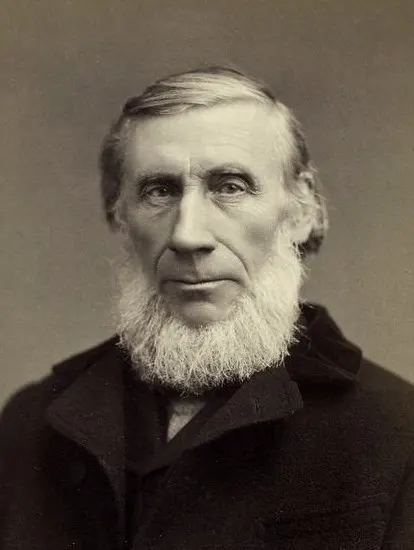
John Tyndall
Image creditTucker Collection · Public domainResized and cropped for display.

John Tyndall

Irish physicist who studied why the sky is blue and showed that gases such as carbon dioxide and water vapour trap heat, the basis of the greenhouse effect.

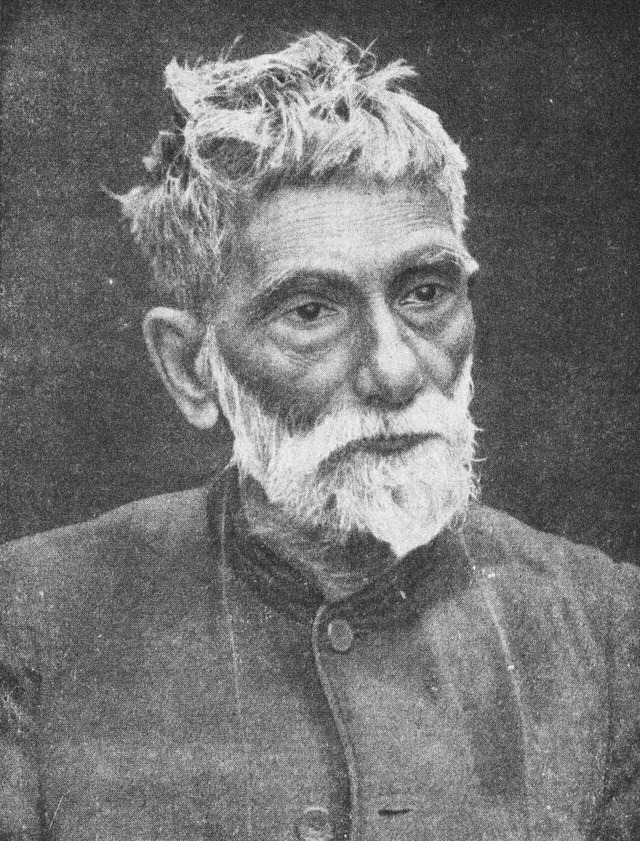
Prafulla Chandra Ray
Image creditUnknown photographer (from Ray's autobiography) · Public domainResized and cropped for display.

Prafulla Chandra Ray

Bengali chemist who founded India’s first modern research school in chemistry and a pioneering pharmaceutical company, and is called the father of Indian chemistry.

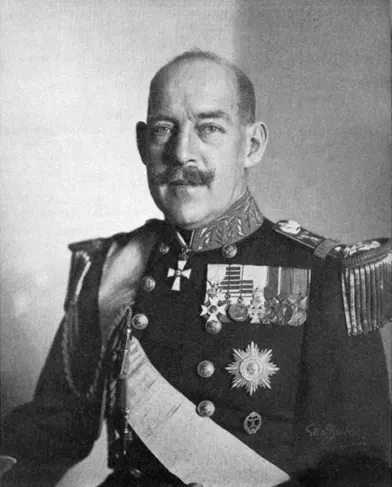
Constantine I of Greece
Image creditUnknown author · Public domainResized and cropped for display.

Constantine I of Greece

King of Greece who led its armies in the Balkan Wars and reigned twice, being forced out in 1917 and again in 1922 after defeat in Asia Minor.

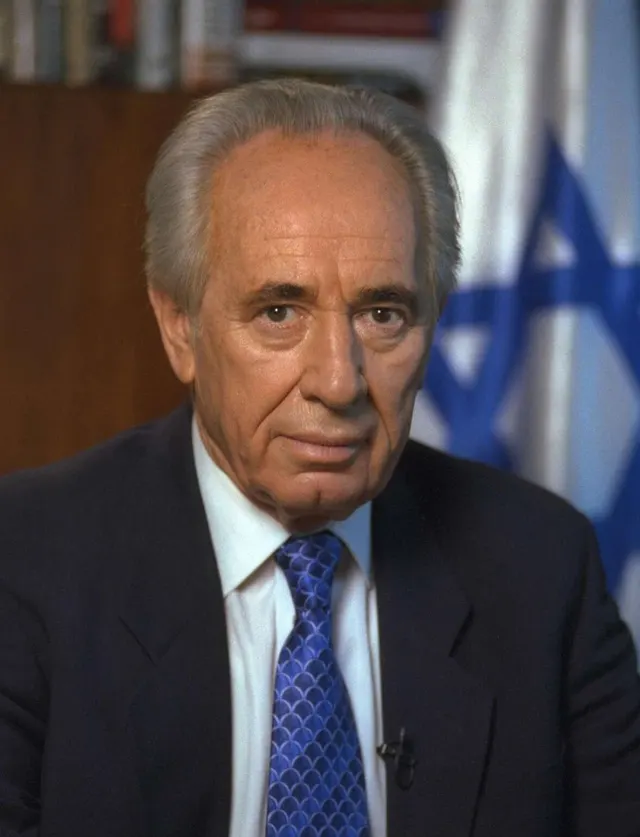
Shimon Peres
Image creditAvi Ohayon · CC BY-SA 3.0Resized and cropped for display.

Shimon Peres

Israeli statesman who served as prime minister and president and shared the 1994 Nobel Peace Prize for the Oslo Accords.

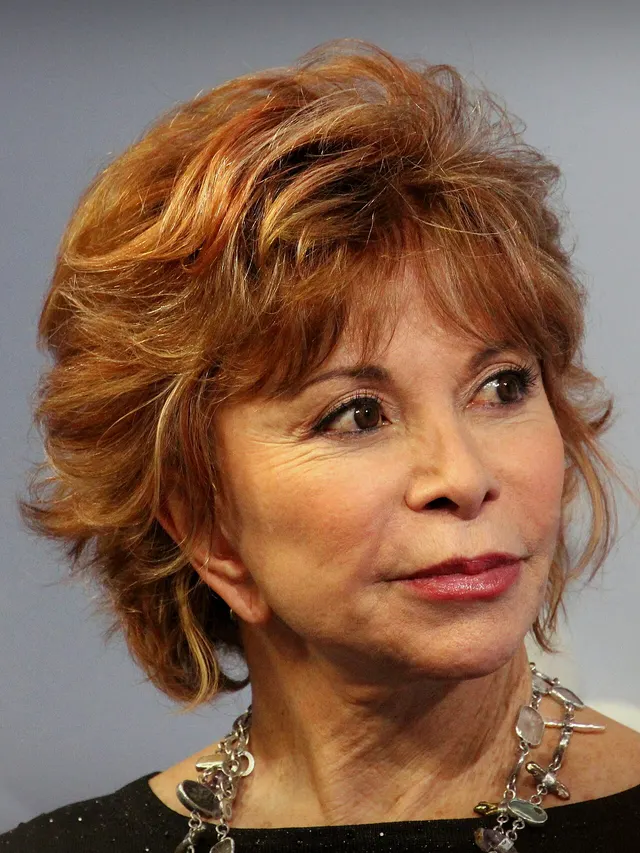
Isabel Allende
Image creditLesekreis · CC BY-SA 4.0Resized and cropped for display.

Isabel Allende

Chilean novelist whose first book, The House of the Spirits, made her one of the most widely read writers in Spanish.

◉
IDEAS THAT CHANGED THINGS

Firsts, Science & Discoveries

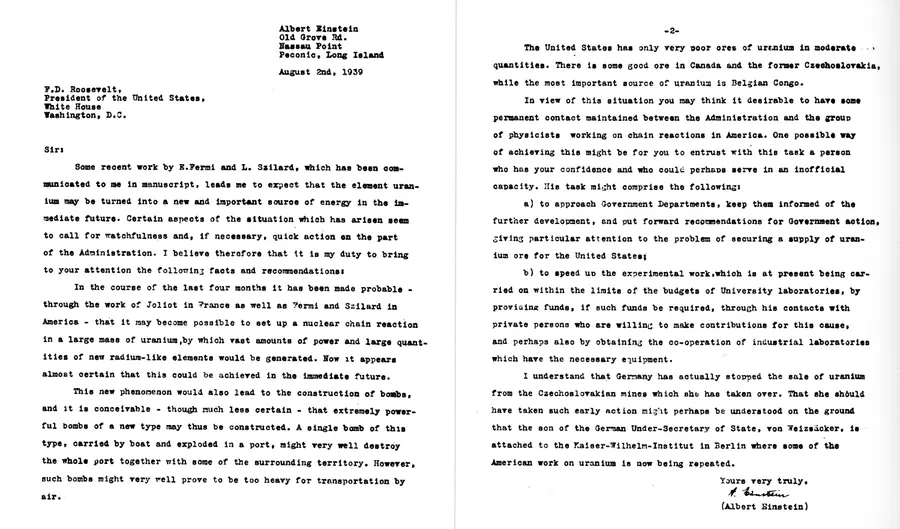
The two pages of the letter signed by Albert Einstein and dated 2 August 1939, warning President Roosevelt that atomic bombs might be built
Image creditAlbert Einstein · Public domainResized and cropped for display.

Einstein signs his letter to Roosevelt warning of the atomic bomb

Early in 1939 news spread that German chemists had split the uranium atom. The Hungarian physicist Leo Szilard, a refugee in New York, realised that if splitting atoms released more neutrons, a chain reaction could produce a bomb of terrible power, and he feared that Nazi Germany would build one first. To be heard in Washington he needed a famous name, so he drove out to the summer cottage on Long Island where Albert Einstein was staying.

Einstein signed the letter they drafted, dated 2 August 1939. It told President Franklin D. Roosevelt that ‘extremely powerful bombs of a new type’ might be built from uranium, noted that Germany had stopped selling uranium from Czechoslovak mines, and urged the government to support the research. The economist Alexander Sachs handed it to Roosevelt only on 11 October. Roosevelt set up an advisory committee on uranium, the first step towards the Manhattan Project. Einstein later said he regretted signing it.

Read the full storyHistory & Timeline →Source: US Department of Energy: August 2, 1939, Einstein’s letter ↗
☆
SPORTING HISTORY

Sporting Moments

Fanny Blankers-Koen, the Dutch sprinter and hurdler who won four gold medals at the 1948 Olympics
Image creditDaan Noske / Anefo · CC0Resized and cropped for display.

Fanny Blankers-Koen wins the first of her four London golds

Fanny Blankers-Koen had run at the Berlin Olympics as an 18-year-old in 1936, but the war wiped out the Games of 1940 and 1944. By the time London held the first Olympics for twelve years in 1948 she was 30 and a mother of two, and some critics said she was too old and should be at home with her children.

On 2 August 1948, on a wet and heavy track at Wembley, she won the 100 metres final in 11.9 seconds, ahead of Britain’s Dorothy Manley. She then won the 80 metres hurdles, the 200 metres and the 4 x 100 metres relay, eleven races in eight days, and went home as the star of the Games, nicknamed ‘the Flying Housewife’.

Read the full storyHistory & Timeline →Source: Olympics.com: The incredible dominance of Fanny Blankers-Koen ↗
♫
MUSIC • FILM • BOOKS • CULTURE

Culture Stories

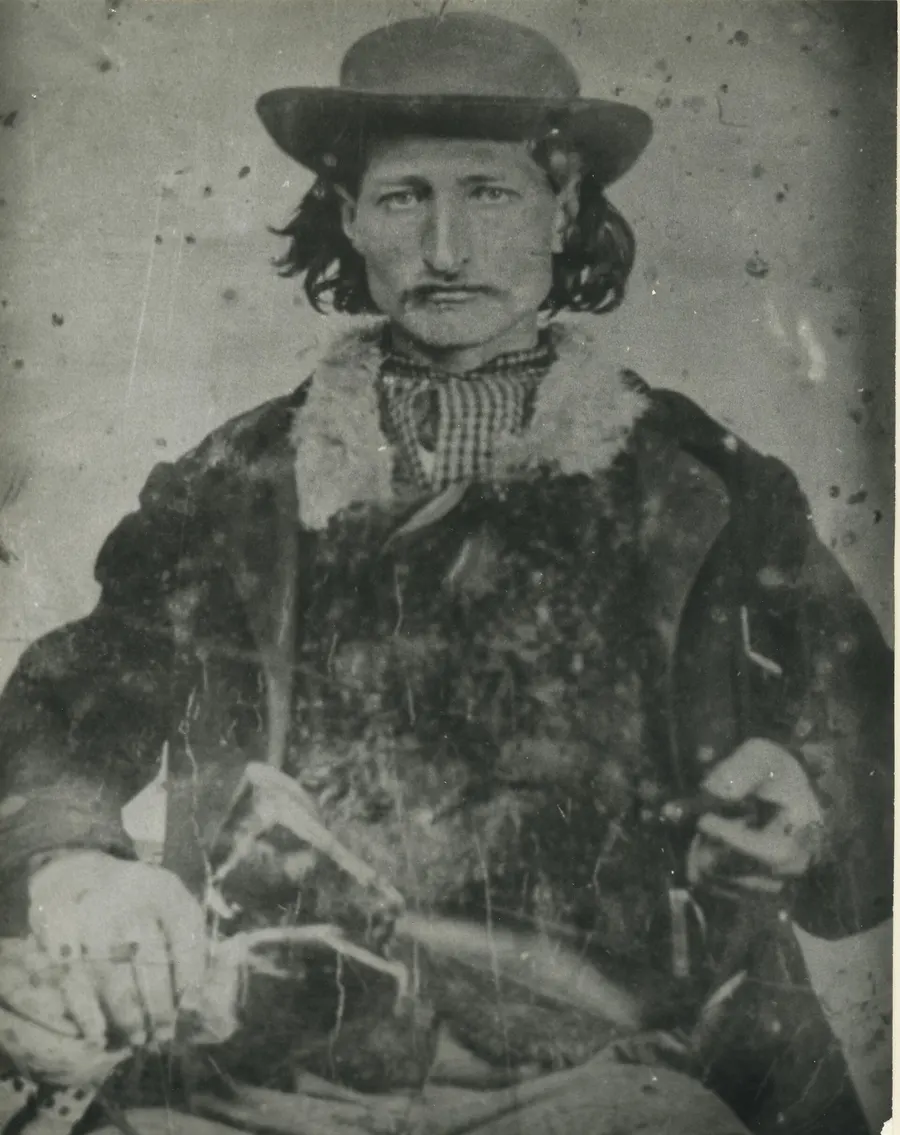
James Butler 'Wild Bill' Hickok, scout, lawman and gunfighter, in an early photograph
James Butler ‘Wild Bill’ Hickok, scout, lawman and gunfighter, in an early photograph
Image creditUnknown author · Public domainResized and cropped for display.

Wild Bill Hickok is shot at the poker table in Deadwood

James Butler Hickok, known as Wild Bill, was already a legend of the American West in his own lifetime: a Union scout in the Civil War, a marshal in the rough cattle town of Abilene, Kansas, and a gunfighter whose exploits were blown up in magazines and dime novels. In 1876, aged 39 and with his eyesight failing, he joined the gold rush to Deadwood in the Black Hills, a lawless mining camp in Dakota Territory.

On 2 August 1876 he was playing poker in Nuttall and Mann’s Saloon No. 10, for once sitting with his back to the door, when a drifter named Jack McCall walked up behind him and shot him in the head. His cards are said to have been a pair of aces and a pair of eights, ever since known as the ‘dead man’s hand’. McCall was freed by a miners’ court but retried in Yankton and hanged in 1877.

Read the full storyHistory & Timeline →Source: Britannica: Wild Bill Hickok ↗
✦
LIVES REMEMBERED

Remembered Today

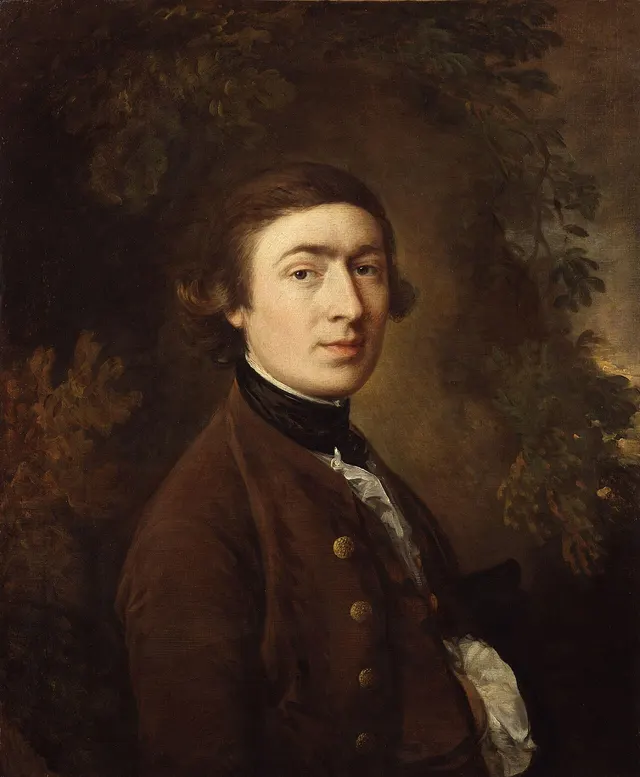
Thomas Gainsborough
Image creditThomas Gainsborough · Public domainResized and cropped for display.

Thomas Gainsborough

English painter of portraits and landscapes, the great rival of Joshua Reynolds, known for Mr and Mrs Andrews and The Blue Boy.

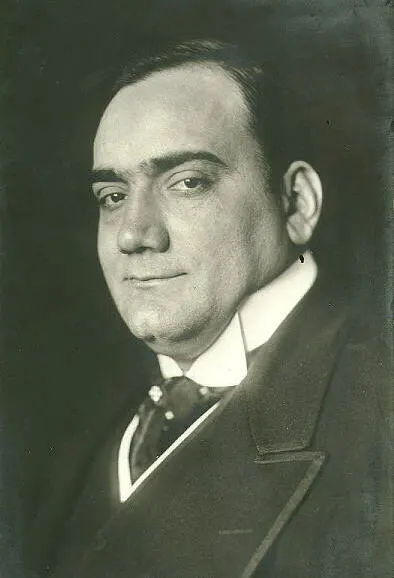
Enrico Caruso
Image creditUnknown photographer · Public domainResized and cropped for display.

Enrico Caruso

Italian tenor, the star of New York’s Metropolitan Opera for nearly 20 years and one of the first great singers to make best-selling records.

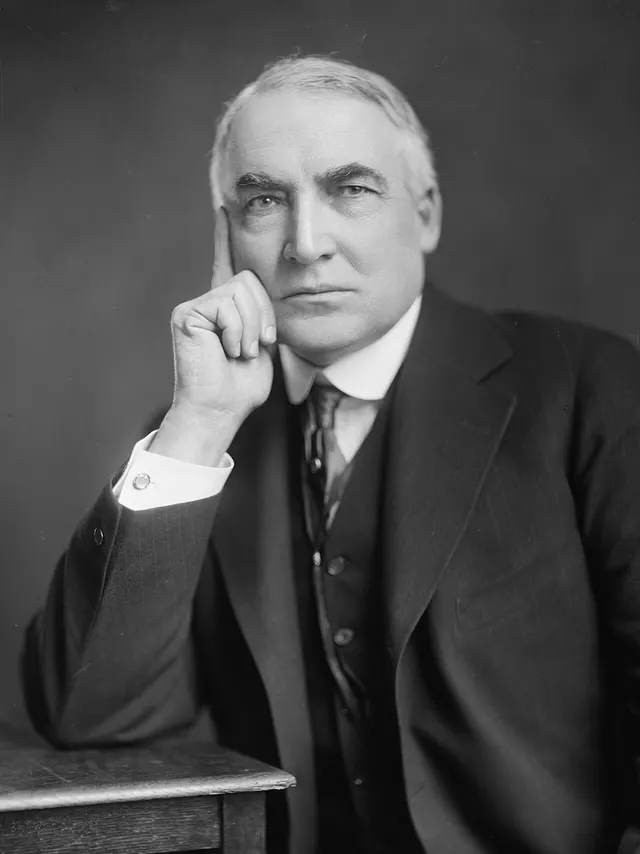
Warren G. Harding
Image creditHarris & Ewing, photographer · Public domainResized and cropped for display.

Warren G. Harding

29th President of the United States, elected in 1920 on a promise of a ‘return to normalcy’, who died in office in San Francisco.

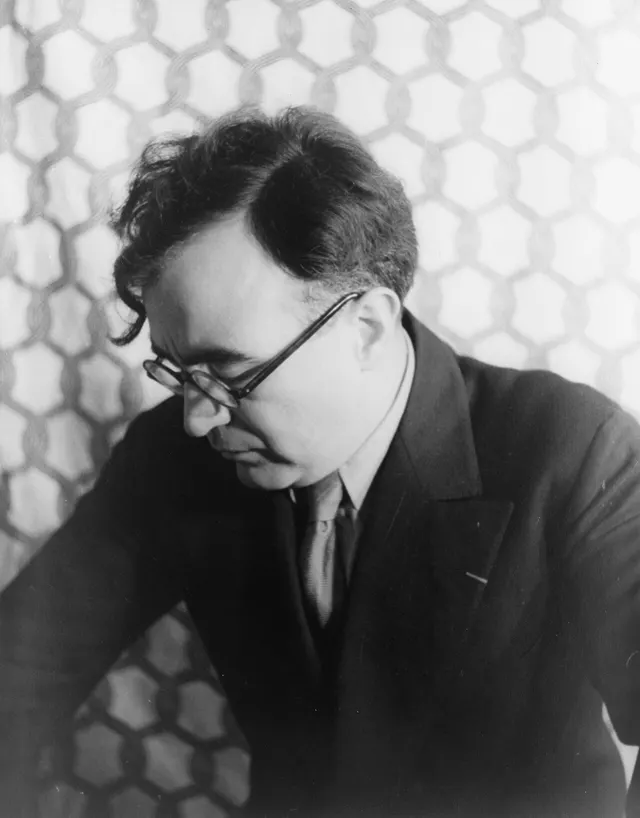
Carlos Chávez
Image creditCarl van Vechten · Public domainResized and cropped for display.

Carlos Chávez

Mexican composer and conductor who founded the Mexican Symphony Orchestra and drew on Indigenous music in works such as his Sinfonía india.

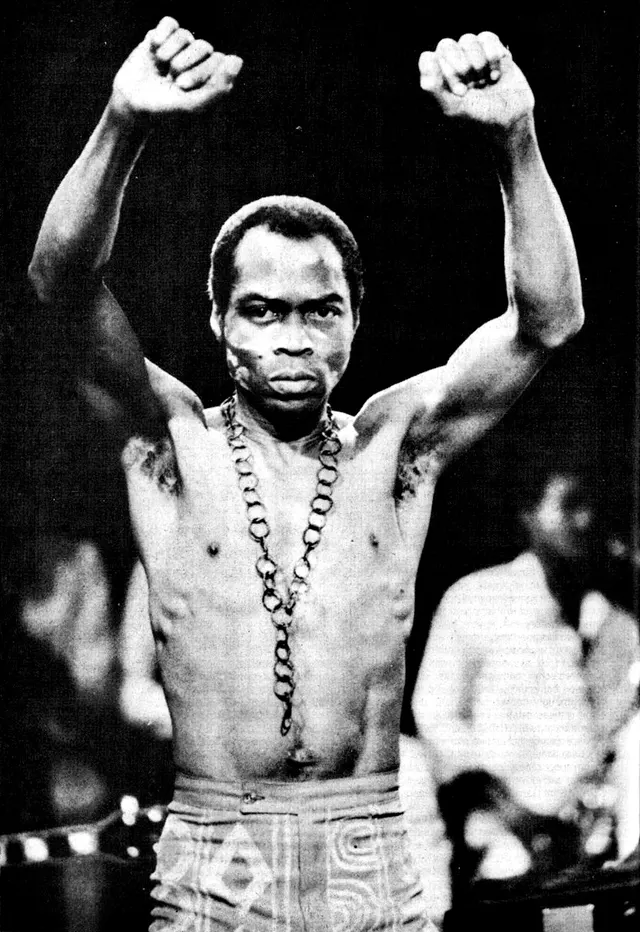
Fela Kuti
Image creditDistributed by Celluloid Records · Public domainResized and cropped for display.

Fela Kuti

Nigerian musician and activist who created Afrobeat, blending West African music with funk and jazz, and was repeatedly jailed for attacking military rule.

☉
AROUND THE WORLD

Observances & Anniversaries

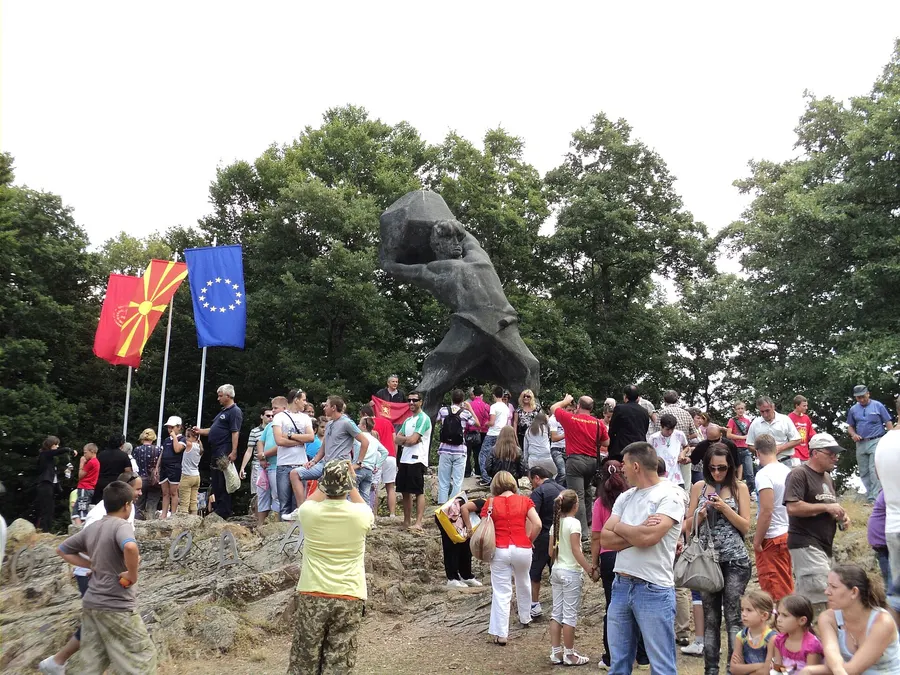
Crowds at the monument at Mečkin Kamen, near Kruševo, for the Ilinden commemorations in 2011
Image creditPlamen at sr.wikipedia · Public domainResized and cropped for display.

Ilinden, Republic Day, North Macedonia

Ilinden, the feast of the prophet Elijah, falls on 2 August. On that day in 1903 the Internal Macedonian Revolutionary Organisation rose against Ottoman rule, and rebels in the mountain town of Kruševo proclaimed a short-lived republic before the uprising was crushed. On the same day in 1944, in the last year of the Second World War, an assembly of Yugoslav Partisans proclaimed a Macedonian state within Yugoslavia.

North Macedonia celebrates 2 August as Republic Day, remembering both, with ceremonies at Kruševo and at the monastery where the 1944 assembly met. Bulgaria also marks the anniversary of the 1903 uprising.

Source: Government of the Republic of North Macedonia: Celebration of the national holiday 2 August, Ilinden ↗
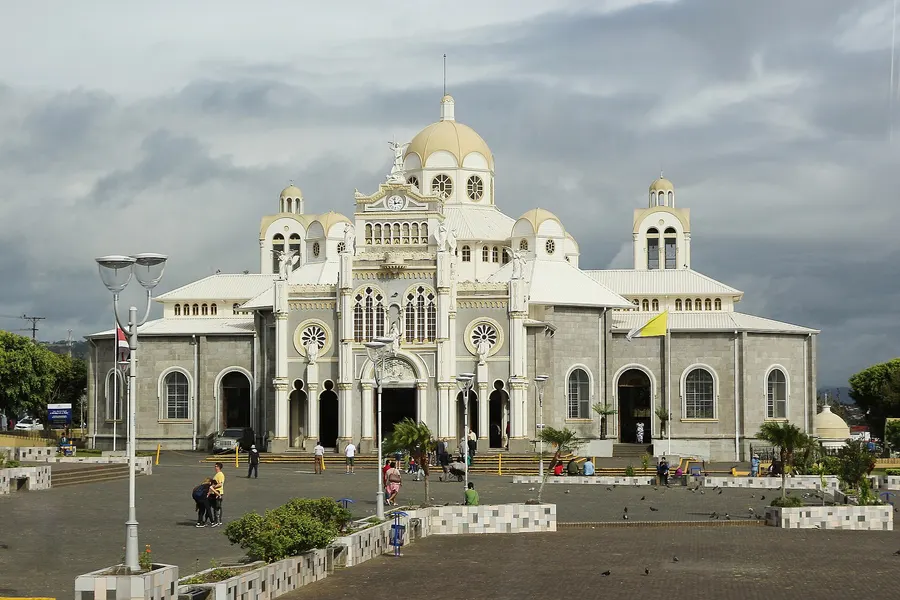
The Basilica of Our Lady of the Angels in Cartago, Costa Rica, goal of the annual pilgrimage
Image creditBernard Gagnon · CC0Resized and cropped for display.

Our Lady of the Angels, Costa Rica

According to tradition, on 2 August 1635 a young Indigenous woman named Juana Pereira found a tiny dark stone figure of the Virgin and Child near a spring outside Cartago. Twice she took it home, and twice it was found back where she had discovered it, so a shrine was built on the spot. Known affectionately as La Negrita, the figure became Costa Rica’s patron in 1824.

In the days before 2 August, a national holiday, huge crowds walk from San José and every corner of the country to the basilica in Cartago, some of them covering the last stretch on their knees, in Costa Rica’s largest religious gathering, the Romería.

Source: Visit Costa Rica: Romería a la Virgen de los Ángeles ↗
HISTORY & TIMELINE

Finished the highlights?

Follow 2 August chronologically, from the Middle Ages to the modern day, with 12 verified events and the sources behind them.

This day through time →