Explore 30 July

Explore 30 July: the New Hebrides become independent Vanuatu, astrologers pick the day to found Baghdad, Hussites hurl Prague’s councillors from a window, Virginia’s first assembly meets and Uruguay win the first World Cup. Born today: Giorgio Vasari, Henry Moore and Kate Bush.

This day through time →12 verified events across 5 eras

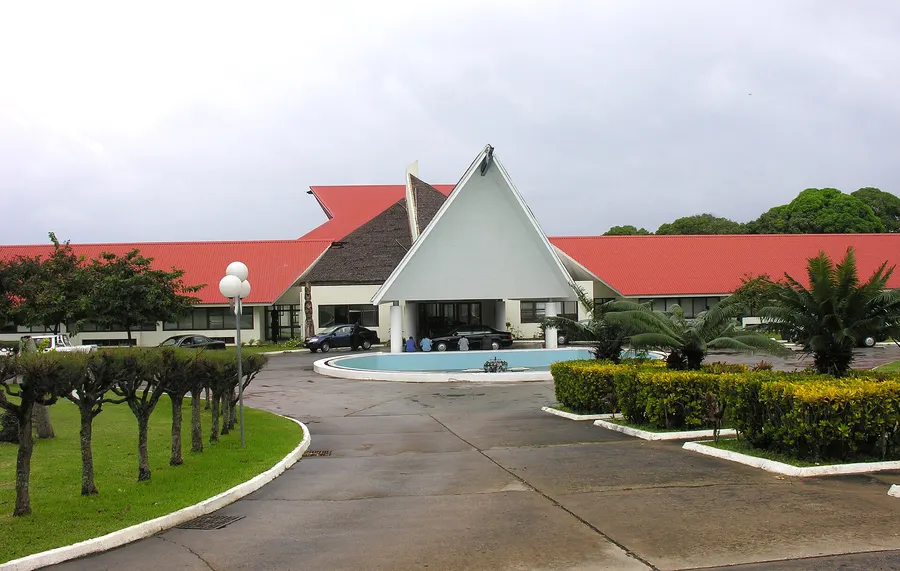
The Parliament House of Vanuatu in Port Vila
Image creditPhillip Capper from Wellington, New Zealand · CC BY 2.0Resized and cropped for display.

The New Hebrides become the independent Republic of Vanuatu

For most of the 20th century the New Hebrides, a chain of some 80 islands in the south-west Pacific, were ruled not by one colonial power but by two. From 1906 Britain and France ran them jointly as a condominium, with two sets of police, two school systems, two currencies and two legal codes, alongside a joint court for disputes between them. Islanders’ land had been bought up by planters and traders, and by the 1970s the Vanua’aku Pati, led by the Anglican priest Walter Lini, was pressing hard for independence.

Britain and France agreed at a conference in Paris in 1977, and elections gave Lini’s party a majority. The last months were troubled: in mid-1980 Jimmy Stevens and his Nagriamel movement tried to break the large island of Espiritu Santo away from the new state. Even so, on 30 July 1980 the New Hebrides became independent within the Commonwealth as the Republic of Vanuatu, with Lini as its first prime minister. Troops from Papua New Guinea soon helped end the Santo rebellion, and 30 July is Vanuatu’s national day.

Read the full storyHistory & Timeline →Source: Britannica: Vanuatu, history ↗
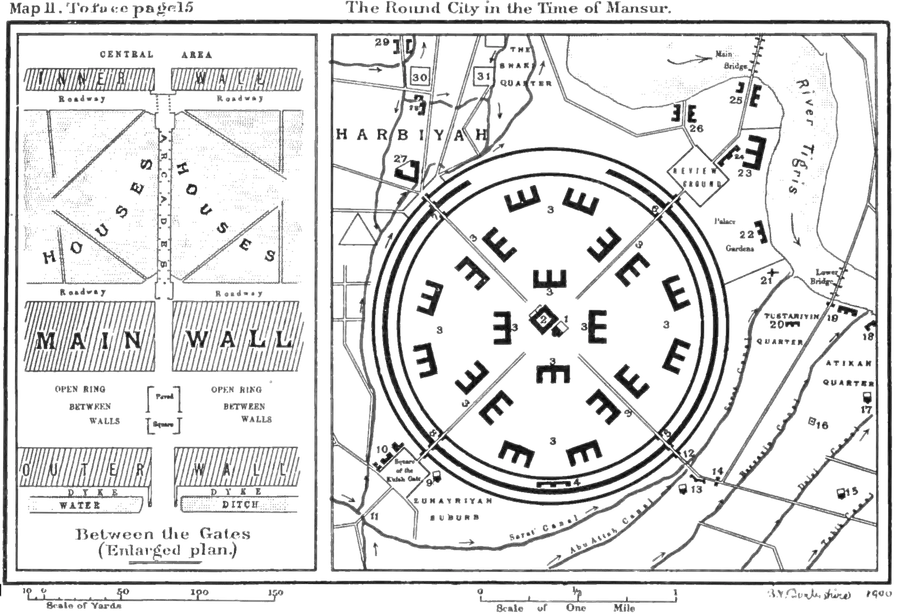
A plan of al-Mansur's Round City of Baghdad, from Guy Le Strange's study of the Abbasid city published in 1900
A plan of al-Mansur’s Round City of Baghdad, from Guy Le Strange’s study of the Abbasid city published in 1900
Image creditGuy Le Strange · Public domainResized and cropped for display.

Work begins on Baghdad, the Abbasid caliph’s Round City

The Abbasid dynasty seized the caliphate from the Umayyads in 750 and wanted a capital of its own, away from Syria. The second Abbasid caliph, al-Mansur, chose a site on the west bank of the Tigris, where the river runs close to the Euphrates, with trade routes by water and land. He called his city Madinat al-Salam, the City of Peace, although it kept the name of the old village on the spot, Baghdad.

Al-Mansur’s astrologers, Nawbakht and Mashallah, chose the most favourable moment to begin, and building started on 30 July 762. The city was laid out as a perfect circle, about 2.7 kilometres across, with ringed walls, four gates facing the corners of the empire and the caliph’s palace and great mosque at the centre. Baghdad grew far beyond its walls to become one of the largest and richest cities in the world, although nothing of the Round City survives today.

Read the full storyHistory & Timeline →Source: Britannica: Baghdad, history ↗
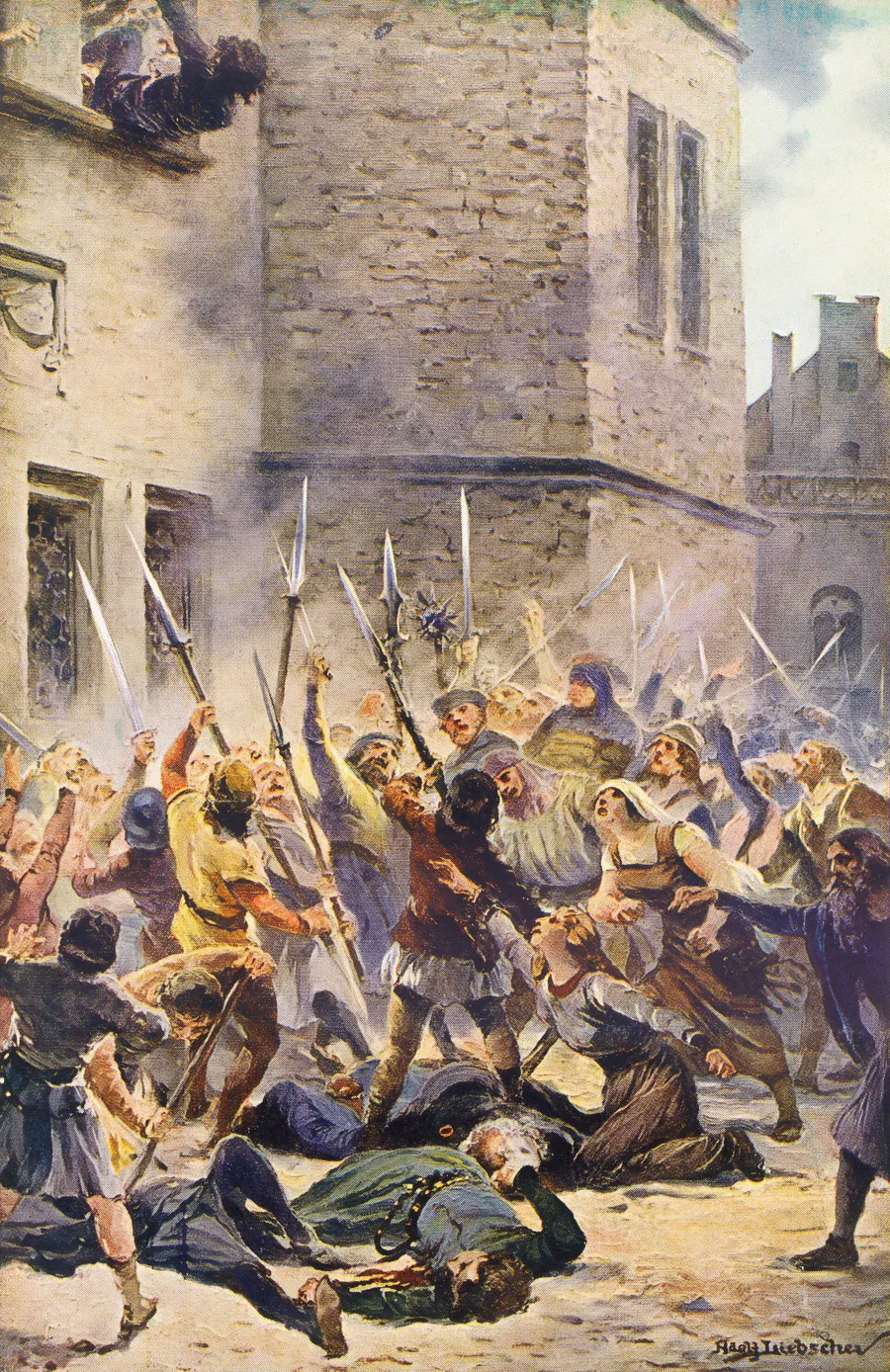
The First Defenestration of Prague, as painted by Adolf Liebscher for a 19th-century illustrated history of the Czech nation
Image creditAdolf Liebscher · Public domainResized and cropped for display.

Hussites throw Prague’s councillors from the New Town Hall

Jan Hus, a Prague preacher who attacked the wealth and corruption of the Church, was burned as a heretic at the Council of Constance in 1415. His death enraged many Czechs, and his followers, the Hussites, grew bolder. In 1419 King Wenceslas IV, under pressure from the Church, filled Prague’s New Town council with men hostile to them, and several Hussites were arrested.

On 30 July 1419 the radical priest Jan Želivský led a procession through the New Town to the town hall on what is now Charles Square to demand their release. When a stone was thrown at the marchers from a window, the crowd stormed the building and threw the burgomaster and councillors out of the windows; those who survived the fall were killed by the people below, about seven in all. The king died a few weeks later, and the Hussite Wars that followed lasted until the 1430s.

Read the full storyHistory & Timeline →Source: Radio Prague International: The First Defenestration of Prague, what was it and why did it happen? ↗
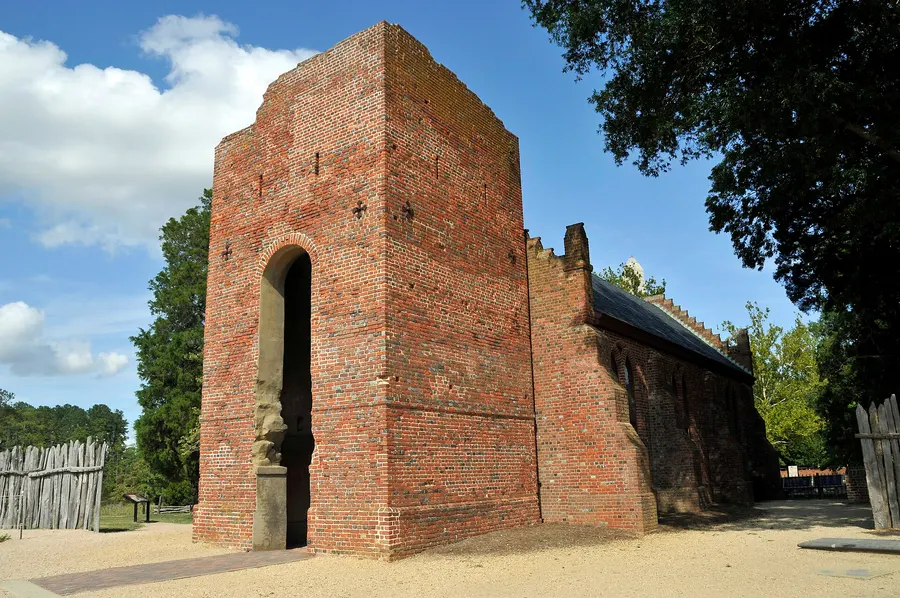
The 17th-century brick church tower at Jamestown, which stands beside the site of the wooden church where the first assembly met
Image creditTony Fischer · CC BY 2.0Resized and cropped for display.

Virginia’s first General Assembly meets in Jamestown church

Twelve years after the founding of Jamestown, the Virginia Company in London was trying to attract more settlers and investors to its struggling colony. Among its reforms, it told the new governor, Sir George Yeardley, to let the colonists help make their own laws. Yeardley called on each of the colony’s 11 settlements to choose two burgesses to represent them.

On 30 July 1619 the 22 burgesses met the governor and his six councillors in the choir of the newly built wooden church at Jamestown, with John Pory, who had sat in the English Parliament, as speaker. In a session of six days, cut short by summer heat and sickness, they passed laws on tobacco prices, idleness, gambling and drunkenness, and on relations with the Powhatan people. It was the first representative assembly in English North America, although only free men of property had a voice, and its successor, the Virginia General Assembly, still meets today.

Read the full storyHistory & Timeline →Source: National Park Service, Historic Jamestowne: The First Legislative Assembly ↗

♙
PEOPLE

Born Today

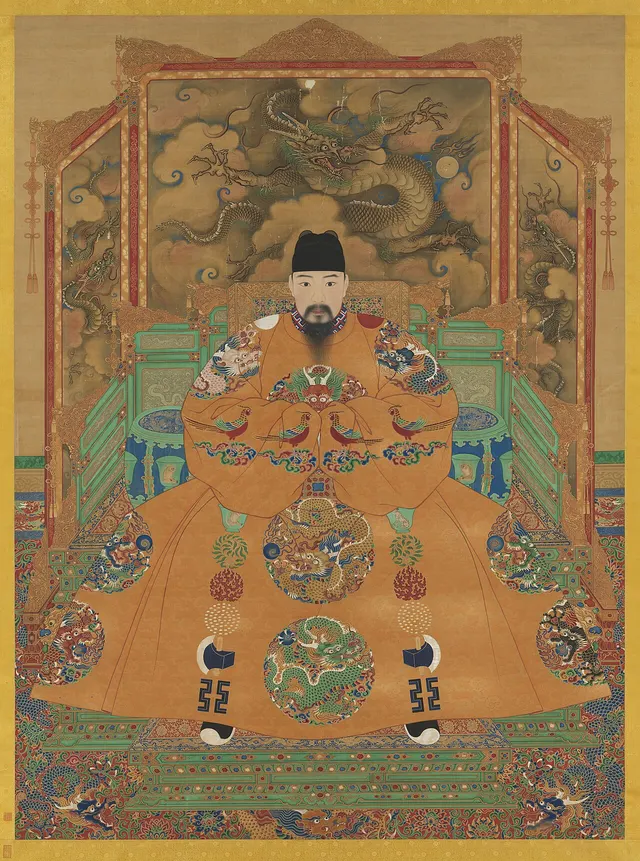
The Hongzhi Emperor
Image creditUnknown Ming court painter · Public domainResized and cropped for display.

The Hongzhi Emperor

Tenth emperor of China’s Ming dynasty, who reigned from 1487 to 1505 and is remembered as a conscientious ruler who took only one wife.

Giorgio Vasari
Image creditAttributed to Jacopo Zucchi · Public domainResized and cropped for display.

Giorgio Vasari

Italian painter and architect whose Lives of the Most Excellent Painters, Sculptors and Architects made him the first great historian of Renaissance art.

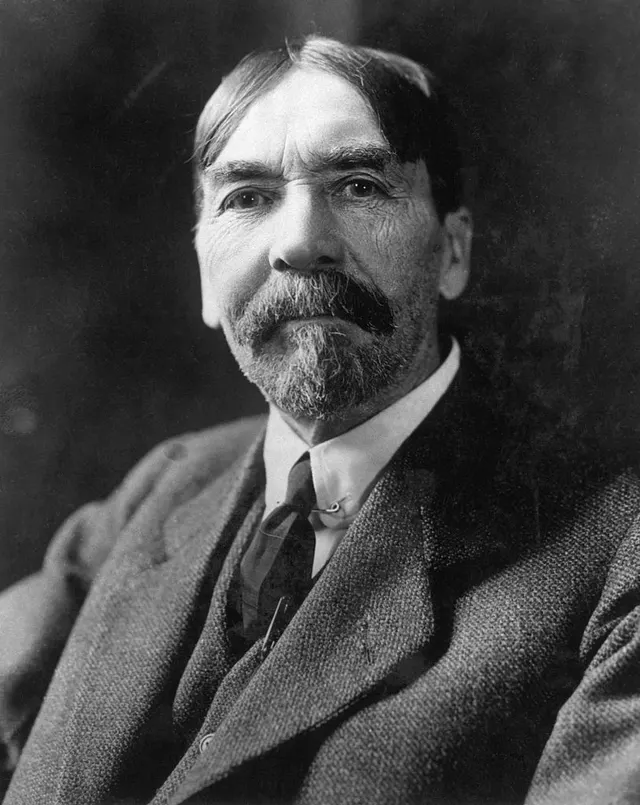
Thorstein Veblen
Image creditUnknown photographer · Public domainResized and cropped for display.

Thorstein Veblen

American economist and sociologist who coined the phrase ‘conspicuous consumption’ in his book The Theory of the Leisure Class (1899).

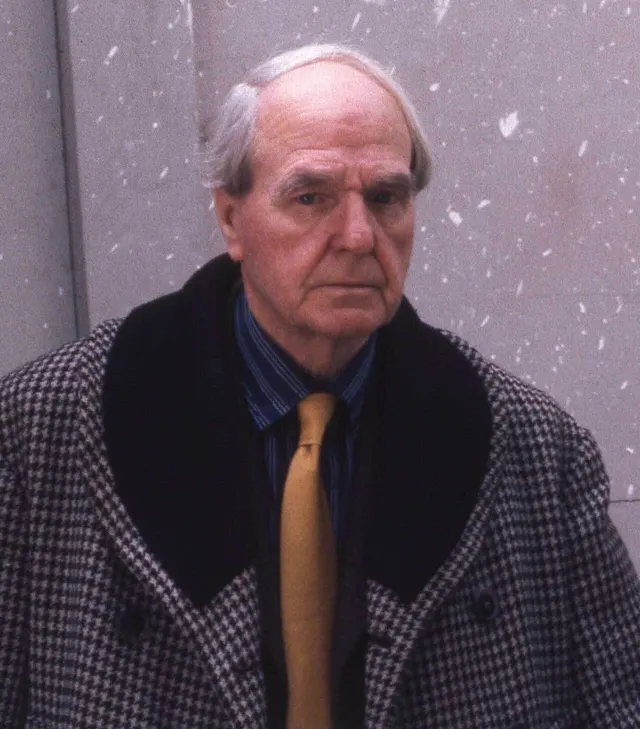
Henry Moore
Image creditAllan warren · CC BY 3.0Resized and cropped for display.

Henry Moore

English sculptor famous for large, semi-abstract bronze figures, many of them reclining, which stand in public places around the world.

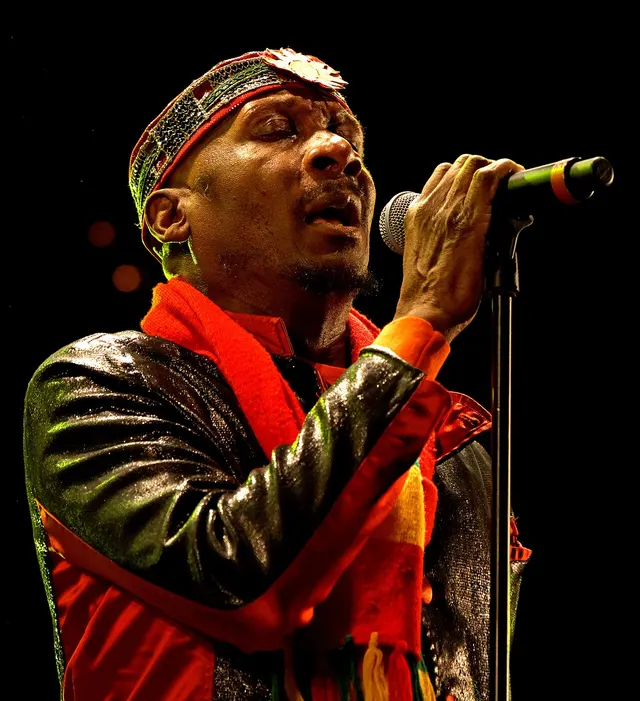
Jimmy Cliff
Image creditThesupermat · CC BY-SA 3.0Resized and cropped for display.

Jimmy Cliff

Jamaican singer and actor who starred in the film The Harder They Come and helped carry reggae around the world.

Arnold Schwarzenegger
Image creditBernhard Holub · CC BY-SA 4.0Resized and cropped for display.

Arnold Schwarzenegger

Austrian-born champion bodybuilder who became a Hollywood star in films such as The Terminator and was governor of California from 2003 to 2011.

Kate Bush
Image creditGuido Harari · Public domainResized and cropped for display.

Kate Bush

English singer and songwriter who reached number one in Britain at 19 with her own song ‘Wuthering Heights’ and went on to make albums such as Hounds of Love.

◉
IDEAS THAT CHANGED THINGS

Firsts, Science & Discoveries

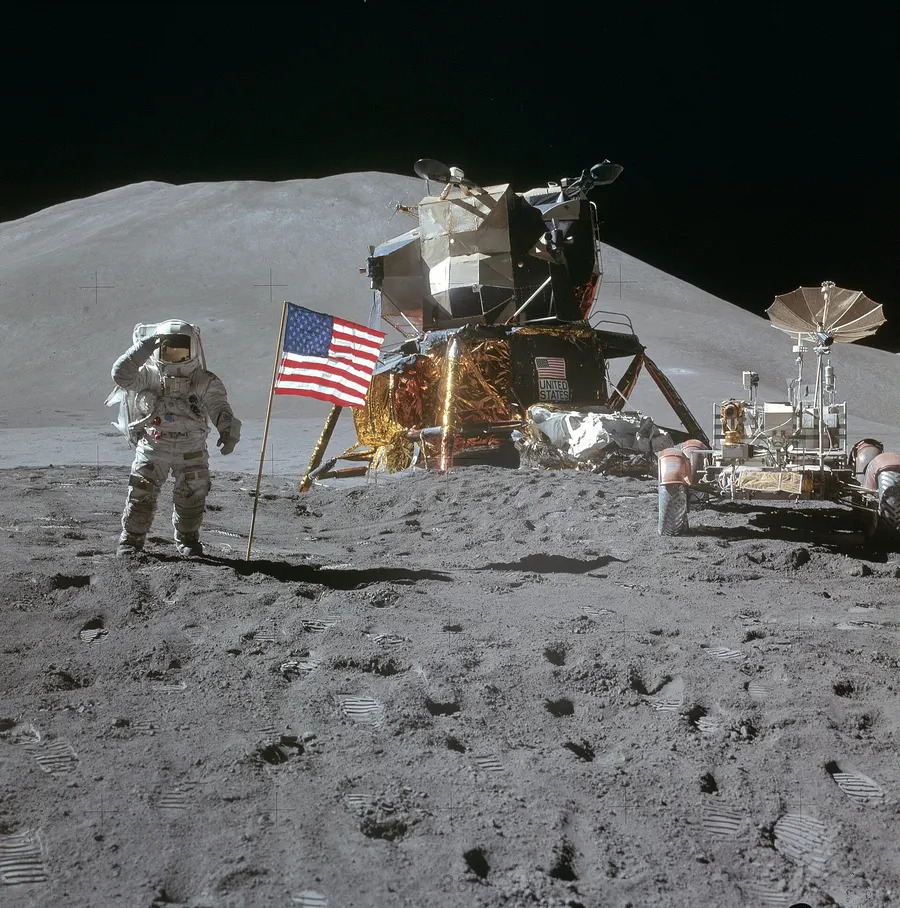
James Irwin salutes the flag beside the lunar module Falcon and the Lunar Roving Vehicle at Hadley, photographed by David Scott
Image creditNASA - Dave Scott · Public domainResized and cropped for display.

Apollo 15 lands in the mountains of the Moon

Apollo 15 was the first of NASA’s longer, more scientific Moon missions. While Alfred Worden stayed in orbit in the command module Endeavour, David Scott and James Irwin took the lunar module Falcon down to a site called Hadley-Apennine, between the Apennine mountains, which rise several kilometres above the plain, and a long winding valley called Hadley Rille.

Falcon touched down at 6.16 p.m. US Eastern time on 30 July 1971. Scott and Irwin stayed on the Moon for about three days and were the first astronauts to drive there, taking a battery-powered Lunar Roving Vehicle on three long excursions. They set up experiments and brought home about 77 kilograms of rock and soil, including a very old piece of the Moon’s crust that became known as the Genesis Rock.

Read the full storyHistory & Timeline →Source: NASA: 50 years ago, Apollo 15 on the Moon at Hadley-Apennine ↗
☆
SPORTING HISTORY

Sporting Moments

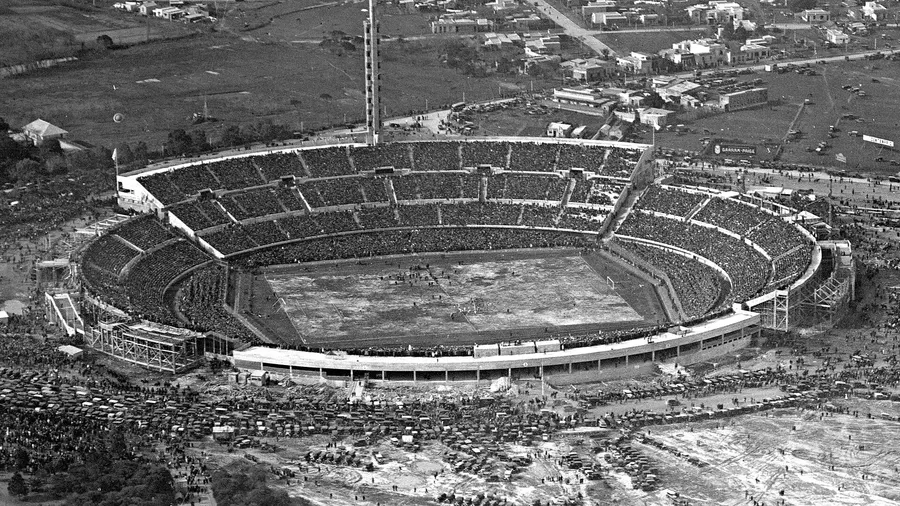
An aerial view of the packed Estadio Centenario in Montevideo during the first World Cup final
Image creditUnknown author · Public domainResized and cropped for display.

Uruguay beat Argentina to win the first World Cup

Uruguay had won the Olympic football tournament in 1924 and 1928, and in 1930, the centenary of its first constitution, it hosted and paid for the first FIFA World Cup. Only 13 teams made the long sea voyage to Montevideo, where the Estadio Centenario was built for the tournament; Jules Rimet, the president of FIFA, called it a temple of football.

The final on 30 July 1930 was a rematch of the 1928 Olympic final against Argentina, and some 30,000 Argentine fans crossed the River Plate for it. Argentina led 2-1 at half-time, but Uruguay scored three times after the break to win 4-2 and become the first world champions. Guillermo Stábile of Argentina finished as the tournament’s top scorer.

Read the full storyHistory & Timeline →Source: FIFA: 1930 FIFA World Cup Uruguay, Uruguay v Argentina ↗
♫
MUSIC • FILM • BOOKS • CULTURE

Culture Stories

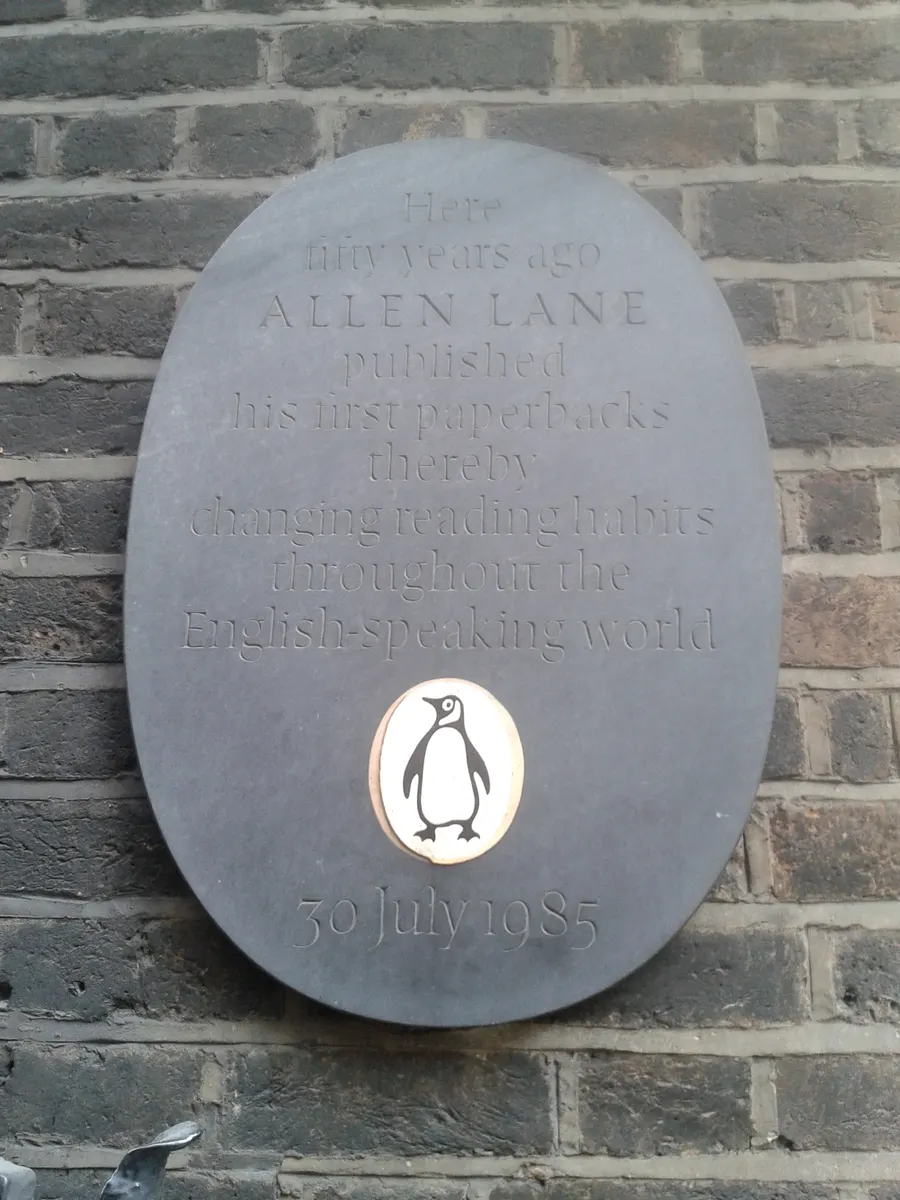
The plaque at 8 Vigo Street in London marking where Allen Lane founded Penguin Books
Image creditgnomonic · CC BY 2.0Resized and cropped for display.

Penguin’s first sixpenny paperbacks go on sale

In the early 1930s good new books in Britain were mostly sold in hardback at prices many people could not afford, and cheap paperbacks had a poor reputation. Allen Lane, a young director at the London publisher the Bodley Head, believed there was a market for well-written books sold as cheaply as a packet of cigarettes, and he set out to prove it.

Penguin Books launched on 30 July 1935 with ten paperbacks at sixpence each, including novels by Ernest Hemingway and Agatha Christie and a life of the poet Shelley by André Maurois. Their plain covers were colour-coded, orange for fiction, green for crime and blue for biography, with a little penguin drawn by Edward Young. Within ten months a million Penguins had been printed, and the company changed the way the world bought and read books.

Read the full storyHistory & Timeline →Source: Penguin Books UK: Our timeline ↗
✦
LIVES REMEMBERED

Remembered Today

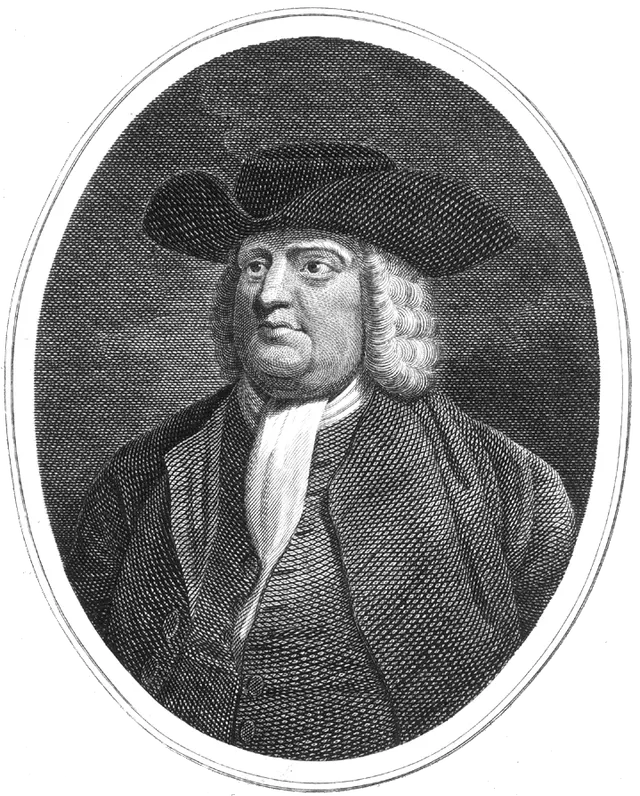
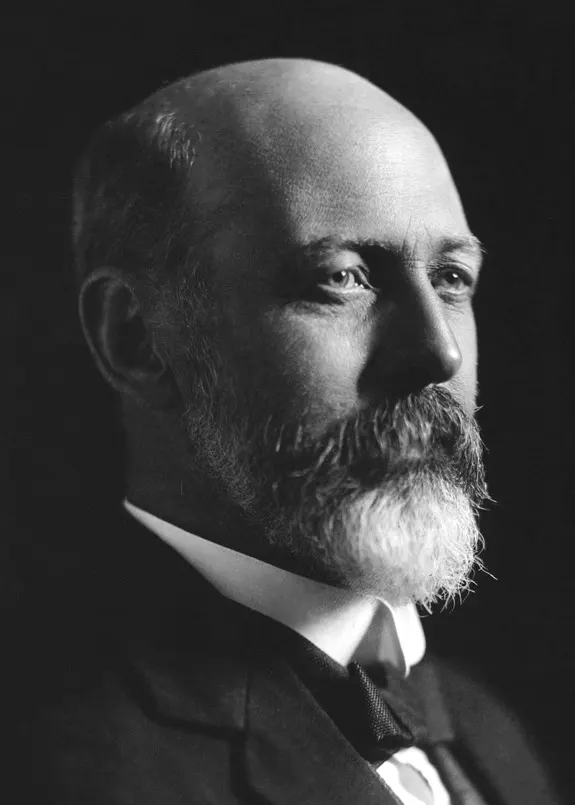
William Penn
Image creditUnknown artistUnknown artist · Public domainResized and cropped for display.

William Penn

English Quaker who founded the colony of Pennsylvania in 1681 as a haven of religious freedom and planned the city of Philadelphia.

Joseph Cook
Image creditCrown Studios · Public domainResized and cropped for display.

Joseph Cook

English-born coal miner who became Australia’s sixth prime minister, in office when the First World War broke out in 1914.

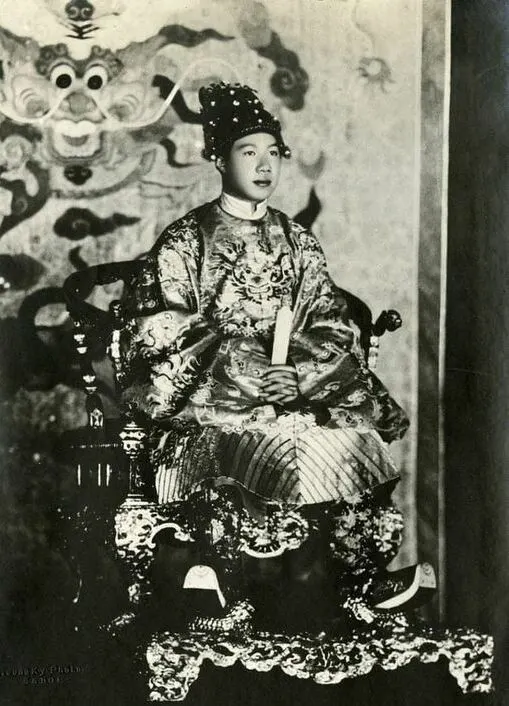
Bảo Đại
Image creditUnknown photographer · Public domainResized and cropped for display.

Bảo Đại

Last emperor of Vietnam, who gave up his throne in 1945, later headed the State of Vietnam and died in exile in France.

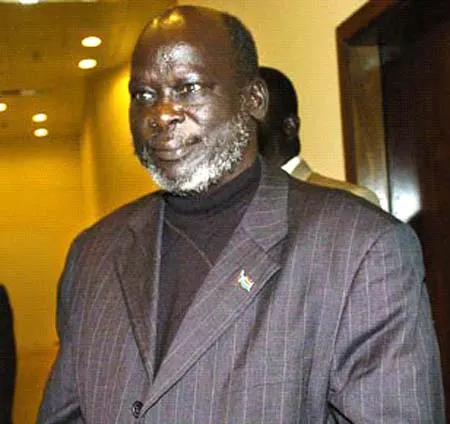
John Garang
Image creditUnknown authorUnknown author · Public domainResized and cropped for display.

John Garang

Leader of the Sudan People’s Liberation Army who signed the 2005 peace agreement ending Sudan’s civil war and died in a helicopter crash three weeks after becoming the country’s first vice-president.

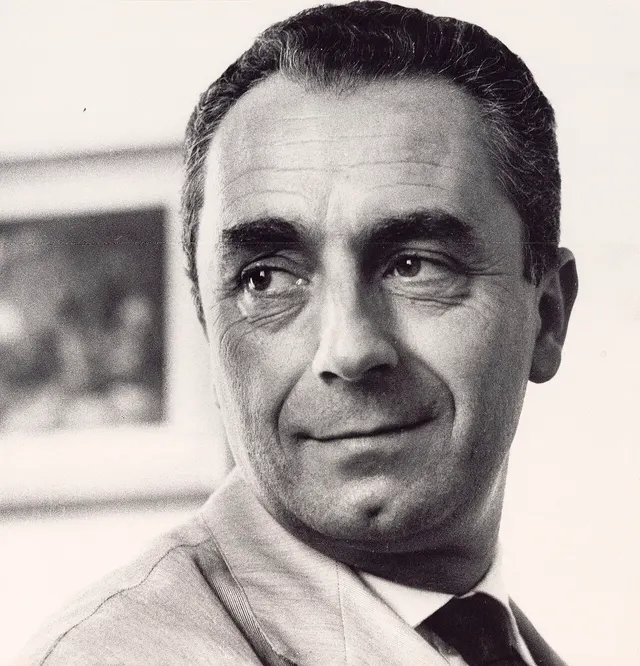
Michelangelo Antonioni
Image creditBibliothèque nationale de France · Public domainResized and cropped for display.

Michelangelo Antonioni

Italian film director of L’Avventura and Blowup, whose slow, haunting films explored loneliness in the modern world.

☉
AROUND THE WORLD

Observances & Anniversaries

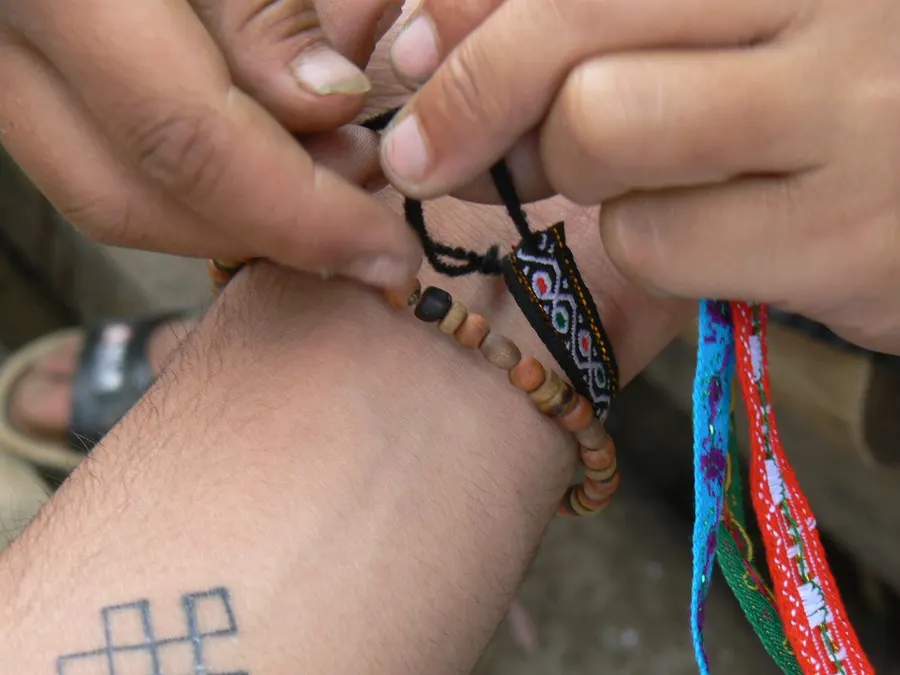
Tying a friendship bracelet
Image creditSatbir Singh · CC BY 2.0Resized and cropped for display.

International Day of Friendship

In 2011 the United Nations General Assembly named 30 July the International Day of Friendship, on the idea that friendship between peoples, countries, cultures and individuals can inspire efforts for peace and build bridges between communities.

The UN encourages governments, schools and community groups to mark the day with events that bring different cultures together, with a particular focus on young people. The idea is that shared understanding and respect between people of different backgrounds is one of the surest foundations for peace.

Source: United Nations: International Day of Friendship, 30 July ↗
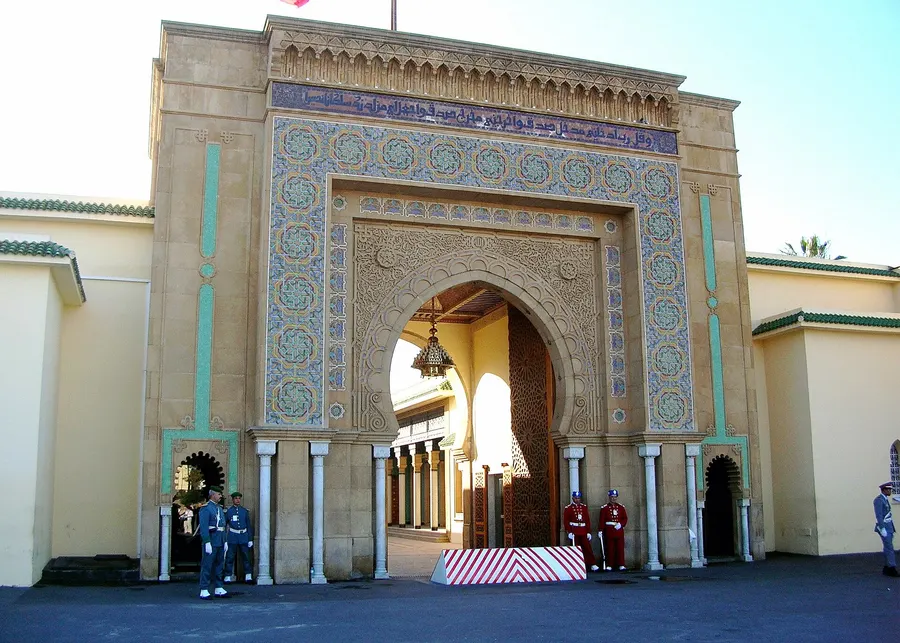
The Royal Palace in Rabat, the official residence of the King of Morocco
Image creditBernard Gagnon · Public domainResized and cropped for display.

Throne Day, Morocco

Morocco’s Throne Day marks the accession of the reigning king. It began in 1933, under French and Spanish rule, when nationalists celebrated Sultan Mohammed ben Youssef, later King Mohammed V, as a symbol of national unity, and its date has changed with each reign.

King Mohammed VI came to the throne on 23 July 1999 after the death of his father, Hassan II, and gave his first throne speech on 30 July, which has been Throne Day ever since. It is a national holiday, with the king’s address to the nation, official ceremonies, royal pardons, concerts and fireworks.

Source: Maroc.ma: Throne Day, celebrating a forward-looking royal vision ↗
HISTORY & TIMELINE

Finished the highlights?

Follow 30 July chronologically, from the Middle Ages to the modern day, with 12 verified events and the sources behind them.

This day through time →