1498Columbus sights three hills and names Trinidad
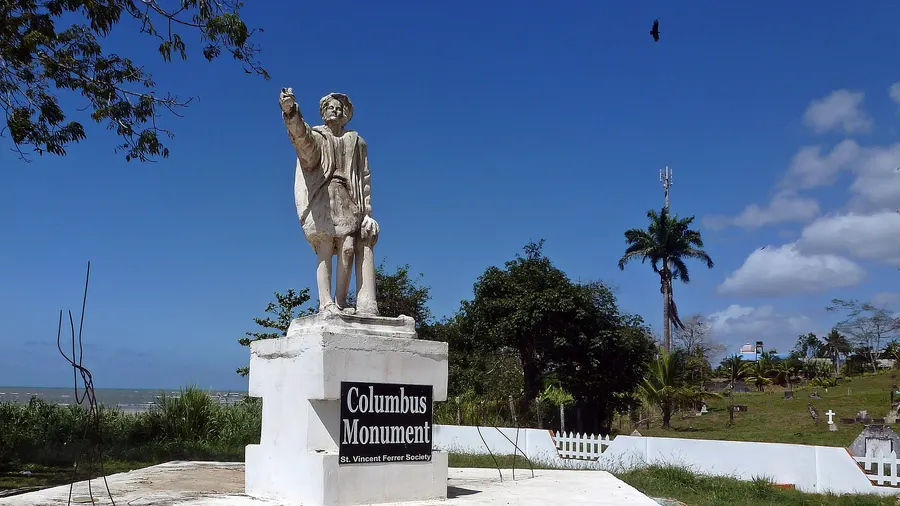
Christopher Columbus set out on his third voyage to the Americas from Sanlúcar de Barrameda in southern Spain on 30 May 1498 with six ships. He sent three straight to Hispaniola and took the other three further south than before, hoping to find new lands near the equator. He had placed the voyage under the protection of the Holy Trinity and vowed to name the first land he saw after it. After weeks becalmed in the heat, with water running short, the crews were growing desperate.
On 31 July 1498 a sailor at the masthead saw three hills rising from the sea, and Columbus named the island La Trinidad. Over the next days his ships ran along its south coast, a party went ashore for water, and the fleet passed into the Gulf of Paria, from where Columbus saw the coast of the South American mainland, although at first he took it for another island. Trinidad was then home to Arawak- and Carib-speaking peoples; Spain did not settle it until 1592, and Britain took it in 1797.
Read the full storyHistory & Timeline →Source: Library of Congress: Descriptive account of the island of Trinidad ↗
1843A British admiral hands Hawaii back to its king
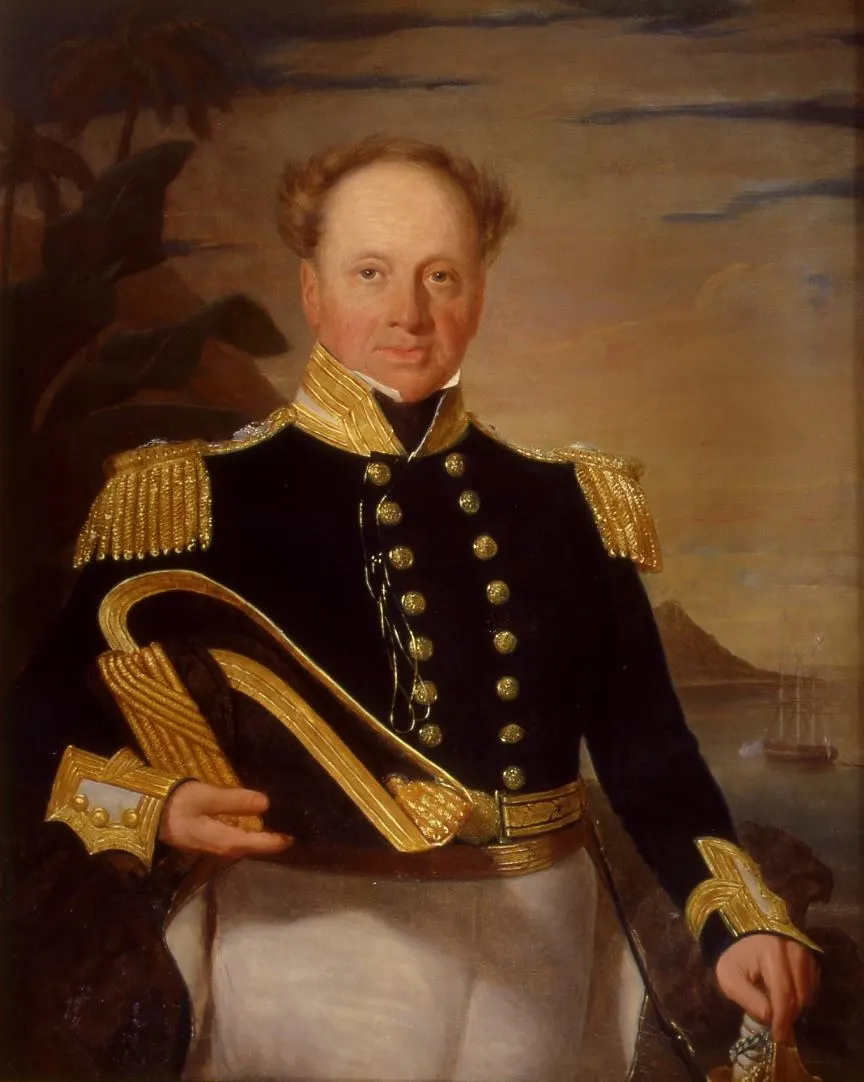
In February 1843 Lord George Paulet, a captain in the Royal Navy, sailed into Honolulu in HMS Carysfort to back the claims of the British consul Richard Charlton, who was locked in a dispute over land. Under the threat of the ship’s guns, King Kamehameha III gave way and ceded his islands to Britain under protest, while sending envoys to London to appeal. For five months the Hawaiian flag was replaced by the British one.
Paulet had acted without orders. His commander in the Pacific, Rear Admiral Richard Thomas, sailed to Honolulu and on 31 July 1843, at a ceremony on the plain now called Thomas Square in his honour, restored the kingdom’s government and raised the Hawaiian flag again. At a service of thanksgiving at Kawaiahaʻo Church later that day the king is said to have spoken the words ‘Ua mau ke ea o ka ʻāina i ka pono’, ‘the life of the land is perpetuated in righteousness’, which became the kingdom’s motto and, in 1959, the motto of the state of Hawaii.
Read the full storyHistory & Timeline →Source: Hawaii State Legislature: HB2475 (2022), La Hoihoi Ea ↗
1919Germany’s National Assembly adopts the Weimar Constitution
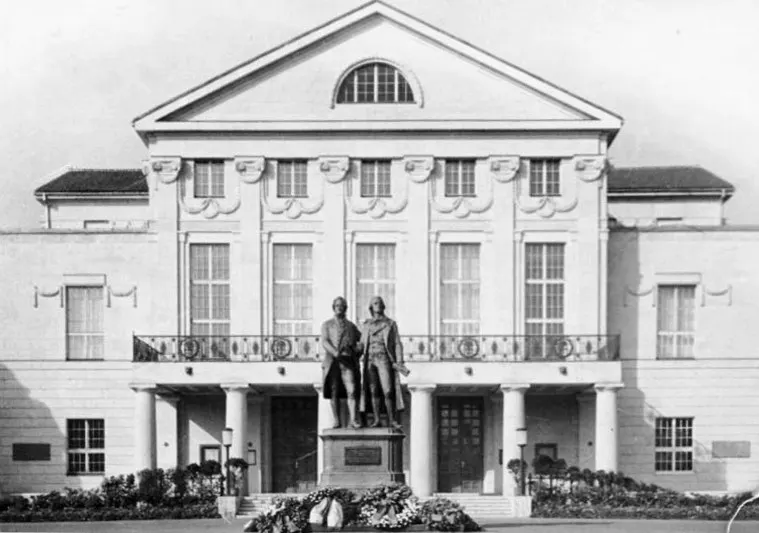
After defeat in the First World War and the abdication of Kaiser Wilhelm II in November 1918, Germany held elections in January 1919 for a National Assembly to write a new constitution; for the first time women could vote and stand. Berlin was in turmoil after the Spartacist uprising, so the assembly met in the quiet town of Weimar, in its National Theatre, a town associated with Goethe and Schiller rather than with Prussian militarism.
The draft, largely the work of the liberal lawyer Hugo Preuss, made Germany a parliamentary republic with an elected president, proportional representation and a long list of basic rights. On 31 July 1919 the assembly adopted it by 262 votes to 75. President Friedrich Ebert signed it on 11 August and it came into force three days later. It was Germany’s first democratic constitution, but its emergency powers under Article 48 were later used to undermine the republic, which collapsed when Hitler took power in 1933.
Read the full storyHistory & Timeline →Source: Deutscher Bundestag: 31 July 1919, Weimar Reich constitution adopted ↗
1954Two Italian climbers reach the summit of K2
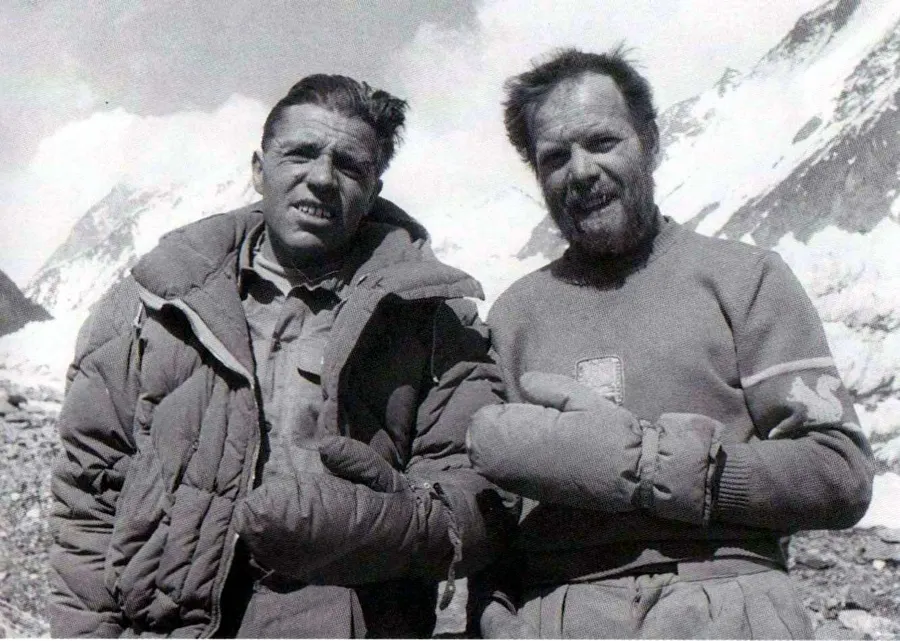
K2, at 8,611 metres, is the second-highest mountain on Earth, rising in the Karakoram range on the border between Pakistan and China. It is steeper, colder and more exposed to storms than Everest, and American expeditions in 1938, 1939 and 1953 had all been turned back. In 1954 the Italian geologist Ardito Desio led a huge national expedition, with Italian climbers, scientists and Hunza high-altitude porters from what is now northern Pakistan, up the Abruzzi Spur.
On 31 July 1954, after weeks of bad weather, Achille Compagnoni and Lino Lacedelli reached the top at about 6 p.m., their oxygen having run out below the summit. The night before, Walter Bonatti and the Hunza porter Amir Mahdi had carried oxygen up to them but, unable to find their tent, were forced to spend the night in the open above 8,000 metres; Mahdi lost his toes to frostbite. The first ascent made the climbers national heroes, but arguments over that night went on for half a century.
Read the full storyHistory & Timeline →Source: American Alpine Club Publications: Ascent of K2 ↗
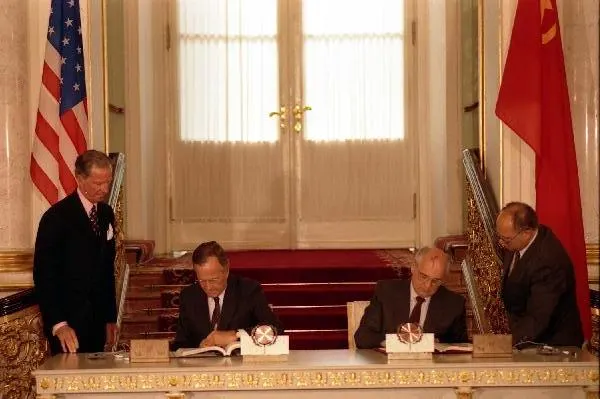
1991Bush and Gorbachev sign the START I treaty in Moscow
Earlier arms treaties between the United States and the Soviet Union had only put ceilings on the growth of their nuclear arsenals. Talks on actually cutting strategic weapons, the long-range missiles and bombers that could strike each other’s homeland, began in 1982 and dragged on for nearly a decade, until the thaw at the end of the Cold War made agreement possible.
On 31 July 1991, at a summit in Moscow, Presidents George H. W. Bush and Mikhail Gorbachev signed the Strategic Arms Reduction Treaty. Each side was limited to 1,600 missiles and bombers carrying no more than 6,000 warheads, cuts of roughly a third, backed by detailed inspections. Within months the Soviet Union had broken up, and the treaty only came into force in December 1994, after Ukraine, Belarus and Kazakhstan agreed to give up the nuclear weapons left on their soil. It expired in 2009.
Read the full storyHistory & Timeline →Source: Nuclear Threat Initiative: START I ↗