1914Britain declares war on Germany over the invasion of Belgium
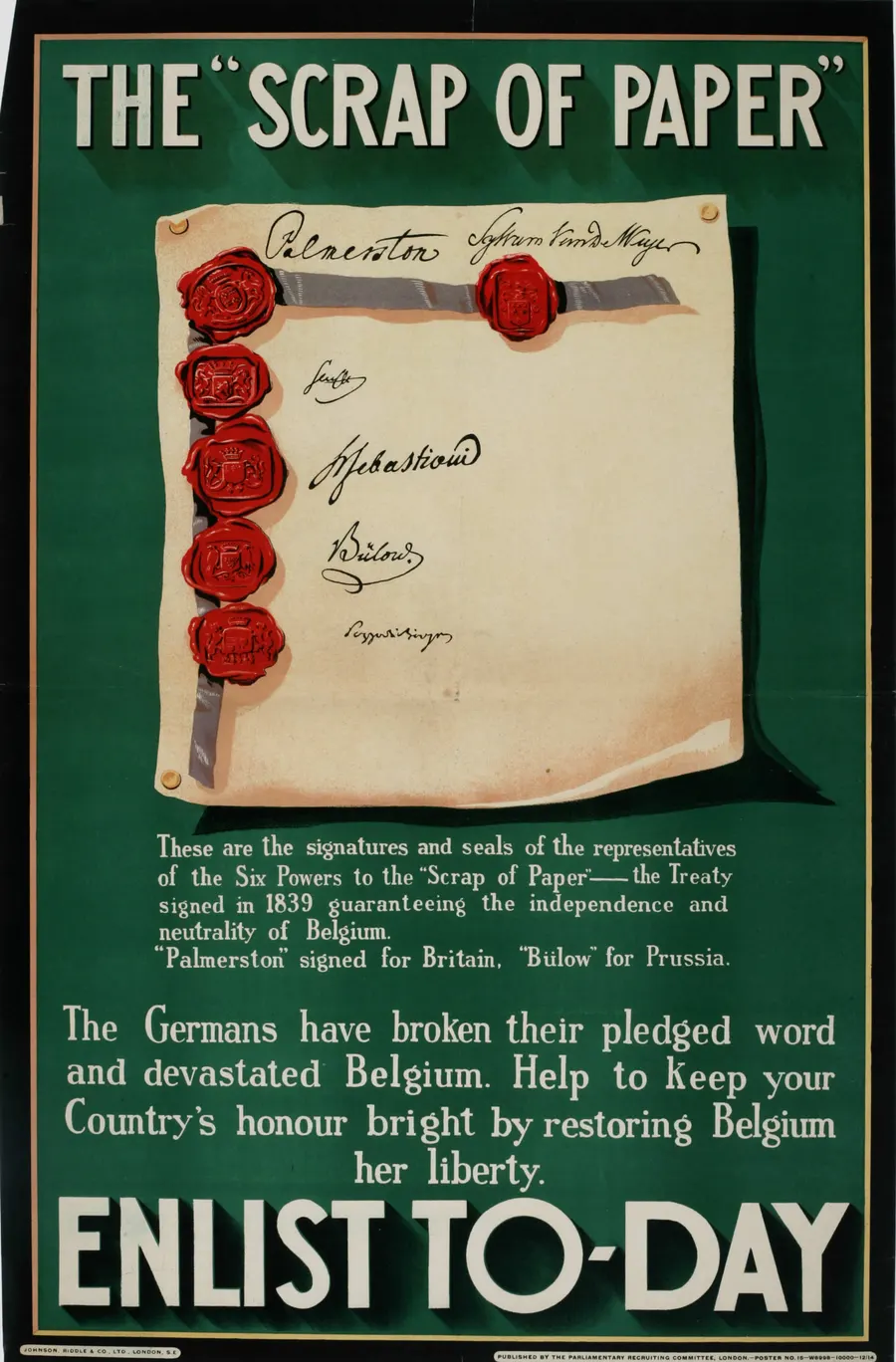
When war broke out between the great powers of Europe in the summer of 1914, Britain at first hesitated. It had understandings with France and Russia but no firm alliance obliging it to fight. What tipped the balance was Belgium. Under the Treaty of London of 1839 Britain, like Prussia, had promised to respect Belgian neutrality, and Germany’s war plan depended on marching through Belgium to strike at France.
German troops crossed the Belgian border on the morning of 4 August 1914. That afternoon the British government sent Berlin an ultimatum demanding that Belgian neutrality be respected, with a deadline of 11 p.m. London time. No satisfactory reply came, and when the deadline passed Britain was at war with Germany, bringing in the dominions and colonies of its empire with it. Crowds gathered outside Buckingham Palace that night. Few imagined that the fighting would last more than four years and cost millions of lives.
Read the full storyHistory & Timeline →Source: Imperial War Museums: The outbreak of the First World War in 1914 ↗
1578King Sebastian of Portugal dies at the Battle of the Three Kings
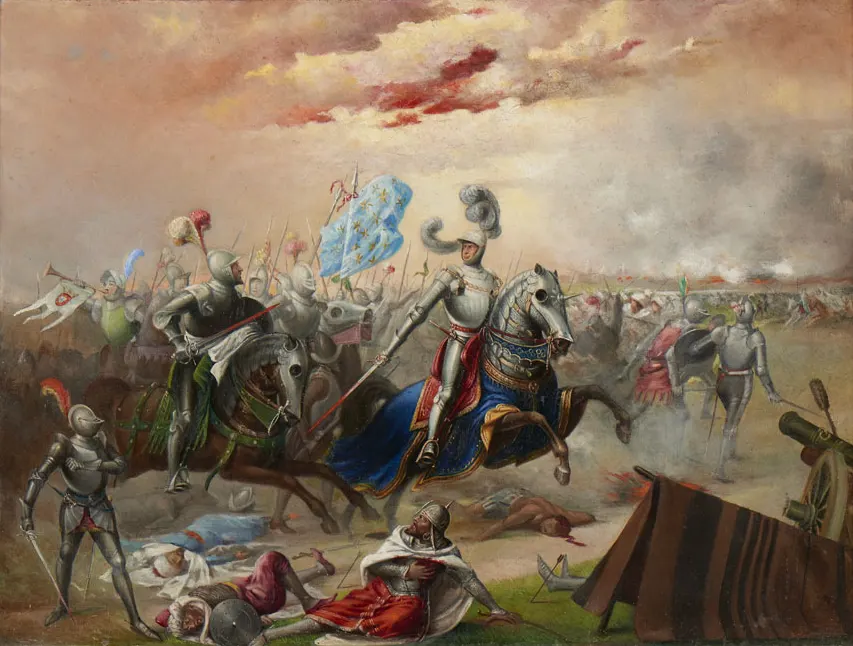
Sebastian became King of Portugal as a small child and grew up dreaming of a crusade in North Africa. In 1578, aged 24, he saw his chance when a deposed Moroccan sultan, al-Mutawakkil, asked for help against his uncle, the Saadian sultan Abd al-Malik. Against much advice, Sebastian landed with an army of about 20,000 men, weighed down with artillery and baggage, and marched inland.
On 4 August 1578 the two sides met near Ksar el-Kebir, known to the Portuguese as Alcácer Quibir. The Moroccan army was far larger, and the Portuguese were routed; many drowned trying to cross a river swollen by the tide. Sebastian and al-Mutawakkil were both killed, and Abd al-Malik, already gravely ill, also died, giving the battle its name. Sebastian left no heir, and two years later Philip II of Spain took the Portuguese crown. Many Portuguese refused to believe their king was dead and long awaited his return.
Read the full storyHistory & Timeline →Source: Britannica: Battle of the Three Kings ↗
1789The French Assembly abolishes feudal privilege in a single night
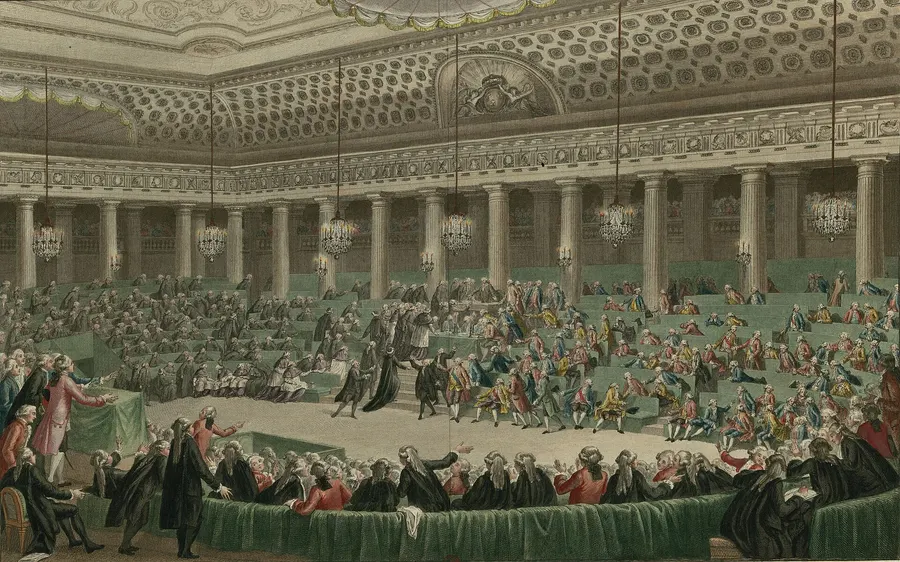
In the weeks after the fall of the Bastille a wave of rumour and panic, the Great Fear, swept the French countryside. Peasants attacked châteaux and burned the records of the dues they owed their lords. The deputies of the new National Assembly at Versailles, many of them landowners, needed a way to calm the countryside without simply sending in troops.
On the evening of 4 August 1789 liberal nobles rose to give up their own feudal rights, and the mood caught fire. Through the night, deputy after deputy renounced privileges: labour services, lords’ courts and hunting rights, church tithes, the sale of public offices and the special rights of provinces and towns. The decrees were written up over the following days and finalised on 11 August. Many dues were to end only when peasants paid compensation, but the night of 4 August is remembered as the end of the old feudal order in France.
Read the full storyHistory & Timeline →Source: Britannica: France, the abolition of feudalism ↗
1944Anne Frank and the people in the Secret Annex are arrested
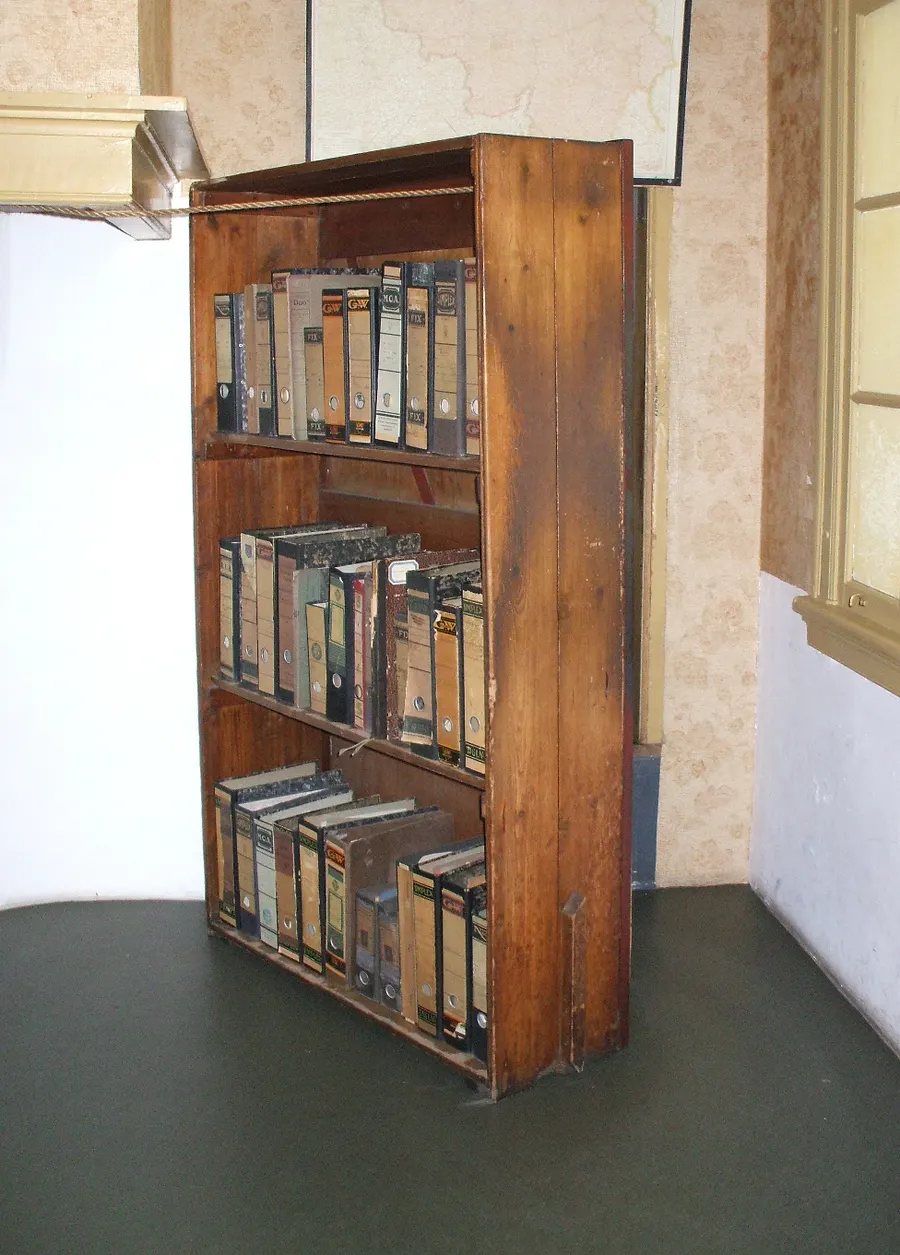
In July 1942, as the deportation of Jews from the occupied Netherlands began, the Frank family went into hiding in rooms at the back of Otto Frank’s business premises at Prinsengracht 263 in Amsterdam. Four more people later joined them. The entrance was hidden behind a movable bookcase, and a small group of Otto Frank’s staff brought them food and news. For two years Anne, who turned 13 just before going into hiding, kept a diary.
On the morning of 4 August 1944 police led by an SS officer, Karl Silberbauer, entered the building, found the entrance to the annex and arrested all eight people in hiding, along with two of their helpers. How the police came to search the building has never been settled. The eight were sent to Westerbork and then to Auschwitz. Anne and her sister Margot died at Bergen-Belsen in early 1945; only Otto Frank survived. Miep Gies had saved Anne’s diary, and it was published in 1947.
Read the full storyHistory & Timeline →Source: Anne Frank House: Reconstruction, the arrest of the people in hiding ↗
1984Upper Volta becomes Burkina Faso
The West African state of Upper Volta, named after the upper reaches of the Volta river, won its independence from France in 1960. Its first decades were marked by poverty and a series of military coups. On 4 August 1983 a young army captain, Thomas Sankara, seized power at the head of a radical National Revolutionary Council, promising to fight corruption and make the country less dependent on foreign aid.
Exactly a year later, on 4 August 1984, Sankara gave the country a new name: Burkina Faso, made from words in two of its main languages and usually translated as ‘land of incorruptible people’ or ‘land of upright people’. A new flag and anthem followed. Sankara launched mass vaccination and tree-planting campaigns and championed women’s rights, but ruled without elections and was killed in a coup in 1987. The name he chose has remained.
Read the full storyHistory & Timeline →Source: Britannica: Burkina Faso, independence ↗