1945A second atomic bomb destroys much of Nagasaki
Three days after Hiroshima, and with Japan’s leaders still arguing over whether to surrender, a second American B-29, Bockscar, took off from the island of Tinian on 9 August 1945 carrying a plutonium bomb known as Fat Man. Its first target, the arsenal city of Kokura, lay under haze and smoke, so the pilot, Charles Sweeney, turned for his second target, the port of Nagasaki on the island of Kyushu.
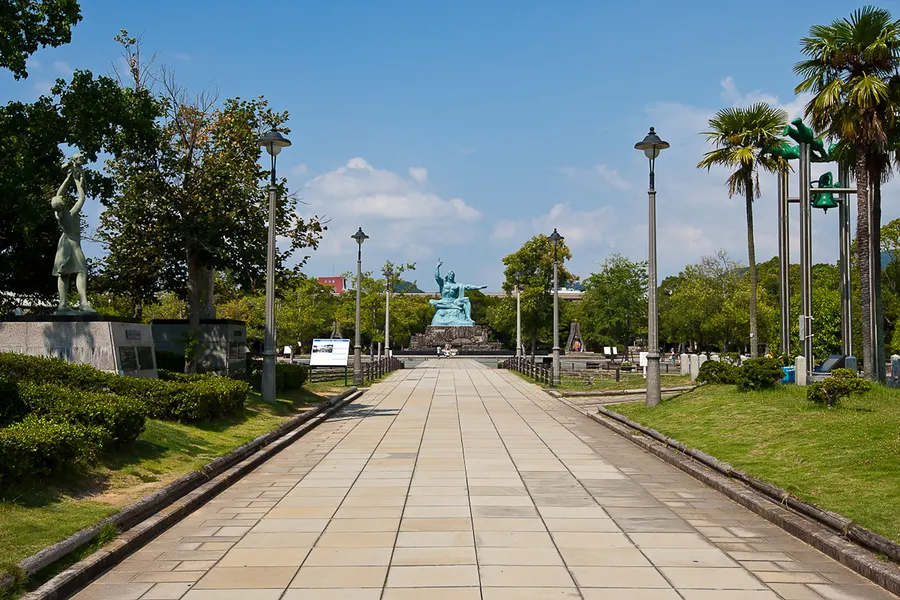
At 11.02 in the morning the bomb exploded above the Urakami valley, north of the city centre. It was more powerful than the Hiroshima bomb, but the surrounding hills shielded part of the city. Tens of thousands of people were killed at once, and many more died in the following months of injuries and radiation sickness. The next day Japan offered to surrender, provided the emperor kept his place. Nagasaki’s Peace Park now stands near the point above which the bomb burst.
Read the full storyHistory & Timeline →Source: US Department of Energy, OSTI: The atomic bombing of Nagasaki, August 9, 1945 ↗
1974Richard Nixon resigns the presidency
The Watergate scandal began in June 1972 with a break-in at the Democratic Party’s offices in Washington and grew, over two years, into proof that the White House had tried to cover it up. In late July 1974 the House Judiciary Committee approved articles of impeachment, and early in August a newly released tape showed that Nixon himself had ordered the cover-up within days of the break-in. His remaining support in Congress collapsed.
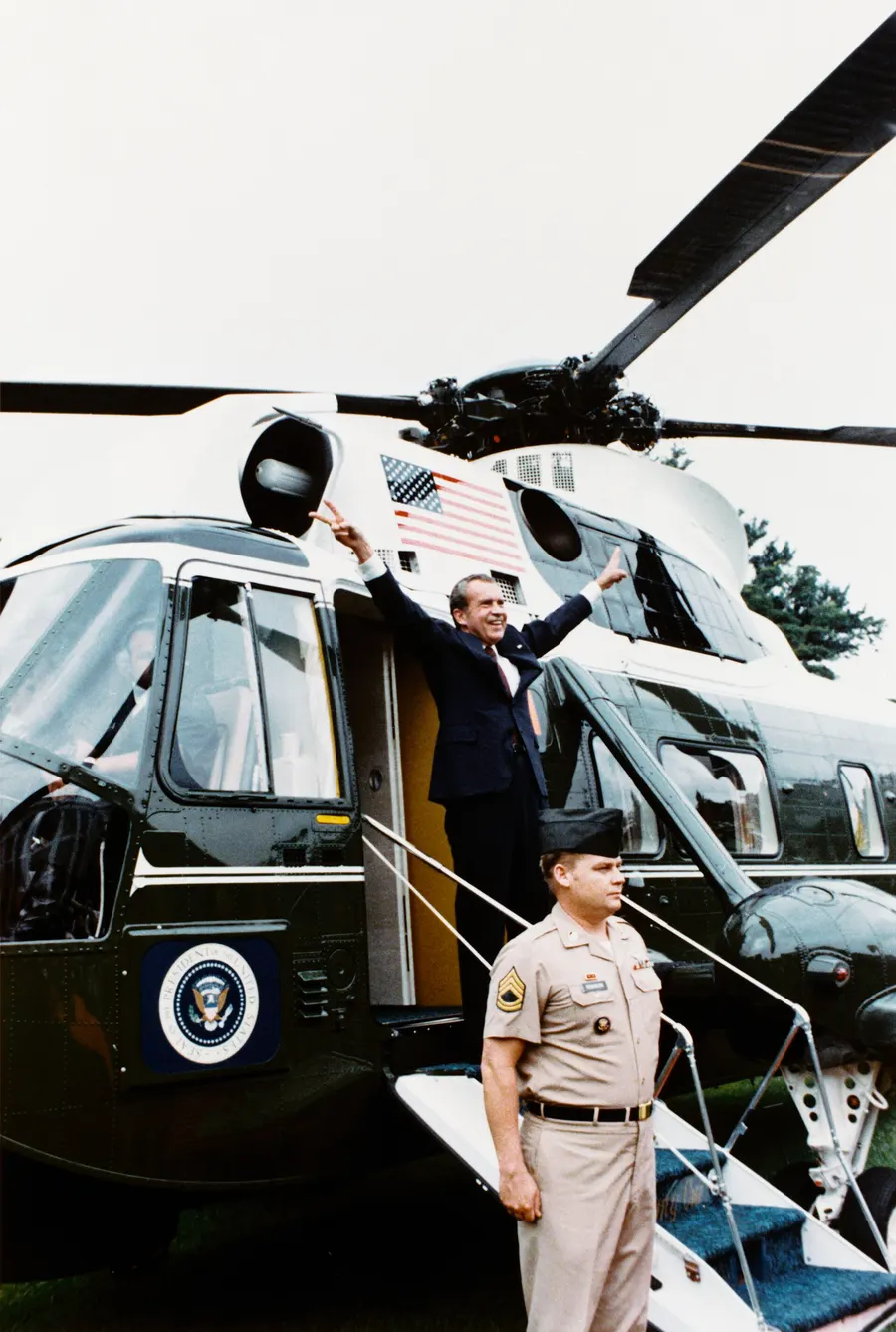
On the evening of 8 August Nixon told the nation on television that he would resign. The next morning, 9 August 1974, he said an emotional farewell to his staff in the East Room, and his resignation took effect at noon, as he flew from the White House lawn by helicopter. Minutes later Vice-President Gerald Ford was sworn in as the 38th president. Nixon remains the only US president to have resigned.
Read the full storyHistory & Timeline →Source: US National Archives: A President Resigns, 50 years later ↗
1965Singapore leaves Malaysia and becomes an independent nation
Singapore joined the new Federation of Malaysia in 1963, hoping for a common market and security in a single larger state. The marriage soon went wrong. Lee Kuan Yew’s People’s Action Party and the Malay-led ruling party in Kuala Lumpur disagreed deeply over politics, economics and the place of the different races, and in July and September 1964 racial riots broke out in Singapore.
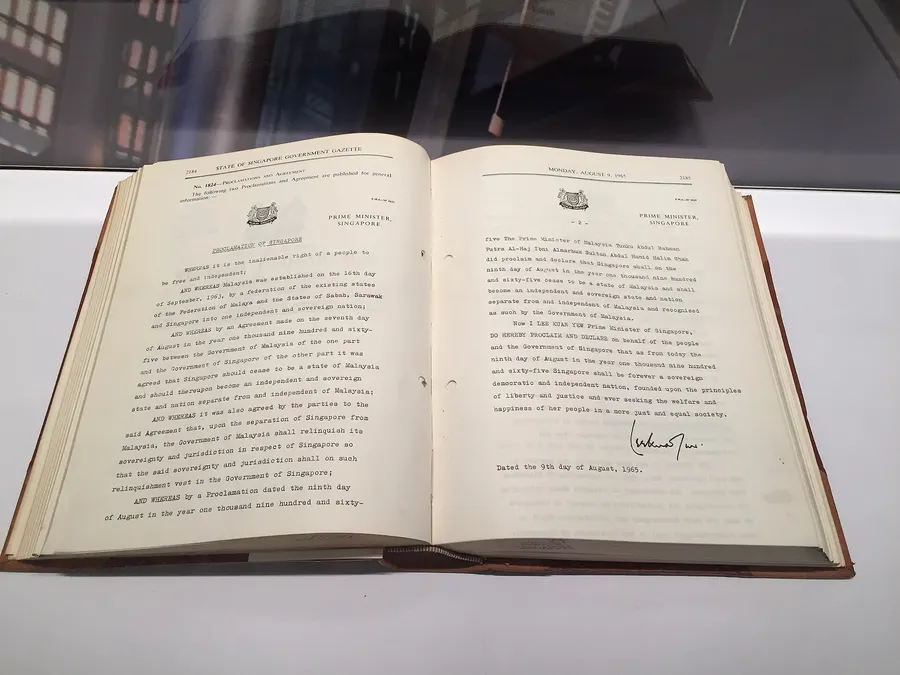
Malaysia’s prime minister, Tunku Abdul Rahman, concluded that separation was the only way to avoid further bloodshed. On 9 August 1965 the Malaysian parliament voted Singapore out and Singapore was proclaimed an independent and sovereign republic. At a televised press conference that day Lee broke down in tears, calling it a moment of anguish. The small island state was admitted to the United Nations the following month, and 9 August is celebrated as its National Day.
Read the full storyHistory & Timeline →Source: National Library Board Singapore, Infopedia: Singapore’s separation from Malaysia ↗
378The Goths destroy a Roman army at Adrianople
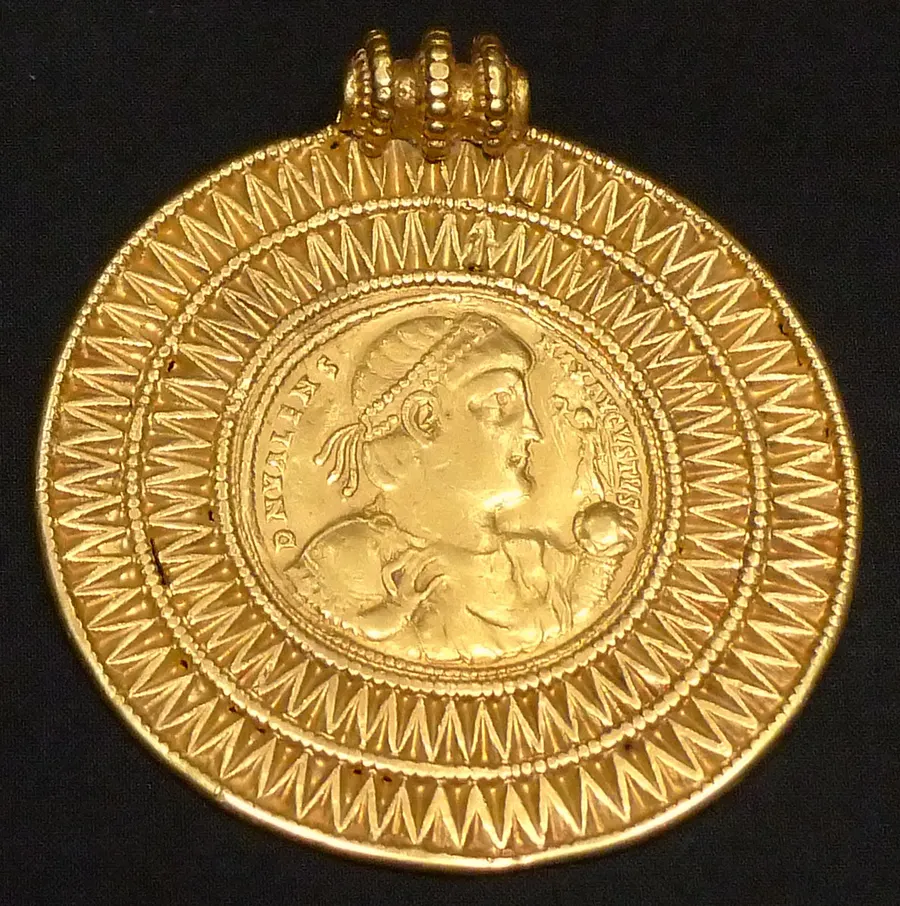
In 376 tens of thousands of Goths, fleeing the Huns, asked to be let across the Danube into the Roman Empire. The eastern emperor Valens agreed, but corrupt Roman officials starved and exploited the newcomers, and the Goths rose in revolt and plundered the Balkans. In 378 Valens marched against them himself, and rather than wait for his nephew Gratian, who was bringing the western army to help, he chose to fight alone.
On 9 August 378, near Adrianople, the modern Edirne in European Turkey, his tired troops attacked the Gothic camp of the chieftain Fritigern, ringed by wagons on a hill. The assault began in confusion, and the Gothic cavalry fell on the Romans’ flank. The army was cut to pieces and Valens was killed; his body was never found. It was one of the worst defeats in Roman history, and the Goths stayed inside the empire for good.
Read the full storyHistory & Timeline →Source: Britannica: Battle of Adrianople (378) ↗