
-48
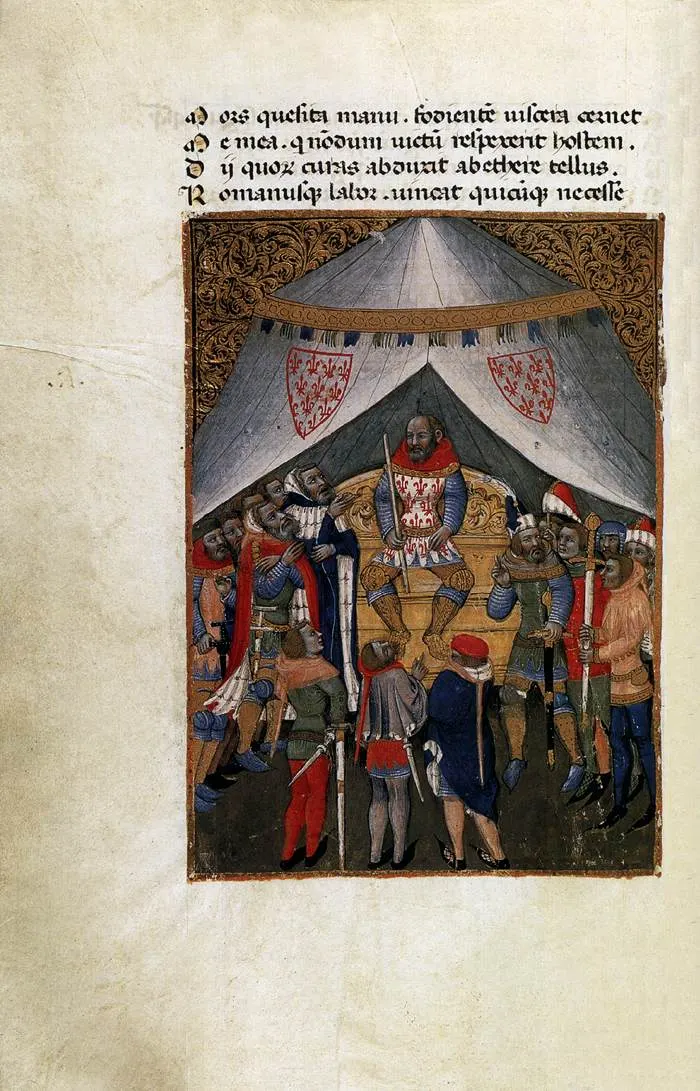 An illuminated page by Niccolò da Bologna from a 14th-century manuscript of Lucan’s Pharsalia, the Roman poem about the civil warImage: Nicolo da Bologna · Public domain
world · Europe
Caesar defeats Pompey at Pharsalus
After crossing the Rubicon in 49 BC, Julius Caesar drove his rival Pompey out of Italy and followed him to Greece. At Pharsalus in Thessaly, on 9 August 48 BC by the Roman calendar of the day (which had drifted out of step with the seasons), Caesar’s veterans, about 22,000 strong, faced some 47,000 men. A hidden line of reserve cohorts routed Pompey’s cavalry and his army broke. Pompey fled to Egypt, where he was murdered.
Source: Britannica: Battle of Pharsalus ↗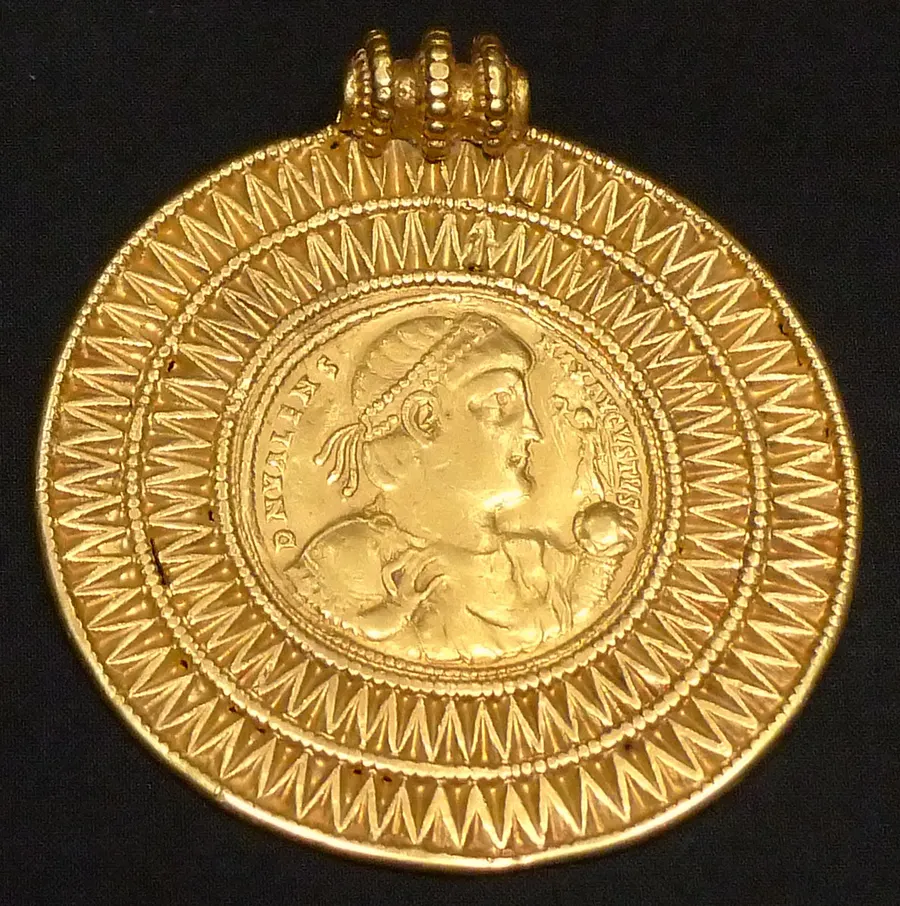 A gold medallion of the emperor Valens, made around 375-378, in the Kunsthistorisches Museum, ViennaImage:
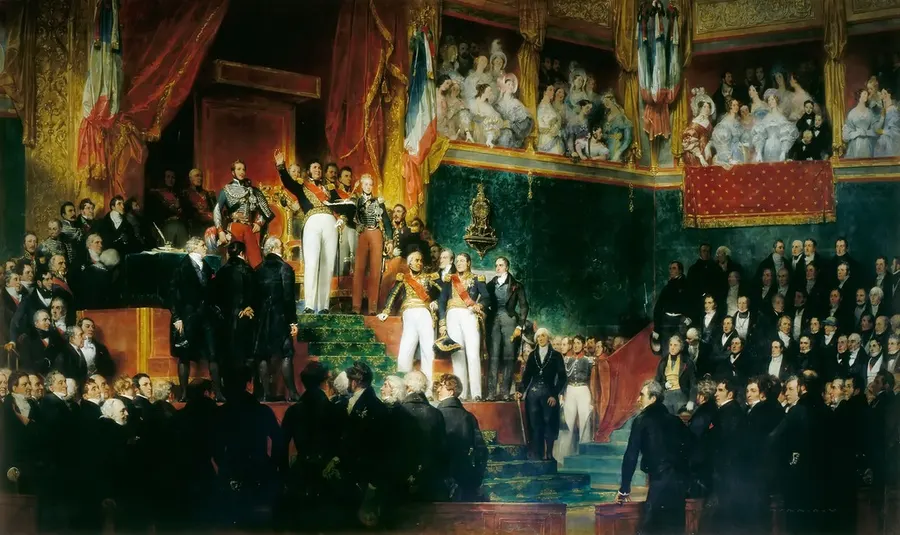 Louis-Philippe swears his oath before the Chambers on 9 August 1830, painted by Eugène DevériaImage:
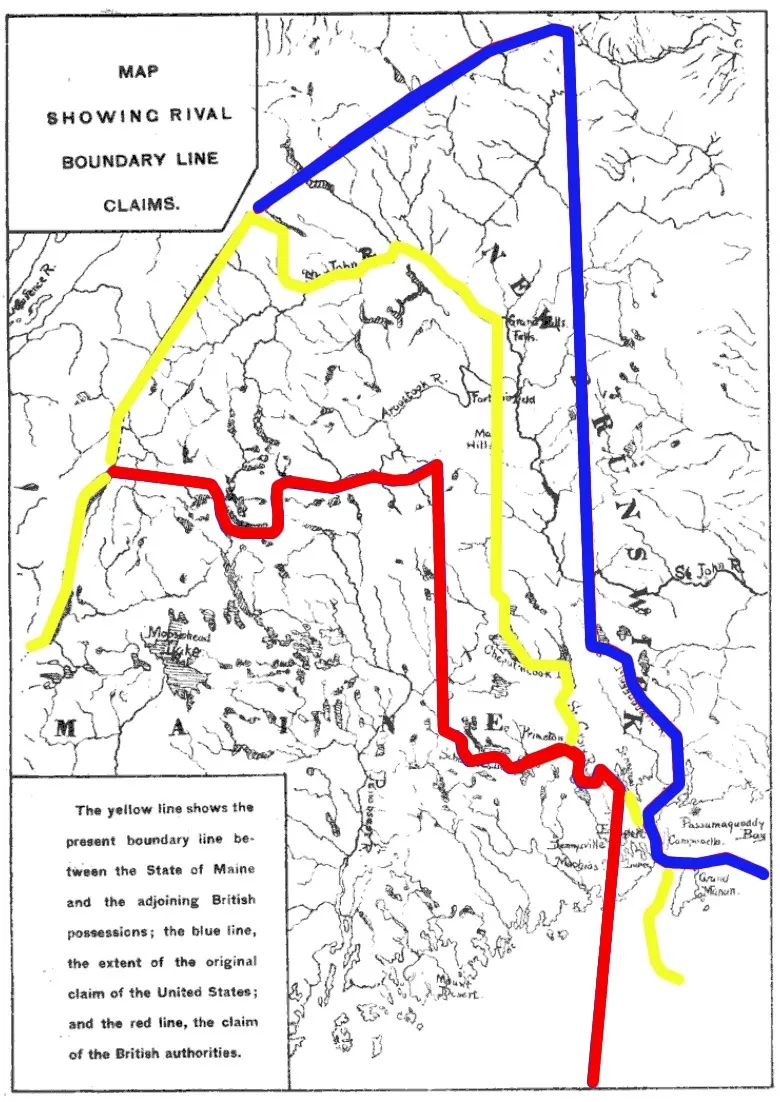 Map of the competing boundary lines claimed between Maine and New Brunswick before the treatyImage:
 The Grand Hall of the St Petersburg Philharmonia, where the Leningrad Symphony was played during the siegeImage:
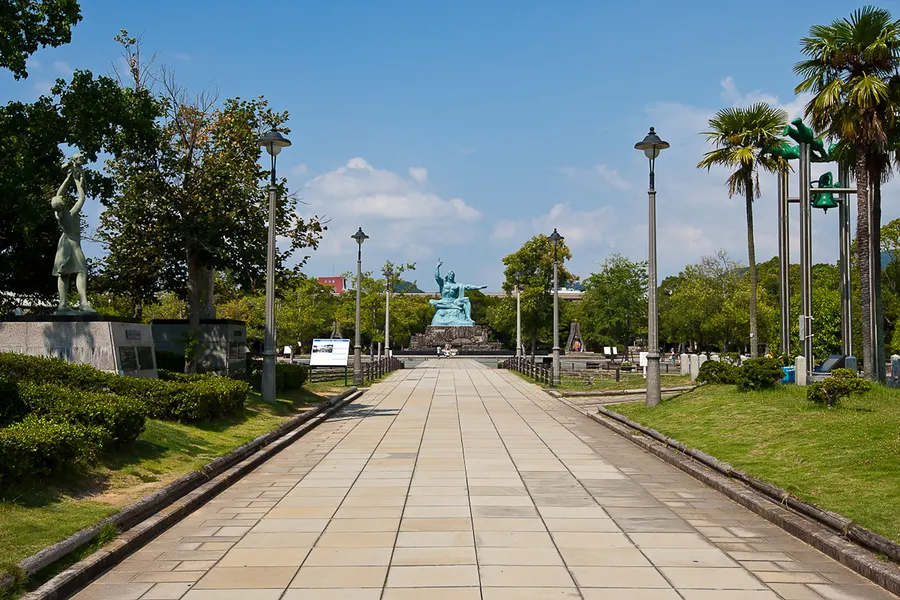 Nagasaki Peace Park, near the hypocentre of the 1945 explosion, with Seibō Kitamura’s Peace Statue at the end of the pathImage:
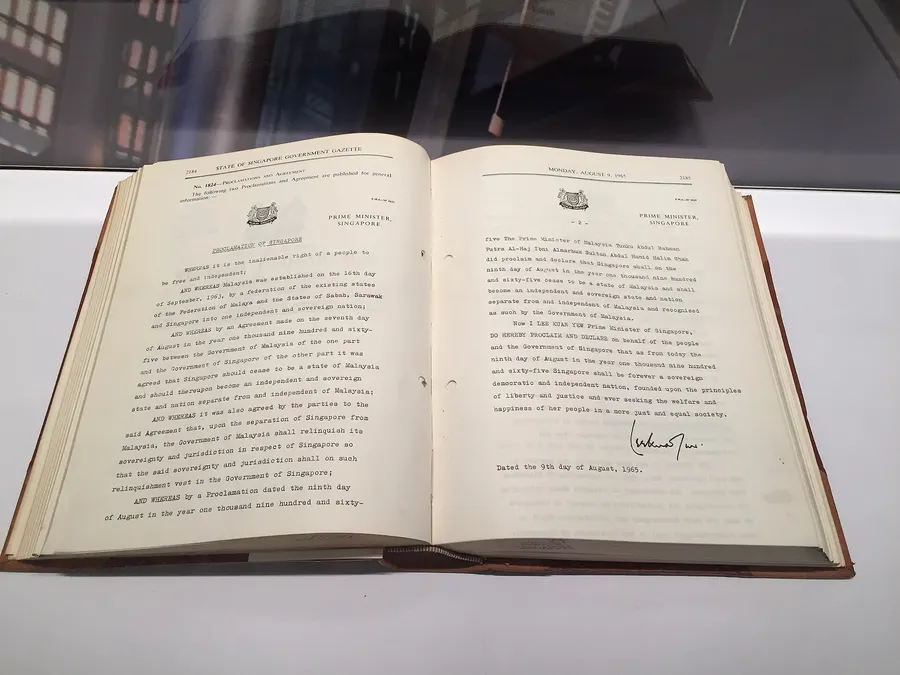 A copy of the Proclamation of Singapore of 9 August 1965, on display at the Supreme Court of SingaporeImage:
 Richard Nixon leaves the White House by helicopter for the last time as president on 9 August 1974Image:
 A Luna lander of the Luna 24 type on display at the Memorial Museum of Cosmonautics in MoscowImage:
 Morihiro Hosokawa on the day he took office as prime minister, 9 August 1993Image:
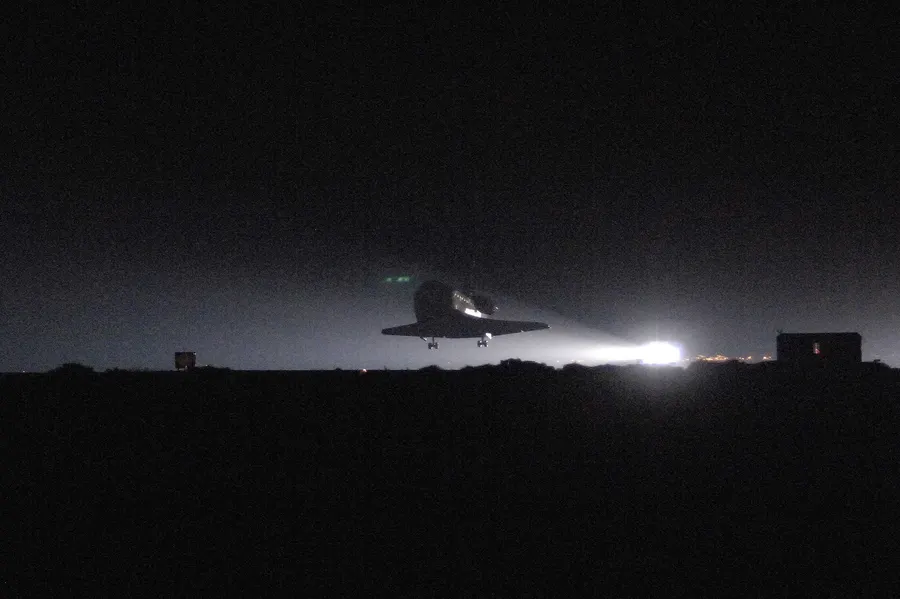 Space Shuttle Discovery glides in to a pre-dawn landing at Edwards Air Force Base, California, on 9 August 2005Image:
 The men’s 800 metres final at the London Olympics, in which David Rudisha set his world recordImage: