1960Chad becomes independent from France
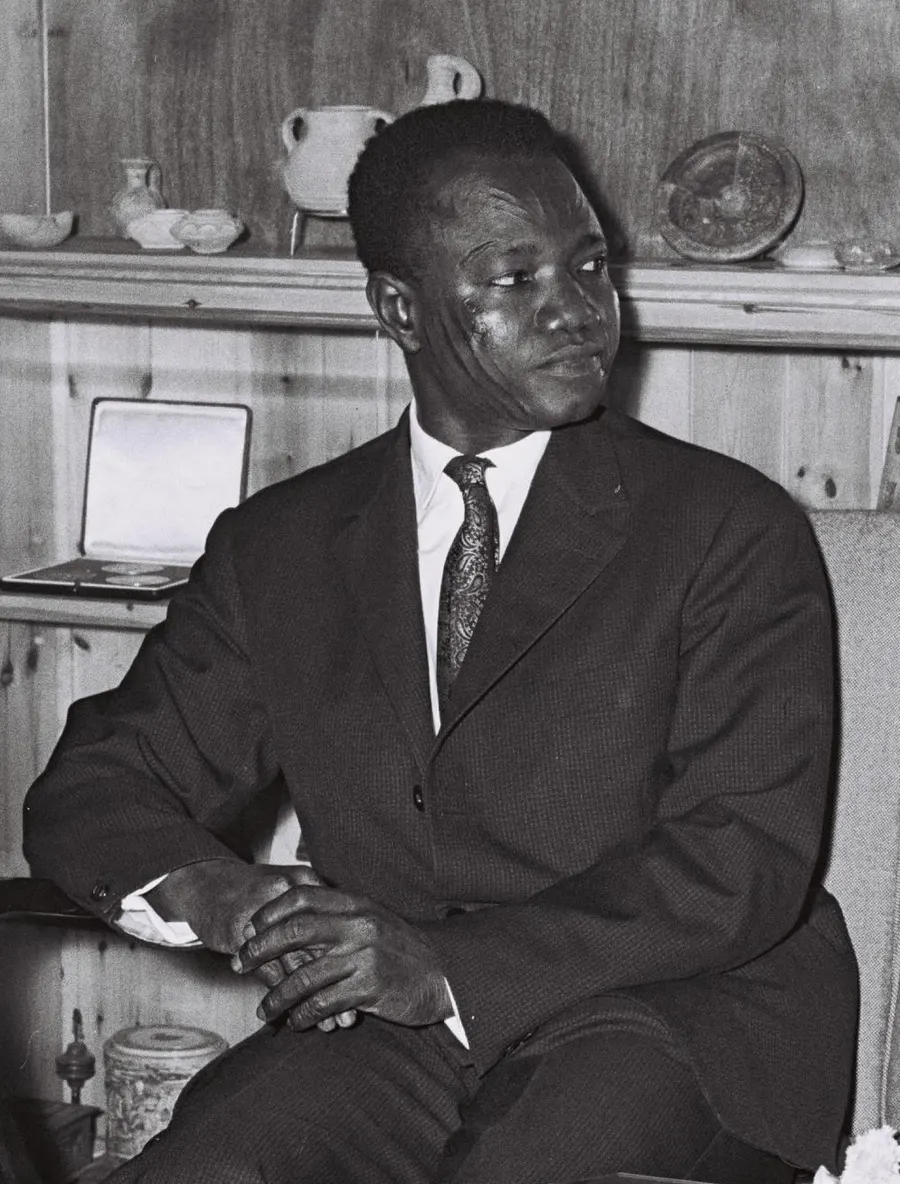
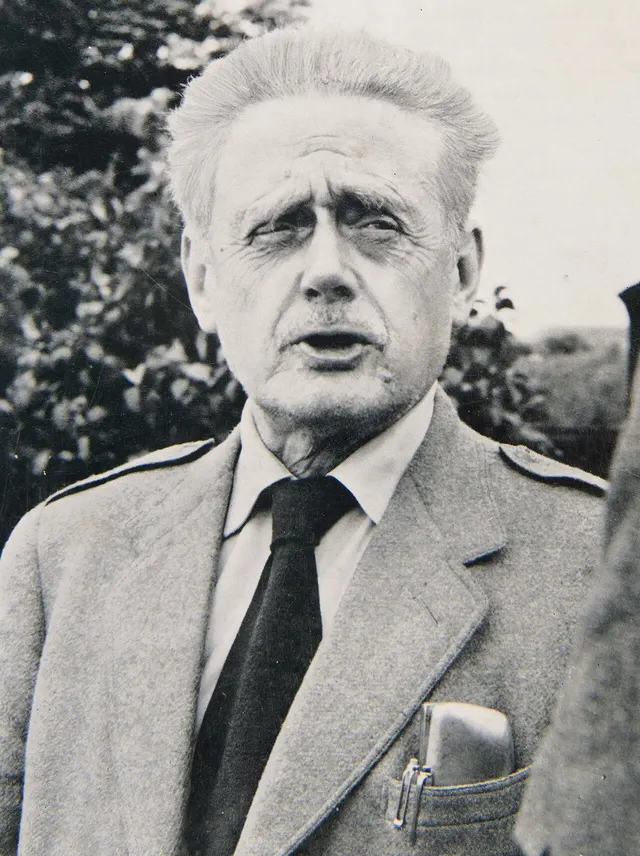
Chad, a vast country stretching from the Sahara in the north to the savannahs of the south, was conquered by France around 1900 and ruled as the most remote colony of French Equatorial Africa. After the Second World War its people gained seats in the French parliament, and in 1958 Chad voted to become a self-governing republic within the new French Community. Its leading politician was François Tombalbaye, a southern teacher and trade unionist who headed the Chadian Progressive Party.
On 11 August 1960 Chad became fully independent, one of more than a dozen French African colonies to do so that year, and Tombalbaye became its first president. The new state inherited deep divisions between the mostly Christian and animist south, which dominated the government, and the largely Muslim north and east. A tax revolt in 1965 grew into a long civil war, and Tombalbaye was overthrown and killed in a military coup in 1975. Chad celebrates 11 August as its Independence Day.
Read the full storyHistory & Timeline →Source: Britannica: Chad, Independence ↗
117The army at Antioch proclaims Hadrian emperor
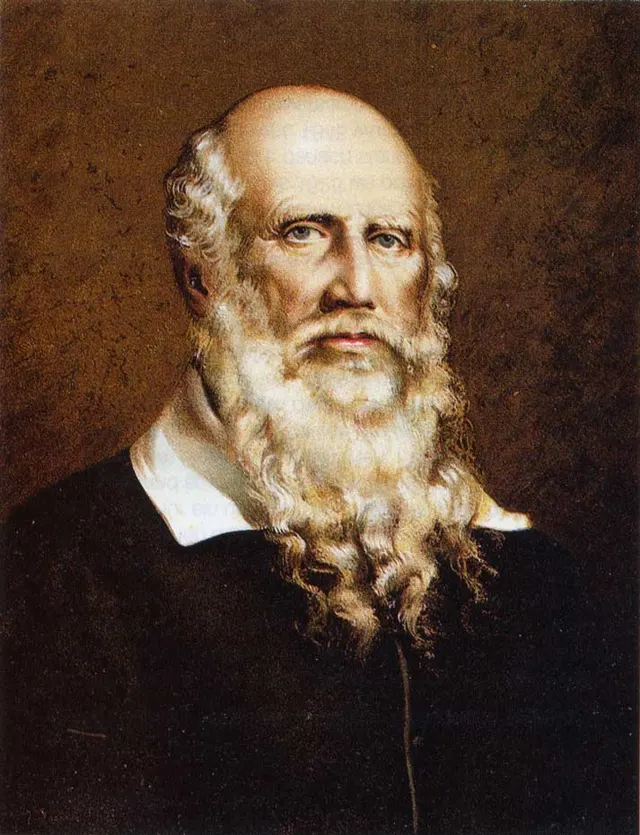
In 117 the Roman Empire was at its greatest size. The emperor Trajan had conquered Dacia and, in the east, pushed into Armenia and Mesopotamia as far as the Persian Gulf. But revolts broke out behind him, and on his way back to Rome he fell ill and died at Selinus on the coast of Cilicia, in what is now southern Turkey, early in August. His cousin’s son Hadrian, whom he had brought up and promoted, was governor of Syria and commanded the army at Antioch.
On 9 August Hadrian received word that Trajan had adopted him as his son and heir, and on 11 August 117 news of the emperor’s death arrived and the army proclaimed Hadrian emperor. Some Romans suspected that the adoption had been arranged by Trajan’s widow Plotina after his death. Hadrian quickly gave up Trajan’s newest conquests beyond the Euphrates, and spent much of his 21-year reign touring the provinces and strengthening the frontiers, most famously with the wall across northern Britain that bears his name.
Read the full storyHistory & Timeline →Source: Britannica: Hadrian ↗
1492Rodrigo Borgia is elected pope as Alexander VI
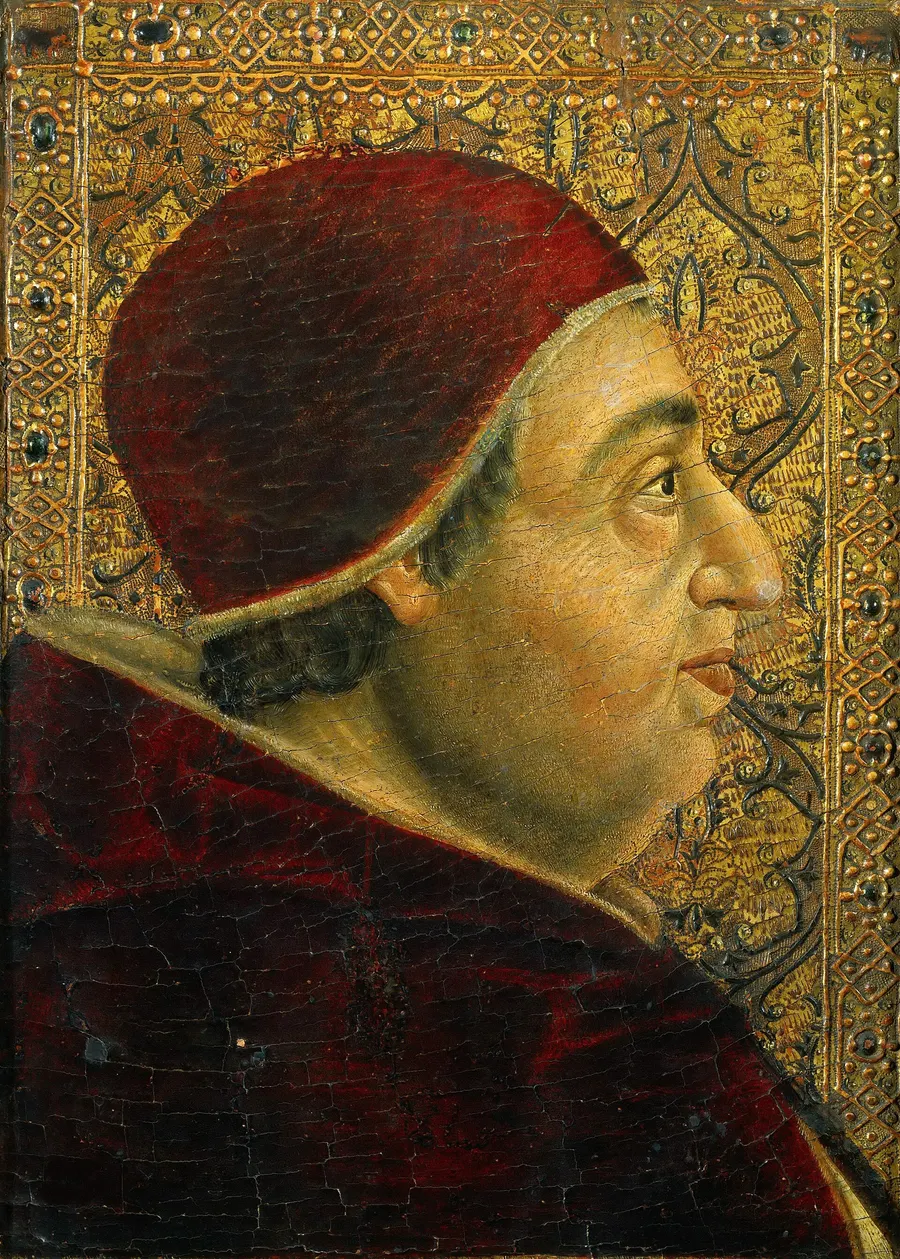
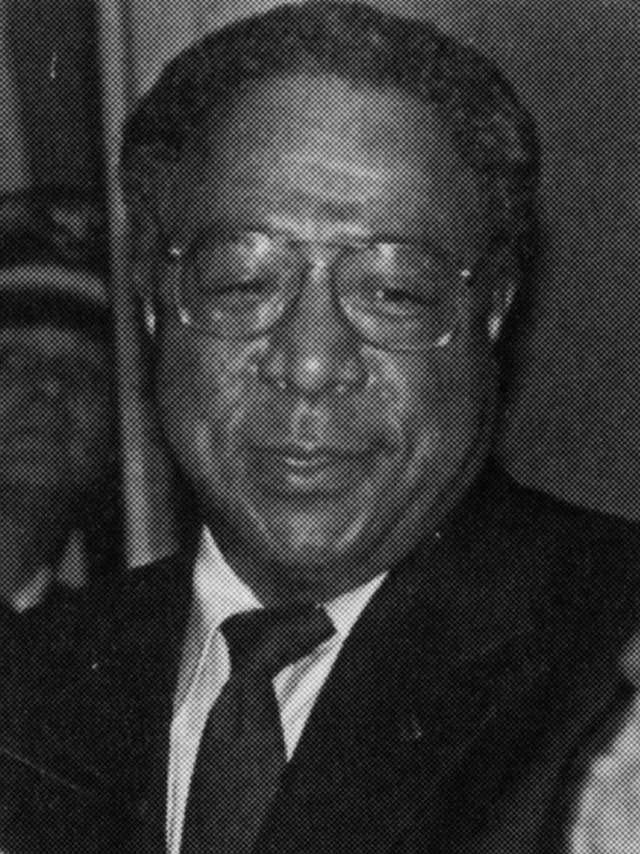
Rodrigo Borgia, or Borja, came from a family of Valencia in Spain and owed his rise to his uncle, who reigned as Pope Callixtus III and made him a cardinal while still in his twenties. For 35 years he ran the papal chancery, grew enormously rich and had several children, including Cesare and Lucrezia Borgia. When Pope Innocent VIII died in July 1492, 23 cardinals gathered in the Sistine Chapel to choose his successor.
Early on the morning of 11 August 1492 Borgia was proclaimed pope with exactly the two-thirds majority needed, counting his own vote, and took the name Alexander VI. He was widely accused of buying votes with promises of offices and benefices, though this has never been proved. His reign became a byword for worldliness and nepotism, as he worked to win lands and titles for his children. In 1493 he also issued the bulls that divided the newly found lands across the Atlantic between Spain and Portugal.
Read the full storyHistory & Timeline →Source: Catholic Encyclopedia: Pope Alexander VI ↗
1786Francis Light takes possession of Penang for the East India Company
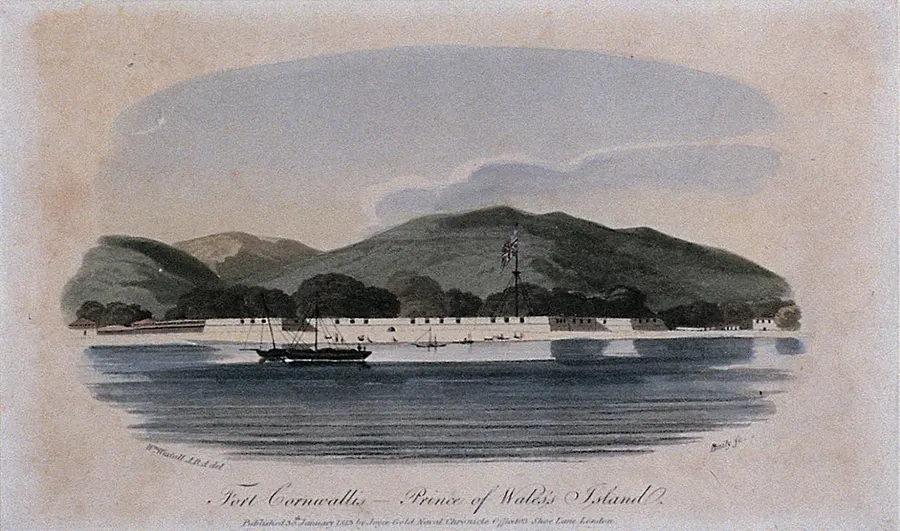
The British East India Company wanted a harbour on the eastern side of the Bay of Bengal where its ships could shelter and refit, and a base for trade with the Malay world and China. Francis Light, an English sea captain who had traded in the region for years, persuaded the Sultan of Kedah, who feared attack by Siam and Burma, to let the Company settle the island of Penang, off the west coast of the Malay peninsula, in return for money and, he hoped, protection.
Light landed with a small party in July 1786, and on 11 August 1786 he formally took possession, raising the British flag and naming the island Prince of Wales Island. He made it a free port, and traders and settlers from China, India, Sumatra and beyond soon crowded into the new town of George Town. The promised military help to Kedah never came. In 1826 Penang was joined with Malacca and Singapore as the Straits Settlements, and George Town is now a UNESCO World Heritage Site.
Read the full storyHistory & Timeline →Source: Britannica: Francis Light ↗
1952Sixteen-year-old Hussein is proclaimed King of Jordan
In July 1951 King Abdullah I of Jordan was shot dead at the al-Aqsa mosque in Jerusalem, with his 15-year-old grandson Hussein at his side. Abdullah’s son Talal became king, and gave Jordan a new, more liberal constitution in 1952, but he suffered from serious mental illness and spent long periods abroad for treatment.
On 11 August 1952 the Jordanian parliament, meeting in a special session, declared Talal unfit to rule and proclaimed his eldest son Hussein king. Hussein was 16 and a schoolboy at Harrow in England, so a regency council governed until he came of age under the Islamic calendar and took up his constitutional powers on 2 May 1953. He went on to reign for almost 47 years, through wars with Israel, the loss of the West Bank in 1967 and civil war in 1970, and made peace with Israel in 1994.
Read the full storyHistory & Timeline →Source: The Royal Hashemite Court: King Hussein bin Talal (1935-1999) ↗