1960Côte d’Ivoire becomes independent from France
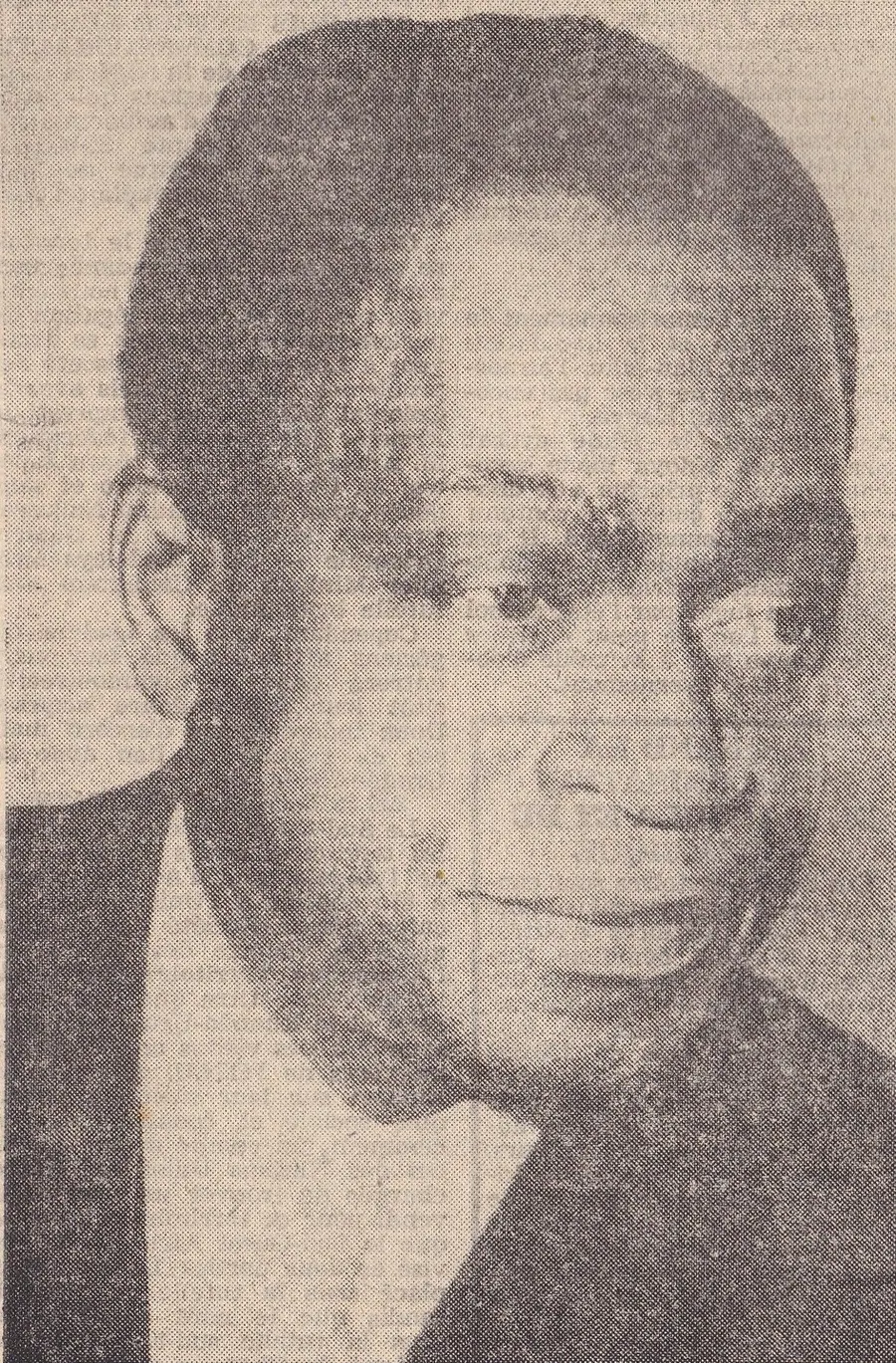
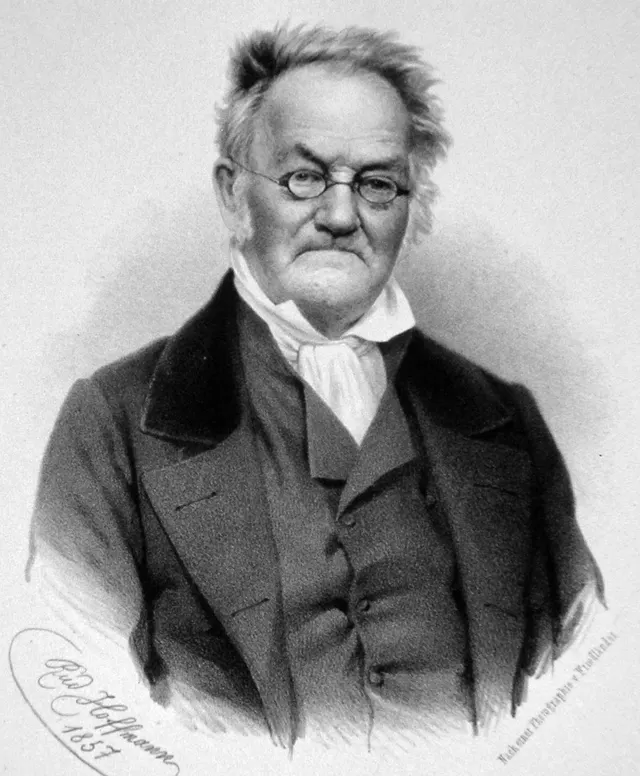
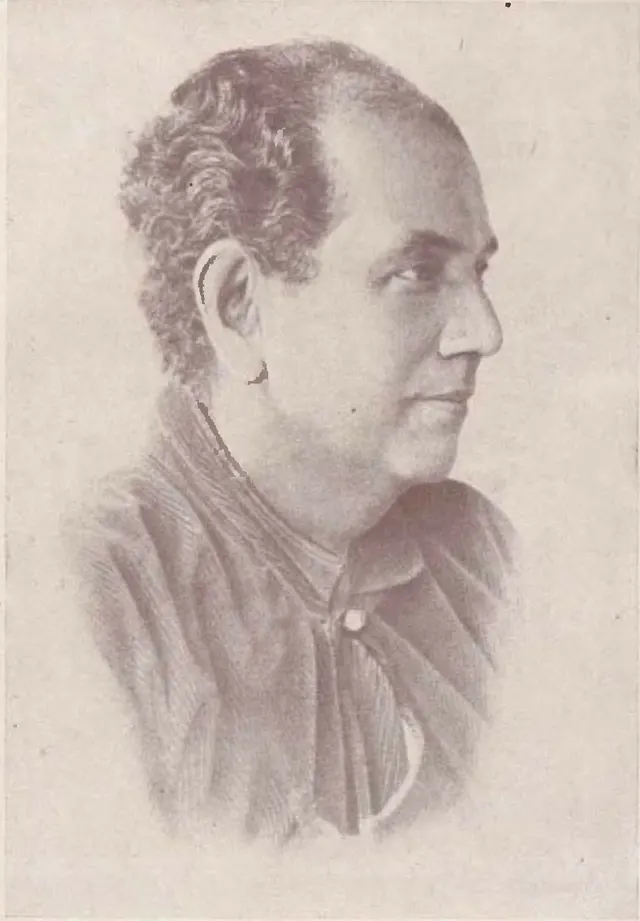
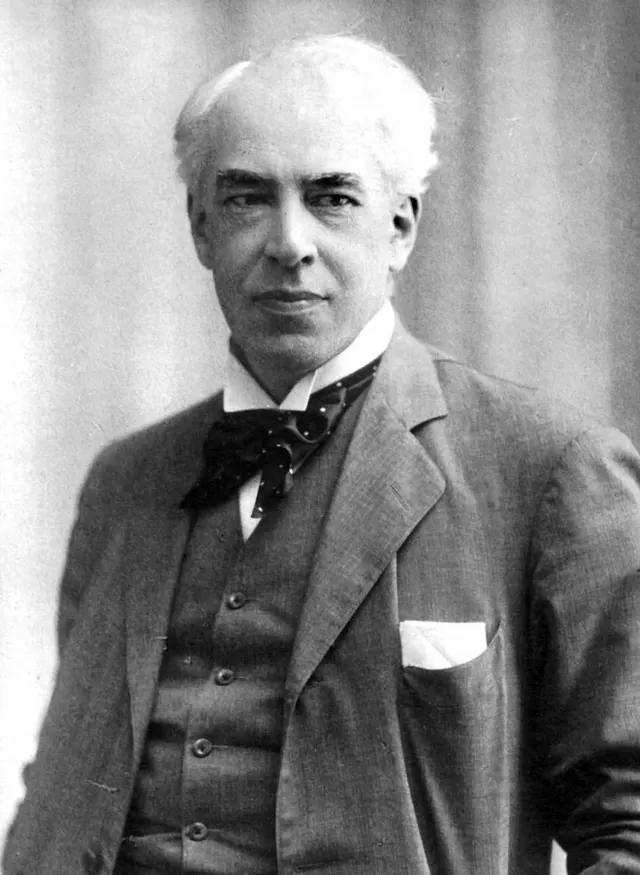
France made the Ivory Coast a colony in 1893 and later ruled it as part of French West Africa, where Africans were long subject to forced labour on plantations and public works. After the Second World War a wealthy African planter and doctor, Félix Houphouët-Boigny, organised the colony’s African farmers, founded the Democratic Party of Côte d’Ivoire and was elected to the French National Assembly in Paris, where he pressed for the end of forced labour, which France abolished across its African colonies in 1946.
In the referendum of 1958 the colony voted to join the new French Community, and in December it became an autonomous republic with Houphouët-Boigny as prime minister from 1959. As one French African territory after another moved to full independence in 1960, Côte d’Ivoire followed on 7 August 1960. Houphouët-Boigny was elected president later that year and ruled until his death in 1993, keeping close ties with France while cocoa and coffee exports made the country one of the most prosperous in West Africa.
Read the full storyHistory & Timeline →Source: Britannica: History of Côte d’Ivoire ↗
1819Bolívar wins the Battle of Boyacá and frees New Granada
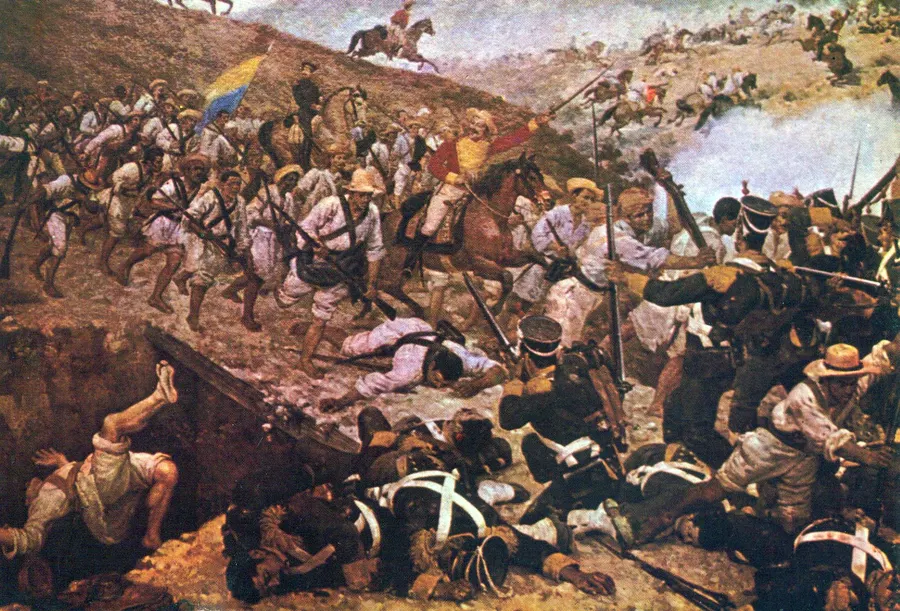
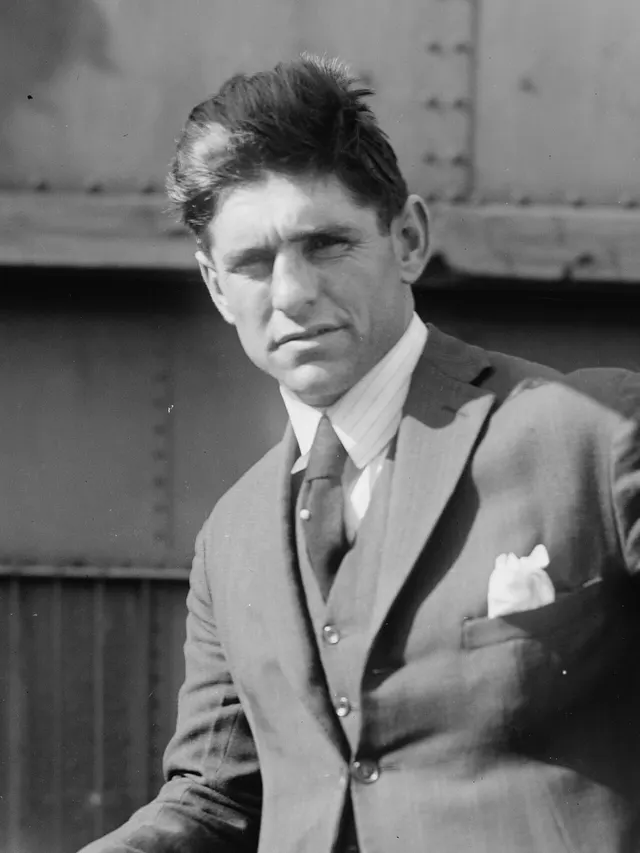
By 1819 Spain had crushed the first independence movements in New Granada, the viceroyalty that covered much of today’s Colombia, and Simón Bolívar was fighting on in the plains of Venezuela. In the rainy season of that year he did something the Spanish did not expect: he led his army west across the flooded plains and over the high, freezing passes of the Andes, losing many men and most of his horses, to join Francisco de Paula Santander’s forces and descend on the heart of New Granada.
On 7 August 1819, at a bridge over the Boyacá river on the road to Bogotá, about 3,000 patriot troops met a royalist army of similar size under Colonel José María Barreiro. Santander’s vanguard cut off the Spanish advance guard at the bridge while Bolívar attacked the main body half a mile away, and the royalists broke. Barreiro and about 1,800 of his men were taken prisoner. Three days later Bolívar rode into Bogotá, the viceroy having fled, and Boyacá opened the way to the independence of Colombia. The day is still a national holiday there.
Read the full storyHistory & Timeline →Source: Britannica: Battle of Boyacá ↗
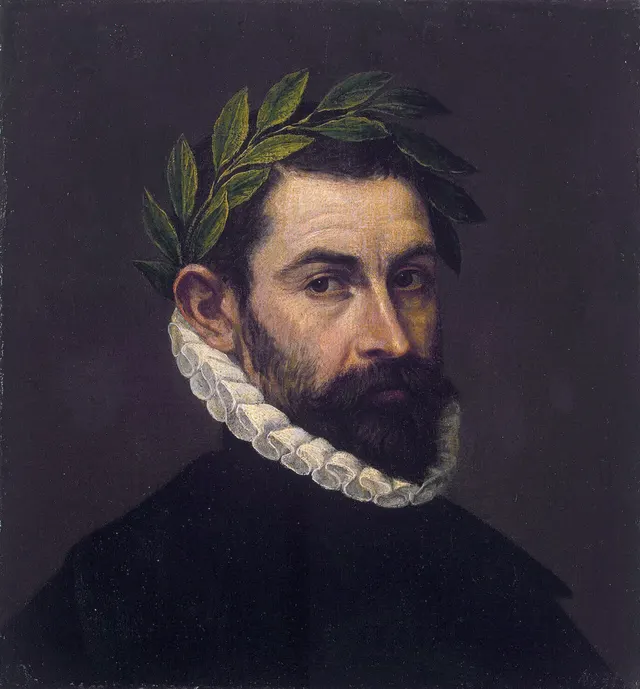
936Otto I is crowned king in Charlemagne’s church at Aachen
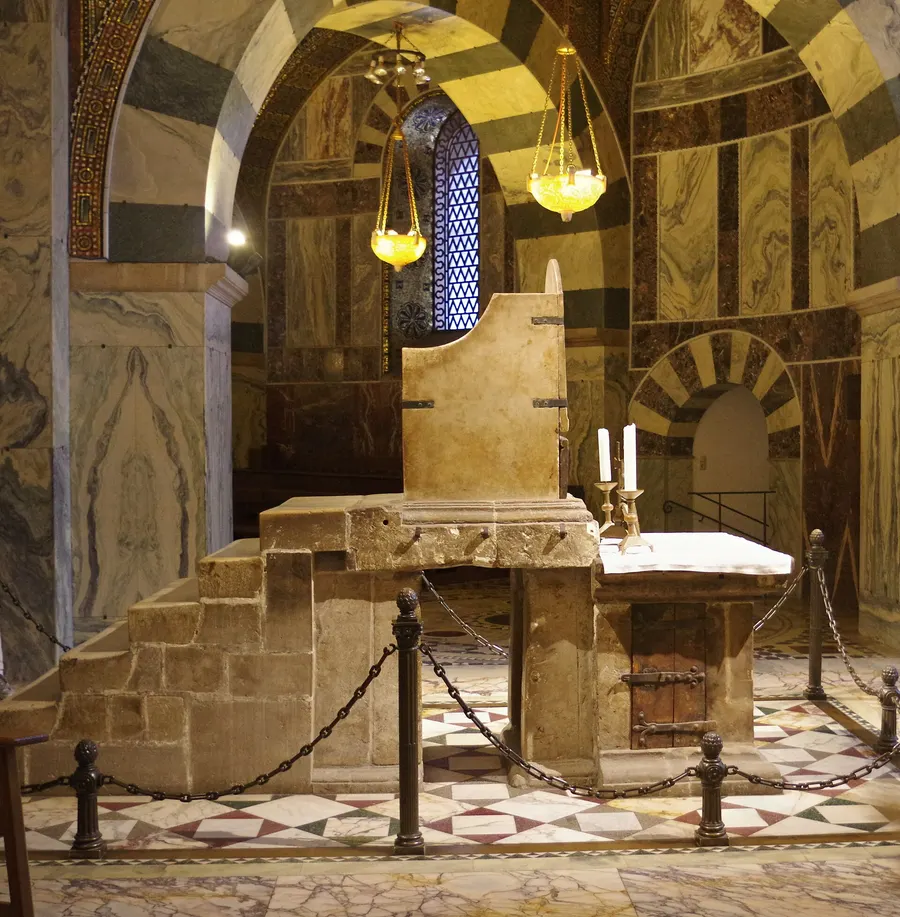
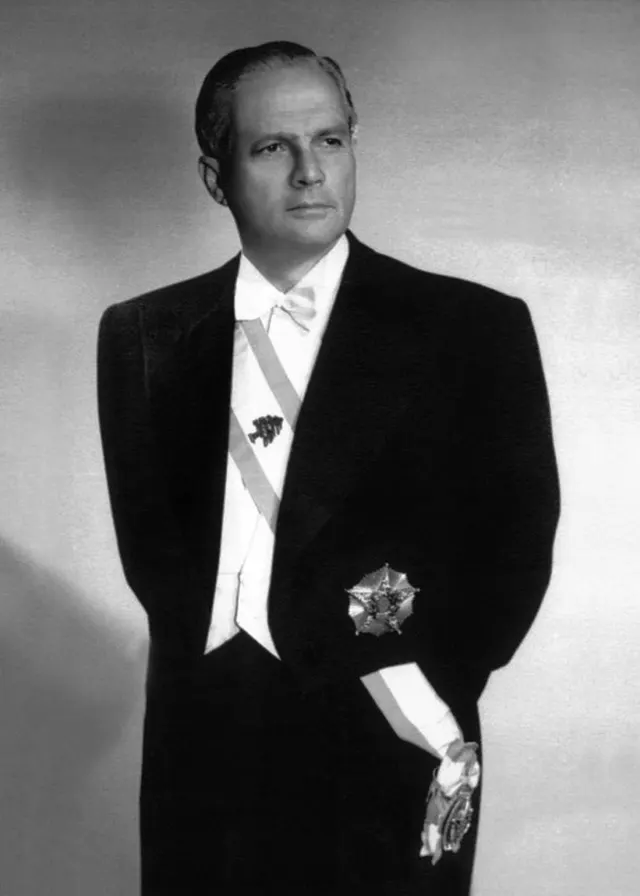
Henry I, the Saxon duke who had become king of the East Franks, died in July 936 after naming his son Otto as his successor. The German kingdom was a loose collection of powerful duchies, Franconia, Swabia, Bavaria, Lotharingia and Saxony, and a king needed the dukes’ consent. Otto chose to be made king not in Saxony but at Aachen, in the palace chapel of Charlemagne, the great Frankish emperor whose legacy he meant to claim.
On 7 August 936 the dukes and nobles gathered at Aachen raised Otto as their king. He was anointed and crowned by the archbishops of Mainz and Cologne, and, according to the chronicler Widukind of Corvey, enthroned on Charlemagne’s stone throne; at the feast that followed the dukes served him as his household officers. Otto spent years putting down revolts, broke the Magyar raids at the Lechfeld in 955 and was crowned emperor in Rome in 962. For six centuries after him, German kings were crowned at Aachen.
Read the full storyHistory & Timeline →Source: Britannica: Otto I ↗
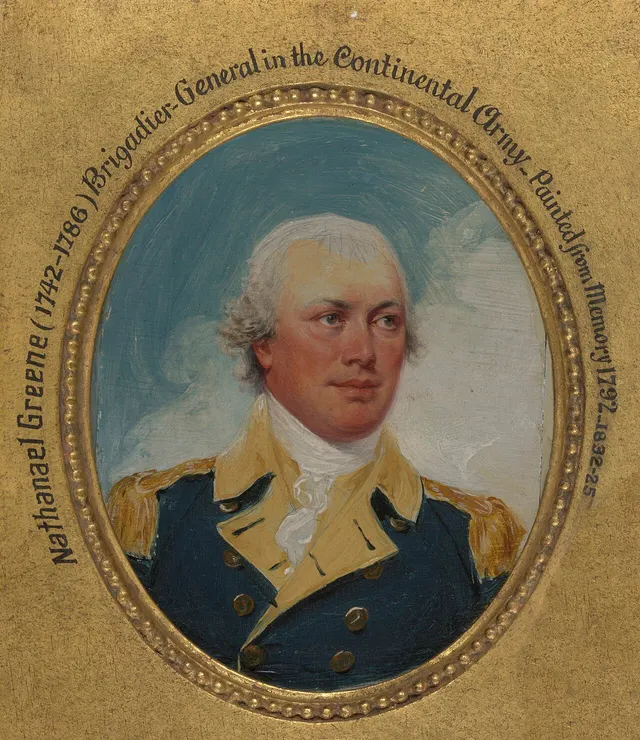
1942US Marines land on Guadalcanal in the first Allied offensive in the Pacific
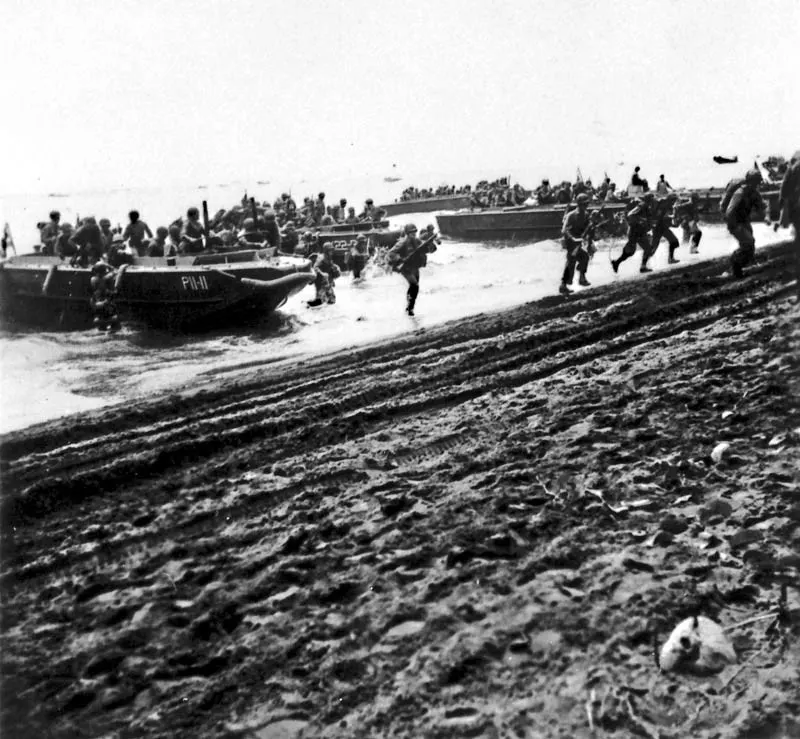
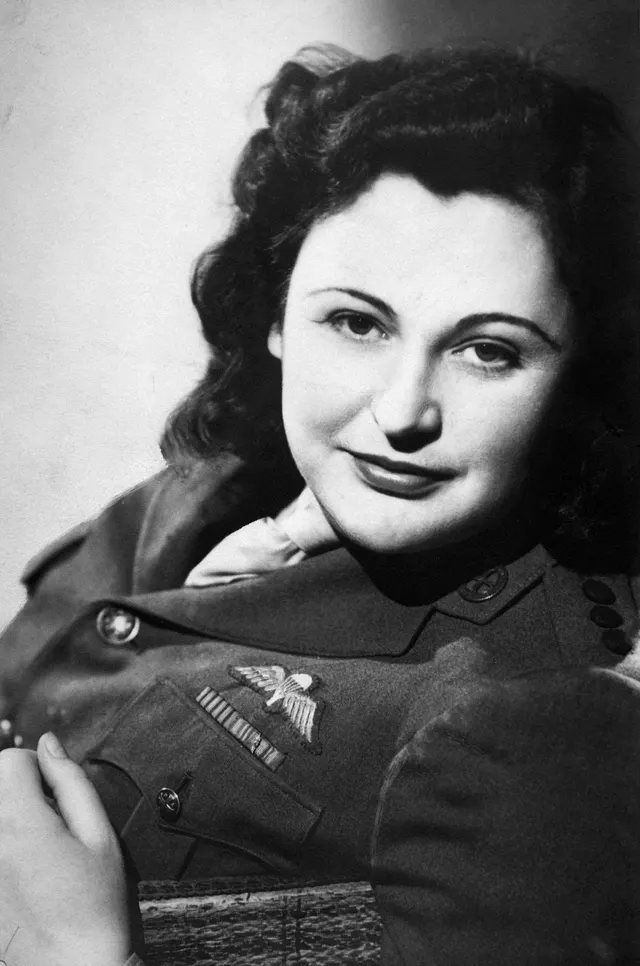
In the months after Pearl Harbor, Japan’s forces swept across South-East Asia and the western Pacific. By mid-1942 they had reached the Solomon Islands, then a British protectorate, and begun building an airfield at Lunga Point on Guadalcanal, from which bombers could threaten the sea routes between the United States and Australia. After the American victory at Midway in June, the Allies decided to strike there first.
On the morning of 7 August 1942 a fleet under Rear Admiral Richmond K. Turner put the 1st Marine Division ashore on Guadalcanal and on the smaller islands of Tulagi, Gavutu and Tanambogo across the channel. The landing on Guadalcanal took the Japanese by surprise and met little resistance, and the unfinished airfield, soon named Henderson Field, was taken the next day; on the smaller islands the fighting was fierce. It was the first American land offensive of the war, and it led to six months of battles on land, at sea and in the air before Japan withdrew its last troops in February 1943.
Read the full storyHistory & Timeline →Source: Naval History and Heritage Command: Guadalcanal and Tulagi Landings ↗
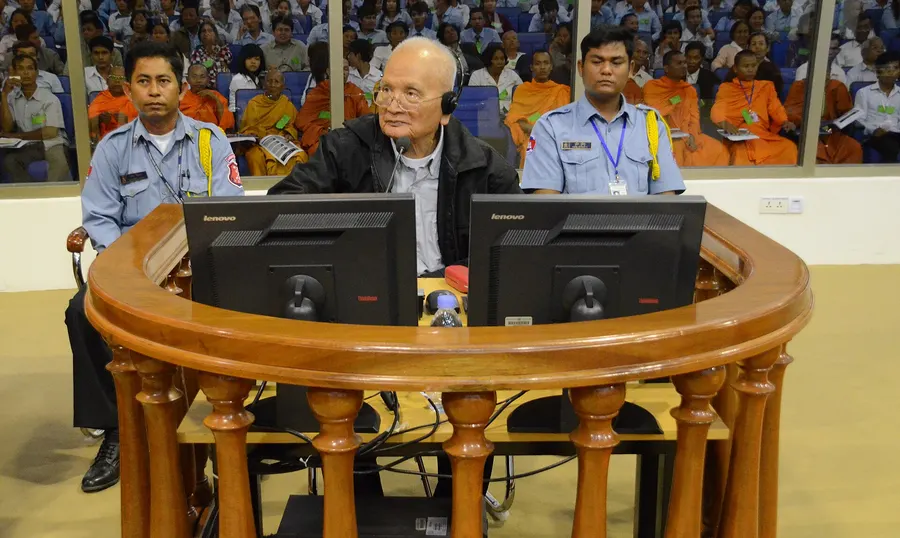
2014Two Khmer Rouge leaders are sentenced to life for crimes against humanity
The Khmer Rouge seized Cambodia in April 1975 and emptied its cities, driving the people into the countryside to work in collective farms. By the time Vietnamese forces drove them from power in January 1979, around 1.7 million people had died of execution, starvation, overwork and disease. Their leader, Pol Pot, died in 1998 without ever facing trial. In 2006 a special court set up by Cambodia and the United Nations, the Extraordinary Chambers in the Courts of Cambodia, with Cambodian and international judges, began its work in Phnom Penh.
On 7 August 2014 the court’s Trial Chamber found Nuon Chea, 88, the movement’s chief ideologist, and Khieu Samphan, 83, the former head of state, guilty of crimes against humanity, including murder and extermination, for the forced evacuation of the cities and later forced movements of the population and executions. Both were sentenced to life imprisonment. It was the first verdict against the regime’s top surviving leaders, more than 35 years after its fall. In a second trial in 2018 both were also convicted of genocide.
Read the full storyHistory & Timeline →Source: UN News: UN-backed tribunal sentences Khmer Rouge leaders to life in prison ↗