Explore 17 August

Explore 17 August: Sukarno and Hatta proclaim the independence of Indonesia, Gabon goes free from France, war breaks out along the Minnesota River, three balloonists complete the first crossing of the Atlantic and Orwell’s Animal Farm reaches the bookshops. Born today: Davy Crockett, Menelik II and Robert De Niro.

This day through time →13 verified events across 4 eras

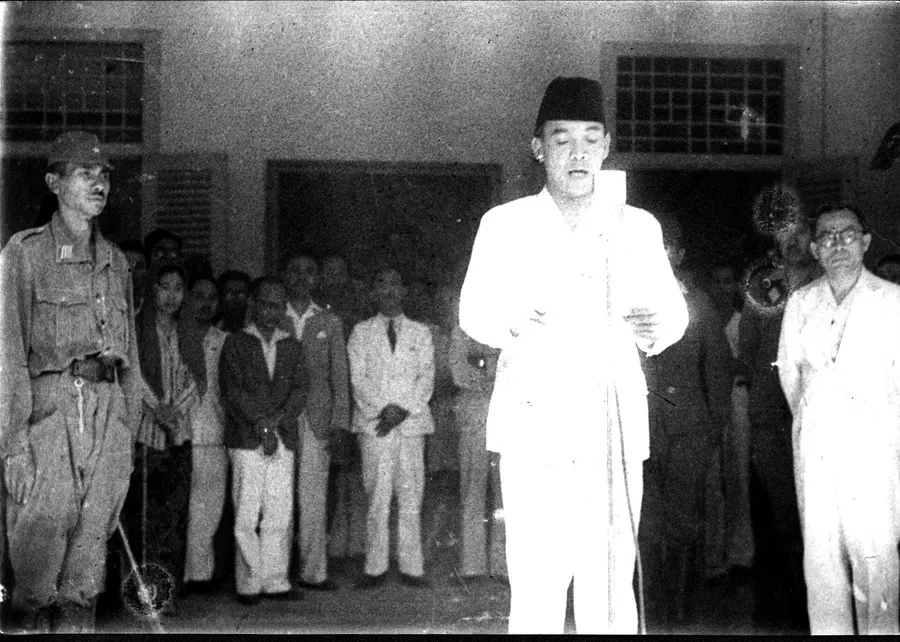
Sukarno reads the proclamation of Indonesian independence outside his house in Jakarta on 17 August 1945, with Mohammad Hatta beside him, photographed by Frans Mendur
Image creditFrans Mendur (also Frans Mendoer) (1913 – 1971) · Public domainResized and cropped for display.

Sukarno and Hatta proclaim the independence of Indonesia

For more than three centuries the islands of the East Indies had been ruled from the Netherlands, first by the Dutch East India Company and then by the Dutch state. In 1942 Japan swept the Dutch away and occupied the islands, and as the war turned against it, it allowed the nationalist leaders Sukarno and Mohammad Hatta to prepare for self-rule. When news came that Japan had surrendered, younger activists pressed the two men to act at once, before the Allies and the Dutch could return.

Through the night of 16 August Sukarno, Hatta and Ahmad Soebardjo drafted a short text in a house in Jakarta, and at about ten the next morning, 17 August 1945, Sukarno read it aloud to a small crowd outside his home at Jalan Pegangsaan Timur 56. The red and white flag was raised. The Dutch refused to accept the new republic, and four years of fighting and negotiation followed before they handed over sovereignty in December 1949, but Indonesians date their nation from that morning.

Read the full storyHistory & Timeline →Source: State Secretariat of the Republic of Indonesia: Detik-detik Proklamasi, 17 Agustus 1945 ↗
Léon M'ba, Gabon's first leader after independence, photographed in 1964
Léon M’ba, Gabon’s first leader after independence, photographed in 1964
Image creditUnknown photographer · CC BY-SA 3.0 nlResized and cropped for display.

Gabon becomes independent from France

The forests and coast of Gabon came under French control during the 19th century, and Libreville, founded as a settlement for freed slaves in 1849, became the centre of the colony. From 1910 Gabon was part of French Equatorial Africa. After the Second World War its people won seats in French assemblies and a growing say at home, and in 1958 Gabon voted to become a self-governing republic within the French Community.

Full independence was proclaimed on 17 August 1960, one of a wave of French African colonies to go free that year, with Léon M’ba as head of government. M’ba became president in 1961 and kept close ties with France; when army officers overthrew him in 1964, French troops restored him to power. After his death in 1967 he was succeeded by Albert-Bernard, later Omar, Bongo, whose family would rule Gabon for more than half a century.

Read the full storyHistory & Timeline →Source: US Department of State, Office of the Historian: Gabon ↗
Taoyateduta, also called Little Crow, the Dakota leader who agreed to lead the war, photographed in Washington in 1858
Image creditJulian Vannerson · Public domainResized and cropped for display.

Killings at Acton set off the Dakota War in Minnesota

In treaties of 1851 the Dakota people of Minnesota gave up most of their land in return for a narrow reservation along the Minnesota River and yearly payments in money and food. By the summer of 1862 the payments were late, crops had failed, traders were refusing credit and families were going hungry, while settlers kept pressing on to the land the Dakota had lost.

On Sunday 17 August 1862 four young Dakota men out hunting near Acton quarrelled over some eggs on a settler’s farm and shot dead five settlers. That night their leaders debated what to do, and Taoyateduta, known as Little Crow, agreed to lead a war he expected to lose. The next morning Dakota warriors attacked the Lower Sioux Agency. In six weeks of fighting hundreds of settlers and soldiers were killed before the Dakota were defeated; 38 Dakota men were hanged together at Mankato in December, and most of the Dakota were expelled from Minnesota.

Read the full storyHistory & Timeline →Source: Minnesota Historical Society: The Acton incident ↗
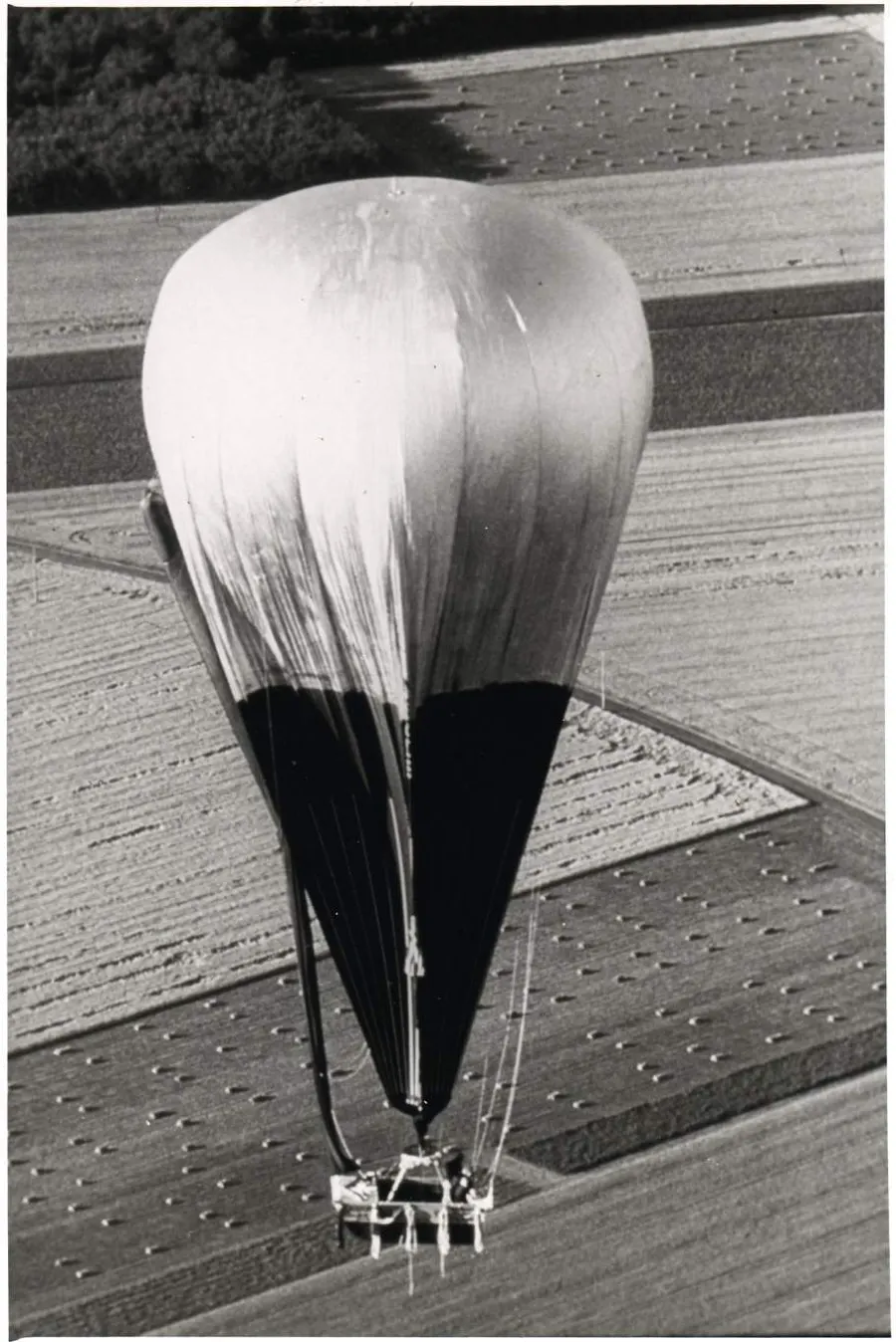
The balloon Double Eagle II being made ready at Presque Isle, Maine, before its flight across the Atlantic in August 1978
Image creditUnknown photographer · Public domainResized and cropped for display.

Double Eagle II completes the first balloon crossing of the Atlantic

People had dreamed of floating across the Atlantic since the first balloons rose in the 1780s, but the ocean defeated every attempt: by 1978 there had been seventeen, and seven people had lost their lives. Two of the latest failures belonged to Ben Abruzzo and Maxie Anderson of Albuquerque, New Mexico, whose balloon Double Eagle had come down off Iceland the year before.

With a third pilot, Larry Newman, they took off from Presque Isle in Maine on the evening of 11 August 1978 in Double Eagle II, a helium balloon 112 feet tall. Riding the winds in a small open gondola, they crossed the ocean in a little under six days, and at 7.48 p.m. on 17 August 1978 they landed in a wheat field at Miserey, west of Paris, where crowds had gathered to meet them. The flight of 137 hours and about 3,100 miles was the first across the Atlantic by balloon.

Read the full storyHistory & Timeline →Source: Smithsonian National Air and Space Museum: Gondola, Double Eagle II ↗

♙
PEOPLE

Born Today

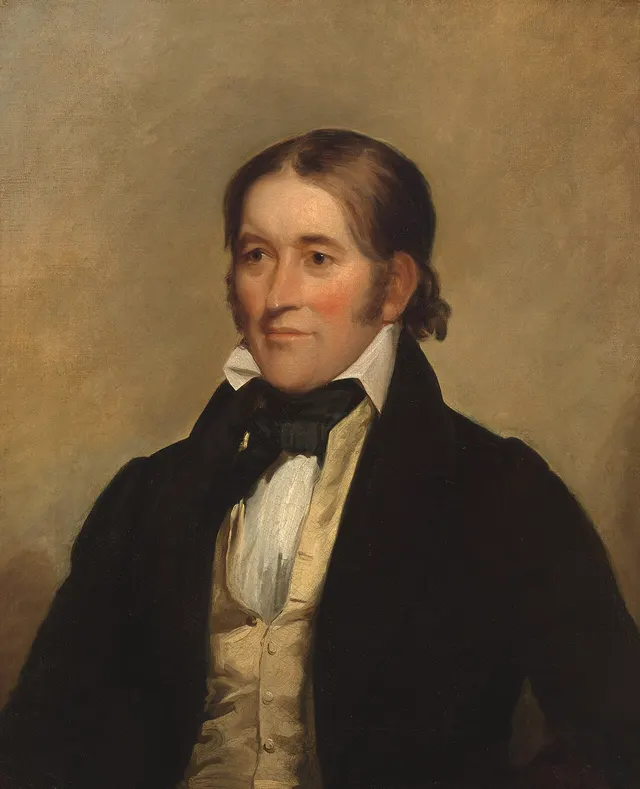
Davy Crockett
Image creditChester Harding · Public domainResized and cropped for display.

Davy Crockett

Tennessee frontiersman and congressman whose tall tales made him a folk hero, and who died defending the Alamo in 1836.

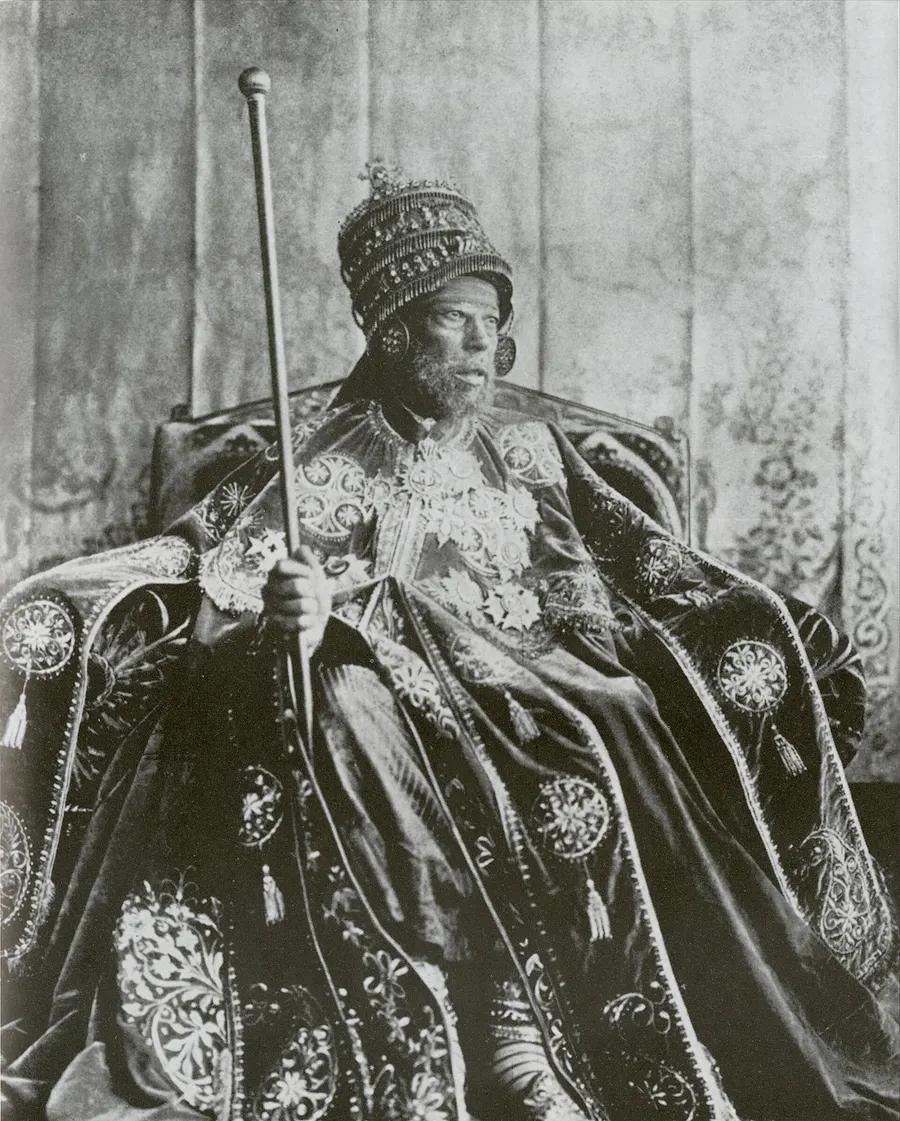
Menelik II
Image creditUnknown authorUnknown author · Public domainResized and cropped for display.

Menelik II

Emperor of Ethiopia from 1889 who founded Addis Ababa and defeated an Italian invasion at Adwa in 1896, keeping his country independent.

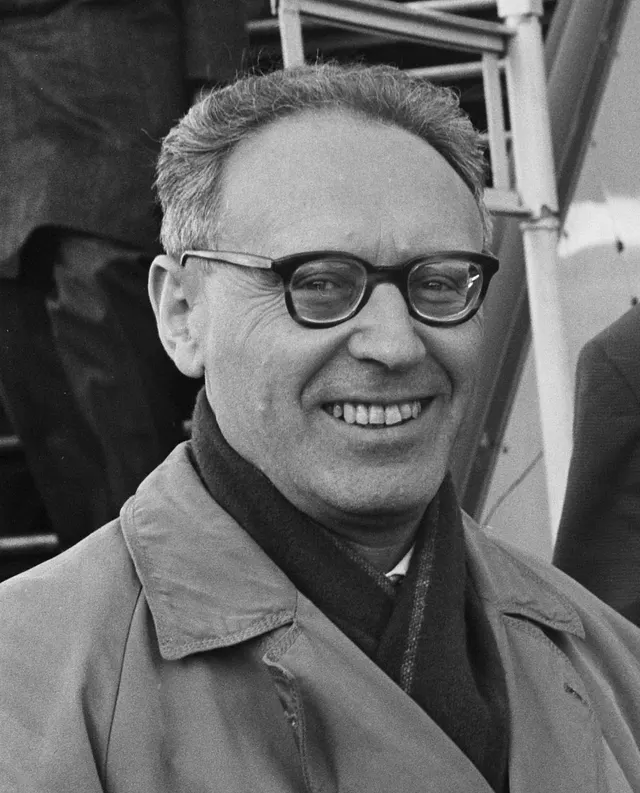
Mikhail Botvinnik
Image creditHarry Pot for Anefo · CC BY-SA 3.0 nlResized and cropped for display.

Mikhail Botvinnik

Soviet electrical engineer and chess player who was world champion three times between 1948 and 1963 and trained a generation of champions.

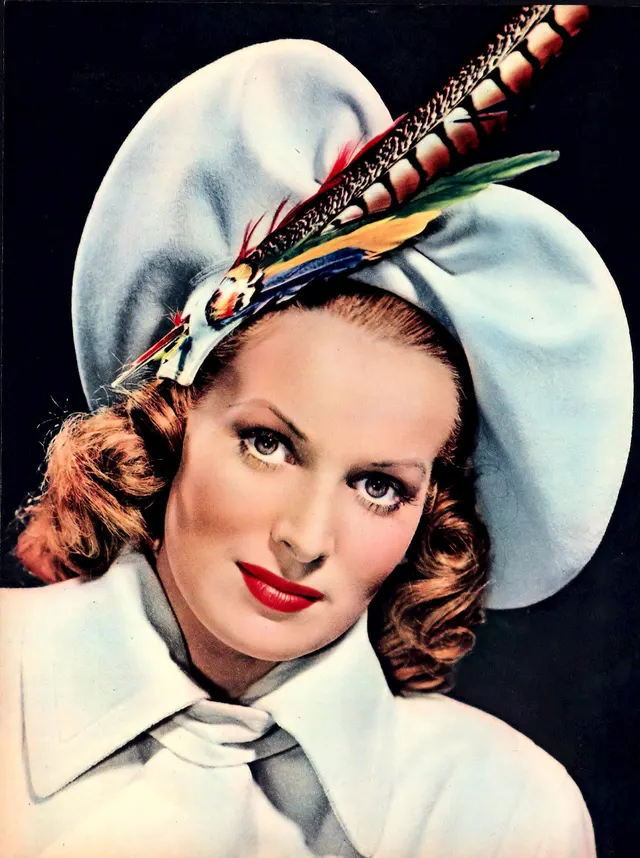
Maureen O'Hara
Image creditDell Publishing · Public domainResized and cropped for display.

Maureen O’Hara

Dublin-born actress who starred in How Green Was My Valley, Miracle on 34th Street and The Quiet Man.

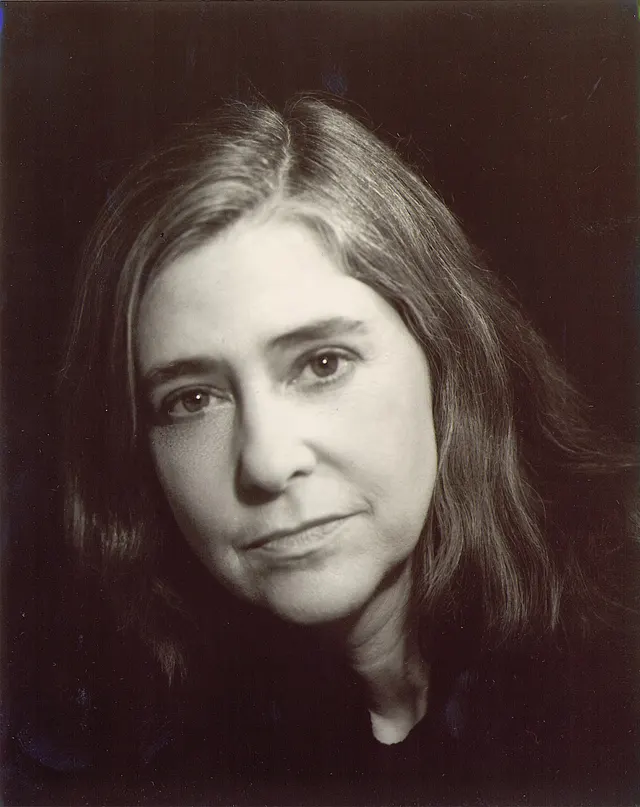
Margaret Hamilton
Image creditDaphne Weld Nichols · CC BY-SA 3.0Resized and cropped for display.

Margaret Hamilton

American computer scientist who led the team at MIT that wrote the on-board flight software for the Apollo Moon landings.

Robert De Niro
Image creditHarald Krichel · CC BY-SA 4.0Resized and cropped for display.

Robert De Niro

American actor who won Oscars for The Godfather Part II and Raging Bull and starred in Taxi Driver and Goodfellas.

Nie Weiping
Image credit中国新闻社 · CC BY 4.0Resized and cropped for display.

Nie Weiping

Chinese Go master whose run of victories over Japan’s leading players in the 1980s made him a national hero; he died in 2026.

Herta Müller
Image creditBernhard Holub · CC BY-SA 4.0Resized and cropped for display.

Herta Müller

Romanian-born German novelist who wrote about life under Ceaușescu’s dictatorship and won the Nobel Prize in Literature in 2009.

◉
IDEAS THAT CHANGED THINGS

Firsts, Science & Discoveries

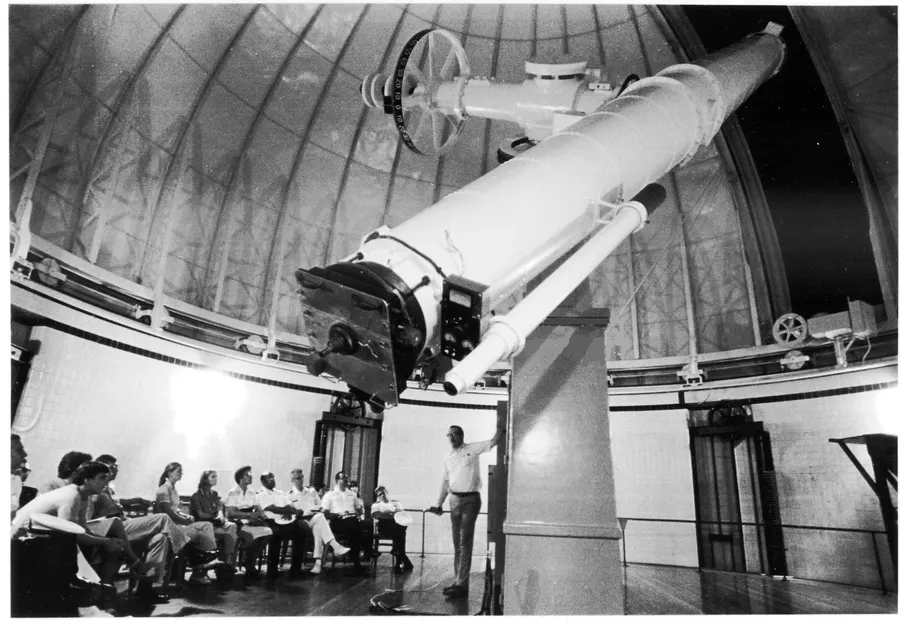
The 26-inch Great Equatorial refractor of the United States Naval Observatory, the telescope with which Asaph Hall found the moons of Mars
Image creditUnited States Naval Observatory · Public domainResized and cropped for display.

Asaph Hall discovers Phobos, the larger moon of Mars

In 1877 Mars came unusually close to the Earth, and astronomers everywhere turned their telescopes on it. At the United States Naval Observatory in Washington, Asaph Hall used the new 26-inch refractor, then the largest of its kind in the world, to search the glare around the planet for any small moons that might have been missed.

Days after finding a faint outer moon, he found a second, closer one on 17 August 1877. The two were named Phobos and Deimos, ‘fear’ and ‘dread’, after the sons of the Greek god of war. Phobos, only about 22 kilometres across, circles Mars three times a day, closer to its planet than any other known moon, and is slowly spiralling inwards.

Read the full storyHistory & Timeline →Source: NASA Science: Phobos ↗
☆
SPORTING HISTORY

Sporting Moments

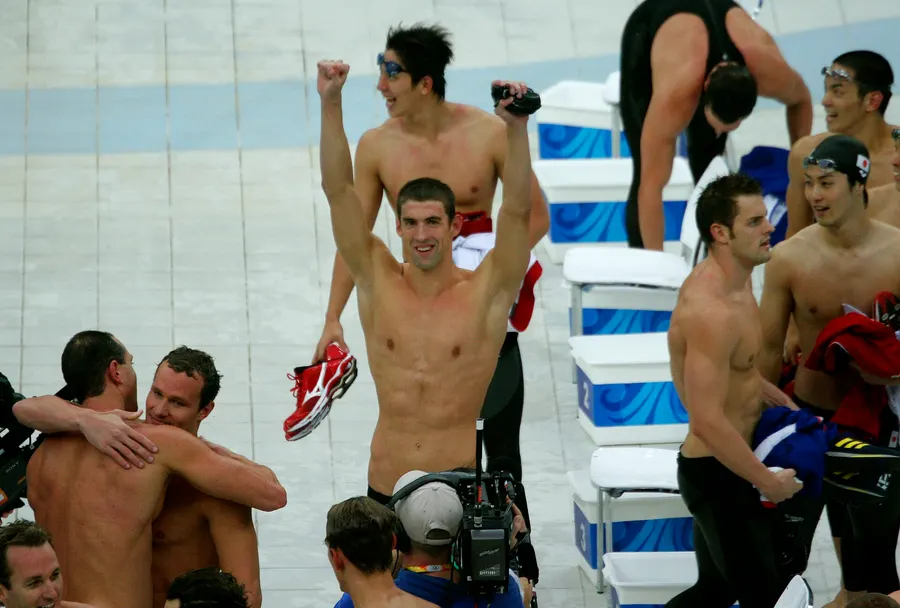
Michael Phelps and his relay team-mates celebrate the medley relay win that gave him his eighth gold medal in Beijing
Image creditBryan Allison · CC BY-SA 2.0Resized and cropped for display.

Michael Phelps wins an eighth gold medal at one Olympic Games

At the Munich Olympics in 1972 the American swimmer Mark Spitz won seven gold medals, a record for a single Games that stood for 36 years. Michael Phelps came to Beijing in 2008 entered in eight events, and over nine days in the National Aquatics Center, the ‘Water Cube’, he won seven of them, one by just a hundredth of a second.

On 17 August 2008 he swam the butterfly leg of the 4 x 100 metres medley relay, taking the United States from third place to first, and Jason Lezak brought the team home in a world record of 3 minutes 29.34 seconds, with Brendan Hansen and Aaron Peirsol completing the team. It was Phelps’s eighth gold of the Games and his seventh world record.

Read the full storyHistory & Timeline →Source: Olympics.com: Michael Phelps’ Olympic medals, a complete guide ↗
♫
MUSIC • FILM • BOOKS • CULTURE

Culture Stories

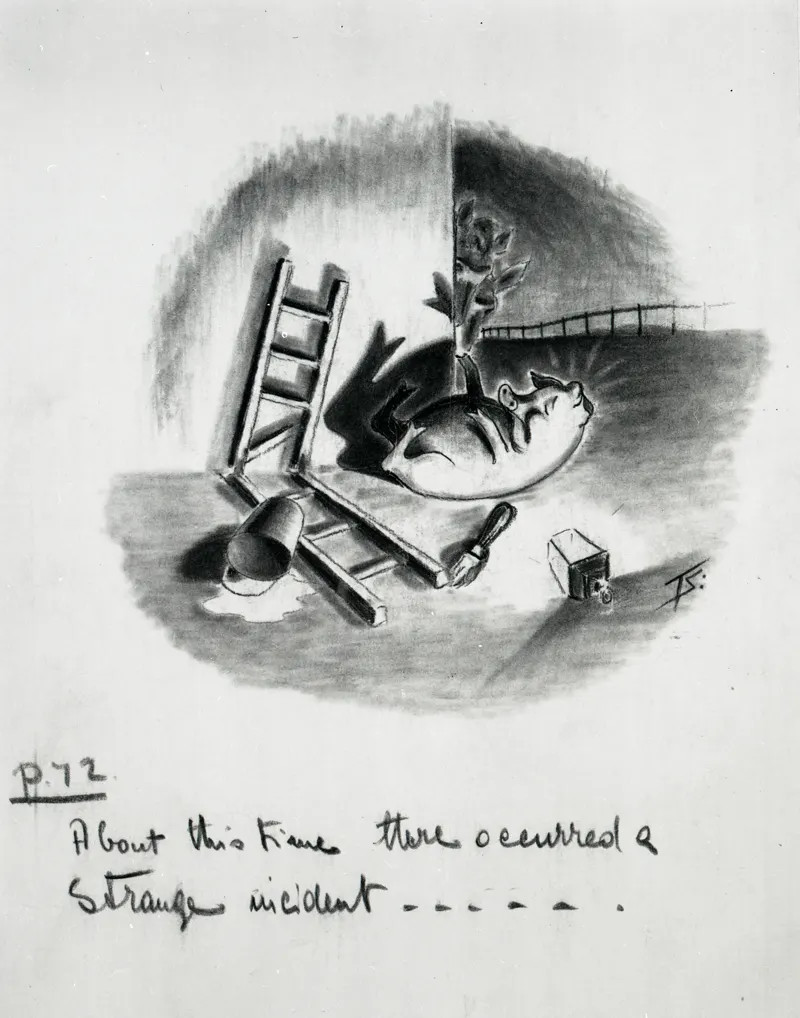
An illustration for Animal Farm, with the fallen ladder and spilt paint and the caption 'About this time there occurred a strange incident', held by the National Archives of the United Kingdom
An illustration for Animal Farm, with the fallen ladder and spilt paint and the caption ‘About this time there occurred a strange incident’, held by the National Archives of the United Kingdom
Image creditThe National Archives UK · Public domainResized and cropped for display.

Orwell’s Animal Farm is published in London

George Orwell wrote Animal Farm between late 1943 and early 1944, a short fable in which the animals of Manor Farm drive out their drunken farmer only to fall under the rule of the pigs. Its target, Stalin’s Soviet Union, was then Britain’s wartime ally, and several publishers turned it down, among them Faber and Faber, where T. S. Eliot judged it the wrong point of view at the wrong time.

Secker and Warburg finally published it on 17 August 1945, days after the war ended in the Pacific. The first printing of about 4,500 copies sold out quickly, and the book made Orwell famous and, for the first time, comfortable. Its line ‘All animals are equal, but some animals are more equal than others’ passed into everyday speech.

Read the full storyHistory & Timeline →Source: The Orwell Foundation: Animal Farm ↗
✦
LIVES REMEMBERED

Remembered Today

Matthew Boulton
Image creditCarl Frederik von Breda · Public domainResized and cropped for display.

Matthew Boulton

Birmingham manufacturer whose partnership with James Watt built and sold the steam engines that powered the Industrial Revolution.

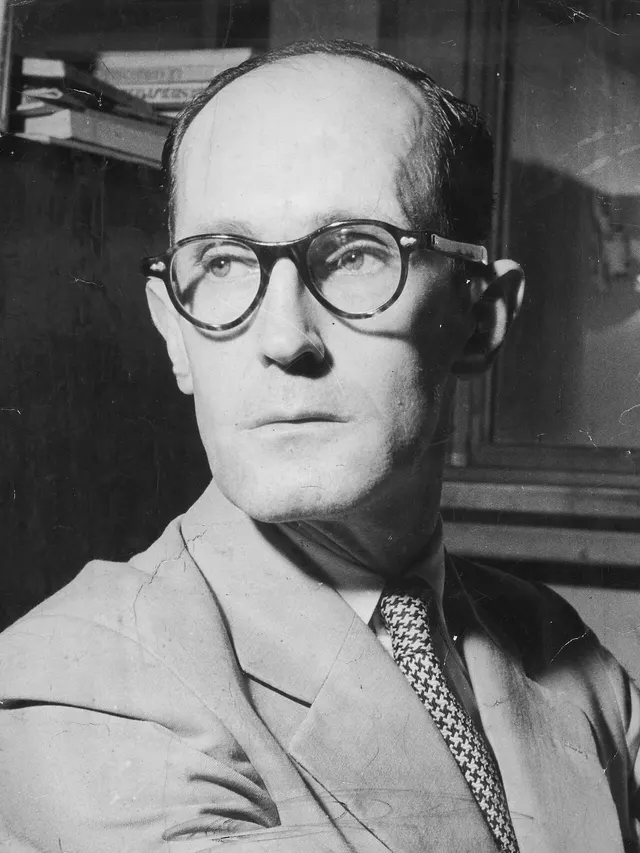
Carlos Drummond de Andrade
Image creditUnknown photographer · Public domainResized and cropped for display.

Carlos Drummond de Andrade

Brazilian poet whose plain-spoken, ironic verse made him one of the great voices of modern Brazilian literature.

Muhammad Zia-ul-Haq
Image creditPakistan Army · CC BY-SA 4.0Resized and cropped for display.

Muhammad Zia-ul-Haq

Army chief who seized power in Pakistan in 1977 and ruled as president until he was killed in a plane crash with the US ambassador.

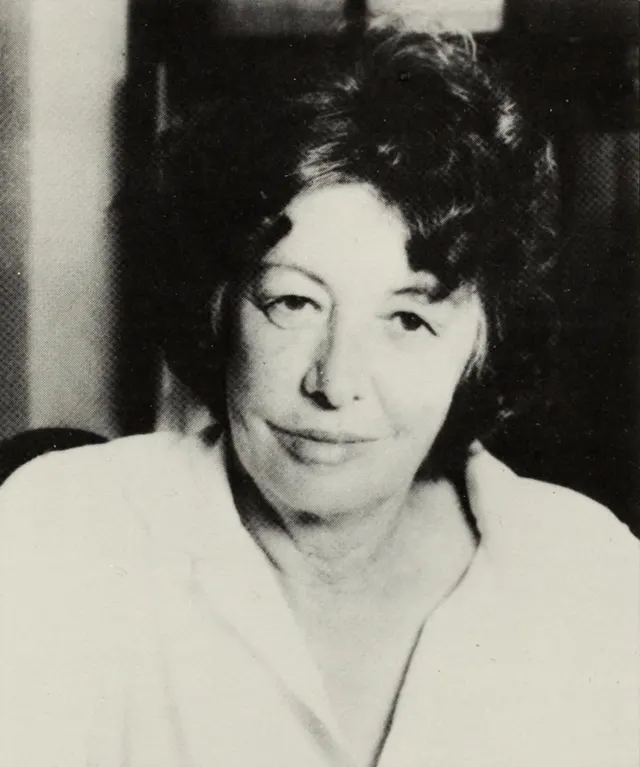
Thea Astley
Image creditUnknown photographer · Public domainResized and cropped for display.

Thea Astley

Australian novelist of small-town Queensland life who won the Miles Franklin Award four times.

☉
AROUND THE WORLD

Observances & Anniversaries

A gateway on Jalan Rawasari in Jakarta, decorated in red and white for 17 August, Indonesia's Independence Day
A gateway on Jalan Rawasari in Jakarta, decorated in red and white for 17 August, Indonesia’s Independence Day
Image creditGunawan Kartapranata · CC BY-SA 4.0Resized and cropped for display.

Independence Day in Indonesia (Hari Merdeka)

Indonesia marks the proclamation of 17 August 1945 as its national day. The main ceremony is held at the Merdeka Palace in Jakarta, where the red and white flag is raised in the morning, and a reading of the proclamation recalls the moment Sukarno first spoke it.

Across the country streets and villages are hung with red and white, gateways are decorated, and neighbourhoods hold games and contests such as sack races and climbing greased poles for prizes.

Source: State Secretariat of the Republic of Indonesia: Detik-detik Proklamasi, 17 Agustus 1945 ↗
HISTORY & TIMELINE

Finished the highlights?

Follow 17 August chronologically, from the Middle Ages to the modern day, with 13 verified events and the sources behind them.

This day through time →