
HISTORY & TIMELINE
17 August

A journey through
17 August in history

The story of 17 August runs from the English victory at Verneuil in 1424 to Michael Phelps’s eighth gold medal at the Beijing Olympics in 2008. In between come the first voyage of Robert Fulton’s steamboat up the Hudson, the outbreak of the Dakota War in Minnesota, Asaph Hall’s discovery of Phobos, the first showing of Émile Cohl’s Fantasmagorie, the Marine raid on Makin, the publication of Animal Farm, Indonesia’s proclamation of independence, the independence of Gabon, the Arktika’s voyage to the North Pole, the landing of Double Eagle II in France and the İzmit earthquake.

JUMP THROUGH TIME
II
THE MIDDLE AGES

Medieval History

Kingdoms, conflict, faith, power and the changing medieval world.

1424
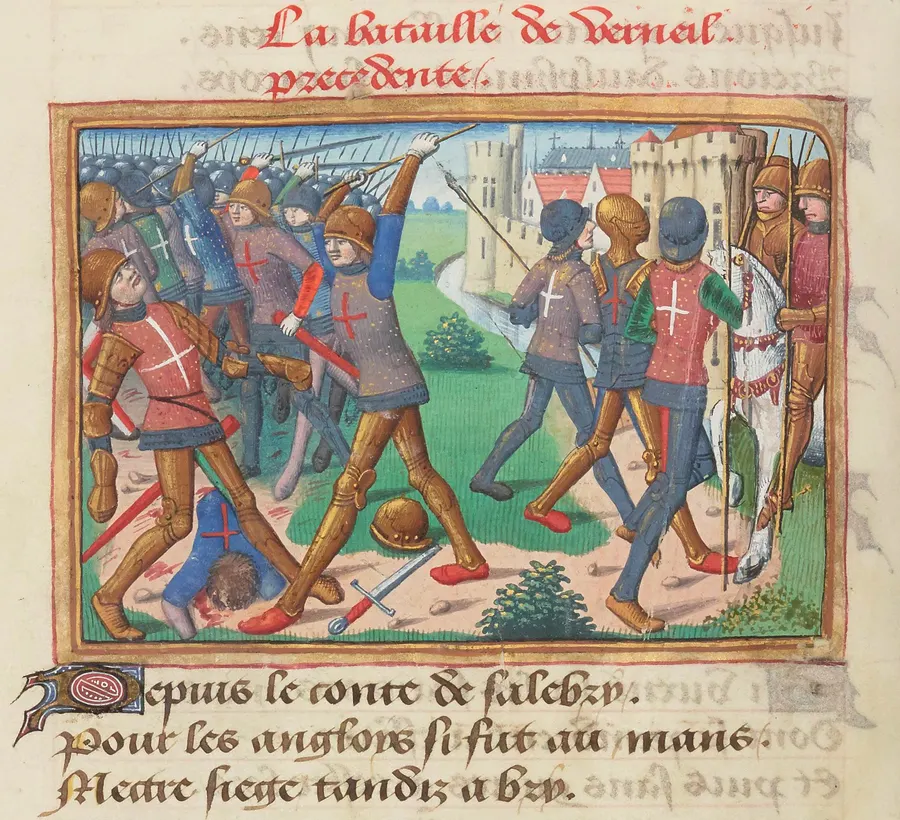
The Battle of Verneuil, headed 'La bataille de Verneuil', in a 15th-century manuscript of the Vigiles de Charles VIIThe Battle of Verneuil, headed ‘La bataille de Verneuil’, in a 15th-century manuscript of the Vigiles de Charles VIIImage: Unknown illuminator (Vigiles de Charles VII manuscript) · Public domain
world · Europe

The English defeat a French and Scottish army at Verneuil

In the later Hundred Years’ War the English, allied with Burgundy, held much of northern France for the boy king Henry VI, while the uncrowned Charles VII relied heavily on Scottish troops. On 17 August 1424, near Verneuil in Normandy, John, Duke of Bedford, met a larger French and Scottish army. The English archers and men-at-arms won a crushing victory, which they called a second Agincourt; the Scottish commanders, the Earls of Buchan and Douglas, were killed with most of their men.

Source: Britannica: John Plantagenet, duke of Bedford ↗
IV
THE NINETEENTH CENTURY

The 1800s

Industry, empire, invention, reform and a century of enormous transformation.

1807
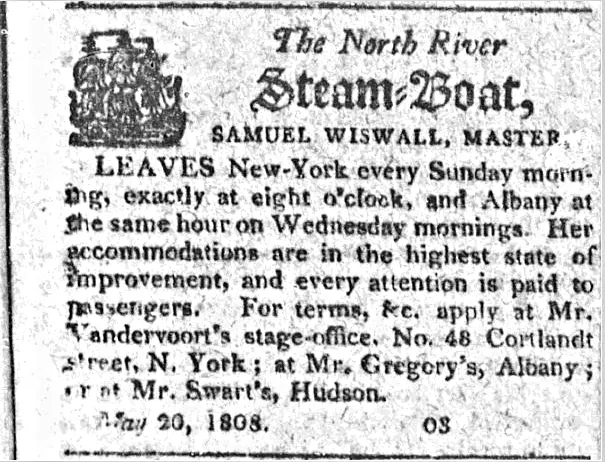
An advertisement of May 1808 for the North River Steam-Boat, sailing between New York and Albany, from the Hudson BeeAn advertisement of May 1808 for the North River Steam-Boat, sailing between New York and Albany, from the Hudson BeeImage: North River Steamboat Line · Public domain
science · Americas

Robert Fulton’s steamboat sets off up the Hudson to Albany

Robert Fulton had tried out a steamboat on the Seine in Paris, and with the backing of the New York politician Robert R. Livingston he built a larger one, the North River Steamboat, later known as the Clermont. On 17 August 1807 it left New York City for Albany, about 150 miles up the Hudson. The trip took some 32 hours of steaming, against four days or more under sail, and within weeks the boat was carrying paying passengers on the first regular steamboat service.

Source: Britannica: Robert Fulton ↗
1862
Taoyateduta, also called Little Crow, the Dakota leader who agreed to lead the war, photographed in Washington in 1858Taoyateduta, also called Little Crow, the Dakota leader who agreed to lead the war, photographed in Washington in 1858Image: Julian Vannerson · Public domain
world · Americas

Killings at Acton set off the Dakota War in Minnesota

In treaties of 1851 the Dakota people of Minnesota gave up most of their land in return for a narrow reservation along the Minnesota River and yearly payments in money and food. By the summer of 1862 the payments were late, crops had failed, traders were refusing credit and families were going hungry, while settlers kept pressing on to the land the Dakota had lost. On Sunday 17 August 1862 four young Dakota men out hunting near Acton quarrelled over some eggs on a settler’s farm and shot dead five settlers. That night their leaders debated what to do, and Taoyateduta, known as Little Crow, agreed to lead a war he expected to lose. The next morning Dakota warriors attacked the Lower Sioux Agency. In six weeks of fighting hundreds of settlers and soldiers were killed before the Dakota were defeated; 38 Dakota men were hanged together at Mankato in December, and most of the Dakota were expelled from Minnesota.

Source: Minnesota Historical Society: The Acton incident ↗
1877
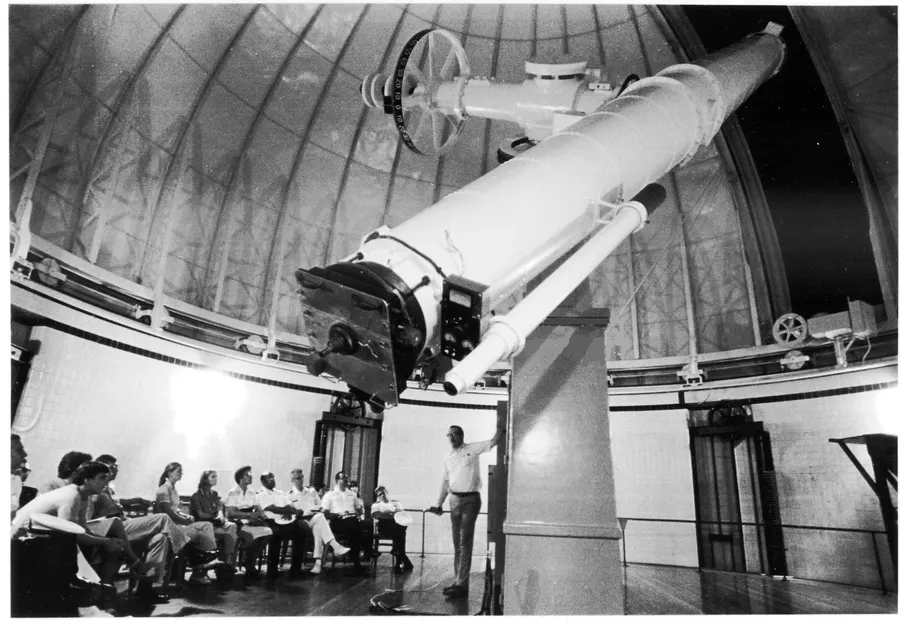
The 26-inch Great Equatorial refractor of the United States Naval Observatory, the telescope with which Asaph Hall found the moons of MarsThe 26-inch Great Equatorial refractor of the United States Naval Observatory, the telescope with which Asaph Hall found the moons of MarsImage: United States Naval Observatory · Public domain
science · Americas

Asaph Hall discovers Phobos, the larger moon of Mars

In 1877 Mars came unusually close to the Earth, and astronomers everywhere turned their telescopes on it. At the United States Naval Observatory in Washington, Asaph Hall used the new 26-inch refractor, then the largest of its kind in the world, to search the glare around the planet for any small moons that might have been missed. Days after finding a faint outer moon, he found a second, closer one on 17 August 1877. The two were named Phobos and Deimos, ‘fear’ and ‘dread’, after the sons of the Greek god of war. Phobos, only about 22 kilometres across, circles Mars three times a day, closer to its planet than any other known moon, and is slowly spiralling inwards.

Source: NASA Science: Phobos ↗
V
THE TWENTIETH CENTURY

The 1900s

War and peace, technological leaps, social change, politics, sport and popular culture.

1908
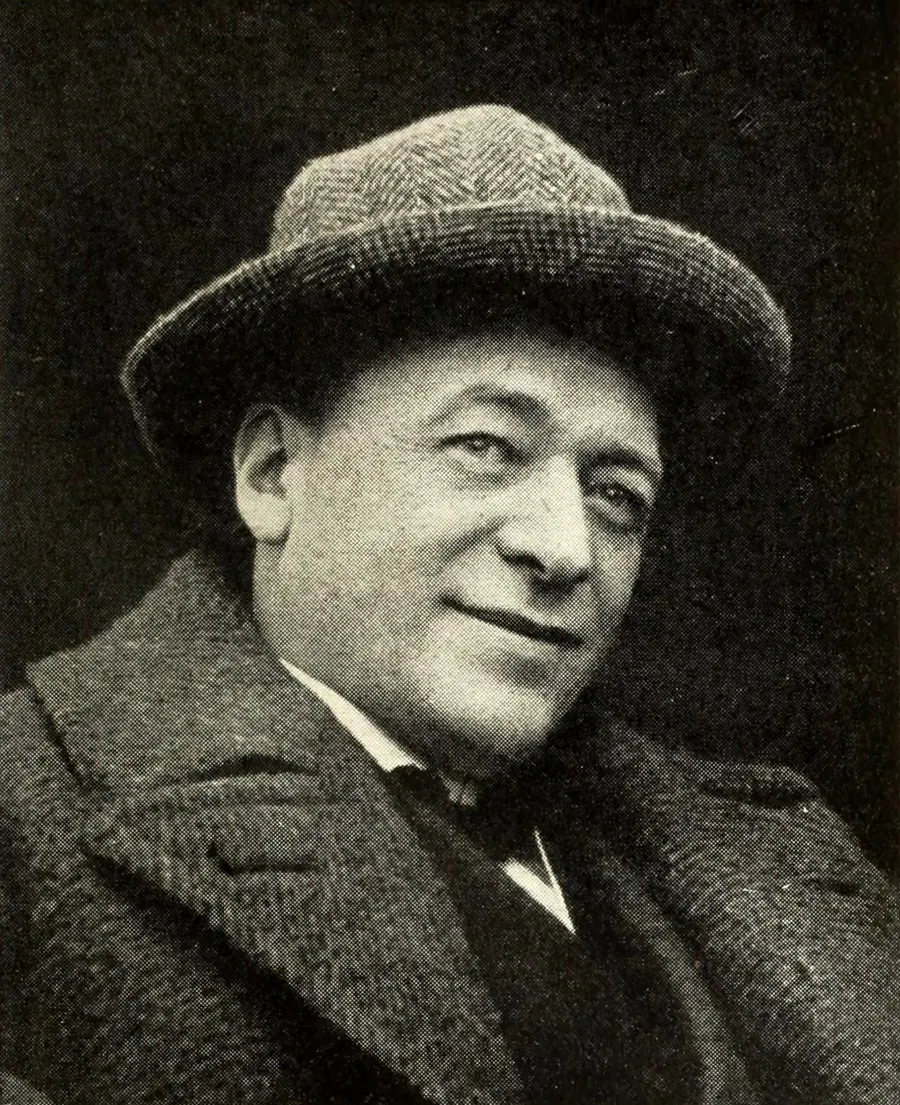
Émile Cohl, the French caricaturist who made FantasmagorieÉmile Cohl, the French caricaturist who made FantasmagorieImage: Unknown photographer · Public domain
culture · Europe

Émile Cohl’s Fantasmagorie, the first animated cartoon, is shown in Paris

Émile Cohl, a Paris caricaturist then in his fifties, joined the Gaumont film company in 1908 and spent months making some 700 drawings, each photographed in turn, of a little stick-figure clown whose world keeps changing shape around him. The result, Fantasmagorie, lasted under two minutes. It was shown on 17 August 1908 at the Théâtre du Gymnase in Paris, and film historians count it as the first fully hand-drawn animated cartoon.

Source: Centre national du cinéma et de l’image animée: Émile Cohl, cinéaste, inventeur et pionnier du dessin animé ↗
1942
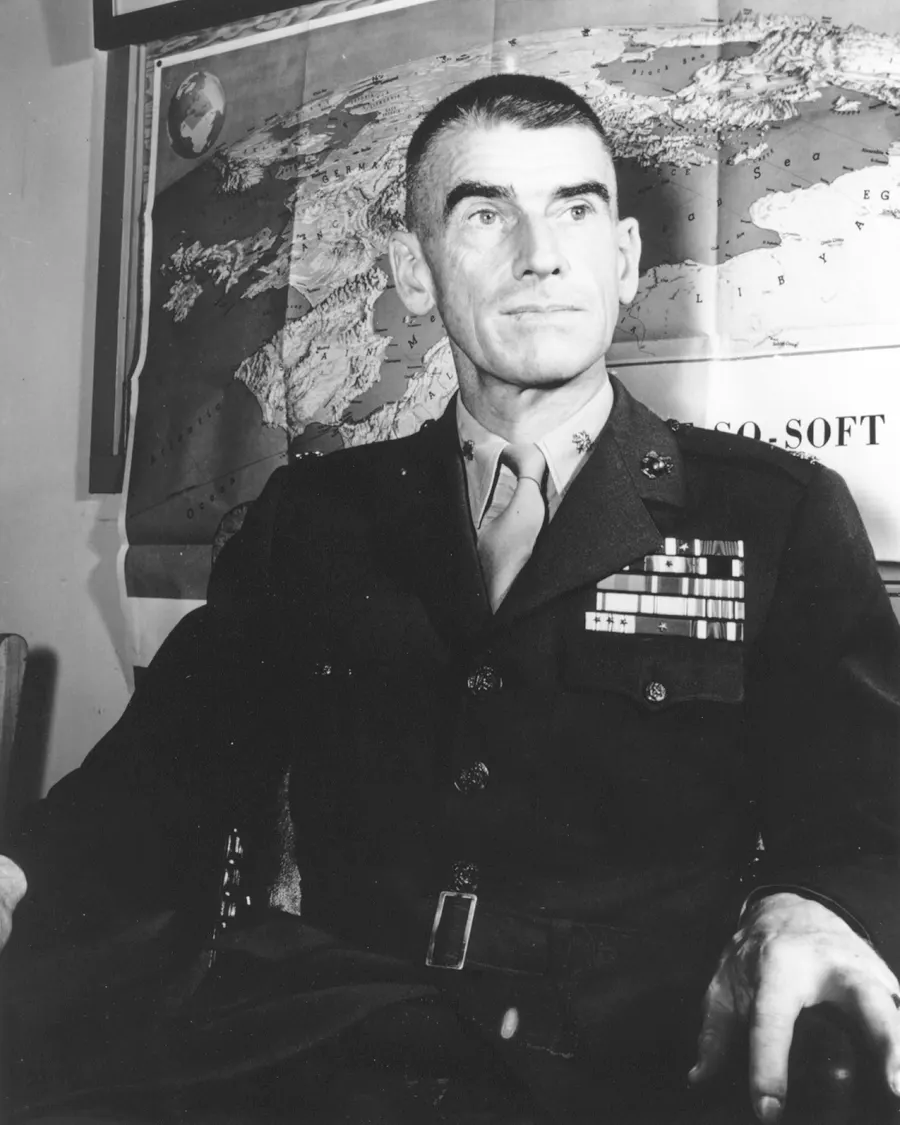
Evans Carlson, who led the Marine raiders on MakinEvans Carlson, who led the Marine raiders on MakinImage: USMC · Public domain
world · Oceania

American Marines raid Japanese-held Makin in the Gilbert Islands

Before dawn on 17 August 1942 two large submarines, Nautilus and Argonaut, put about 200 men of the 2nd Marine Raider Battalion under Lieutenant Colonel Evans Carlson ashore in rubber boats on Butaritari, the main island of Makin atoll in today’s Kiribati. They destroyed the small Japanese garrison and its installations but struggled to get back through the surf. Some 30 Marines were killed or missing, and nine left behind were captured and later executed.

Source: Naval History and Heritage Command: Nautilus III (SS-168) ↗
1945
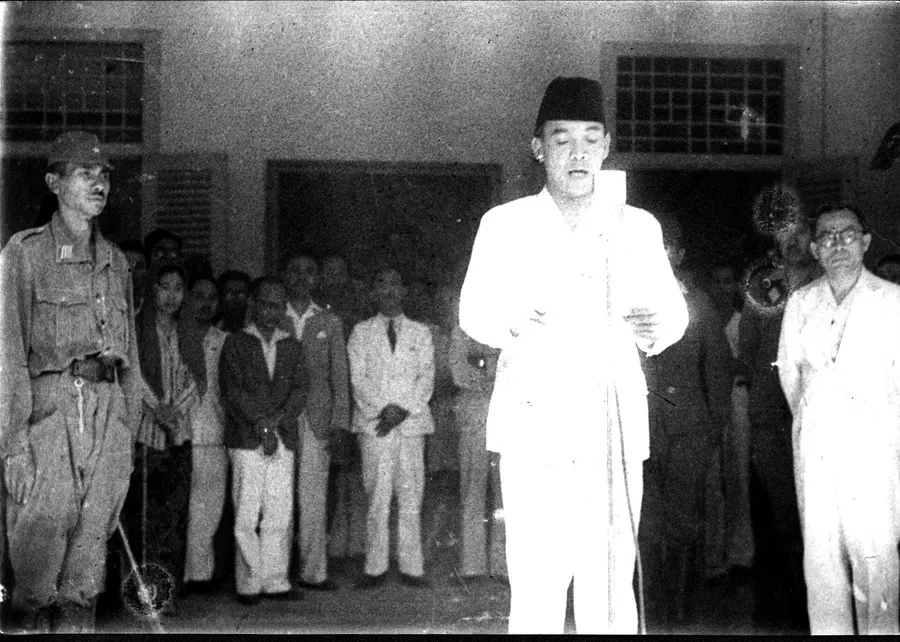
Sukarno reads the proclamation of Indonesian independence outside his house in Jakarta on 17 August 1945, with Mohammad Hatta beside him, photographed by Frans MendurSukarno reads the proclamation of Indonesian independence outside his house in Jakarta on 17 August 1945, with Mohammad Hatta beside him, photographed by Frans MendurImage: Frans Mendur (also Frans Mendoer) (1913 – 1971) · Public domain
politics · Asia

Sukarno and Hatta proclaim the independence of Indonesia

For more than three centuries the islands of the East Indies had been ruled from the Netherlands, first by the Dutch East India Company and then by the Dutch state. In 1942 Japan swept the Dutch away and occupied the islands, and as the war turned against it, it allowed the nationalist leaders Sukarno and Mohammad Hatta to prepare for self-rule. When news came that Japan had surrendered, younger activists pressed the two men to act at once, before the Allies and the Dutch could return. Through the night of 16 August Sukarno, Hatta and Ahmad Soebardjo drafted a short text in a house in Jakarta, and at about ten the next morning, 17 August 1945, Sukarno read it aloud to a small crowd outside his home at Jalan Pegangsaan Timur 56. The red and white flag was raised. The Dutch refused to accept the new republic, and four years of fighting and negotiation followed before they handed over sovereignty in December 1949, but Indonesians date their nation from that morning.

Source: State Secretariat of the Republic of Indonesia: Detik-detik Proklamasi, 17 Agustus 1945 ↗
1945
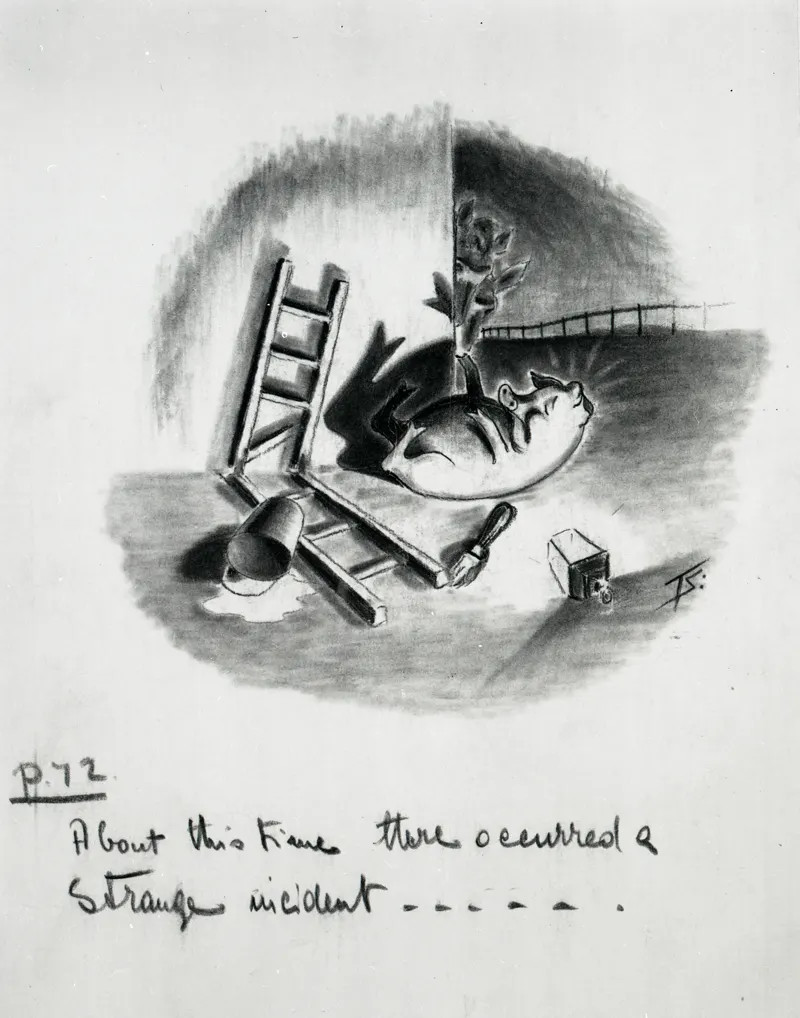
An illustration for Animal Farm, with the fallen ladder and spilt paint and the caption 'About this time there occurred a strange incident', held by the National Archives of the United KingdomAn illustration for Animal Farm, with the fallen ladder and spilt paint and the caption ‘About this time there occurred a strange incident’, held by the National Archives of the United KingdomImage: The National Archives UK · Public domain
culture · Europe

Orwell’s Animal Farm is published in London

George Orwell wrote Animal Farm between late 1943 and early 1944, a short fable in which the animals of Manor Farm drive out their drunken farmer only to fall under the rule of the pigs. Its target, Stalin’s Soviet Union, was then Britain’s wartime ally, and several publishers turned it down, among them Faber and Faber, where T. S. Eliot judged it the wrong point of view at the wrong time. Secker and Warburg finally published it on 17 August 1945, days after the war ended in the Pacific. The first printing of about 4,500 copies sold out quickly, and the book made Orwell famous and, for the first time, comfortable. Its line ‘All animals are equal, but some animals are more equal than others’ passed into everyday speech.

Source: The Orwell Foundation: Animal Farm ↗
1960
Léon M'ba, Gabon's first leader after independence, photographed in 1964Léon M’ba, Gabon’s first leader after independence, photographed in 1964Image: Unknown photographer · CC BY-SA 3.0 nl
politics · Africa

Gabon becomes independent from France

The forests and coast of Gabon came under French control during the 19th century, and Libreville, founded as a settlement for freed slaves in 1849, became the centre of the colony. From 1910 Gabon was part of French Equatorial Africa. After the Second World War its people won seats in French assemblies and a growing say at home, and in 1958 Gabon voted to become a self-governing republic within the French Community. Full independence was proclaimed on 17 August 1960, one of a wave of French African colonies to go free that year, with Léon M’ba as head of government. M’ba became president in 1961 and kept close ties with France; when army officers overthrew him in 1964, French troops restored him to power. After his death in 1967 he was succeeded by Albert-Bernard, later Omar, Bongo, whose family would rule Gabon for more than half a century.

Source: US Department of State, Office of the Historian: Gabon ↗
1977
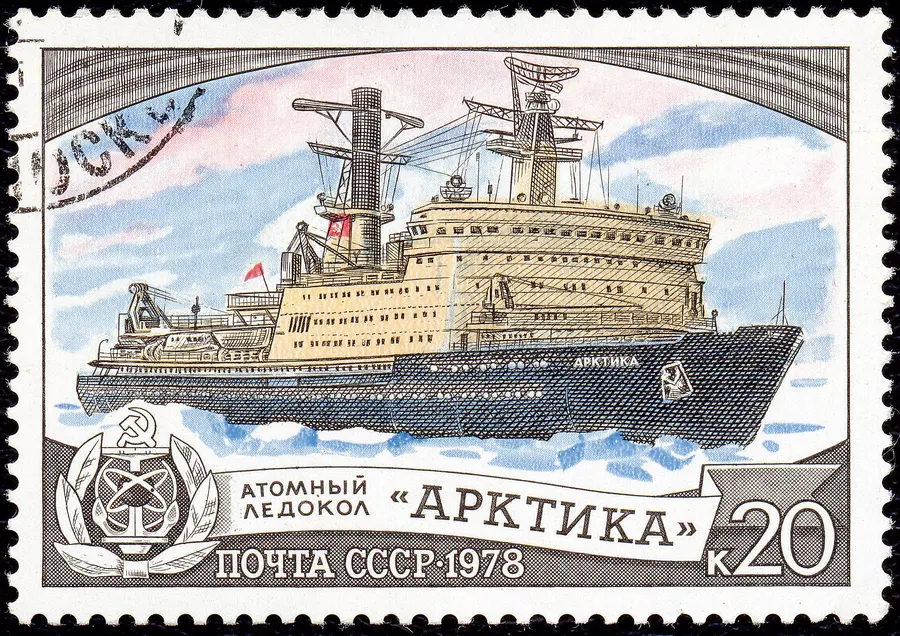
A Soviet stamp of 1978 showing the nuclear icebreaker ArktikaA Soviet stamp of 1978 showing the nuclear icebreaker ArktikaImage: Post of Soviet Union · Public domain
world · Global

The Soviet icebreaker Arktika becomes the first ship to reach the North Pole

The nuclear-powered Arktika, launched in 1972, was the largest icebreaker of its day, 148 metres long and driven by turbines of 75,000 horsepower. On 9 August 1977, under Captain Yuri Kuchiev, it left Murmansk with more than 200 people on board and smashed its way north through the pack ice. On 17 August 1977 it reached the North Pole, the first surface ship ever to do so.

Source: Presidential Library of Russia: Soviet nuclear-powered icebreaker Arktika reaches North Pole ↗
1978
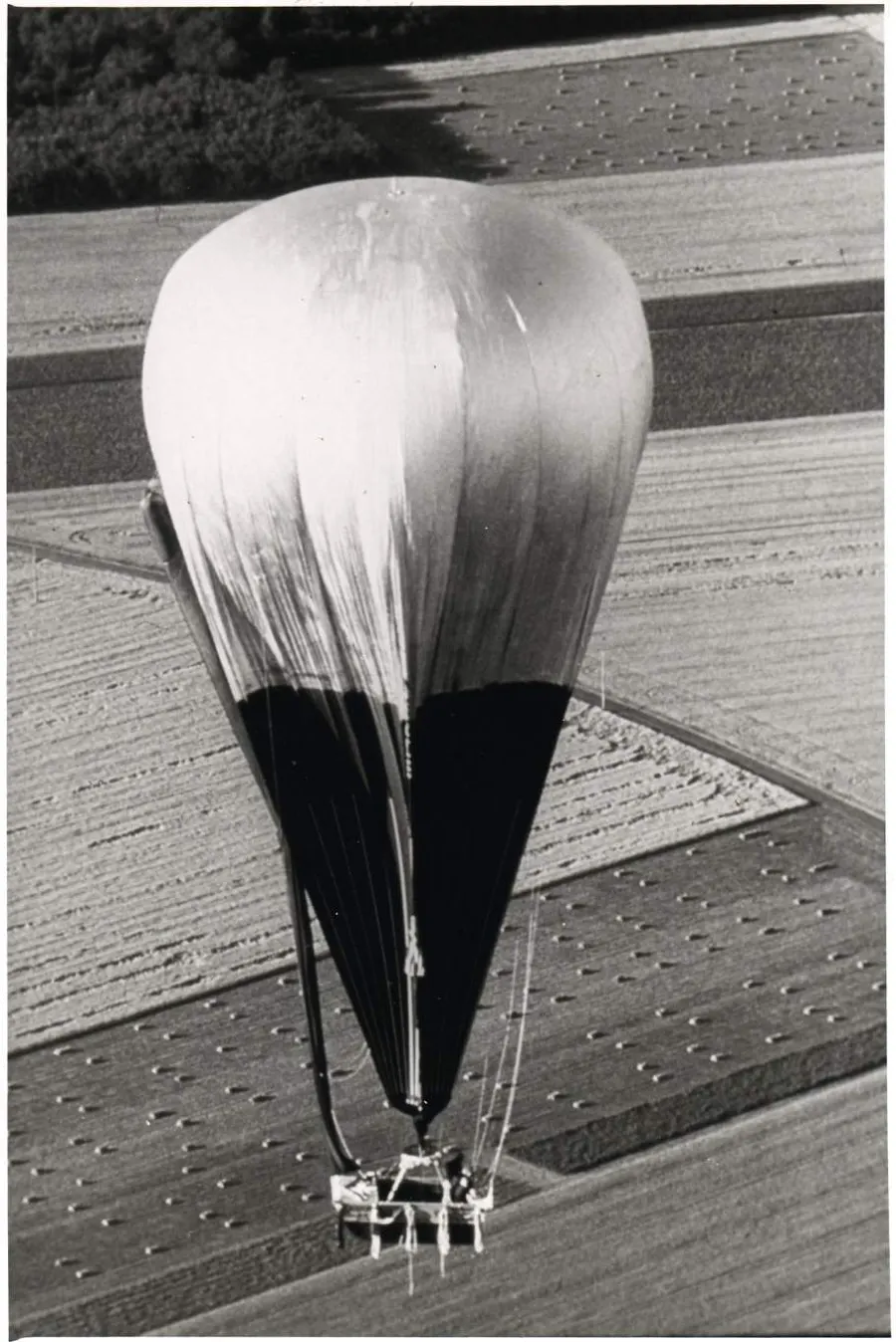
The balloon Double Eagle II being made ready at Presque Isle, Maine, before its flight across the Atlantic in August 1978The balloon Double Eagle II being made ready at Presque Isle, Maine, before its flight across the Atlantic in August 1978Image: Unknown photographer · Public domain

world · Global

Double Eagle II completes the first balloon crossing of the Atlantic

People had dreamed of floating across the Atlantic since the first balloons rose in the 1780s, but the ocean defeated every attempt: by 1978 there had been seventeen, and seven people had lost their lives. Two of the latest failures belonged to Ben Abruzzo and Maxie Anderson of Albuquerque, New Mexico, whose balloon Double Eagle had come down off Iceland the year before. With a third pilot, Larry Newman, they took off from Presque Isle in Maine on the evening of 11 August 1978 in Double Eagle II, a helium balloon 112 feet tall. Riding the winds in a small open gondola, they crossed the ocean in a little under six days, and at 7.48 p.m. on 17 August 1978 they landed in a wheat field at Miserey, west of Paris, where crowds had gathered to meet them. The flight of 137 hours and about 3,100 miles was the first across the Atlantic by balloon.

Source: Smithsonian National Air and Space Museum: Gondola, Double Eagle II ↗
1999
A collapsed building at Yuvacık after the İzmit earthquake of 17 August 1999A collapsed building at Yuvacık after the İzmit earthquake of 17 August 1999Image: NOAA National Geophysical Data Center · Public domain

world · Middle East

The İzmit earthquake devastates north-western Turkey

In the early hours of 17 August 1999 a rupture of the North Anatolian Fault shook the crowded industrial region around İzmit Bay, east of Istanbul, with a magnitude reckoned at between 7.4 and 7.6. More than 17,000 people were killed and hundreds of thousands left homeless as thousands of poorly built concrete apartment blocks collapsed. The disaster led Turkey to tighten its building rules and brought help from many countries, including its old rival Greece.

Source: Britannica: İzmit earthquake of 1999 ↗
VI
2000 TO TODAY

Modern Day

The events of recent decades that have already become part of the historical record.

2008
Michael Phelps and his relay team-mates celebrate the medley relay win that gave him his eighth gold medal in BeijingMichael Phelps and his relay team-mates celebrate the medley relay win that gave him his eighth gold medal in BeijingImage: Bryan Allison · CC BY-SA 2.0
sport · Asia

Michael Phelps wins an eighth gold medal at one Olympic Games

At the Munich Olympics in 1972 the American swimmer Mark Spitz won seven gold medals, a record for a single Games that stood for 36 years. Michael Phelps came to Beijing in 2008 entered in eight events, and over nine days in the National Aquatics Center, the ‘Water Cube’, he won seven of them, one by just a hundredth of a second. On 17 August 2008 he swam the butterfly leg of the 4 x 100 metres medley relay, taking the United States from third place to first, and Jason Lezak brought the team home in a world record of 3 minutes 29.34 seconds, with Brendan Hansen and Aaron Peirsol completing the team. It was Phelps’s eighth gold of the Games and his seventh world record.

Source: Olympics.com: Michael Phelps’ Olympic medals, a complete guide ↗
RESEARCH

Sources & Further Reading

Selected authoritative references supporting the events on this page.

WHY THESE MOMENTS?

Significance before volume

This page is not the longest possible list of events. It is a chronological journey through 17 August, where each entry is chosen for historical significance, human interest and reliability.

Facts are checked against authoritative museums, archives, universities and reference works. Where sources disagree, the page says so.

EXPLORED THE DEEPER STORY?

Return to the highlights of 17 August

Discover the lighter side of the date with famous birthdays, culture, firsts and lives remembered.

Explore This Day →
← PREVIOUS DAY16 August
HISTORY & TIMELINE17 August
NEXT DAY →18 August