Explore 24 August

Explore 24 August: Alaric’s Visigoths break into Rome, British troops set fire to Washington, the Ottomans destroy the Mamluk army at Marj Dabiq, Ukraine declares its independence and astronomers vote Pluto out of the planets. Born today: Lavinia Fontana, Duke Kahanamoku and Paulo Coelho.

This day through time →13 verified events across 6 eras

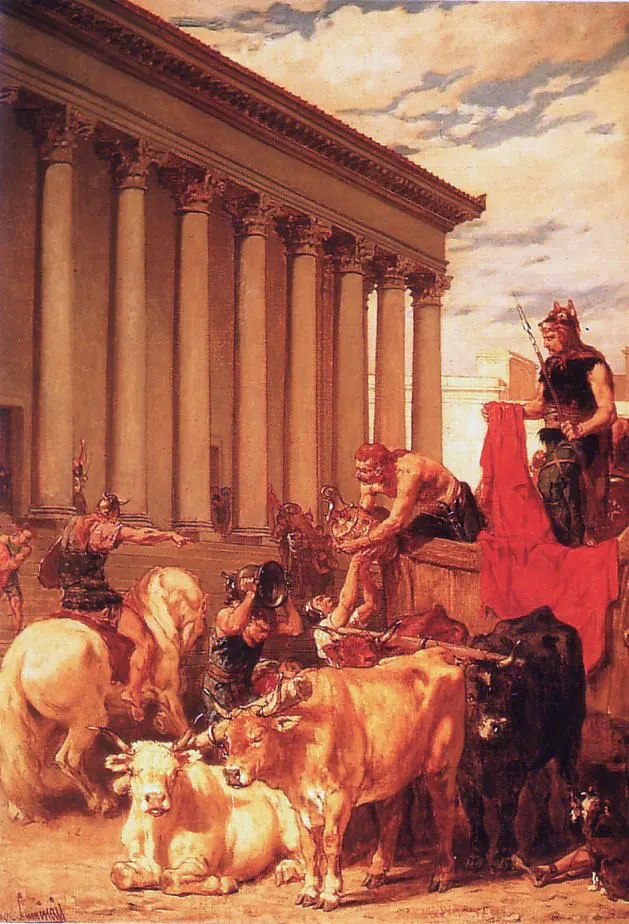
The Sack of Rome, a 19th-century painting by Évariste-Vital Luminais
Image creditÉvariste-Vital Luminais · Public domainResized and cropped for display.

Alaric’s Visigoths break into Rome

By the early 400s the Western Roman Empire was struggling to hold its frontiers, and its emperor, Honorius, ruled from the safety of Ravenna rather than from Rome. Alaric, king of the Visigoths, had served Rome as an ally and wanted land, pay and a high command for his people. When the court refused his terms, he marched on Rome and besieged it more than once in 408 and 409, each time agreeing to withdraw in return for promises that were not kept.

On the night of 24 August 410 a gate was opened, by whom is not known, and Alaric’s army entered the city. For three days the Visigoths plundered palaces and public buildings, though as Christians they largely spared the churches and those who sheltered in them. It was the first time in some 800 years that Rome had fallen to a foreign enemy. The shock ran across the Roman world and moved Augustine of Hippo to write The City of God, and the sack is still seen as a turning point in the decline of the Western Empire.

Read the full storyHistory & Timeline →Source: Britannica: Sack of Rome (410 CE) ↗
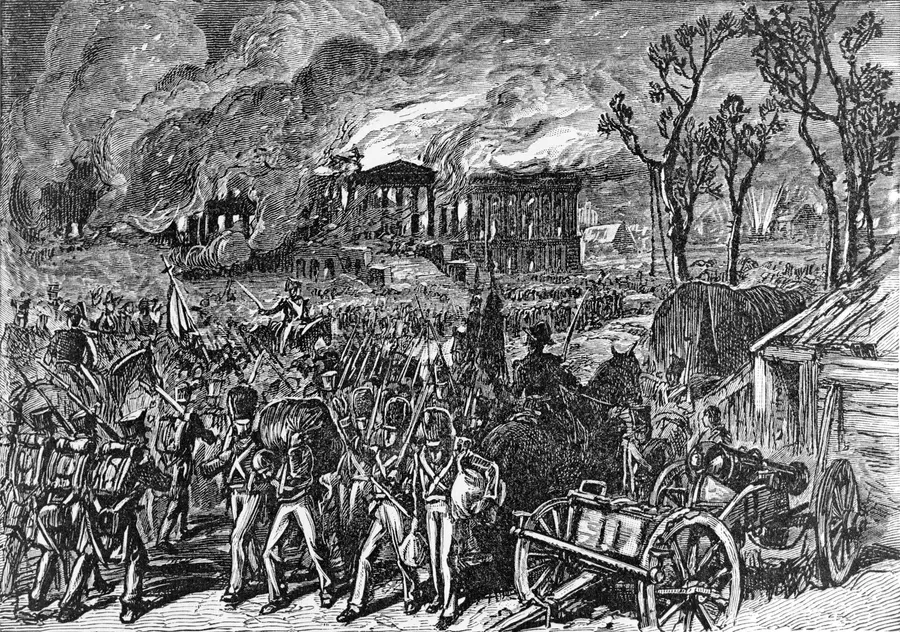
An engraving of the British capture and burning of Washington in 1814
Image creditUnknown author · Public domainResized and cropped for display.

British troops set fire to Washington

Two years into the War of 1812 between the United States and Britain, a British force under General Robert Ross and Rear Admiral George Cockburn landed in Maryland and marched on the American capital. On the afternoon of 24 August 1814 they scattered a hastily gathered American army at Bladensburg, and President James Madison and his government fled the city. Dolley Madison left the President’s House only after arranging for Gilbert Stuart’s portrait of George Washington to be saved.

That evening the British entered Washington unopposed and set fire to the Capitol, the President’s House, the Treasury and other public buildings, partly in revenge for the American burning of York, in Upper Canada, the year before. The library of Congress, some 3,000 books kept in the Capitol, was destroyed. A violent storm the next day helped to put out the flames, and the British soon withdrew. Thomas Jefferson sold his own library to Congress to replace the lost books, and the rebuilt President’s House became known as the White House.

Read the full storyHistory & Timeline →Source: US Senate: A Capitol in Ruins ↗
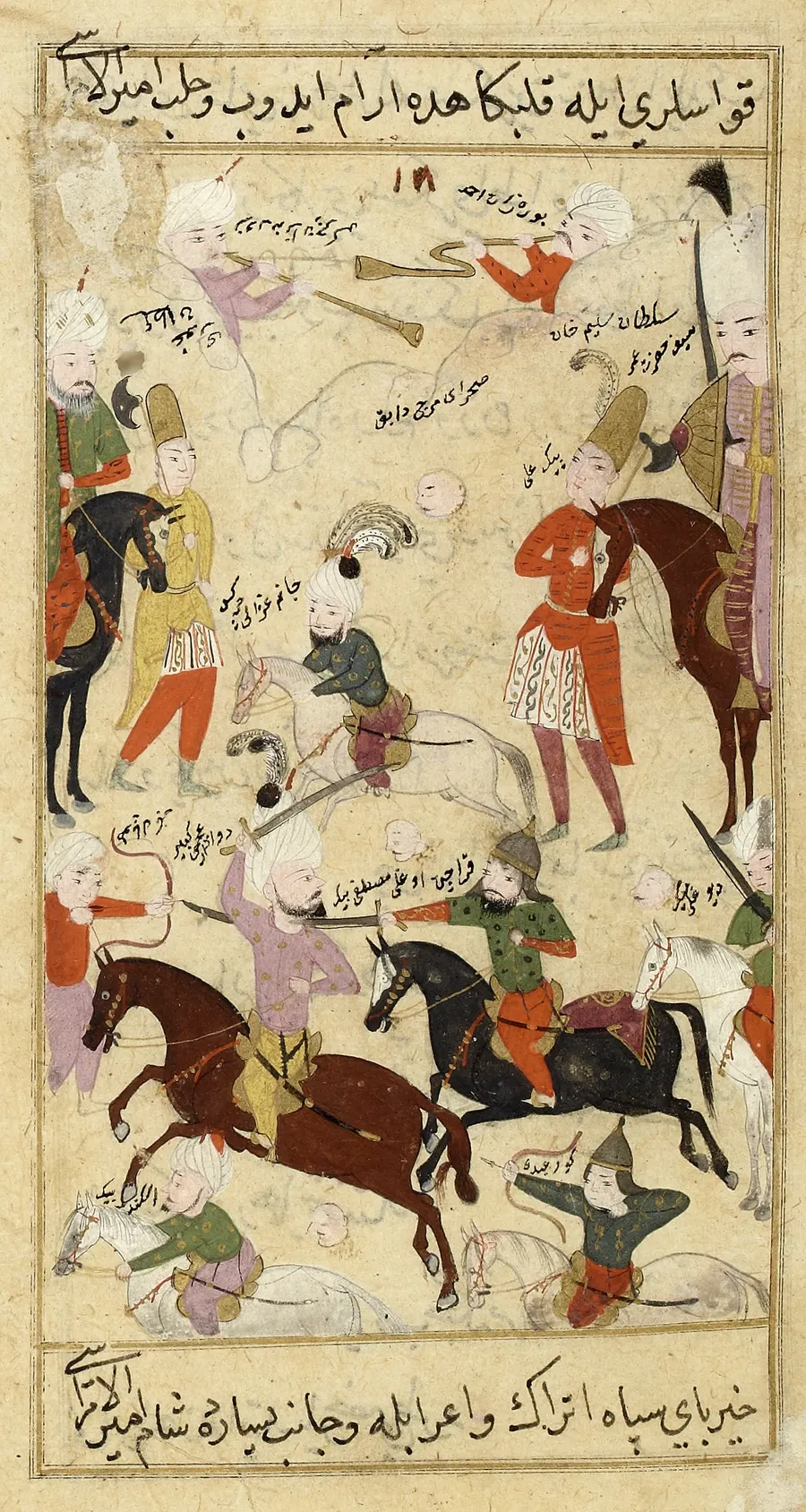
The Battle of Marj Dabiq in a 16th-century Ottoman manuscript, now in the Bibliothèque nationale de France
Image creditIllustration in a work by Hoca Sadeddin Efendi · Public domainResized and cropped for display.

The Ottomans crush the Mamluks at Marj Dabiq

For more than 250 years the Mamluk sultans of Cairo had ruled Egypt and Syria and acted as guardians of the holy cities of Mecca and Medina. To the north, the Ottoman Empire under Sultan Selim I had just defeated Safavid Persia, and the elderly Mamluk sultan, Qansuh al-Ghawri, led his army into northern Syria to face him.

The two armies met at Marj Dabiq, a plain north of Aleppo, on 24 August 1516. The Ottoman troops, with their artillery and musket-armed infantry, routed the Mamluk cavalry, and Qansuh al-Ghawri died on the battlefield. Syria fell to Selim almost without a fight, and after a second victory near Cairo in January 1517 the Mamluk sultanate came to an end. Egypt, Syria and the holy places of Arabia remained under Ottoman rule for some four centuries.

Read the full storyHistory & Timeline →Source: Britannica: Battle of Marj Dābiq ↗
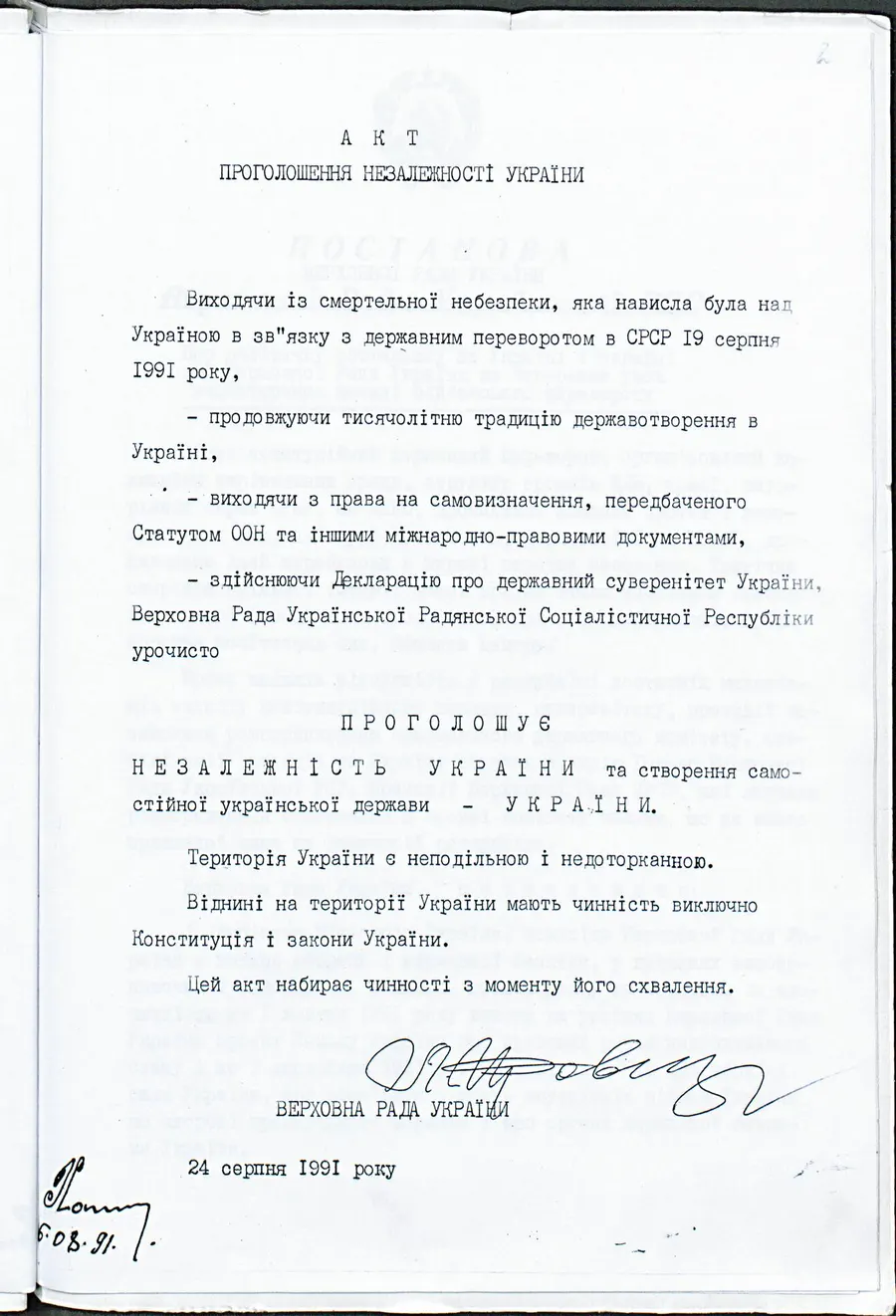
The signed Act of Declaration of Independence of Ukraine, dated 24 August 1991
Image creditVerkhovna Rada of the Ukrainian SSR · Public domainResized and cropped for display.

Ukraine declares its independence

Ukraine had been one of the founding republics of the Soviet Union, and the second most populous after Russia. In July 1990, as Mikhail Gorbachev’s reforms loosened Moscow’s grip, its parliament, the Verkhovna Rada, had declared the republic’s sovereignty, but full separation still seemed a distant prospect. Then on 19 August 1991 hardliners in Moscow tried to seize power from Gorbachev, and their coup collapsed within three days.

On 24 August 1991, with the Soviet system visibly breaking apart, the Verkhovna Rada voted by an overwhelming majority to declare Ukraine an independent democratic state whose territory was ‘indivisible and inviolable’. The declaration was put to the people on 1 December 1991, when more than 90 per cent of voters approved it, and within weeks the Soviet Union itself was dissolved. 24 August is celebrated as Ukraine’s Independence Day.

Read the full storyHistory & Timeline →Source: Verkhovna Rada of Ukraine: Resolution on the Declaration of Independence of Ukraine ↗

♙
PEOPLE

Born Today

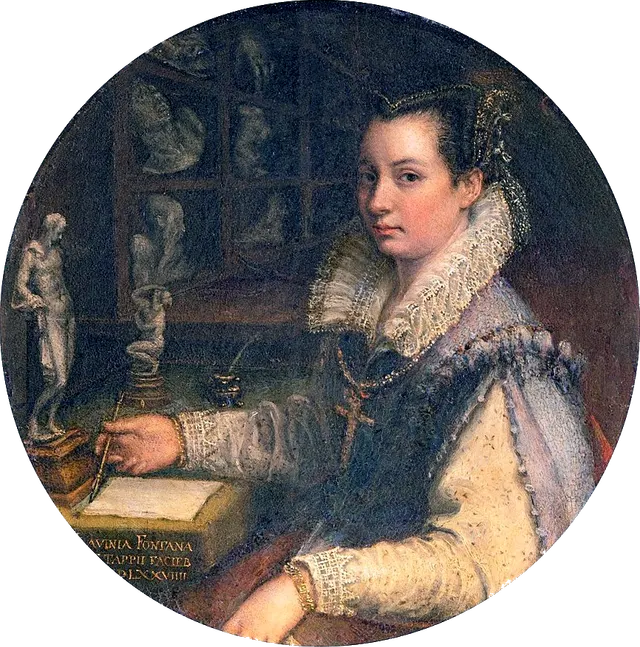
Lavinia Fontana
Image creditLavinia Fontana · Public domainResized and cropped for display.

Lavinia Fontana

Bolognese painter, one of the first women to run a successful professional studio, known for her portraits and large altarpieces.

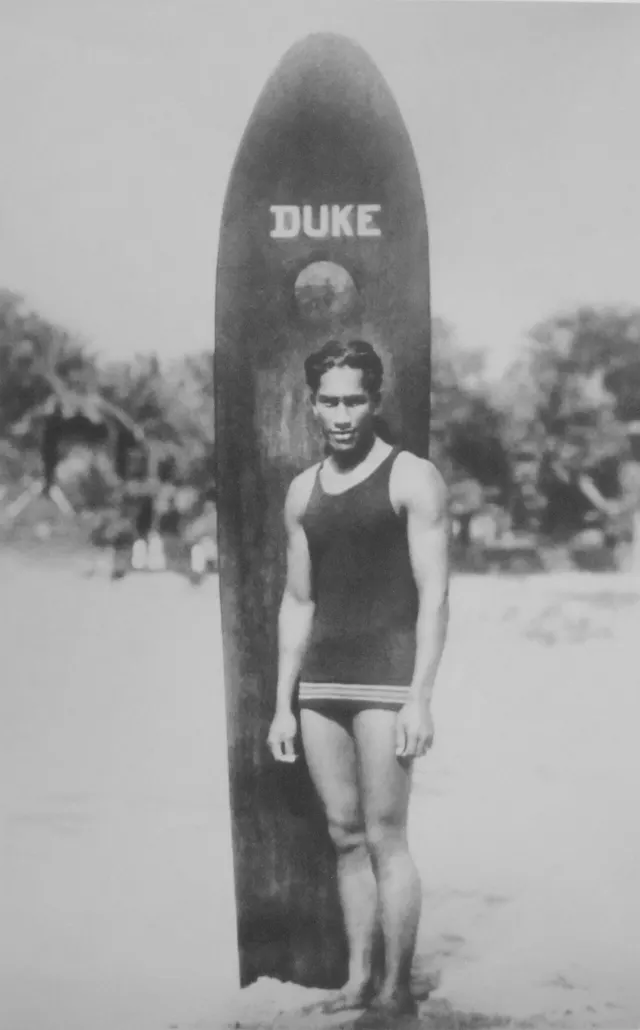
Duke Kahanamoku
Image creditUnknown author · Public domainResized and cropped for display.

Duke Kahanamoku

Hawaiian swimmer who won Olympic gold in the 100 metres freestyle and did more than anyone to spread surfing around the world.

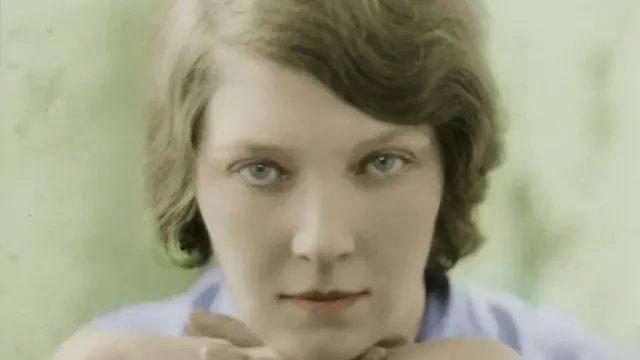
Jean Rhys
Image creditUnknown author · Public domainResized and cropped for display.

Jean Rhys

Dominican-born British novelist best known for Wide Sargasso Sea, her answer to Jane Eyre.

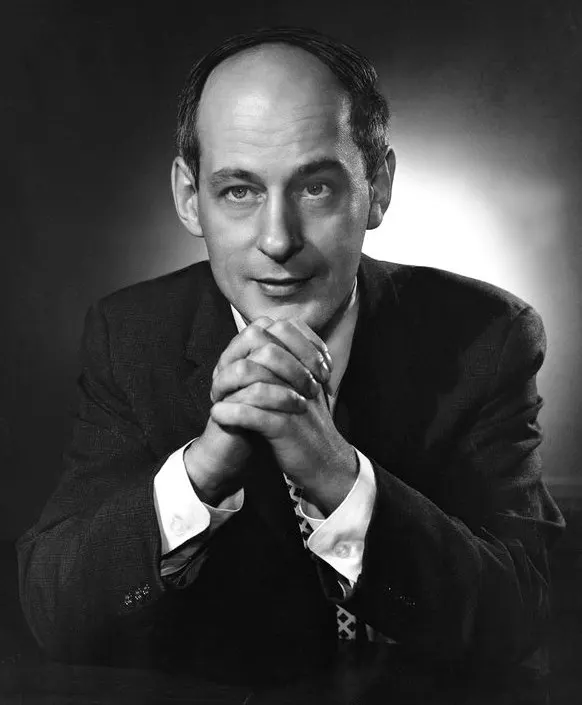
René Lévesque
Image creditHarvey Majo · CC BY-SA 3.0Resized and cropped for display.

René Lévesque

Quebec journalist and politician who founded the Parti Québécois and, as premier, led the 1980 referendum on sovereignty.

Paulo Coelho
Image creditLula Oficial · CC BY-SA 2.0Resized and cropped for display.

Paulo Coelho

Brazilian novelist and songwriter whose fable The Alchemist became one of the best-selling books of all time.

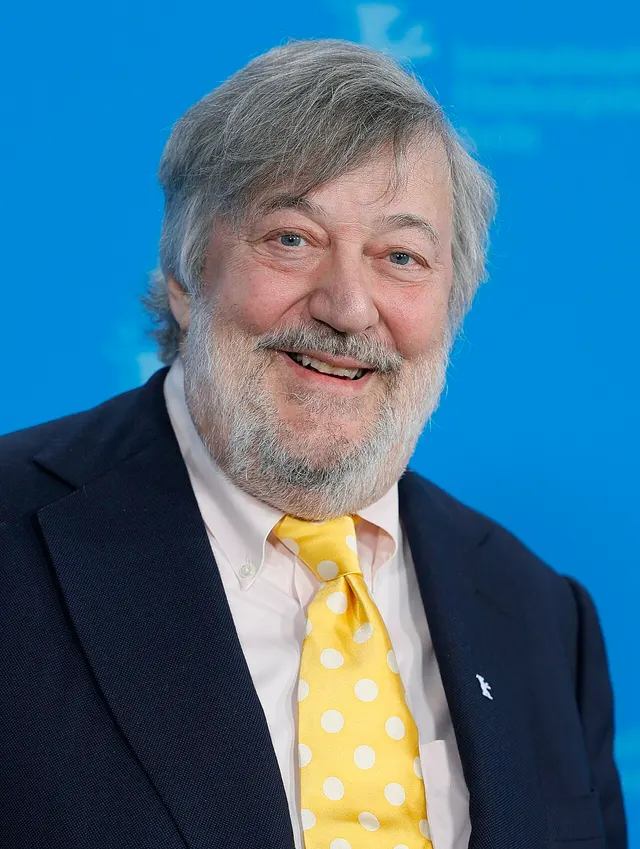
Stephen Fry
Image creditElena Ternovaja · CC BY-SA 3.0Resized and cropped for display.

Stephen Fry

English actor, comedian and writer known for Jeeves and Wooster, Blackadder and as the first host of QI.

Hideo Kojima
Image creditKolby Ari · CC BY-SA 4.0Resized and cropped for display.

Hideo Kojima

Japanese video game designer who created the Metal Gear series and Death Stranding.

◉
IDEAS THAT CHANGED THINGS

Firsts, Science & Discoveries

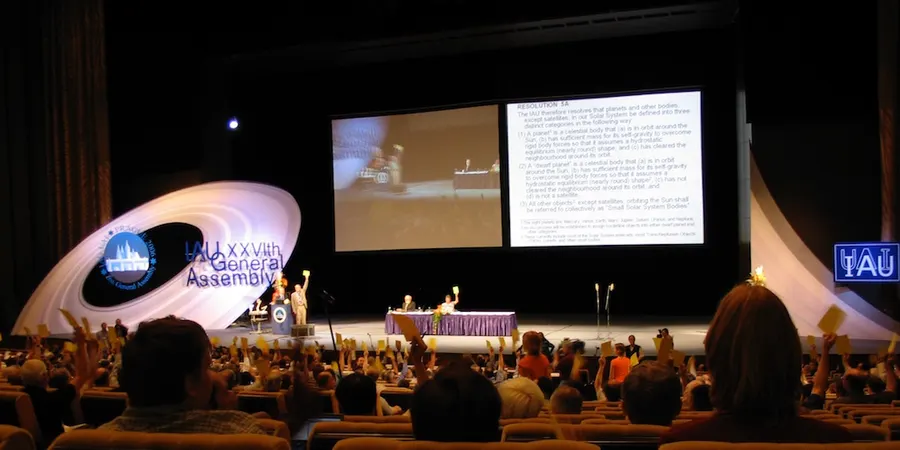
Astronomers raise their voting cards at the International Astronomical Union's General Assembly in Prague, 24 August 2006
Astronomers raise their voting cards at the International Astronomical Union’s General Assembly in Prague, 24 August 2006
Image creditAldebarium · CC BY-SA 4.0Resized and cropped for display.

Astronomers vote Pluto out of the planets

Pluto had been counted as the ninth planet since its discovery in 1930, but it was always an odd one: tiny, icy and on a tilted, stretched-out orbit. From the 1990s astronomers found more and more similar bodies beyond Neptune, and in 2005 they discovered one, later named Eris, that seemed at least as big as Pluto. Either the Solar System was about to gain many new planets, or the word ‘planet’ needed a definition.

At the General Assembly of the International Astronomical Union in Prague, on 24 August 2006, the members voted that a planet must orbit the Sun, be massive enough to pull itself into a nearly round shape and have cleared the neighbourhood around its orbit. Pluto failed the last test, and it became a ‘dwarf planet’ alongside Ceres and Eris, leaving eight planets. The decision is still argued over, and NASA’s New Horizons probe, launched months earlier, went on to show in 2015 that Pluto is a strikingly active world.

Read the full storyHistory & Timeline →Source: International Astronomical Union: Result of the IAU Resolution votes, 2006 ↗
☆
SPORTING HISTORY

Sporting Moments

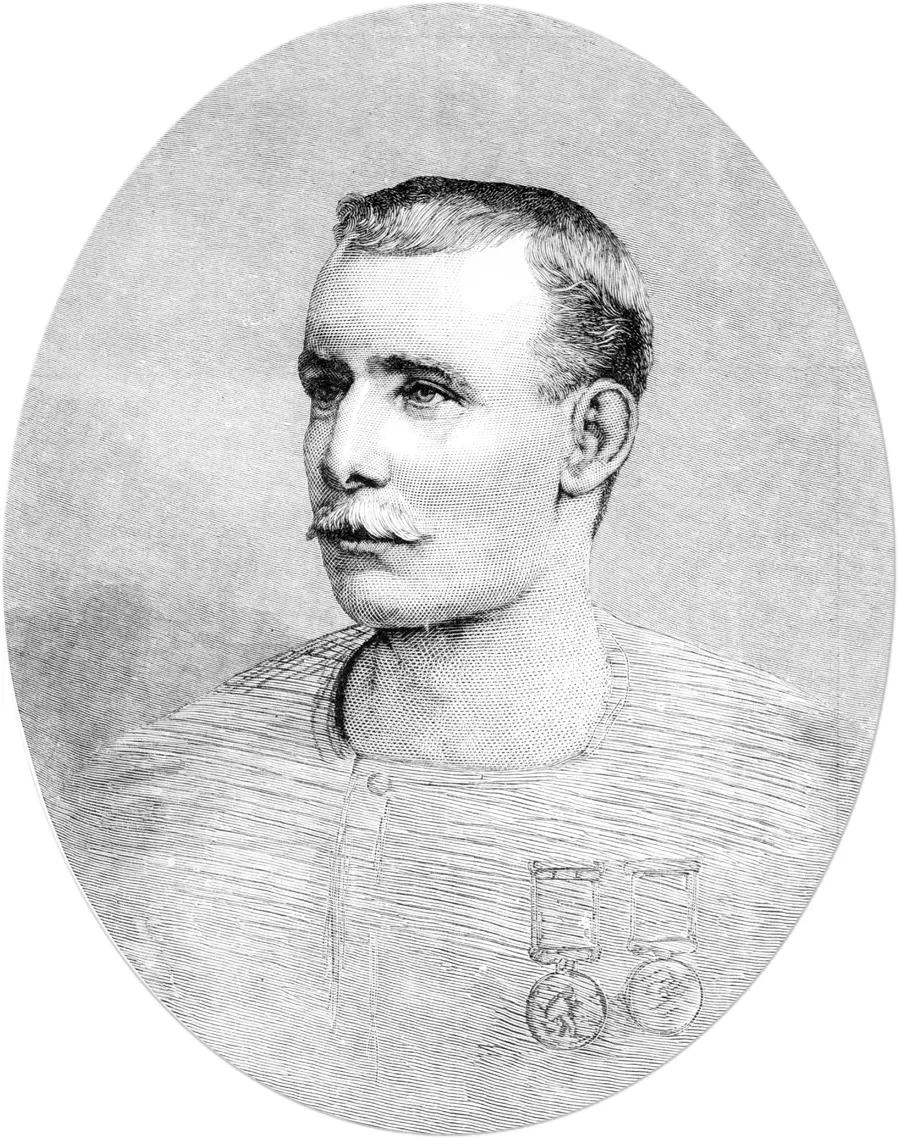
Captain Matthew Webb, from the Illustrated London News
Image creditIllustrated London News · Public domainResized and cropped for display.

Matthew Webb sets off to swim the English Channel

Matthew Webb grew up in Shropshire, went to sea as a boy and became a captain in the merchant navy, where he gained a reputation as a strong and fearless swimmer. Nobody had yet swum across the English Channel unaided, and many doubted that it could be done. Webb’s first attempt, earlier in August 1875, was beaten back by bad weather.

At about one o’clock in the afternoon of 24 August 1875, smeared with porpoise oil against the cold, he dived in from the Admiralty Pier at Dover. Swimming breaststroke, he battled the tides, a jellyfish sting and the night, and walked ashore near Calais on the morning of 25 August after 21 hours and 45 minutes in the water. He became a national hero, and it was 36 years before anyone repeated the feat. The swim is often taken as the beginning of marathon swimming.

Read the full storyHistory & Timeline →Source: Britannica: Matthew Webb ↗
♫
MUSIC • FILM • BOOKS • CULTURE

Culture Stories

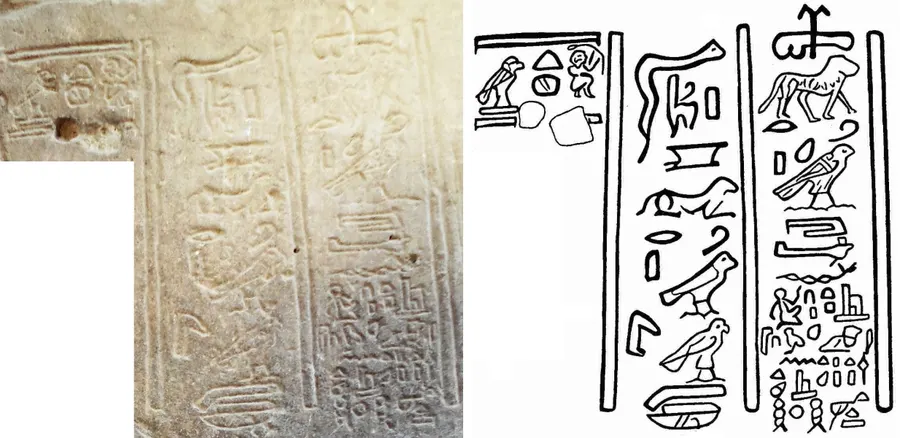
The hieroglyphic inscription of Esmet-Akhom at Philae, shown in a photograph and a drawing
Image creditA. Parrot, Mickey Mystique · CC BY-SA 4.0Resized and cropped for display.

The last known hieroglyphs are carved at Philae

Egyptians had written in hieroglyphs for well over 3,000 years, but by the 4th century AD few people could still read them. Greek was the language of government, Christianity was spreading fast, and the old temples were closing. One of the last places where the old gods were still served was the temple of Isis on the island of Philae, near Aswan in the far south of Egypt, which was also a place of pilgrimage for Nubians from further up the Nile.

There a priest named Esmet-Akhom carved a figure of the Nubian god Mandulis beside a short hieroglyphic text, with a longer note in demotic script. The inscription dates itself to the birthday of Osiris in year 110 of the era of Diocletian, which works out as 24 August 394. It is the last known inscription in hieroglyphs. The temple at Philae itself was closed under the emperor Justinian in the 530s, and the script was not read again until Champollion deciphered it in the 1820s.

Read the full storyHistory & Timeline →Source: Britannica: Hieroglyphic writing, Christianity and the Greek alphabet ↗
✦
LIVES REMEMBERED

Remembered Today

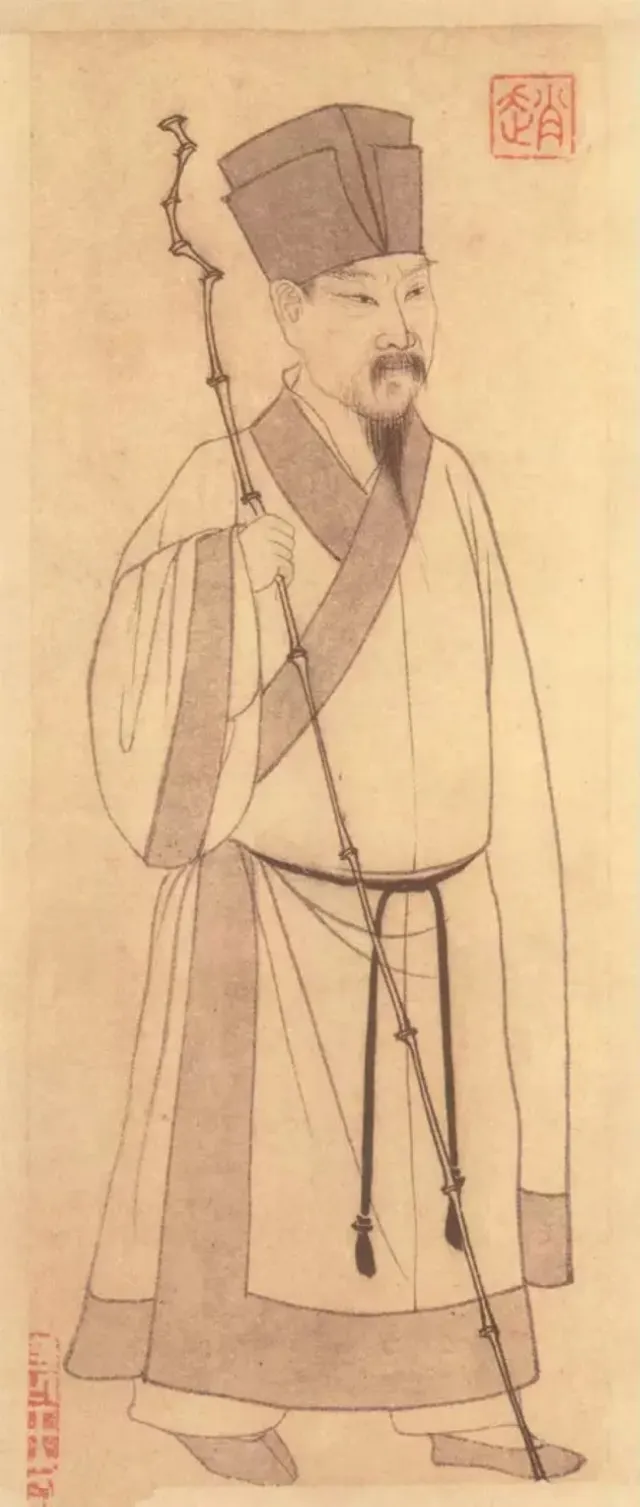
Su Shi
Image creditZhao Mengfu · Public domainResized and cropped for display.

Su Shi

Chinese poet, essayist, painter and statesman of the Song dynasty, also known as Su Dongpo.

Gaspard de Coligny
Image creditFrançois Clouet · Public domainResized and cropped for display.

Gaspard de Coligny

Admiral of France and leader of the Huguenots, the first victim of the St Bartholomew’s Day massacre.

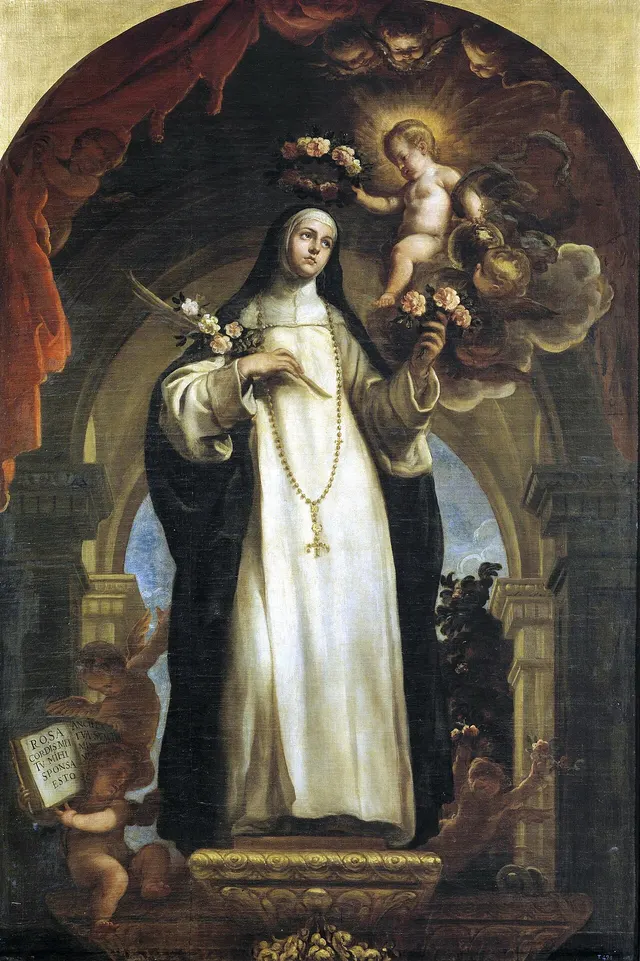
Rose of Lima
Image creditClaudio Coello · Public domainResized and cropped for display.

Rose of Lima

Peruvian lay Dominican known for her life of prayer and care for the poor, the first person born in the Americas to be declared a saint.

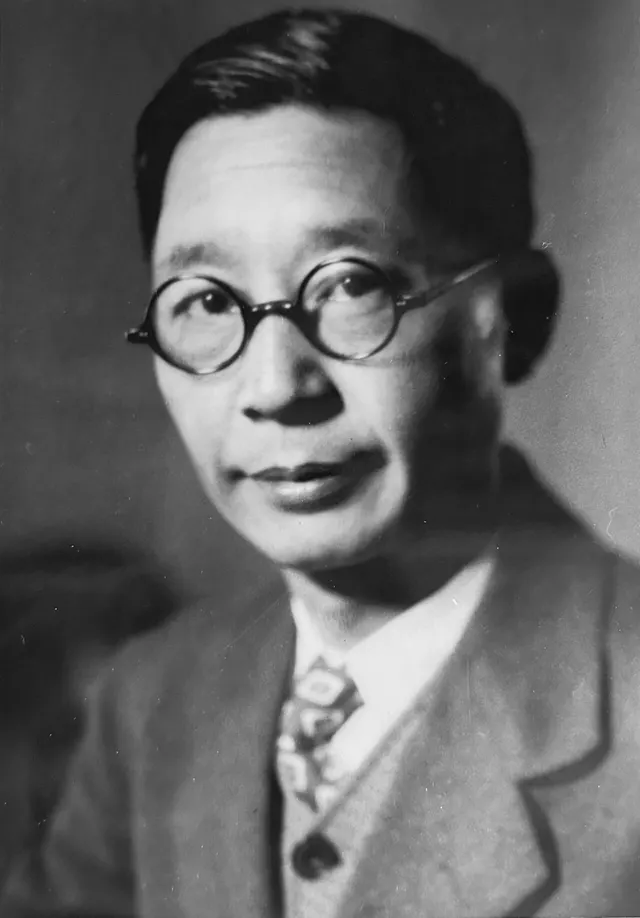
Lao She
Image creditShelburne Studios · Public domainResized and cropped for display.

Lao She

Chinese novelist and playwright, author of Rickshaw Boy and Teahouse, who died after being persecuted at the start of the Cultural Revolution.

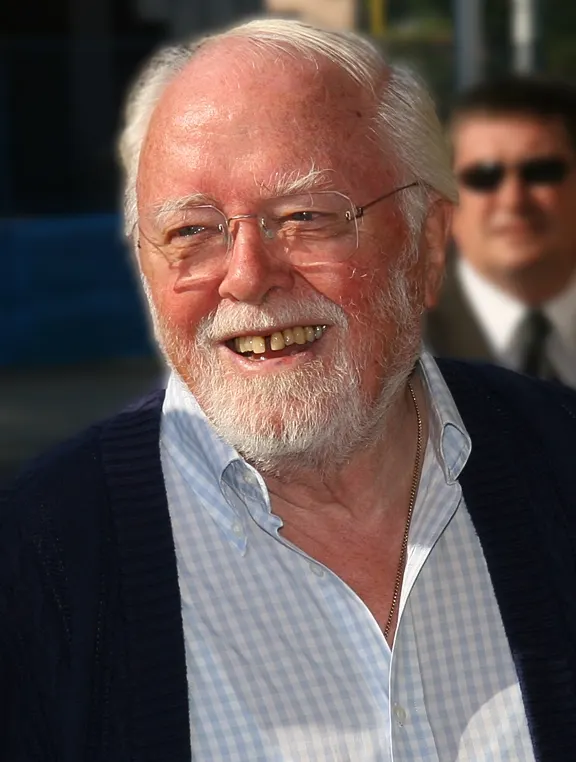
Richard Attenborough
Image creditgdcgraphics (Flickr) · CC BY 2.0Resized and cropped for display.

Richard Attenborough

English actor and film director who won Academy Awards for directing Gandhi.

☉
AROUND THE WORLD

Observances & Anniversaries

Statue of St Bartholomew holding his flayed skin, in the Archbasilica of St John Lateran in Rome
Image creditJastrow · CC BY 2.5Resized and cropped for display.

Feast of St Bartholomew the Apostle

Bartholomew was one of the twelve apostles of Jesus. Little is known of him for certain, and many scholars identify him with Nathanael, the friend of Philip in John’s Gospel. Tradition says he preached in the east, perhaps as far as India and Armenia, and was martyred, by one account by being flayed alive, which is why artists often show him holding his own skin.

Western churches, including the Roman Catholic Church and the Church of England, keep his feast on 24 August. Towns and villages named after him across Spain, Italy and the Caribbean island of Saint-Barthélemy celebrate with fairs and processions.

Source: Church of England: Bartholomew the Apostle, 24 August ↗
HISTORY & TIMELINE

Finished the highlights?

Follow 24 August chronologically, from the Middle Ages to the modern day, with 13 verified events and the sources behind them.

This day through time →