Explore 31 August

Explore 31 August: Tunku Abdul Rahman proclaims the independence of Malaya, Polish strikers win the right to a free trade union in Gdańsk, Trinidad and Tobago becomes a nation, Kyrgyzstan breaks with the Soviet Union and The Threepenny Opera opens in Berlin. Born today: the Mughal emperor Jahangir, Hermann von Helmholtz and Itzhak Perlman.

This day through time →13 verified events across 4 eras

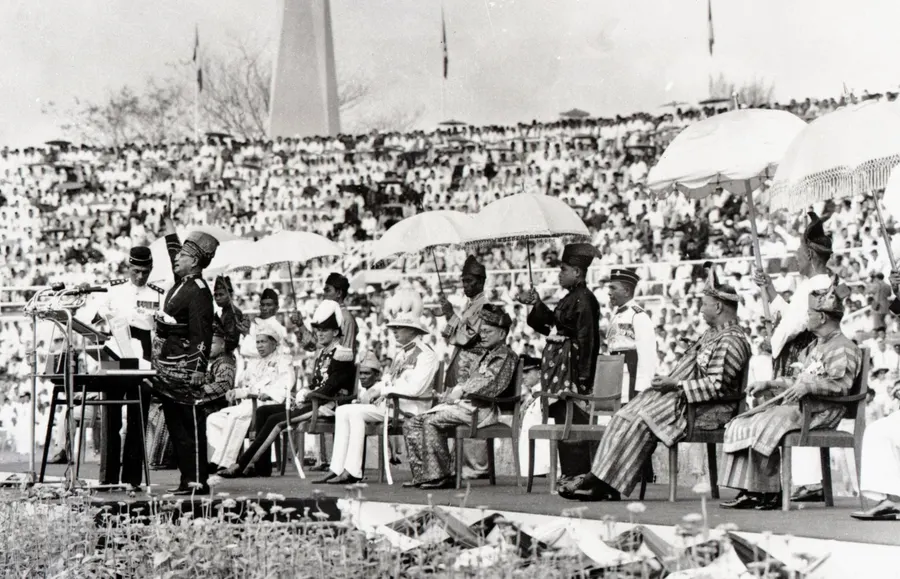
Tunku Abdul Rahman proclaims the independence of the Federation of Malaya at Merdeka Stadium in Kuala Lumpur on 31 August 1957
Image creditKerajaan Tanah Melayu · Public domainResized and cropped for display.

Tunku Abdul Rahman proclaims the independence of Malaya

Britain had ruled the Malay states, Penang and Malacca in various forms since the late 18th century, and after the Second World War it faced both a communist insurgency in the jungle, the Malayan Emergency, and a growing demand for self-rule. The Alliance, a partnership of Malay, Chinese and Indian parties led by Tunku Abdul Rahman, swept the 1955 election, and early in 1956 the Tunku led a mission to London that won British agreement to full independence, with the date set for 31 August 1957.

On the morning of 31 August 1957, before more than 20,000 people at the newly built Merdeka Stadium in Kuala Lumpur, the Tunku read the proclamation of independence of the Federation of Malaya, then raised his arm and cried ‘Merdeka!’ (freedom) seven times, the crowd shouting it back to him. He became the country’s first prime minister. In 1963 Malaya joined with Sabah, Sarawak and Singapore to form Malaysia, and 31 August is still celebrated as the national day, Hari Merdeka.

Read the full storyHistory & Timeline →Source: National Archives of Malaysia: Menjejaki 31 Ogos 1957 (Tracing 31 August 1957) ↗
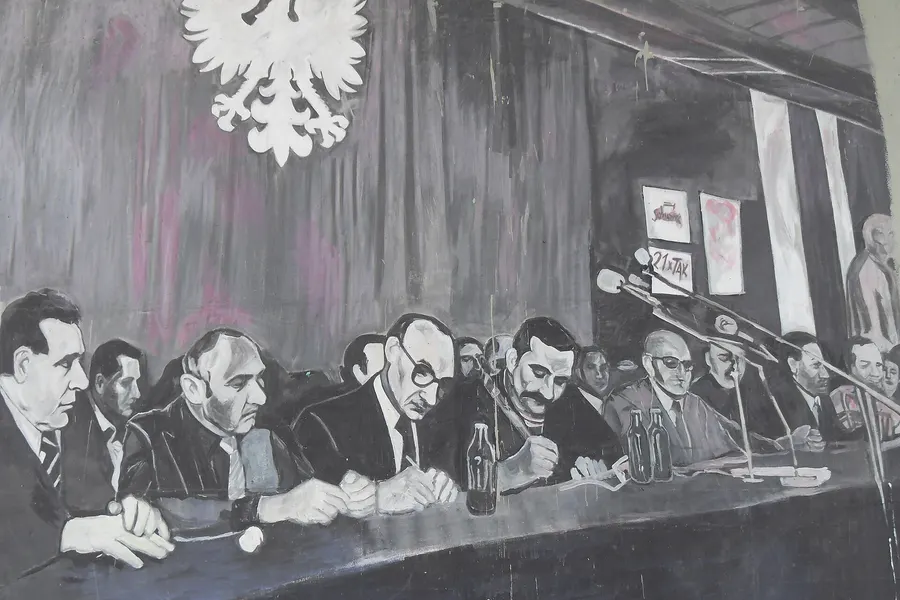
A street mural in Gdańsk showing the signing of the August Agreements in the shipyard's health and safety hall in 1980
A street mural in Gdańsk showing the signing of the August Agreements in the shipyard’s health and safety hall in 1980
Image creditArtur Andrzej · CC0Resized and cropped for display.

Polish strikers win the right to a free trade union in Gdańsk

In the summer of 1980 sudden rises in food prices set off strikes across communist Poland. On 14 August workers at the Lenin Shipyard in Gdańsk stopped work to demand the reinstatement of the crane operator Anna Walentynowicz and the electrician Lech Wałęsa, and within days an inter-factory strike committee led by Wałęsa was speaking for hundreds of workplaces along the Baltic coast. Its 21 demands, written on plywood boards and hung on the shipyard gate, began with the right to form free trade unions independent of the Communist Party.

After two weeks of talks broadcast to the shipyard over loudspeakers, the government gave way. On 31 August 1980 the deputy prime minister Mieczysław Jagielski and Wałęsa signed the Gdańsk Agreement, Wałęsa using a large souvenir pen bearing a picture of Pope John Paul II. It allowed the first independent trade union in the Soviet bloc. Solidarity grew to about ten million members within a year; it was crushed under martial law in December 1981, but it survived underground and in 1989 negotiated the end of communist rule in Poland.

Read the full storyHistory & Timeline →Source: European Solidarity Centre: How did Solidarność (Solidarity) come to be? ↗
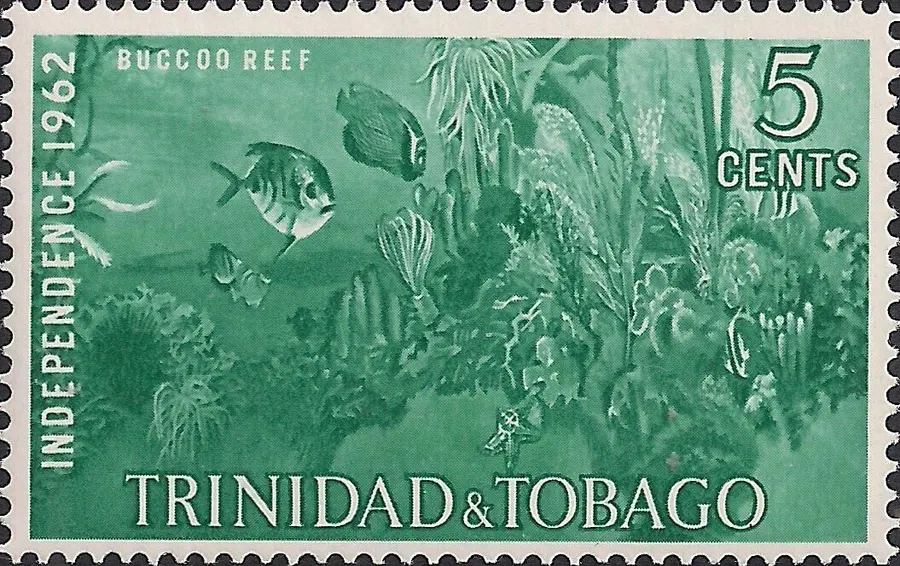
A 5-cent stamp from Trinidad and Tobago's 1962 independence issue, showing fish on Buccoo Reef off Tobago
A 5-cent stamp from Trinidad and Tobago’s 1962 independence issue, showing fish on Buccoo Reef off Tobago
Image creditTrinidad and Tobago post · Public domainResized and cropped for display.

Trinidad and Tobago becomes an independent nation

Trinidad was Spanish until the British seized it in 1797, and Tobago changed hands between European powers many times before both became British; they were joined as a single colony in 1889. Their people were descended from enslaved Africans, indentured labourers from India, Europeans, Chinese and others. In 1956 the historian Eric Williams founded the People’s National Movement and won the colony’s first elections under a new constitution, and when the short-lived West Indies Federation broke up in 1962 he chose to lead Trinidad and Tobago to independence on its own.

At midnight on 30 August 1962 the Union Flag was lowered and the new red, white and black flag raised, with bells and sirens ringing across Port of Spain, and on 31 August Trinidad and Tobago became an independent state within the Commonwealth. Williams became its first prime minister and Sir Solomon Hochoy its first governor-general. He led the country until his death in 1981; in 1976 it became a republic, and 31 August remains Independence Day.

Read the full storyHistory & Timeline →Source: NALIS (National Library of Trinidad and Tobago): Independence Day ↗
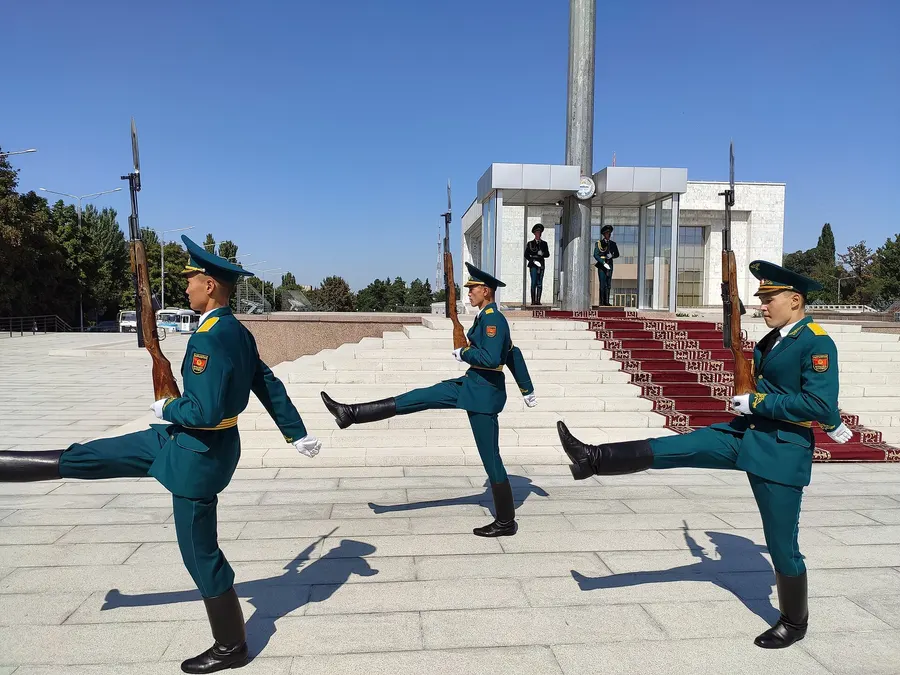
Soldiers guard the national flagpole on Ala-Too Square in Bishkek, Kyrgyzstan's capital, in 2019
Soldiers guard the national flagpole on Ala-Too Square in Bishkek, Kyrgyzstan’s capital, in 2019
Image creditOystercard · CC BY-SA 4.0Resized and cropped for display.

Kyrgyzstan declares its independence from the Soviet Union

The mountainous land of the Kyrgyz in Central Asia was taken by the Russian Empire in the 19th century and became a Soviet republic in 1936. In 1990, as the Soviet system weakened, the republic’s parliament chose a physicist, Askar Akayev, as its president instead of the Communist Party leader. When hardliners attempted a coup in Moscow in August 1991, local party bosses tried to unseat Akayev, but he held on and condemned the coup.

After the coup collapsed, Akayev left the Communist Party, and on 31 August 1991 the Supreme Soviet of Kyrgyzstan voted to declare the republic independent. In October Akayev, running unopposed, was elected president by popular vote, and when the Soviet Union was dissolved at the end of 1991 Kyrgyzstan became a fully sovereign state, joining the United Nations in 1992. 31 August is its Independence Day.

Read the full storyHistory & Timeline →Source: US Department of State: Background note, Kyrgyzstan ↗

♙
PEOPLE

Born Today

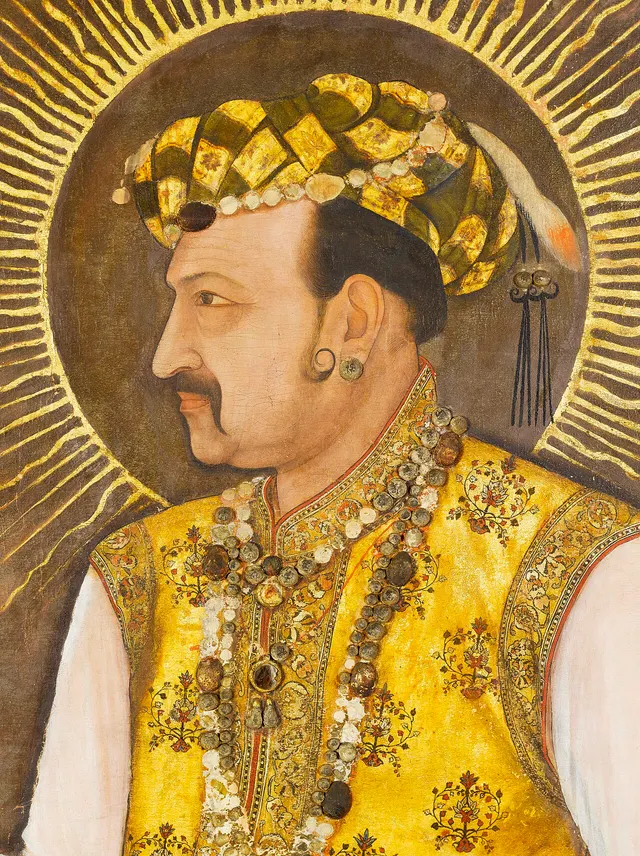
Jahangir
Image creditAbu al-Hasan · Public domainResized and cropped for display.

Jahangir

Mughal emperor of India from 1605 to 1627, a keen naturalist and patron of painting who ruled with his influential wife Nur Jahan.

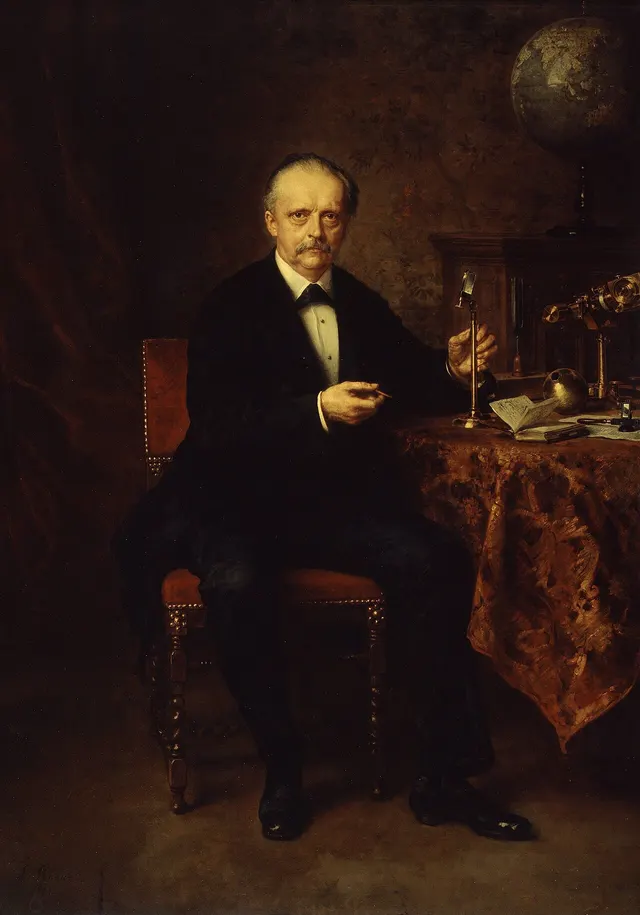
Hermann von Helmholtz
Image creditLudwig Knaus · Public domainResized and cropped for display.

Hermann von Helmholtz

German physicist and physiologist who helped establish the law of the conservation of energy and invented the ophthalmoscope for looking inside the eye.

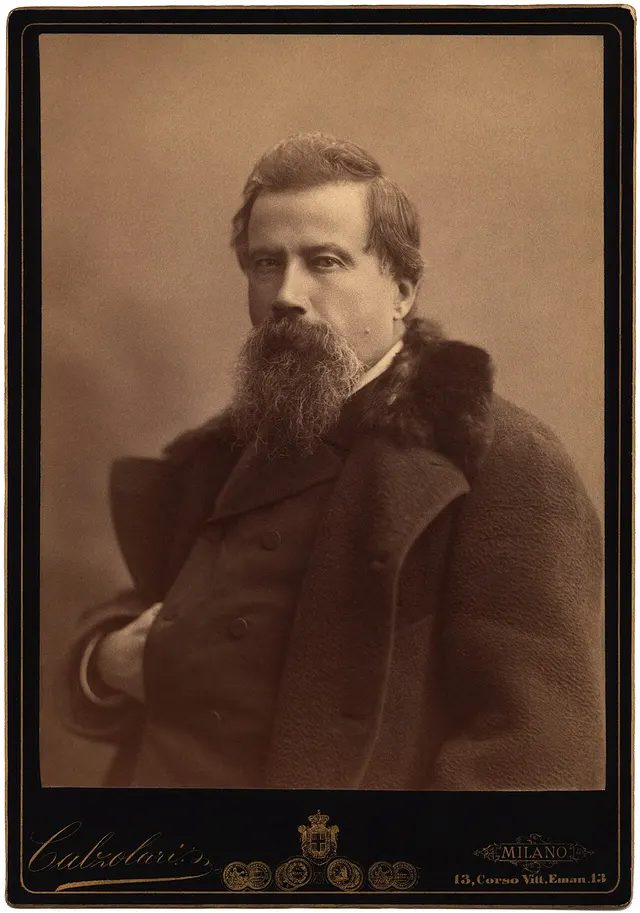
Amilcare Ponchielli
Image creditIcilio Calzolari / Adam Cuerden · CC BY-SA 4.0Resized and cropped for display.

Amilcare Ponchielli

Italian composer of the opera La Gioconda, whose ‘Dance of the Hours’ became one of the best-known pieces of ballet music.

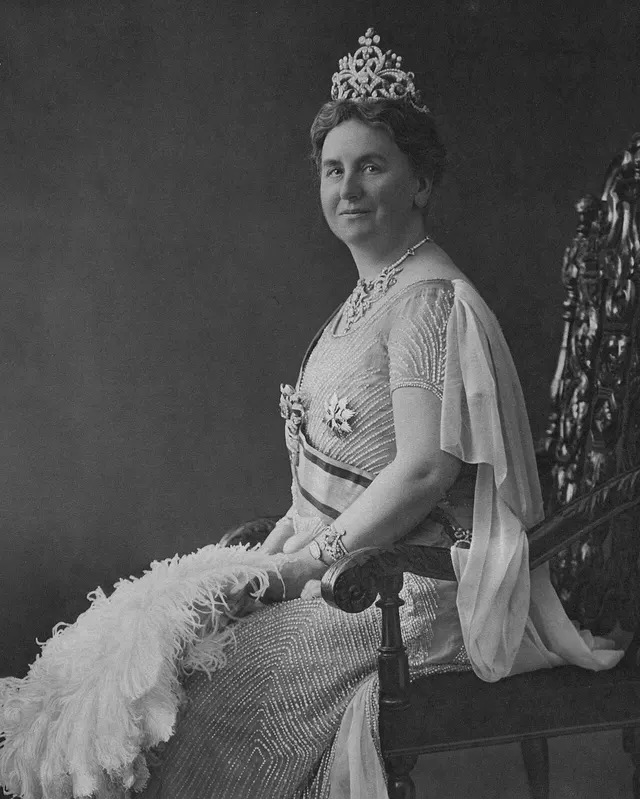
Wilhelmina of the Netherlands
Image creditUnknown · Public domainResized and cropped for display.

Wilhelmina of the Netherlands

Queen of the Netherlands from 1890 to 1948 whose radio broadcasts from exile in London made her a symbol of Dutch resistance in the Second World War.

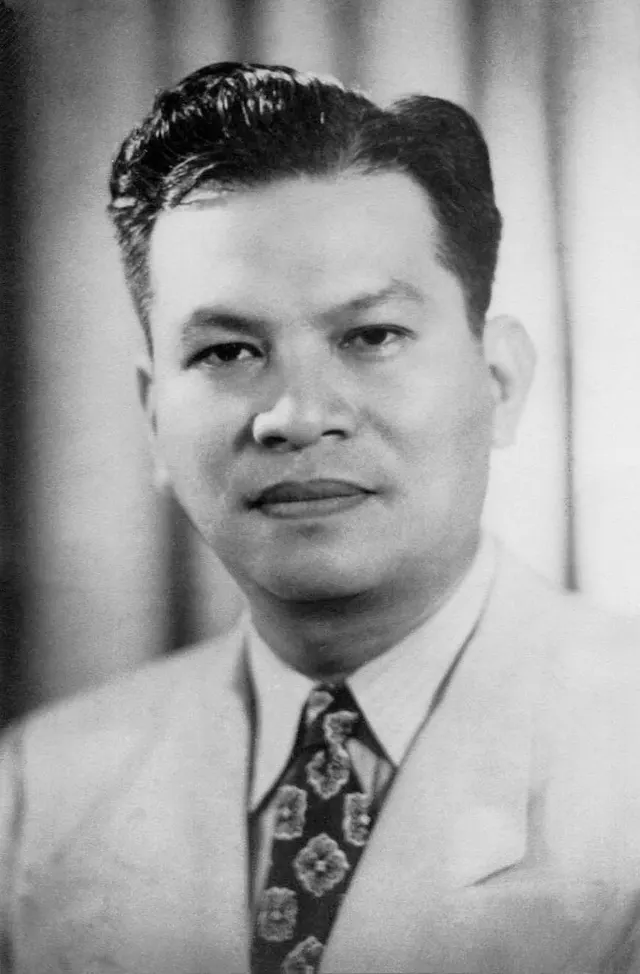
Ramon Magsaysay
Image creditUnknown · Public domainResized and cropped for display.

Ramon Magsaysay

Filipino president from 1953 until his death in a plane crash in 1957, remembered for his honesty and for defeating the Huk insurgency.

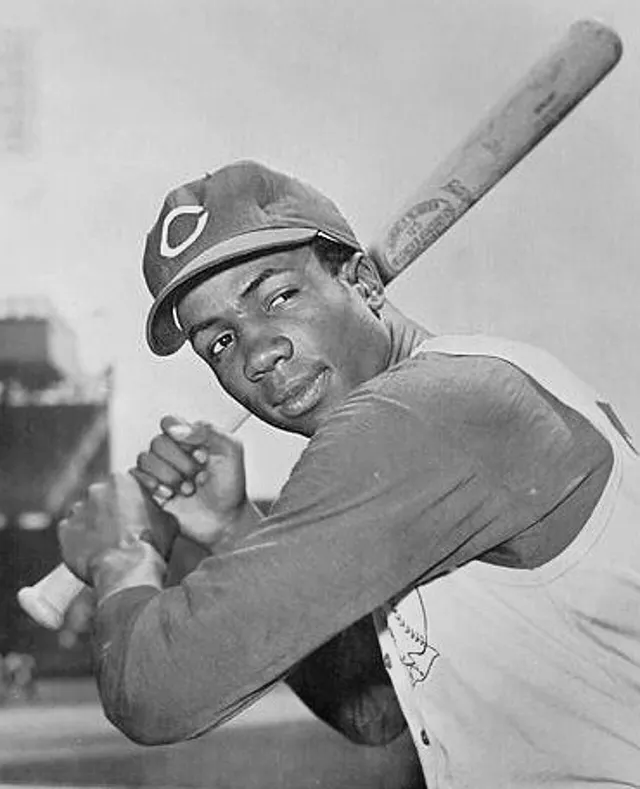
Frank Robinson
Image creditUnknown · Public domainResized and cropped for display.

Frank Robinson

American baseball star, the only player voted most valuable in both major leagues, who in 1975 became Major League Baseball’s first Black manager.

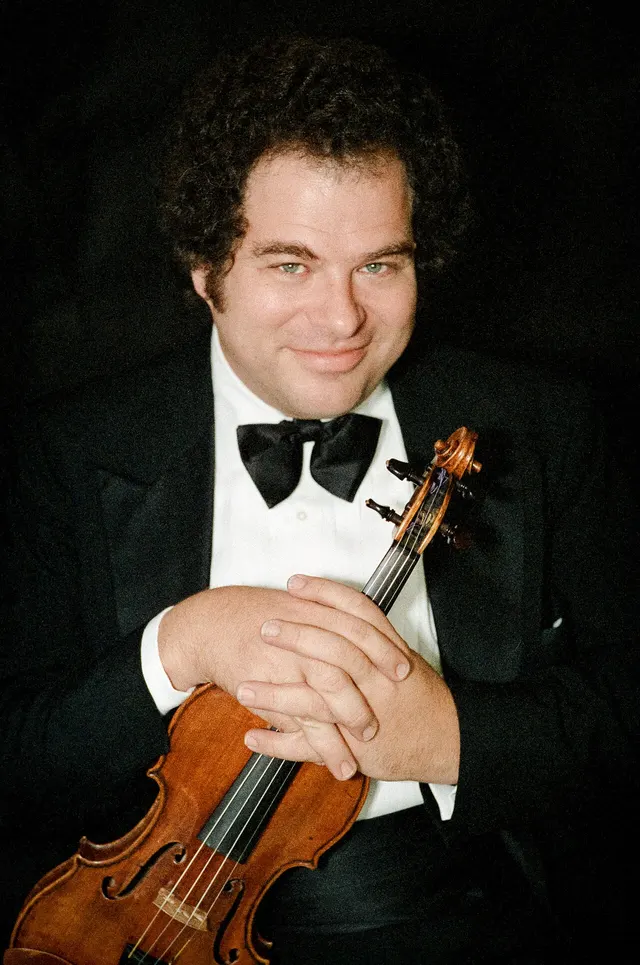
Itzhak Perlman
Image creditKenneth C. Zirkel · CC BY-SA 4.0Resized and cropped for display.

Itzhak Perlman

Israeli-American violinist, left disabled by polio as a child, who became one of the best-loved concert soloists of his time.

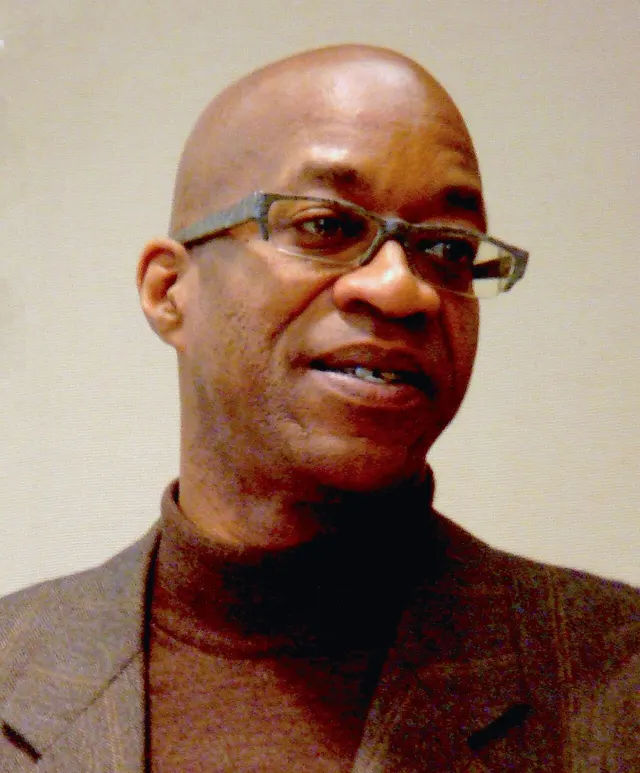
Edwin Moses
Image creditAndy Miah from Liverpool, UK · CC BY-SA 2.0Resized and cropped for display.

Edwin Moses

American hurdler who won Olympic gold in the 400 metres hurdles in 1976 and 1984 and went unbeaten in 122 races in a row.

◉
IDEAS THAT CHANGED THINGS

Firsts, Science & Discoveries

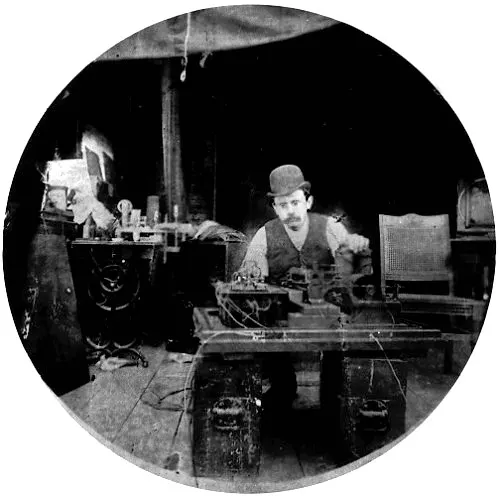
Charles Kayser of Edison's laboratory with an early version of the Kinetograph camera, about 1891
Charles Kayser of Edison’s laboratory with an early version of the Kinetograph camera, about 1891
Image creditNational park Service · Public domainResized and cropped for display.

Edison is granted his patent for a motion-picture camera

In 1888 Thomas Edison set out to do for the eye what his phonograph had done for the ear. The work fell largely to his assistant William Kennedy Laurie Dickson, who by 1891 had built the Kinetograph, a camera that drew a strip of celluloid film, perforated along its edges, past the lens in rapid jerks, and the Kinetoscope, a cabinet in which one person at a time could watch the result through a peephole.

Edison applied for a patent on the camera on 24 August 1891, but it was granted only on 31 August 1897, as US patent 589,168 for a ‘kinetographic camera’. By then films were being projected on screens in Paris, London and New York. Edison used the patent to sue rival film-makers for years, until in 1908 the leading companies pooled their patents in the Motion Picture Patents Company. The 35 millimetre film that Dickson chose, with its rows of sprocket holes, remained the standard of cinema for more than a century.

Read the full storyHistory & Timeline →Source: US patent 589,168: Kinetographic camera (Google Patents record) ↗
☆
SPORTING HISTORY

Sporting Moments

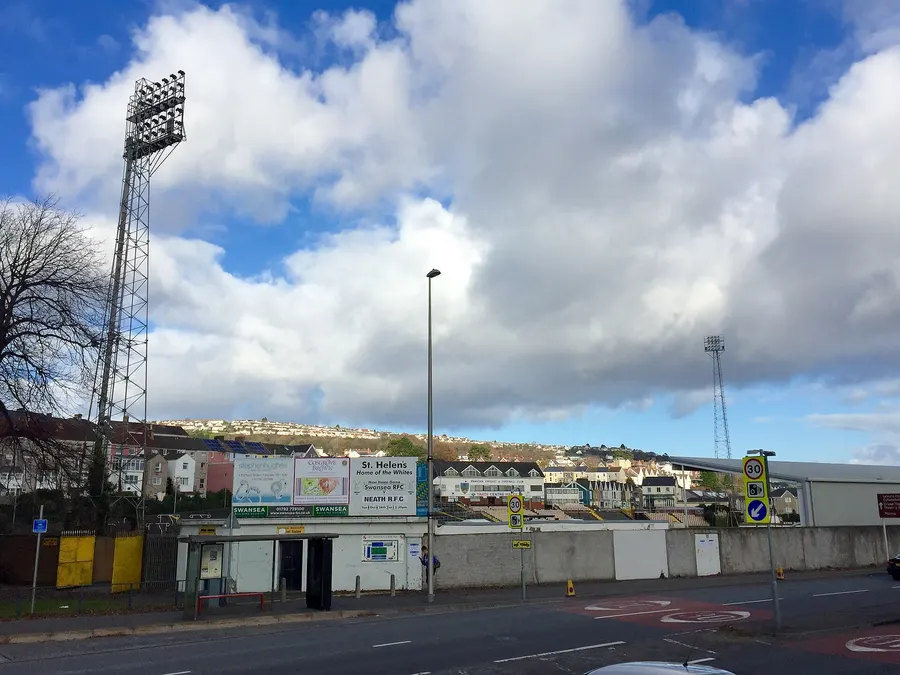
St Helen's Rugby and Cricket Ground in Swansea, where Garfield Sobers hit six sixes in an over in 1968
St Helen’s Rugby and Cricket Ground in Swansea, where Garfield Sobers hit six sixes in an over in 1968
Image creditAlan Hughes · CC BY-SA 2.0Resized and cropped for display.

Garfield Sobers hits six sixes in a single over

The Barbadian Garfield Sobers was the outstanding all-round cricketer of his age, a left-handed batsman who also bowled fast-medium or spin and captained the West Indies. In 1968 English county cricket began allowing each county to sign one overseas player straight away, and Sobers joined Nottinghamshire as captain.

On 31 August 1968, playing Glamorgan at St Helen’s in Swansea and looking for quick runs before a declaration, Sobers faced the left-armer Malcolm Nash, who was trying out slow bowling. He hit all six balls of the over for six, the first time it had been done in first-class cricket; the fifth was caught, but the fielder stumbled over the boundary rope. A BBC Wales crew that happened to be filming caught the over on camera. Nash, a fine bowler, bore the record with good humour for the rest of his life.

Read the full storyHistory & Timeline →Source: International Cricket Council: 50th anniversary of Sir Garfield Sobers’ six sixes ↗
♫
MUSIC • FILM • BOOKS • CULTURE

Culture Stories

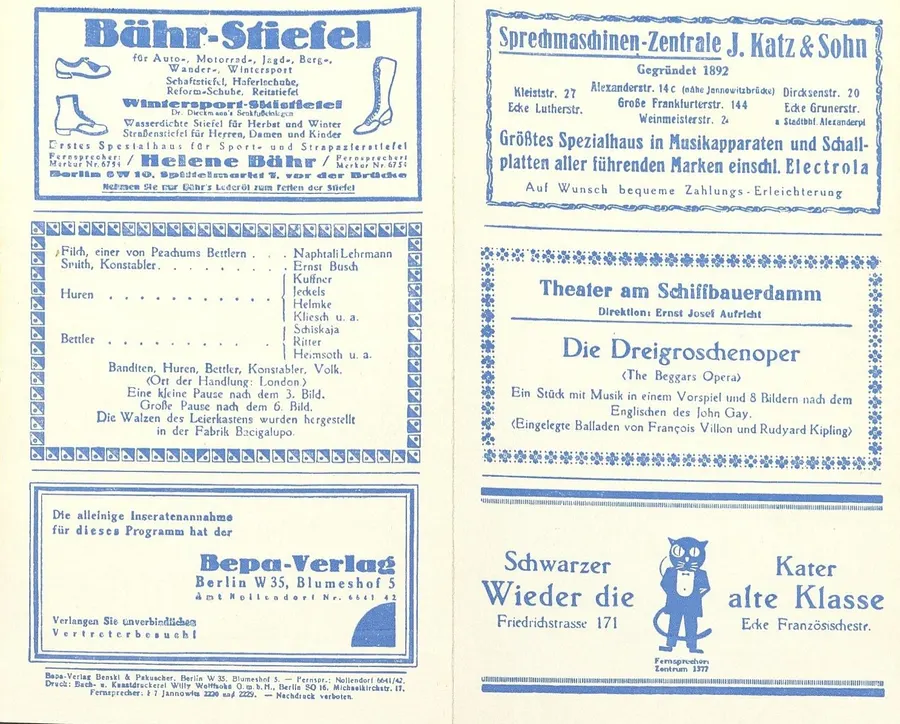
The playbill for the first production of Die Dreigroschenoper at the Theater am Schiffbauerdamm, Berlin, 1928
Image creditUnknown · Public domainResized and cropped for display.

The Threepenny Opera opens in Berlin

In 1928 the young playwright Bertolt Brecht and the composer Kurt Weill reworked John Gay’s The Beggar’s Opera of 1728, a ballad opera about thieves and beggars in London, from a German translation by Elisabeth Hauptmann. They kept the London underworld but sharpened it into a satire of bourgeois society, in which the gangster Macheath, Mack the Knife, is hardly worse than the businessmen and police chief around him. Weill wrote the music in a few weeks, mixing jazz, cabaret and dance tunes for a small band.

The first night, at the Theater am Schiffbauerdamm in Berlin on 31 August 1928, came after chaotic rehearsals, but the audience soon began calling for encores. Die Dreigroschenoper became one of the great theatrical hits of the Weimar Republic and was soon playing across Europe; the Nazis later banned it. Its opening number, ‘The Ballad of Mack the Knife’, became a jazz and pop standard in English, recorded by Louis Armstrong and Bobby Darin.

Read the full storyHistory & Timeline →Source: Kurt Weill Foundation for Music: Die Dreigroschenoper ↗
✦
LIVES REMEMBERED

Remembered Today

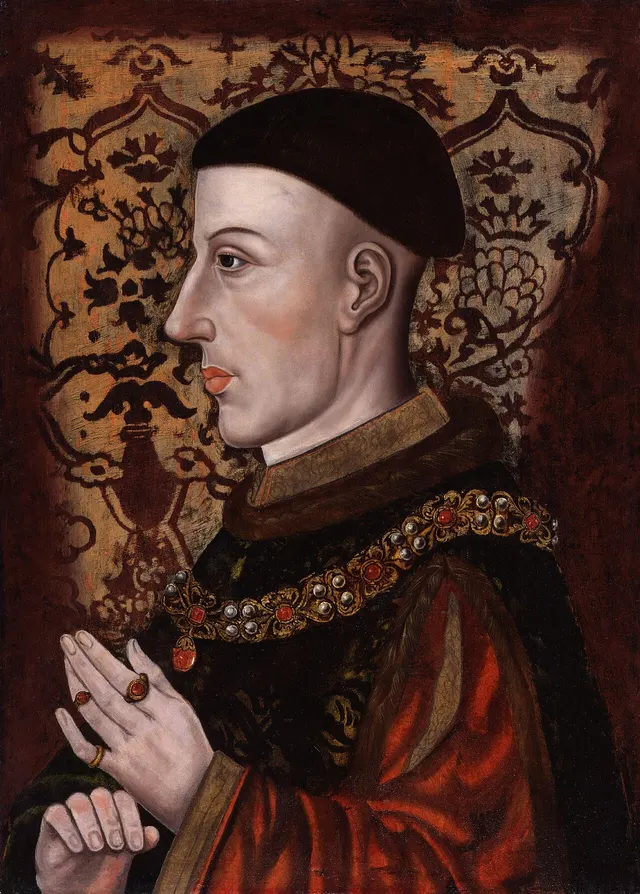
Henry V of England
Image creditanonymous · Public domainResized and cropped for display.

Henry V of England

King of England who won the Battle of Agincourt and was recognised as heir to the French throne, but died of dysentery in France aged 35.

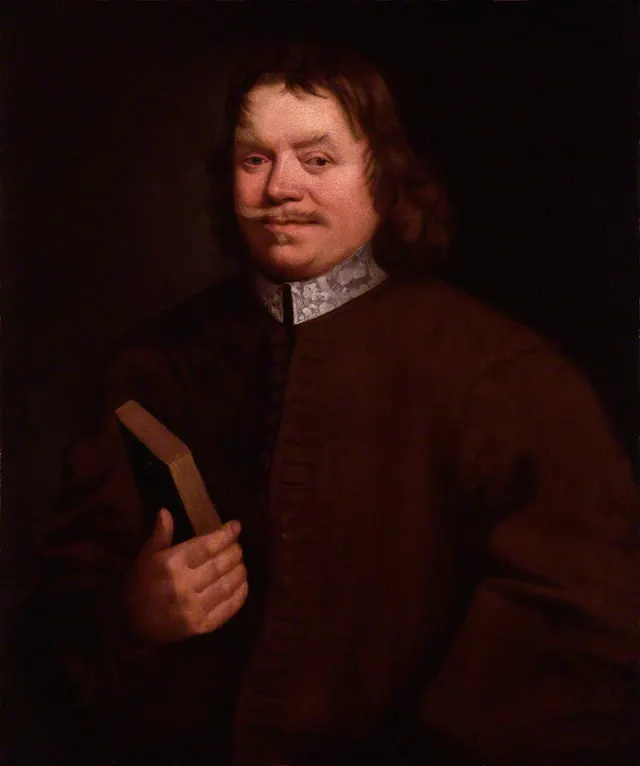
John Bunyan
Image creditThomas Sadler · Public domainResized and cropped for display.

John Bunyan

English Puritan preacher and tinker’s son who began The Pilgrim’s Progress while in prison for unlicensed preaching.

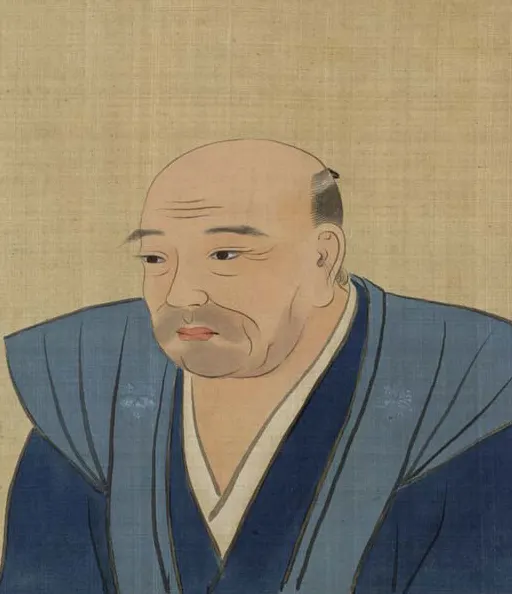
Maruyama Ōkyo
Image creditTani Bunchō · Public domainResized and cropped for display.

Maruyama Ōkyo

Japanese painter who founded the Maruyama school in Kyoto, blending close study from nature with traditional Japanese styles.

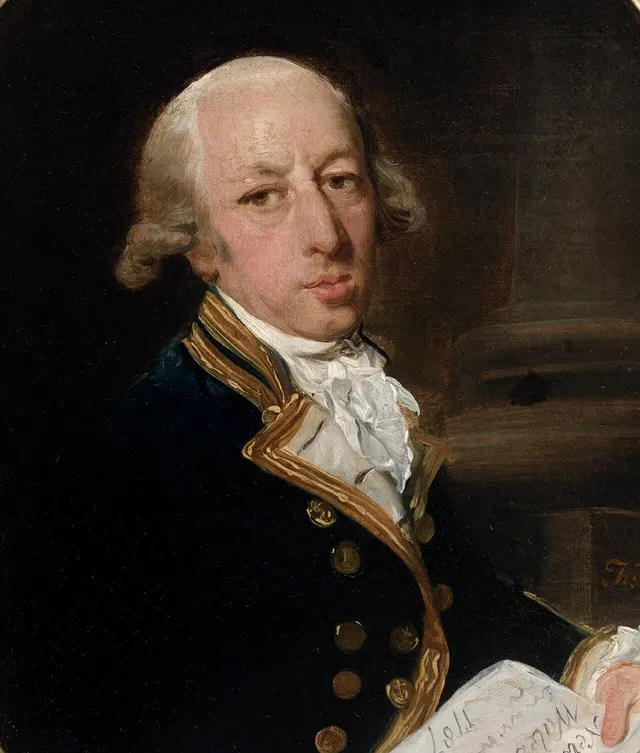
Arthur Phillip
Image creditFrancis Wheatley · Public domainResized and cropped for display.

Arthur Phillip

British naval officer who led the First Fleet of convicts to Australia and was the first governor of New South Wales.

☉
AROUND THE WORLD

Observances & Anniversaries

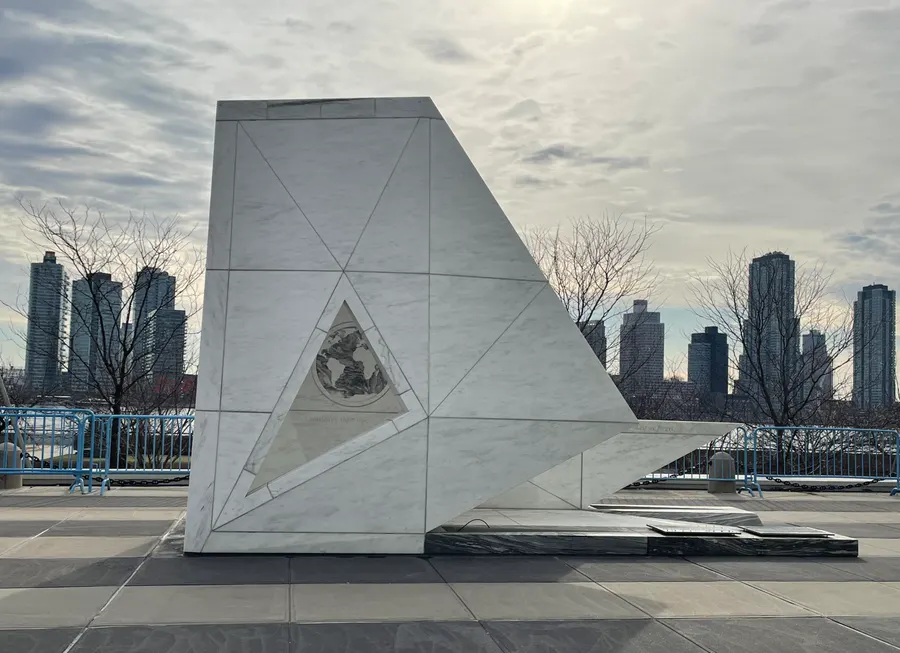
The Ark of Return, the permanent memorial to the victims of slavery and the transatlantic slave trade at United Nations headquarters in New York
Image creditDinoSoupCanada · CC BY-SA 4.0Resized and cropped for display.

International Day for People of African Descent

In December 2020 the United Nations General Assembly proclaimed 31 August as the International Day for People of African Descent, to recognise the heritage, culture and contribution of people of African descent around the world and to fight racial discrimination against them. It grew out of the International Decade for People of African Descent, which the UN had launched in 2015.

The day was marked for the first time on 31 August 2021. Governments, UN bodies, schools and civil society groups use it to hold events on history, culture and equal rights, from the legacy of the transatlantic slave trade to the achievements of the African diaspora today.

Source: United Nations: International Day for People of African Descent ↗
HISTORY & TIMELINE

Finished the highlights?

Follow 31 August chronologically, from the Middle Ages to the modern day, with 13 verified events and the sources behind them.

This day through time →