Explore 28 August

Explore 28 August: Martin Luther King Jr. tells the March on Washington of his dream, the Slavery Abolition Act becomes law, the Peace Palace opens in The Hague, Belgrade falls to Süleyman the Magnificent and the Western Roman emperor Julius Nepos flees Ravenna. Born today: Godfrey Hounsfield, Ai Weiwei and Shania Twain.

This day through time →12 verified events across 4 eras

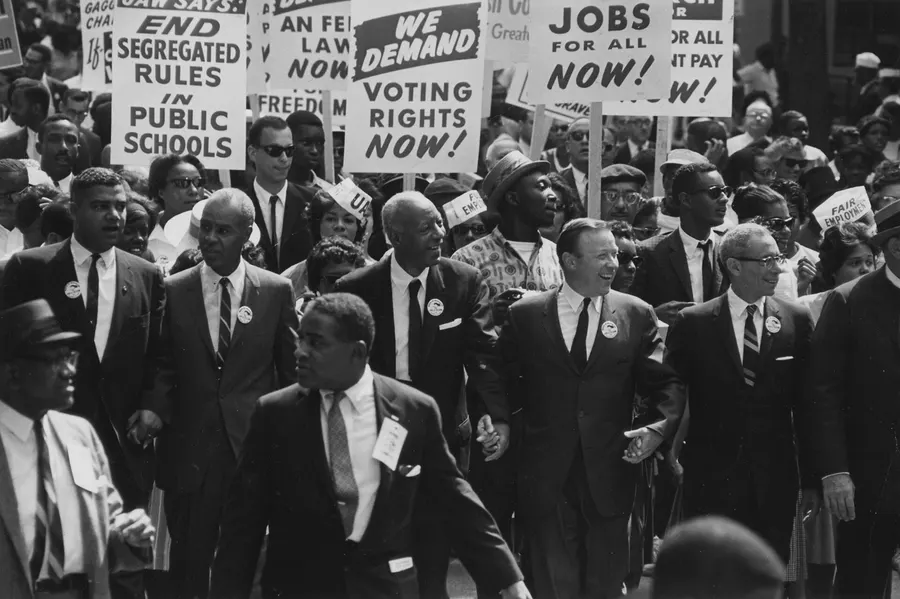
Leaders of the March on Washington walk from the Washington Monument towards the Lincoln Memorial on 28 August 1963, in a photograph held by the US National Archives
Image creditRowland Scherman · Public domainResized and cropped for display.

Martin Luther King Jr. tells the March on Washington of his dream

A century after the Emancipation Proclamation, Black Americans in the South were still shut out of the vote, segregated in schools, shops and buses, and kept in the worst-paid jobs. In 1963 the veteran labour leader A. Philip Randolph and the organiser Bayard Rustin brought together the main civil rights groups, churches and trade unions to call for jobs and freedom at a great rally in the nation’s capital, as President Kennedy’s civil rights bill sat before Congress.

On 28 August 1963 about 250,000 people, Black and white, gathered at the Washington Monument and walked along the National Mall to the Lincoln Memorial. It was one of the largest demonstrations the United States had ever seen, and it passed off peacefully. Near the end of the day Martin Luther King Jr. left his prepared text and spoke of his dream that his children would one day ‘not be judged by the colour of their skin but by the content of their character’. The march helped build the pressure that brought the Civil Rights Act of 1964 and the Voting Rights Act of 1965.

Read the full storyHistory & Timeline →Source: US National Park Service: March on Washington for Jobs and Freedom ↗
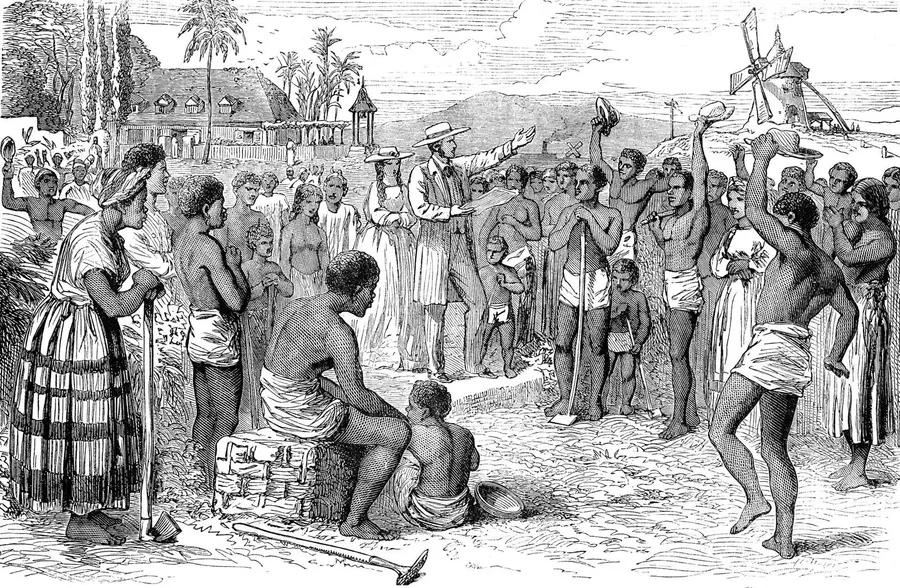
An engraving of enslaved people on a plantation in the British West Indies hearing the news of their emancipation under the Slavery Abolition Act
Image creditUnknown author · Public domainResized and cropped for display.

The Slavery Abolition Act becomes law across the British Empire

Britain had banned its slave trade in 1807, but slavery itself went on in its colonies, above all on the sugar plantations of the Caribbean. Through the 1820s campaigners filled Parliament with petitions, and in 1831 a great rising of enslaved people in Jamaica, the Baptist War, was crushed with great brutality. After the Reform Act of 1832 brought a new House of Commons, Lord Grey’s government brought in a bill to end slavery in most of the empire.

The Slavery Abolition Act received royal assent on 28 August 1833. From 1 August 1834 slavery was abolished in the British Caribbean, the Cape Colony, Mauritius and Canada, though not in territories ruled by the East India Company, and more than 800,000 people were freed in law. Freedom came with hard conditions: those over six years old were bound as unpaid ‘apprentices’ for several more years, and the government paid £20 million in compensation to the slave owners, while the people who had been enslaved received nothing. Apprenticeship was ended early, in 1838.

Read the full storyHistory & Timeline →Source: Britannica: Slavery Abolition Act ↗
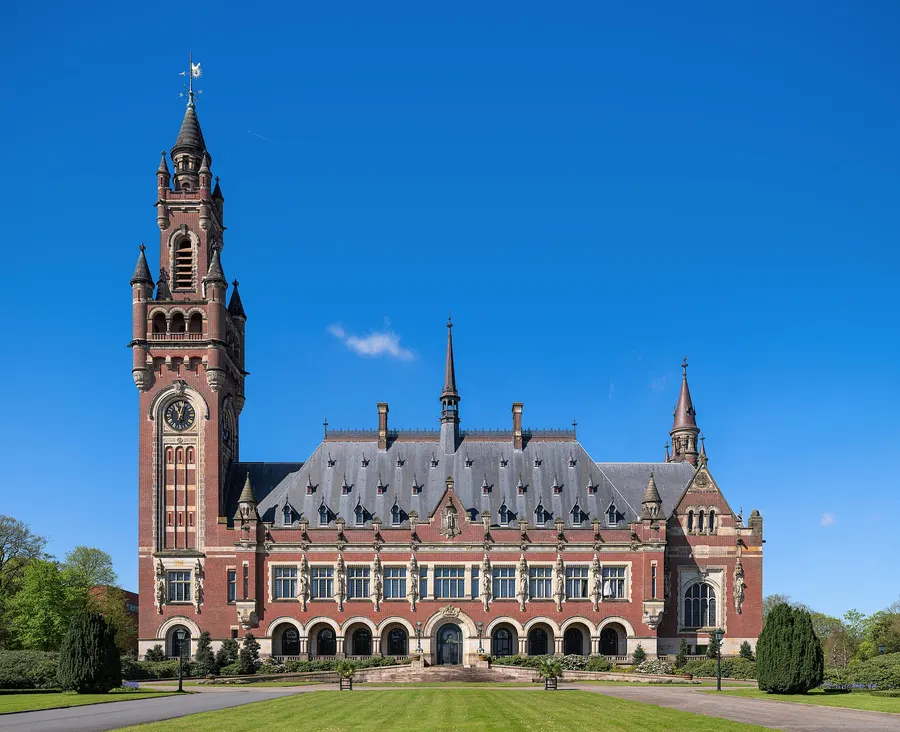
The Peace Palace in The Hague, home of the International Court of Justice and the Permanent Court of Arbitration
Image creditThomas Wolf, www.foto-tw.de · CC BY-SA 3.0 deResized and cropped for display.

The Peace Palace opens in The Hague

At the first Hague Peace Conference in 1899 the great powers agreed to set up a Permanent Court of Arbitration, where states could settle their quarrels by law rather than war. The court needed a home, and the Scottish-American industrialist Andrew Carnegie offered $1.5 million to build a ‘temple of peace’ for it, with a library of international law. The French architect Louis Cordonnier won the design competition, and governments around the world sent gifts of stone, wood, tapestries and art to furnish it.

On 28 August 1913, in the presence of Queen Wilhelmina, the Dutch royal family and Carnegie himself, the keys of the Peace Palace were formally handed over amid music and the ringing of bells across the city. Within a year Europe was at war. Yet the building outlasted both world wars, and since 1946 it has been the seat of the United Nations’ International Court of Justice, alongside the Permanent Court of Arbitration, the Hague Academy of International Law and the Peace Palace Library.

Read the full storyHistory & Timeline →Source: Peace Palace: History ↗
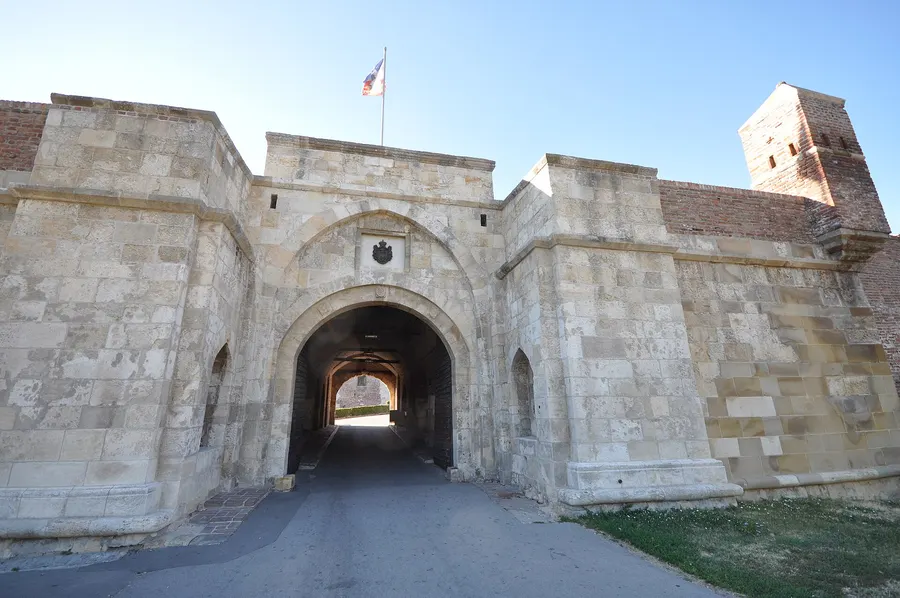
A gateway of the Belgrade Fortress, the stronghold above the meeting of the Sava and the Danube, much rebuilt since 1521
Image creditJorge Láscar from Melbourne, Australia · CC BY 2.0Resized and cropped for display.

Süleyman the Magnificent captures Belgrade

Belgrade, where the Sava River meets the Danube, was the great southern fortress of the Kingdom of Hungary and had held out against the Ottoman Empire for generations; in 1456 John Hunyadi had beaten back a huge siege led by Sultan Mehmed II. In 1520 the young Süleyman came to the Ottoman throne, and the next year he led his first campaign north against Hungary, whose king, Louis II, was a boy and whose nobles were divided.

After a siege of several weeks, in which the walls were pounded by Ottoman guns, the small Hungarian garrison surrendered. The City of Belgrade dates the fall to 28 August 1521, though some accounts give 29 August. The loss opened the road into the heart of Hungary: five years later Süleyman destroyed the Hungarian army at Mohács. Belgrade remained in Ottoman hands, with interruptions, until the last Ottoman garrison left the fortress in 1867.

Read the full storyHistory & Timeline →Source: City of Belgrade: History ↗
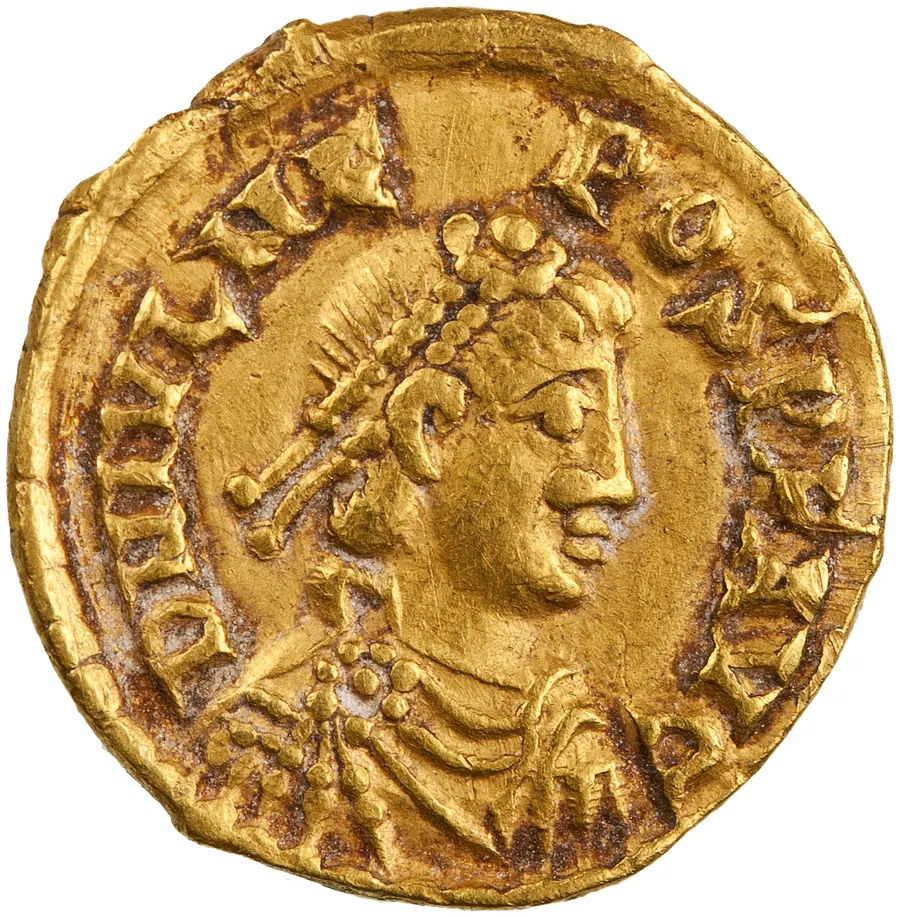
A gold tremissis of the emperor Julius Nepos, with his portrait and name
Image creditANS · CC0Resized and cropped for display.

The Western Roman emperor Julius Nepos flees Ravenna

By the 470s the Western Roman Empire had shrunk to little more than Italy, and real power lay with the generals who commanded its largely Germanic armies. In 474 Julius Nepos, the ruler of Dalmatia on the eastern shore of the Adriatic, was sent to Italy with the backing of the Eastern emperor in Constantinople, deposed the emperor Glycerius and took the throne. He made Orestes, a Roman who had once served as secretary to Attila the Hun, his commander-in-chief and sent him with the army to Gaul.

Orestes instead turned the army against his master. According to a contemporary chronicle, on 28 August 475 Orestes entered the imperial capital of Ravenna and Nepos fled across the sea to Dalmatia. Weeks later Orestes placed his own young son Romulus on the throne, mocked as ‘Augustulus’, the little emperor. In 476 the soldier Odoacer killed Orestes and deposed the boy, the moment usually taken as the end of the Western Empire, while Nepos went on claiming the title from Dalmatia until his murder in 480.

Read the full storyHistory & Timeline →Source: De Imperatoribus Romanis (Loyola University Chicago): Romulus Augustulus ↗

♙
PEOPLE

Born Today

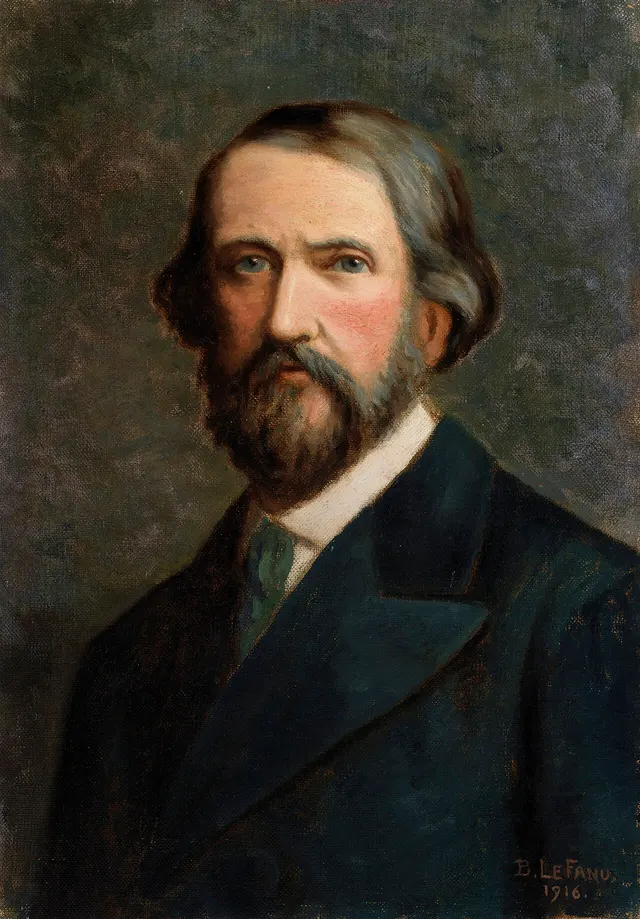
Sheridan Le Fanu
Image creditBrinsley Le Fanu · Public domainResized and cropped for display.

Sheridan Le Fanu

Irish writer of ghost stories and mysteries whose novella Carmilla, about a female vampire, appeared a generation before Dracula.

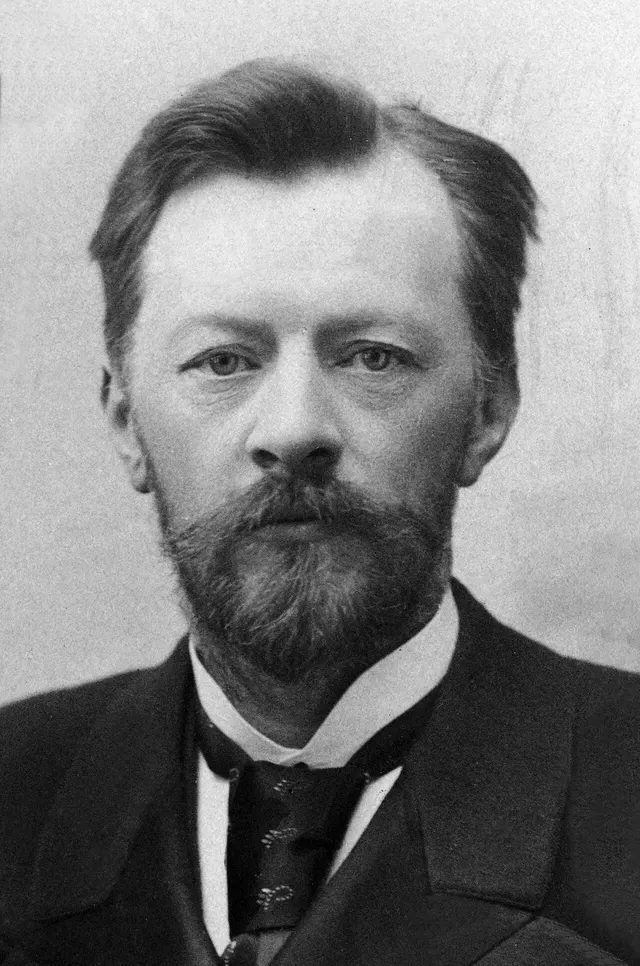
Vladimir Shukhov
Image creditUnknown author · Public domainResized and cropped for display.

Vladimir Shukhov

Russian engineer who pioneered light steel lattice structures, among them the hyperboloid Shukhov radio tower in Moscow.

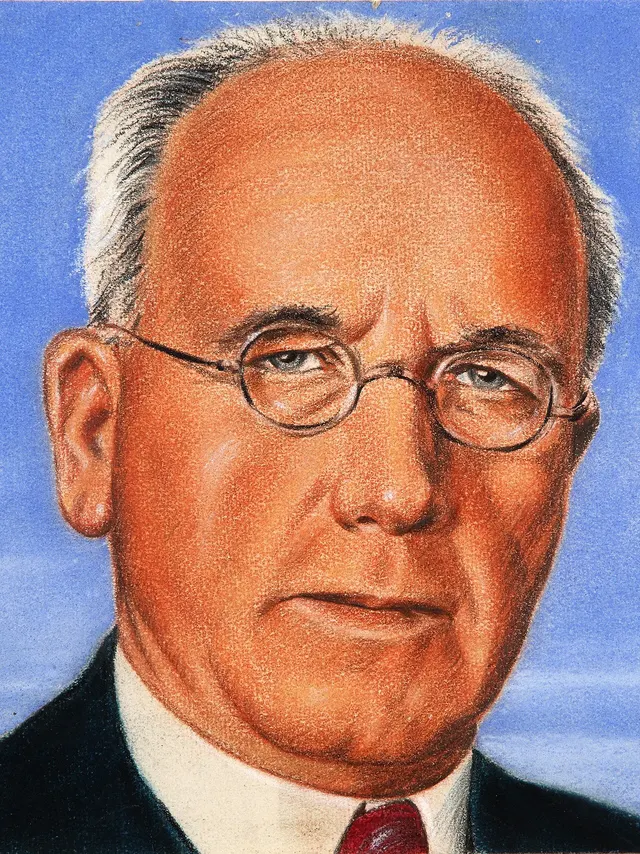
Peter Fraser
Image creditWilliam Timym · Public domainResized and cropped for display.

Peter Fraser

Scottish-born Labour politician who was prime minister of New Zealand from 1940 to 1949 and led the country through the Second World War.

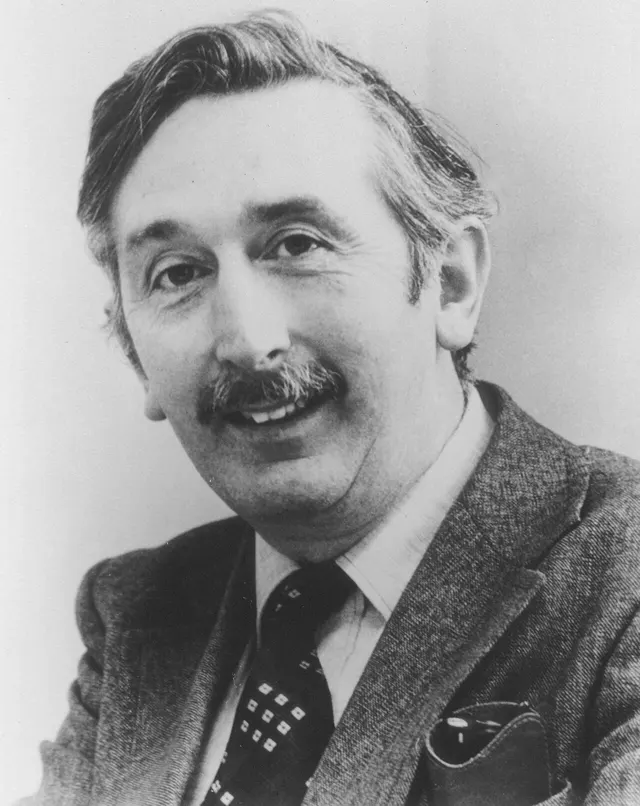
Godfrey Hounsfield
Image creditUnknown author · Public domainResized and cropped for display.

Godfrey Hounsfield

English engineer who invented the CT scanner and shared the 1979 Nobel Prize in Physiology or Medicine.

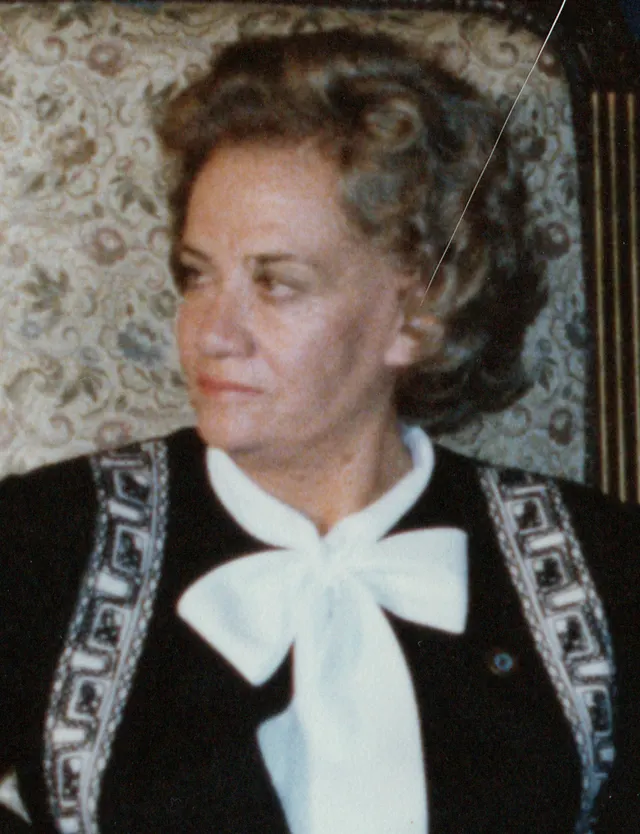
Lidia Gueiler Tejada
Image creditDaisy Wende · CC BY-SA 4.0Resized and cropped for display.

Lidia Gueiler Tejada

Bolivian politician who became her country’s first woman president in 1979 and was overthrown by a military coup in 1980.

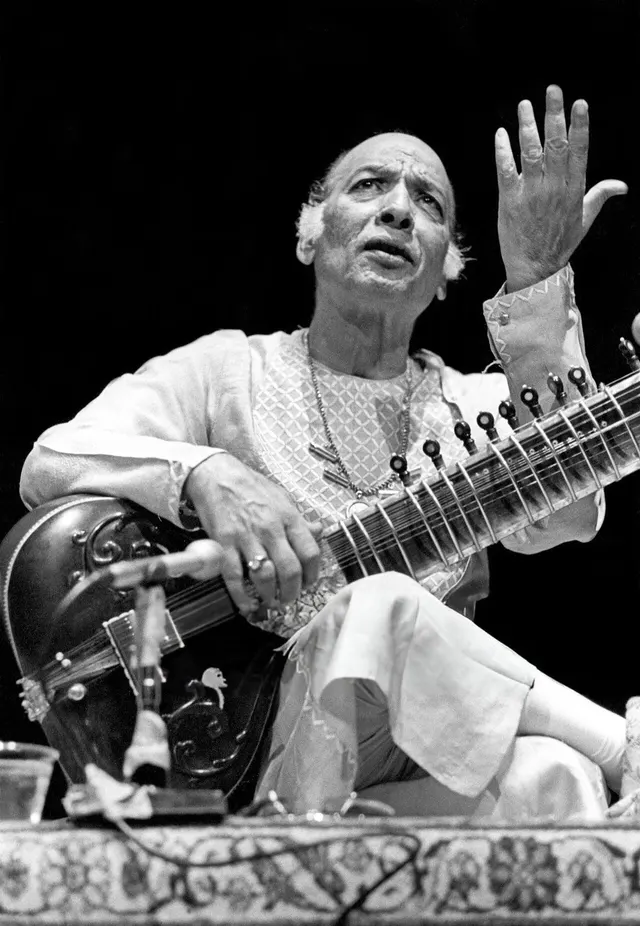
Vilayat Khan
Image creditUnknown author · Public domainResized and cropped for display.

Vilayat Khan

Indian sitar player whose singing, voice-like style made him one of the great masters of Hindustani classical music.

Ai Weiwei
Image creditJindřich Nosek · CC BY-SA 4.0Resized and cropped for display.

Ai Weiwei

Chinese artist and activist known for large installations such as Sunflower Seeds and for his outspoken criticism of the Chinese government.

Shania Twain
Image creditRaph_PH · CC BY 2.0Resized and cropped for display.

Shania Twain

Canadian singer and songwriter whose 1997 album Come On Over is one of the best-selling albums of all time.

◉
IDEAS THAT CHANGED THINGS

Firsts, Science & Discoveries

Saturn's moon Enceladus seen by NASA's Cassini spacecraft as it approached for a close flyby
Saturn’s moon Enceladus seen by NASA’s Cassini spacecraft as it approached for a close flyby
Image creditNASA / JPL · Public domainResized and cropped for display.

William Herschel discovers Saturn’s moon Enceladus

William Herschel, the German-born musician turned astronomer who had found the planet Uranus in 1781, spent years building ever larger telescopes at his home near Windsor. In 1789 he finished the largest of them all, a reflector with a tube 40 feet (12 metres) long and a mirror about 1.2 metres across, the biggest telescope in the world at the time.

On 28 August 1789, in one of its first observations, Herschel spotted a faint new moon close to Saturn, and a few weeks later he found another, Mimas. The first was later named Enceladus, after one of the Giants of Greek myth. For almost two centuries it was little more than a point of light, until spacecraft showed it to be one of the brightest bodies in the solar system. In 2005 NASA’s Cassini probe found jets of water ice shooting from cracks near its south pole, fed by a hidden ocean that makes Enceladus one of the most promising places to search for life beyond Earth.

Read the full storyHistory & Timeline →Source: NASA Science: Enceladus ↗
☆
SPORTING HISTORY

Sporting Moments

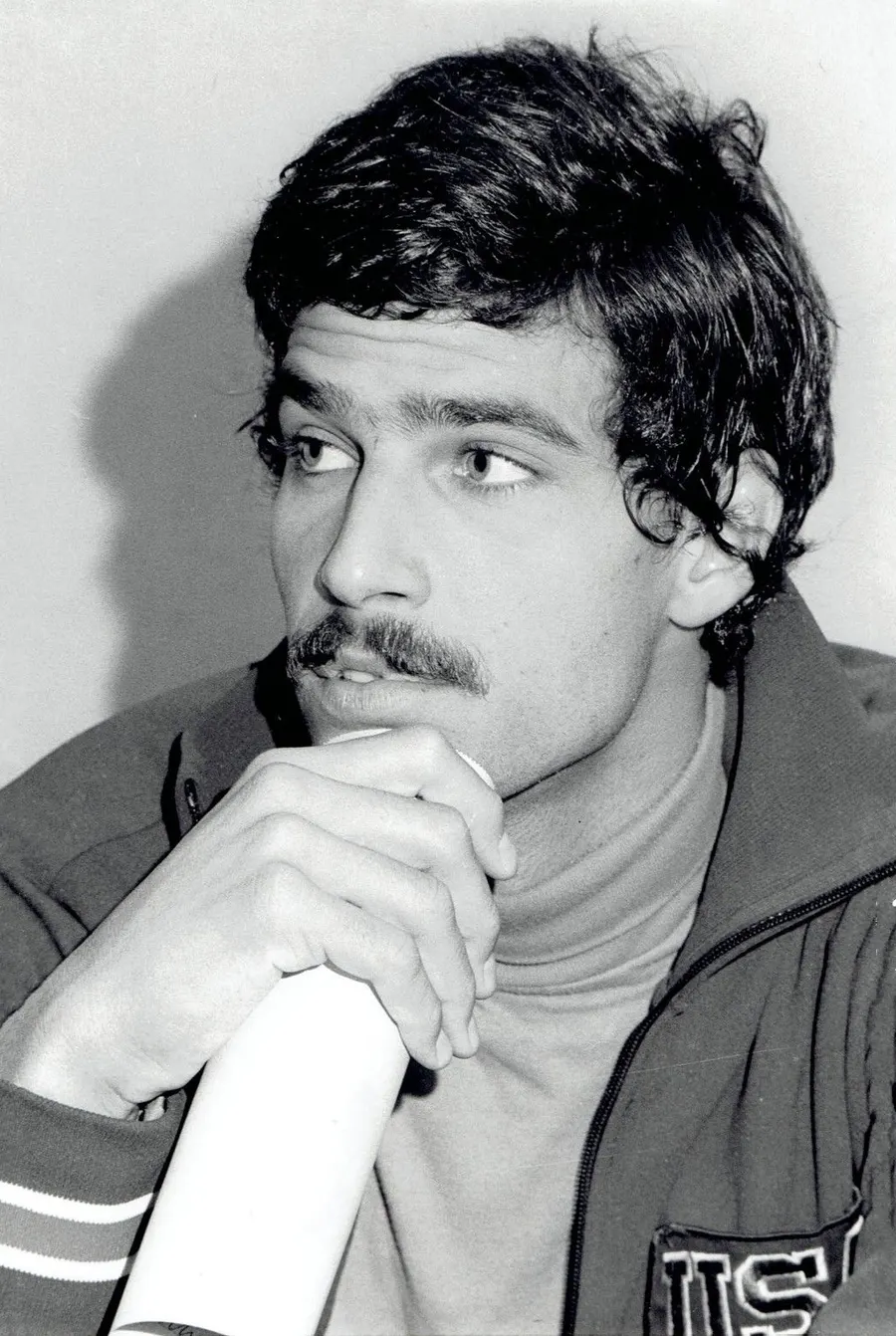
Mark Spitz at a press conference during the 1972 Olympic Games in Munich
Image creditUPI · Public domainResized and cropped for display.

Mark Spitz wins the first two of his seven Munich golds

At the 1968 Olympics in Mexico City the American swimmer Mark Spitz had boasted that he would win six gold medals and came home with two, both in relays. He trained for four more years at Indiana University and arrived at the 1972 Games in Munich as the world record holder in several events, entered in seven: four individual races and three relays.

On 28 August 1972, the first day of the swimming finals, Spitz won the 200 metres butterfly in a world record time and then swam the final leg as the United States set another world record in the 4 x 100 metres freestyle relay. Over the next eight days he won five more, and all seven of his golds came in world record times. No one won as many gold medals at a single Games until Michael Phelps took eight in Beijing in 2008.

Read the full storyHistory & Timeline →Source: Olympics.com: Munich 1972 swimming results ↗
♫
MUSIC • FILM • BOOKS • CULTURE

Culture Stories

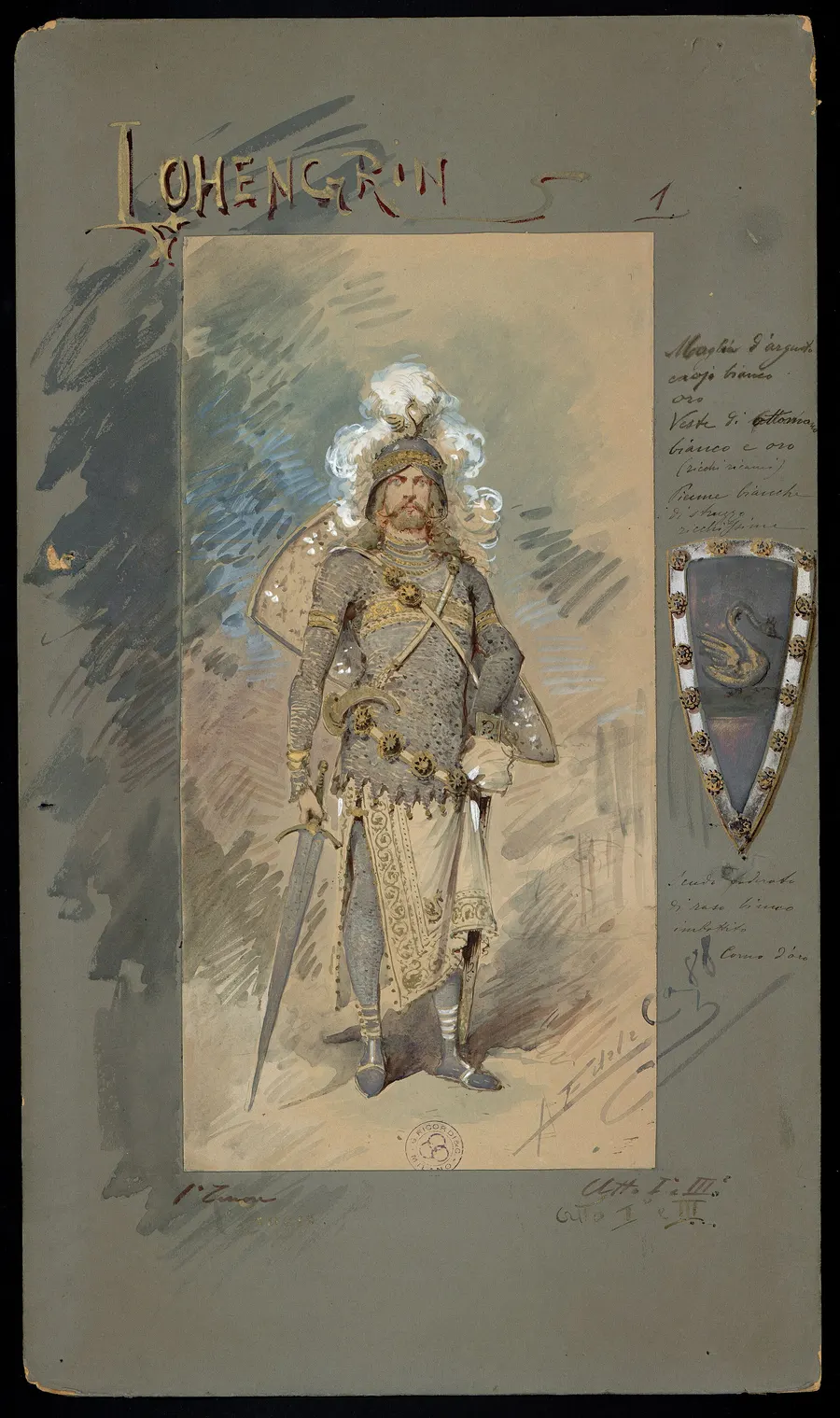
Alfredo Edel's costume design for the title role of Lohengrin, 1888, from the Ricordi historical archive
Alfredo Edel’s costume design for the title role of Lohengrin, 1888, from the Ricordi historical archive
Image creditAlfredo Edel Colorno · CC BY-SA 4.0Resized and cropped for display.

Wagner’s Lohengrin has its premiere in Weimar, with its composer in exile

Richard Wagner finished Lohengrin, his opera about a mysterious knight of the Holy Grail who arrives in a boat drawn by a swan to defend a wronged young noblewoman, in 1848 while he was conductor at the royal court in Dresden. But in May 1849 he joined the failed revolutionary rising in the city, and with a warrant out for his arrest he fled to Switzerland. His friend Franz Liszt, the court music director at Weimar, helped him escape and then took up the new opera.

Liszt conducted the first performance at the court theatre in Weimar on 28 August 1850, Goethe’s birthday. Wagner could not attend; he later recalled sitting in a hotel in Lucerne, following the performance in his mind by the clock. Lohengrin soon spread across Germany, became a favourite of the young King Ludwig II of Bavaria and gave the world the Bridal Chorus, ‘Here comes the bride’. Wagner himself did not hear the whole opera until 1861.

Read the full storyHistory & Timeline →Source: Deutsches Nationaltheater Weimar: Lohengrin ↗
✦
LIVES REMEMBERED

Remembered Today

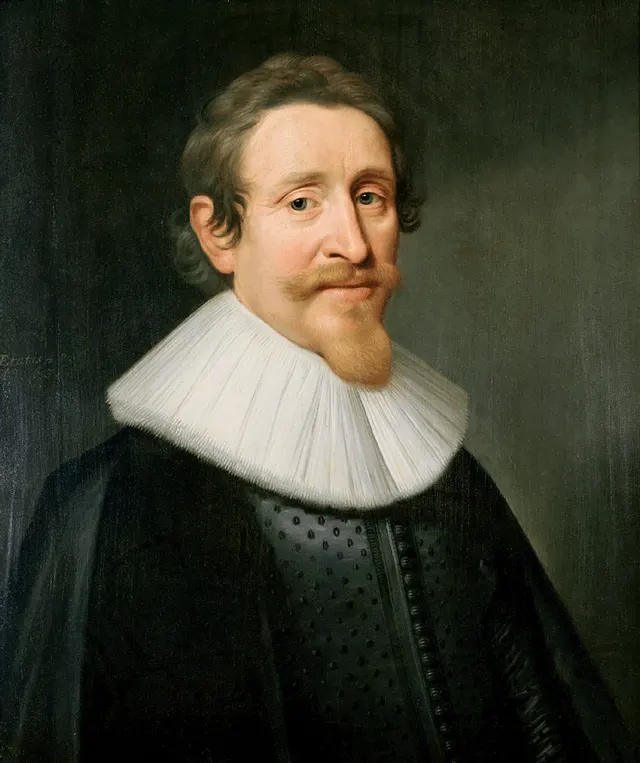
Hugo Grotius
Image creditMichiel Jansz. van Mierevelt · Public domainResized and cropped for display.

Hugo Grotius

Dutch jurist whose book On the Law of War and Peace laid foundations for international law, and who once escaped from prison hidden in a book chest.

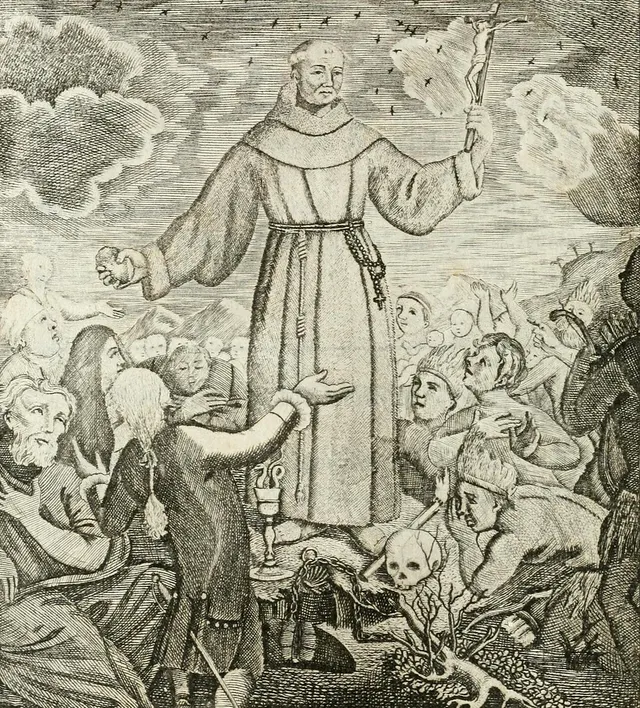
Junípero Serra
Image creditUnknown author · Public domainResized and cropped for display.

Junípero Serra

Spanish Franciscan friar who founded the first Spanish missions in California, a figure both canonised as a saint and criticised for the missions’ treatment of Native Californians.

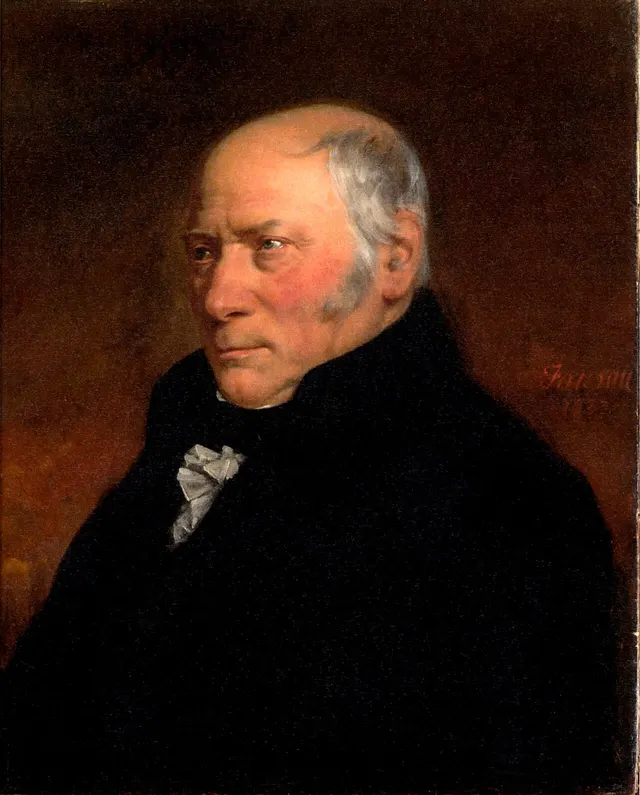
William Smith
Image creditHugues Fourau · Public domainResized and cropped for display.

William Smith

English surveyor whose 1815 geological map of England and Wales was the first of a whole country.

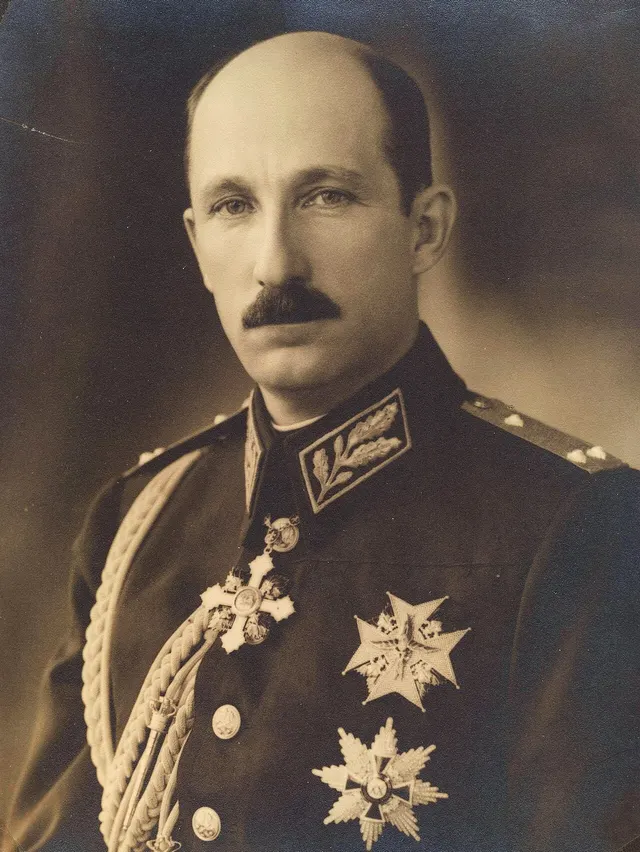
Boris III of Bulgaria
Image creditDimitar Karastoyanov · Public domainResized and cropped for display.

Boris III of Bulgaria

Tsar of Bulgaria from 1918 who took his country into the Second World War on Germany’s side and died suddenly after a meeting with Hitler.

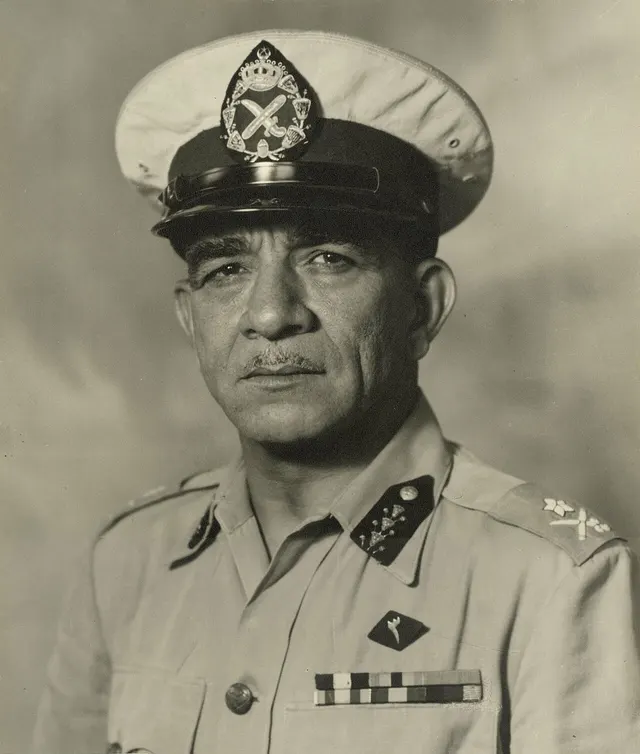
Mohamed Naguib
Image creditThe Egyptian Presidency · Public domainResized and cropped for display.

Mohamed Naguib

Egyptian general who led the 1952 revolution, became Egypt’s first president and was removed by Gamal Abdel Nasser in 1954.

☉
AROUND THE WORLD

Observances & Anniversaries

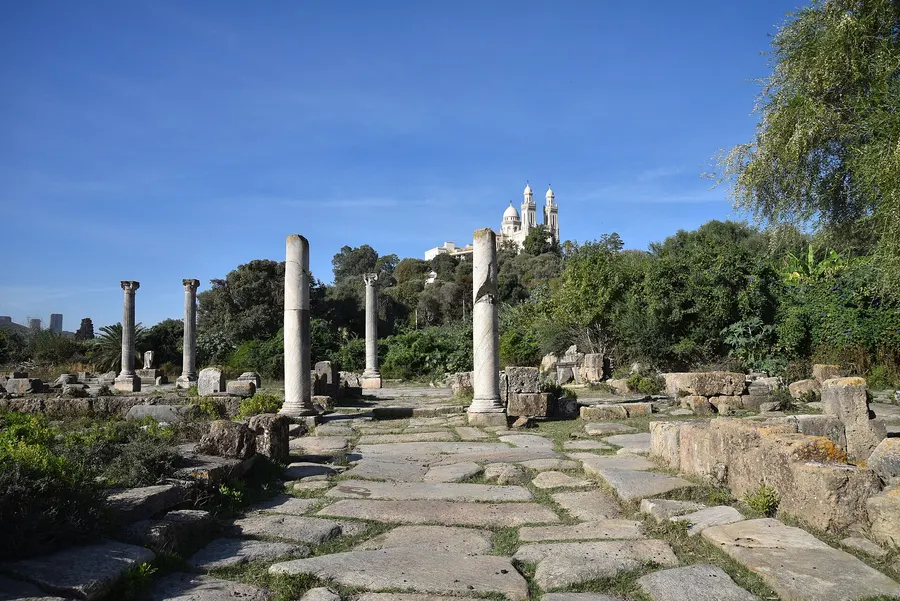
The ruins of Hippo Regius near Annaba in Algeria, the Roman city where Augustine was bishop
Image creditCarole Raddato · CC BY-SA 2.0Resized and cropped for display.

Feast of St Augustine of Hippo

Augustine was born in Roman North Africa in 354 and, after a restless youth that he later described in his Confessions, became a Christian in 386 and bishop of the port city of Hippo Regius, in today’s Algeria. His writings, above all the Confessions and The City of God, shaped Christian thought in the West for more than a thousand years.

He died at Hippo on 28 August 430, while the city was under siege by the Vandals, and the anniversary is kept as his feast day by the Catholic Church and many other churches. He is a patron saint of theologians, and religious orders and schools that bear his name mark the day around the world.

Source: Britannica: Saint Augustine ↗
HISTORY & TIMELINE

Finished the highlights?

Follow 28 August chronologically, from the Middle Ages to the modern day, with 12 verified events and the sources behind them.

This day through time →