
HISTORY & TIMELINE
28 August

A journey through
28 August in history

The story of 28 August runs from the flight of the emperor Julius Nepos from Ravenna in 475 to Mark Spitz’s first two gold medals at the Munich Olympics in 1972. In between come the Ottoman capture of Belgrade, Henry Hudson’s arrival in Delaware Bay, William Herschel’s discovery of Saturn’s moon Enceladus, royal assent for the Slavery Abolition Act, the premiere of Wagner’s Lohengrin in Weimar, the capture of the Zulu king Cetshwayo, the opening of the Peace Palace in The Hague, the birth of the Toyota Motor Company, Mao Zedong’s flight to Chongqing for talks with Chiang Kai-shek and the March on Washington.

I
EARLIEST RECORDS

Ancient & Early History

The earliest worthwhile records and events connected with this date.

475
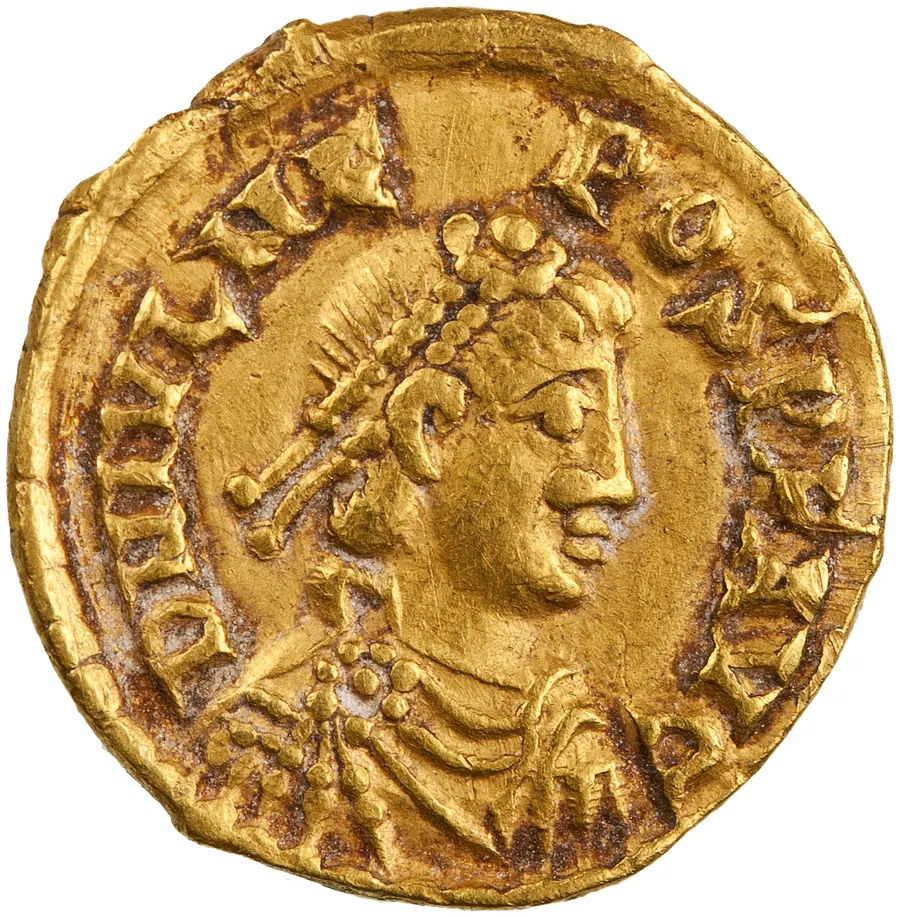
A gold tremissis of the emperor Julius Nepos, with his portrait and nameA gold tremissis of the emperor Julius Nepos, with his portrait and nameImage: ANS · CC0
politics · Europe

The Western Roman emperor Julius Nepos flees Ravenna

By the 470s the Western Roman Empire had shrunk to little more than Italy, and real power lay with the generals who commanded its largely Germanic armies. In 474 Julius Nepos, the ruler of Dalmatia on the eastern shore of the Adriatic, was sent to Italy with the backing of the Eastern emperor in Constantinople, deposed the emperor Glycerius and took the throne. He made Orestes, a Roman who had once served as secretary to Attila the Hun, his commander-in-chief and sent him with the army to Gaul. Orestes instead turned the army against his master. According to a contemporary chronicle, on 28 August 475 Orestes entered the imperial capital of Ravenna and Nepos fled across the sea to Dalmatia. Weeks later Orestes placed his own young son Romulus on the throne, mocked as ‘Augustulus’, the little emperor. In 476 the soldier Odoacer killed Orestes and deposed the boy, the moment usually taken as the end of the Western Empire, while Nepos went on claiming the title from Dalmatia until his murder in 480.

Source: De Imperatoribus Romanis (Loyola University Chicago): Romulus Augustulus ↗
III
A CHANGING WORLD

Early Modern Era

Exploration, political change, scientific development and expanding global connections.

1521
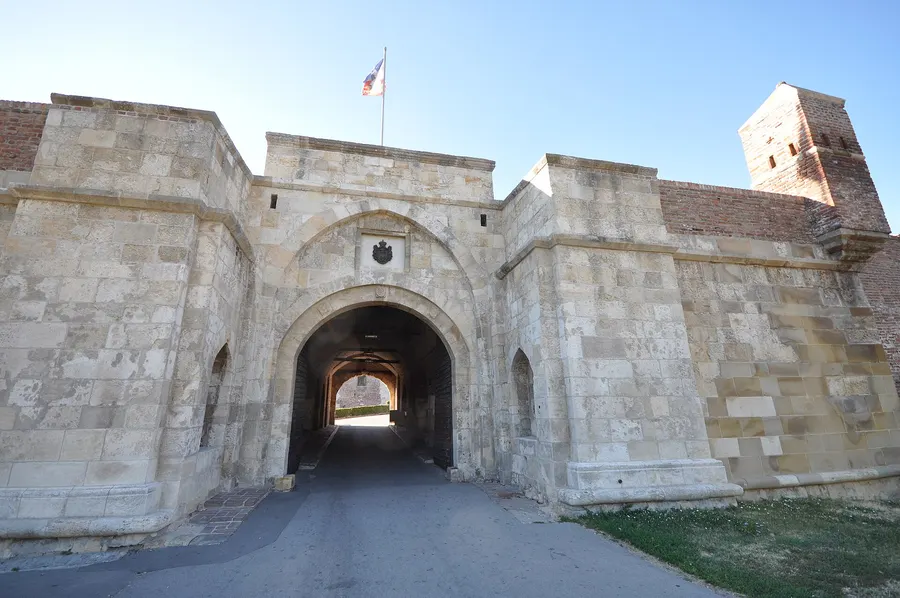
A gateway of the Belgrade Fortress, the stronghold above the meeting of the Sava and the Danube, much rebuilt since 1521A gateway of the Belgrade Fortress, the stronghold above the meeting of the Sava and the Danube, much rebuilt since 1521Image: Jorge Láscar from Melbourne, Australia · CC BY 2.0
world · Europe

Süleyman the Magnificent captures Belgrade

Belgrade, where the Sava River meets the Danube, was the great southern fortress of the Kingdom of Hungary and had held out against the Ottoman Empire for generations; in 1456 John Hunyadi had beaten back a huge siege led by Sultan Mehmed II. In 1520 the young Süleyman came to the Ottoman throne, and the next year he led his first campaign north against Hungary, whose king, Louis II, was a boy and whose nobles were divided. After a siege of several weeks, in which the walls were pounded by Ottoman guns, the small Hungarian garrison surrendered. The City of Belgrade dates the fall to 28 August 1521, though some accounts give 29 August. The loss opened the road into the heart of Hungary: five years later Süleyman destroyed the Hungarian army at Mohács. Belgrade remained in Ottoman hands, with interruptions, until the last Ottoman garrison left the fortress in 1867.

Source: City of Belgrade: History ↗
1609
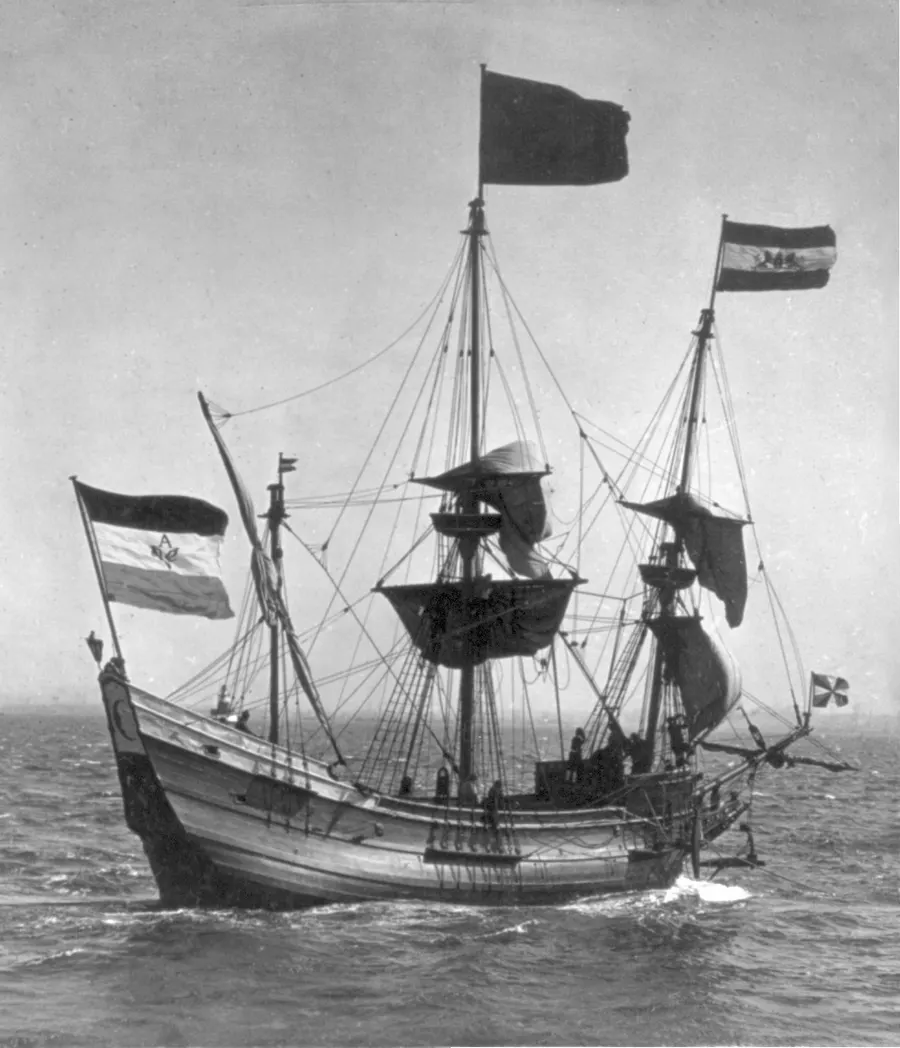
A replica of Henry Hudson's ship, the Halve Maen (Half Moon), under sail, in an early 20th-century stereo photographA replica of Henry Hudson’s ship, the Halve Maen (Half Moon), under sail, in an early 20th-century stereo photographImage: Stereo Travel Co. · Public domain

world · Americas

Henry Hudson sails into Delaware Bay

In 1609 the English navigator Henry Hudson was sailing for the Dutch East India Company in the small ship Halve Maen (Half Moon), searching for a passage to Asia. On 28 August 1609 he entered the broad bay later named after Delaware. Finding the waters shallow and full of shoals, he decided it could not be the way to the Pacific and turned north, and a few days later he reached the river that now bears his name. His voyage gave the Dutch their claim to New Netherland.

Source: New Netherland Institute: Half Moon at Delaware Bay ↗
1789
Saturn's moon Enceladus seen by NASA's Cassini spacecraft as it approached for a close flybySaturn’s moon Enceladus seen by NASA’s Cassini spacecraft as it approached for a close flybyImage: NASA / JPL · Public domain
science · Europe

William Herschel discovers Saturn’s moon Enceladus

William Herschel, the German-born musician turned astronomer who had found the planet Uranus in 1781, spent years building ever larger telescopes at his home near Windsor. In 1789 he finished the largest of them all, a reflector with a tube 40 feet (12 metres) long and a mirror about 1.2 metres across, the biggest telescope in the world at the time. On 28 August 1789, in one of its first observations, Herschel spotted a faint new moon close to Saturn, and a few weeks later he found another, Mimas. The first was later named Enceladus, after one of the Giants of Greek myth. For almost two centuries it was little more than a point of light, until spacecraft showed it to be one of the brightest bodies in the solar system. In 2005 NASA’s Cassini probe found jets of water ice shooting from cracks near its south pole, fed by a hidden ocean that makes Enceladus one of the most promising places to search for life beyond Earth.

Source: NASA Science: Enceladus ↗
IV
THE NINETEENTH CENTURY

The 1800s

Industry, empire, invention, reform and a century of enormous transformation.

1833
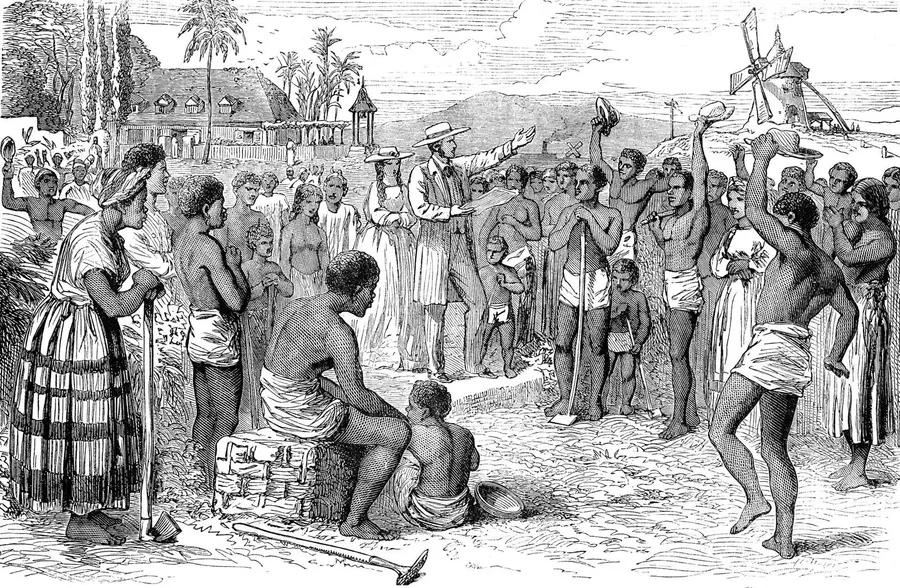
An engraving of enslaved people on a plantation in the British West Indies hearing the news of their emancipation under the Slavery Abolition ActAn engraving of enslaved people on a plantation in the British West Indies hearing the news of their emancipation under the Slavery Abolition ActImage: Unknown author · Public domain
world · Global

The Slavery Abolition Act becomes law across the British Empire

Britain had banned its slave trade in 1807, but slavery itself went on in its colonies, above all on the sugar plantations of the Caribbean. Through the 1820s campaigners filled Parliament with petitions, and in 1831 a great rising of enslaved people in Jamaica, the Baptist War, was crushed with great brutality. After the Reform Act of 1832 brought a new House of Commons, Lord Grey’s government brought in a bill to end slavery in most of the empire. The Slavery Abolition Act received royal assent on 28 August 1833. From 1 August 1834 slavery was abolished in the British Caribbean, the Cape Colony, Mauritius and Canada, though not in territories ruled by the East India Company, and more than 800,000 people were freed in law. Freedom came with hard conditions: those over six years old were bound as unpaid ‘apprentices’ for several more years, and the government paid £20 million in compensation to the slave owners, while the people who had been enslaved received nothing. Apprenticeship was ended early, in 1838.

Source: Britannica: Slavery Abolition Act ↗
1850
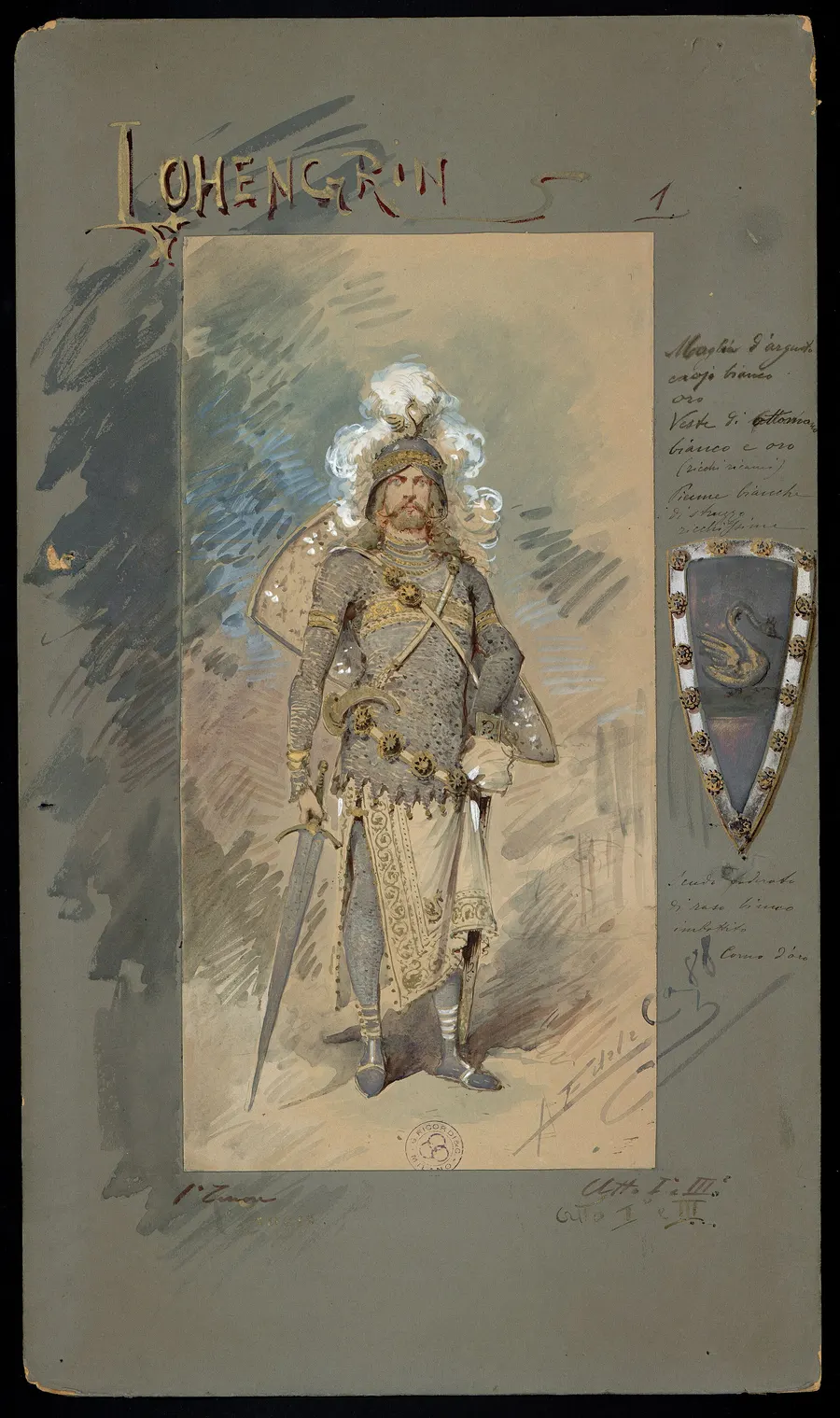
Alfredo Edel's costume design for the title role of Lohengrin, 1888, from the Ricordi historical archiveAlfredo Edel’s costume design for the title role of Lohengrin, 1888, from the Ricordi historical archiveImage: Alfredo Edel Colorno · CC BY-SA 4.0
culture · Europe

Wagner’s Lohengrin has its premiere in Weimar, with its composer in exile

Richard Wagner finished Lohengrin, his opera about a mysterious knight of the Holy Grail who arrives in a boat drawn by a swan to defend a wronged young noblewoman, in 1848 while he was conductor at the royal court in Dresden. But in May 1849 he joined the failed revolutionary rising in the city, and with a warrant out for his arrest he fled to Switzerland. His friend Franz Liszt, the court music director at Weimar, helped him escape and then took up the new opera. Liszt conducted the first performance at the court theatre in Weimar on 28 August 1850, Goethe’s birthday. Wagner could not attend; he later recalled sitting in a hotel in Lucerne, following the performance in his mind by the clock. Lohengrin soon spread across Germany, became a favourite of the young King Ludwig II of Bavaria and gave the world the Bridal Chorus, ‘Here comes the bride’. Wagner himself did not hear the whole opera until 1861.

Source: Deutsches Nationaltheater Weimar: Lohengrin ↗
1879
The Surrender of Cetewayo, an illustration by Henry Marriott Paget showing the Zulu king facing British cavalryThe Surrender of Cetewayo, an illustration by Henry Marriott Paget showing the Zulu king facing British cavalryImage: Henry Marriott Paget · Public domain
world · Africa

The Zulu king Cetshwayo is captured by British troops

Cetshwayo kaMpande had ruled the Zulu kingdom since 1872. When Britain invaded in January 1879, his army won a famous victory at Isandlwana, but in July the British burned his royal homestead at Ulundi and he took refuge in the countryside. On 28 August 1879 dragoons under Major Richard Marter captured him in the Ngome forest. He was taken into exile at the Cape and his kingdom was divided among appointed chiefs; he was briefly restored in 1883 and died in 1884.

Source: National Army Museum: The capture of Cetawayo, King of the Zulus, 28 August 1879 ↗
V
THE TWENTIETH CENTURY

The 1900s

War and peace, technological leaps, social change, politics, sport and popular culture.

1913
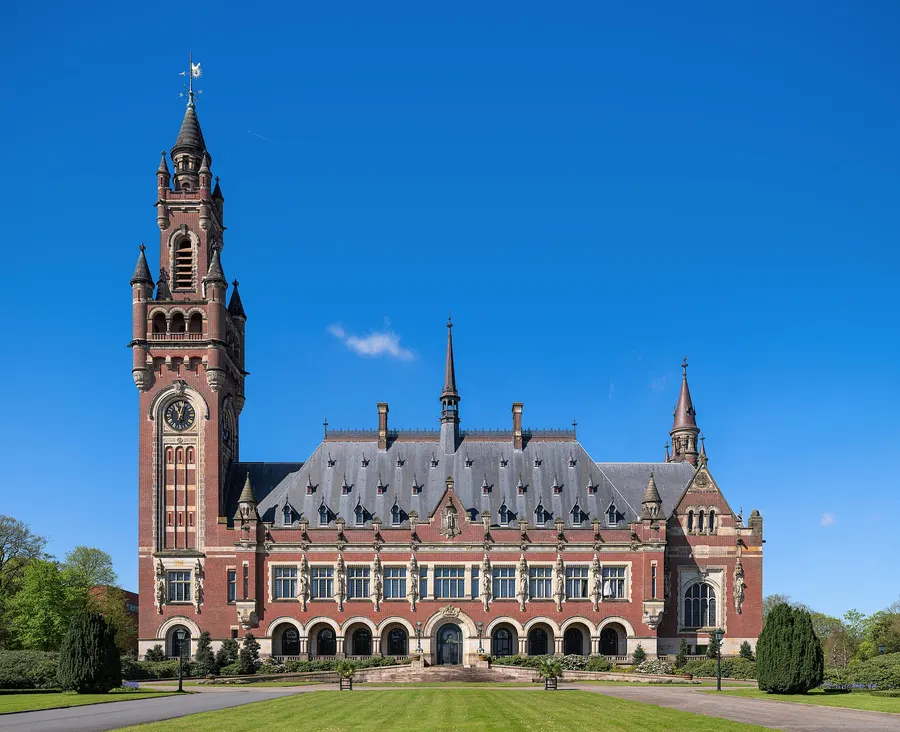
The Peace Palace in The Hague, home of the International Court of Justice and the Permanent Court of ArbitrationThe Peace Palace in The Hague, home of the International Court of Justice and the Permanent Court of ArbitrationImage: Thomas Wolf, www.foto-tw.de · CC BY-SA 3.0 de
world · Europe

The Peace Palace opens in The Hague

At the first Hague Peace Conference in 1899 the great powers agreed to set up a Permanent Court of Arbitration, where states could settle their quarrels by law rather than war. The court needed a home, and the Scottish-American industrialist Andrew Carnegie offered $1.5 million to build a ‘temple of peace’ for it, with a library of international law. The French architect Louis Cordonnier won the design competition, and governments around the world sent gifts of stone, wood, tapestries and art to furnish it. On 28 August 1913, in the presence of Queen Wilhelmina, the Dutch royal family and Carnegie himself, the keys of the Peace Palace were formally handed over amid music and the ringing of bells across the city. Within a year Europe was at war. Yet the building outlasted both world wars, and since 1946 it has been the seat of the United Nations’ International Court of Justice, alongside the Permanent Court of Arbitration, the Hague Academy of International Law and the Peace Palace Library.

Source: Peace Palace: History ↗
1937
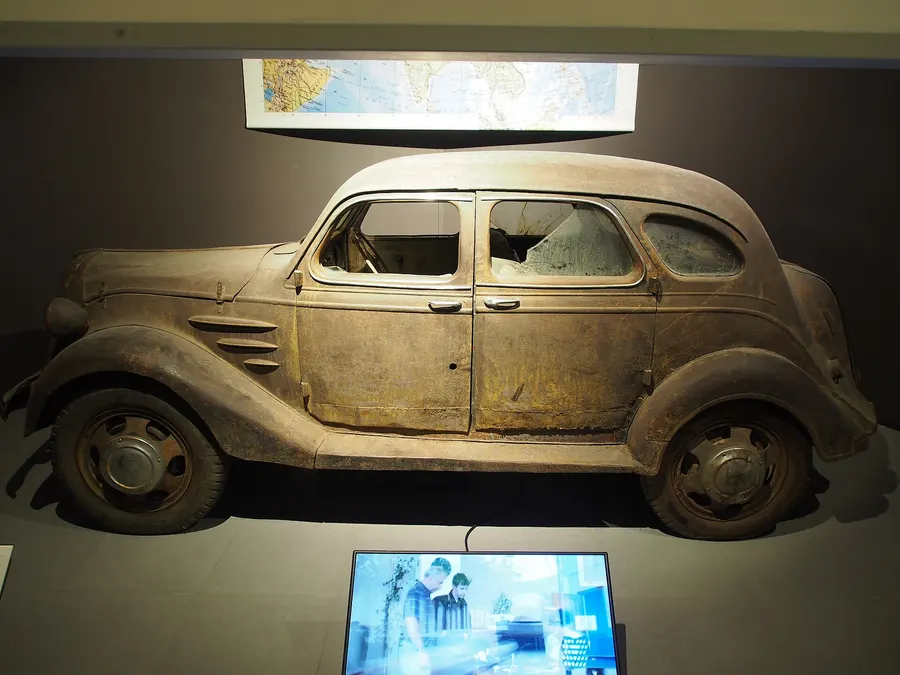
A 1936 Toyoda Model AA, the company's first passenger car, at the Louwman Museum in The HagueA 1936 Toyoda Model AA, the company’s first passenger car, at the Louwman Museum in The HagueImage: Alf van Beem · Public domain
world · Asia

The Toyota Motor Company is set up as an independent firm

Kiichiro Toyoda had started building cars inside his family’s firm, the Toyoda Automatic Loom Works, and its first passenger car, the Model AA, went on sale in 1936. The car department was then spun off as a company of its own: Toyota Motor Co. held its first shareholders’ meeting on 27 August 1937 and was registered the next day, 28 August. Toyota itself dates its founding to 3 November 1938, when its Koromo plant opened. The company grew into the world’s largest carmaker.

Source: Toyota Motor Corporation: 75 Years of Toyota, establishment of Toyota Motor Co. ↗
1945
Mao Zedong and Chiang Kai-shek raise their glasses to the victory over Japan in Chongqing in September 1945Mao Zedong and Chiang Kai-shek raise their glasses to the victory over Japan in Chongqing in September 1945Image: Unknown author · Public domain
politics · Asia

Mao Zedong flies to Chongqing for talks with Chiang Kai-shek

When Japan surrendered in August 1945, China’s Nationalist government and the Communist Party, bitter enemies before the war, faced each other across a divided country. Chiang Kai-shek invited Mao Zedong to talks, and on 28 August 1945 Mao flew from Yan’an to the wartime capital Chongqing, accompanied by the American ambassador Patrick Hurley. After six weeks the two sides announced agreement in principle on 10 October, but fighting soon resumed and grew into full civil war.

Source: US Office of the Historian: Foreign Relations of the United States, 1945, China, Zhou Enlai to Ambassador Hurley ↗
1963
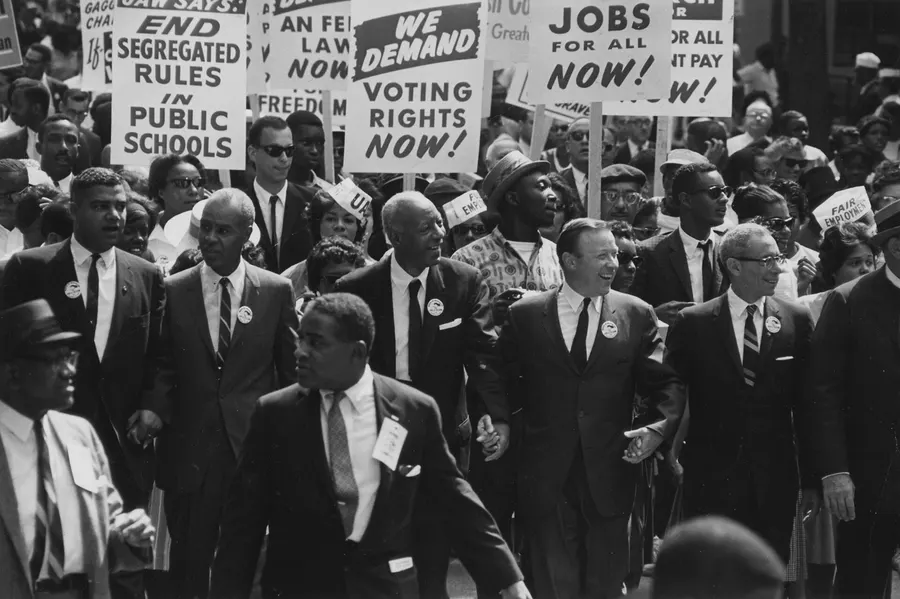
Leaders of the March on Washington walk from the Washington Monument towards the Lincoln Memorial on 28 August 1963, in a photograph held by the US National ArchivesLeaders of the March on Washington walk from the Washington Monument towards the Lincoln Memorial on 28 August 1963, in a photograph held by the US National ArchivesImage: Rowland Scherman · Public domain
world · Americas

Martin Luther King Jr. tells the March on Washington of his dream

A century after the Emancipation Proclamation, Black Americans in the South were still shut out of the vote, segregated in schools, shops and buses, and kept in the worst-paid jobs. In 1963 the veteran labour leader A. Philip Randolph and the organiser Bayard Rustin brought together the main civil rights groups, churches and trade unions to call for jobs and freedom at a great rally in the nation’s capital, as President Kennedy’s civil rights bill sat before Congress. On 28 August 1963 about 250,000 people, Black and white, gathered at the Washington Monument and walked along the National Mall to the Lincoln Memorial. It was one of the largest demonstrations the United States had ever seen, and it passed off peacefully. Near the end of the day Martin Luther King Jr. left his prepared text and spoke of his dream that his children would one day ‘not be judged by the colour of their skin but by the content of their character’. The march helped build the pressure that brought the Civil Rights Act of 1964 and the Voting Rights Act of 1965.

Source: US National Park Service: March on Washington for Jobs and Freedom ↗
1972
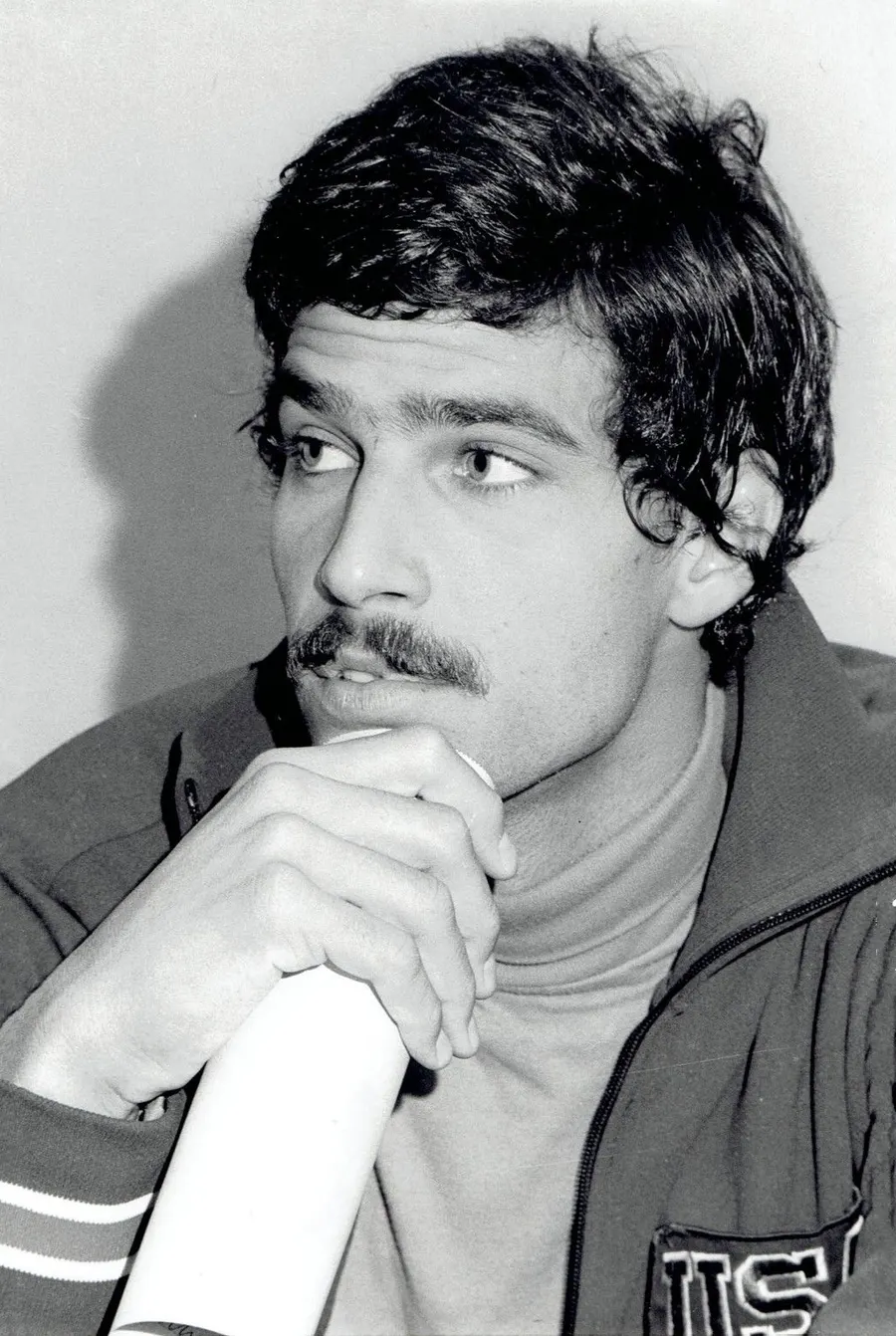
Mark Spitz at a press conference during the 1972 Olympic Games in MunichMark Spitz at a press conference during the 1972 Olympic Games in MunichImage: UPI · Public domain
sport · Europe

Mark Spitz wins the first two of his seven Munich golds

At the 1968 Olympics in Mexico City the American swimmer Mark Spitz had boasted that he would win six gold medals and came home with two, both in relays. He trained for four more years at Indiana University and arrived at the 1972 Games in Munich as the world record holder in several events, entered in seven: four individual races and three relays. On 28 August 1972, the first day of the swimming finals, Spitz won the 200 metres butterfly in a world record time and then swam the final leg as the United States set another world record in the 4 x 100 metres freestyle relay. Over the next eight days he won five more, and all seven of his golds came in world record times. No one won as many gold medals at a single Games until Michael Phelps took eight in Beijing in 2008.

Source: Olympics.com: Munich 1972 swimming results ↗
RESEARCH

Sources & Further Reading

Selected authoritative references supporting the events on this page.

WHY THESE MOMENTS?

Significance before volume

This page is not the longest possible list of events. It is a chronological journey through 28 August, where each entry is chosen for historical significance, human interest and reliability.

Facts are checked against authoritative museums, archives, universities and reference works. Where sources disagree, the page says so.

EXPLORED THE DEEPER STORY?

Return to the highlights of 28 August

Discover the lighter side of the date with famous birthdays, culture, firsts and lives remembered.

Explore This Day →
← PREVIOUS DAY27 August
HISTORY & TIMELINE28 August
NEXT DAY →29 August