Explore 1 September

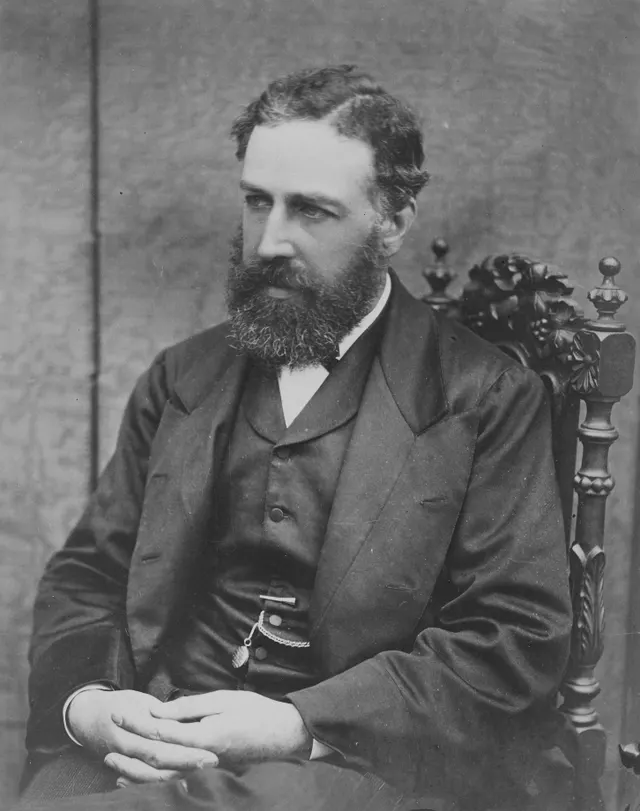
Explore 1 September: Germany invades Poland and the Second World War begins in Europe, the Great Kantō earthquake devastates Tokyo and Yokohama, a young officer named Muammar Gaddafi seizes power in Libya, and the wreck of the Titanic is found on the floor of the Atlantic. Born today: Tarsila do Amaral, Rocky Marciano and Annie Ernaux.

This day through time →12 verified events across 3 eras

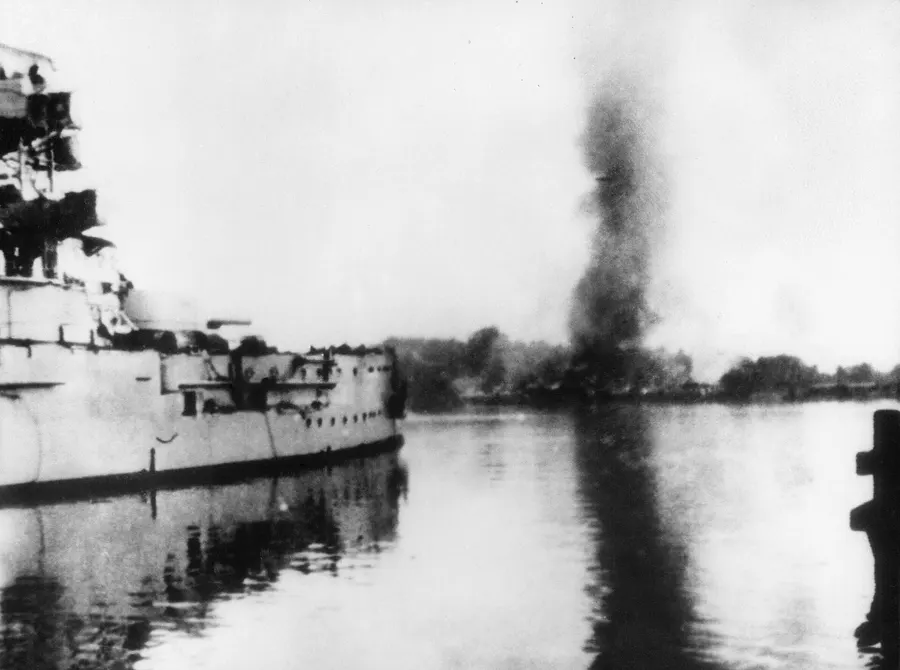
The German battleship Schleswig-Holstein fires on the Polish military depot at Westerplatte, Danzig, at the start of the invasion of Poland in September 1939
Image creditAssociated Press photographer · Public domainResized and cropped for display.

Germany invades Poland and the Second World War begins in Europe

Through 1938 and 1939 Adolf Hitler had taken Austria, the Sudetenland and then the rest of Czechoslovakia without a fight. His next demand was for the Free City of Danzig and a route across the Polish Corridor to East Prussia. Poland refused, and Britain and France promised to stand by it. On 23 August 1939 Germany and the Soviet Union signed a pact of non-aggression whose secret protocol divided eastern Europe between them, leaving Poland exposed on both sides.

Before dawn on 1 September 1939, after staged ‘Polish attacks’ on the German border, about 1.5 million German troops crossed into Poland from the west, north and south, while the old battleship Schleswig-Holstein opened fire on the small Polish garrison at Westerplatte in Danzig. Bombers struck Polish airfields, railways and towns. Britain and France declared war on Germany two days later, and on 17 September the Soviet Union invaded from the east. Warsaw surrendered at the end of the month, and Poland began more than five years of occupation in which millions of its citizens, among them almost all of its Jews, were killed.

Read the full storyHistory & Timeline →Source: United States Holocaust Memorial Museum: Invasion of Poland, Fall 1939 ↗
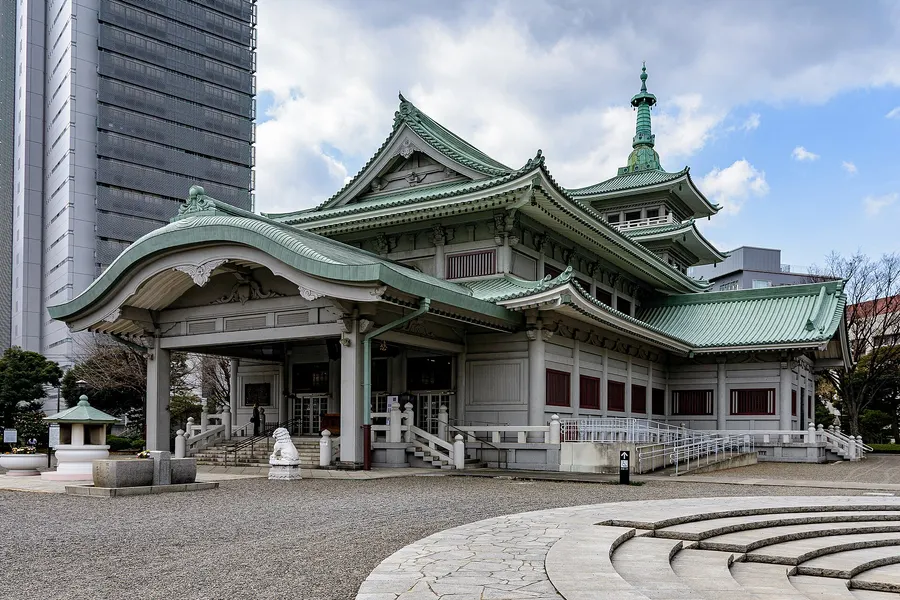
The Tokyo Metropolitan Memorial Hall in Yokoamichō Park, Sumida, built in memory of the victims of the 1923 earthquake
Image creditLcsschiller · CC BY-SA 4.0Resized and cropped for display.

The Great Kantō earthquake devastates Tokyo and Yokohama

By the 1920s Tokyo and the nearby port of Yokohama formed one of the largest urban areas in the world, crowded with wooden houses built close together. Japan sits where several plates of the Earth’s crust meet, and the region around Sagami Bay, south-west of the capital, had been shaken by great earthquakes before.

At 11:58 am on 1 September 1923 an earthquake of about magnitude 7.9 struck beneath Sagami Bay. Buildings collapsed across the Kantō plain, a tsunami swept the coast, and because many households were cooking lunch on charcoal stoves, fires broke out everywhere and, driven by strong winds, burned for two days. Estimates of the dead range from about 105,000 to more than 140,000. In the chaos that followed, rumours led vigilantes to murder thousands of Korean residents. Tokyo was rebuilt with wider streets, parks and fire-resistant buildings, and 1 September is kept in Japan as Disaster Prevention Day.

Read the full storyHistory & Timeline →Source: Britannica: Tokyo-Yokohama earthquake of 1923 ↗
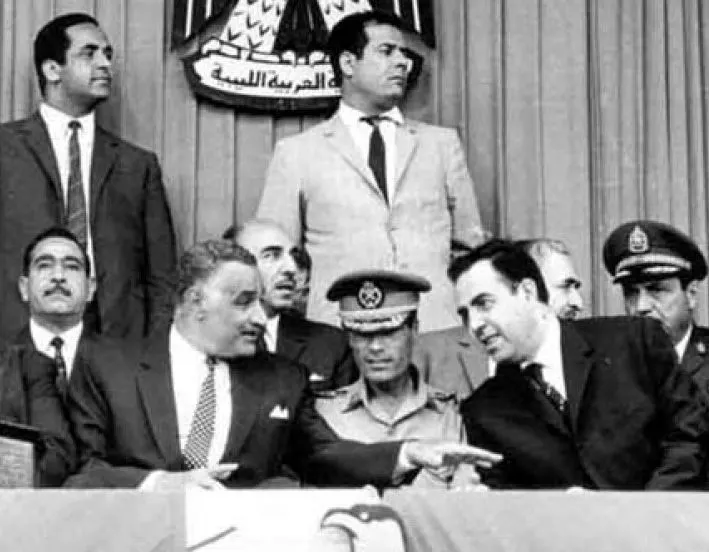
Gamal Abdel Nasser of Egypt, Muammar Gaddafi and Nureddin al-Atassi of Syria at an Arab summit in Libya in 1969, shortly after the revolution
Image creditUnknown · Public domainResized and cropped for display.

A bloodless coup in Libya brings Muammar Gaddafi to power

Libya won its independence in 1951 as a kingdom under Idris I, the leader of the Sanusi religious order. The discovery of oil at the end of the 1950s made the poor desert country suddenly rich, but many younger army officers and townspeople resented the old king’s conservative rule, the foreign military bases on Libyan soil and his failure to stand with the Arab states during the war with Israel in 1967.

On 1 September 1969, while Idris was in Turkey for medical treatment, a group of junior officers led by the 27-year-old Captain Muammar Gaddafi seized the government without bloodshed and proclaimed the Libyan Arab Republic. Gaddafi became chairman of the Revolutionary Command Council and commander of the armed forces. The king went into exile in Egypt, where he died in 1983. Gaddafi ruled Libya for 42 years, until he was overthrown and killed during the uprising of 2011.

Read the full storyHistory & Timeline →Source: Britannica: Muammar al-Qaddafi ↗
♙
PEOPLE

Born Today

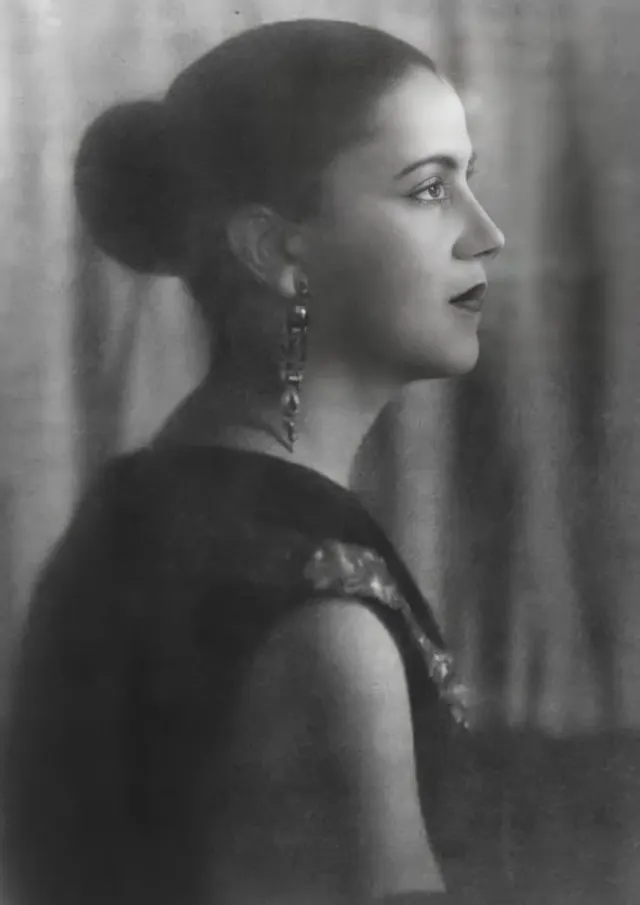
Tarsila do Amaral
Image creditUnknown · Public domainResized and cropped for display.

Tarsila do Amaral

Brazilian painter whose bold, colourful Abaporu became the emblem of Brazilian modernism.

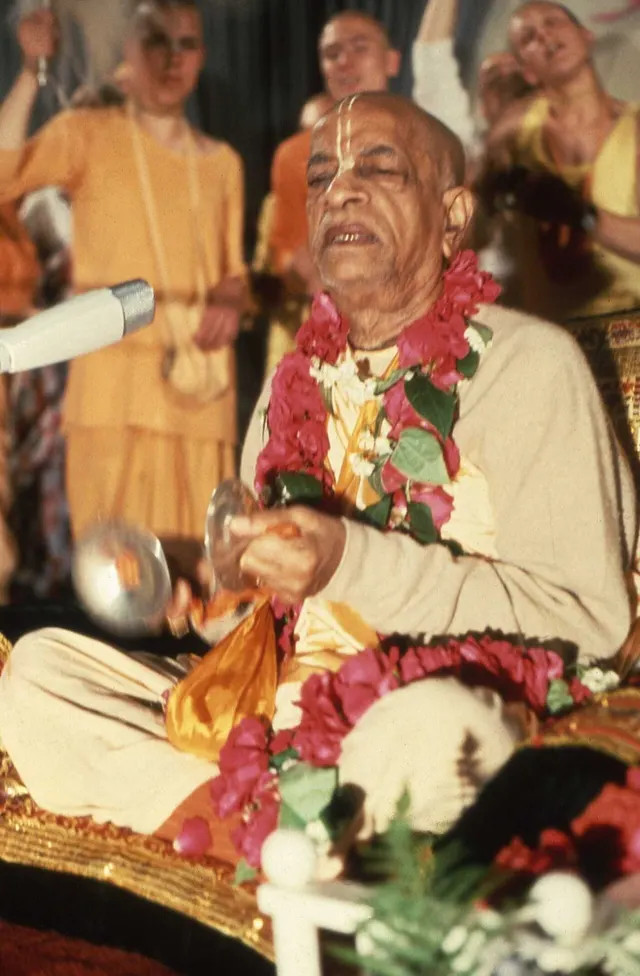
A. C. Bhaktivedanta Swami Prabhupada
Image creditChristian Jansen · CC BY 3.0Resized and cropped for display.

A. C. Bhaktivedanta Swami Prabhupada

Indian religious teacher who founded the International Society for Krishna Consciousness, the Hare Krishna movement, in New York in 1966.

Rocky Marciano
Image creditAssociated Press · Public domainResized and cropped for display.

Rocky Marciano

American boxer who was world heavyweight champion from 1952 to 1956 and retired unbeaten after 49 professional fights.

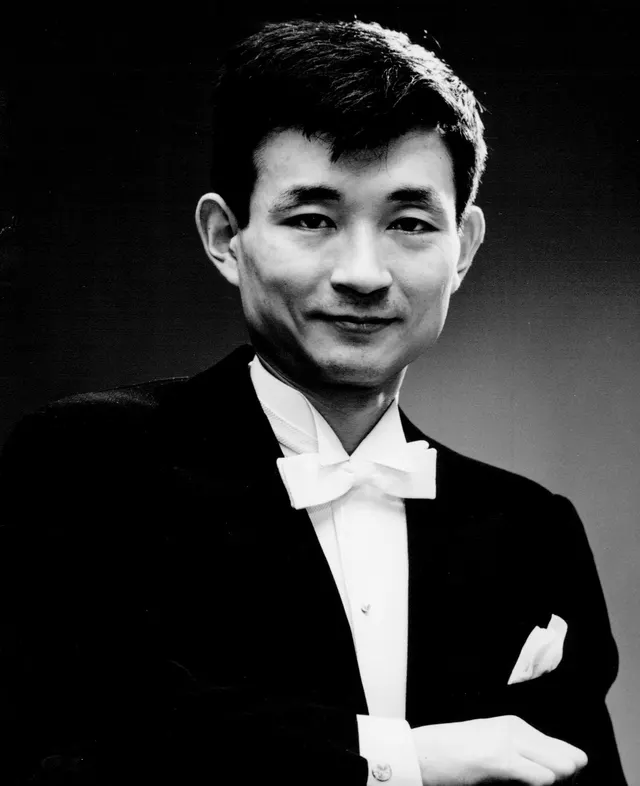
Seiji Ozawa
Image creditPhoto by Don Hunstein, New York · Public domainResized and cropped for display.

Seiji Ozawa

Japanese conductor who led the Boston Symphony Orchestra for 29 years and became one of the first Asian conductors of world fame.

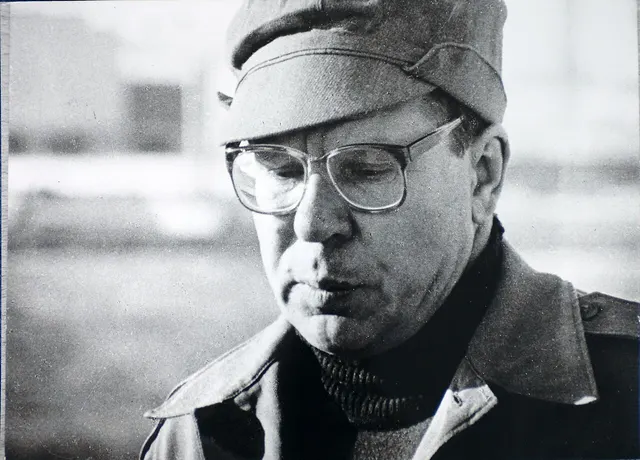
Valery Legasov
Image creditIAEA Imagebank · CC BY-SA 2.0Resized and cropped for display.

Valery Legasov

Soviet chemist who led the scientific response to the Chernobyl disaster and presented its causes to the world in Vienna in 1986.

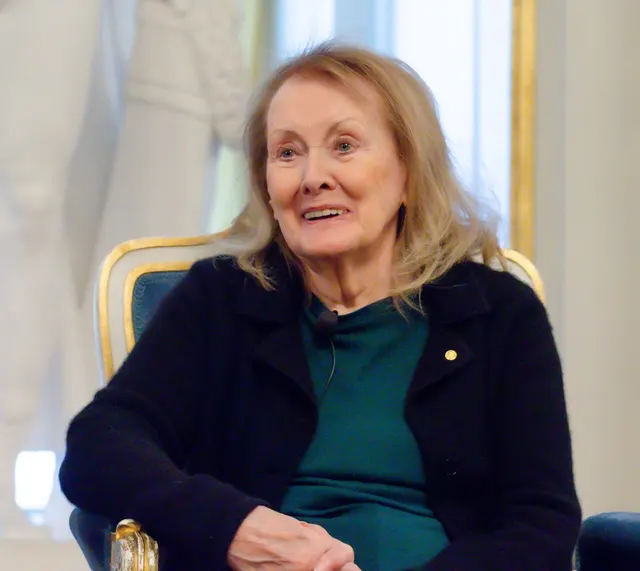
Annie Ernaux
Image creditFrankie Fouganthin · CC BY-SA 4.0Resized and cropped for display.

Annie Ernaux

French writer whose books drawn from her own life and memory won her the Nobel Prize in Literature in 2022.

Gloria Estefan
Image creditU.S. State Department · Public domainResized and cropped for display.

Gloria Estefan

Cuban-American singer who, with Miami Sound Machine, brought Latin pop to a world audience with hits such as Conga.

◉
IDEAS THAT CHANGED THINGS

Firsts, Science & Discoveries

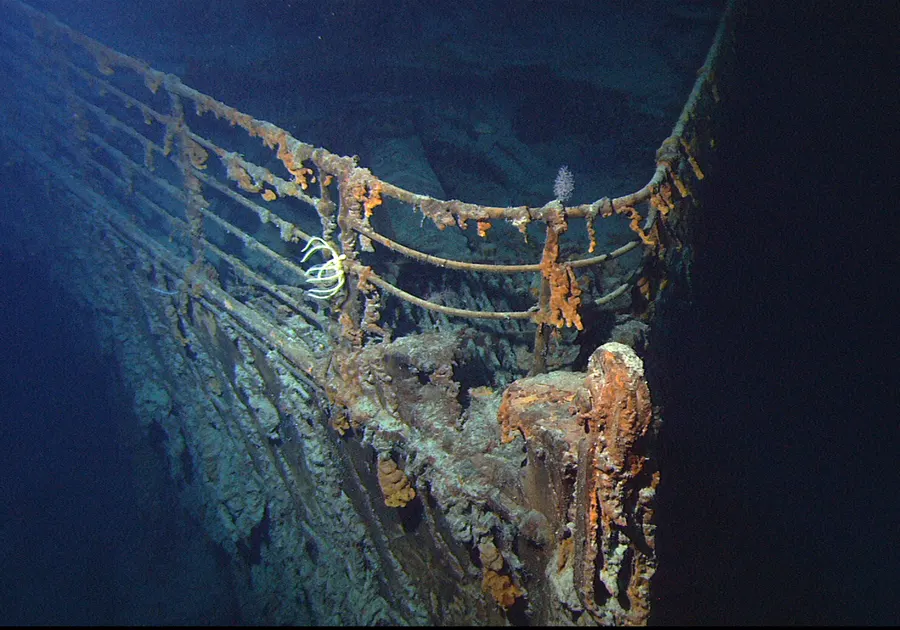
The bow of the RMS Titanic on the floor of the North Atlantic, photographed by the remotely operated vehicle Hercules in June 2004
Image creditNOAA / Institute for Exploration / University of Rhode Island · Public domainResized and cropped for display.

The wreck of the Titanic is found on the floor of the Atlantic

For more than seventy years after the Titanic sank in April 1912, no one knew exactly where it lay. It had gone down in water about 3,800 metres deep, far beyond the reach of divers, and earlier searches had failed. In the summer of 1985 a joint expedition of the French institute IFREMER, led by Jean-Louis Michel, and the Woods Hole Oceanographic Institution in Massachusetts, led by Robert Ballard, set out to find it.

Rather than hunt for the hull, the team towed a new camera sled called Argo just above the sea floor, looking for the long trail of debris the ship would have scattered as it sank. Just after 1 am on 1 September 1985 the cameras showed one of the Titanic’s boilers. The wreck lay in two main pieces about 350 nautical miles off Newfoundland. Ballard returned in 1986 with the submersible Alvin, and the discovery opened a new age of deep-sea exploration and of debate about how the wreck should be protected.

Read the full storyHistory & Timeline →Source: Woods Hole Oceanographic Institution: 1985 discovery of RMS Titanic ↗
☆
SPORTING HISTORY

Sporting Moments

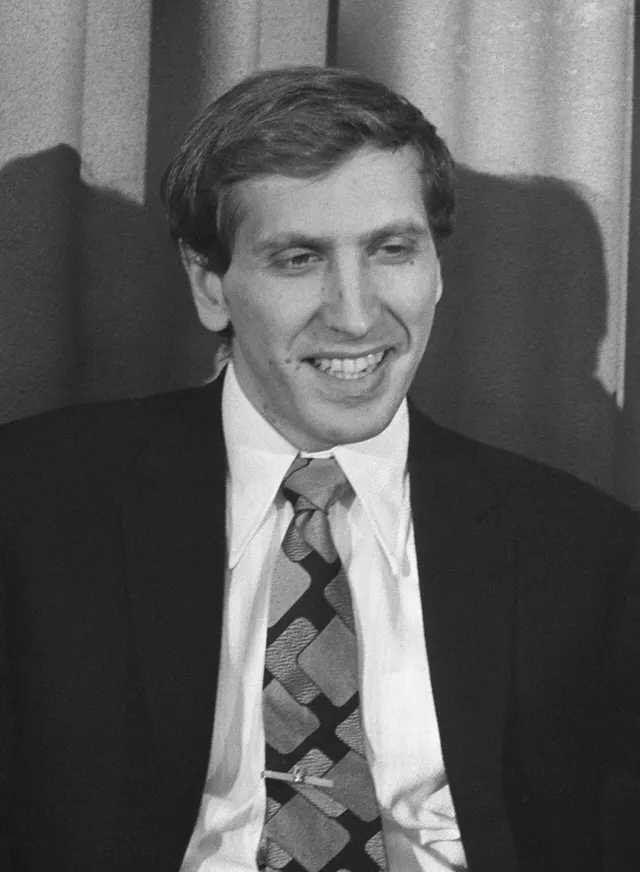
Bobby Fischer in 1972, the year he won the world chess championship in Reykjavik
Image creditBert Verhoeff for Anefo · CC0Resized and cropped for display.

Bobby Fischer becomes world chess champion in Reykjavik

Soviet players had held the world chess championship without a break since 1948, and the American Bobby Fischer, brilliant and difficult, set out to end their reign. He crushed his challengers in 1971 and in July 1972 met the Soviet champion Boris Spassky in Reykjavik, Iceland, for a match of 24 games, followed around the world as a Cold War contest. Fischer nearly wrecked it before it began, arriving late, losing the first game and forfeiting the second over complaints about the cameras.

He then took control, winning the third game and several more. The 21st game was adjourned on 31 August with Spassky in a lost position, and on 1 September 1972, instead of resuming play, Spassky telephoned the arbiter to resign. Fischer won the match 12½ to 8½ and became the first American-born world champion. He never played another official game: in 1975 he gave up the title rather than defend it on terms he would not accept.

Read the full storyHistory & Timeline →Source: US Chess Center: The lessons and legacy from Bobby Fischer’s 1972 world championship win ↗
♫
MUSIC • FILM • BOOKS • CULTURE

Culture Stories

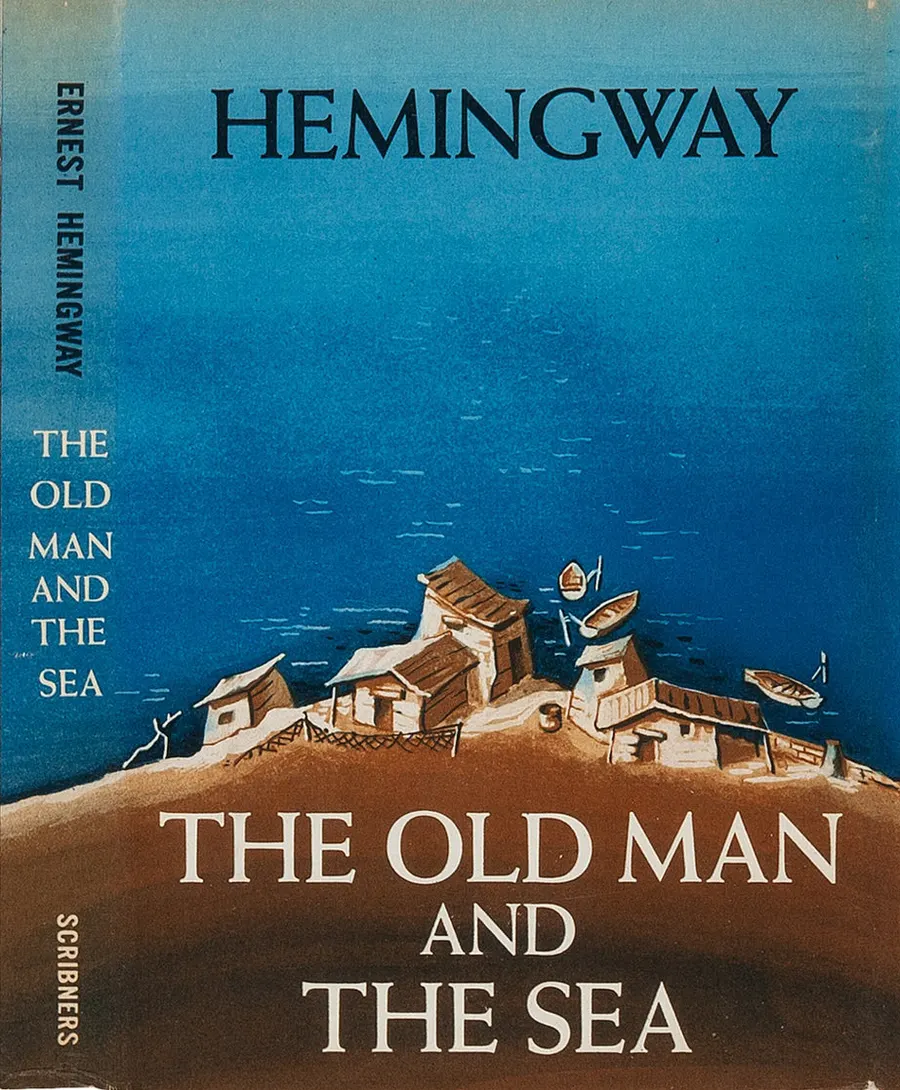
The dust jacket of the first edition of Ernest Hemingway's The Old Man and the Sea, published in 1952
The dust jacket of the first edition of Ernest Hemingway’s The Old Man and the Sea, published in 1952
Image creditCharles Scribner's Sons (jacket); photo via Heritage Auctions · Public domainResized and cropped for display.

Life magazine prints Hemingway’s The Old Man and the Sea in a single issue

By 1950 Ernest Hemingway’s reputation was at a low. His novel Across the River and Into the Trees had been mocked by many critics, and some said he was finished. At his home near Havana he wrote a short novel about Santiago, an old Cuban fisherman who has gone 84 days without a catch and then hooks a giant marlin far out in the Gulf Stream, only to see sharks strip it to the bone on the way home.

Life magazine bought the story and on 1 September 1952 published the whole book in one issue, the first time it had ever printed a complete book. More than five million copies sold within two days, and the book edition followed a week later. The Old Man and the Sea won the Pulitzer Prize for Fiction in 1953, and it was singled out when Hemingway was awarded the Nobel Prize in Literature in 1954.

Read the full storyHistory & Timeline →Source: JFK Presidential Library: Mary Welsh Hemingway, life with Ernest (1944-1953) ↗
✦
LIVES REMEMBERED

Remembered Today

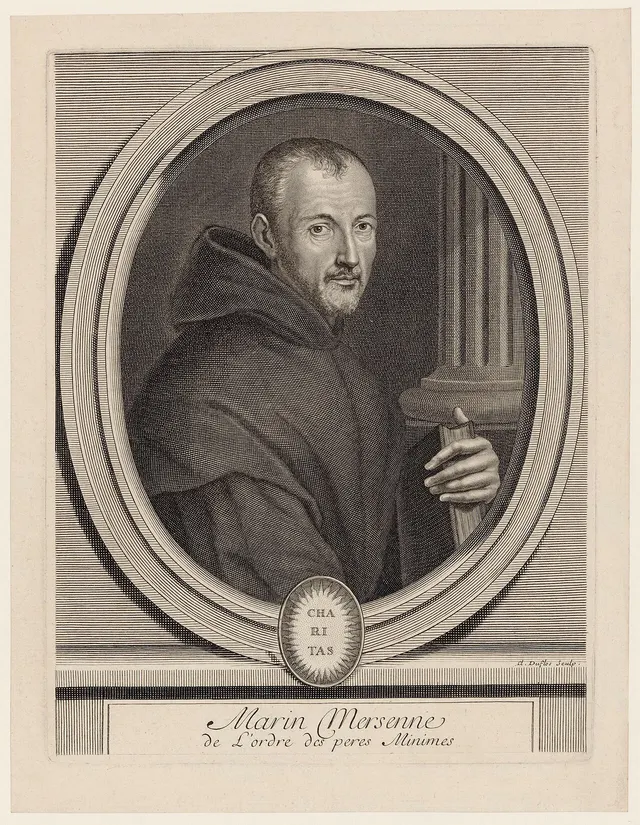
Marin Mersenne
Image creditClaude Duflos · Public domainResized and cropped for display.

Marin Mersenne

French friar and mathematician who studied sound and prime numbers and linked the scientists of Europe through his letters.

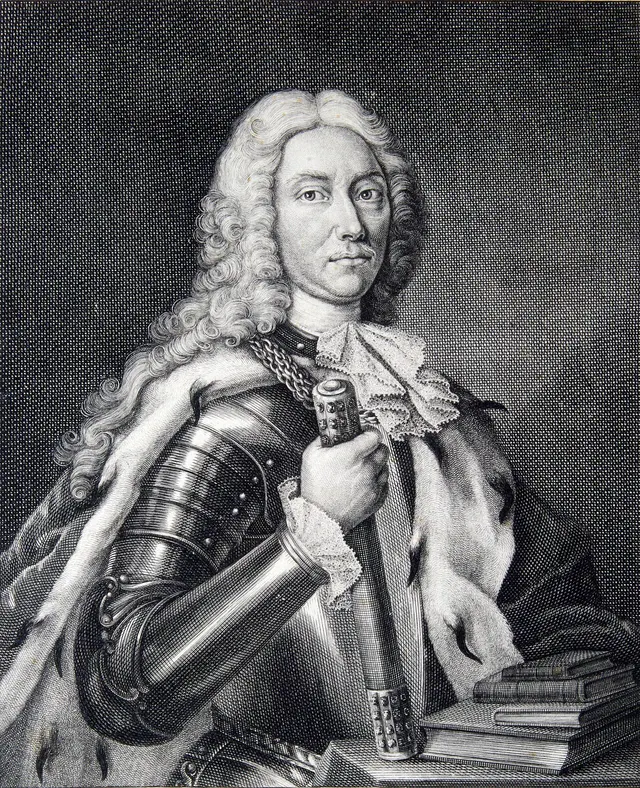
Dimitrie Cantemir
Image creditUnknown · Public domainResized and cropped for display.

Dimitrie Cantemir

Prince of Moldavia and scholar whose history of the Ottoman Empire and description of Moldavia were read across Europe.

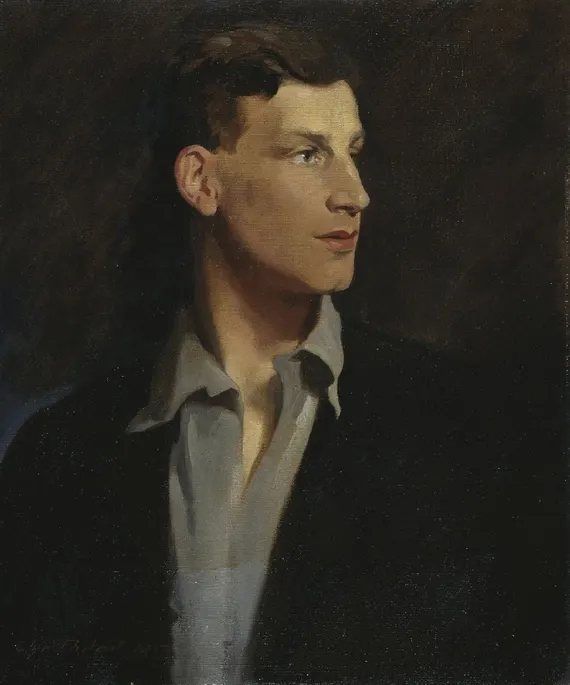
Siegfried Sassoon
Image creditGlyn Warren Philpot · Public domainResized and cropped for display.

Siegfried Sassoon

English poet whose angry, unsparing verse about the trenches made him one of the great voices of the First World War.

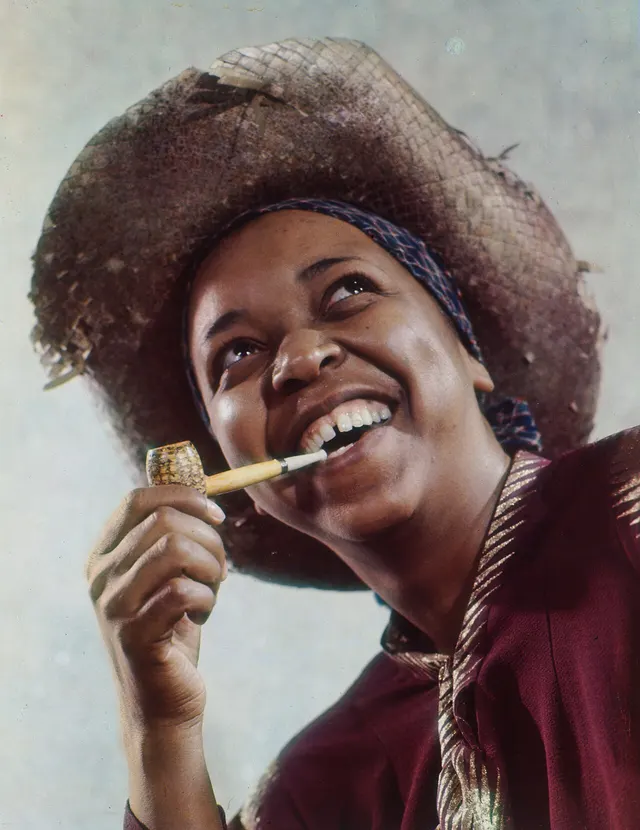
Ethel Waters
Image creditHarry Warnecke / Robert F. Cranston · CC0Resized and cropped for display.

Ethel Waters

American singer and actress who introduced the song Stormy Weather and was nominated for an Academy Award for her role in the film Pinky.

☉
AROUND THE WORLD

Observances & Anniversaries

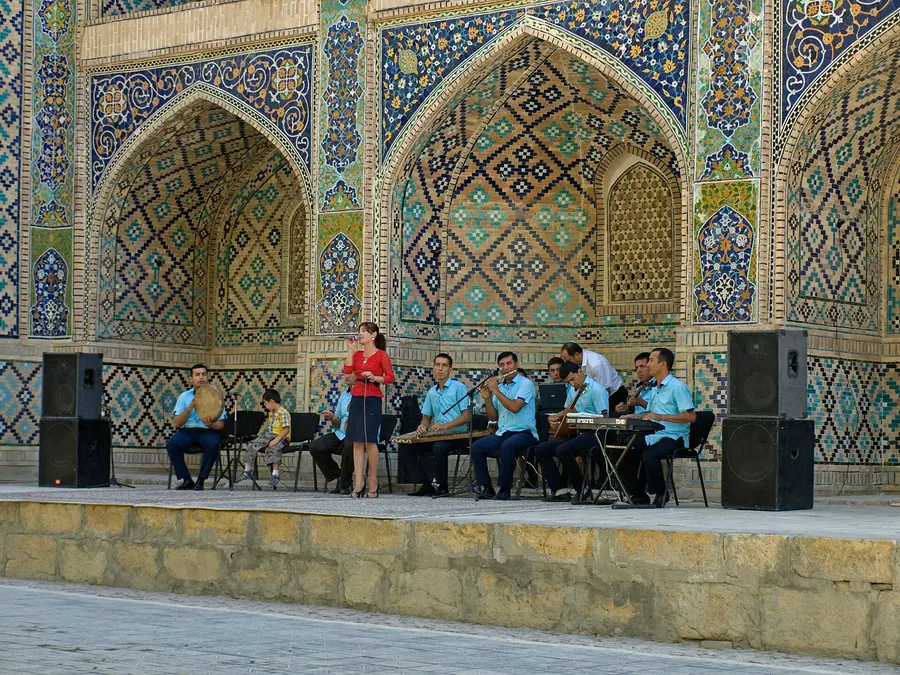
A music performance for Independence Day outside the Nadir Divanbegi madrasa in Bukhara on 1 September 2015
Image creditYmblanter · CC BY-SA 4.0Resized and cropped for display.

Independence Day in Uzbekistan

Uzbekistan, home to the ancient Silk Road cities of Samarkand, Bukhara and Khiva, was part of the Soviet Union from the 1920s. As the Union broke apart after the failed coup in Moscow in August 1991, Uzbekistan’s Supreme Soviet declared the republic independent on 31 August 1991.

The following day, 1 September, was named Independence Day, and it is the country’s main national holiday, marked with concerts, celebrations and fireworks in Tashkent and across the country.

Source: Permanent Mission of Uzbekistan to the United Nations: Country facts ↗
HISTORY & TIMELINE

Finished the highlights?

Follow 1 September chronologically, from the Middle Ages to the modern day, with 12 verified events and the sources behind them.

This day through time →