
1057
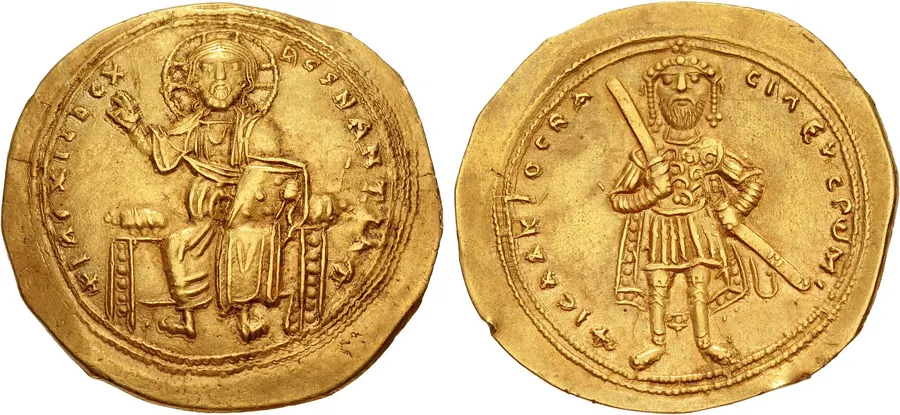 Both sides of a gold histamenon of Isaac I Komnenos, struck at Constantinople in 1057-1059: Christ enthroned, and the emperor standing with a drawn swordImage: CNG · CC BY-SA 2.5
politics · Europe
Isaac I Komnenos is crowned Byzantine emperor
In 1057 the army commanders of Asia Minor, angered by the elderly emperor Michael VI, proclaimed the general Isaac Komnenos emperor and marched on Constantinople. After Isaac’s forces won a battle near Nicaea in August, Michael gave up the throne on 31 August, and on 1 September 1057 Isaac was crowned. He tried to restore the empire’s finances and army, but resigned two years later and became a monk; his nephew Alexios I later founded the long Komnenian dynasty.
Source: Dumbarton Oaks: Isaakios I Komnenos (1057-1059) ↗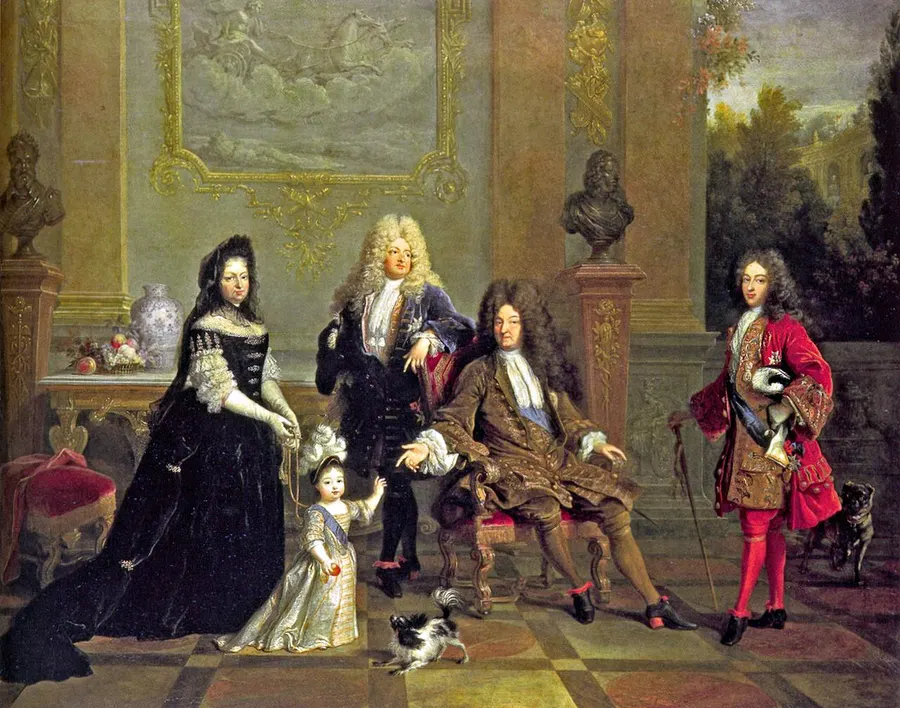 Louis XIV and his heirs, a portrait attributed to Nicolas de Largillière: the young future Louis XV stands beside his governessImage:
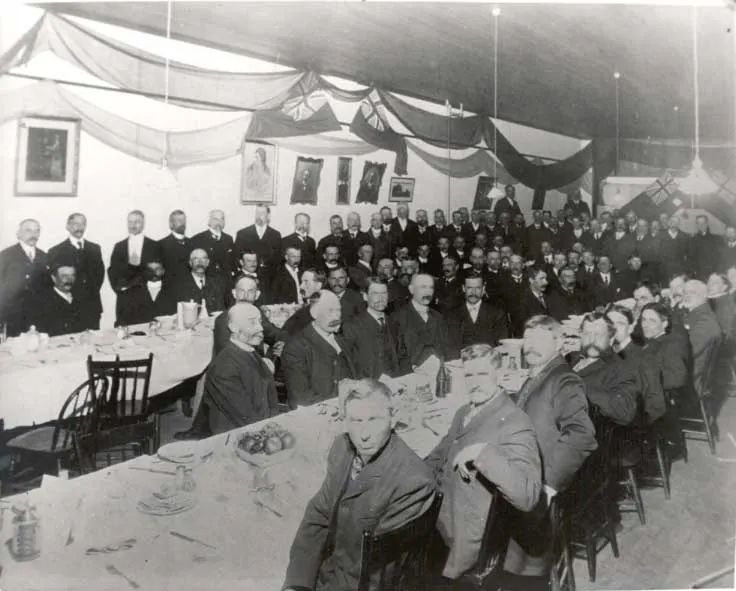 A banquet in Regina’s town hall celebrating the inauguration of Saskatchewan as a province in 1905Image:
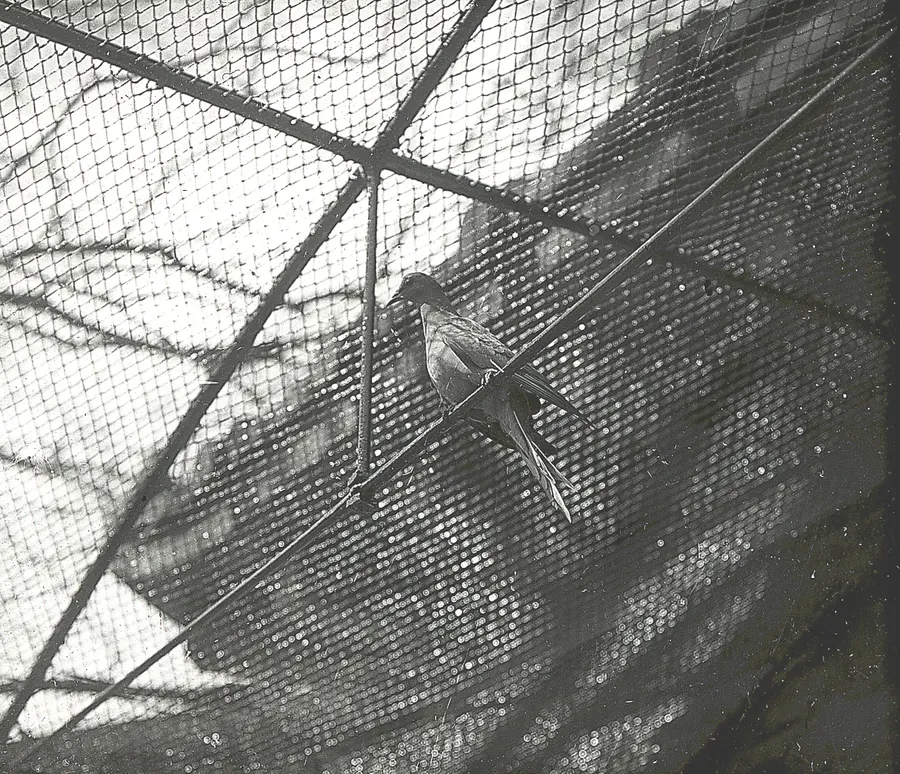 Martha, the last passenger pigeon, photographed alive at the Cincinnati ZooImage:
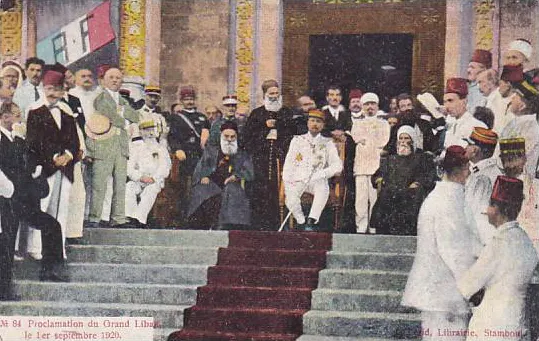 General Henri Gouraud proclaims the State of Greater Lebanon in Beirut on 1 September 1920Image:
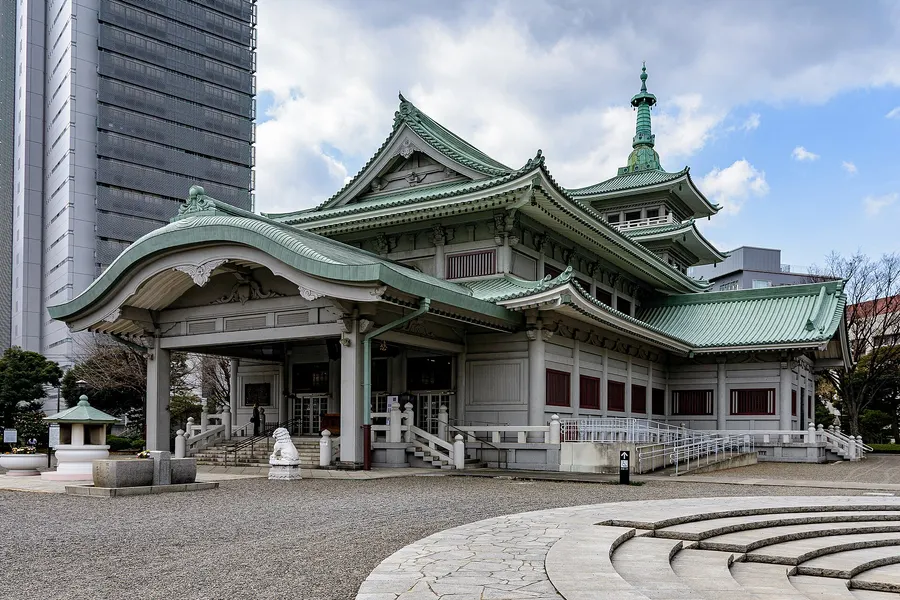 The Tokyo Metropolitan Memorial Hall in Yokoamichō Park, Sumida, built in memory of the victims of the 1923 earthquakeImage:
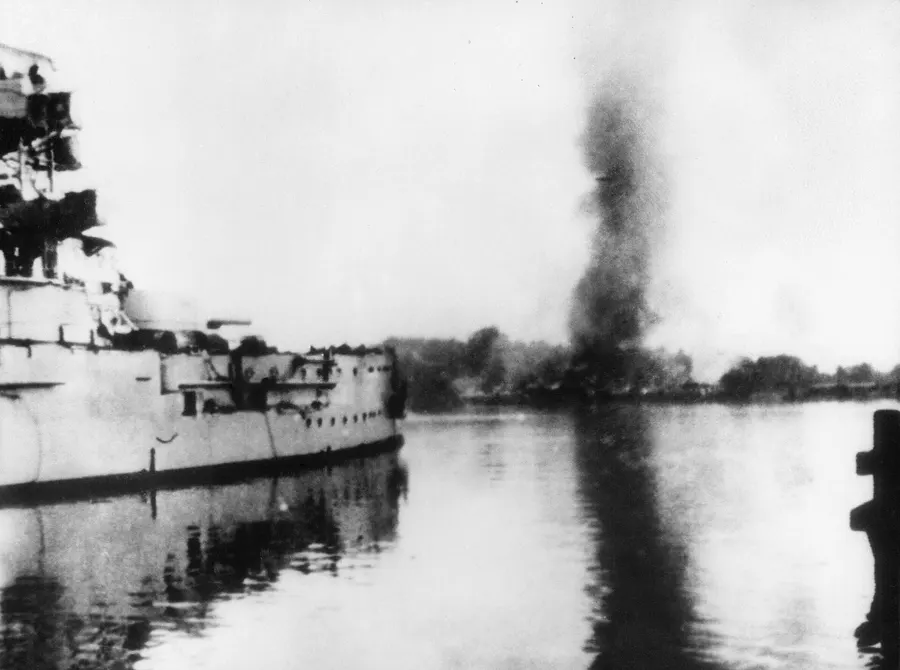 The German battleship Schleswig-Holstein fires on the Polish military depot at Westerplatte, Danzig, at the start of the invasion of Poland in September 1939Image:
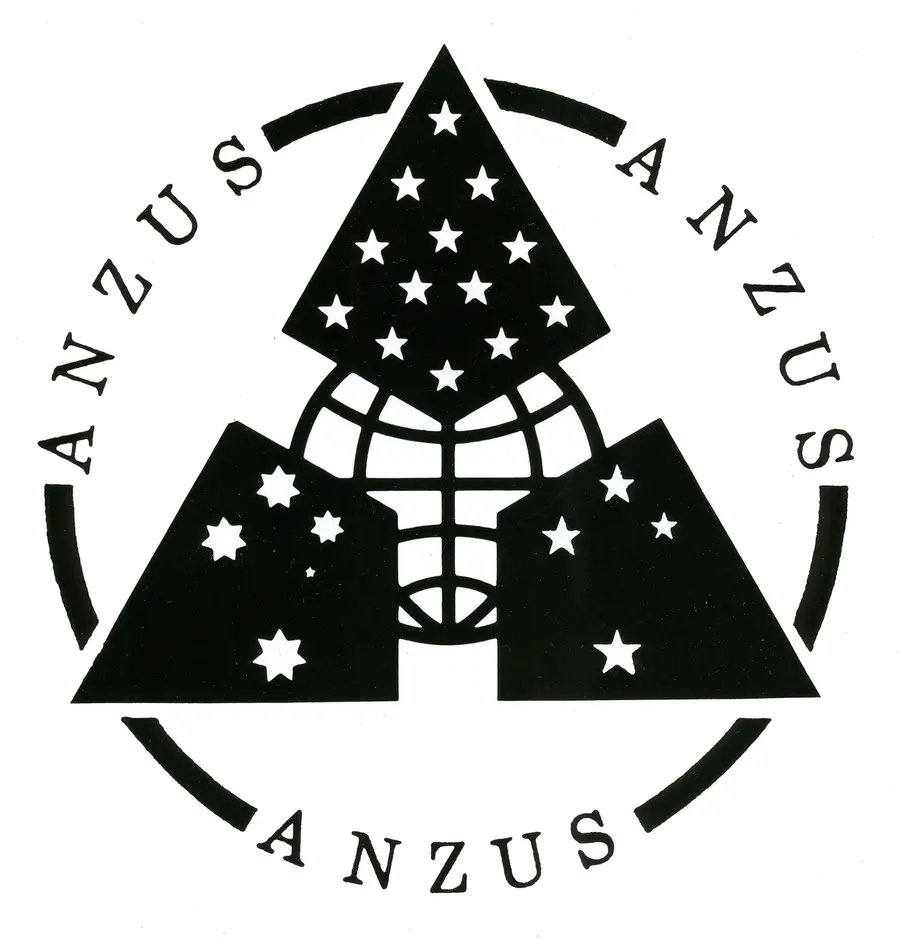 The emblem of the ANZUS alliance between Australia, New Zealand and the United StatesImage:
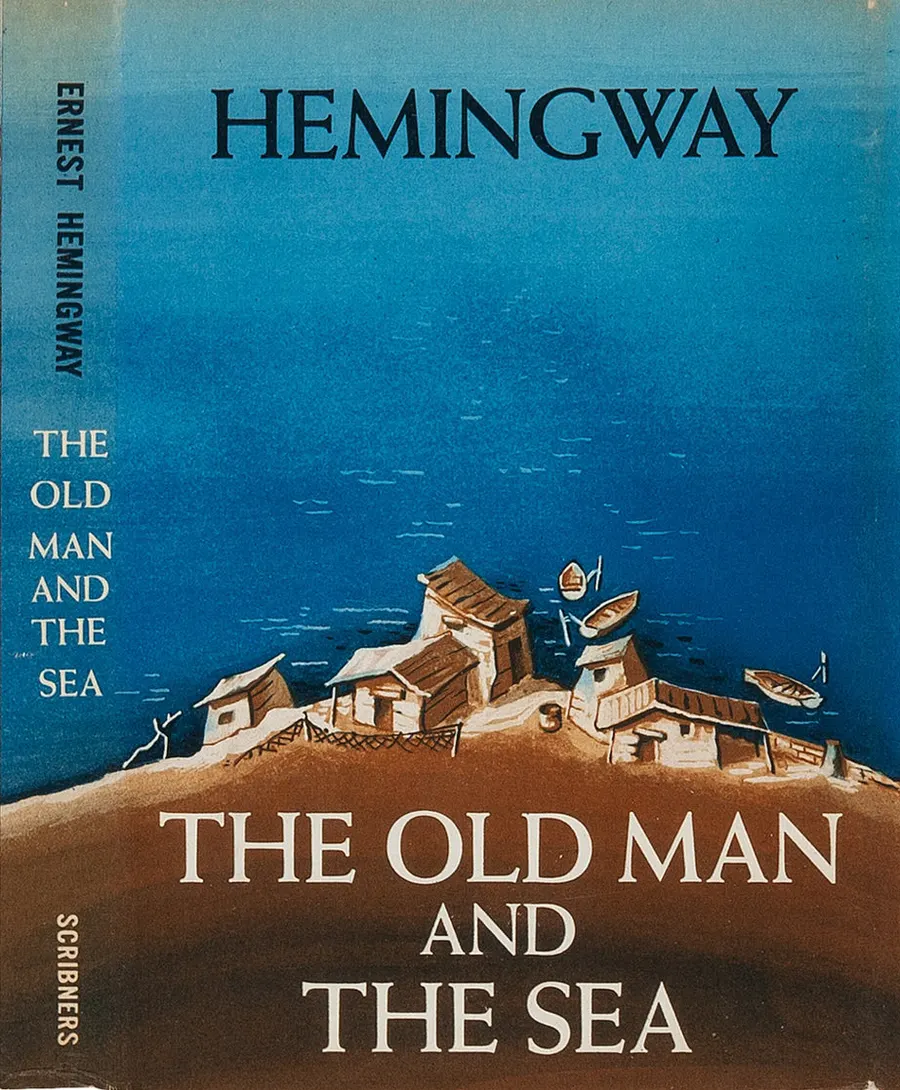 The dust jacket of the first edition of Ernest Hemingway’s The Old Man and the Sea, published in 1952Image:
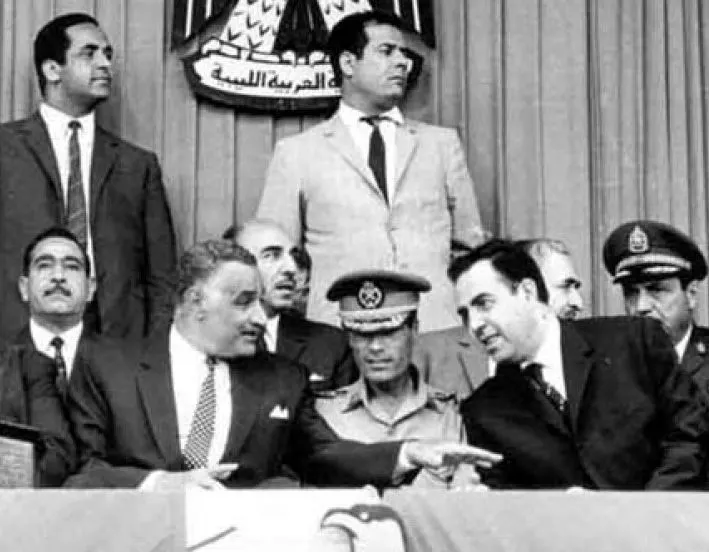 Gamal Abdel Nasser of Egypt, Muammar Gaddafi and Nureddin al-Atassi of Syria at an Arab summit in Libya in 1969, shortly after the revolutionImage:
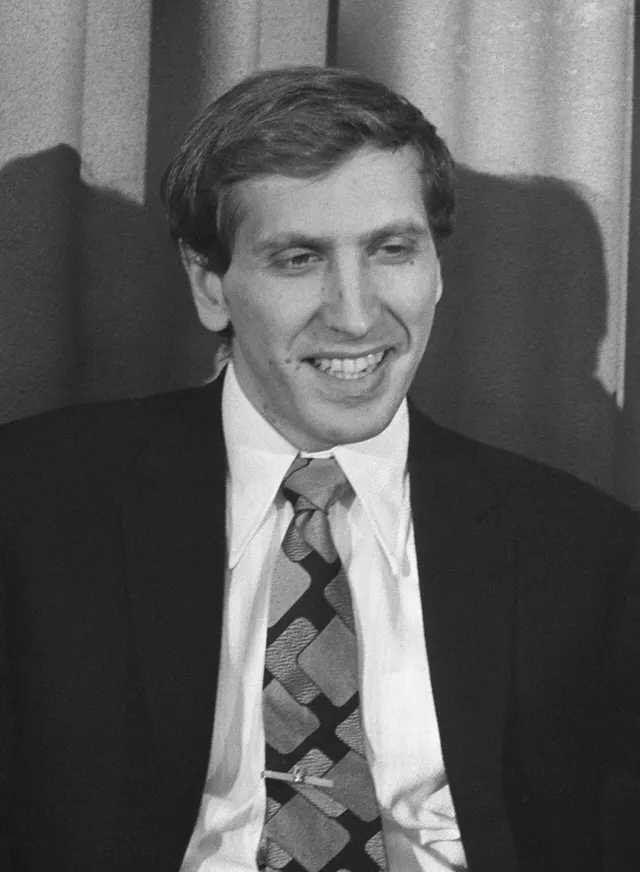 Bobby Fischer in 1972, the year he won the world chess championship in ReykjavikImage:
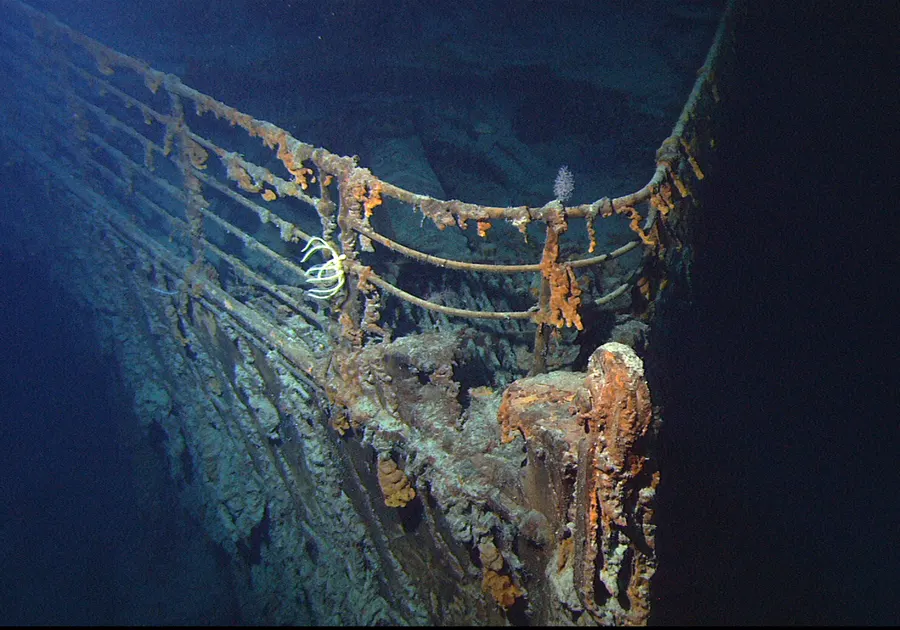 The bow of the RMS Titanic on the floor of the North Atlantic, photographed by the remotely operated vehicle Hercules in June 2004Image: