Explore 20 August

Explore 20 August: Warsaw Pact tanks roll into Czechoslovakia to end the Prague Spring, Senegal walks out of the Mali Federation, Arab armies break Byzantine power at the Yarmuk, Sun Yat-sen’s revolutionary league is founded in Tokyo and Burke and Wills set out from Melbourne. Born today: Bernardo O’Higgins, Eero Saarinen and Robert Plant.

This day through time →13 verified events across 4 eras

Burning barricades and Soviet tanks in Czechoslovakia on 21 August 1968, in a photograph held by the US National Archives
Image creditUnknown photographer (US National Archives) · Public domainResized and cropped for display.

Warsaw Pact tanks roll into Czechoslovakia to end the Prague Spring

In January 1968 Alexander Dubček became leader of Czechoslovakia’s Communist Party and began a programme he called ‘socialism with a human face’. Censorship was eased, newspapers and radio spoke freely, and citizens debated reforms that had been unthinkable a few months earlier. In Moscow and in neighbouring Communist capitals, leaders who remembered Hungary in 1956 feared that the ‘Prague Spring’ would spread and loosen their grip on Eastern Europe.

On the night of 20 to 21 August 1968 some 200,000 troops of the Soviet Union, Poland, Hungary and Bulgaria, with a token East German presence, crossed the border under the cover of Warsaw Pact exercises. They seized Prague, the main cities and the radio and transport links within hours. Czechoslovaks met the tanks with argument, painted slogans and switched-round road signs rather than armed resistance, but 137 people are thought to have been killed. Dubček was flown to Moscow and forced to reverse his reforms, and Soviet troops stayed in the country until 1991.

Read the full storyHistory & Timeline →Source: US Office of the Historian: Soviet invasion of Czechoslovakia, 1968 ↗
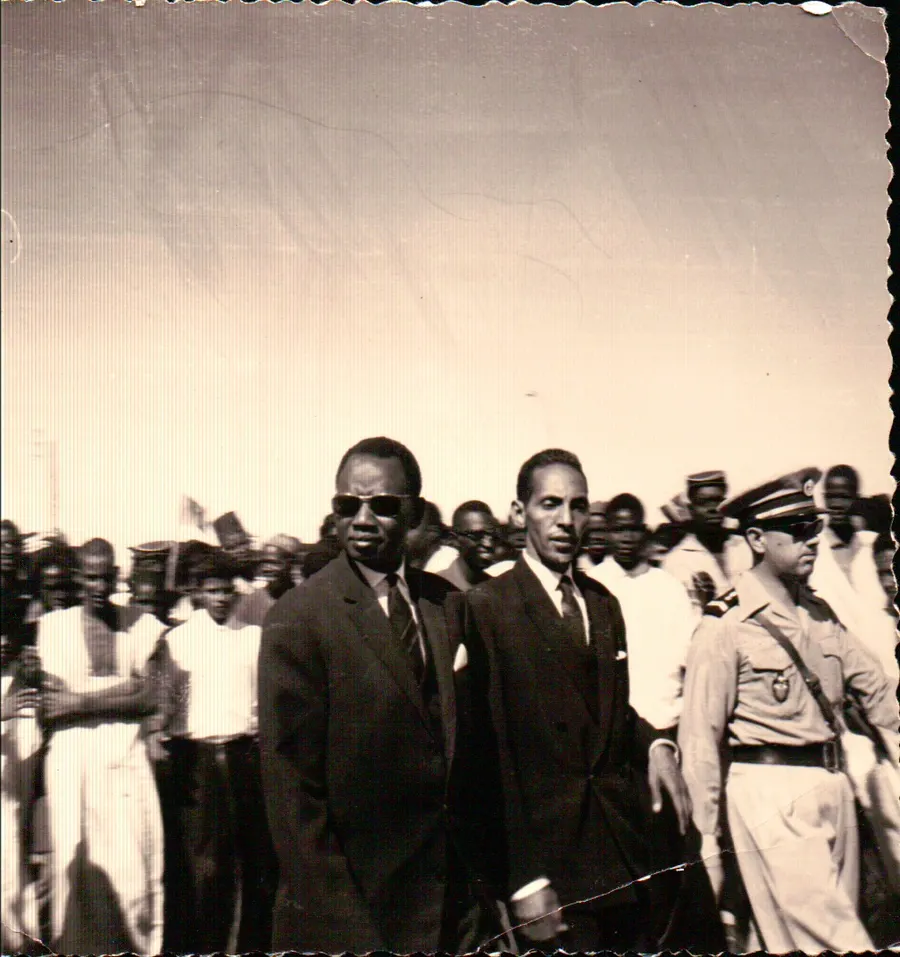
Mamadou Dia, head of Senegal's government when it broke away from the Mali Federation
Mamadou Dia, head of Senegal’s government when it broke away from the Mali Federation
Image creditBruno Christophe · CC BY-SA 3.0Resized and cropped for display.

Senegal breaks away from the Mali Federation

As France’s West African colonies moved towards self-rule, some of their leaders hoped to hold together in a larger union. In 1959 Senegal and the Sudanese Republic, today’s Mali, joined to form the Mali Federation, named after the medieval empire of the western Sahel. Other territories stayed out, and the two partners, led by Léopold Sédar Senghor and Mamadou Dia in Dakar and Modibo Keïta in Bamako, soon disagreed over how the federation should be run and who should lead it.

The Mali Federation became independent on 20 June 1960, but it lasted only two months. On 20 August 1960, after a crisis over the federal presidency and control of the army, Senegal’s assembly declared the country’s own independence, and Keïta and his Sudanese ministers were sent home to Bamako by train. Senghor became Senegal’s first president that September, and on 22 September the Sudanese Republic proclaimed itself the Republic of Mali.

Read the full storyHistory & Timeline →Source: Britannica: Mali Federation ↗
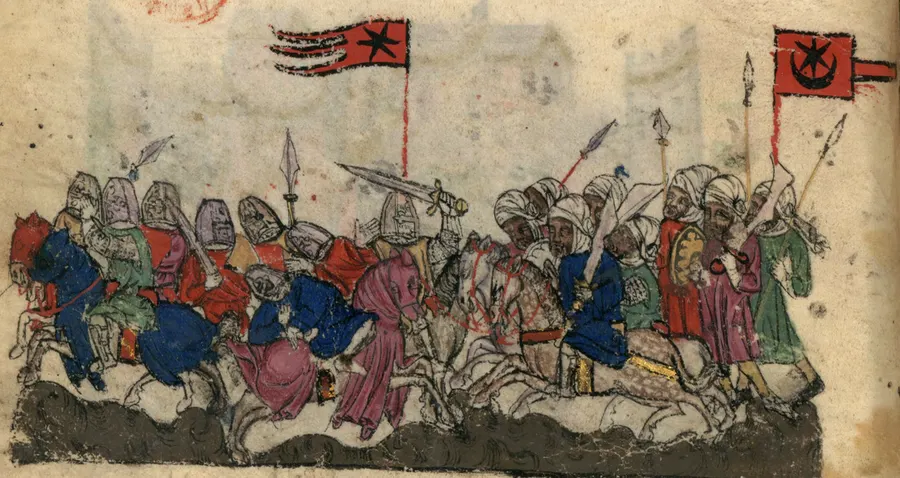
The Battle of the Yarmuk in an early 14th-century manuscript of Hayton's Flower of the Histories of the East, with the Arab army under a crescent banner and the Byzantines under a star
The Battle of the Yarmuk in an early 14th-century manuscript of Hayton’s Flower of the Histories of the East, with the Arab army under a crescent banner and the Byzantines under a star
Image creditanonymous Catalonian illustrator · Public domainResized and cropped for display.

Arab armies defeat the Byzantines at the Yarmuk and win Syria

Within a few years of the Prophet Muhammad’s death in 632, the armies of the new Muslim state had burst out of Arabia into the Byzantine province of Syria and taken Damascus. The emperor Heraclius gathered a large army of Byzantine troops and allies to drive them out, and the Arab commanders pulled back to unite their forces near the Yarmuk River, a tributary of the Jordan, on today’s border between Syria and Jordan.

The battle lasted six days. Britannica dates its start to 20 August 636, while many other accounts make 20 August the final and decisive day. Under the generalship of Khalid ibn al-Walid, the Arab forces broke the Byzantine army, and many fleeing soldiers died in the steep ravines around the battlefield. Byzantine rule in Syria was over, Jerusalem surrendered soon afterwards, and the victory opened the way for the rapid spread of the early caliphate across the Middle East.

Read the full storyHistory & Timeline →Source: Britannica: Battle of Yarmouk ↗
A Tongmenghui membership certificate dated 1912
Image creditUnknown author · Public domainResized and cropped for display.

Sun Yat-sen’s revolutionary league is founded in Tokyo

By the early 1900s many young Chinese had lost faith in the ability of the Qing dynasty to reform and defend the country. Thousands of them were studying in Japan, and Tokyo became a meeting place for exiles and radicals. Several revolutionary groups had grown up separately, among them Sun Yat-sen’s Revive China Society, Huang Xing’s China Revival Society and the Restoration Society.

On 20 August 1905 about a hundred delegates met in Tokyo and merged these groups into a single Revolutionary Alliance, the Tongmenghui, with Sun as its leader and Huang Xing as his deputy. Its programme called for driving out the Manchu rulers, restoring Chinese rule, founding a republic and sharing land fairly. The league published its own newspaper and organised a string of risings in southern China; most failed, but the Wuchang rising of October 1911 brought down the dynasty, and in 1912 the Tongmenghui became the core of the new Nationalist Party.

Read the full storyHistory & Timeline →Source: Britannica: China, reformist and revolutionist movements at the end of the dynasty ↗
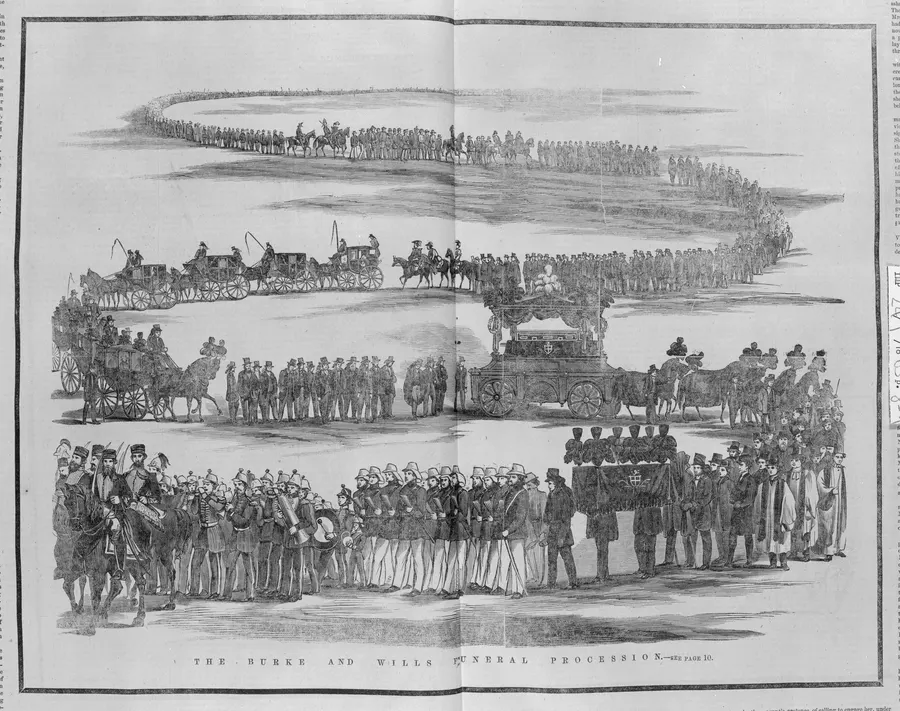
The funeral procession for Burke and Wills in Melbourne in January 1863, from the Illustrated Melbourne Post
Image creditUnknown illustrator; published by Charles Frederick Somerton · Public domainResized and cropped for display.

Burke and Wills set out from Melbourne to cross Australia

In 1860 the colony of Victoria, rich from gold, set out to send the first expedition right across Australia from south to north, from Melbourne to the Gulf of Carpentaria. Its leader was Robert O’Hara Burke, an Irish-born police officer with no experience of exploring, and his surveyor and later second-in-command was William John Wills. The expedition was lavishly supplied, with horses, wagons and camels imported from India, and some 20 tonnes of equipment.

On 20 August 1860 the party left Royal Park in Melbourne, watched by about 15,000 people. Slowed by its baggage and by quarrels, the expedition split up, and in February 1861 Burke, Wills and two companions reached the tidal mangroves near the Gulf. On the way back, Burke and Wills died of hunger and exhaustion near Cooper Creek. Only John King survived, cared for by the Yandruwandha people until a rescue party found him.

Read the full storyHistory & Timeline →Source: National Museum of Australia: Burke and Wills ↗

♙
PEOPLE

Born Today

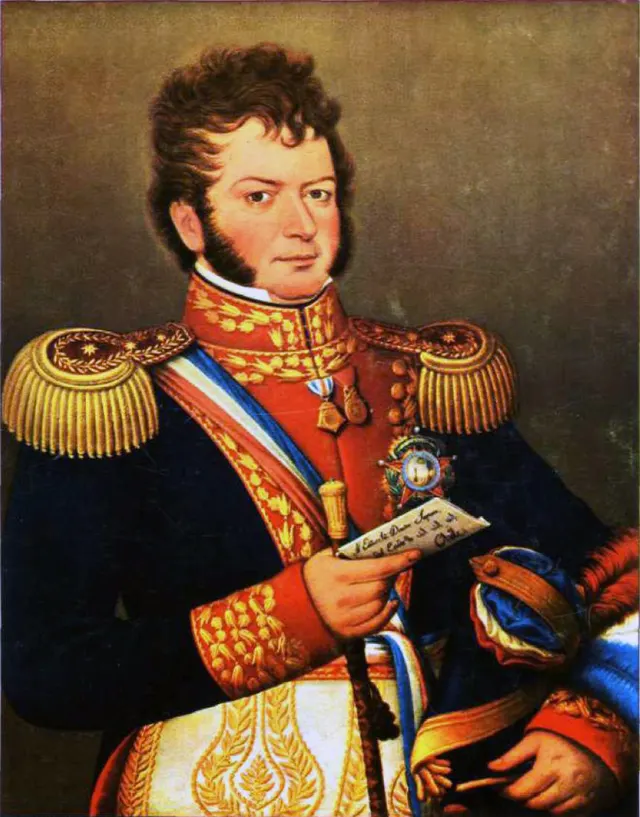
Bernardo O'Higgins
Image creditJosé Gil de Castro · Public domainResized and cropped for display.

Bernardo O’Higgins

Leader of Chile’s war of independence from Spain who governed the new country as Supreme Director from 1817 to 1823.

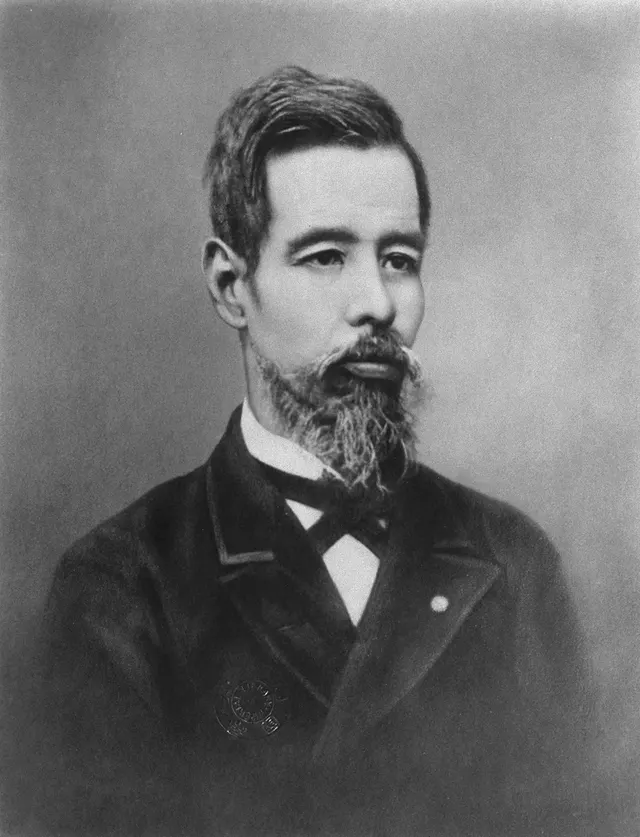
Mutsu Munemitsu
Image creditUnknown author · Public domainResized and cropped for display.

Mutsu Munemitsu

Japanese foreign minister who won the revision of the unequal treaties with the Western powers and helped negotiate the peace with China in 1895.

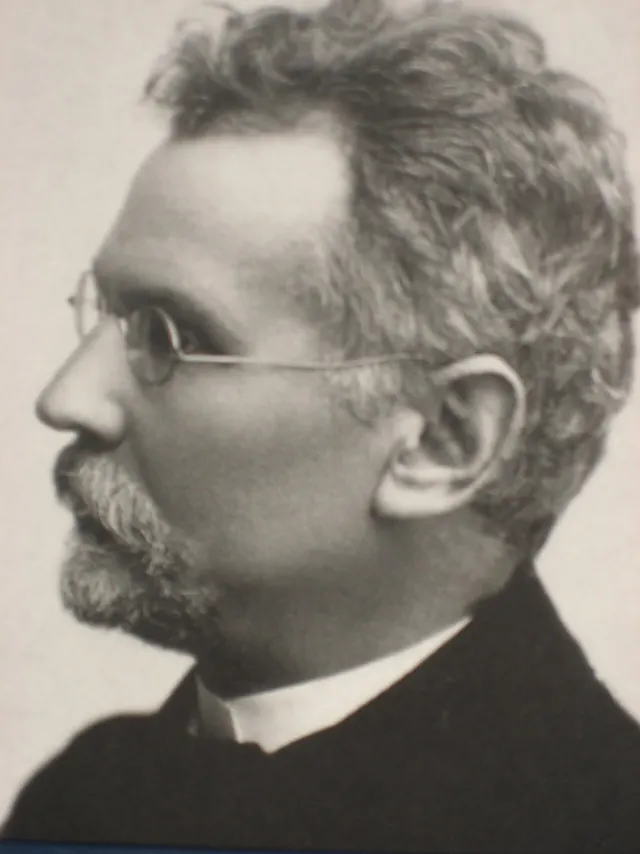
Bolesław Prus
Image creditWilhelm Feldman · Public domainResized and cropped for display.

Bolesław Prus

Polish journalist and novelist whose books The Doll and Pharaoh are classics of Polish literature.

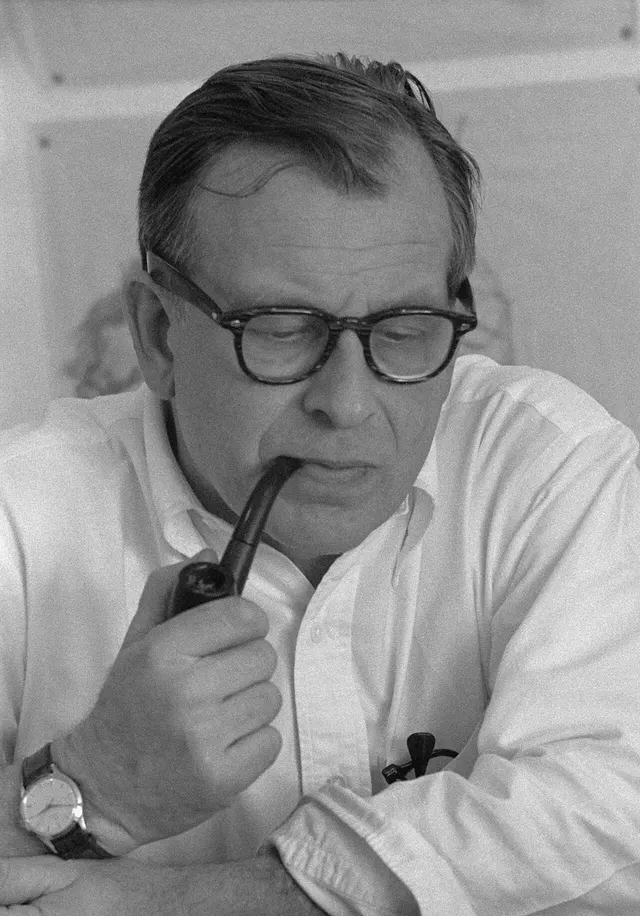
Eero Saarinen
Image creditBalthazar Korab · Public domainResized and cropped for display.

Eero Saarinen

Finnish-born American architect who designed the Gateway Arch in St Louis and the TWA Flight Center in New York.

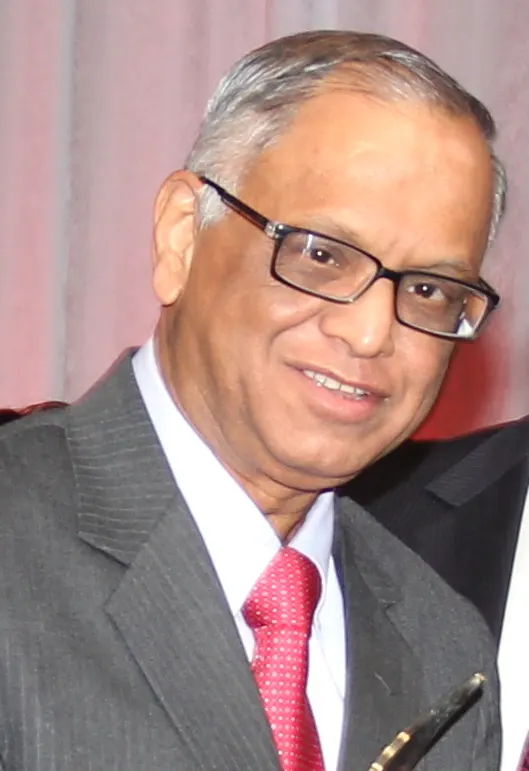
N. R. Narayana Murthy
Image creditps482207 · CC BY-SA 4.0Resized and cropped for display.

N. R. Narayana Murthy

Indian businessman who co-founded the software company Infosys in 1981 and helped turn India into a centre of the computer services industry.

Robert Plant
Image creditRaph_PH · CC BY 2.0Resized and cropped for display.

Robert Plant

English singer and songwriter who fronted Led Zeppelin from 1968 to 1980.

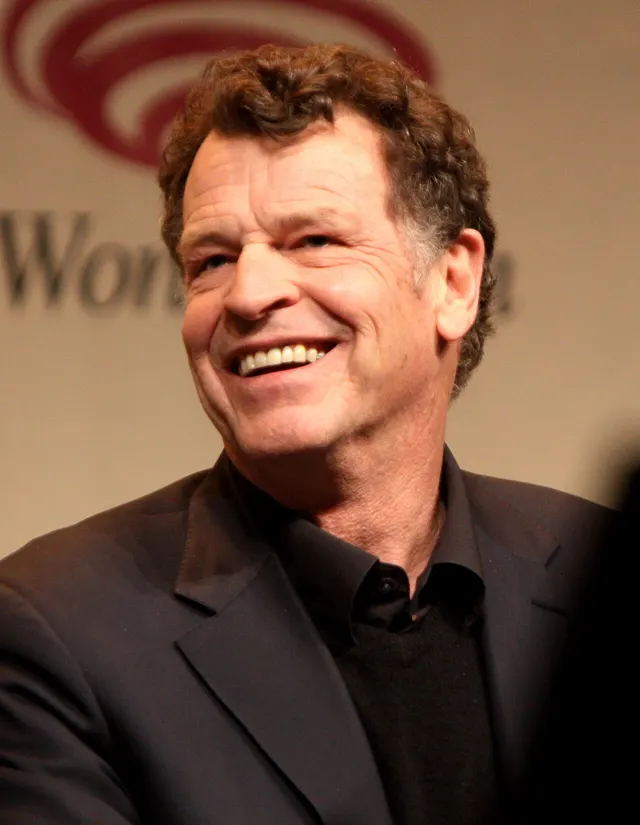
John Noble
Image creditGage Skidmore · CC BY-SA 3.0Resized and cropped for display.

John Noble

Australian actor known as Denethor in The Lord of the Rings films and as the scientist Walter Bishop in Fringe.

Amy Adams
Image creditSara Komatsu · CC BY-SA 4.0Resized and cropped for display.

Amy Adams

American actress known for Enchanted, Doubt, The Fighter and Arrival, and nominated six times for an Academy Award.

◉
IDEAS THAT CHANGED THINGS

Firsts, Science & Discoveries

A Titan IIIE-Centaur rocket lifts Voyager 2 off from Cape Canaveral on 20 August 1977
Image creditNASA/MSFC · Public domainResized and cropped for display.

Voyager 2 is launched on its grand tour of the outer planets

In the late 1970s the giant outer planets lined up in a way that happens only once every 175 years or so, allowing a spacecraft to swing from one to the next using each planet’s gravity. NASA built two identical probes to take advantage of it. Voyager 2 was launched first, on a Titan-Centaur rocket from Cape Canaveral in Florida at 10.29 a.m. local time on 20 August 1977; its twin, Voyager 1, followed on a faster path on 5 September.

Voyager 2 flew past Jupiter in 1979 and Saturn in 1981, then went on to become the only spacecraft ever to visit Uranus, in 1986, and Neptune, in 1989. Each carried a gold-plated record of sounds and images from Earth. In 2018, more than 40 years after launch, Voyager 2 became the second human-made object to cross into interstellar space.

Read the full storyHistory & Timeline →Source: NASA Science: Voyager mission overview ↗
☆
SPORTING HISTORY

Sporting Moments

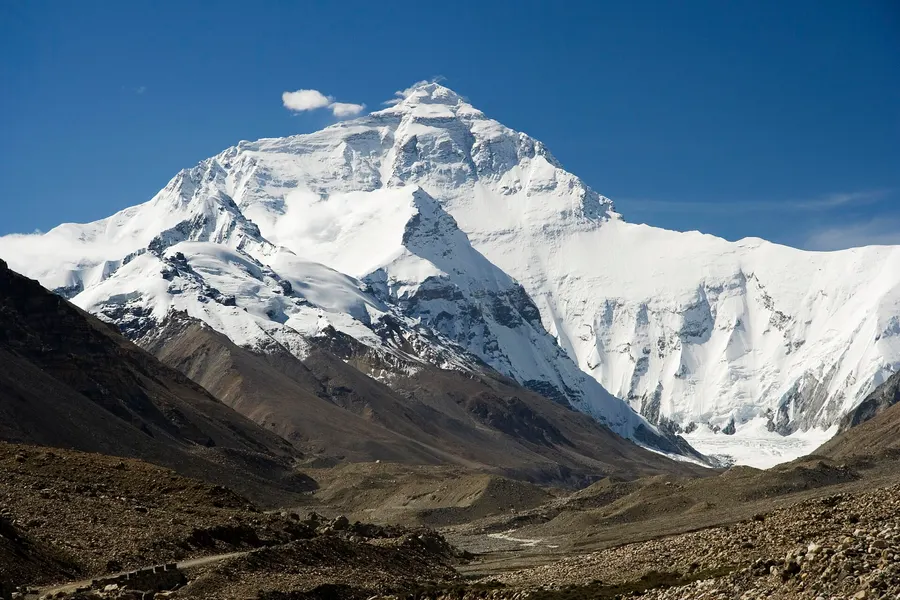
The north face of Mount Everest from the Tibetan side, the side Reinhold Messner climbed alone in 1980
Image creditLuca Galuzzi (Lucag) · CC BY-SA 2.5Resized and cropped for display.

Reinhold Messner stands alone on the summit of Everest

In 1978 the Italian mountaineer Reinhold Messner and the Austrian Peter Habeler had become the first to climb Mount Everest without bottled oxygen. Two years later Messner set himself a harder task: to climb it entirely alone, without oxygen, without fixed ropes or camps prepared by others, and during the summer monsoon, from the Tibetan side of the mountain.

After weeks of acclimatising, he left his advanced base on 18 August 1980 and fell into a crevasse in the dark within hours, but climbed out and carried on up the north side. On 20 August 1980, exhausted, he reached the summit, the first person to stand there truly alone. He came down safely, and the climb is still counted among the greatest feats in mountaineering.

Read the full storyHistory & Timeline →Source: Britannica: Mount Everest, first solo climb ↗
♫
MUSIC • FILM • BOOKS • CULTURE

Culture Stories

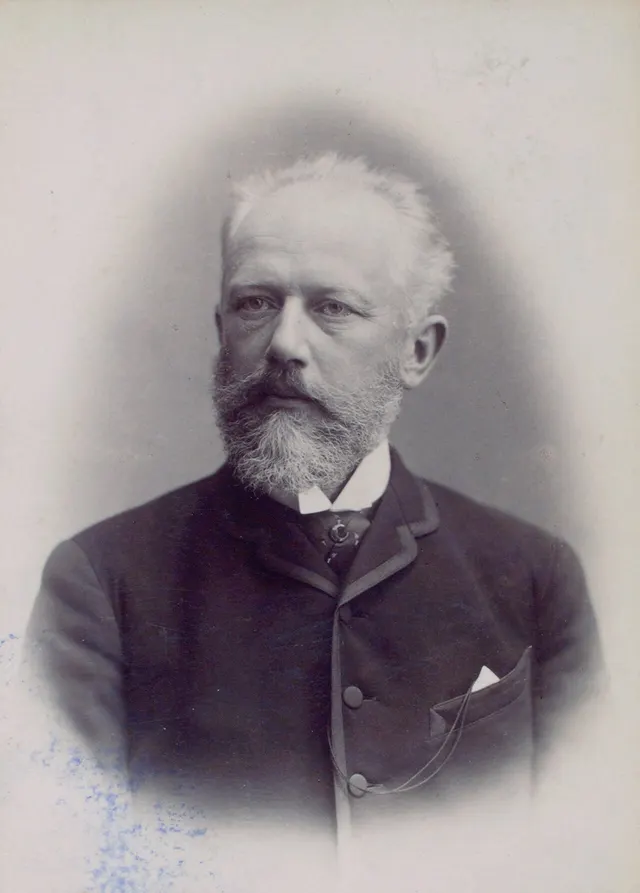
Pyotr Ilyich Tchaikovsky, photographed by Émile Reutlinger
Image creditÉmile Reutlinger · Public domainResized and cropped for display.

Tchaikovsky’s 1812 Overture has its official premiere in Moscow

In 1880 Tchaikovsky was asked to write music for the All-Russian Arts and Industrial Exhibition planned in Moscow. He chose to mark the defeat of Napoleon’s invasion of Russia in 1812, and wrote an overture in which the French ‘Marseillaise’ is gradually drowned out by Russian themes, the old Tsarist hymn ‘God Save the Tsar’, church bells and cannon fire. He thought little of it himself, finding it loud and written without much love.

The official premiere came on 20 August 1882 (8 August in the Russian calendar of the time), at a concert of Tchaikovsky’s music in a hall built for the exhibition, conducted by Ippolit Altani; it was not, as often said, played outside the Cathedral of Christ the Saviour. It became one of the most popular pieces of orchestral music in the world, and a favourite of open-air concerts with real cannon and fireworks.

Read the full storyHistory & Timeline →Source: Tchaikovsky Research: The Year 1812 ↗
✦
LIVES REMEMBERED

Remembered Today

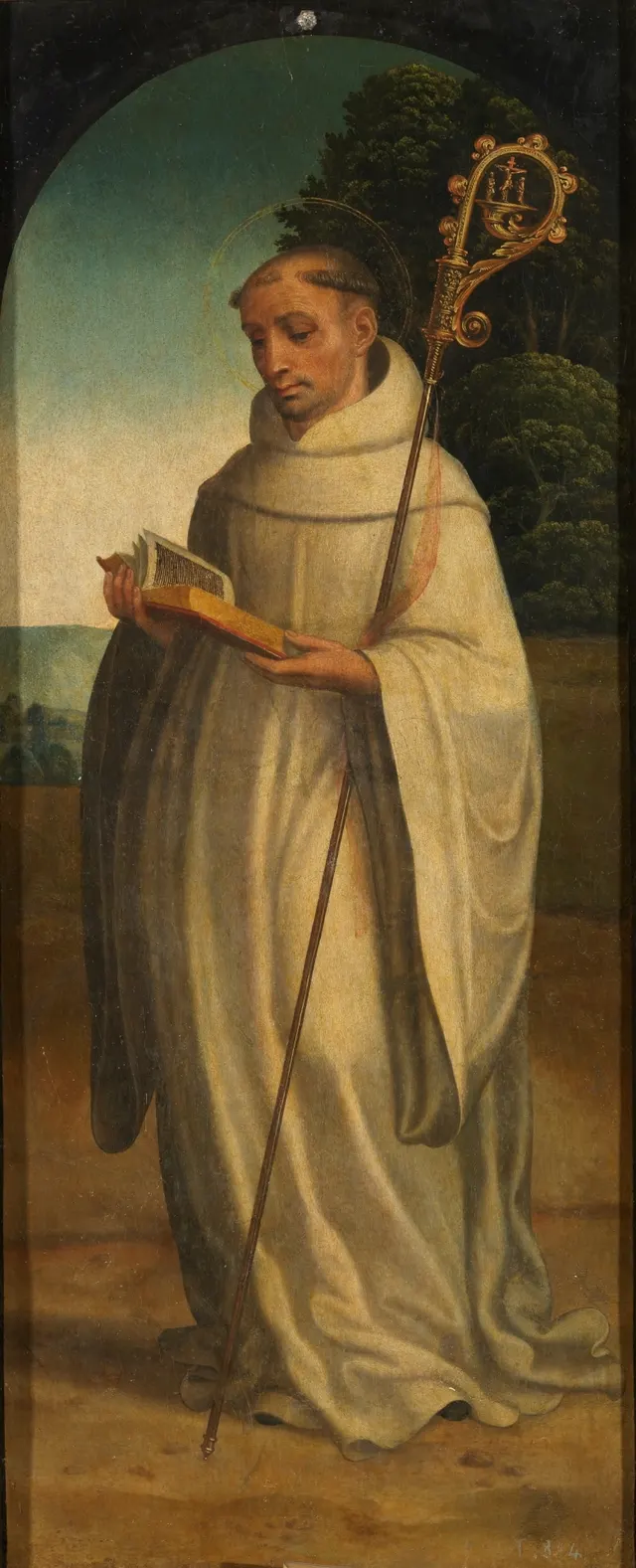
Bernard of Clairvaux
Image creditJuan Correa de Vivar · Public domainResized and cropped for display.

Bernard of Clairvaux

French abbot and preacher who led the rapid spread of the Cistercian order and preached the Second Crusade.

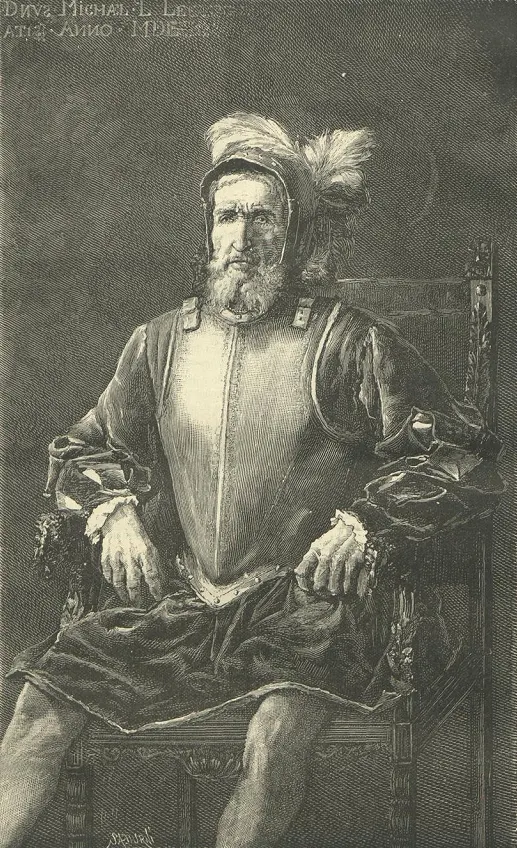
Miguel López de Legazpi
Image creditCelestí Sadurní i Deop · Public domainResized and cropped for display.

Miguel López de Legazpi

Spanish commander who led the expedition that began Spanish rule in the Philippines and made Manila its capital in 1571.

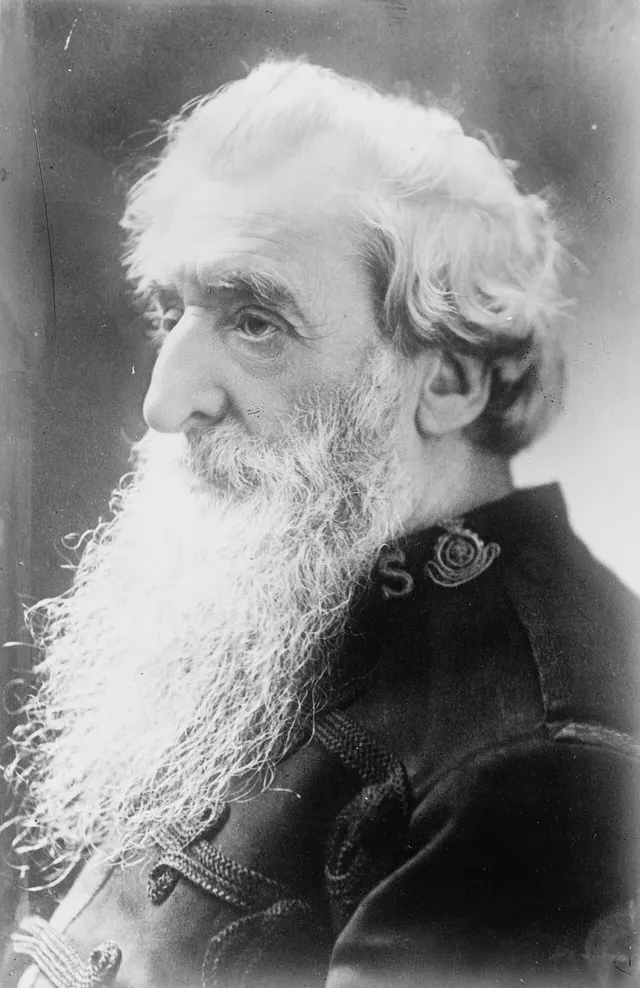
William Booth
Image creditBain News Service, publisher · Public domainResized and cropped for display.

William Booth

English Methodist preacher who with his wife Catherine founded the Salvation Army and served as its first General.

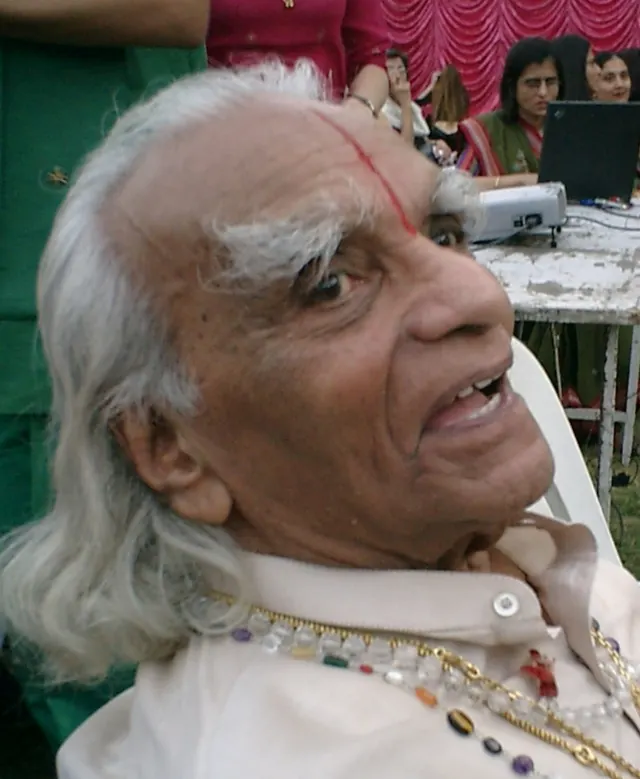
B. K. S. Iyengar
Image creditMutt Lunker · CC BY-SA 3.0Resized and cropped for display.

B. K. S. Iyengar

Indian yoga teacher whose book Light on Yoga and precise method of teaching spread yoga around the world.

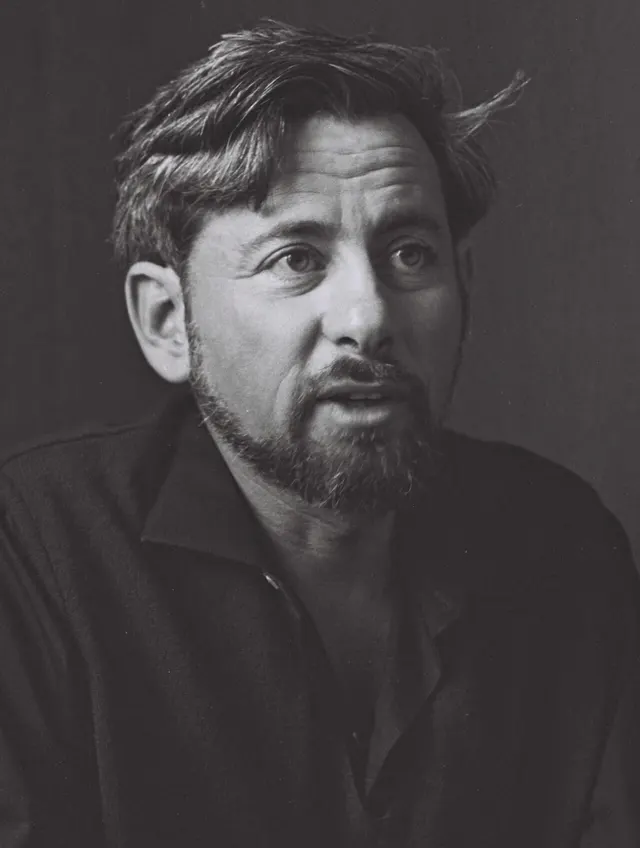
Uri Avnery
Image creditMoshe Pridan · Public domainResized and cropped for display.

Uri Avnery

Israeli journalist and politician who edited the magazine Haolam Hazeh, sat in the Knesset and founded the Gush Shalom peace movement.

☉
AROUND THE WORLD

Observances & Anniversaries

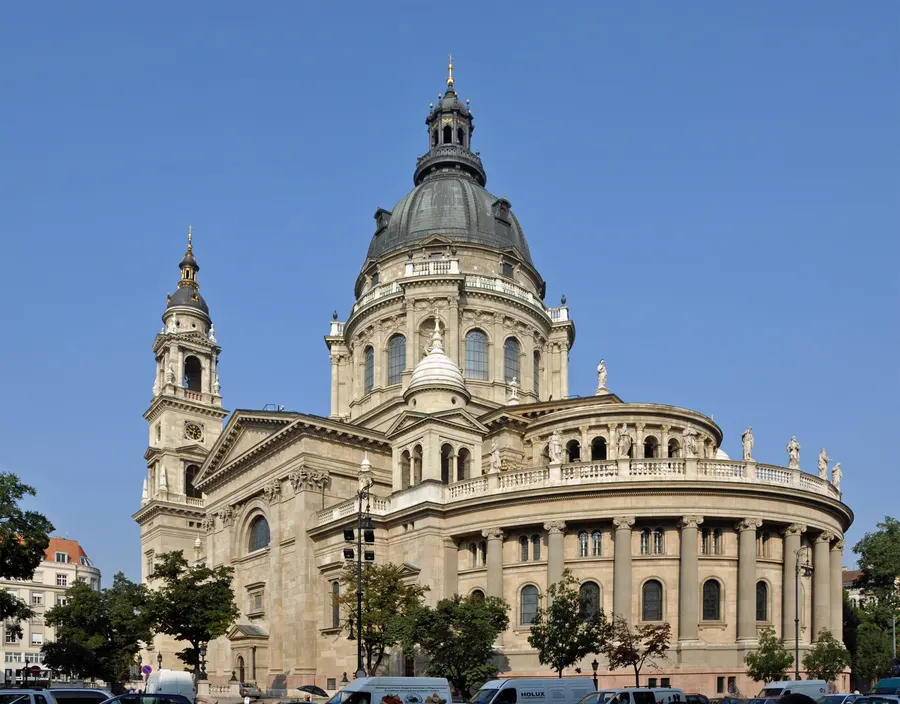
St Stephen's Basilica in Budapest, where the relic of the king's right hand is kept
St Stephen’s Basilica in Budapest, where the relic of the king’s right hand is kept
Image creditMarc Ryckaert (MJJR) · CC BY 3.0Resized and cropped for display.

St Stephen’s Day, Hungary’s state foundation day

Hungary’s main national holiday honours King Stephen I, who was crowned around the year 1000, made Christianity the faith of his kingdom and is remembered as the founder of the Hungarian state. He was declared a saint in 1083, and 20 August became his feast day.

In Budapest the day begins with a flag-raising outside Parliament, and after Mass at St Stephen’s Basilica the relic believed to be the king’s right hand, the Holy Right, is carried in procession through the streets. The celebrations end with fireworks over the Danube.

Source: About Hungary: August 20 national holiday celebrated across Hungary ↗
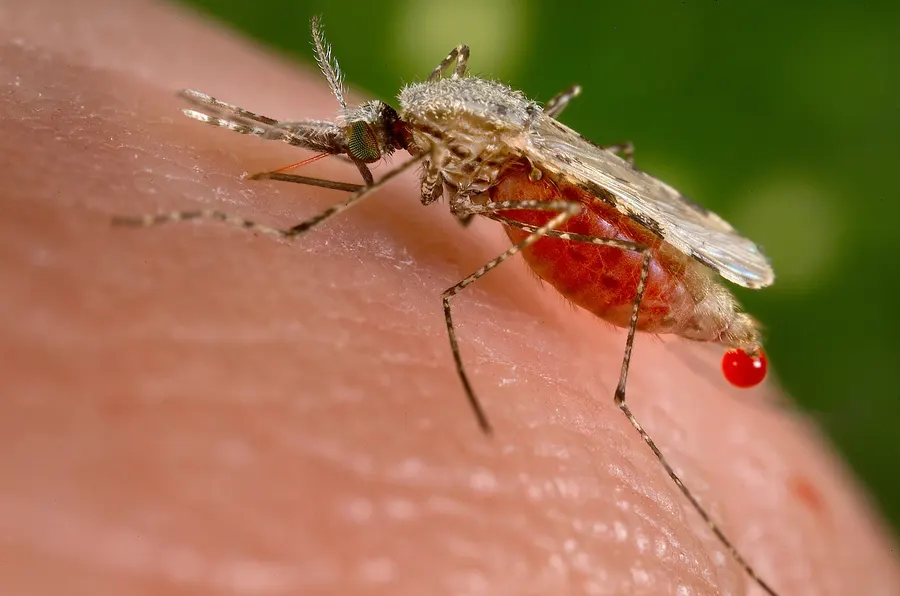
A female Anopheles stephensi mosquito, one of the species that carry malaria, feeding on human skin
Image creditJim Gathany · Public domainResized and cropped for display.

World Mosquito Day

On 20 August 1897, working in India, the British army doctor Ronald Ross found the malaria parasite in the stomach of an Anopheles mosquito that had fed on an infected patient. It was the key step in proving that mosquitoes spread malaria, and it won him the Nobel Prize in 1902.

The anniversary is marked each year as World Mosquito Day, notably by the London School of Hygiene and Tropical Medicine, to draw attention to malaria, dengue and the other diseases that mosquitoes still spread.

Source: London School of Hygiene and Tropical Medicine: Sir Ronald Ross collections ↗
HISTORY & TIMELINE

Finished the highlights?

Follow 20 August chronologically, from the Middle Ages to the modern day, with 13 verified events and the sources behind them.

This day through time →