1914Austria-Hungary declares war on Serbia
On 28 June 1914 Archduke Franz Ferdinand, heir to the Austro-Hungarian throne, and his wife Sophie were shot dead in Sarajevo by Gavrilo Princip, a young Bosnian Serb nationalist backed by a secret society with links to Serbian army officers. Vienna blamed Serbia and, sure of German support, sent Belgrade a harsh ultimatum on 23 July. Serbia accepted most of the demands but not those that would have let Austro-Hungarian officials act inside the country.
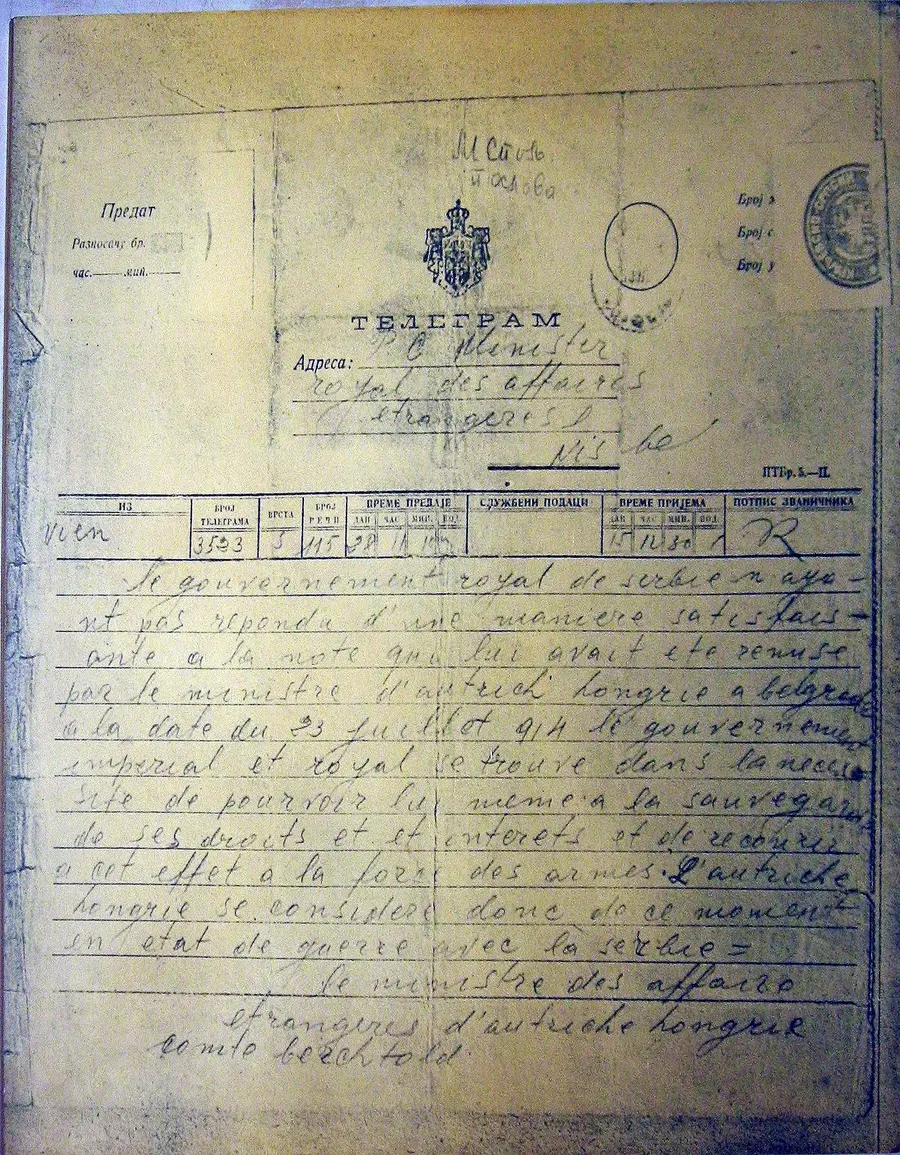
On 28 July 1914 Austria-Hungary declared that it considered itself at war with Serbia, sending the news by telegram, and its guns began shelling Belgrade the next day. Russia, Serbia’s protector, started to mobilise, and the alliances that bound Europe’s great powers began to pull them in one after another. Within a week a local quarrel in the Balkans had become the First World War.
Read the full storyHistory & Timeline →Source: Imperial War Museums: The outbreak of the First World War ↗
1821San Martín proclaims the independence of Peru in Lima
Peru was the heart of Spain’s power in South America, and Lima, seat of a viceroy, was its most loyal city. After freeing Chile, the Argentine general José de San Martín sailed north with a liberating army and landed on the Peruvian coast in 1820. Rather than storm Lima, he waited, and in July 1821 the viceroy José de la Serna abandoned the city and withdrew into the mountains. On 15 July an open meeting of Lima’s leading citizens signed an act declaring independence.
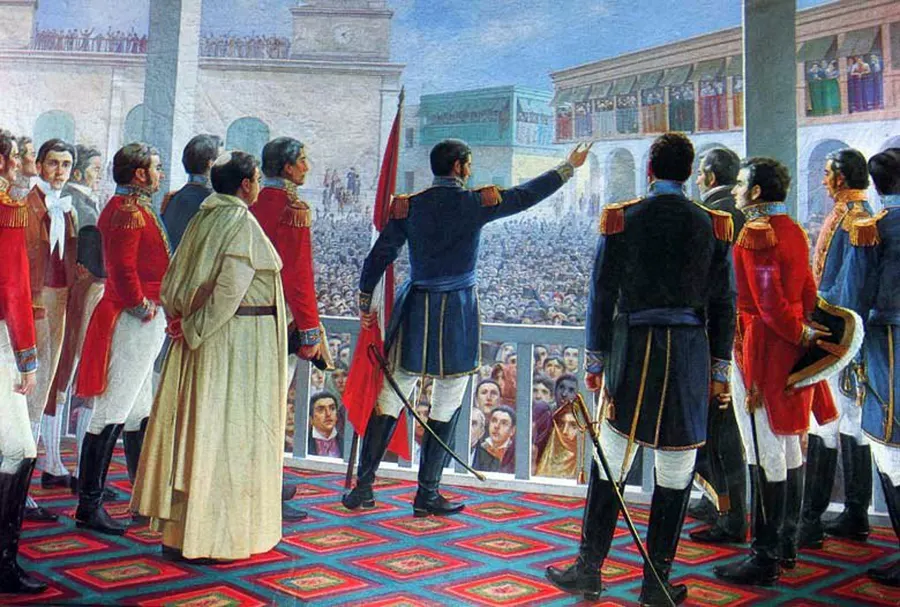
On 28 July 1821 San Martín proclaimed Peru’s independence in the main square of Lima, repeating the proclamation in other squares across the city, before cheering crowds. He soon took the title of Protector of Peru. Spanish armies still held much of the country, and independence was only secured after the Battle of Ayacucho in 1824, but 28 July remains Peru’s national day, celebrated as the Fiestas Patrias.
Read the full storyHistory & Timeline →Source: Britannica: Peru, achievement of independence ↗
1976An earthquake destroys the city of Tangshan
Tangshan was an industrial and coal-mining city of about a million people in Hebei province, east of Beijing. In the early hours of 28 July 1976, while most people were asleep, a powerful earthquake struck directly beneath it. In a few seconds most of the city’s buildings, many of them unreinforced brick, collapsed, and a strong aftershock that evening brought down more.
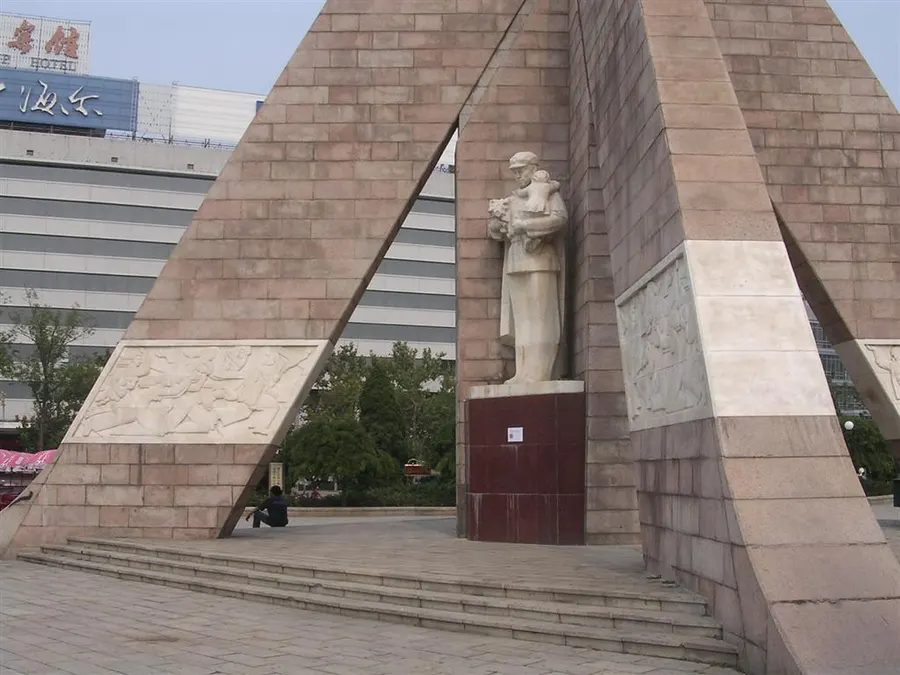
The official death toll was about 242,000, though other estimates run much higher, and hundreds of thousands more were injured. China, in the last months of the Mao era, turned down offers of foreign help, and soldiers and survivors dug through the rubble themselves. It was one of the deadliest earthquakes of the 20th century. Tangshan was rebuilt on the same site with stricter building rules, and a memorial now stands at its centre.
Read the full storyHistory & Timeline →Source: Britannica: Tangshan earthquake of 1976 ↗
2005The IRA formally ends its armed campaign
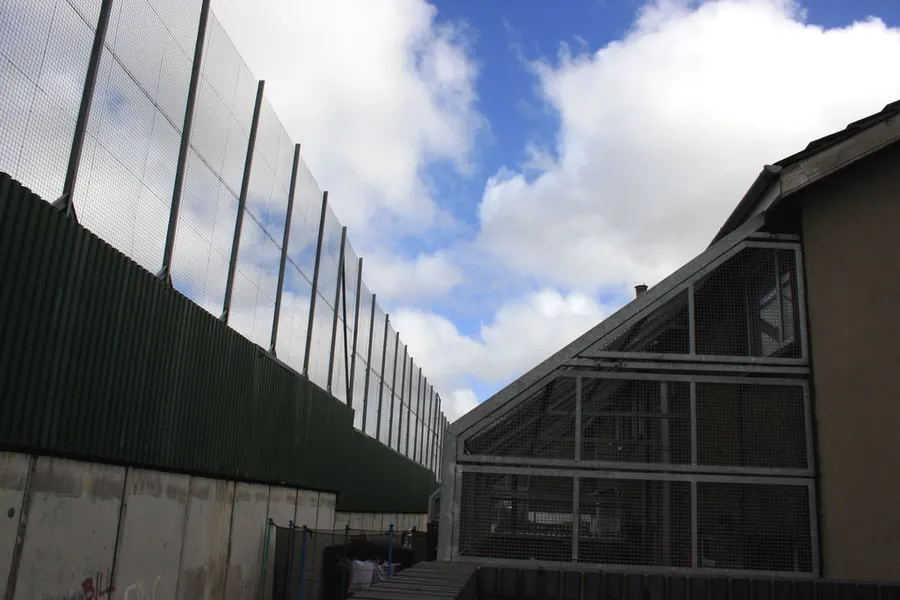
For more than 30 years the Provisional IRA fought to force Britain out of Northern Ireland, in a conflict known as the Troubles that cost more than 3,500 lives on all sides. It called ceasefires in the 1990s, and the Good Friday Agreement of 1998 set up shared government in Belfast, but the IRA’s refusal to give up its weapons kept that government stalling and collapsing.
On 28 July 2005 the IRA released a statement ordering all its units to dump their arms from four o’clock that afternoon and to pursue their aims only by peaceful, political means. The statement was read out on video by a former prisoner, Séanna Walsh. Two months later the independent decommissioning body confirmed that the IRA’s arsenal had been put beyond use, clearing the way for power-sharing to return in 2007.
Read the full storyHistory & Timeline →Source: CAIN, Ulster University: IRA statement on the ending of the armed campaign, 28 July 2005 ↗