Explore 21 July

Explore 21 July: Napoleon’s squares break the Mamluk cavalry near Cairo, the first great battle of the American Civil War is fought at Bull Run, a Tennessee jury convicts John Scopes of teaching evolution, the Geneva agreements divide Vietnam and Antarctica records the coldest temperature ever measured. Born today: Paul Reuter, Isaac Stern and Robin Williams.

This day through time →13 verified events across 6 eras

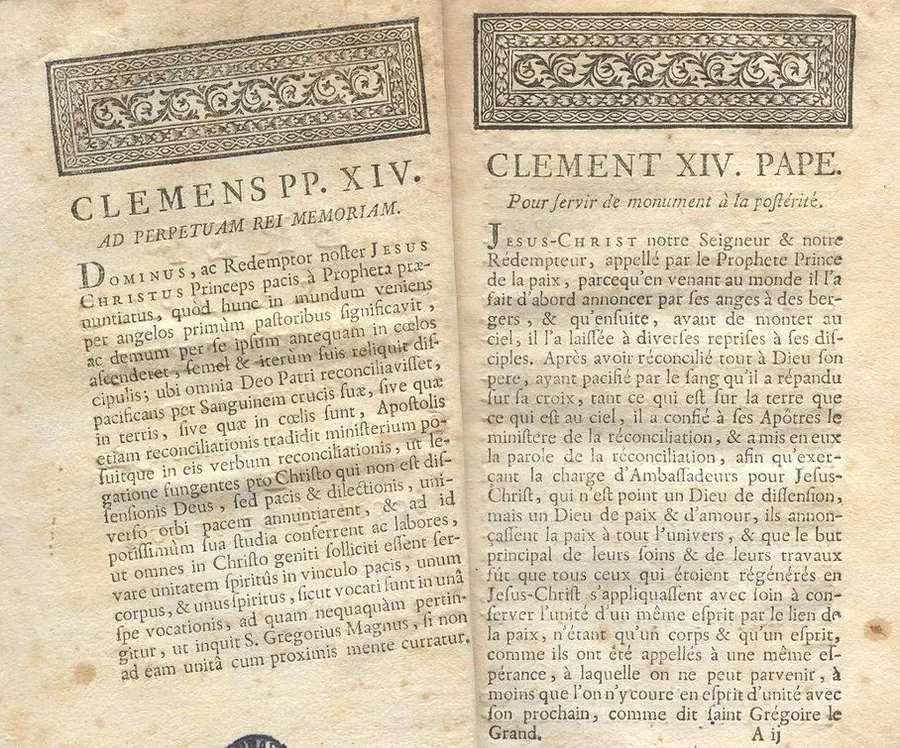
An early printed edition, in Latin and French, of the papal brief Dominus ac Redemptor, which dissolved the Society of Jesus
Image creditUnknown printer (1773 edition) · Public domainResized and cropped for display.

Pope Clement XIV dissolves the Jesuits

The Society of Jesus, founded by Ignatius of Loyola in 1540, had grown into one of the most powerful orders in the Catholic Church, running hundreds of schools and colleges and sending missionaries from Paraguay to China. Its influence at royal courts and its independence made it many enemies. In the 1750s and 1760s the Jesuits were expelled from Portugal, France and Spain and their empires, and the Bourbon kings then pressed the papacy to abolish the order altogether.

Pope Clement XIV, elected in 1769, held out for several years, fearing an open break with the Catholic monarchies if he refused. The brief Dominus ac Redemptor, dated 21 July 1773, finally dissolved the Society, which then had about 23,000 members. Its houses and schools were closed, and its superior general died in prison in Rome. Only in Russia, where Catherine the Great refused to publish the brief, did Jesuits carry on openly, and the order was restored by Pope Pius VII in 1814.

Read the full storyHistory & Timeline →Source: Boston College, Portal to Jesuit Studies: Dominus ac Redemptor (1773) ↗
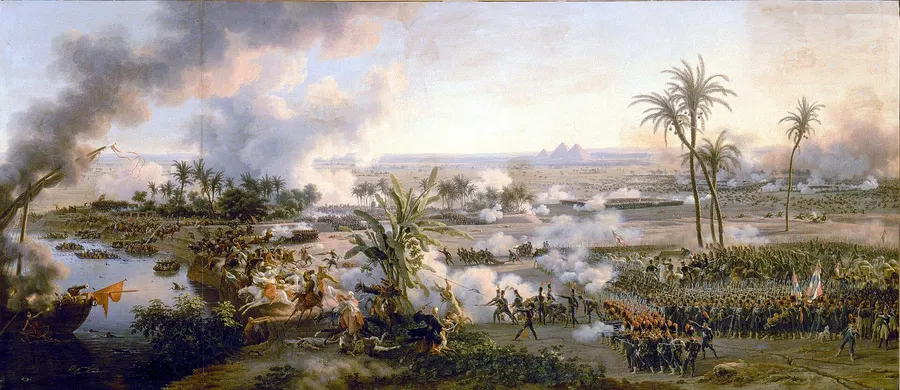
The Battle of the Pyramids, painted by Louis-François Lejeune, an officer who served in Napoleon's armies
The Battle of the Pyramids, painted by Louis-François Lejeune, an officer who served in Napoleon’s armies
Image creditLouis-François, Baron Lejeune · Public domainResized and cropped for display.

Napoleon defeats the Mamluks at the Battle of the Pyramids

In the spring of 1798 General Napoleon Bonaparte sailed from France with around 30,000 men to seize Egypt, then ruled by Mamluk beys under the loose authority of the Ottoman sultan. France hoped to gain a rich colony and to threaten Britain’s route to India. The army landed near Alexandria on 1 July and marched south along the Nile towards Cairo through the summer heat.

On 21 July 1798, near the village of Embabeh on the west bank of the Nile, with the pyramids of Giza visible on the horizon, the French met the army of Murad Bey. Napoleon formed his infantry into great hollow squares, and the charges of the Mamluk horsemen broke against their volleys and bayonets. Thousands of Egyptian soldiers were killed or drowned for the loss of a few hundred French, and Cairo was occupied soon after. Less than two weeks later, Nelson destroyed the French fleet at Aboukir Bay, leaving the army stranded in Egypt.

Read the full storyHistory & Timeline →Source: Britannica: Battle of the Pyramids ↗
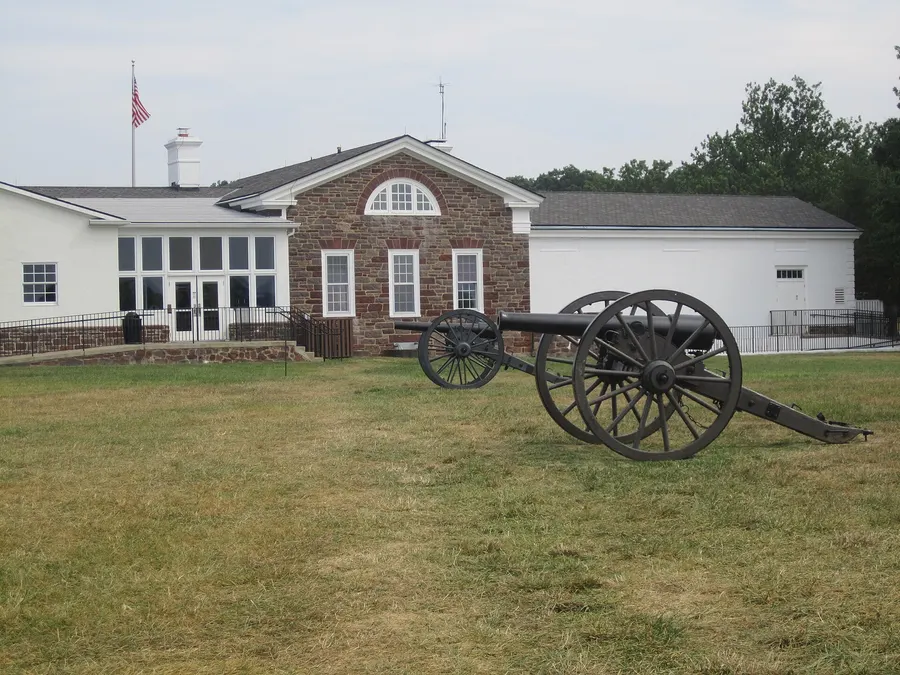
A Civil War cannon outside the visitor centre at Manassas National Battlefield Park in Virginia
Image creditBilly Hathorn · CC BY 3.0Resized and cropped for display.

The First Battle of Bull Run shatters hopes of a short war

Three months after the Civil War began at Fort Sumter, the Northern public was demanding an advance on the Confederate capital at Richmond. General Irvin McDowell led some 35,000 inexperienced Union troops out of Washington towards the railway junction at Manassas, Virginia, where Confederate forces under P. G. T. Beauregard were waiting behind a small stream called Bull Run. Congressmen and sightseers followed the army out to watch.

The armies met on the morning of 21 July 1861. The Union attack at first drove the Confederates back, but on Henry Hill a brigade under Thomas J. Jackson held firm, earning him the nickname ‘Stonewall’, and Confederate reinforcements arriving by train turned the battle. By late afternoon the Union army was falling back in confusion towards Washington. Nearly 900 men were killed and thousands wounded, captured or missing, and both sides realised the war would be long and bloody. The South calls it the First Battle of Manassas.

Read the full storyHistory & Timeline →Source: National Park Service: The Battle of First Manassas (First Bull Run) ↗
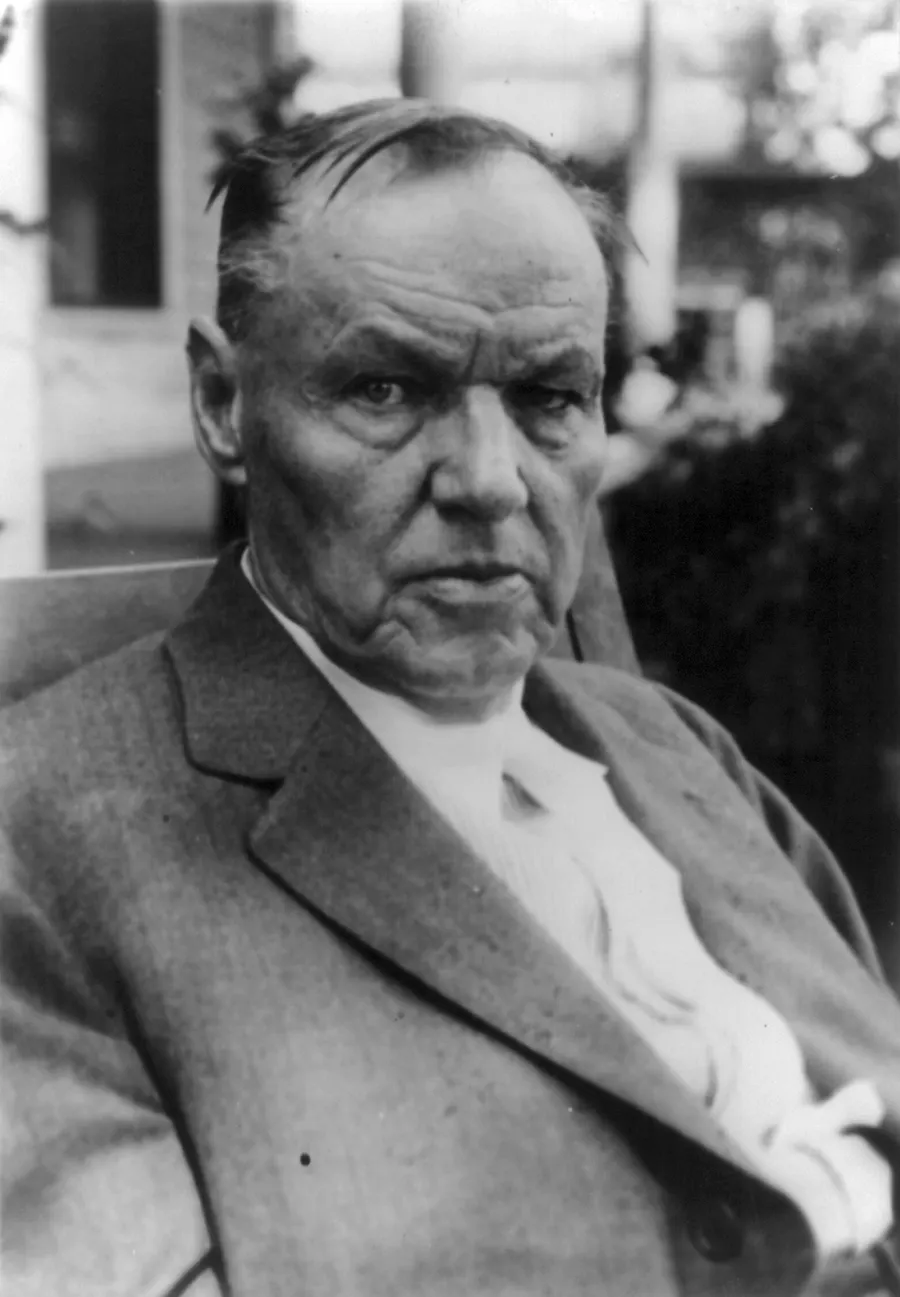
Clarence Darrow, counsel for the defence, during the Scopes trial at Dayton, Tennessee, in July 1925
Image creditUnderwood & Underwood · Public domainResized and cropped for display.

John Scopes is found guilty of teaching evolution

In March 1925 Tennessee passed the Butler Act, which made it a crime to teach in state schools any theory denying the Bible’s story of the creation of man. The American Civil Liberties Union offered to defend a teacher willing to test the law, and John T. Scopes, a young science teacher in the small town of Dayton, agreed to be charged. The case drew huge crowds and reporters to Dayton and was broadcast on radio.

The three-times presidential candidate William Jennings Bryan helped the prosecution, and Clarence Darrow, the most famous defence lawyer in the country, led the defence. The judge would not allow scientists to testify, so Darrow called Bryan himself to the stand as an expert on the Bible. On 21 July 1925 the jury took only minutes to find Scopes guilty, and he was fined $100. The conviction was overturned on a technicality in 1927, but the law stayed in force until 1967.

Read the full storyHistory & Timeline →Source: Britannica: Scopes Trial ↗
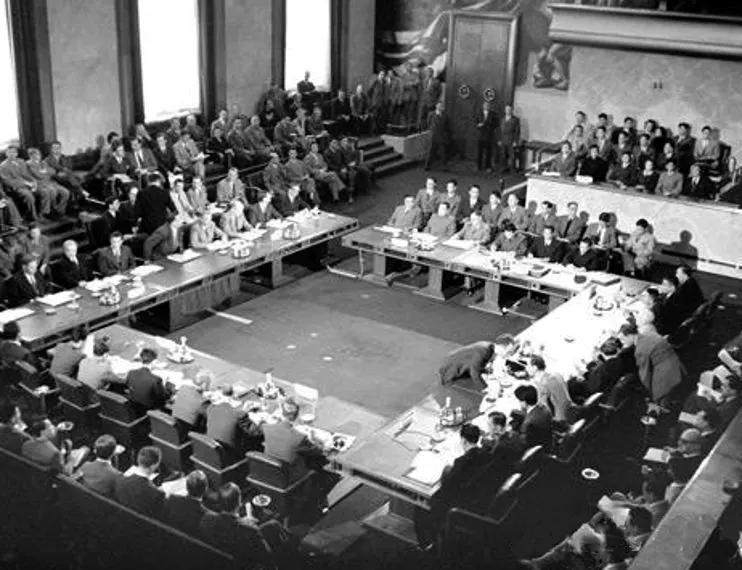
Delegates at the Geneva Conference of 1954, which ended the French war in Indochina
Image creditUS Army Photograph · Public domainResized and cropped for display.

The Geneva agreements end France’s war in Indochina

For eight years France had fought the communist-led Viet Minh of Ho Chi Minh for control of Vietnam. In May 1954 the French garrison at Dien Bien Phu fell after a long siege, and the war-weary French government looked for a way out. At Geneva, where the great powers were already meeting to discuss Korea, delegates from France, Britain, the United States, the Soviet Union, China, Cambodia, Laos and both Vietnamese governments turned to Indochina.

The ceasefire agreements were signed on 21 July 1954. Vietnam was divided at the 17th parallel, with the Viet Minh in the north and the French-backed State of Vietnam in the south, and troops were given 300 days to move to their own side. The line was meant to be temporary, and a final declaration called for elections across Vietnam in 1956. The United States and South Vietnam did not sign it, the elections were never held, and the division led on to the Vietnam War.

Read the full storyHistory & Timeline →Source: Britannica: Geneva Accords ↗

♙
PEOPLE

Born Today

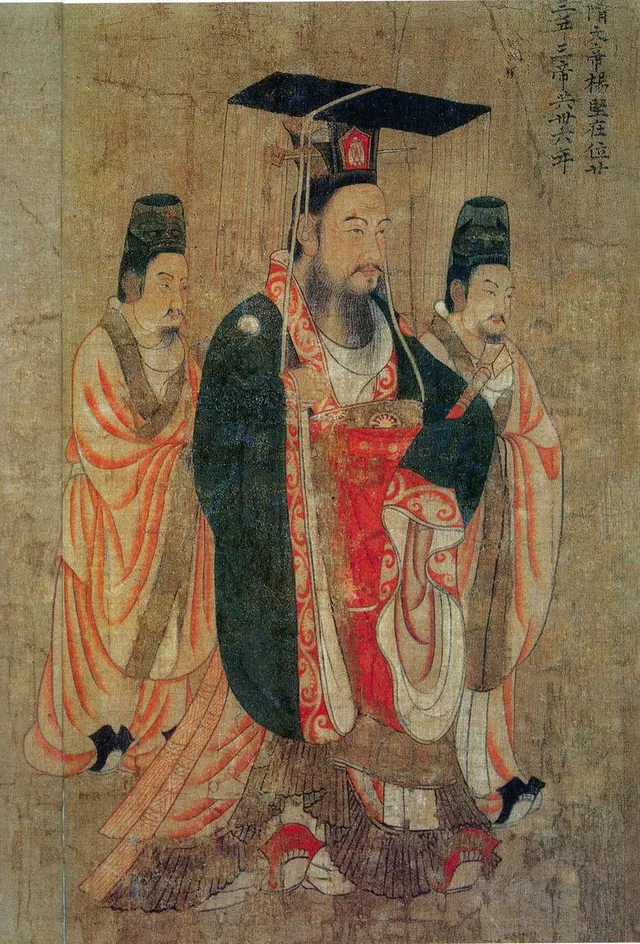
Emperor Wen of Sui
Image creditYan Li-pen · Public domainResized and cropped for display.

Emperor Wen of Sui

Founder of the Sui dynasty, who reunited northern and southern China in 589 after nearly three centuries of division and encouraged the spread of Buddhism.

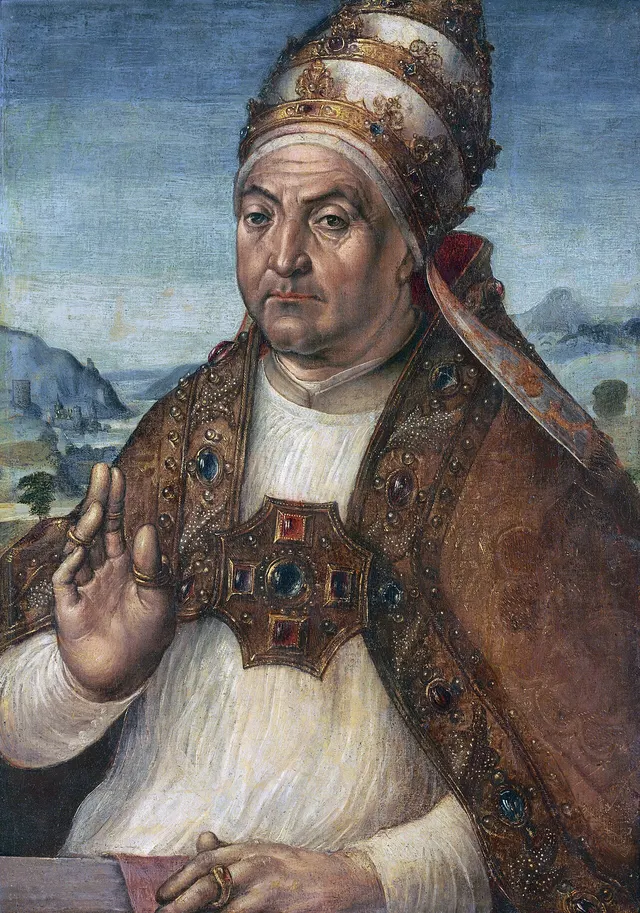
Pope Sixtus IV
Image creditPedro Berruguete · CC0Resized and cropped for display.

Pope Sixtus IV

Pope from 1471 who built the Sistine Chapel, named after him, and refounded the Vatican Library, though his papacy was marked by nepotism.

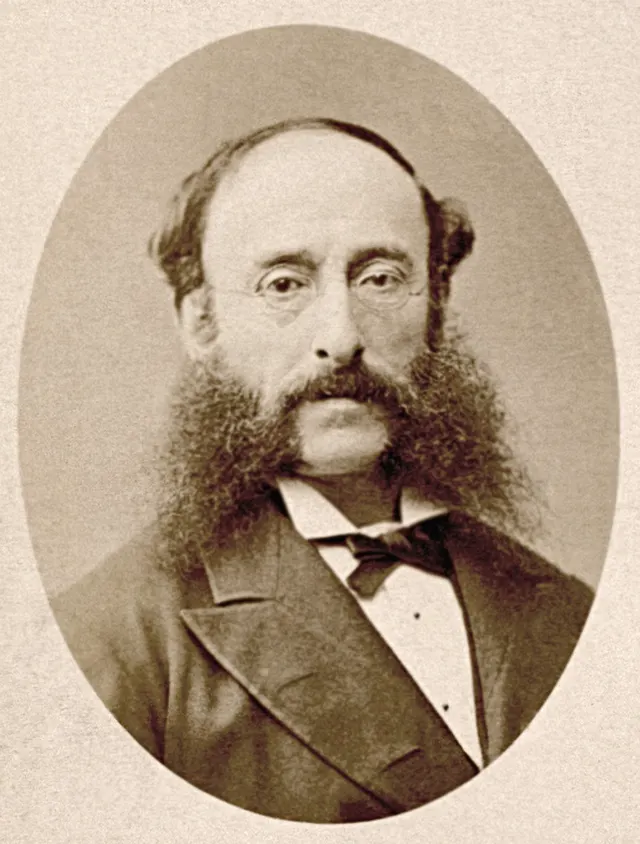
Paul Julius Reuter
Image creditNadar · Public domainResized and cropped for display.

Paul Julius Reuter

German-born pioneer of news by telegraph who settled in London and founded the Reuters news agency.

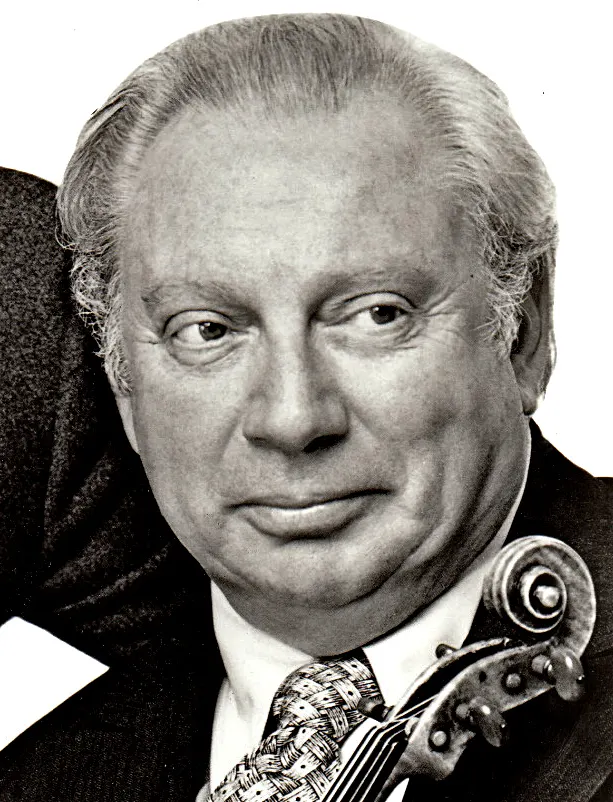
Isaac Stern
Image creditPBS · Public domainResized and cropped for display.

Isaac Stern

American violinist, born in what is now Ukraine, who became one of the great concert soloists of his era and led the campaign that saved Carnegie Hall from demolition.

John Atta Mills
Image creditSimon Wedege · CC BY 3.0Resized and cropped for display.

John Atta Mills

Ghanaian law professor and politician who was President of Ghana from 2009 until his death in office in 2012.

Cat Stevens (Yusuf Islam)
Image creditRaph_PH · CC BY 2.0Resized and cropped for display.

Cat Stevens (Yusuf Islam)

British singer-songwriter of ‘Wild World’ and ‘Morning Has Broken’ who became a Muslim in 1977 and later returned to music as Yusuf.

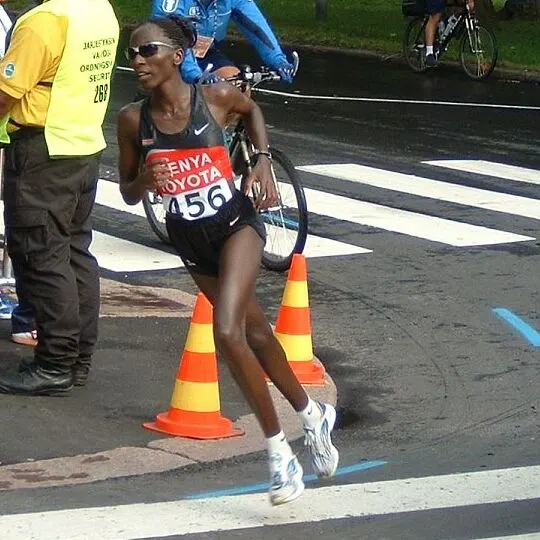
Catherine Ndereba
Image creditTarmoK · CC BY-SA 3.0Resized and cropped for display.

Catherine Ndereba

Kenyan marathon runner who won the Boston Marathon four times, took two world championship golds and won Olympic silver in 2004 and 2008.

◉
IDEAS THAT CHANGED THINGS

Firsts, Science & Discoveries

Vostok Station, a cluster of buildings on the ice of the high East Antarctic plateau
Image creditTodd Sowers, LDEO, Columbia University, for NOAA · Public domainResized and cropped for display.

Vostok Station records minus 89.2 °C, the coldest reading on Earth

The Soviet Union opened Vostok Station in 1957, deep in the interior of East Antarctica, about 3,500 metres above sea level on the ice sheet. It is one of the most remote and hostile places people have ever lived, and in the long polar night the small winter crew recorded the weather several times a day, as well as drilling deep ice cores that later revealed hundreds of thousands of years of climate history.

At 02:45 GMT on 21 July 1983 the station’s thermometer read minus 89.2 °C, the lowest air temperature ever measured at the Earth’s surface. A study by the British Antarctic Survey found it came after a week of clear, still skies that let heat escape into space. The World Meteorological Organization still lists it as the world record, although satellites have since detected even colder surface temperatures in hollows on the high Antarctic plateau.

Read the full storyHistory & Timeline →Source: British Antarctic Survey: Record low surface air temperature at Vostok Station, Antarctica ↗
☆
SPORTING HISTORY

Sporting Moments

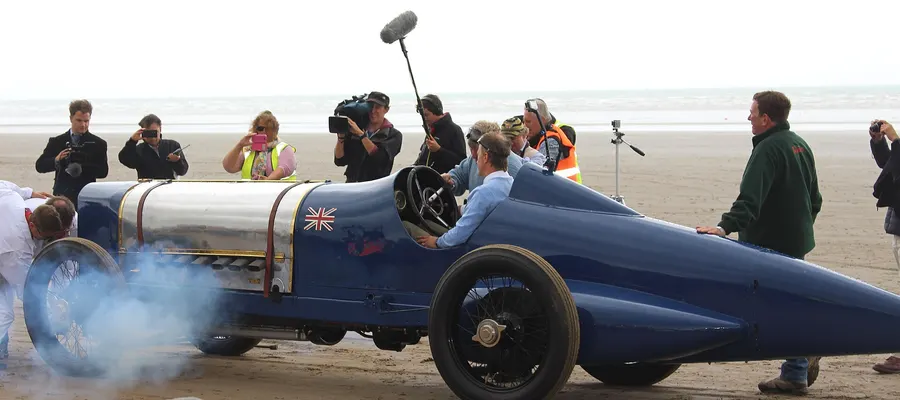
The Sunbeam 350HP Blue Bird back on Pendine Sands on 21 July 2015, the 90th anniversary of Campbell's record
The Sunbeam 350HP Blue Bird back on Pendine Sands on 21 July 2015, the 90th anniversary of Campbell’s record
Image creditThruxton · CC BY-SA 4.0Resized and cropped for display.

Malcolm Campbell breaks 150 mph on Pendine Sands

In the 1920s the world land speed record was fought over on long, flat beaches, where hard wet sand gave a straight run of several miles. One of the most popular was Pendine Sands in Carmarthenshire, south-west Wales. The English driver Malcolm Campbell had bought a Sunbeam racing car with a huge 18-litre aero-style engine, painted it blue and named it Blue Bird.

On 21 July 1925, driving in both directions along the beach as the rules demanded, Campbell set a new world land speed record of 150.766 mph (242.628 km/h), the first time anyone had driven a car faster than 150 mph. He went on to set many more records on land and water. The car survives and is now in the National Motor Museum at Beaulieu.

Read the full storyHistory & Timeline →Source: National Motor Museum: Sunbeam 350hp Blue Bird ↗
♫
MUSIC • FILM • BOOKS • CULTURE

Culture Stories

✦
LIVES REMEMBERED

Remembered Today

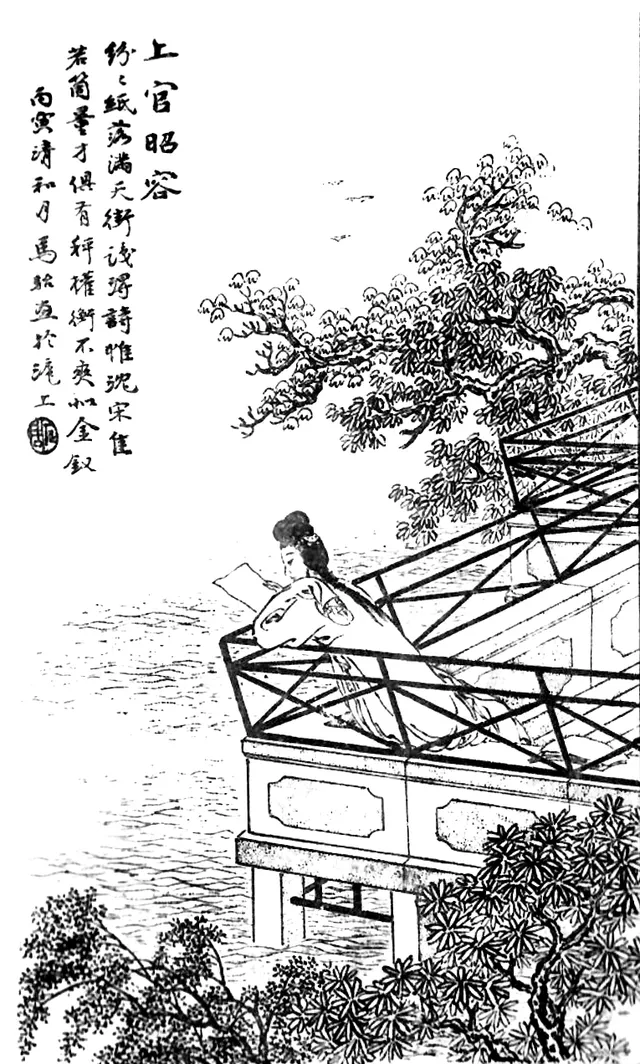
Shangguan Wan'er
Image creditMa Dai(馬駘、1886~1937) · Public domainResized and cropped for display.

Shangguan Wan’er

Chinese poet and palace official who rose from servant to trusted secretary of Empress Wu Zetian and shaped the court poetry of the Tang dynasty.

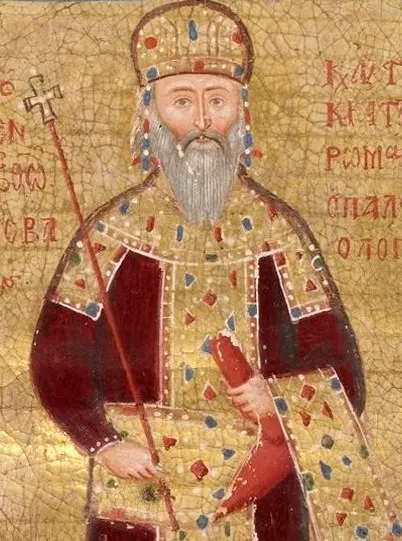
Manuel II Palaiologos
Image creditUnknown Byzantine artist · CC BY-SA 4.0Resized and cropped for display.

Manuel II Palaiologos

Byzantine emperor from 1391 who travelled as far as Paris and London seeking help against the Ottomans for his shrinking empire.

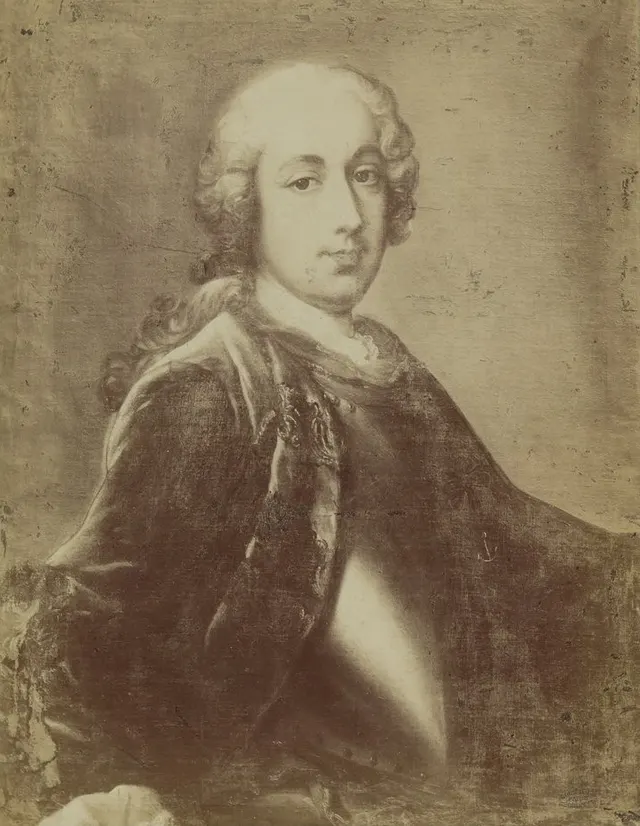
Antoine Bruni d'Entrecasteaux
Image creditCharles Paul Landon / Edme Quenedey des Ricets · Public domainResized and cropped for display.

Antoine Bruni d’Entrecasteaux

French naval officer who charted parts of the coasts of Australia and Tasmania while searching for the lost expedition of La Pérouse, and died at sea.

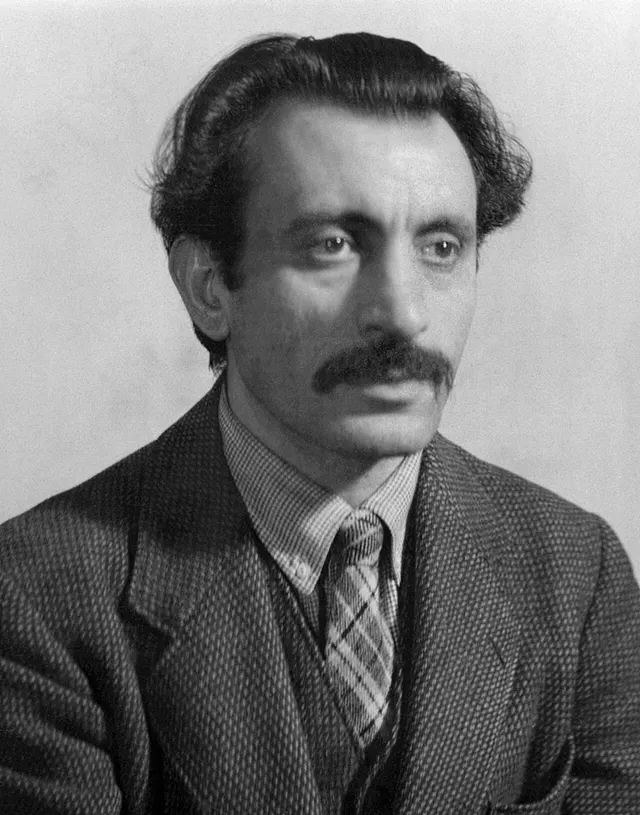
Arshile Gorky
Image creditVon Urban · Public domainResized and cropped for display.

Arshile Gorky

Armenian-American painter who survived the Armenian genocide as a boy and whose later work helped lead the way to Abstract Expressionism.

Albert Luthuli
Image creditEli Weisberg · Public domainResized and cropped for display.

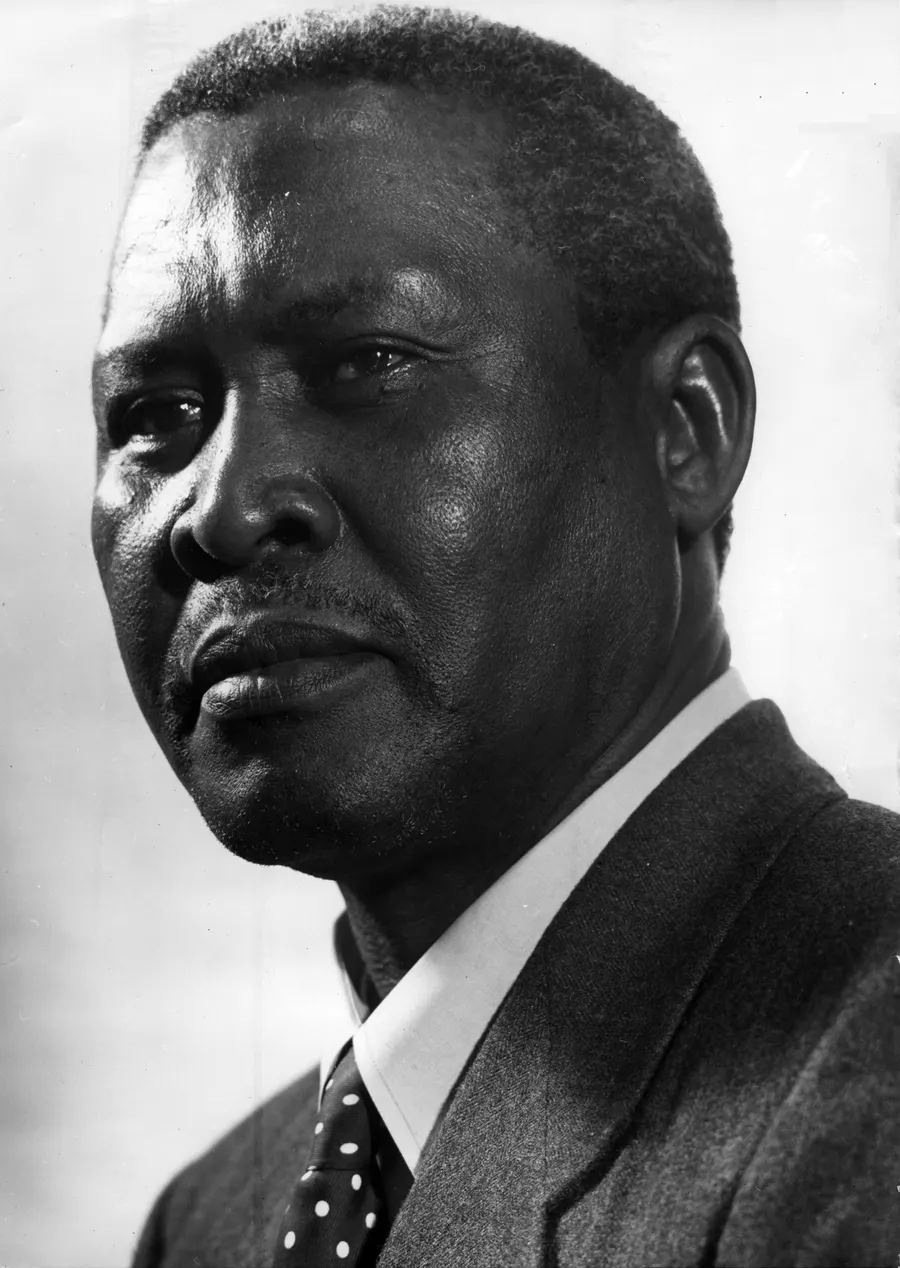
Albert Luthuli

Zulu chief and president of the African National Congress who became the first African to win the Nobel Peace Prize, in 1960, for his non-violent struggle against apartheid.

☉
AROUND THE WORLD

Observances & Anniversaries

A float in the Liberation Day parade on Guam, 21 July 2017
Image creditU.S. Navy photo by Mass Communication Specialist 2nd Class Richard Miller · Public domainResized and cropped for display.

Liberation Day, Guam

Japanese forces seized the American island territory of Guam in December 1941, and for 31 months its Chamorro people lived under a harsh occupation, with forced labour and killings in the last months. On the morning of 21 July 1944 American marines and soldiers landed on the beaches at Asan and Agat, and after weeks of hard fighting the island was declared secure on 10 August.

Guam made 21 July a public holiday by law in 1951. Liberation Day is marked with memorial services for those who suffered and died in the occupation, followed by a parade in the capital, Hagåtña, and celebrations across the island.

Source: National Park Service, War in the Pacific National Historical Park: Battle of Guam ↗
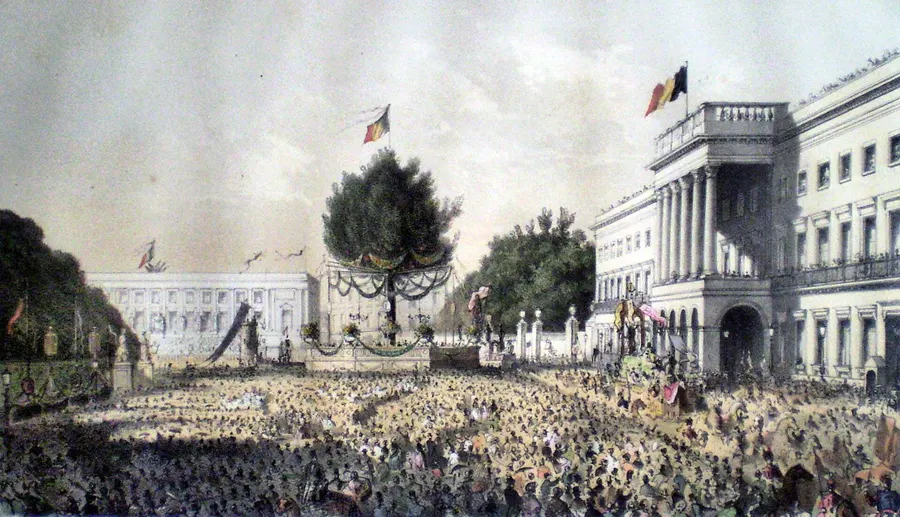
Crowds on the decorated Place des Palais in Brussels in July 1856, for the 25th anniversary of Leopold I's oath, in a coloured lithograph by Claessens
Crowds on the decorated Place des Palais in Brussels in July 1856, for the 25th anniversary of Leopold I’s oath, in a coloured lithograph by Claessens
Image creditClaessens (lithographer), published by Jules Geruzet · Public domainResized and cropped for display.

Belgian National Day

Belgium broke away from the Kingdom of the Netherlands in the revolution of 1830 and chose a German prince, Leopold of Saxe-Coburg, as its first king. On 21 July 1831 Leopold took the oath to uphold the new constitution in Brussels and became Leopold I, King of the Belgians.

A law of 1890 made 21 July the national holiday. It is marked with a Te Deum service, the king’s review of a military and civilian parade in Brussels, and concerts and fireworks in the evening.

Source: Belgium.be: National Day and feast days of Communities and Regions ↗
HISTORY & TIMELINE

Finished the highlights?

Follow 21 July chronologically, from the Middle Ages to the modern day, with 13 verified events and the sources behind them.

This day through time →