1054Papal envoys excommunicate the Patriarch of Constantinople
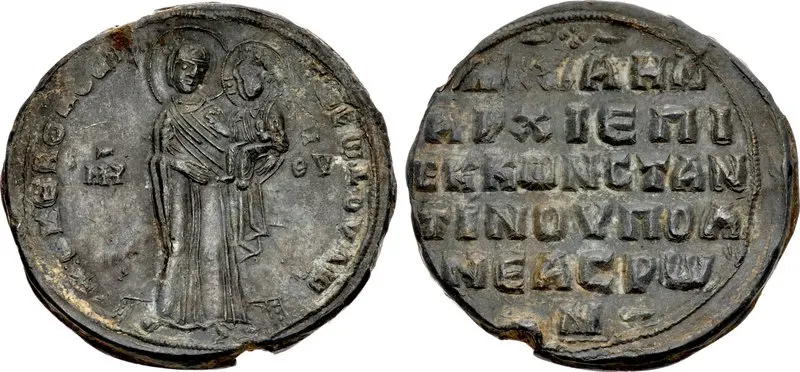
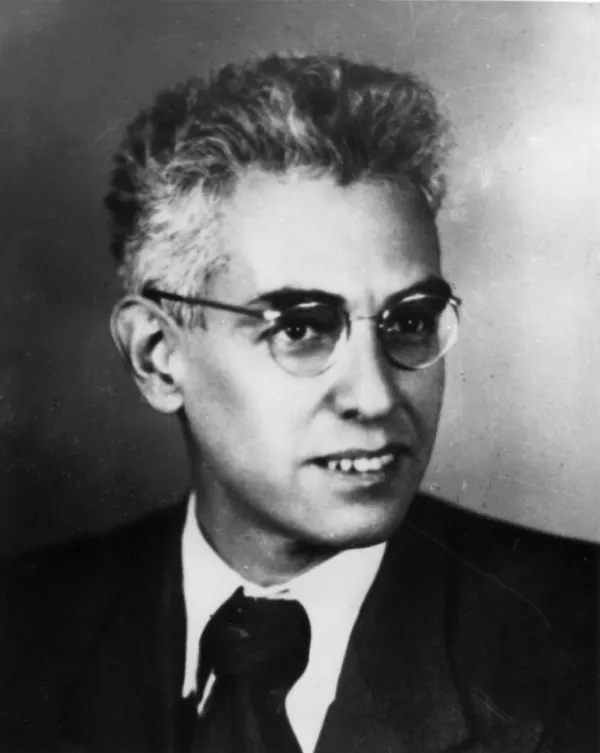
By the 11th century the Latin Church of the West and the Greek Church of the Byzantine East had drifted far apart. They argued over the wording of the Creed, over whether the bread of the Eucharist should be leavened, over married priests and, above all, over the Pope’s claim to authority over the whole Church. In 1054 Pope Leo IX sent a delegation to Constantinople led by the forceful Cardinal Humbert of Silva Candida, but talks with the Patriarch, Michael Cerularius, went nowhere, and the Pope died while his envoys were still in the city.
On 16 July 1054 Humbert and his fellow legates walked into the great church of Hagia Sophia and laid a bull of excommunication against Cerularius on the altar. Cerularius replied by excommunicating the legates. At the time it looked like one more quarrel between churchmen, but the break was never healed, and 1054 became the traditional date for the split between the Roman Catholic and Eastern Orthodox churches. The mutual excommunications were lifted by Pope Paul VI and Patriarch Athenagoras only in 1965.
Read the full storyHistory & Timeline →Source: Britannica: Humbert of Silva Candida ↗
1212The Christian kings of Spain rout the Almohads at Las Navas de Tolosa
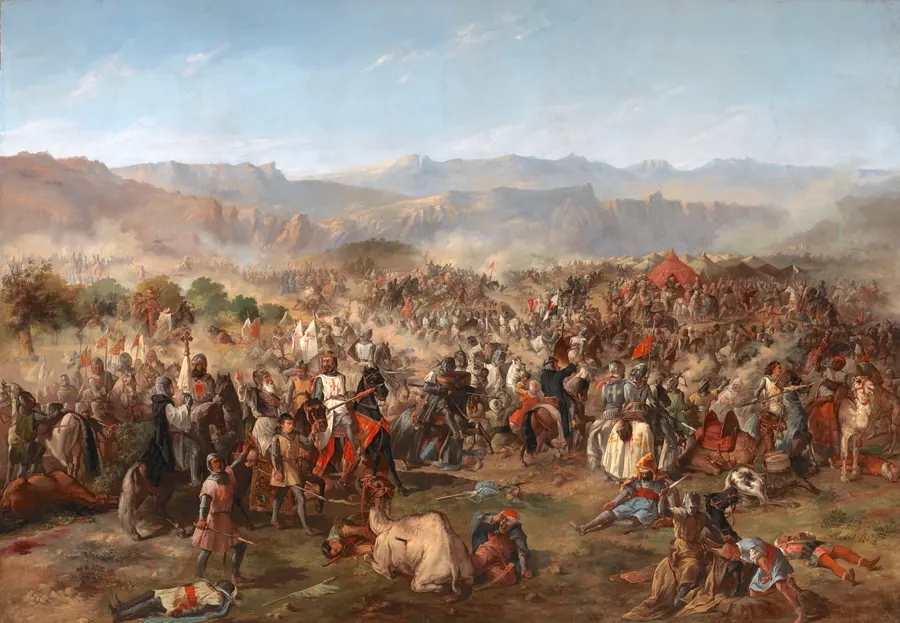
In the late 12th century the Almohads, a Berber dynasty ruling from Marrakesh, held all of Muslim Spain, and in 1195 they had crushed King Alfonso VIII of Castile at Alarcos. Alfonso spent years preparing his revenge. Pope Innocent III proclaimed a crusade, and in 1212 the kings of Aragon and Navarre joined Castile with knights from Portugal and volunteers from beyond the Pyrenees. The Almohad caliph Muhammad al-Nasir brought a large army north to meet them in the passes of the Sierra Morena.
The Muslim army held the main pass, but, as the story goes, a local shepherd showed the Christians another way through the mountains. On 16 July 1212 they attacked the caliph’s camp on the plain of Las Navas de Tolosa and routed his army, and al-Nasir fled to Africa. Alfonso went on to take Baeza and Úbeda. The victory removed the last great Muslim threat to the Christian kingdoms, and within forty years Castile had taken Córdoba and Seville.
Read the full storyHistory & Timeline →Source: Britannica: Battle of Las Navas de Tolosa ↗
1809La Paz rises against Spanish rule
When Napoleon forced the Spanish king Ferdinand VII from his throne in 1808, Spain’s American empire was thrown into confusion. Colonial officials no longer knew whose authority they served, and in city after city Creole leaders, born in the Americas of Spanish descent, began to talk of governing themselves. In Upper Peru, the modern Bolivia, the town of Chuquisaca moved first in May 1809.
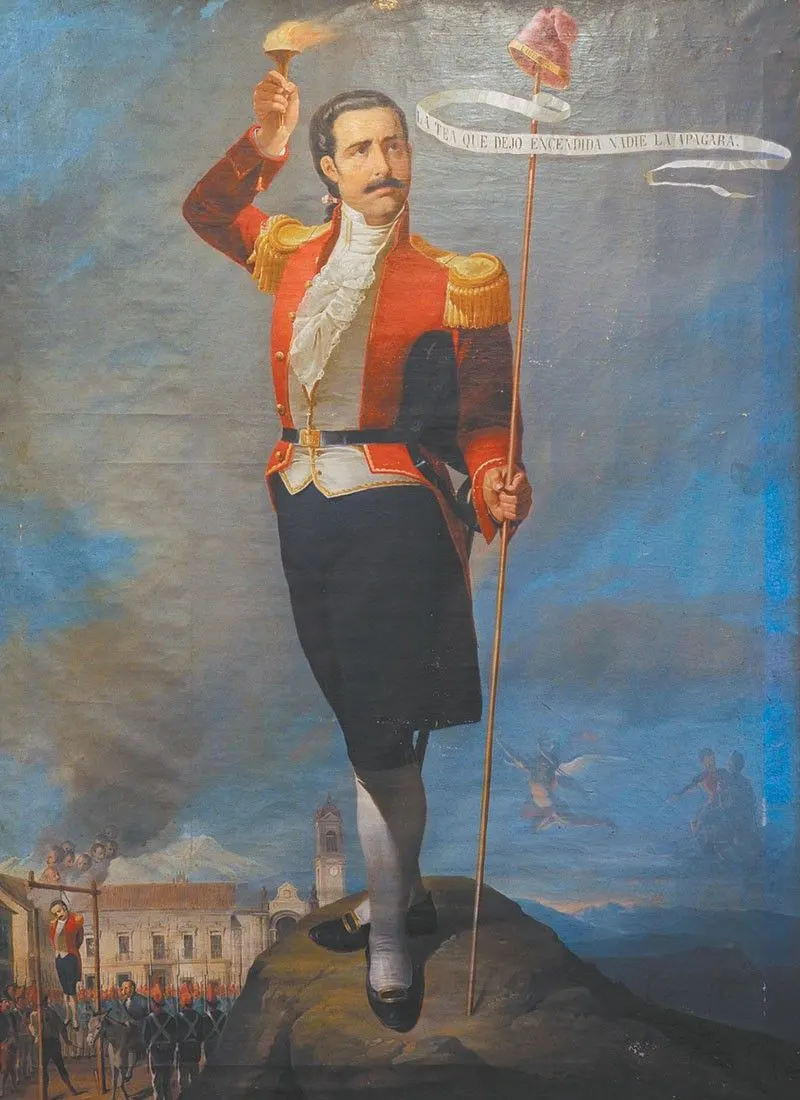
On 16 July 1809, while the city of La Paz was busy with the procession of the Virgen del Carmen, rebels led by Pedro Domingo Murillo seized the barracks, rang the church bells and called the people to an open town council, which removed the governor and the bishop. Days later they set up a governing junta. The rising was crushed within months by troops sent from Peru, and Murillo was hanged in January 1810, but La Paz is remembered as one of the first sparks of the wars of independence in Spanish South America.
Read the full storyHistory & Timeline →Source: Harvard Library, Latin American pamphlet collection: Revolución del 16 de julio de 1809 y biografía de don Pedro Domingo Murillo (1878) ↗
1909Iran’s constitutionalists depose Mohammad Ali Shah
In 1906 a revolution forced the Qajar ruler of Iran to grant a constitution and an elected parliament, the Majles. His son Mohammad Ali Shah, who came to the throne in 1907, set out to undo it. In June 1908 his Cossack Brigade shelled the parliament building and many of the constitution’s leaders were arrested or killed. Resistance held out in Tabriz, and in 1909 armed constitutionalists marched on the capital from Gilan in the north and with Bakhtiari tribesmen from the south.
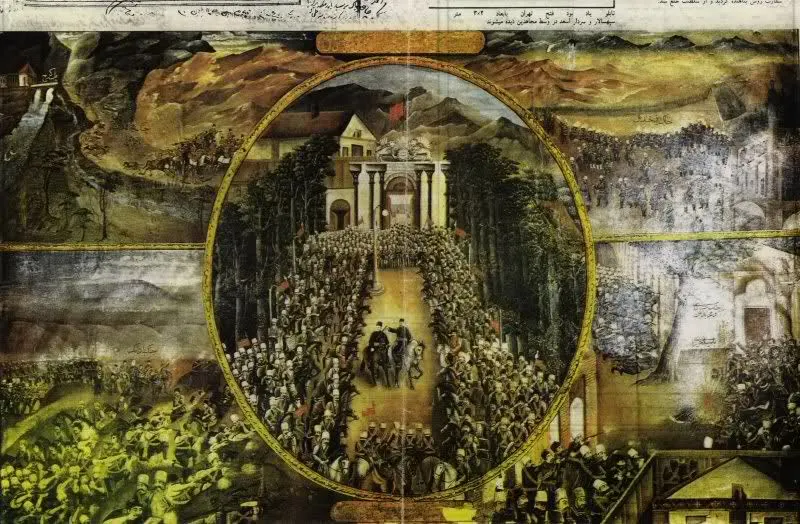
They entered Tehran on 13 July 1909, and the shah took refuge in the Russian legation. On 16 July an emergency assembly of more than 300 members declared that he had forfeited the throne, and placed his 11-year-old son on it as Ahmad Shah, with a regent to rule for him. The restored parliament met again that autumn, but foreign pressure and internal quarrels kept the constitutional government weak, and Ahmad Shah was the last of the Qajar kings.
Read the full storyHistory & Timeline →Source: Encyclopaedia Iranica: Constitutional Revolution, events ↗
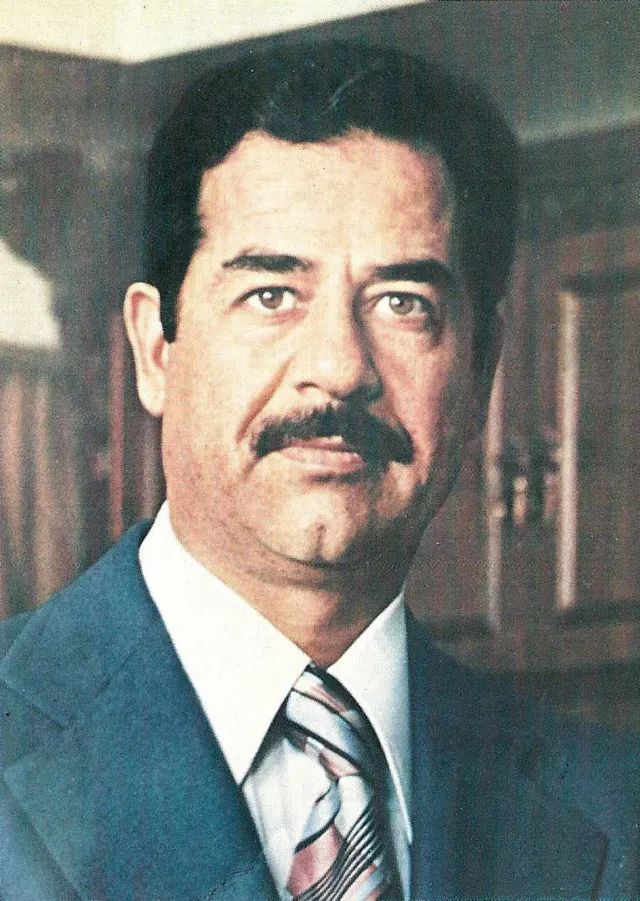
1979Saddam Hussein becomes president of Iraq
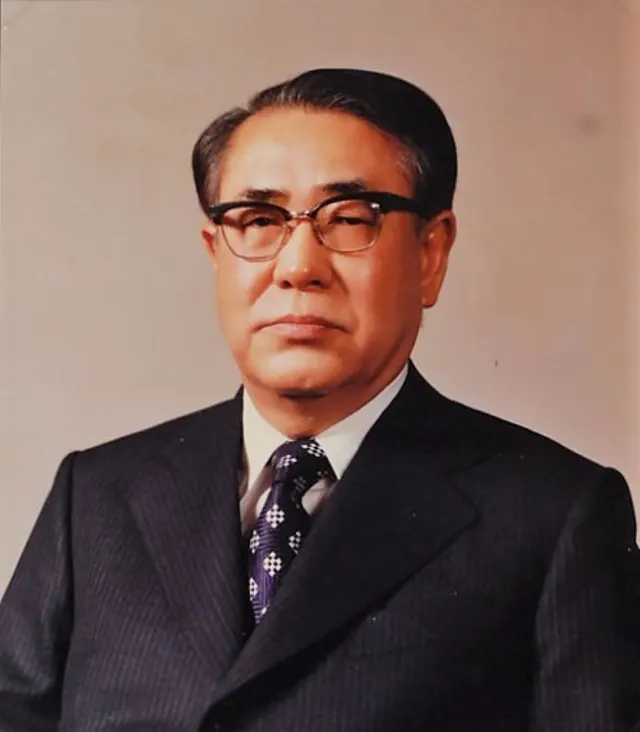
The Ba’ath Party seized power in Iraq in 1968, with Ahmad Hasan al-Bakr as president and his younger kinsman from Tikrit, Saddam Hussein, as his deputy. Through the 1970s Saddam built up the security services and the party machine, and by the end of the decade he was the real power in the country while the ailing Bakr remained its public face.
On 16 July 1979 Bakr resigned, officially for reasons of health, and Saddam became president. Within days he summoned party leaders to a meeting at which alleged plotters were named and led out of the room, and 22 senior figures were executed. Saddam ruled Iraq for almost 24 years, taking it into war with Iran in 1980 and into Kuwait in 1990, until he was overthrown by the American-led invasion of 2003.
Read the full storyHistory & Timeline →Source: Britannica: Saddam Hussein ↗