1191Acre surrenders to the kings of the Third Crusade
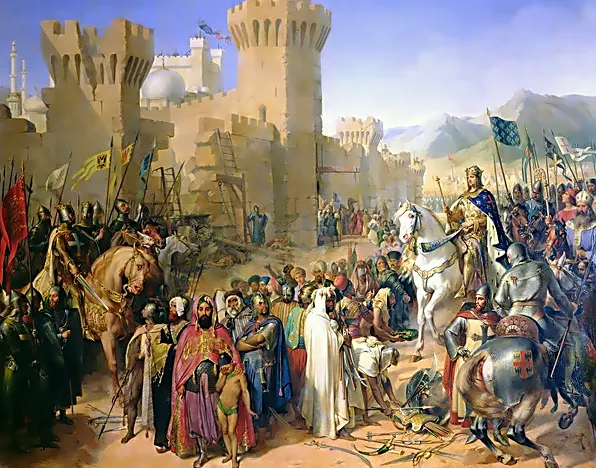
After Saladin took Jerusalem in 1187, the Christian kingdom in the Holy Land was reduced to a few coastal towns. In August 1189 King Guy of Jerusalem laid siege to the great port of Acre, and Saladin’s army in turn surrounded the besiegers. For almost two years the crusaders were trapped between the city walls and the Muslim field army, while disease and hunger killed thousands in the camps.
The balance changed when the kings of the Third Crusade arrived: Philip II Augustus of France in April 1191 and Richard I of England in June, with fresh troops, ships and siege engines. With its walls battered and relief failing, the garrison agreed terms on 12 July 1191 and handed the city over. Saladin was to pay a ransom, free Christian prisoners and return the relic of the True Cross. When the payments were delayed, Richard had some 2,700 prisoners killed outside the walls in August. Acre became the capital of the crusader kingdom for the next century.
Read the full storyHistory & Timeline →Source: World History Encyclopedia: The Siege of Acre, 1189-91 ↗
1562A Franciscan friar burns Maya books and images at Maní
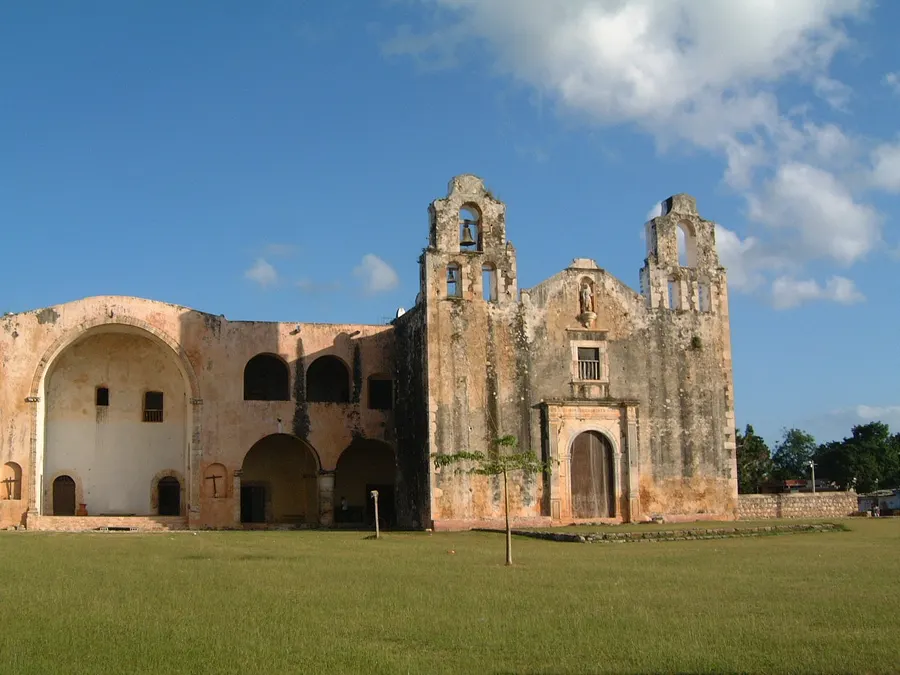
Franciscan friars arrived in Yucatán soon after the Spanish conquest and baptised thousands of Maya. In May 1562 they discovered that many converts around the town of Maní were still honouring their old gods in secret. Fray Diego de Landa, head of the Franciscans in the province, launched a harsh inquiry in which many Maya were tortured, and some died.
On 12 July 1562 he held an auto-da-fé, a public ceremony of penance and punishment, in the town square of Maní. By later accounts some 5,000 cult images were destroyed, along with 27 books: screenfold codices of bark paper recording Maya ritual, astronomy and history. Landa was called back to Spain to answer for exceeding his authority. There he wrote an account of Yucatán whose notes on Maya writing later helped scholars decipher the script. Only four Maya codices are known to survive today.
Read the full storyHistory & Timeline →Source: Archaeological Institute of America, Archaeology magazine: Acts of Faith ↗
1576The Mughals win Bengal at the Battle of Rajmahal
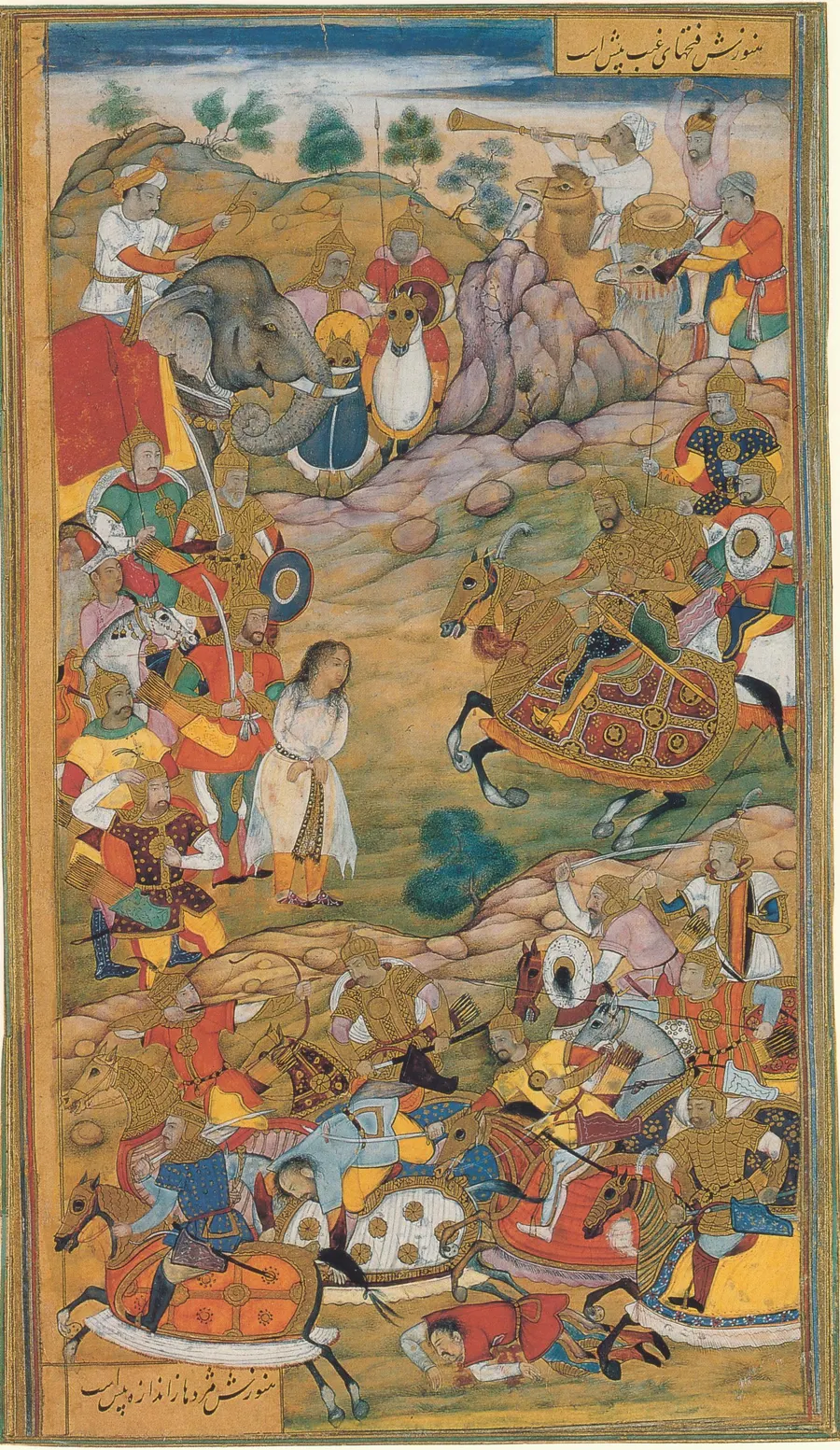
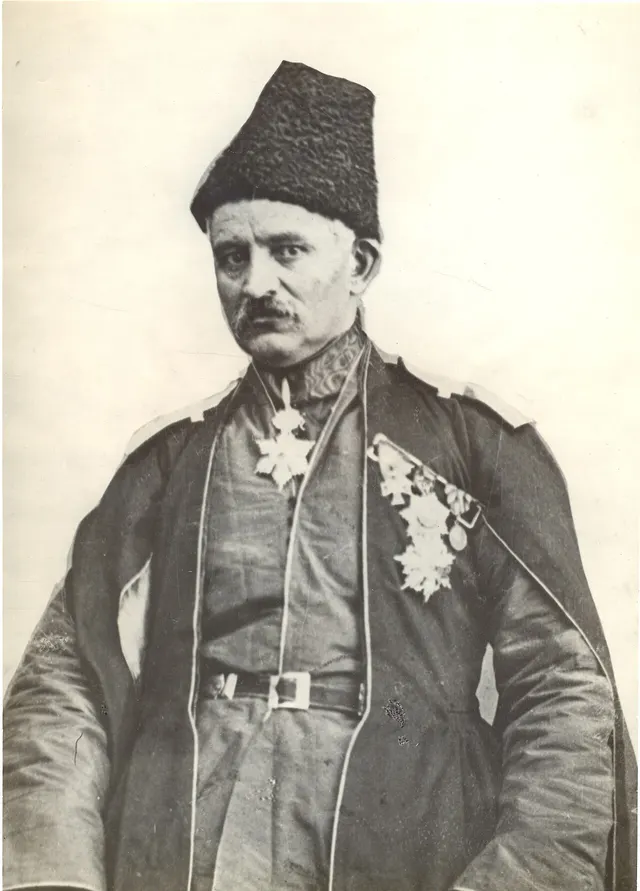
In the 1570s the rich lands of Bengal were ruled by Daud Khan Karrani, the last of a line of Afghan sultans. He refused to accept the overlordship of the Mughal emperor Akbar, struck coins and had the Friday prayers read in his own name. Defeated at Tukaroi in 1575, he made peace, but soon rose again and retook much of Bengal.
Akbar sent his general Khan Jahan Husain Quli Beg against him, reinforced by the governor of Bihar with thousands of horsemen and boatloads of supplies. On 12 July 1576 the two armies met at Rajmahal, on the Ganges. Daud’s army was routed, and he was captured and put to death. The battle ended independent Afghan rule and began Mughal rule in Bengal, although local chiefs went on resisting for years.
Read the full storyHistory & Timeline →Source: Banglapedia, Asiatic Society of Bangladesh: Rajmahal, The battle of ↗
1806Napoleon creates the Confederation of the Rhine
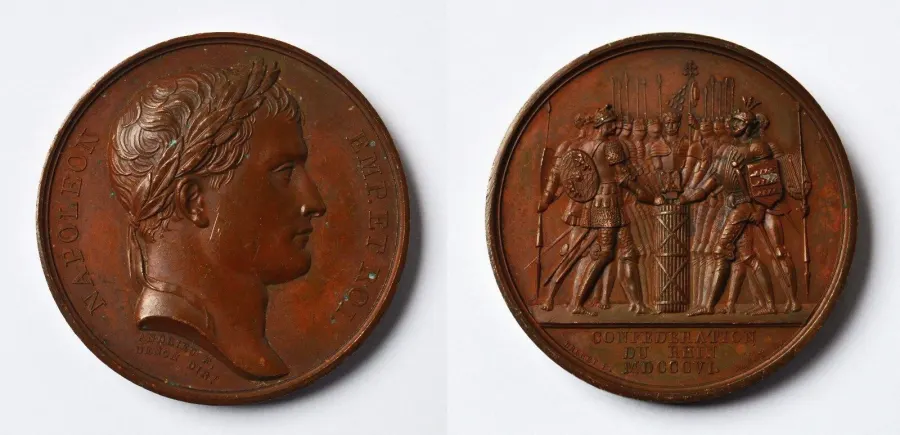
By 1806 Napoleon had beaten Austria at Austerlitz and redrawn the map of southern and western Germany. Bavaria and Württemberg had been raised to kingdoms, and many small states had been swallowed by larger neighbours. The Holy Roman Empire, which had bound the German lands together for about a thousand years, was an empty shell.
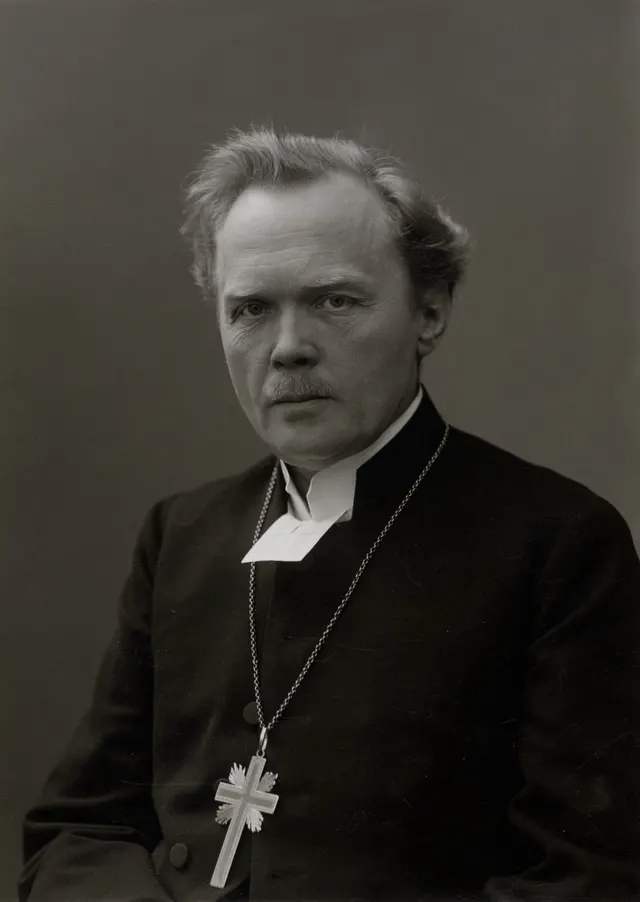
On 12 July 1806 sixteen German states signed a treaty in Paris forming the Confederation of the Rhine. Napoleon became its Protector, and the Archbishop Karl Theodor von Dalberg its Prince-Primate. The members promised Napoleon an army of 63,000 men, and on 1 August they declared that they had left the Holy Roman Empire. Five days later Francis II laid down the imperial crown, and the empire was over. Almost every German state except Austria and Prussia later joined, but the confederation collapsed after Napoleon’s defeat at Leipzig in 1813.
Read the full storyHistory & Timeline →Source: Fondation Napoléon: Creation of the Confederation of the Rhine, 12 July 1806 ↗
1975São Tomé and Príncipe becomes independent
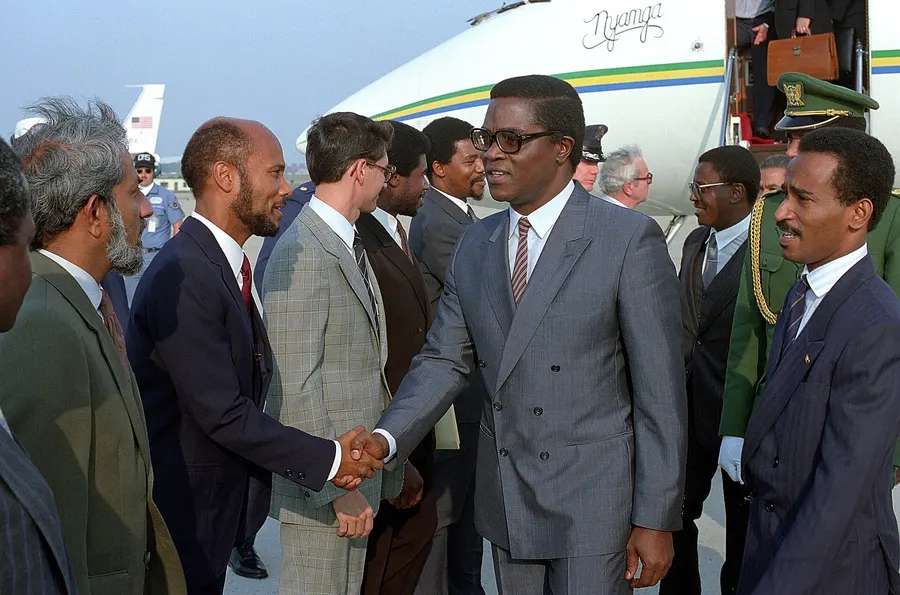
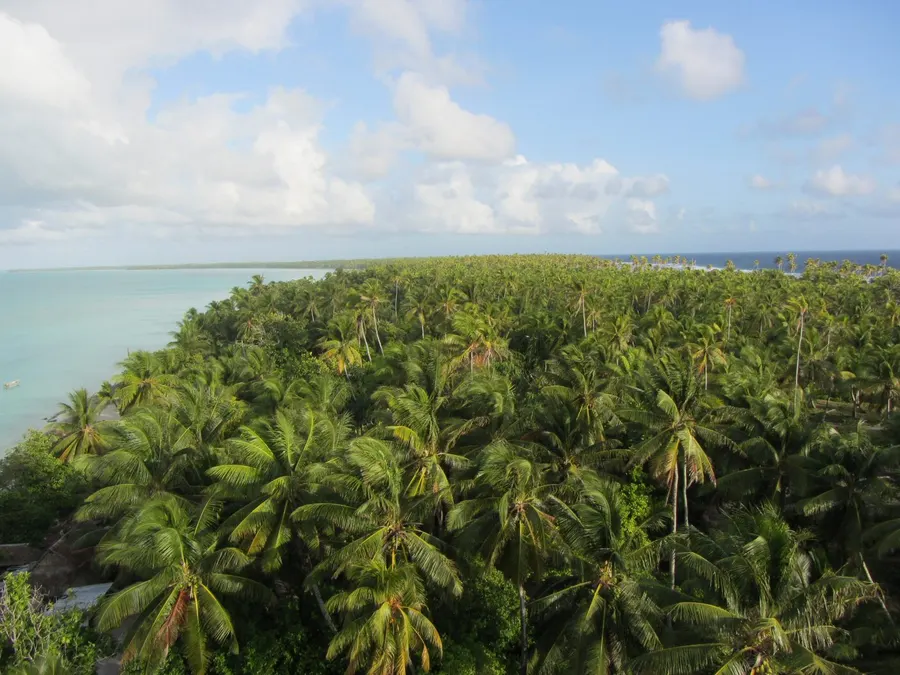
The islands of São Tomé and Príncipe, in the Gulf of Guinea off the coast of Central Africa, were uninhabited when Portuguese sailors reached them around 1470. Portugal settled them with plantations worked by enslaved Africans, first for sugar and later for coffee and cocoa, and forced contract labour continued long after slavery was abolished. From 1960 a liberation movement, later called the MLSTP, organised in exile.
After the Carnation Revolution of April 1974 ended Portugal’s dictatorship, the new government agreed to hand over power. The terms were settled with the MLSTP in Algiers in November 1974, and on 12 July 1975 the islands became independent, with the movement’s leader, Manuel Pinto da Costa, as president. Most Portuguese settlers left. The country was a one-party state until 1990, when a new constitution brought multiparty elections, and it has since become one of Africa’s more stable democracies.
Read the full storyHistory & Timeline →Source: Britannica: History of Sao Tome and Principe ↗