1456Joan of Arc is cleared, 25 years after her execution
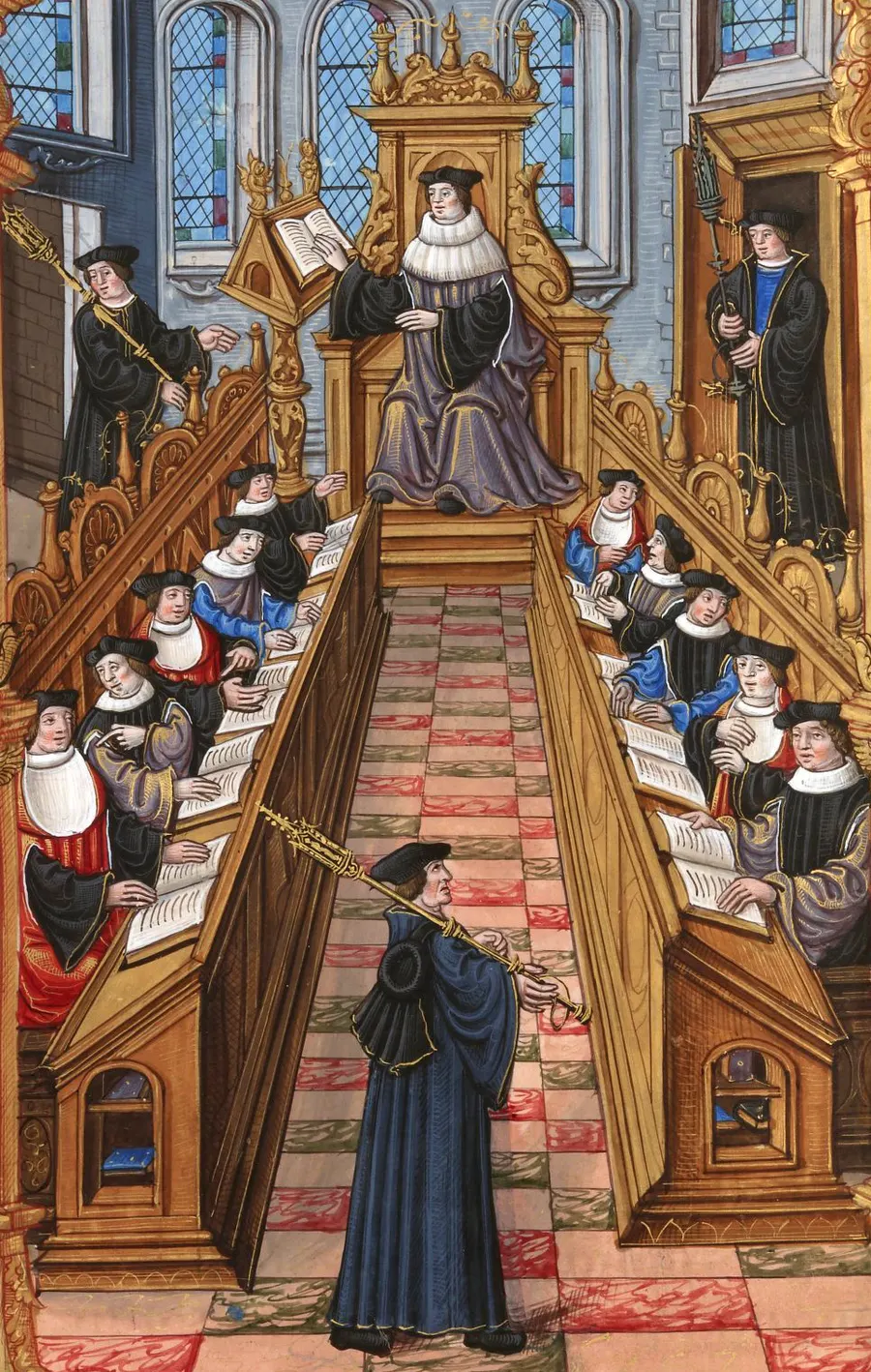
Joan of Arc was burned at the stake in Rouen on 30 May 1431, after a church court in English-held Normandy, led by Bishop Pierre Cauchon, found her guilty of heresy. Her conviction was an embarrassment to Charles VII, the king she had helped crown at Reims. Once his armies had retaken Rouen, he ordered an inquiry, and in 1455 Pope Callixtus III allowed a new hearing, formally brought by Joan’s elderly mother, Isabelle Romée, and her brothers.
The judges took evidence from well over a hundred witnesses, among them villagers from Domrémy, soldiers who had fought beside her and clerics who had sat through the first trial. On 7 July 1456, in the archbishop’s palace at Rouen, the sentence was read out: the earlier trial had rested on false charges, and it was declared null and void. A copy of the articles of accusation was torn up in public. Joan was canonised in 1920 and is now one of the patron saints of France.
Read the full storyHistory & Timeline →Source: Vatican: Benedict XVI, general audience on Saint Joan of Arc (26 January 2011) ↗
1520Cortés and his allies survive the Battle of Otumba
On the night of 30 June 1520 Hernán Cortés and his men were driven out of the Aztec capital, Tenochtitlan, losing many soldiers, most of their horses and much of the gold they had seized. The survivors, together with their Tlaxcalan allies, set off on a long, painful retreat around the northern shore of the lakes, harassed as they went, heading for the safety of Tlaxcala.
On 7 July, on the plain near Otumba, they found a great Mexica army barring the way. The exhausted Spaniards seemed certain to be overwhelmed, but Cortés and a handful of horsemen charged towards the enemy commander, who was marked out by his elaborate standard, and struck him down. The Mexica force lost heart and fell back. The retreat reached Tlaxcala, Cortés rebuilt his strength with new allies, and just over a year later, in August 1521, Tenochtitlan fell.
Read the full storyHistory & Timeline →Source: Britannica: Hernán Cortés ↗
1892The Katipunan is founded in Manila
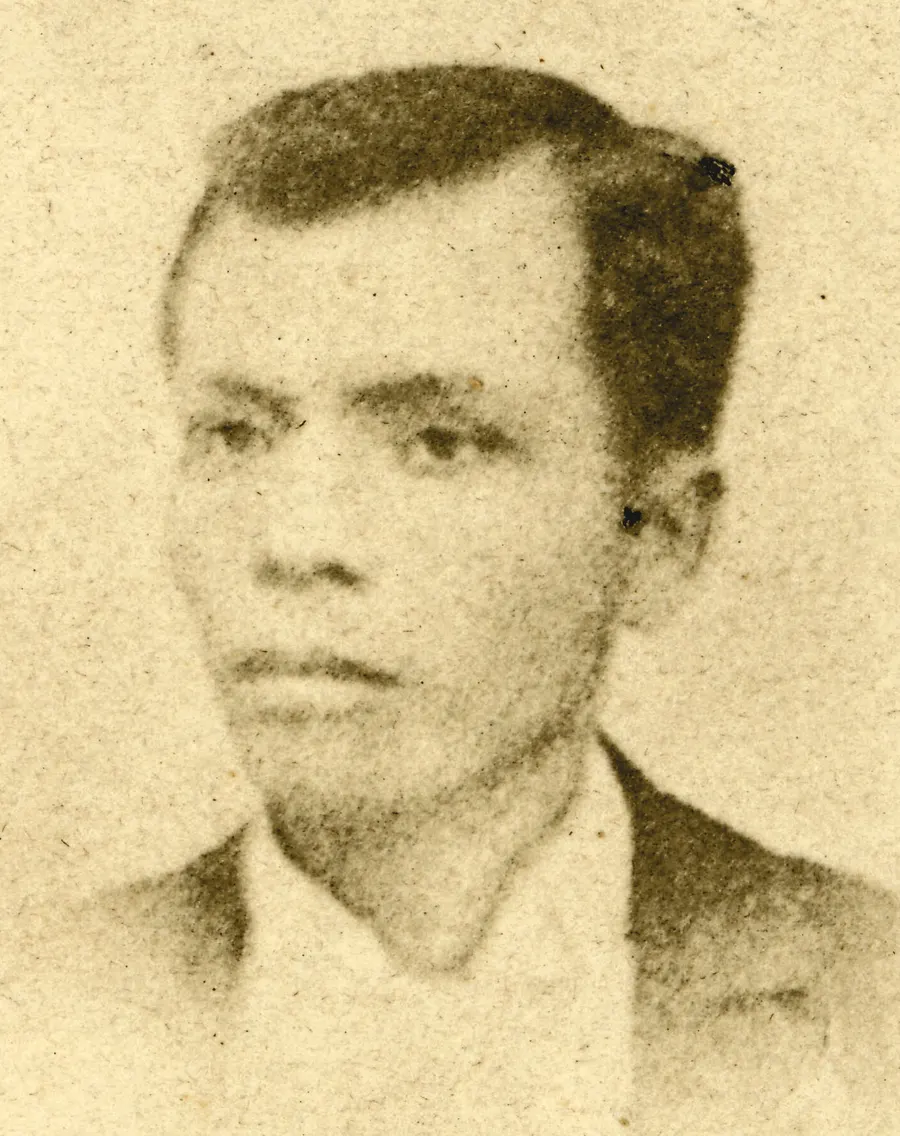
By the 1890s educated Filipinos had spent years asking Spain for reforms, with little result. In early July 1892 the writer José Rizal founded La Liga Filipina, a peaceful reform society, but within days he was arrested and sent into exile at Dapitan, on Mindanao. To some of its members, this showed that asking politely would never work.
On the night of 7 July 1892, in the house of Deodato Arellano in Tondo, Manila, Andrés Bonifacio and a few companions founded the Kataastaasan, Kagalanggalangang Katipunan ng mga Anak ng Bayan, the Highest and Most Venerable Society of the Children of the Nation. Its aim was independence, not reform. Members joined by a blood compact and were organised in secret cells, and the society grew to many thousands. When the Spanish discovered it in August 1896, the Katipunan rose in revolt, starting the Philippine Revolution.
Read the full storyHistory & Timeline →Source: National Historical Commission of the Philippines: Andres Bonifacio and the Katipunan ↗
1937Shots at the Marco Polo Bridge start a war between China and Japan
Japan had seized Manchuria in 1931 and kept pushing into northern China. By 1937 its troops were stationed around Beiping, as Beijing was then called, and Chinese anger was so strong that the Nationalists and the Communists had agreed to stop fighting each other and face Japan together.
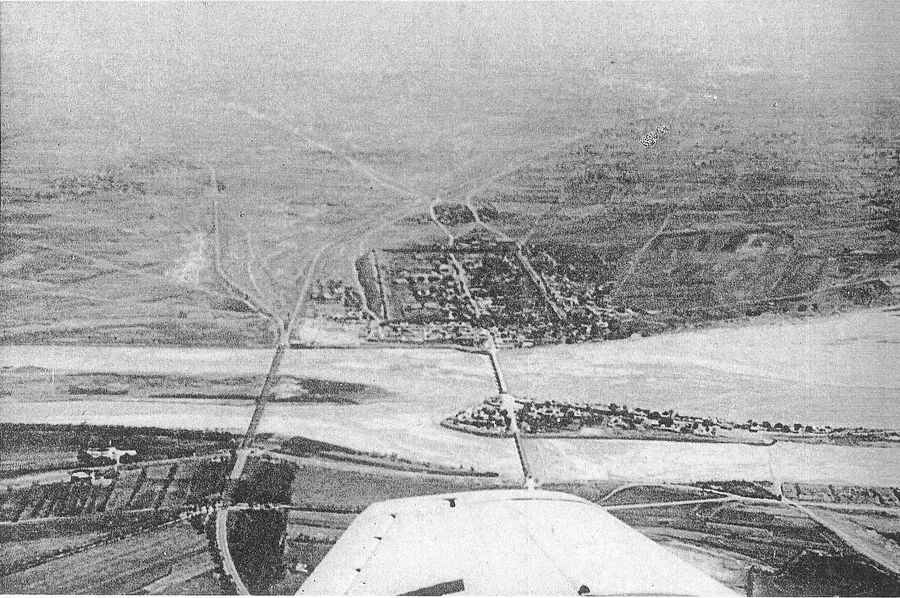
On the night of 7 July 1937 a small Japanese unit was holding manoeuvres near the Marco Polo Bridge, an ancient stone bridge outside the city. Claiming that one of its soldiers was missing, it demanded to search the walled town of Wanping. The Chinese garrison refused, shots were fired, and both sides opened fire. Neither government would back down, the fighting spread, and by the end of July Japan had taken Beiping and Tianjin. The clash became the start of the Second Sino-Japanese War, which lasted until 1945 and merged into the Second World War.
Read the full storyHistory & Timeline →Source: Britannica: Marco Polo Bridge Incident ↗
1978Solomon Islands becomes independent
Britain declared a protectorate over the southern Solomon Islands in 1893 and later added more islands to it. During the Second World War the islands were a battleground, and the fighting on Guadalcanal in 1942 and 1943 was among the hardest of the Pacific war. After it, a movement known as Maasina Rule pressed for more say for Solomon Islanders in running their own affairs.
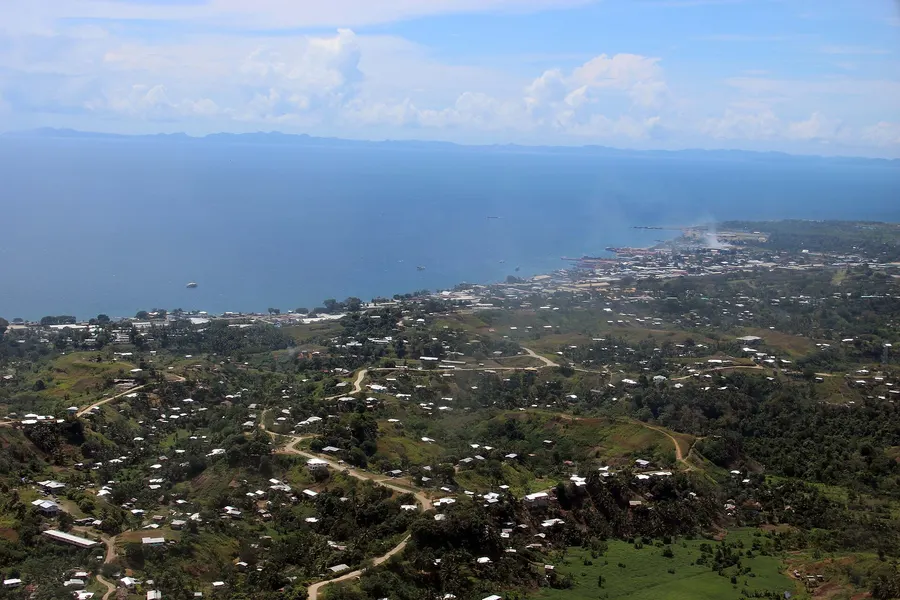
The protectorate gained its own elected government in the 1970s and was renamed Solomon Islands in 1975. Independence came on 7 July 1978, and the Legislative Assembly became the National Parliament. Peter Kenilorea, who had led the country towards independence, became its first prime minister. The new state stayed in the Commonwealth with the British monarch as head of state, represented by a governor-general, and 7 July is its national day.
Read the full storyHistory & Timeline →Source: Britannica: History of Solomon Islands ↗