1997Hong Kong passes from British to Chinese rule
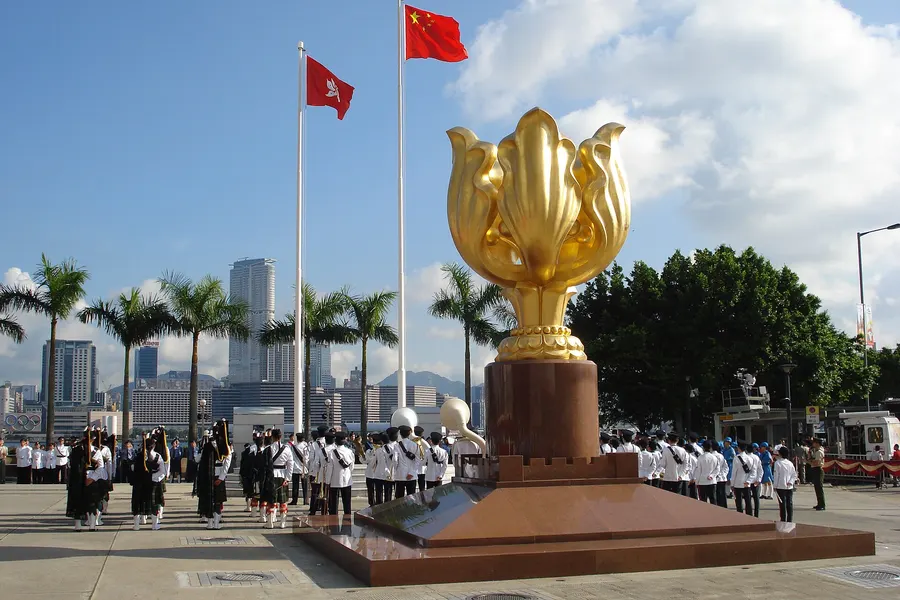
Britain took Hong Kong Island in the 1840s and Kowloon in 1860, and in 1898 it leased the much larger New Territories from China for 99 years. As the lease ran towards its end, the two governments negotiated the colony’s future, and in the Sino-British Joint Declaration of 1984 Britain agreed to hand back the whole territory in 1997. China promised that Hong Kong would keep its own legal system, economy and way of life for fifty years under the formula of ‘one country, two systems’.
The handover ceremony opened at 11.30 pm on 30 June 1997 in the new wing of the Hong Kong Convention and Exhibition Centre, beside the harbour, with speeches by Charles, Prince of Wales, and President Jiang Zemin. At midnight the British flag came down and the Chinese flag went up, and Hong Kong became a Special Administrative Region of the People’s Republic of China. Chris Patten, the last British governor, sailed away on the royal yacht Britannia, and early on 1 July Tung Chee-hwa was sworn in as the territory’s first chief executive.
Read the full storyHistory & Timeline →Source: Hong Kong Government Yearbook 1997: A New Era ↗
1867The Dominion of Canada is born
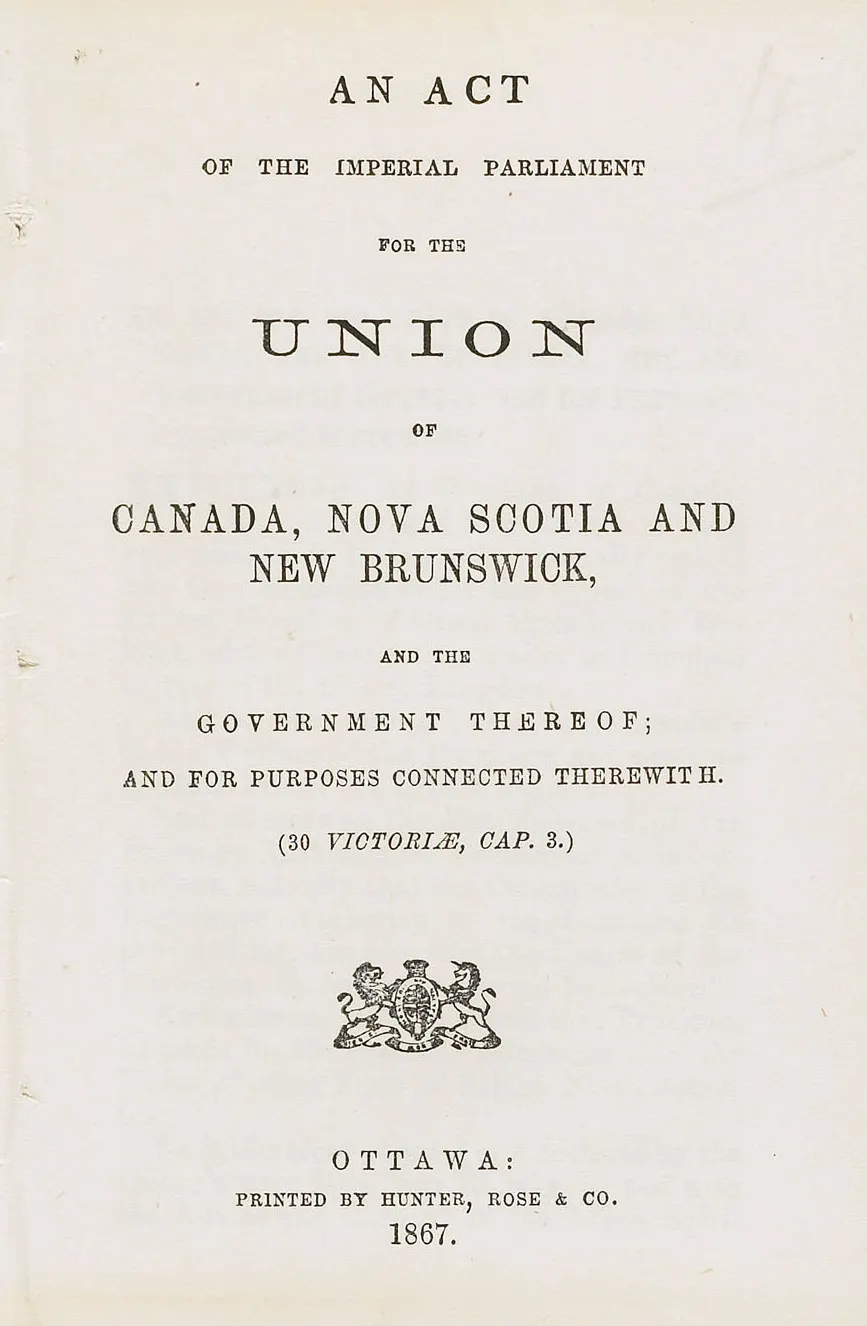
In the 1860s Britain’s colonies in North America faced hard questions: the Province of Canada was deadlocked between its English- and French-speaking halves, trade and railways needed a larger market, and the United States, fresh from its civil war, looked a threatening neighbour. At conferences in Charlottetown and Quebec City in 1864, and in London in 1866, colonial politicians worked out a plan for a federal union, which the British Parliament passed as the British North America Act in March 1867.
The act came into force on 1 July 1867. Nova Scotia, New Brunswick and the Province of Canada, split into the new provinces of Ontario and Quebec, became the Dominion of Canada, with a federal parliament in Ottawa and John A. Macdonald as the first prime minister. Indigenous nations had no say in the arrangement. The act, renamed the Constitution Act, 1867, is still the core of Canada’s constitution, and 1 July is celebrated each year as Canada Day.
Read the full storyHistory & Timeline →Source: The Canadian Encyclopedia: Constitution Act, 1867 ↗
1962Rwanda and Burundi become independent
The kingdoms of Rwanda and Burundi, in the hills of central Africa, were taken into German East Africa in the 1890s. Belgium occupied them during the First World War and then ruled them together as Ruanda-Urundi, first under a League of Nations mandate and after 1945 as a United Nations trust territory. Belgian rule relied on the Tutsi elite and hardened the division between Tutsi and Hutu, with lasting consequences.
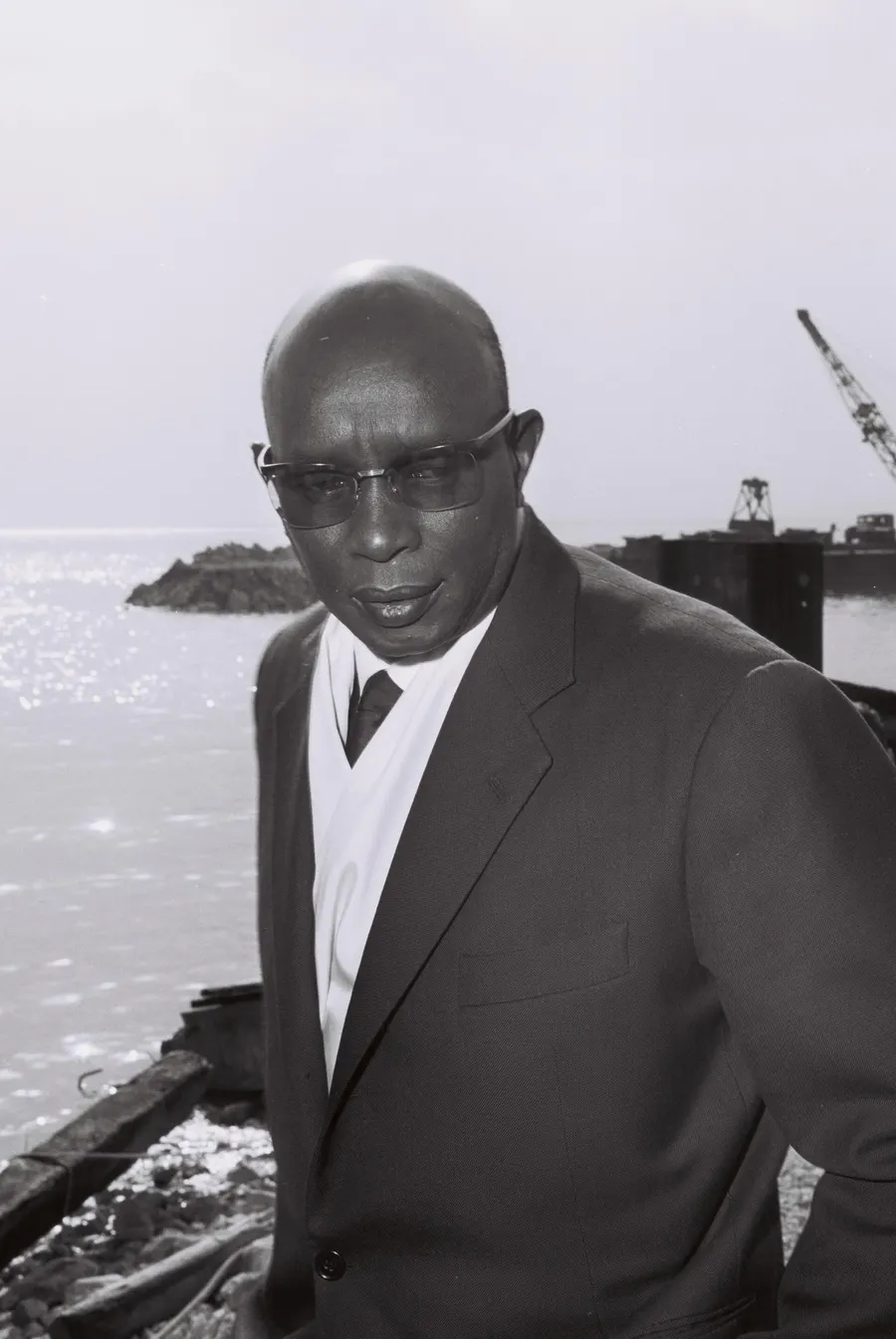
The two territories went their separate ways as independence approached. In Rwanda, violence from 1959 drove many Tutsi into exile, the monarchy was abolished and a republic declared under Hutu leadership. Burundi kept its king, Mwambutsa IV. On 1 July 1962 the UN trusteeship ended and both became independent: Rwanda as a republic and Burundi as a constitutional monarchy, which lasted until 1966. Both countries mark 1 July as their Independence Day.
Read the full storyHistory & Timeline →Source: Britannica: Ruanda-Urundi ↗
1916The first day on the Somme
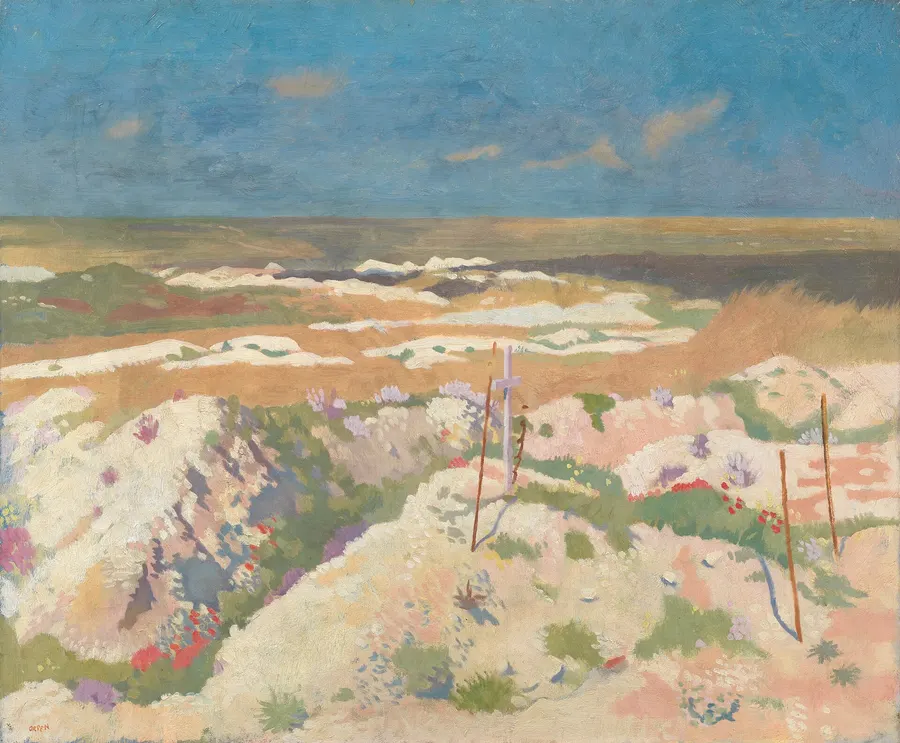
In 1916 the British and French planned a joint offensive astride the River Somme in northern France to break the deadlock on the Western Front and ease German pressure on the French at Verdun. For a week beforehand British guns fired more than a million and a half shells at the German lines, meant to smash the barbed wire and the trenches, and huge mines were dug under the German positions.
At 7.30 am on 1 July 1916 the mines were blown and the infantry climbed out of their trenches. Much of the wire was still intact and the German machine-gunners had sheltered in deep dugouts. By nightfall the British had suffered 57,470 casualties, 19,240 of them killed, the heaviest losses in a single day in the army’s history, although the French to the south did better. The battle went on until November, and the first day became a lasting symbol of the slaughter of the First World War.
Read the full storyHistory & Timeline →Source: Imperial War Museums: First Day of the Battle of the Somme ↗
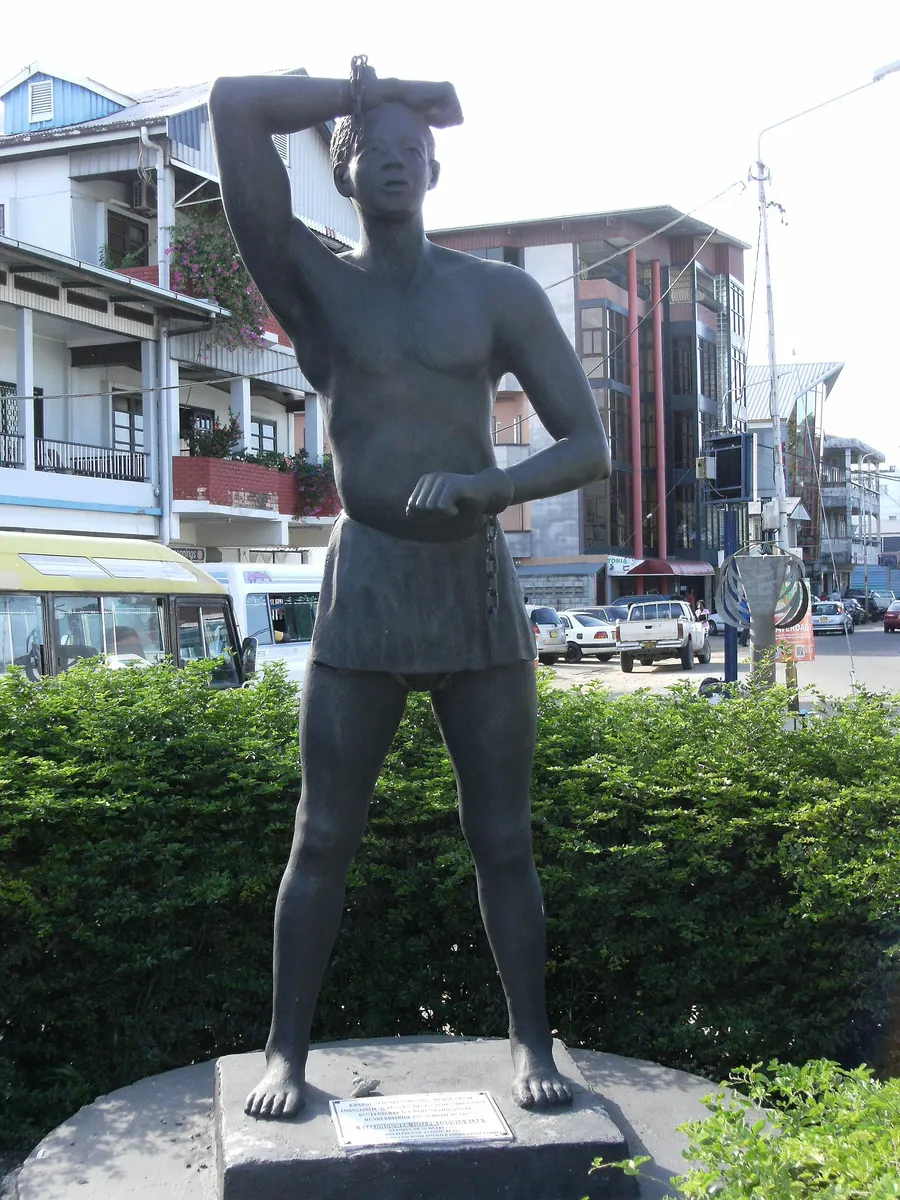
1863The Netherlands abolishes slavery in Suriname and the Caribbean
For two centuries Dutch planters in Suriname, on the north coast of South America, grew sugar, coffee and cotton with the forced labour of enslaved Africans and their descendants. Britain abolished slavery in its colonies in the 1830s and France in 1848, but the Netherlands held out, arguing over how much the owners should be paid for their loss.
Slavery was finally abolished by law on 1 July 1863 in Suriname and on the Dutch Caribbean islands. The owners were compensated; the freed people received nothing, and in Suriname they were bound to go on working on the plantations under state supervision for another ten years, until 1873. The day is remembered as Keti Koti, ‘broken chains’ in Sranan Tongo, and is marked each 1 July in Suriname and the Netherlands with commemorations and celebrations.
Read the full storyHistory & Timeline →Source: Nationaal Archief: Keti Koti, afschaffing slavernij ↗