1415Jan Hus is burned at the stake in Constance
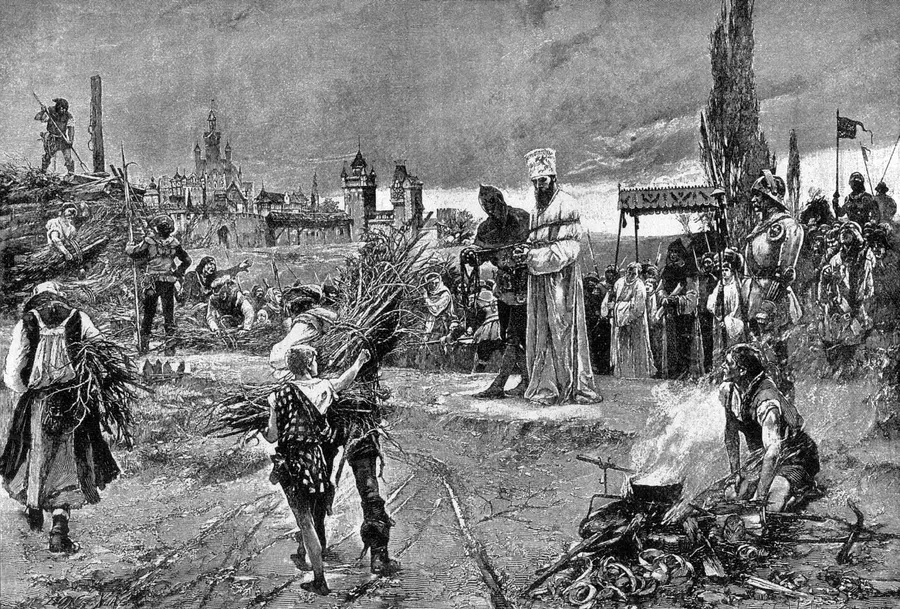
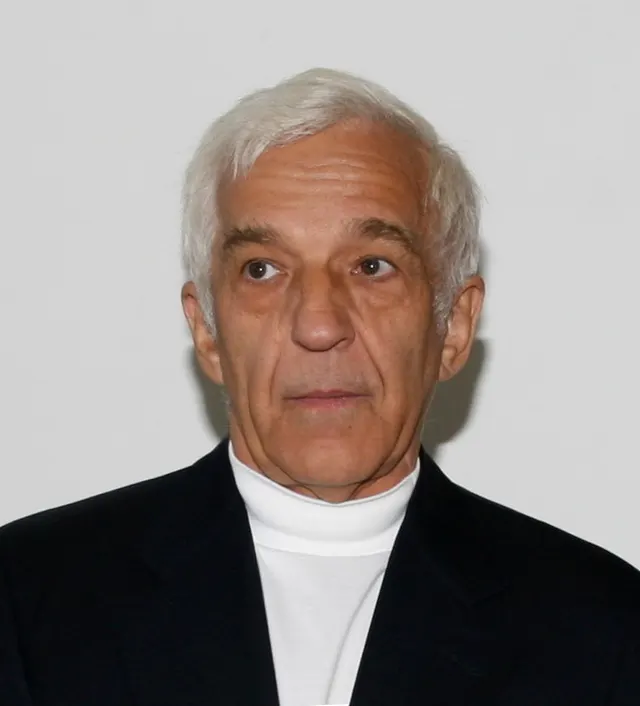
Jan Hus was a priest and scholar who preached in Czech to large crowds at the Bethlehem Chapel in Prague. Influenced by the English theologian John Wycliffe, he attacked the wealth and corruption of the clergy and the sale of indulgences, and argued that the Bible, not the pope, was the final authority for Christians. The Church excommunicated him, but he kept the support of many Czechs, from ordinary townspeople to nobles.
In 1414 Hus travelled to the great Church council at Constance, on the Rhine, to defend his views, trusting in a safe conduct from the Emperor Sigismund. Within weeks he was arrested and imprisoned. At his trial he refused to recant beliefs he said he had never held, or to abandon those he had. On 6 July 1415 the council condemned him as a heretic in Constance Cathedral, and he was burned outside the city the same day; his ashes were thrown into the Rhine. His death turned a movement into a revolt: his followers, the Hussites, fought off crusades for years. 6 July is a public holiday in the Czech Republic.
Read the full storyHistory & Timeline →Source: Britannica: Jan Hus ↗
1917Arab fighters capture the port of Aqaba
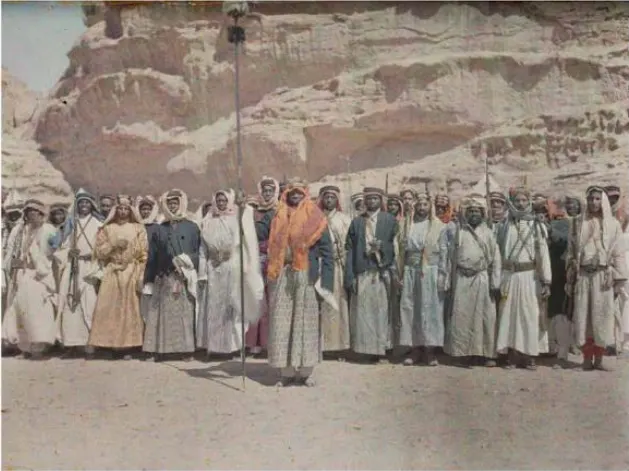
In June 1916 Sharif Hussein of Mecca launched a revolt against Ottoman rule in Arabia, backed by Britain, which was at war with the Ottoman Empire. His son Feisal led the fighting in the north, advised by a young British officer, T. E. Lawrence. By 1917 the rebels wanted Aqaba, a small Ottoman port at the head of the Red Sea that could supply them and threaten the flank of the Turkish armies in Palestine.
Aqaba’s defences faced the sea, so rather than attack from the water, a small force of Arab tribesmen, with Lawrence and the Howeitat leader Auda abu Tayi, set out on a march of some two months, looping through the desert to come at the town from inland. After fighting in the hills above the port, the Ottoman garrison surrendered on 6 July 1917. It was the revolt’s first major victory. Aqaba became Feisal’s base, and his army moved north alongside the British towards Damascus, which fell in October 1918.
Read the full storyHistory & Timeline →Source: National Army Museum: Arab rebels take Aqaba ↗
1964Malawi becomes independent
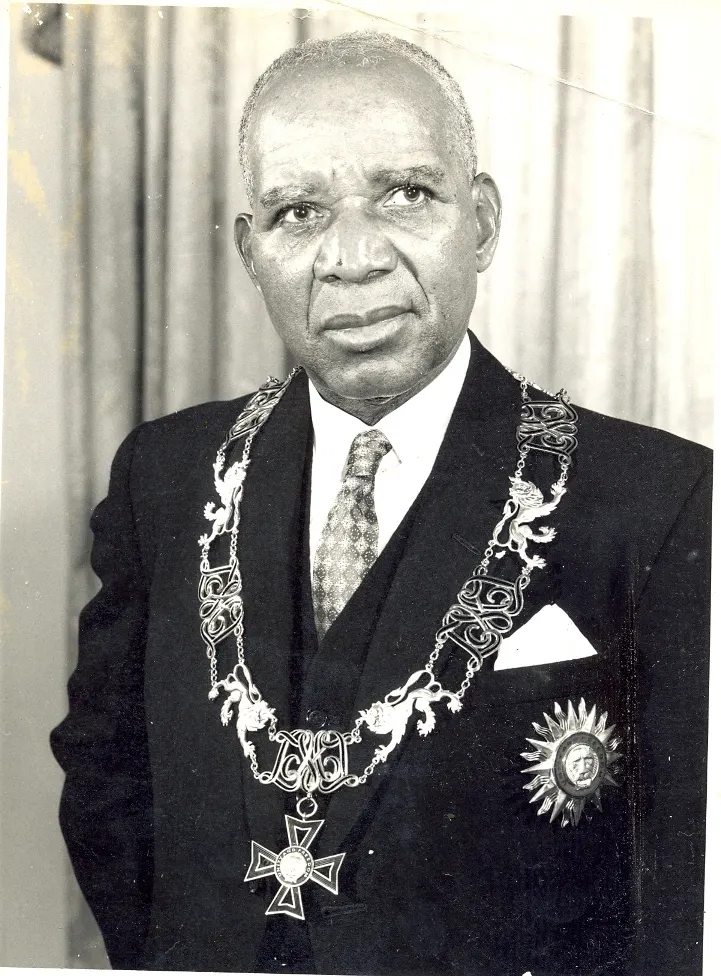
Britain took control of the lands around Lake Nyasa in the 1890s, and the protectorate was named Nyasaland in 1907. In 1953, over strong African objections, it was joined with Northern and Southern Rhodesia in a federation dominated by white settlers. Opposition grew, and in 1958 it found a leader in Hastings Kamuzu Banda, a doctor who came home after decades working abroad. The colonial authorities declared an emergency in 1959 and jailed him, but they could not stop the movement.
Banda’s Malawi Congress Party won the elections of 1961, the federation was dissolved at the end of 1963, and on 6 July 1964 Nyasaland became the independent state of Malawi, with Banda as prime minister. Two years later, on the same date, Malawi became a republic with Banda as president. His rule grew harsh: he made Malawi a one-party state, had himself named president for life, and was not voted out until multiparty elections in 1994. 6 July is still Malawi’s Independence Day.
Read the full storyHistory & Timeline →Source: Britannica: History of Malawi ↗
1998Hong Kong moves its airport overnight
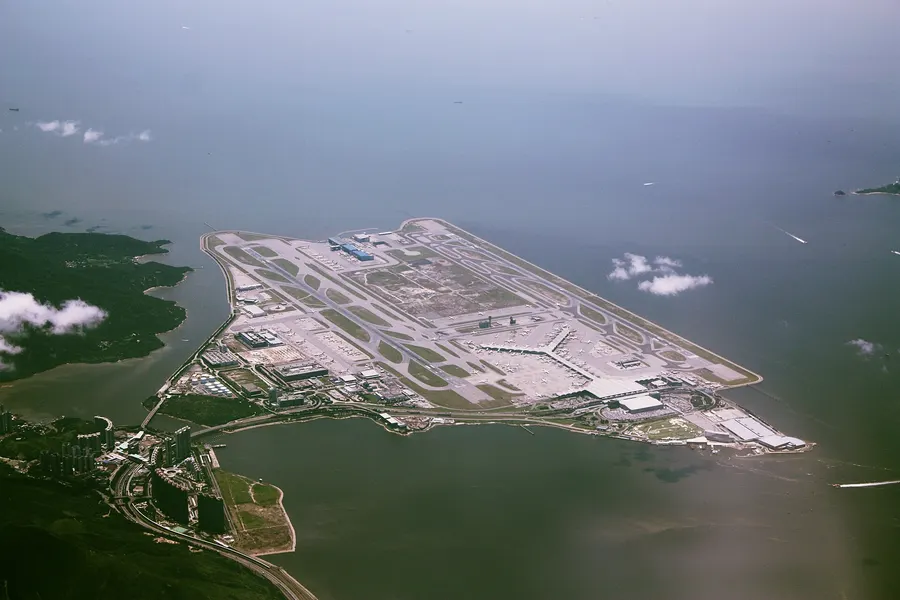
For more than 70 years Hong Kong’s airport was Kai Tak, in the middle of Kowloon. Its single runway jutted into Victoria Harbour, and pilots had to make a steep low turn over crowded apartment blocks to line up for landing, one of the most famous approaches in aviation. By the 1980s it was full. The answer was a new airport on Chek Lap Kok, a small island off Lantau that was levelled and hugely enlarged with reclaimed land, linked to the city by new bridges, roads and a railway.
The switch was made in a single night. Around midnight on 5 July 1998 the last flights left Kai Tak and its runway lights were switched off, while convoys of vehicles carried equipment across the city. Early on 6 July the first flight landed at Chek Lap Kok. The new airport covered some 1,248 hectares, nearly four times the size of Kai Tak, and its vast terminal was designed by the British architect Norman Foster. It has since become one of the busiest cargo airports in the world.
Read the full storyHistory & Timeline →Source: Hong Kong Civil Aviation Department: Kai Tak Airport 1925-1998 ↗
1892Dadabhai Naoroji is elected to the British Parliament
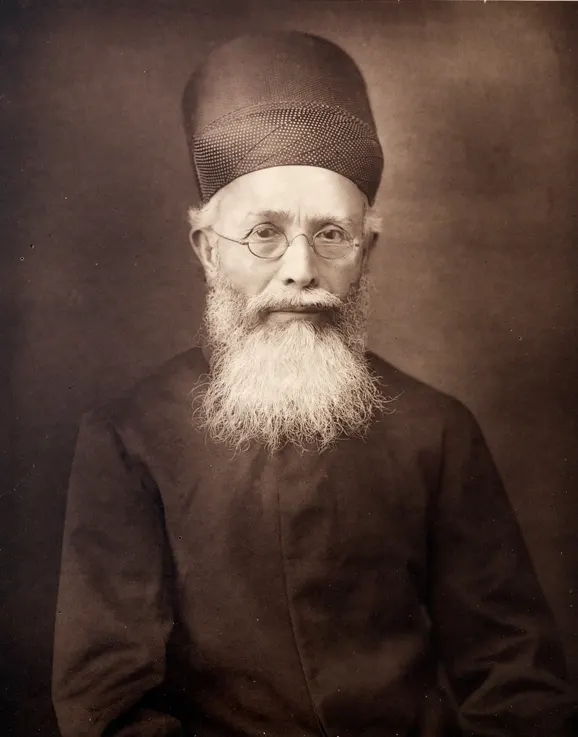
Dadabhai Naoroji was born into a Parsi family in Bombay in 1825 and became a professor of mathematics before moving to London in 1855 to work in business. He spent much of his life arguing that British rule was draining India of its wealth, an idea he set out in detail in his writings, and in 1885 he helped to found the Indian National Congress. He believed the case for India had to be made inside the British Parliament itself.
His first attempt, at Holborn in 1886, failed, and the prime minister, Lord Salisbury, remarked that British voters would not elect a ‘black man’. In 1892 Naoroji stood as a Liberal in Central Finsbury in north London, and the poll was held on 6 July. He won by just three votes, a margin that a later recount put at five, and became the first Asian member of the House of Commons. He sat until he lost the seat in 1895, using it to press for Indian reform, and later served three times as president of the Congress.
Read the full storyHistory & Timeline →Source: UK Parliament Heritage Collections: The first Asian and Black parliamentarians ↗