1302Flemish townsmen defeat the knights of France at Courtrai
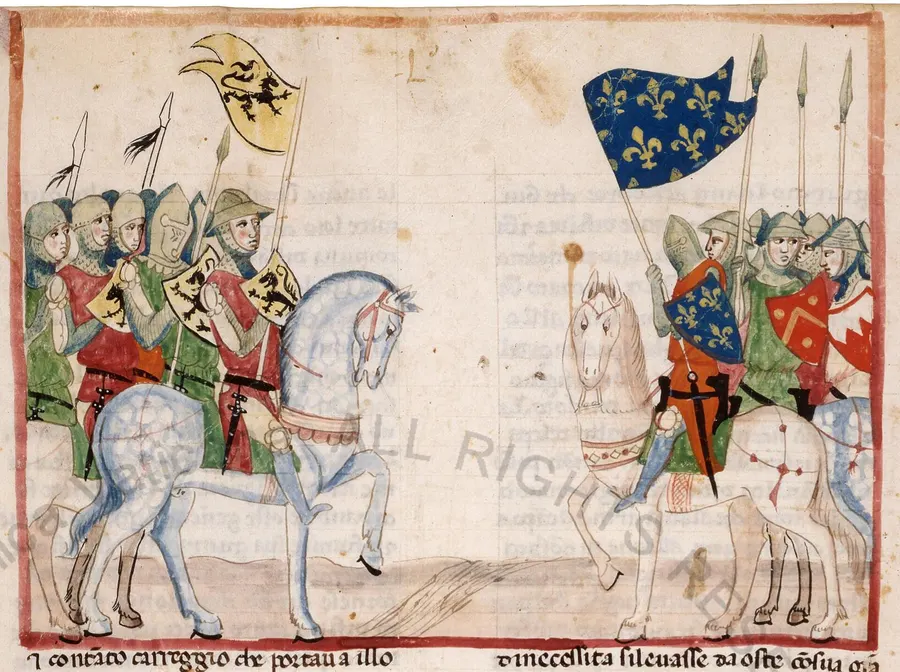
At the start of the 14th century the rich cloth towns of Flanders were caught between their count, who was a vassal of the French crown, and Philip IV of France, who wanted the county under his direct rule. French troops occupied Flanders, and in May 1302 the weavers and other craftsmen of Bruges rose and slaughtered the French garrison in a dawn attack remembered as the Bruges Matins. Philip sent a large army of mounted knights to punish them.
On 11 July 1302 it met a Flemish army of townsmen and guildsmen on foot outside Kortrijk, known in French as Courtrai. The Flemings chose ground cut by streams and ditches, where heavy cavalry could not charge properly, and they stood in close ranks with pikes and heavy spiked clubs. The French horsemen floundered and were cut down in great numbers. Hundreds of gilded spurs taken from the dead knights were hung in a church in Kortrijk, which gave the battle its name. It showed that foot soldiers could beat mounted knights, and 11 July is now the official holiday of the Flemish Community of Belgium.
Read the full storyHistory & Timeline →Source: Britannica: Battle of the Golden Spurs ↗
1405Zheng He’s treasure fleet sets out on its first voyage
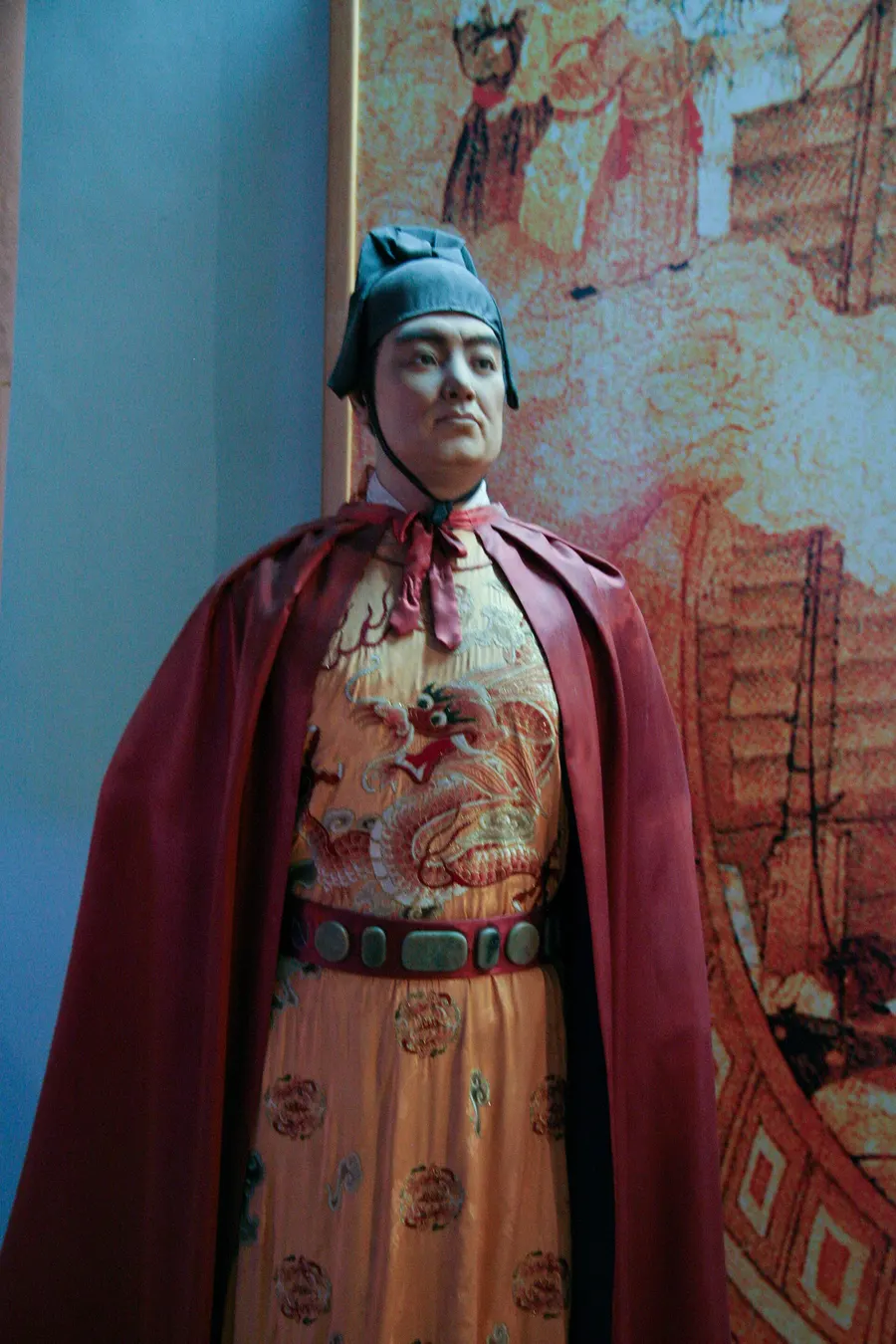
Zheng He was born into a Muslim family in Yunnan, captured as a boy by Ming armies and made a eunuch in the household of a prince. When that prince seized the throne as the Yongle Emperor, Zheng He rose with him, and in 1405 the emperor put him in command of a vast fleet to carry Chinese power and trade across the western seas. Its largest vessels, the treasure ships, were far bigger than any European ship of the time.
China dates the start of the first voyage to 11 July 1405. The fleet gathered at Liujiagang, near the mouth of the Yangtze; accounts of its size vary from about 250 to 317 ships, carrying some 27,000 men. It sailed to Champa, Java, Sumatra and Ceylon and reached Calicut in India before returning in 1407. Zheng He led seven such voyages in all, the later ones reaching Arabia and the coast of East Africa. After his death the voyages stopped, but since 2005 China has marked 11 July as its National Maritime Day in his memory.
Read the full storyHistory & Timeline →Source: Hong Kong Maritime Museum: Zheng He and China’s National Maritime Day ↗
1804Aaron Burr fatally wounds Alexander Hamilton in a duel
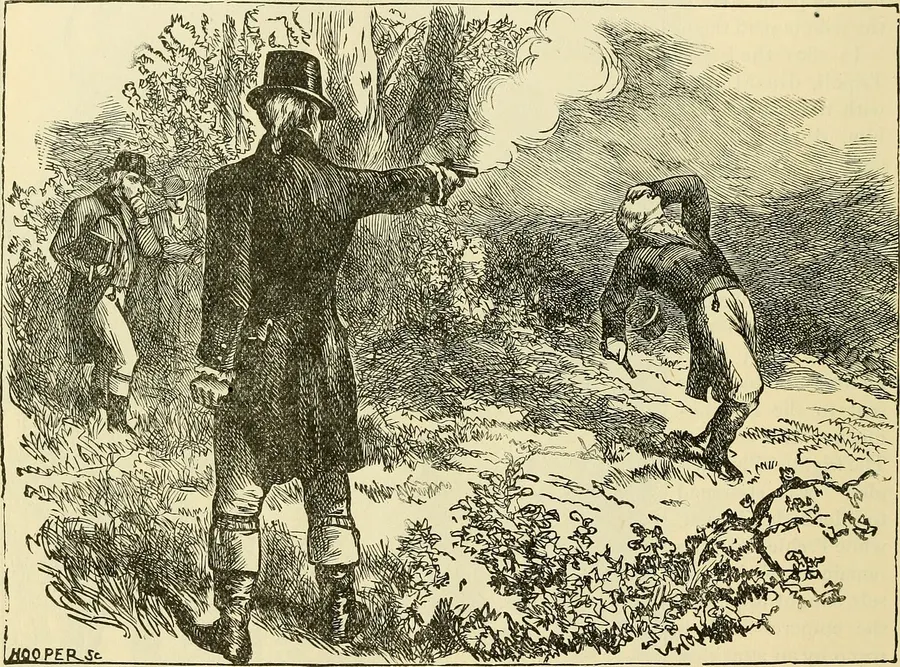
Alexander Hamilton, the first US Secretary of the Treasury, and Aaron Burr, the sitting Vice President, had been political enemies for years. In 1804 Burr ran for governor of New York, and Hamilton worked against him. After Burr lost, a newspaper printed a letter reporting that Hamilton had spoken of him with contempt. Burr demanded an apology, Hamilton would not give a clear one, and Burr issued a challenge.
At dawn on 11 July 1804 the two men were rowed across the Hudson to a ledge below the cliffs at Weehawken, New Jersey, where duelling was less severely punished than in New York. Burr’s shot hit Hamilton in the abdomen, and he died the next day in Manhattan. Burr was unhurt, but he was indicted for murder in both states, and his political career never recovered. Hamilton, who had lost his eldest son in a duel on the same ground three years before, was mourned as one of the country’s founders.
Read the full storyHistory & Timeline →Source: National Park Service: Hamilton-Burr duel ↗
1921A truce ends the fighting in the Irish War of Independence
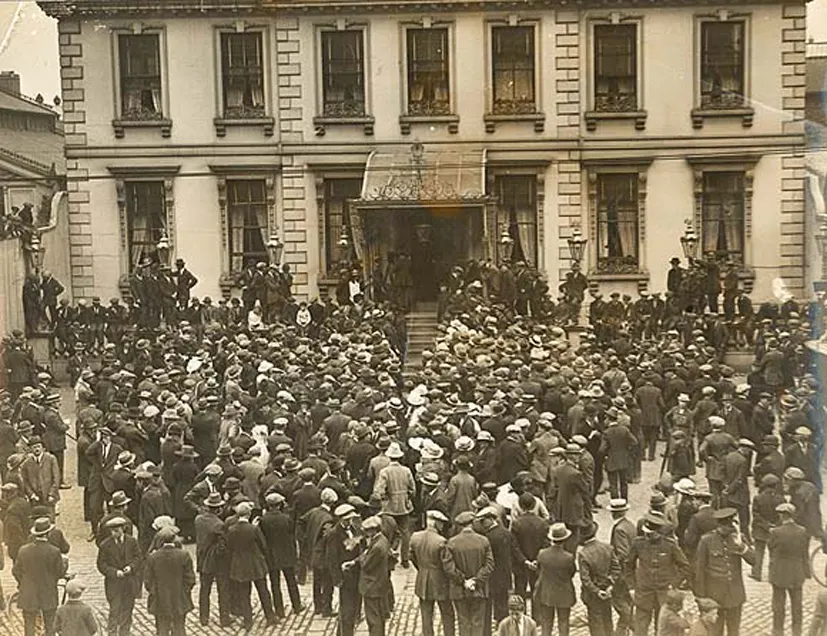
From 1919 the Irish Republican Army fought a guerrilla war against British rule, with ambushes and assassinations answered by reprisals from the police and their auxiliaries, including the burning of towns. By mid-1921 well over a thousand people had died, and both sides were under pressure to stop. In June King George V opened the new Northern Ireland parliament with an appeal for peace, and the British prime minister, David Lloyd George, invited Éamon de Valera to talks.
The terms of a ceasefire were agreed at the Mansion House in Dublin on 8 July. To give time for orders to reach every unit, it was set to begin at noon on Monday 11 July 1921. When the hour came, the fighting in most of Ireland stopped. Negotiations in London that autumn produced the Anglo-Irish Treaty of December 1921, which created the Irish Free State, although the split over the treaty soon led to civil war.
Read the full storyHistory & Timeline →Source: RTÉ: The Truce, how both sides laid down their arms ↗
1960Katanga breaks away from the newly independent Congo
The Belgian Congo became independent on 30 June 1960, with Patrice Lumumba as prime minister and Joseph Kasavubu as president. Within days soldiers of the army mutinied against their Belgian officers, many Europeans fled, and Belgium sent in troops. The new state was fragile, and its richest province was Katanga in the south-east, whose copper and other mines were run by the Belgian company Union Minière.
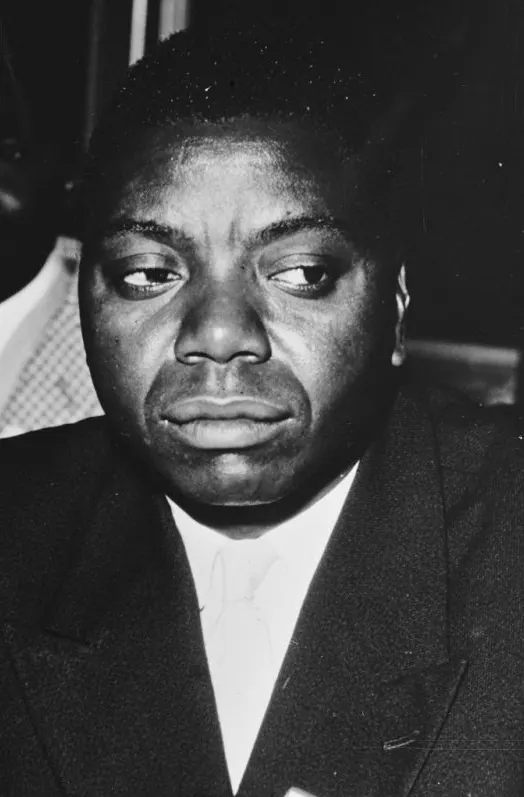
On 11 July 1960 the Katangan leader Moïse Tshombe declared the province independent. With Belgian officers, mining money and later foreign mercenaries behind him, he held it apart for two and a half years. The next day Lumumba and Kasavubu appealed to the United Nations for help, and the Katanga question became one of the great crises of the Cold War in Africa. It helped bring about Lumumba’s fall and murder in January 1961, and the death of the UN Secretary-General Dag Hammarskjöld in a plane crash that September. UN forces finally ended the secession in January 1963.
Read the full storyHistory & Timeline →Source: Britannica: Moise Tshombe ↗