
HISTORY & TIMELINE
11 July

A journey through
11 July in history

The story of 11 July runs from the killing of a Western Roman emperor in 472 to Spain’s first World Cup in 2010. In between come the Battle of the Golden Spurs, the first of China’s great treasure voyages, the sacking of Necker on the eve of the French Revolution, a fatal duel in New Jersey, the death of the Noongar warrior Yagan, British guns at Alexandria, the first cultured pearl, Eric Liddell’s Olympic gold, the Irish truce, the breakaway of Katanga, Chile’s copper vote, Skylab’s fall to Earth, the standoff at Kanesatake and the fall of Srebrenica.

I
EARLIEST RECORDS

Ancient & Early History

The earliest worthwhile records and events connected with this date.

472
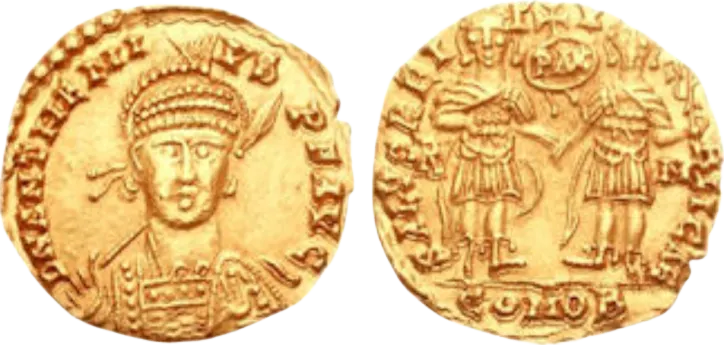
A gold solidus of Anthemius, with the emperor on the front and two emperors standing together on the backA gold solidus of Anthemius, with the emperor on the front and two emperors standing together on the backImage: Gabe the Pianist · CC BY-SA 4.0
politics · Europe

The Western Roman emperor Anthemius is killed in Rome

Anthemius, a Greek aristocrat, was sent from Constantinople in 467 to rule the crumbling Western Empire, but real power in Italy lay with the general Ricimer. The two fell out, and in 472 Ricimer raised a rival emperor, Olybrius, and besieged Anthemius in Rome. The city fell, and on 11 July 472 Anthemius, found hiding in disguise, was beheaded. Ricimer himself died weeks later, and the Western Empire had only four years left.

Source: Britannica: Anthemius ↗
II
THE MIDDLE AGES

Medieval History

Kingdoms, conflict, faith, power and the changing medieval world.

1302
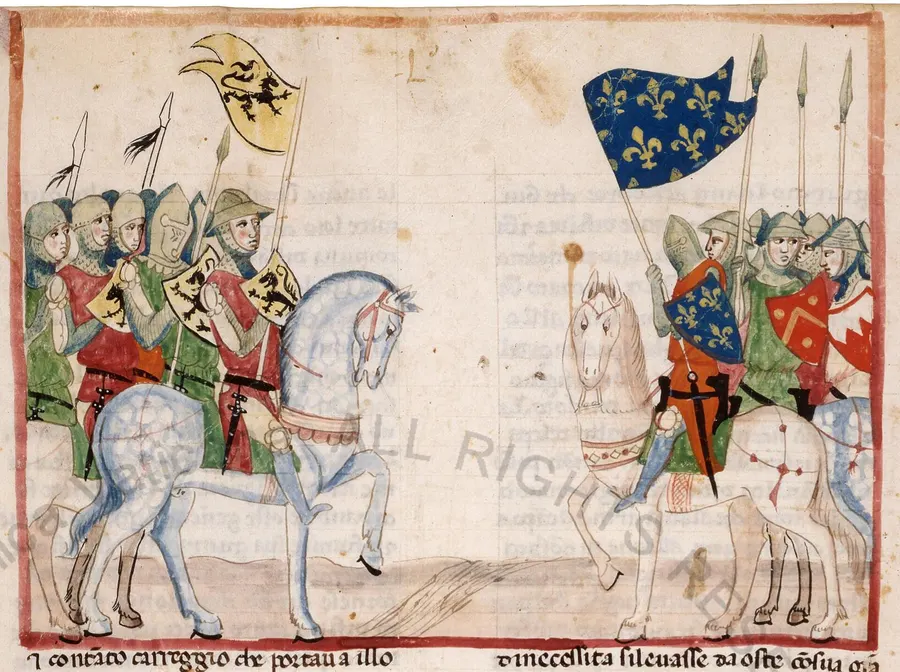
The Flemish and French armies facing each other in 1302, from a 14th-century manuscript of Giovanni Villani's Nuova CronicaThe Flemish and French armies facing each other in 1302, from a 14th-century manuscript of Giovanni Villani’s Nuova CronicaImage: Giovanni Villani (1276-1348) · Public domain
world · Europe

Flemish townsmen defeat the knights of France at Courtrai

At the start of the 14th century the rich cloth towns of Flanders were caught between their count, who was a vassal of the French crown, and Philip IV of France, who wanted the county under his direct rule. French troops occupied Flanders, and in May 1302 the weavers and other craftsmen of Bruges rose and slaughtered the French garrison in a dawn attack remembered as the Bruges Matins. Philip sent a large army of mounted knights to punish them. On 11 July 1302 it met a Flemish army of townsmen and guildsmen on foot outside Kortrijk, known in French as Courtrai. The Flemings chose ground cut by streams and ditches, where heavy cavalry could not charge properly, and they stood in close ranks with pikes and heavy spiked clubs. The French horsemen floundered and were cut down in great numbers. Hundreds of gilded spurs taken from the dead knights were hung in a church in Kortrijk, which gave the battle its name. It showed that foot soldiers could beat mounted knights, and 11 July is now the official holiday of the Flemish Community of Belgium.

Source: Britannica: Battle of the Golden Spurs ↗
1405
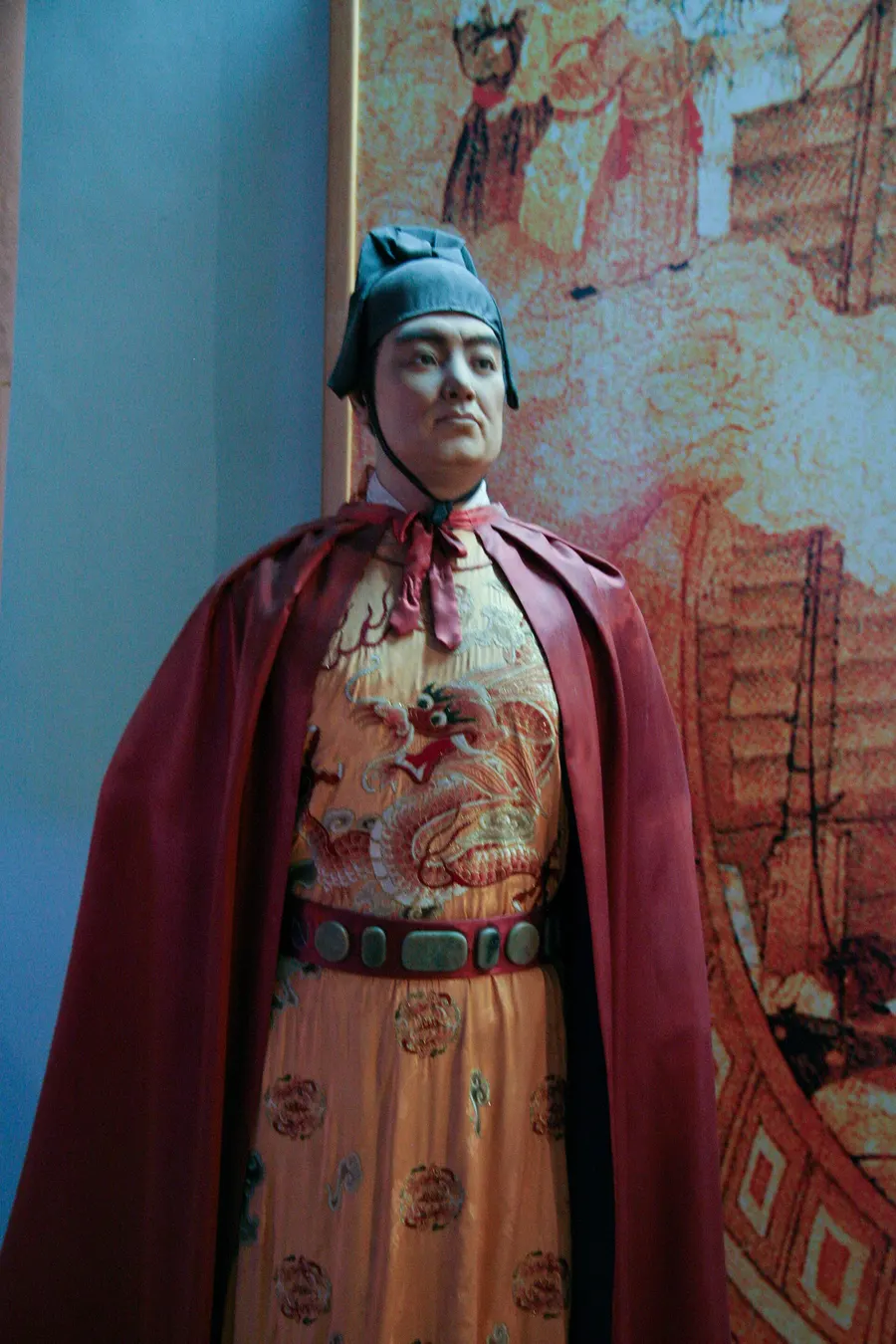
A modern figure of Admiral Zheng He in court dress, on display in a museumA modern figure of Admiral Zheng He in court dress, on display in a museumImage: jonjanego · CC BY 2.0
world · Asia

Zheng He’s treasure fleet sets out on its first voyage

Zheng He was born into a Muslim family in Yunnan, captured as a boy by Ming armies and made a eunuch in the household of a prince. When that prince seized the throne as the Yongle Emperor, Zheng He rose with him, and in 1405 the emperor put him in command of a vast fleet to carry Chinese power and trade across the western seas. Its largest vessels, the treasure ships, were far bigger than any European ship of the time. China dates the start of the first voyage to 11 July 1405. The fleet gathered at Liujiagang, near the mouth of the Yangtze; accounts of its size vary from about 250 to 317 ships, carrying some 27,000 men. It sailed to Champa, Java, Sumatra and Ceylon and reached Calicut in India before returning in 1407. Zheng He led seven such voyages in all, the later ones reaching Arabia and the coast of East Africa. After his death the voyages stopped, but since 2005 China has marked 11 July as its National Maritime Day in his memory.

Source: Hong Kong Maritime Museum: Zheng He and China’s National Maritime Day ↗
III
A CHANGING WORLD

Early Modern Era

Exploration, political change, scientific development and expanding global connections.

1789
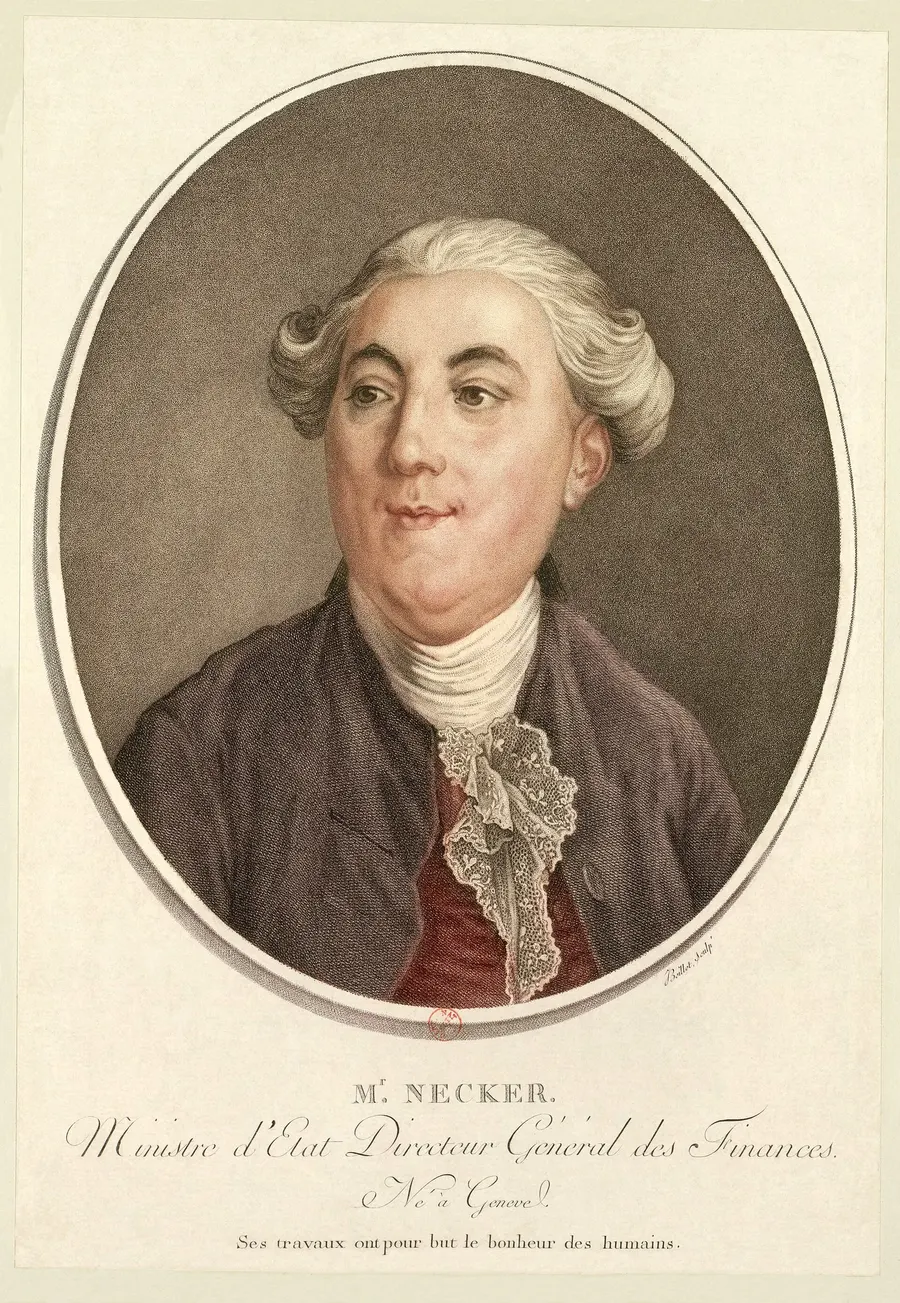
Jacques Necker, Louis XVI's director-general of finances, in an 18th-century engraving by BoilletJacques Necker, Louis XVI’s director-general of finances, in an 18th-century engraving by BoilletImage: Boillet graveur. Upload, stitch and restoration by Jebulon · Public domain
politics · Europe

Louis XVI dismisses his popular finance minister, Necker

In the summer of 1789 the Estates-General had turned itself into a National Assembly, and troops were gathering around Paris. On 11 July Louis XVI dismissed Jacques Necker, the Genevan banker who ran the royal finances and was seen as a friend of reform, and ordered him to leave France. When the news reached Paris the next day, crowds took to the streets, and on 14 July they stormed the Bastille. The king recalled Necker days later.

Source: Britannica: Jacques Necker ↗
IV
THE NINETEENTH CENTURY

The 1800s

Industry, empire, invention, reform and a century of enormous transformation.

1804
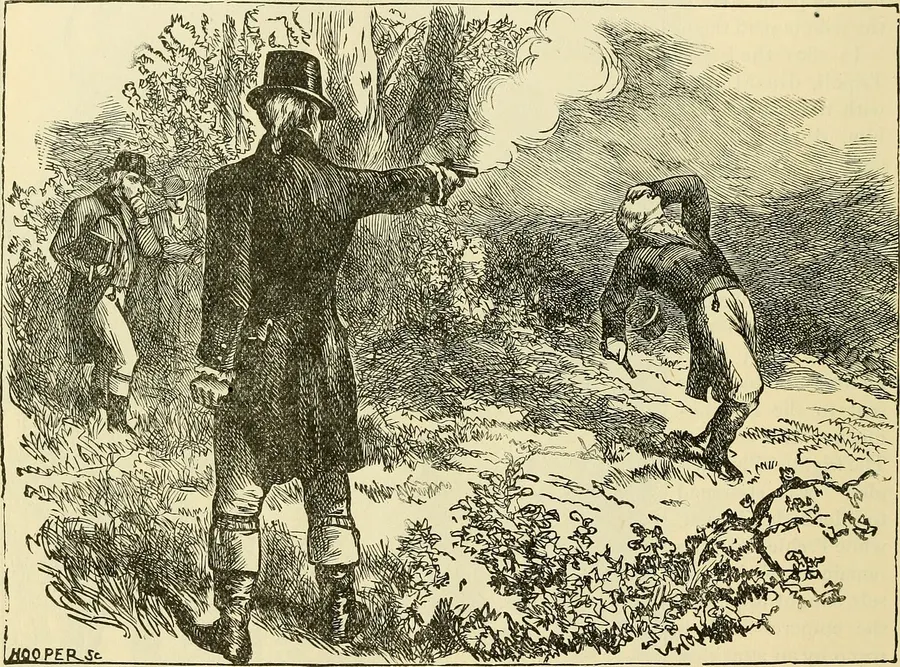
Burr's shot strikes Hamilton at Weehawken, in a 19th-century book engravingBurr’s shot strikes Hamilton at Weehawken, in a 19th-century book engravingImage: Internet Archive Book Images · Public domain
politics · Americas

Aaron Burr fatally wounds Alexander Hamilton in a duel

Alexander Hamilton, the first US Secretary of the Treasury, and Aaron Burr, the sitting Vice President, had been political enemies for years. In 1804 Burr ran for governor of New York, and Hamilton worked against him. After Burr lost, a newspaper printed a letter reporting that Hamilton had spoken of him with contempt. Burr demanded an apology, Hamilton would not give a clear one, and Burr issued a challenge. At dawn on 11 July 1804 the two men were rowed across the Hudson to a ledge below the cliffs at Weehawken, New Jersey, where duelling was less severely punished than in New York. Burr’s shot hit Hamilton in the abdomen, and he died the next day in Manhattan. Burr was unhurt, but he was indicted for murder in both states, and his political career never recovered. Hamilton, who had lost his eldest son in a duel on the same ground three years before, was mourned as one of the country’s founders.

Source: National Park Service: Hamilton-Burr duel ↗
1833
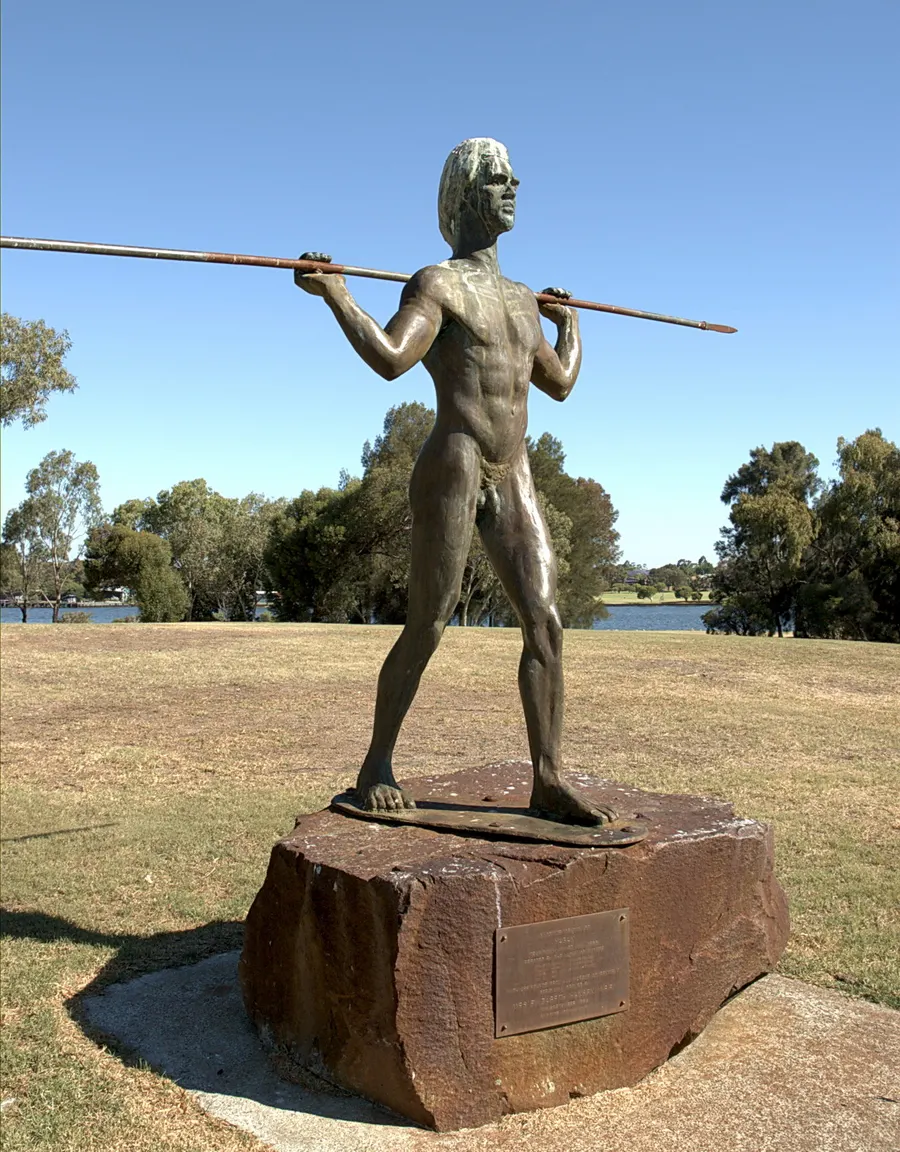
The statue of Yagan on Heirisson Island in the Swan River, PerthThe statue of Yagan on Heirisson Island in the Swan River, PerthImage: Nachoman-au · CC BY-SA 3.0
politics · Oceania

The Noongar warrior Yagan is killed near Perth

Yagan was a Noongar man of the Swan River country, where British settlers had founded a colony in 1829 on his people’s land. After clashes in which settlers were killed, he was declared an outlaw with a price on his head. On 11 July 1833 he was shot at Upper Swan by a teenage settler seeking the reward. His head was taken to England as a curiosity; it was brought back from an English cemetery late in the 20th century and buried by his kin at Upper Swan in 2010.

Source: Australian Dictionary of Biography: Yagan ↗
1882
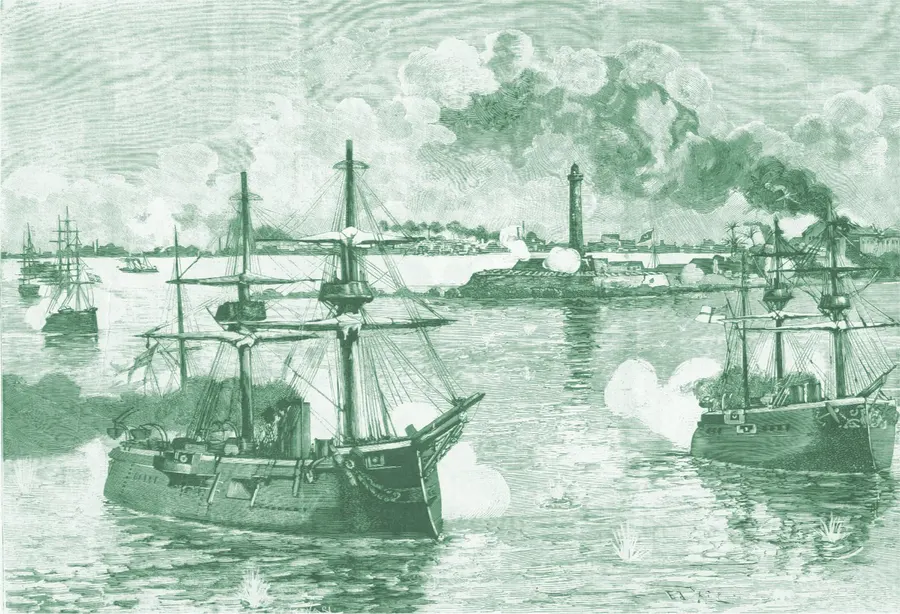
British warships shelling the forts of Alexandria in July 1882, in a print after Eduardo XimenesBritish warships shelling the forts of Alexandria in July 1882, in a print after Eduardo XimenesImage: After Eduardo Ximenes · Public domain
world · Africa

The British fleet bombards Alexandria

In 1882 Egyptian army officers led by Colonel Ahmed Urabi challenged the khedive and the European powers who controlled Egypt’s finances. After deadly riots in Alexandria in June, a British fleet under Admiral Sir Beauchamp Seymour opened fire on the city’s forts on 11 July 1882; France refused to take part. Fires swept the city in the days that followed. Two months later a British army defeated Urabi at Tel el-Kebir, and Britain occupied Egypt.

Source: Royal Museums Greenwich: Bombardment of Alexandria, 11 July 1882 ↗
1893
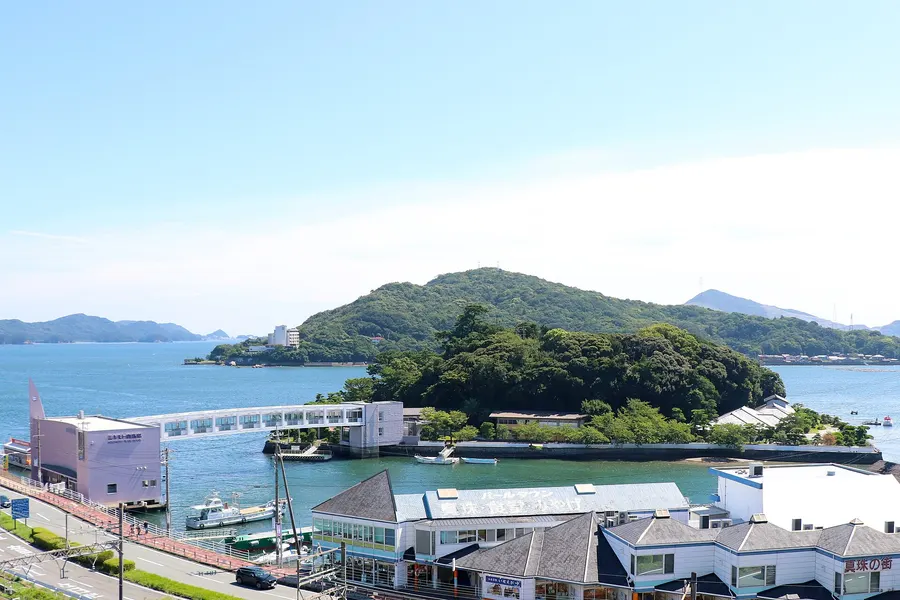
Mikimoto Pearl Island in Toba Bay, Japan, now home to a museum of the cultured pearlMikimoto Pearl Island in Toba Bay, Japan, now home to a museum of the cultured pearlImage: Ganokure · CC BY-SA 4.0
culture · Asia

Kōkichi Mikimoto grows his first cultured pearl

Natural pearls form when an oyster coats an irritant with layers of nacre, and fine ones were so rare that pearl beds around the world were being stripped bare. Kōkichi Mikimoto, the son of a noodle-maker from Toba in Japan’s Mie Prefecture, set out to make oysters produce them on demand. Encouraged by the marine biologist Kakichi Mitsukuri, he and his wife Ume began placing small beads inside pearl oysters kept in Ago Bay, and for years they met failure, including a red tide that killed much of their stock. On 11 July 1893 they opened an oyster and found a semi-round pearl growing on the inside of its shell, the first cultured pearl of its kind. Mikimoto patented his method in 1896, and within little more than a decade he was growing fully round pearls. His farms made pearls affordable far beyond the very rich, and Japan came to dominate the world pearl trade.

Source: Japan Patent Office: Kokichi Mikimoto, cultured pearls ↗
V
THE TWENTIETH CENTURY

The 1900s

War and peace, technological leaps, social change, politics, sport and popular culture.

1921
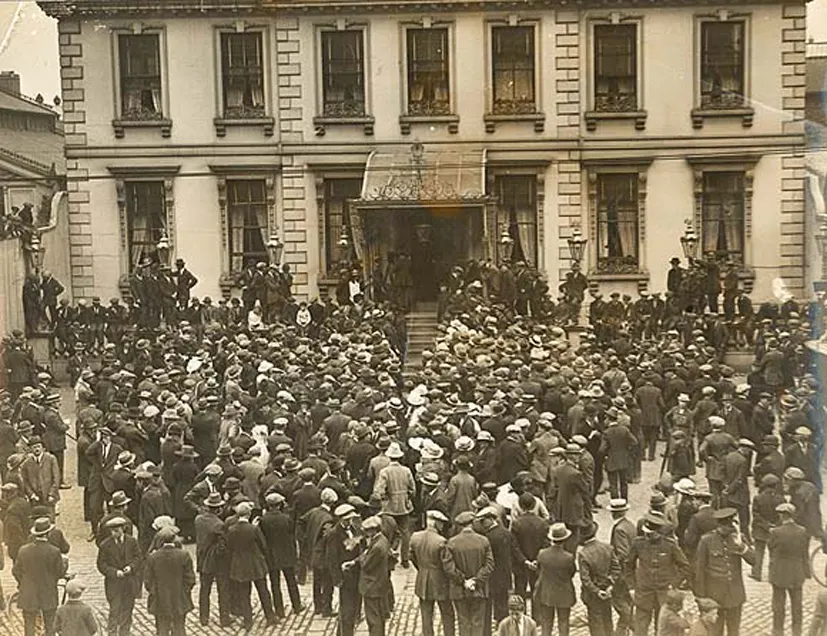
Crowds outside the Mansion House in Dublin on 8 July 1921, while the truce talks went on insideCrowds outside the Mansion House in Dublin on 8 July 1921, while the truce talks went on insideImage: National Library of Ireland on The Commons · Public domain
politics · Europe

A truce ends the fighting in the Irish War of Independence

From 1919 the Irish Republican Army fought a guerrilla war against British rule, with ambushes and assassinations answered by reprisals from the police and their auxiliaries, including the burning of towns. By mid-1921 well over a thousand people had died, and both sides were under pressure to stop. In June King George V opened the new Northern Ireland parliament with an appeal for peace, and the British prime minister, David Lloyd George, invited Éamon de Valera to talks. The terms of a ceasefire were agreed at the Mansion House in Dublin on 8 July. To give time for orders to reach every unit, it was set to begin at noon on Monday 11 July 1921. When the hour came, the fighting in most of Ireland stopped. Negotiations in London that autumn produced the Anglo-Irish Treaty of December 1921, which created the Irish Free State, although the split over the treaty soon led to civil war.

Source: RTÉ: The Truce, how both sides laid down their arms ↗
1924
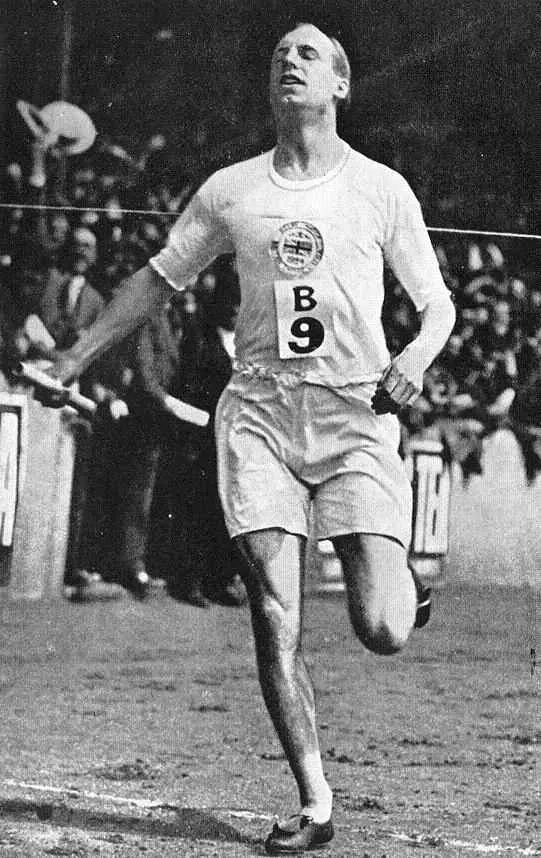
Eric Liddell racing in the 1920s, head thrown back in his famous styleEric Liddell racing in the 1920s, head thrown back in his famous styleImage: Unknown (sports event handout) · Public domain
sport · Europe

Eric Liddell wins the Olympic 400 metres in Paris

Eric Liddell was born in China to Scottish missionary parents, and by 1924 he was a student at Edinburgh University, a rugby international for Scotland and Britain’s best sprinter. He was expected to challenge for the 100 metres at the Paris Olympics, but when the timetable showed that the heats would be run on a Sunday, the devout Christian refused to race on the Sabbath and switched his training to the 400 metres. In the final at the Stade de Colombes on the afternoon of 11 July 1924 he set off at a sprinter’s pace from the outside lane and simply held on, winning in 47.6 seconds, an Olympic record. His story later inspired the film Chariots of Fire. Liddell went back to China as a missionary teacher, and he died in a Japanese internment camp at Weixian in 1945, a few months before the end of the war.

Source: World Athletics: Marking the centenary of Liddell’s Olympic victory in Paris ↗
1960
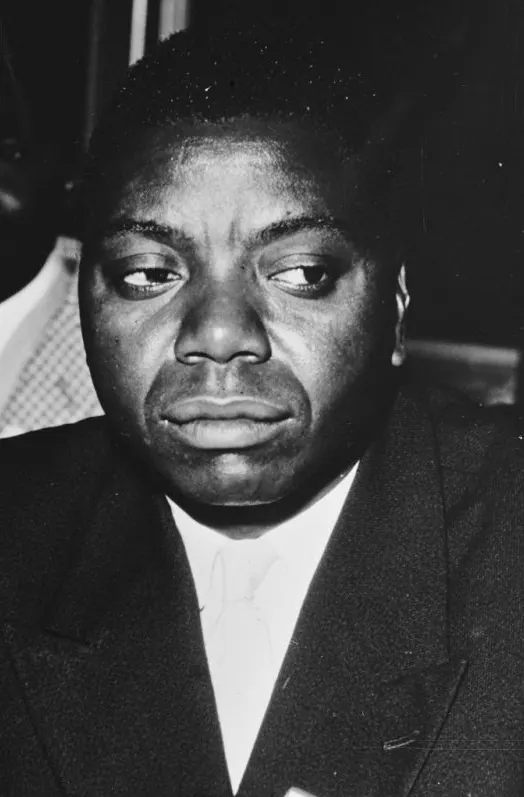
Moïse Tshombe at the Belgo-Congolese Round Table Conference in Brussels in 1960Moïse Tshombe at the Belgo-Congolese Round Table Conference in Brussels in 1960Image: unknown photographer / Anefo · CC0

politics · Africa

Katanga breaks away from the newly independent Congo

The Belgian Congo became independent on 30 June 1960, with Patrice Lumumba as prime minister and Joseph Kasavubu as president. Within days soldiers of the army mutinied against their Belgian officers, many Europeans fled, and Belgium sent in troops. The new state was fragile, and its richest province was Katanga in the south-east, whose copper and other mines were run by the Belgian company Union Minière. On 11 July 1960 the Katangan leader Moïse Tshombe declared the province independent. With Belgian officers, mining money and later foreign mercenaries behind him, he held it apart for two and a half years. The next day Lumumba and Kasavubu appealed to the United Nations for help, and the Katanga question became one of the great crises of the Cold War in Africa. It helped bring about Lumumba’s fall and murder in January 1961, and the death of the UN Secretary-General Dag Hammarskjöld in a plane crash that September. UN forces finally ended the secession in January 1963.

Source: Britannica: Moise Tshombe ↗
1971
A giant haul truck at Chuquicamata in northern Chile, one of the largest open-pit copper mines in the worldA giant haul truck at Chuquicamata in northern Chile, one of the largest open-pit copper mines in the worldImage: Diego Delso · CC BY-SA 4.0
politics · Americas

Chile’s Congress votes to nationalise the big copper mines

Copper was Chile’s biggest export, and its largest mines, such as Chuquicamata, were owned by US companies. President Eduardo Frei had bought the state a stake in them in the 1960s, and his successor, Salvador Allende, promised full nationalisation. On 11 July 1971 Congress passed the constitutional amendment to do it with the votes of every party. Allende hailed the day in a speech at Rancagua, and Chileans have called it the Day of National Dignity.

Source: Memoria Chilena, Biblioteca Nacional de Chile: La nacionalización de la gran minería del cobre (1964-1971) ↗
1979
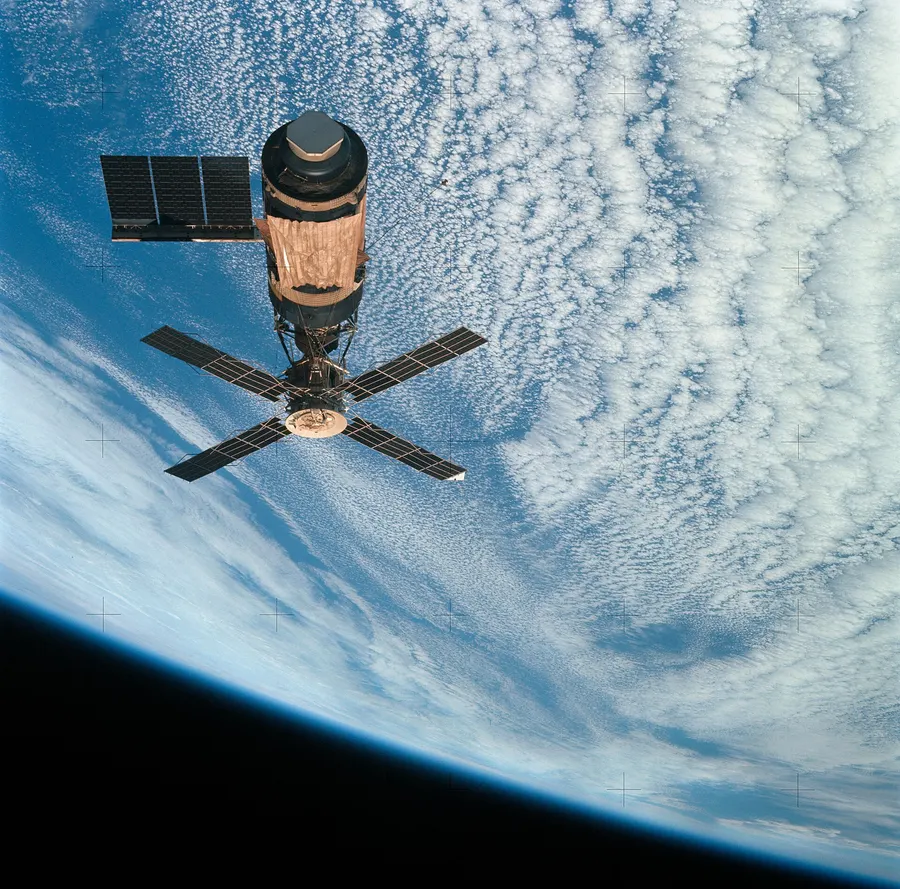
Skylab in orbit above the clouds, photographed by its last crew as they left in February 1974Skylab in orbit above the clouds, photographed by its last crew as they left in February 1974Image: NASA Johnson Space Center · Public domain
science · Oceania

Skylab falls back to Earth over Western Australia

Skylab, the first American space station, was launched in 1973 and visited by three crews, the last of whom left in February 1974. NASA planned to boost it into a higher orbit with the new space shuttle, but the shuttle was delayed, and the upper atmosphere, swollen by high solar activity, dragged the empty station down faster than expected. By 1979 it was clear that the 77-tonne station would fall, and nobody could say exactly where. Flight controllers fired its thrusters to set it tumbling so that it would come down over the ocean, and it re-entered on 11 July 1979 by American time. It broke up lower than predicted, and while most of the wreckage fell into the Indian Ocean, pieces were scattered across the thinly peopled country east of Esperance in Western Australia, where it was already the early hours of 12 July. Nobody was hurt. The town’s museum still displays a large collection of the debris.

Source: NASA: 40 years ago, Skylab reenters Earth’s atmosphere ↗
1990
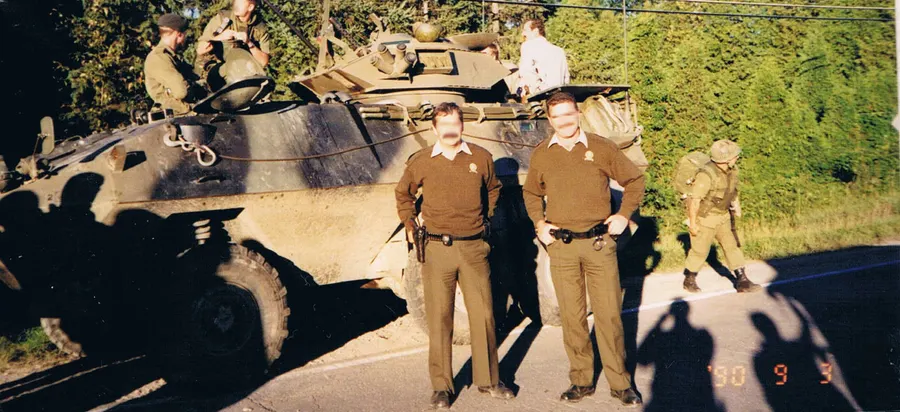
Canadian soldiers and Quebec provincial police beside an armoured vehicle during the Oka Crisis in 1990Canadian soldiers and Quebec provincial police beside an armoured vehicle during the Oka Crisis in 1990Image: SamuelFreli · CC BY-SA 3.0
politics · Americas

The standoff at Kanesatake, the Oka Crisis, begins

The town of Oka, near Montreal, planned to extend a golf course and build houses in the Pines, woodland that the Mohawk of Kanesatake claimed and which held a burial ground. Protesters blocked the road, and on 11 July 1990 Quebec provincial police raided the barricade. In the exchange of gunfire Corporal Marcel Lemay was killed. The standoff, later joined by the Canadian army, lasted 78 days. The golf course was never extended.

Source: The Canadian Encyclopedia: Kanesatake Resistance (Oka Crisis) ↗
1995
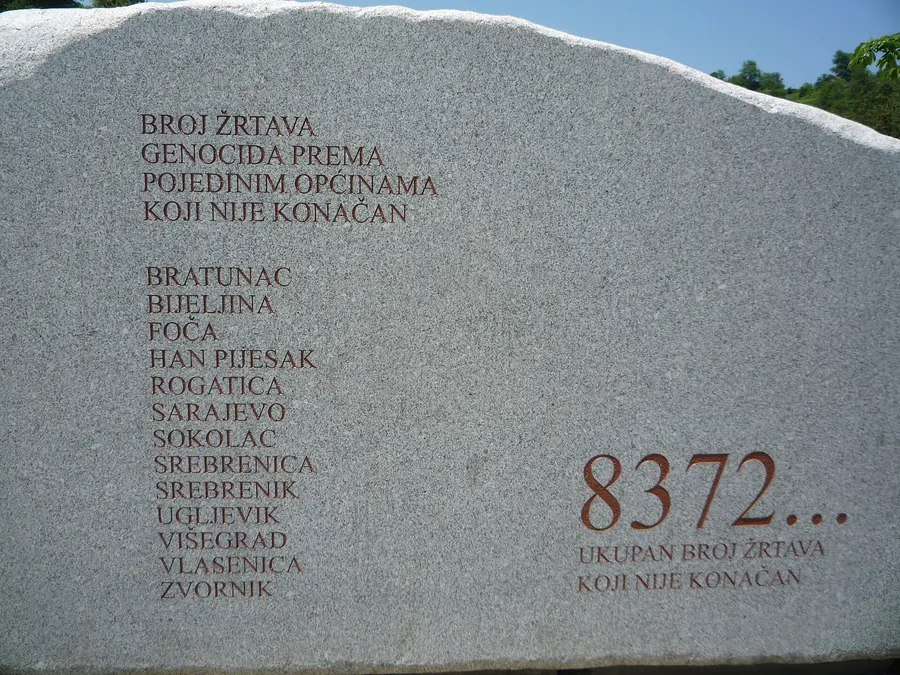
The memorial stone at Potočari, which gives the number of victims as 8,372 and notes that the count is not finalThe memorial stone at Potočari, which gives the number of victims as 8,372 and notes that the count is not finalImage: Lucignolobrescia · CC BY-SA 3.0
world · Europe

Srebrenica falls, and the genocide begins

During the Bosnian war the town of Srebrenica, crowded with Bosniak refugees, had been declared a UN safe area. On 11 July 1995 Bosnian Serb forces under General Ratko Mladić took it. In the days that followed they separated men and boys from the women and children, and killed up to 8,000 of them. International courts have ruled that the killings were genocide. In 2024 the UN General Assembly made 11 July a day of remembrance.

Source: United Nations: About the 1995 genocide in Srebrenica ↗
VI
2000 TO TODAY

Modern Day

The events of recent decades that have already become part of the historical record.

2010
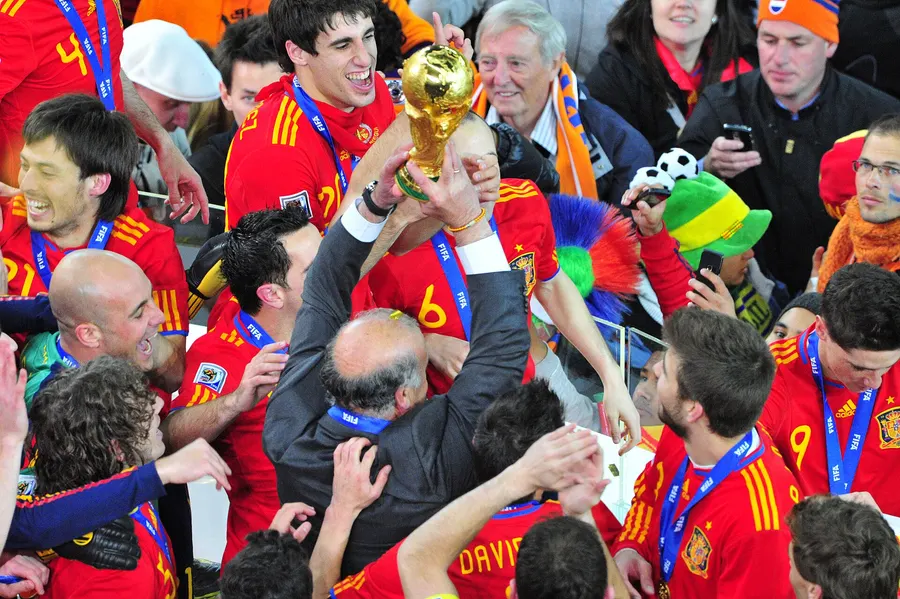
The World Cup trophy held aloft amid Spain's celebrations in July 2010The World Cup trophy held aloft amid Spain’s celebrations in July 2010Image: Anthony Stanley · CC BY-SA 2.0
sport · Africa

Spain win their first World Cup in Johannesburg

The first World Cup held in Africa ended at Soccer City in Johannesburg on 11 July 2010, with Spain, the European champions, facing the Netherlands. A tense, foul-strewn final was goalless after 90 minutes, and the Dutch had a player sent off in extra time. With four minutes left Andrés Iniesta drove the ball past the goalkeeper to win it 1-0. It was Spain’s first world title, and the Netherlands lost a third final.

Source: FIFA: Spain’s humble hero seizes his moment ↗
RESEARCH

Sources & Further Reading

Selected authoritative references supporting the events on this page.

Britannica: Anthemius↗Wikipedia: Anthemius↗Britannica: Battle of the Golden Spurs↗Wikipedia: Battle of the Golden Spurs↗Hong Kong Maritime Museum: Zheng He and China’s National Maritime Day↗Association for Asian Studies: Admiral Zheng He’s voyages to the ‘West Oceans’↗Britannica: Jacques Necker↗Britannica: French Revolution, events of 1789↗National Park Service: Hamilton-Burr duel↗Library of Congress: The Burr and Hamilton duel, 11 July 1804, at Weehawken, N.J.↗Australian Dictionary of Biography: Yagan↗Wikipedia: Yagan↗Royal Museums Greenwich: Bombardment of Alexandria, 11 July 1882↗Britannica: Urabi Pasha↗Japan Patent Office: Kokichi Mikimoto, cultured pearls↗Mikimoto: Brand story↗RTÉ: The Truce, how both sides laid down their arms↗Britannica: Irish War of Independence↗World Athletics: Marking the centenary of Liddell’s Olympic victory in Paris↗Olympics.com: Liddell finds salvation with record-breaking 400m triumph↗Britannica: Moise Tshombe↗Wikipedia: State of Katanga↗Memoria Chilena, Biblioteca Nacional de Chile: La nacionalización de la gran minería del cobre (1964-1971)↗Biblioteca del Congreso Nacional de Chile: Proceso de la nacionalización del cobre↗NASA: 40 years ago, Skylab reenters Earth’s atmosphere↗ABC News: A space station crash landed over Esperance 40 years ago↗The Canadian Encyclopedia: Kanesatake Resistance (Oka Crisis)↗Government of Canada: 30th anniversary of the Oka Crisis↗United Nations: About the 1995 genocide in Srebrenica↗International Residual Mechanism for Criminal Tribunals: ICTY remembers the Srebrenica genocide↗FIFA: Spain’s humble hero seizes his moment↗Wikipedia: 2010 FIFA World Cup final↗
WHY THESE MOMENTS?

Significance before volume

This page is not the longest possible list of events. It is a chronological journey through 11 July, where each entry is chosen for historical significance, human interest and reliability.

Facts are checked against authoritative museums, archives, universities and reference works. Where sources disagree, the page says so.

EXPLORED THE DEEPER STORY?

Return to the highlights of 11 July

Discover the lighter side of the date with famous birthdays, culture, firsts and lives remembered.

Explore This Day →
← PREVIOUS DAY10 July
HISTORY & TIMELINE11 July
NEXT DAY →12 July