
HISTORY & TIMELINE
10 July

A journey through
10 July in history

The story of 10 July runs from the killing of a king in a Danish church in 1086 to the last rescue from a flooded cave in Thailand in 2018. In between come a coup at the Japanese court, a queen who reigned for nine days, a mutiny at Vellore, a stand-off on the Upper Nile, the first liquid helium, the hottest reading ever recorded, the vote that ended France’s Third Republic, the first talks to end the Korean War, the first live television satellite, a bomb in Auckland harbour, a record crowd for women’s football and a record price for a Rubens.

II
THE MIDDLE AGES

Medieval History

Kingdoms, conflict, faith, power and the changing medieval world.

645
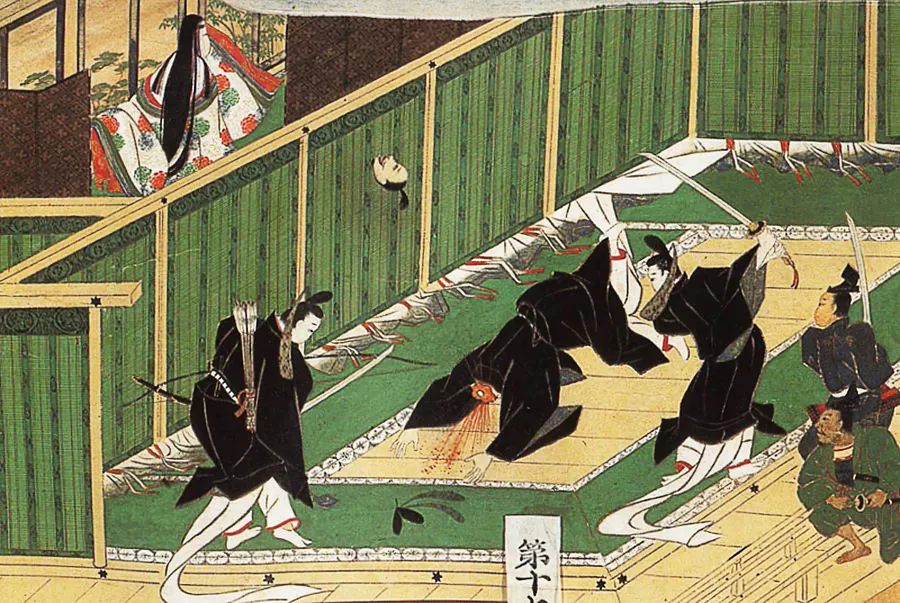
An Edo-period picture scroll by Sumiyoshi Gukei showing the killing of Soga no Iruka at the Japanese courtAn Edo-period picture scroll by Sumiyoshi Gukei showing the killing of Soga no Iruka at the Japanese courtImage: Gukei Sumiyoshi · Public domain
politics · Asia

A palace coup ends the power of the Soga clan in Japan

For half a century the Soga family had been the real power behind the Japanese throne. They had championed Buddhism, married their daughters into the imperial line and chosen which princes would rule. Soga no Iruka pushed this further than anyone. In 643 he had the popular Prince Yamashiro no Ōe, a possible heir, attacked and driven to his death, and many at court came to see the Soga as a threat to the dynasty itself. Prince Naka no Ōe and the courtier Nakatomi no Kamatari plotted to strike where Iruka had no guards: at court. On 10 July 645 the attack began in the palace, and when the hired assassins hesitated, the prince himself cut Iruka down. His father Emishi died the next day, and the main Soga line was finished. The plotters went on to launch the Taika reforms, which modelled Japan’s government on Tang China and strengthened the emperor. The prince later reigned as Emperor Tenji, and Kamatari’s descendants became the Fujiwara, the most powerful family in Japan for centuries.

Source: Britannica: Soga Iruka ↗
1086
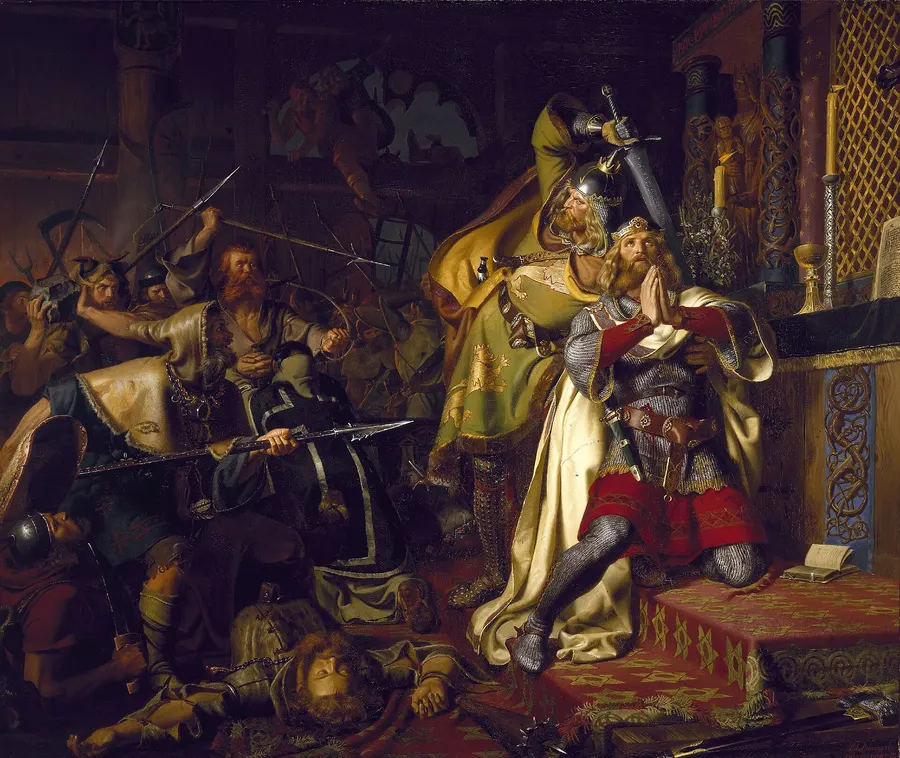
The Death of Canute the Holy, a 19th-century painting by Christian Albrecht von BenzonThe Death of Canute the Holy, a 19th-century painting by Christian Albrecht von BenzonImage: Christian Albrecht von Benzon · Public domain
politics · Europe

King Canute IV of Denmark is killed in a church at Odense

Canute IV angered Denmark’s landowners by pressing for tithes for the Church and new royal dues, and while he was gathering a fleet to invade England a revolt broke out. He fled to St Alban’s Church in Odense, which he had founded, and on 10 July 1086 the rebels killed him there with his brother Benedict and seventeen followers. Stories of miracles at his tomb soon spread, and in 1101 he was canonised as Denmark’s first royal saint. He lies in Odense Cathedral.

Source: Britannica: Canute IV ↗
III
A CHANGING WORLD

Early Modern Era

Exploration, political change, scientific development and expanding global connections.

1553
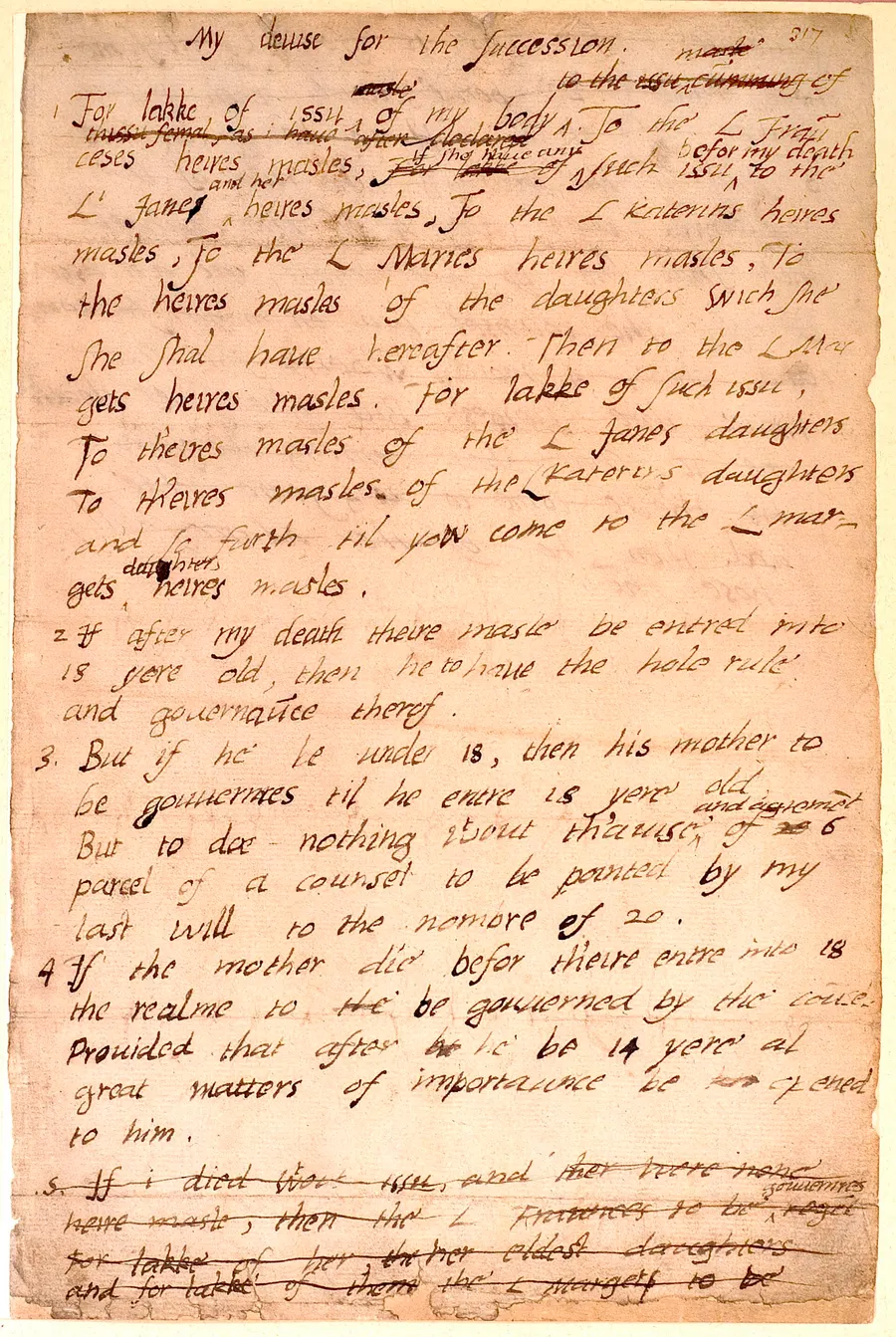
Edward VI's handwritten 'devise for the succession', the document that passed the crown to Lady Jane GreyEdward VI’s handwritten ‘devise for the succession’, the document that passed the crown to Lady Jane GreyImage: Edward VI of England · Public domain
politics · Europe

Lady Jane Grey is proclaimed Queen of England

The young Protestant king Edward VI was dying in 1553, and by law the crown would pass to his Catholic half-sister Mary. Edward and his chief minister, John Dudley, Duke of Northumberland, were determined to stop that. In a handwritten ‘devise’ the king set aside both his half-sisters and left the throne to his cousin Lady Jane Grey, a devout and highly educated Protestant of about sixteen, who had just married Northumberland’s son Guildford Dudley. Edward died on 6 July, and on 10 July Jane was proclaimed queen in London and taken to the Tower to await her coronation. But Mary had fled to East Anglia and gathered support fast, and the council in London changed sides. On 19 July Mary was proclaimed queen instead, and Jane, after nine days, went from royal apartments to a prison in the same Tower. She was beheaded there in February 1554, aged about seventeen, and has been remembered ever since as the Nine Days’ Queen.

Source: Historic Royal Palaces: Lady Jane Grey, the ‘Nine Day Queen’ ↗
IV
THE NINETEENTH CENTURY

The 1800s

Industry, empire, invention, reform and a century of enormous transformation.

1806
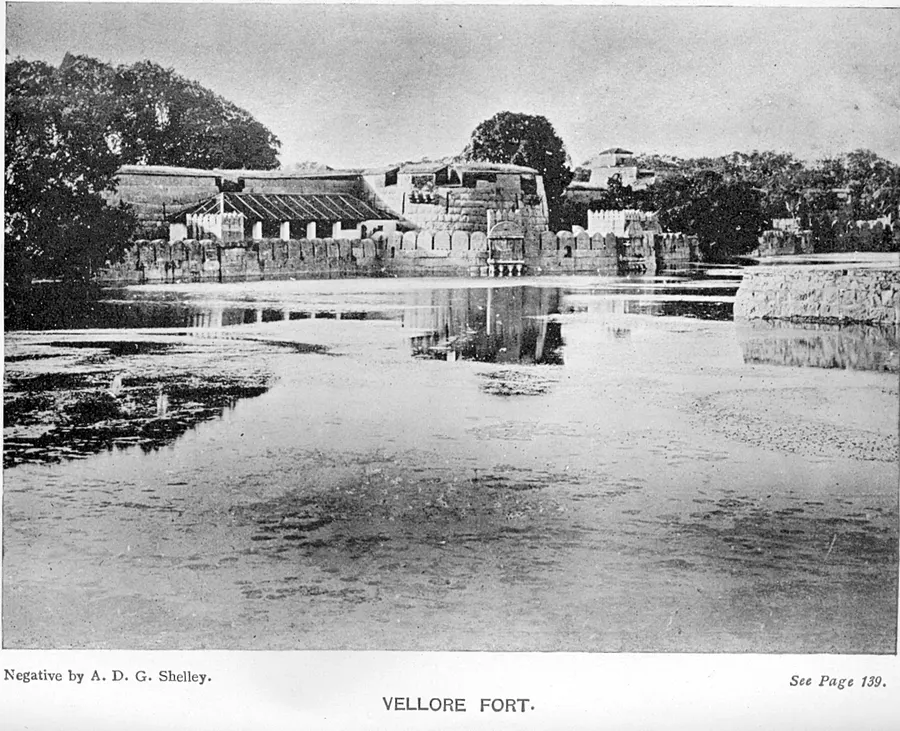
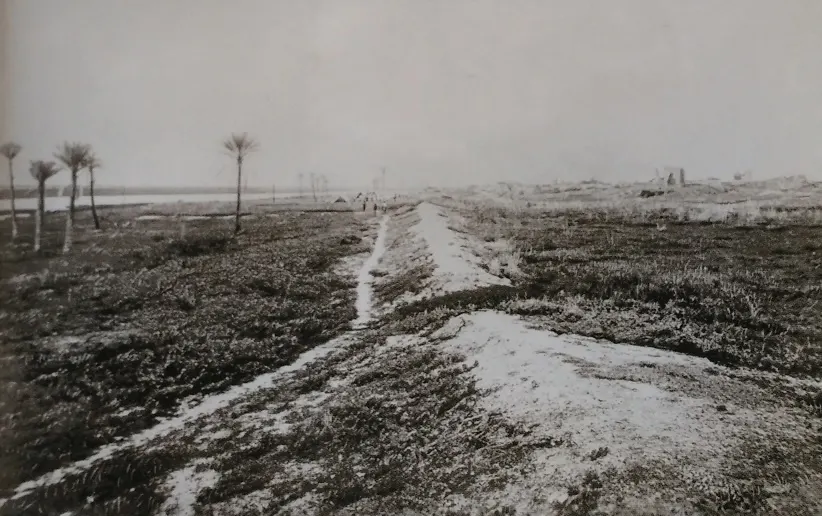
Vellore Fort and its moat, in a photograph by A. D. G. Shelley published in the 19th centuryVellore Fort and its moat, in a photograph by A. D. G. Shelley published in the 19th centuryImage: A.D.G. Shelley · Public domain
world · Asia

Sepoys rise against the British at Vellore

New dress rules for the East India Company’s Madras army banned caste marks and religious ornaments, ordered beards trimmed and introduced a new turban, and Hindu and Muslim soldiers feared an attack on their faith. Before dawn on 10 July 1806 sepoys at Vellore fort, where the sons of Tipu Sultan were held, rose and killed about 130 British soldiers. A relief force from Arcot retook the fort within hours, and hundreds of mutineers were killed in the fighting or executed afterwards.

Source: Britannica: Vellore Mutiny ↗
1898
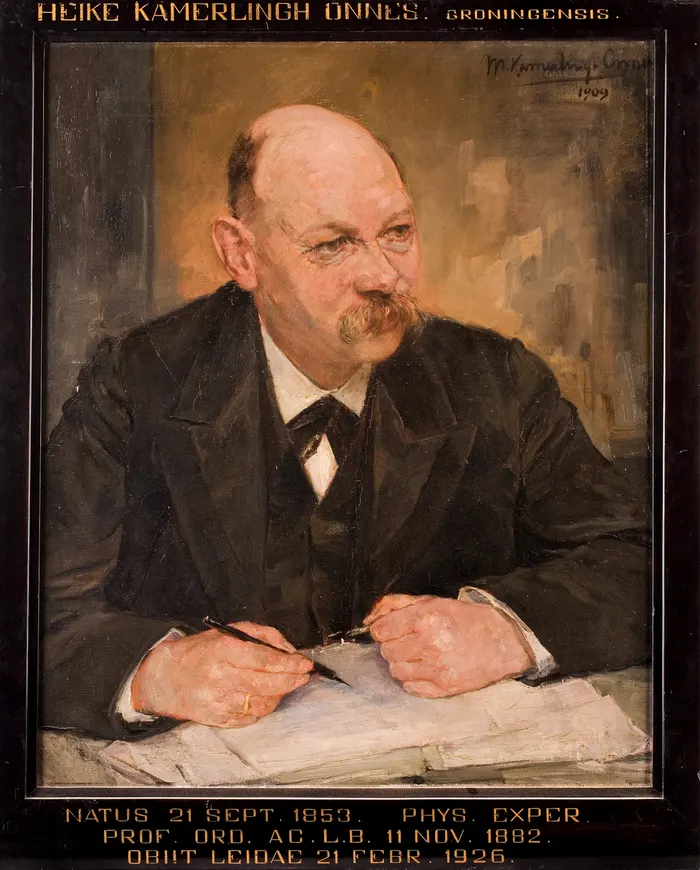
The ruins of the old Egyptian fort at Fashoda, photographed in 1898The ruins of the old Egyptian fort at Fashoda, photographed in 1898Image: Unknown, 1898 · Public domain
politics · Africa

A French expedition reaches Fashoda on the Upper Nile

France hoped to stake a claim across Africa from west to east, and in 1896 Captain Jean-Baptiste Marchand set out from Gabon with a small force to reach the Nile. After a two-year trek he arrived at Fashoda, in what is now South Sudan, on 10 July 1898 and occupied an abandoned Egyptian fort. In September Kitchener’s British army arrived. Both sides avoided a fight, and after a tense diplomatic crisis France withdrew, opening the way to the Entente Cordiale of 1904.

Source: Britannica: Fashoda Incident ↗
V
THE TWENTIETH CENTURY

The 1900s

War and peace, technological leaps, social change, politics, sport and popular culture.

1908
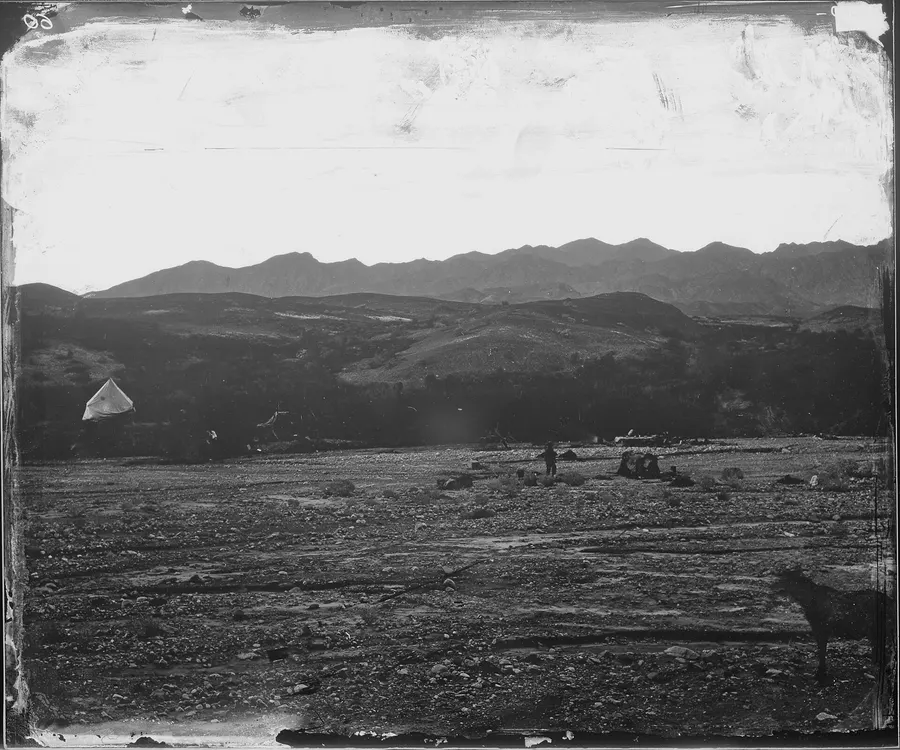
Heike Kamerlingh Onnes, in a portrait painted by his brother Menso, Leiden University LibraryHeike Kamerlingh Onnes, in a portrait painted by his brother Menso, Leiden University LibraryImage: Menso Kamerlingh Onnes (Leiden University Library) · CC BY 4.0
science · Europe

Kamerlingh Onnes turns helium into a liquid

Helium was the last gas that nobody had managed to liquefy. After years of building more powerful cooling equipment in his Leiden laboratory, the Dutch physicist Heike Kamerlingh Onnes succeeded on 10 July 1908, producing about 60 millilitres of liquid helium at a few degrees above absolute zero. The achievement opened up low-temperature physics: using it he discovered superconductivity in 1911, and he received the Nobel Prize in Physics in 1913.

Source: Leiden University: Happy anniversary, liquid helium ↗
1913
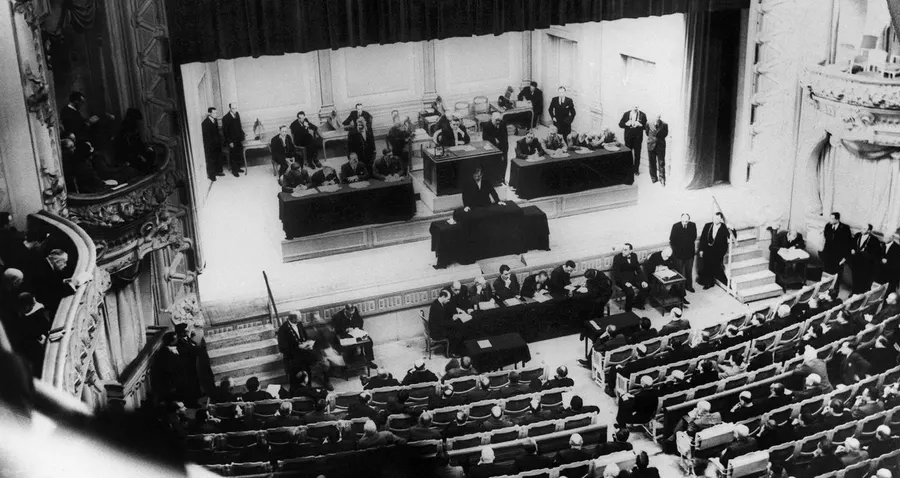
Furnace Creek on the east side of Death Valley, photographed by Timothy O'Sullivan for a government survey in the 1870sFurnace Creek on the east side of Death Valley, photographed by Timothy O’Sullivan for a government survey in the 1870sImage: Timothy H. O'Sullivan · Public domain
science · Americas

Death Valley records the hottest temperature on Earth

On 10 July 1913 the weather observer Oscar Denton at Greenland Ranch, now Furnace Creek, in California’s Death Valley recorded 134 °F (56.7 °C). The World Meteorological Organization still lists it as the highest air temperature ever measured on Earth, and the US National Park Service celebrated its centenary in 2013. Some weather historians have questioned whether the reading was accurate, but it remains the official record.

Source: US National Park Service: Death Valley celebrates 100th anniversary of hottest temperature ever recorded ↗
1940
Deputies and senators meeting together as the National Assembly in the theatre of the Grand Casino at Vichy, 10 July 1940Deputies and senators meeting together as the National Assembly in the theatre of the Grand Casino at Vichy, 10 July 1940Image: Unknown author · Public domain
politics · Europe

France’s parliament votes full powers to Marshal Pétain

In June 1940 the German army overran France in six weeks. Marshal Philippe Pétain, the elderly hero of Verdun, became head of government and signed an armistice, and the government left occupied Paris for the spa town of Vichy, whose hotels could house ministers and officials. There, on 10 July, the Chamber of Deputies and the Senate met together as the National Assembly in the town’s casino. They were asked to give the government, under Pétain’s authority, full power to draw up a new constitution. The motion passed by 569 votes to 80, with 17 abstentions. The next day Pétain made himself head of the ‘French State’, and the Third Republic, in place since 1870, came to an end. The regime that followed collaborated with Nazi Germany. The 80 members of parliament who voted no are honoured today by the French parliament as the first to refuse.

Source: Assemblée nationale: from the Daladier decree-laws to the vote of full powers to Marshal Pétain ↗
1951
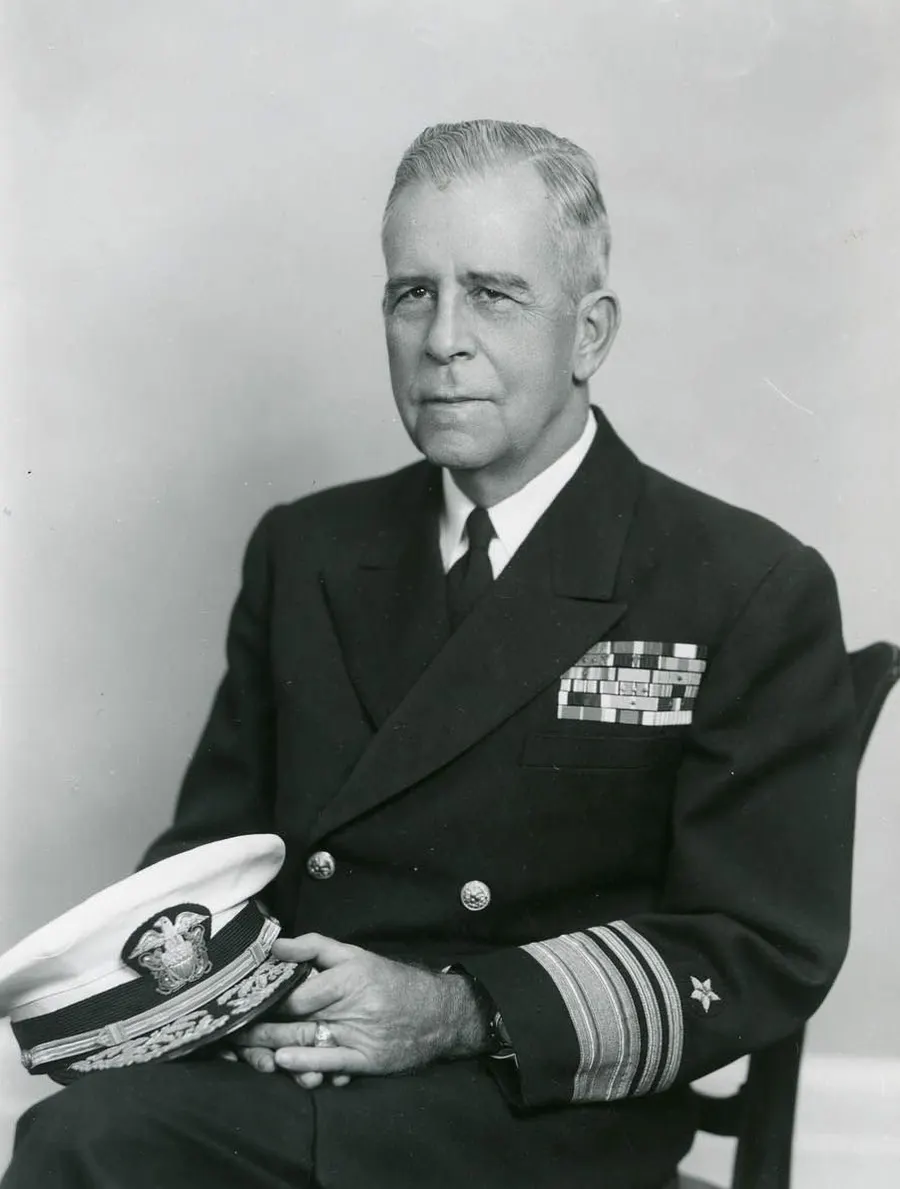
Vice Admiral C. Turner Joy, who led the United Nations Command delegation when the talks opened at KaesongVice Admiral C. Turner Joy, who led the United Nations Command delegation when the talks opened at KaesongImage: U.S. Naval Academy · Public domain
world · Asia

Talks to end the Korean War open at Kaesong

A year after North Korea invaded the South in June 1950, the Korean War had swung up and down the peninsula and settled into a bloody deadlock near the 38th parallel, where it had begun. Neither side could win outright, and in June 1951 the Soviet Union suggested talks. On 10 July 1951 delegates of the United Nations Command met representatives of the North Korean and Chinese forces at Kaesong, an old royal city just south of the parallel. Few expected what followed. The talks stalled over the ceasefire line and, above all, over whether prisoners of war could refuse to go home. In October they moved to tents at Panmunjom, a few miles away, while the fighting went on. The armistice was signed only on 27 July 1953, after two more years of war. It stopped the fighting but no peace treaty ever followed, and the line it drew still divides Korea.

Source: Britannica: Korean War, talking and fighting 1951-53 ↗
1962
A television screen showing the words 'First pictures from England via Telstar' during a transmission test in 1962A television screen showing the words ‘First pictures from England via Telstar’ during a transmission test in 1962Image: Thomas J. O'Halloran · Public domain
science · Americas

Telstar, the first active communications satellite, is launched

Before 1962, television could not cross an ocean live: pictures from America reached Europe days later, as film flown across the Atlantic. Engineers at Bell Telephone Laboratories built a satellite to change that. Telstar was a sphere less than a metre across, covered in solar cells, that could receive a signal from the ground, amplify it and send it back down. It was paid for by the telephone company AT&T and launched by NASA from Cape Canaveral on 10 July 1962. Within days it relayed the first live television pictures across the Atlantic, between a huge ground station at Andover in Maine and receivers in Brittany and at Goonhilly in Cornwall. Viewers in Europe and America saw each other’s cities in real time, and President Kennedy spoke live. Telstar worked for only a few months before radiation damaged its electronics, but it proved the idea behind every communications satellite since and even inspired a hit record, the Tornados’ instrumental ‘Telstar’.

Source: NASA: Telstar opened era of global satellite television ↗
1985
The Greenpeace ship Rainbow Warrior moored in Amsterdam in 1981, four years before it was sunk in AucklandThe Greenpeace ship Rainbow Warrior moored in Amsterdam in 1981, four years before it was sunk in AucklandImage: Hans van Dijk for Anefo · CC0

politics · Oceania

French secret agents sink the Rainbow Warrior in Auckland

In 1985 Greenpeace’s flagship, the Rainbow Warrior, was in New Zealand preparing to lead a protest flotilla to Mururoa Atoll, where France was testing nuclear weapons. The French foreign intelligence service, the DGSE, sent agents to stop it sailing. On the night of 10 July, as the ship lay at Marsden Wharf in Auckland, two mines fixed to its hull exploded and it sank at its berth. Fernando Pereira, a Portuguese-born photographer on board, was killed by the second blast when he went below to fetch his cameras. Two of the agents, Dominique Prieur and Alain Mafart, were soon arrested; they pleaded guilty to manslaughter and were sentenced to ten years in prison. The attack on a friendly country’s soil caused an international scandal. In 1986 a ruling by the UN Secretary-General required France to apologise to New Zealand and pay compensation, and the bombing strengthened New Zealand’s anti-nuclear stance.

Source: NZ History: Rainbow Warrior bombing, 1985 ↗
1999
Brandi Chastain, who scored the winning penalty in the 1999 final, photographed in 2023Brandi Chastain, who scored the winning penalty in the 1999 final, photographed in 2023Image: US Embassy Australia · Public domain
sport · Americas

The USA win the Women’s World Cup before a record crowd

The third FIFA Women’s World Cup, held in the United States in 1999, turned out to be far bigger than its organisers had dared to hope. Games were played in large American football stadiums, and crowds grew as the home team advanced. The final, between the United States and China, the two strongest sides of the decade, was played at the Rose Bowl in Pasadena, California, on 10 July 1999. A crowd of 90,185, then a world record for a women’s sporting event, watched 120 minutes of tense football without a goal. In the penalty shoot-out the American goalkeeper Briana Scurry saved China’s third kick, from Liu Ying, and Brandi Chastain struck the fifth US penalty to win the shoot-out 5-4. Her celebration, on her knees with her shirt in her hand, became one of the best-known images in women’s sport, and the tournament gave a lasting lift to the women’s game.

Source: FIFA: Pure drama as USA clinch World Cup title on home soil ↗
VI
2000 TO TODAY

Modern Day

The events of recent decades that have already become part of the historical record.

2002
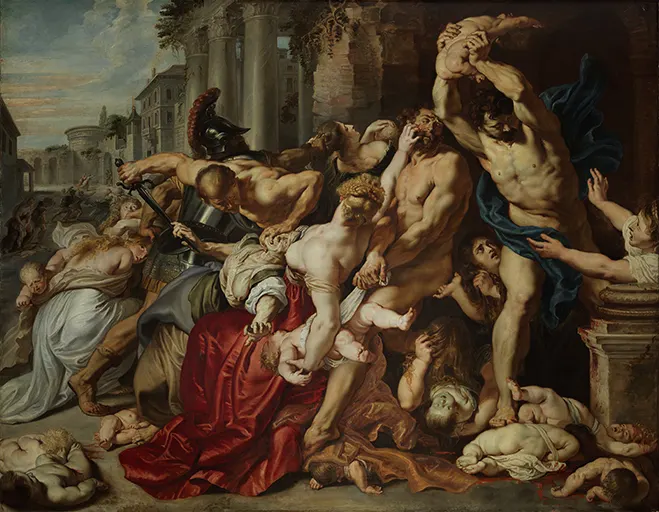
The Massacre of the Innocents by Peter Paul Rubens, painted around 1610 and now in the Art Gallery of Ontario, TorontoThe Massacre of the Innocents by Peter Paul Rubens, painted around 1610 and now in the Art Gallery of Ontario, TorontoImage: Peter Paul Rubens · Public domain
culture · Europe

A rediscovered Rubens sells for a record £49.5 million

For more than two centuries a violent, crowded painting of Herod’s soldiers slaughtering the infants of Bethlehem was thought to be the work of Jan van den Hoecke, a lesser follower of Rubens. When it was consigned to Sotheby’s in London, the old masters specialist George Gordon recognised it as an early masterpiece by Peter Paul Rubens himself, painted around 1610 soon after his return from Italy. At auction in London on 10 July 2002 the bidding soared far beyond the estimate, and the painting sold for £49.5 million, then a record for any old master. The buyer was the Canadian collector Kenneth Thomson. It was lent to the National Gallery in London for a time, and in 2008 it went on show at the Art Gallery of Ontario in Toronto as the centrepiece of the Thomson Collection, part of the largest gift ever made to a Canadian cultural institution.

Source: CNN: Bidding war for $76 million Rubens (11 July 2002) ↗
2018
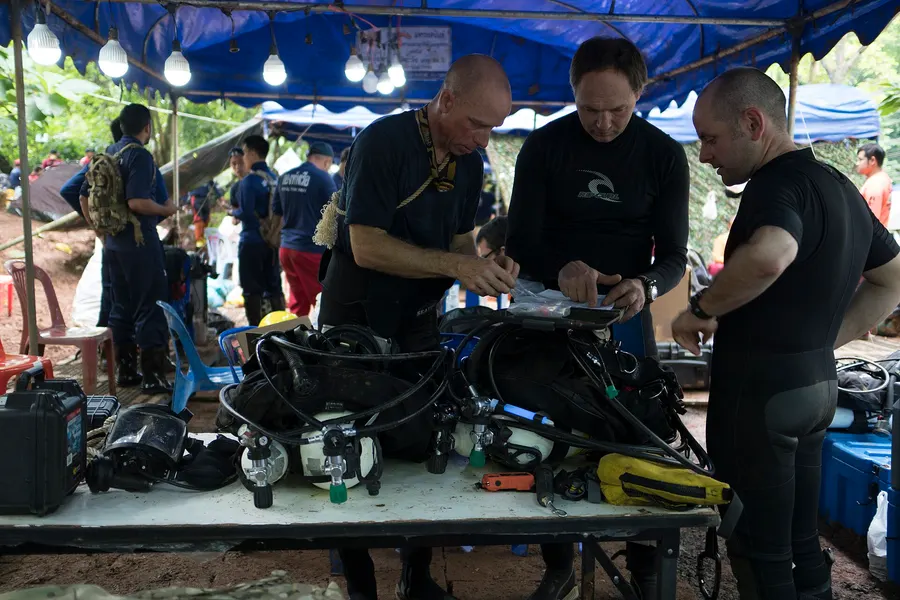
Cave rescue divers preparing their equipment at the Tham Luang cave in July 2018Cave rescue divers preparing their equipment at the Tham Luang cave in July 2018Image: U.S. Air Force Capt. Jessica Tait 353rd Special Operations Group Public Affairs · Public domain
world · Asia

The last of the Thai cave boys are brought out alive

On 23 June 2018 twelve boys from a youth football team and their coach were trapped by floodwater deep inside the Tham Luang cave in northern Thailand. British divers found them alive nine days later. An international team of cave divers, Thai Navy SEALs and military rescuers then carried them out through flooded passages, sedated, over three days. The last four boys and their coach emerged on 10 July. A former Thai Navy SEAL, Saman Kunan, died during the operation.

Source: US Air Force Special Operations Command: Thai cave rescue, two years later ↗
RESEARCH

Sources & Further Reading

Selected authoritative references supporting the events on this page.

Britannica: Soga Iruka↗Britannica: Japan, the Taika reforms↗Wikipedia: Isshi incident↗Britannica: Canute IV↗Catholic Encyclopedia: St. Canute IV↗Historic Royal Palaces: Lady Jane Grey, the ‘Nine Day Queen’↗Britannica: How did Lady Jane Grey become queen of England?↗Britannica: Vellore Mutiny↗Wikipedia: Vellore mutiny↗Britannica: Fashoda Incident↗Wikipedia: Fashoda Incident↗Leiden University: Happy anniversary, liquid helium↗NobelPrize.org: Heike Kamerlingh Onnes, facts↗US National Park Service: Death Valley celebrates 100th anniversary of hottest temperature ever recorded↗NOAA National Weather Service Heritage: One hot weather station↗Assemblée nationale: from the Daladier decree-laws to the vote of full powers to Marshal Pétain↗Sénat: Parliament meets at Vichy↗Britannica: Korean War, talking and fighting 1951-53↗US Army Center of Military History: Truce Tent and Fighting Front, ch. 2, The Initial Negotiations↗NASA: Telstar opened era of global satellite television↗Smithsonian National Air and Space Museum: Telstar↗NZ History: Rainbow Warrior bombing, 1985↗Te Ara, the Encyclopedia of New Zealand: Government responses to terrorism↗FIFA: Pure drama as USA clinch World Cup title on home soil↗US Soccer: 1999 FIFA Women’s World Cup↗CNN: Bidding war for $76 million Rubens (11 July 2002)↗Art Gallery of Ontario: The Thomson Collection↗Wikipedia: Massacre of the Innocents (Rubens)↗US Air Force Special Operations Command: Thai cave rescue, two years later↗National Geographic: Meet the team of cave divers↗
WHY THESE MOMENTS?

Significance before volume

This page is not the longest possible list of events. It is a chronological journey through 10 July, where each entry is chosen for historical significance, human interest and reliability.

Facts are checked against authoritative museums, archives, universities and reference works. Where sources disagree, the page says so.

EXPLORED THE DEEPER STORY?

Return to the highlights of 10 July

Discover the lighter side of the date with famous birthdays, culture, firsts and lives remembered.

Explore This Day →
← PREVIOUS DAY9 July
HISTORY & TIMELINE10 July
NEXT DAY →11 July