645A palace coup ends the power of the Soga clan in Japan
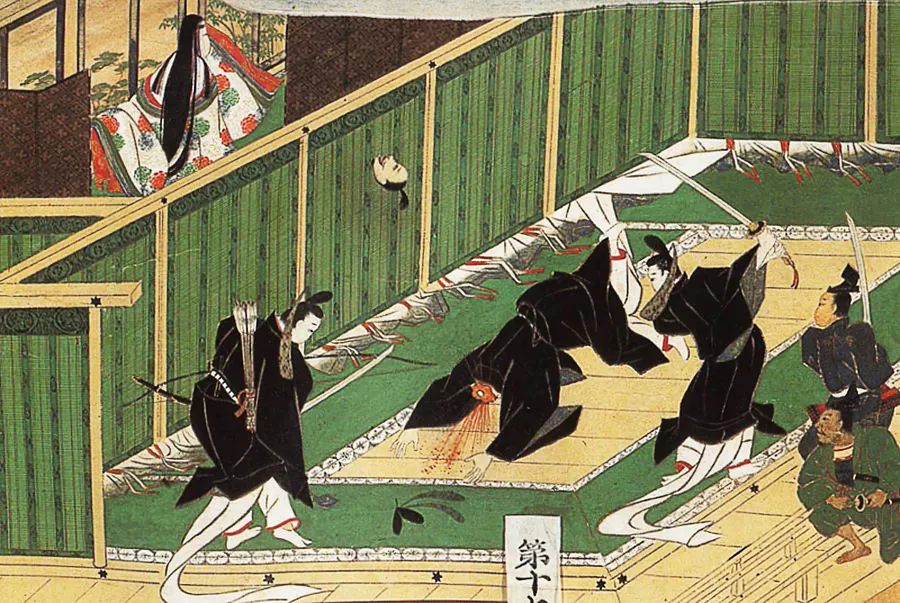
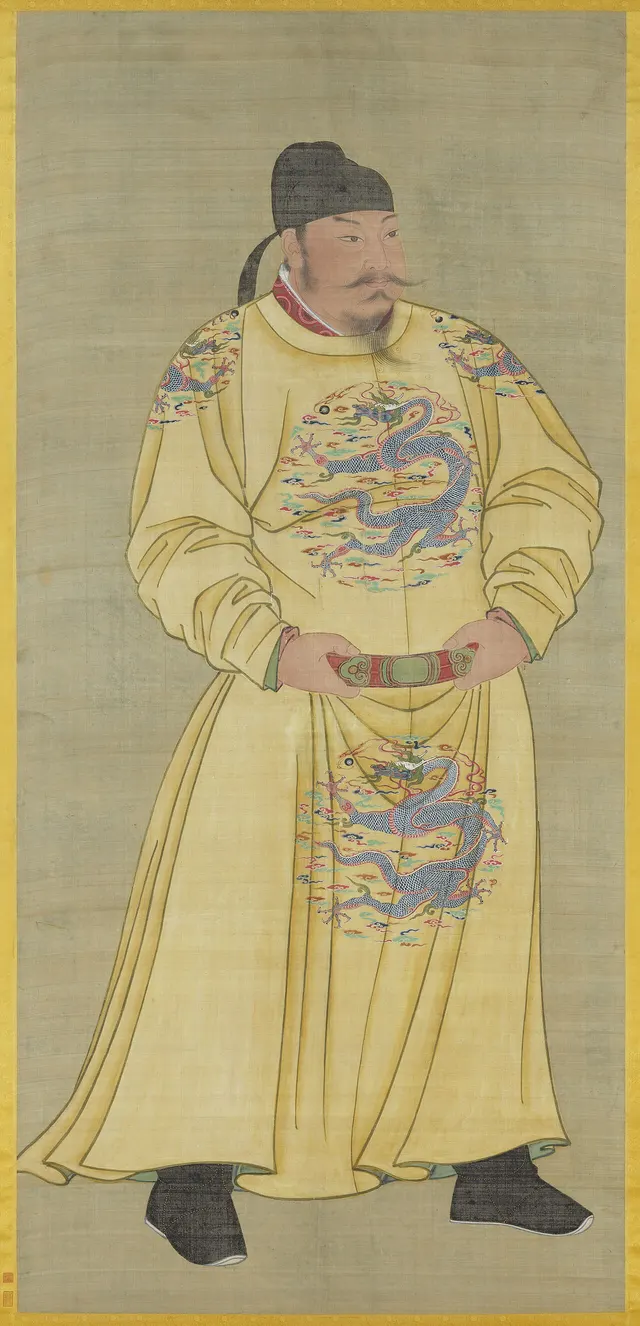
For half a century the Soga family had been the real power behind the Japanese throne. They had championed Buddhism, married their daughters into the imperial line and chosen which princes would rule. Soga no Iruka pushed this further than anyone. In 643 he had the popular Prince Yamashiro no Ōe, a possible heir, attacked and driven to his death, and many at court came to see the Soga as a threat to the dynasty itself.
Prince Naka no Ōe and the courtier Nakatomi no Kamatari plotted to strike where Iruka had no guards: at court. On 10 July 645 the attack began in the palace, and when the hired assassins hesitated, the prince himself cut Iruka down. His father Emishi died the next day, and the main Soga line was finished. The plotters went on to launch the Taika reforms, which modelled Japan’s government on Tang China and strengthened the emperor. The prince later reigned as Emperor Tenji, and Kamatari’s descendants became the Fujiwara, the most powerful family in Japan for centuries.
Read the full storyHistory & Timeline →Source: Britannica: Soga Iruka ↗
1553Lady Jane Grey is proclaimed Queen of England
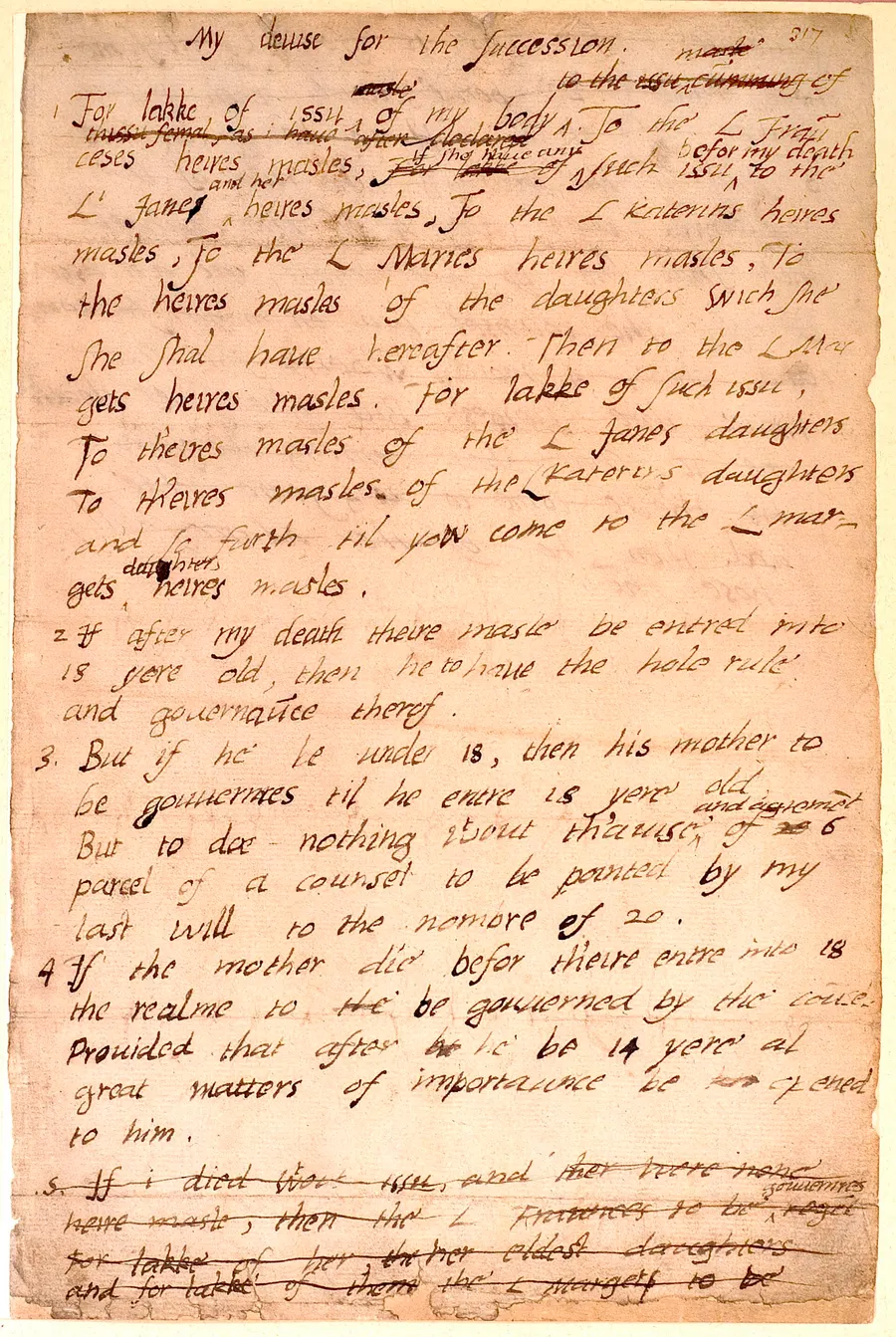
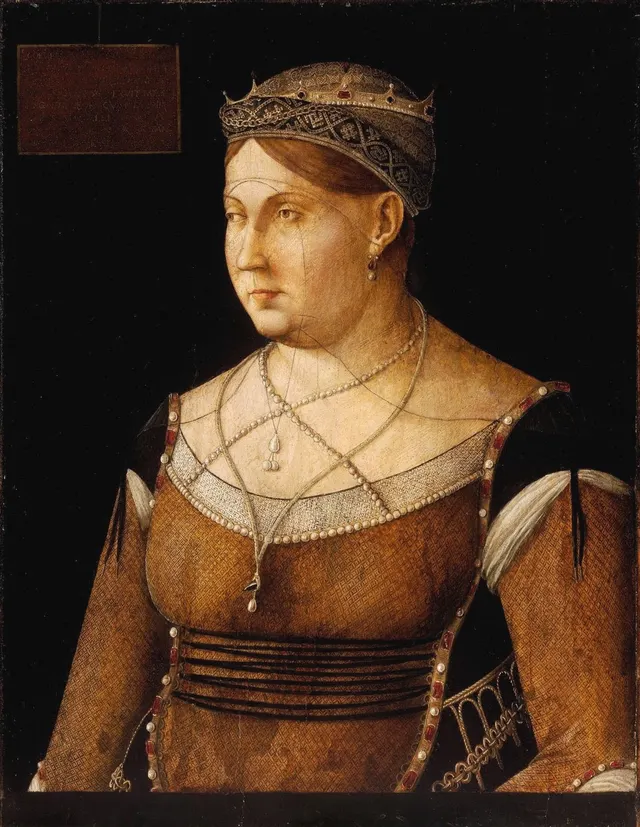
The young Protestant king Edward VI was dying in 1553, and by law the crown would pass to his Catholic half-sister Mary. Edward and his chief minister, John Dudley, Duke of Northumberland, were determined to stop that. In a handwritten ‘devise’ the king set aside both his half-sisters and left the throne to his cousin Lady Jane Grey, a devout and highly educated Protestant of about sixteen, who had just married Northumberland’s son Guildford Dudley.
Edward died on 6 July, and on 10 July Jane was proclaimed queen in London and taken to the Tower to await her coronation. But Mary had fled to East Anglia and gathered support fast, and the council in London changed sides. On 19 July Mary was proclaimed queen instead, and Jane, after nine days, went from royal apartments to a prison in the same Tower. She was beheaded there in February 1554, aged about seventeen, and has been remembered ever since as the Nine Days’ Queen.
Read the full storyHistory & Timeline →Source: Historic Royal Palaces: Lady Jane Grey, the ‘Nine Day Queen’ ↗
1940France’s parliament votes full powers to Marshal Pétain
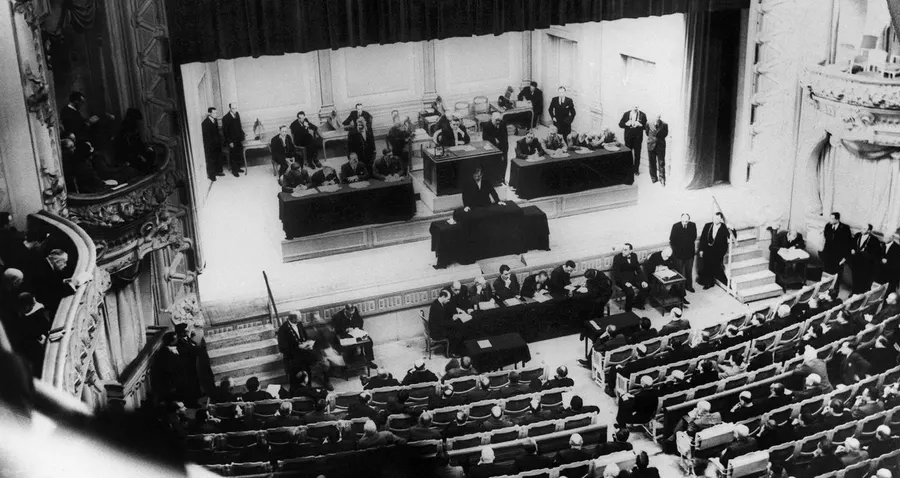
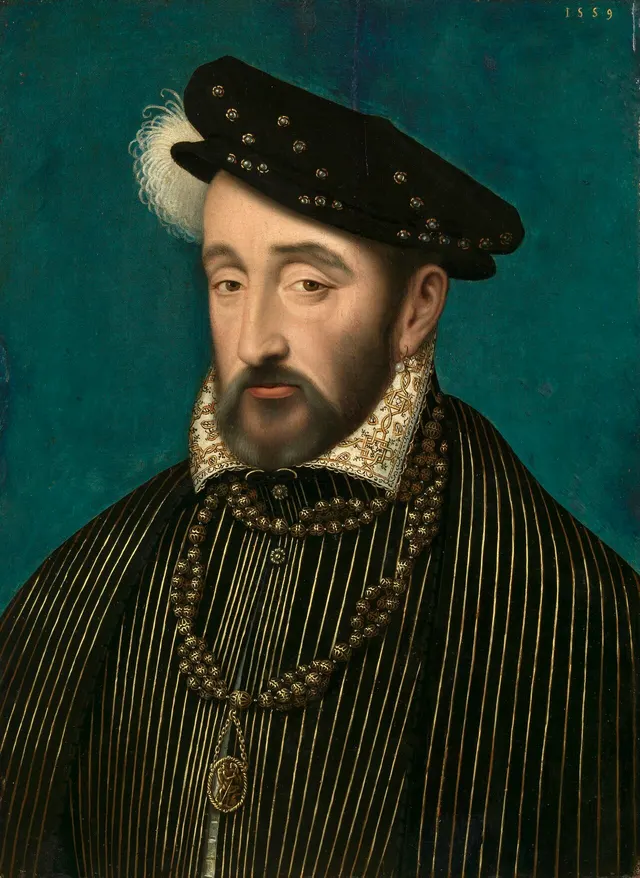
In June 1940 the German army overran France in six weeks. Marshal Philippe Pétain, the elderly hero of Verdun, became head of government and signed an armistice, and the government left occupied Paris for the spa town of Vichy, whose hotels could house ministers and officials. There, on 10 July, the Chamber of Deputies and the Senate met together as the National Assembly in the town’s casino.
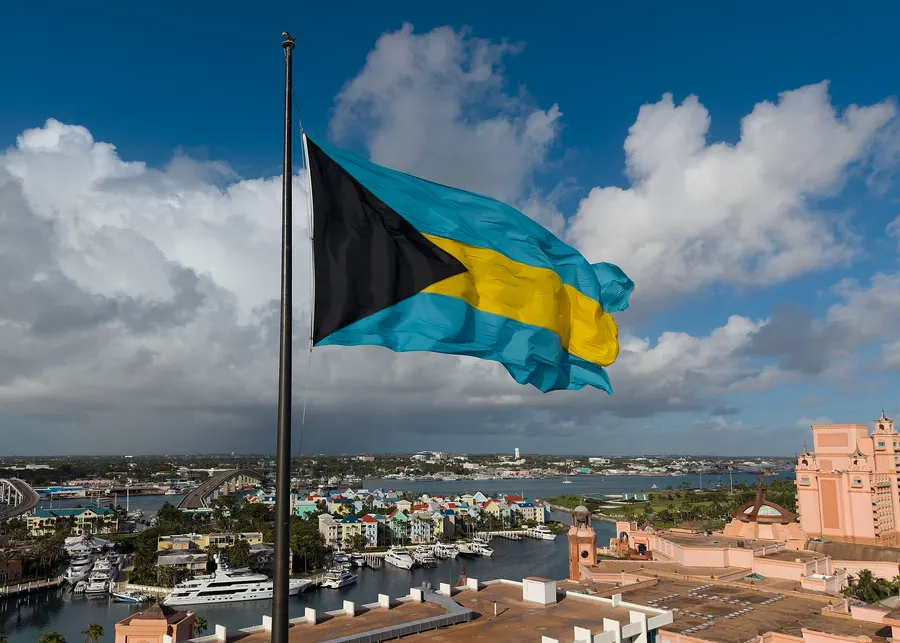
They were asked to give the government, under Pétain’s authority, full power to draw up a new constitution. The motion passed by 569 votes to 80, with 17 abstentions. The next day Pétain made himself head of the ‘French State’, and the Third Republic, in place since 1870, came to an end. The regime that followed collaborated with Nazi Germany. The 80 members of parliament who voted no are honoured today by the French parliament as the first to refuse.
Read the full storyHistory & Timeline →Source: Assemblée nationale: from the Daladier decree-laws to the vote of full powers to Marshal Pétain ↗
1951Talks to end the Korean War open at Kaesong
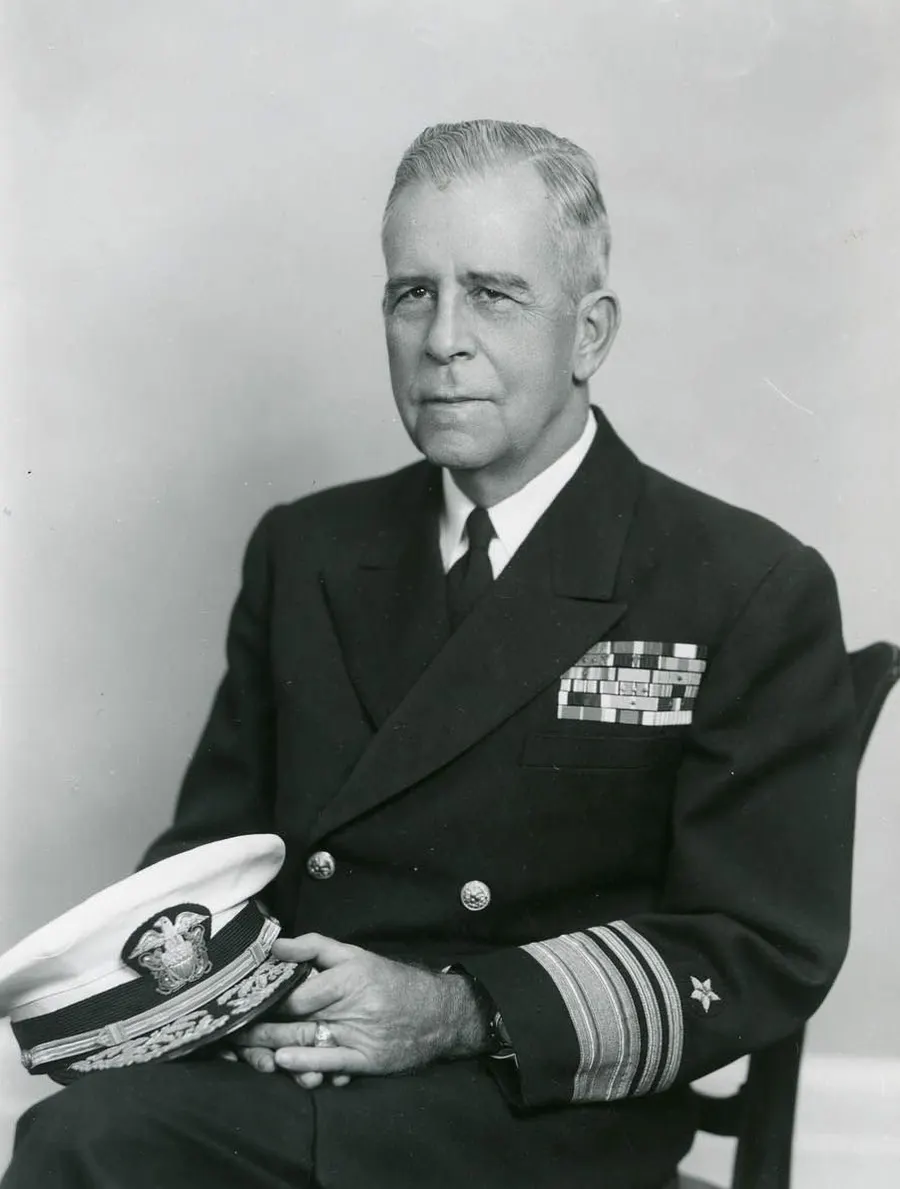
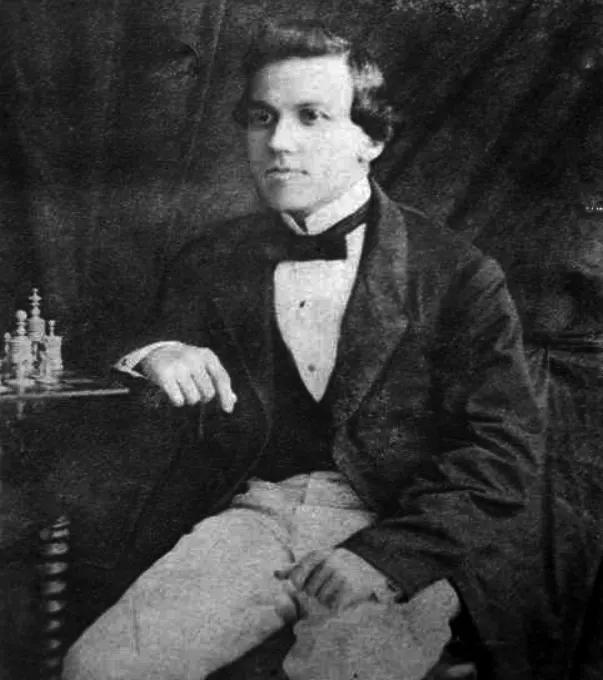
A year after North Korea invaded the South in June 1950, the Korean War had swung up and down the peninsula and settled into a bloody deadlock near the 38th parallel, where it had begun. Neither side could win outright, and in June 1951 the Soviet Union suggested talks. On 10 July 1951 delegates of the United Nations Command met representatives of the North Korean and Chinese forces at Kaesong, an old royal city just south of the parallel.
Few expected what followed. The talks stalled over the ceasefire line and, above all, over whether prisoners of war could refuse to go home. In October they moved to tents at Panmunjom, a few miles away, while the fighting went on. The armistice was signed only on 27 July 1953, after two more years of war. It stopped the fighting but no peace treaty ever followed, and the line it drew still divides Korea.
Read the full storyHistory & Timeline →Source: Britannica: Korean War, talking and fighting 1951-53 ↗
1985French secret agents sink the Rainbow Warrior in Auckland
In 1985 Greenpeace’s flagship, the Rainbow Warrior, was in New Zealand preparing to lead a protest flotilla to Mururoa Atoll, where France was testing nuclear weapons. The French foreign intelligence service, the DGSE, sent agents to stop it sailing. On the night of 10 July, as the ship lay at Marsden Wharf in Auckland, two mines fixed to its hull exploded and it sank at its berth.
Fernando Pereira, a Portuguese-born photographer on board, was killed by the second blast when he went below to fetch his cameras. Two of the agents, Dominique Prieur and Alain Mafart, were soon arrested; they pleaded guilty to manslaughter and were sentenced to ten years in prison. The attack on a friendly country’s soil caused an international scandal. In 1986 a ruling by the UN Secretary-General required France to apologise to New Zealand and pay compensation, and the bombing strengthened New Zealand’s anti-nuclear stance.
Read the full storyHistory & Timeline →Source: NZ History: Rainbow Warrior bombing, 1985 ↗