Explore 3 July

Explore 3 July: Champlain founds Quebec, enslaved people in the Danish West Indies win their freedom, Prussia defeats Austria at Königgrätz and France recognises an independent Algeria. Born today: Louis XI, Leoš Janáček and Tom Stoppard.

This day through time →13 verified events across 5 eras

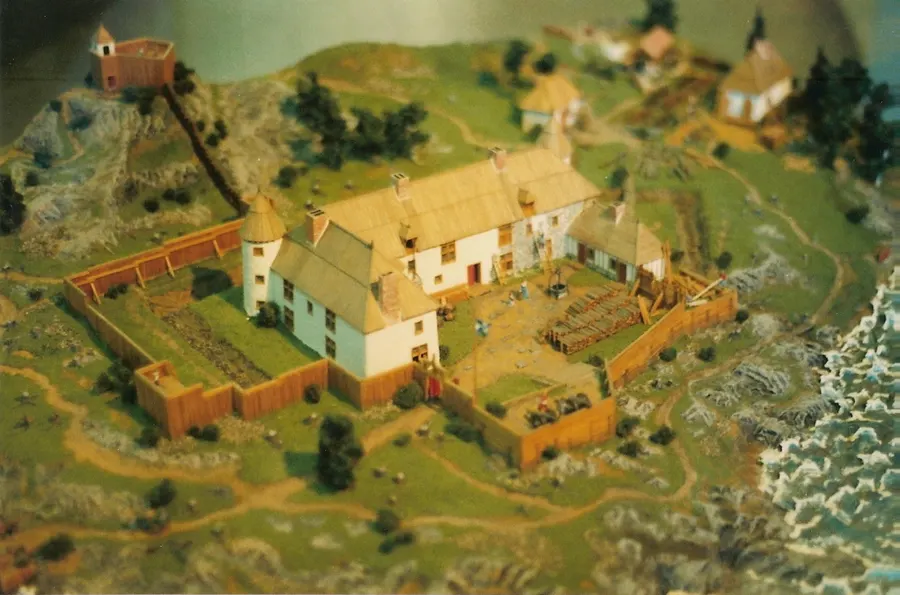
A scale model of Champlain's Habitation, the fortified trading post built at Quebec in 1608
A scale model of Champlain’s Habitation, the fortified trading post built at Quebec in 1608
Image creditCharny · CC BY-SA 3.0Resized and cropped for display.

Samuel de Champlain founds Quebec

French traders had been sailing up the St Lawrence for furs since the voyages of Jacques Cartier in the 1530s, but earlier attempts to settle had failed. In 1608 Pierre Dugua de Mons, who held a royal monopoly on the fur trade, sent Samuel de Champlain upriver to set up a permanent base. Champlain, a navigator and mapmaker who had already explored the region, chose a spot where the great river suddenly narrows beneath a high cliff, a place the local people called Kebec.

He arrived there on 3 July 1608, and his men began clearing the ground at the foot of Cap Diamant. They built the Habitation: three linked wooden buildings and a storehouse, surrounded by a ditch and a palisade. The first winter was terrible. Of the 28 men who stayed, only eight were still alive when supply ships returned the following spring, most of the rest having died of scurvy or dysentery. But the post survived. Quebec became the heart of New France and is now one of the oldest cities in North America, and Champlain is remembered as the father of New France.

Read the full storyHistory & Timeline →Source: The Canadian Encyclopedia: Samuel de Champlain and the founding of Quebec ↗
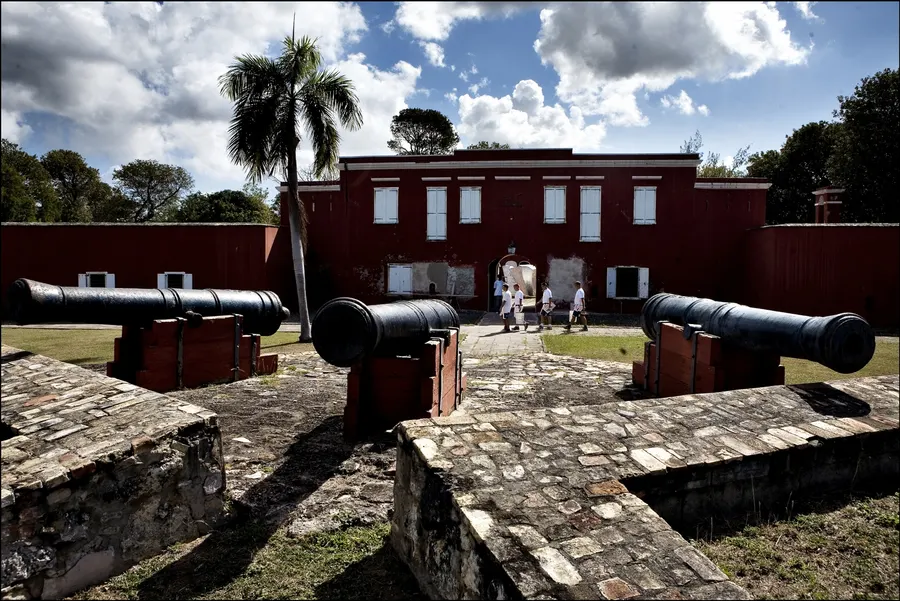
Fort Frederik at Frederiksted on St Croix, where the enslaved people of the island gathered to demand their freedom in 1848
Image creditOzarksRazorback · CC BY-SA 4.0Resized and cropped for display.

Enslaved people in the Danish West Indies win their freedom

Denmark’s Caribbean colony of St Croix, St Thomas and St John, now the US Virgin Islands, was built on sugar grown by enslaved Africans and their descendants. Denmark had banned the transatlantic slave trade to its colonies, but slavery itself remained, and by the 1840s it had been abolished in the neighbouring British islands. The government in Copenhagen offered only a slow, step-by-step end to it, which left most people still enslaved for years to come.

In early July 1848 the enslaved people of St Croix decided not to wait. Thousands gathered around Fort Frederik at Frederiksted and threatened to burn the town unless they were freed. On 3 July the governor-general, Peter von Scholten, arrived at Frederiksted and declared that all the unfree in the Danish West Indies were free from that day. In Denmark the credit has often gone to the governor; in the Virgin Islands the day is remembered as freedom won by the enslaved themselves. 3 July is still celebrated there as Emancipation Day.

Read the full storyHistory & Timeline →Source: National Museum of Denmark: The abolition of slavery in 1848 ↗
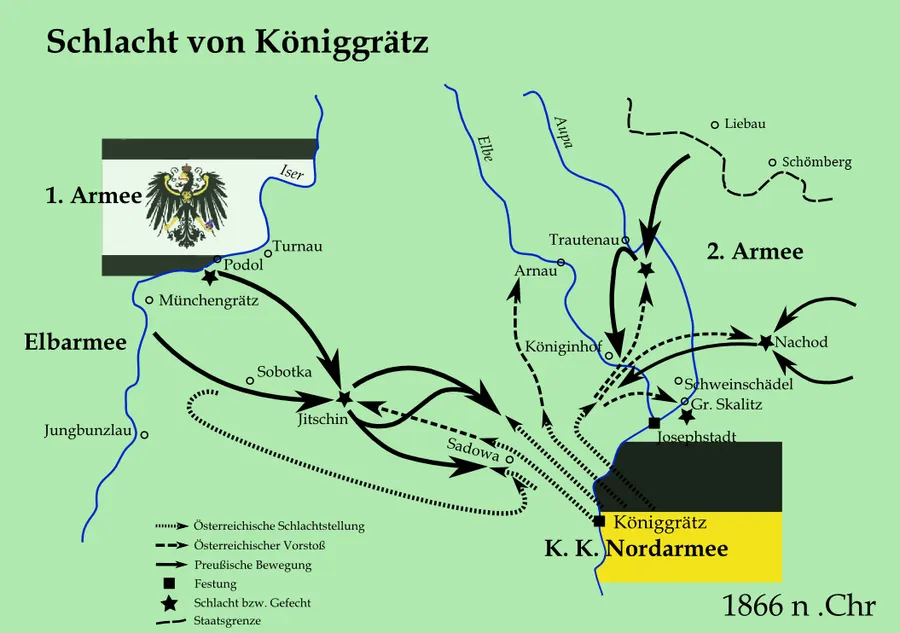
A German map of the Battle of Königgrätz, showing the Prussian armies closing on the Austrian northern army
Image creditJulien Then · Public domainResized and cropped for display.

Prussia defeats Austria at Königgrätz

In the 1860s two great powers competed to lead the German states: the Austrian Empire, long the senior partner, and a rising Prussia under its chief minister Otto von Bismarck. In June 1866 the rivalry turned to war. Prussia’s chief of staff, Helmuth von Moltke, used the railways to move three armies quickly into Bohemia, where the Austrians under Ludwig von Benedek had gathered their main force.

On 3 July 1866 the armies met near the fortress town of Königgrätz (Hradec Králové) and the village of Sadová, in the largest battle Europe had seen since Leipzig in 1813. The Austrians held on through the morning, but in the afternoon the Prussian Second Army arrived on their flank and their line broke. Prussian infantry with the breech-loading needle gun could fire far faster than their opponents. Austria lost about 45,000 men, nearly half of them taken prisoner, against fewer than 10,000 Prussians. The peace that followed shut Austria out of German affairs and cleared the way for a Germany united under Prussia.

Read the full storyHistory & Timeline →Source: Britannica: Battle of Königgrätz ↗
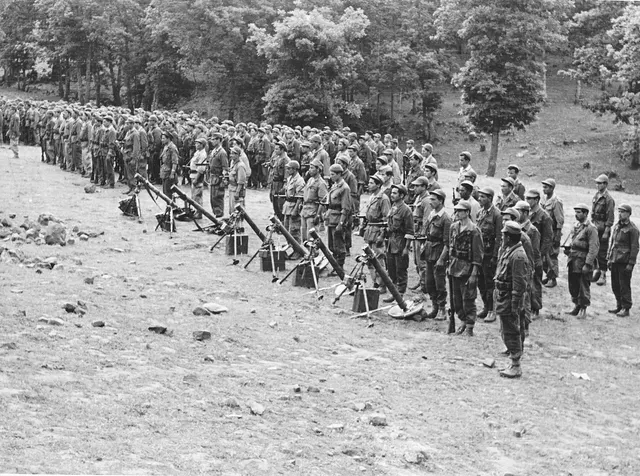
Soldiers of Algeria's National Liberation Army during the war of independence
Soldiers of Algeria’s National Liberation Army during the war of independence
Image creditZdravko Pečar · CC BY-SA 4.0Resized and cropped for display.

France recognises the independence of Algeria

France conquered Algeria from 1830 and later treated it not as a colony but as part of France itself, home to about a million settlers of European origin. The Algerian majority had few political rights. In November 1954 the National Liberation Front (FLN) launched an armed revolt, and a long and brutal war followed, marked by guerrilla attacks, bombings, torture and mass reprisals. It divided France too, and in 1958 it brought Charles de Gaulle back to power.

De Gaulle came to accept that Algeria would have to be free. In March 1962 French and FLN negotiators agreed the Evian Accords, which French voters approved in April. On 1 July Algerians voted in their own referendum: around six million for independence and about 16,000 against. On 3 July 1962 France formally recognised Algeria as an independent state. Algeria celebrates its independence on 5 July, the anniversary of the French capture of Algiers in 1830. Most of the settlers left for France within months.

Read the full storyHistory & Timeline →Source: Britannica: Algerian War ↗

♙
PEOPLE

Born Today

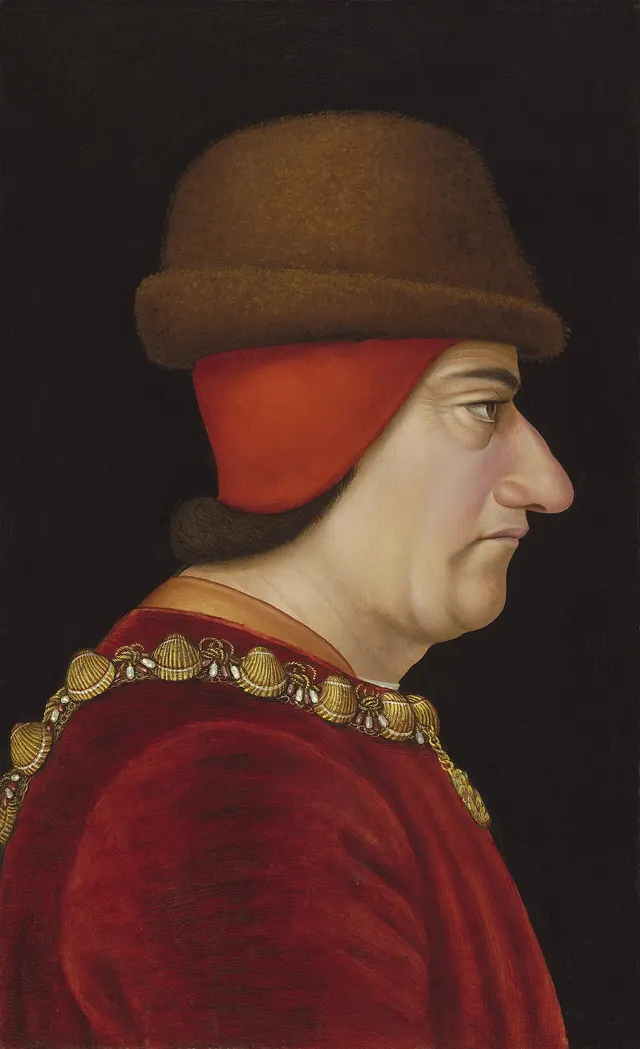
Louis XI
Image creditJacob de Litemont · Public domainResized and cropped for display.

Louis XI

King of France from 1461 to 1483, a cunning schemer nicknamed the Universal Spider, who strengthened royal power and brought much of the Burgundian inheritance under the crown.

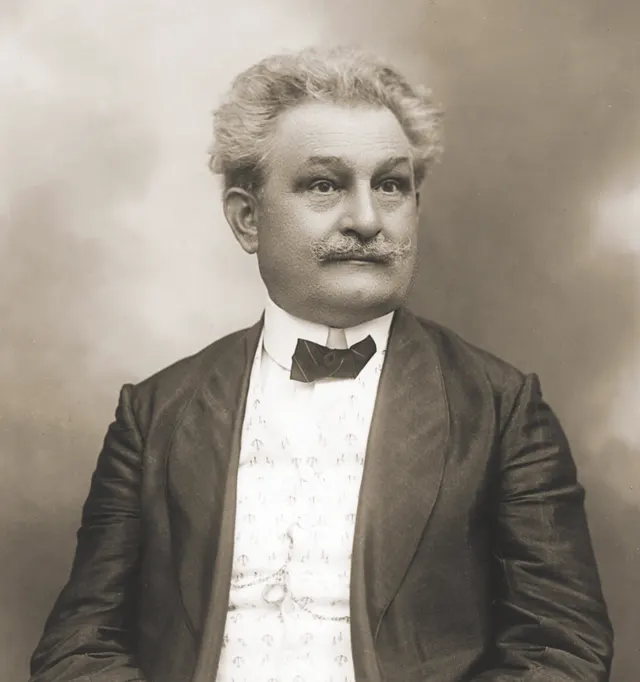
Leoš Janáček
Image creditUnkonwn · Public domainResized and cropped for display.

Leoš Janáček

Czech composer who drew on the rhythms of Moravian speech and folk music in operas such as Jenůfa, Káťa Kabanová and The Cunning Little Vixen.

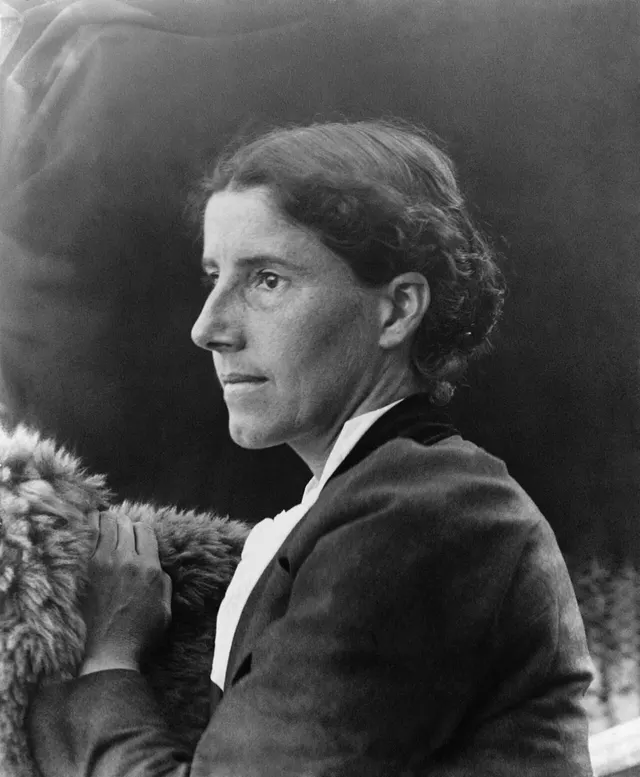
Charlotte Perkins Gilman
Image creditCharles Fletcher Lummis / Adam Cuerden · Public domainResized and cropped for display.

Charlotte Perkins Gilman

American writer and feminist, author of the short story The Yellow Wallpaper and of Women and Economics, which argued that women needed economic independence.

S. R. Nathan
Image creditCalvin Teo · CC BY-SA 3.0Resized and cropped for display.

S. R. Nathan

Singaporean civil servant and diplomat who became the country’s sixth and longest-serving president, from 1999 to 2011.

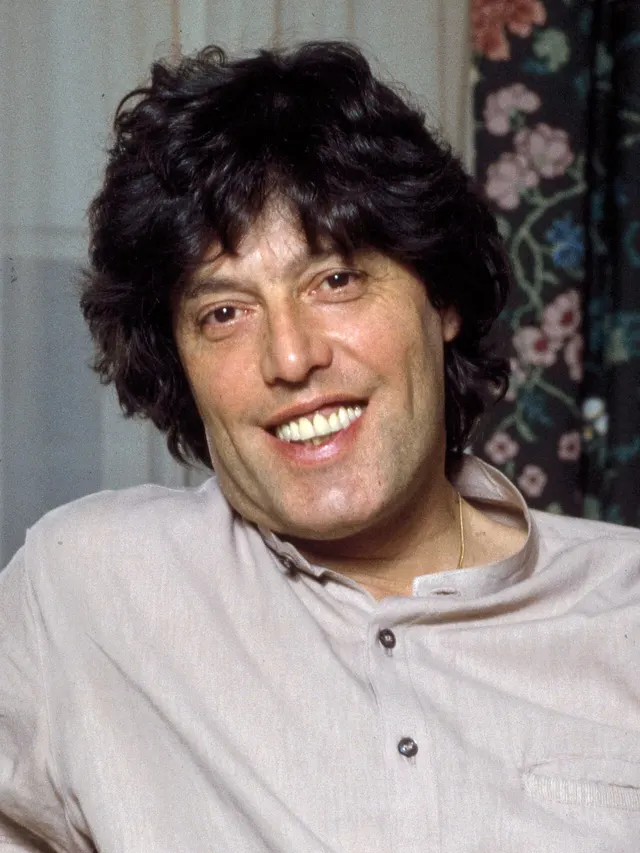
Tom Stoppard
Image creditGotfryd, Bernard, photographer · Public domainResized and cropped for display.

Tom Stoppard

Czech-born British playwright of Rosencrantz and Guildenstern Are Dead, Arcadia and Leopoldstadt, who also shared an Oscar for the screenplay of Shakespeare in Love. He died in 2025.

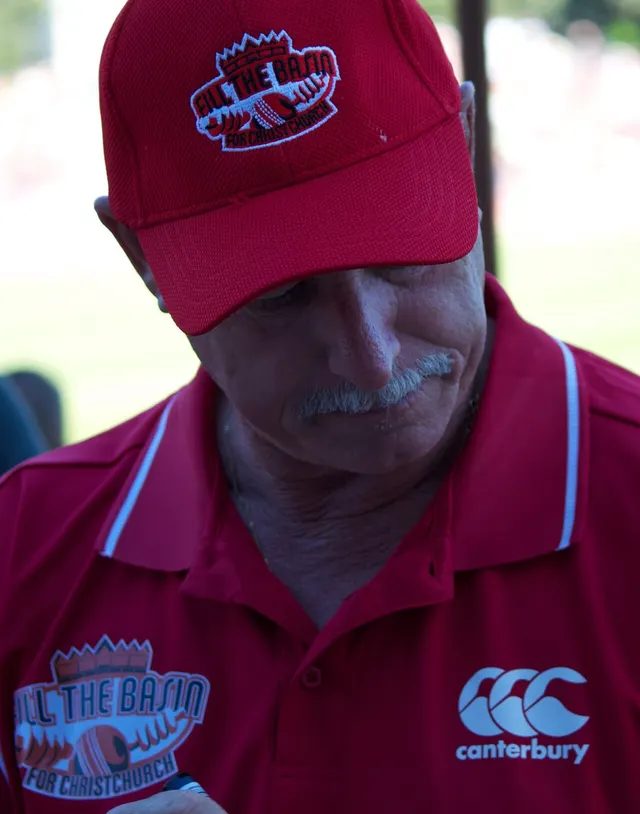
Richard Hadlee
Image creditKristina D.C. Hoeppner · CC BY-SA 2.0Resized and cropped for display.

Richard Hadlee

New Zealand fast bowler and all-rounder, and the first bowler to take 400 Test wickets.

Tom Cruise
Image creditKevin Paul · CC BY 4.0Resized and cropped for display.

Tom Cruise

American actor and producer, star of Top Gun and the Mission: Impossible films, known for doing many of his own stunts.

Sebastian Vettel
Image creditAndrea Diodato · CC BY 4.0Resized and cropped for display.

Sebastian Vettel

German racing driver who won four Formula One world championships in a row with Red Bull, from 2010 to 2013.

◉
IDEAS THAT CHANGED THINGS

Firsts, Science & Discoveries

Mallard, by then numbered 60022, hauling a train down Stoke Bank in 1962, where it set its record in 1938
Image credit4975darwin · CC BY-SA 4.0Resized and cropped for display.

Mallard sets the world speed record for steam

In the 1930s railways in Britain, Germany and the United States competed to run the fastest trains. For the London and North Eastern Railway, its chief engineer Sir Nigel Gresley designed the A4 class, streamlined locomotives whose smooth, wedge-shaped front was refined in a wind tunnel to slip through the air. Mallard, completed in March 1938, was one of the newest.

On 3 July 1938, during what was officially a series of brake tests, Mallard was run hard down Stoke Bank, a long gentle slope between Grantham and Peterborough. A dynamometer car behind the engine, a travelling laboratory, recorded its speed on a paper roll: a peak of 126 miles an hour, beating the 124.5 miles an hour set by a German locomotive two years earlier. No steam locomotive has officially gone faster. Mallard is now kept at the National Railway Museum in York.

Read the full storyHistory & Timeline →Source: National Railway Museum: Mallard, the world’s fastest steam locomotive ↗
☆
SPORTING HISTORY

Sporting Moments

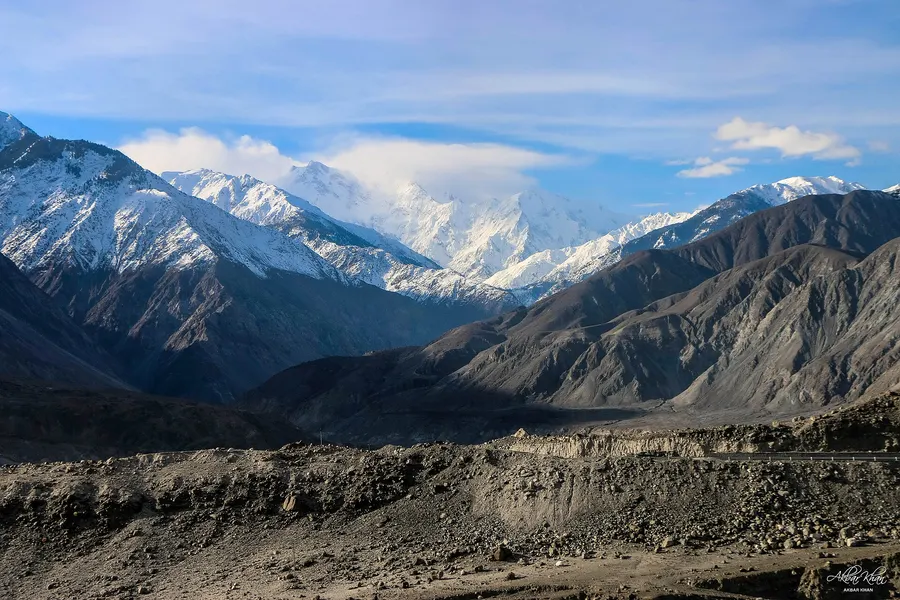
The Nanga Parbat massif in northern Pakistan, seen from the Karakoram Highway
Image creditAkbar Khan Niazi · CC BY-SA 4.0Resized and cropped for display.

Hermann Buhl reaches the summit of Nanga Parbat alone

Nanga Parbat, at 8,126 metres the ninth-highest mountain in the world, had become notorious among climbers. German expeditions had tried it again and again from the 1930s, and by 1953 some 31 climbers and porters had died on its slopes. That summer an Austro-German team set out in memory of Willy Merkl, who had died leading the 1934 attempt.

In the early hours of 3 July 1953 the Austrian Hermann Buhl left the top camp for the summit. His partner set out later and turned back, so Buhl went on alone, climbing for some 17 hours, and he stood on the top at about seven in the evening. Coming down in the dark, he spent the night standing on a narrow ledge without shelter, and he reached his companions the next day, exhausted and frostbitten. It was the first ascent of Nanga Parbat, and it remains the only first ascent of an 8,000-metre peak made by a climber alone.

Read the full storyHistory & Timeline →Source: Himalayan Journal: On the summit of Nanga Parbat ↗
♫
MUSIC • FILM • BOOKS • CULTURE

Culture Stories

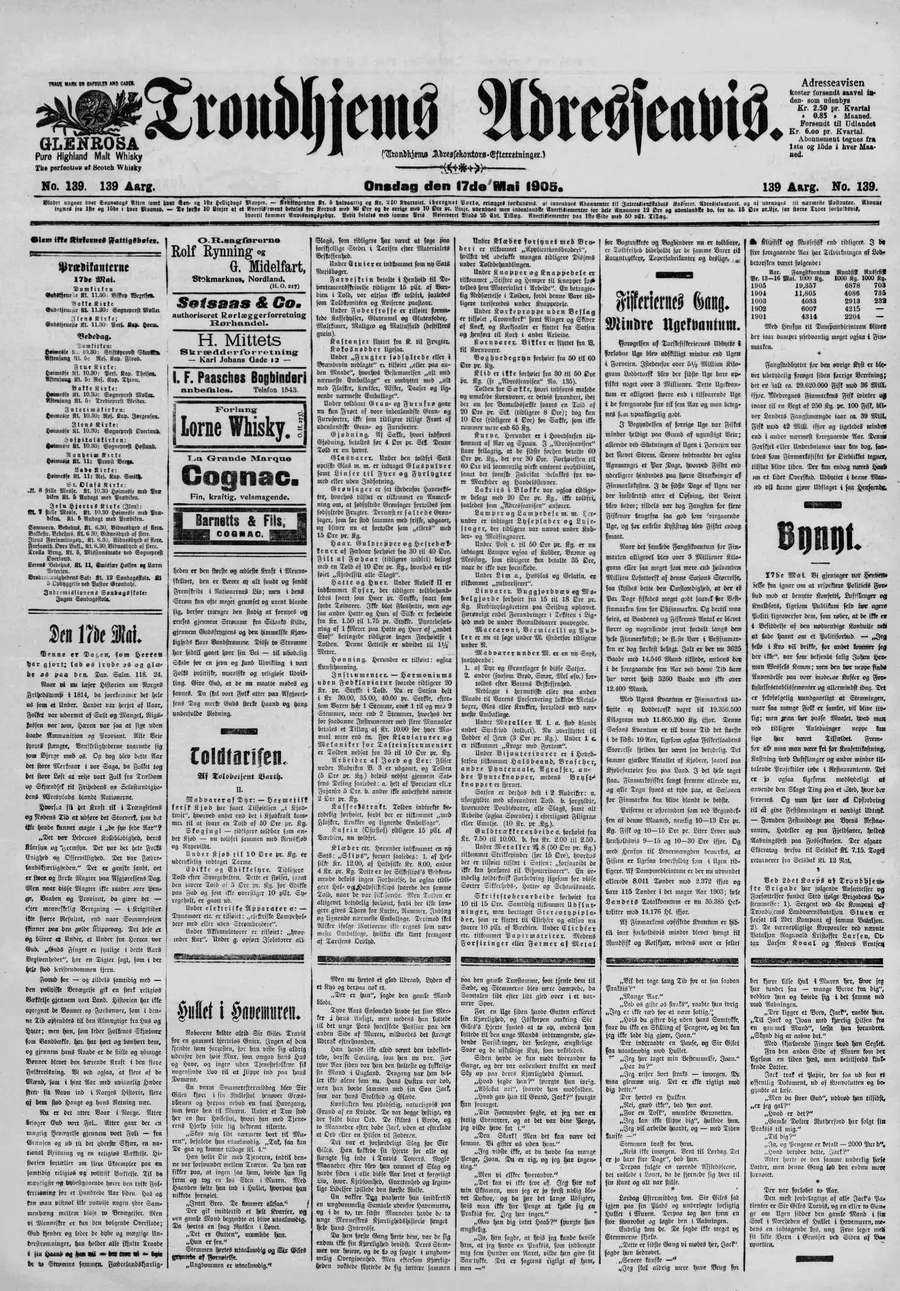
The front page of the Trondheim paper, then called Trondhjems Adresseavis, on 17 May 1905
Image creditAdresseavisen (Trondhjems Adresseavis) · Public domainResized and cropped for display.

Norway’s oldest surviving newspaper is first published

In the 18th century Norway was ruled from Copenhagen by the kings of Denmark, and a newspaper needed a royal privilege. In the spring of 1767 King Christian VII granted one to Martinus Nissen, an official in Trondheim, overruling the local governor who had opposed the idea. The paper was to carry notices from the town’s address office: goods for sale, ships arriving, lost property and official announcements.

The first issue appeared on 3 July 1767 under the long title Kongelig allene privilegerede Tronhiems Adresse-Contoirs Efterretninger. Nissen edited it until 1795. Over the following centuries the advertising sheet grew into a full newspaper, and it took the name Adresseavisen in 1927. Now often called simply Adressa, it is still published in Trondheim, the oldest Norwegian newspaper in print.

Read the full storyHistory & Timeline →Source: Store norske leksikon: Adresseavisen ↗
✦
LIVES REMEMBERED

Remembered Today

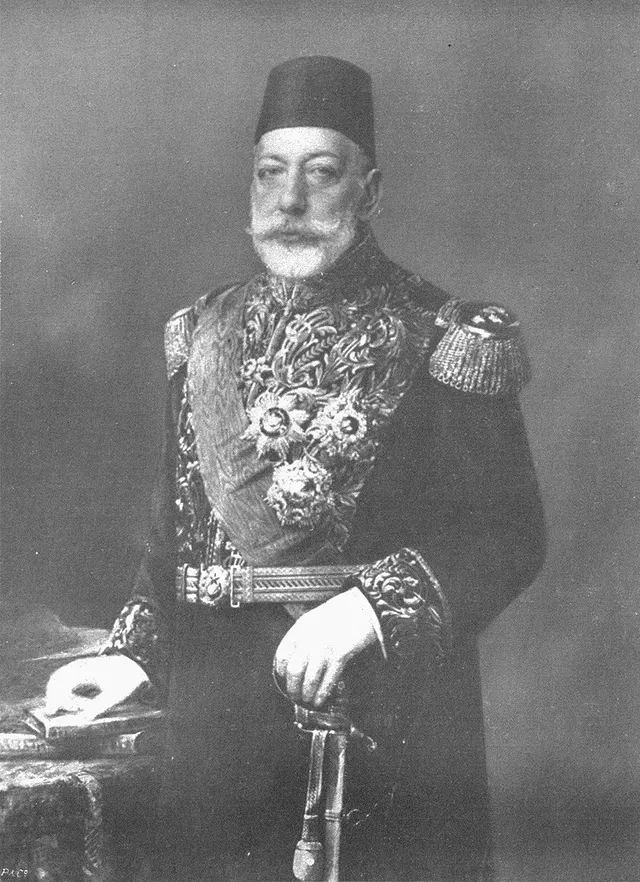
Mehmed V
Image creditCarl Pietzner · Public domainResized and cropped for display.

Mehmed V

Ottoman sultan from 1909, placed on the throne by the Young Turks, who held the real power; the empire entered the First World War in his name.

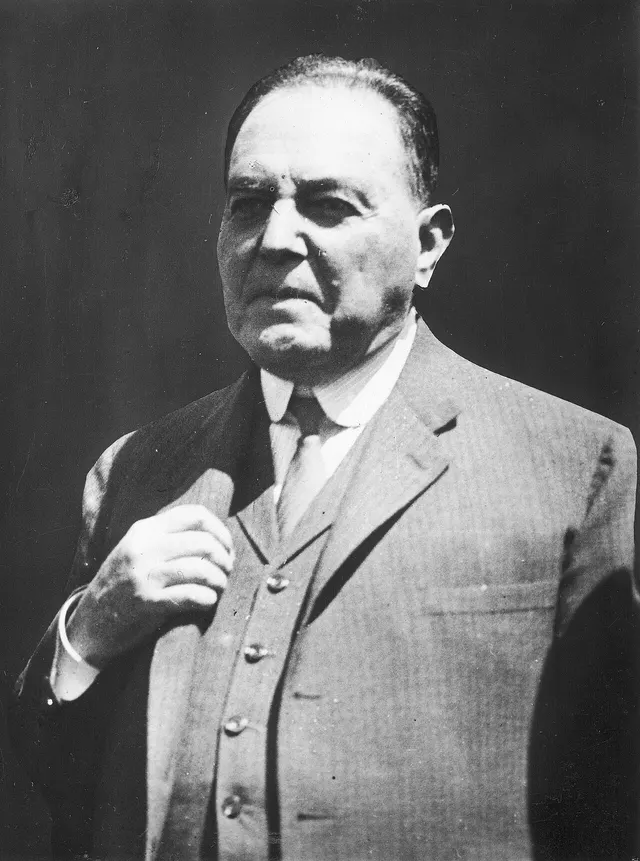
Hipólito Yrigoyen
Image creditUnknown author · Public domainResized and cropped for display.

Hipólito Yrigoyen

Leader of Argentina’s Radical Civic Union and the country’s first president elected by broad popular vote, in 1916; overthrown by a military coup in 1930 during his second term.

André Citroën
Image creditBain News Service · Public domainResized and cropped for display.

André Citroën

French engineer and industrialist who brought mass production of cars to Europe and launched the front-wheel-drive Traction Avant in 1934.

Saroj Khan
Image creditBollywood Hungama · CC BY 3.0Resized and cropped for display.

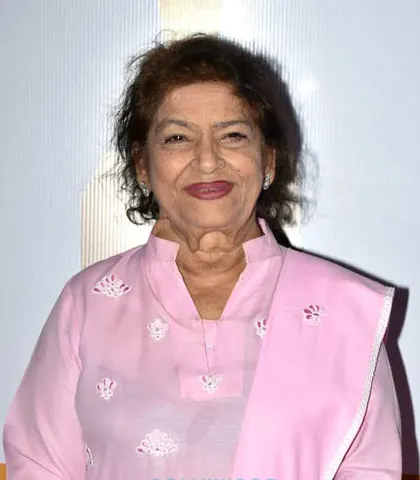
Saroj Khan

Indian choreographer who created the dances for some 2,000 Hindi film songs and won three National Film Awards.

HISTORY & TIMELINE

Finished the highlights?

Follow 3 July chronologically, from the Middle Ages to the modern day, with 13 verified events and the sources behind them.

This day through time →