
HISTORY & TIMELINE
3 July

A journey through
3 July in history

The story of 3 July runs from Constantine’s victory over his rival emperor Licinius at Adrianople in 324 to the loss of an Iranian airliner over the Gulf in 1988. In between come the crowning of Hugh Capet, the first issue of Norway’s oldest newspaper, a French settlement on the St Lawrence, emancipation in the Danish West Indies, the last day at Gettysburg, the battle that settled the leadership of Germany, a new American state, the fastest steam locomotive, a tragedy between wartime allies, a solo climb to the top of Nanga Parbat and the end of French Algeria.

I
EARLIEST RECORDS

Ancient & Early History

The earliest worthwhile records and events connected with this date.

324
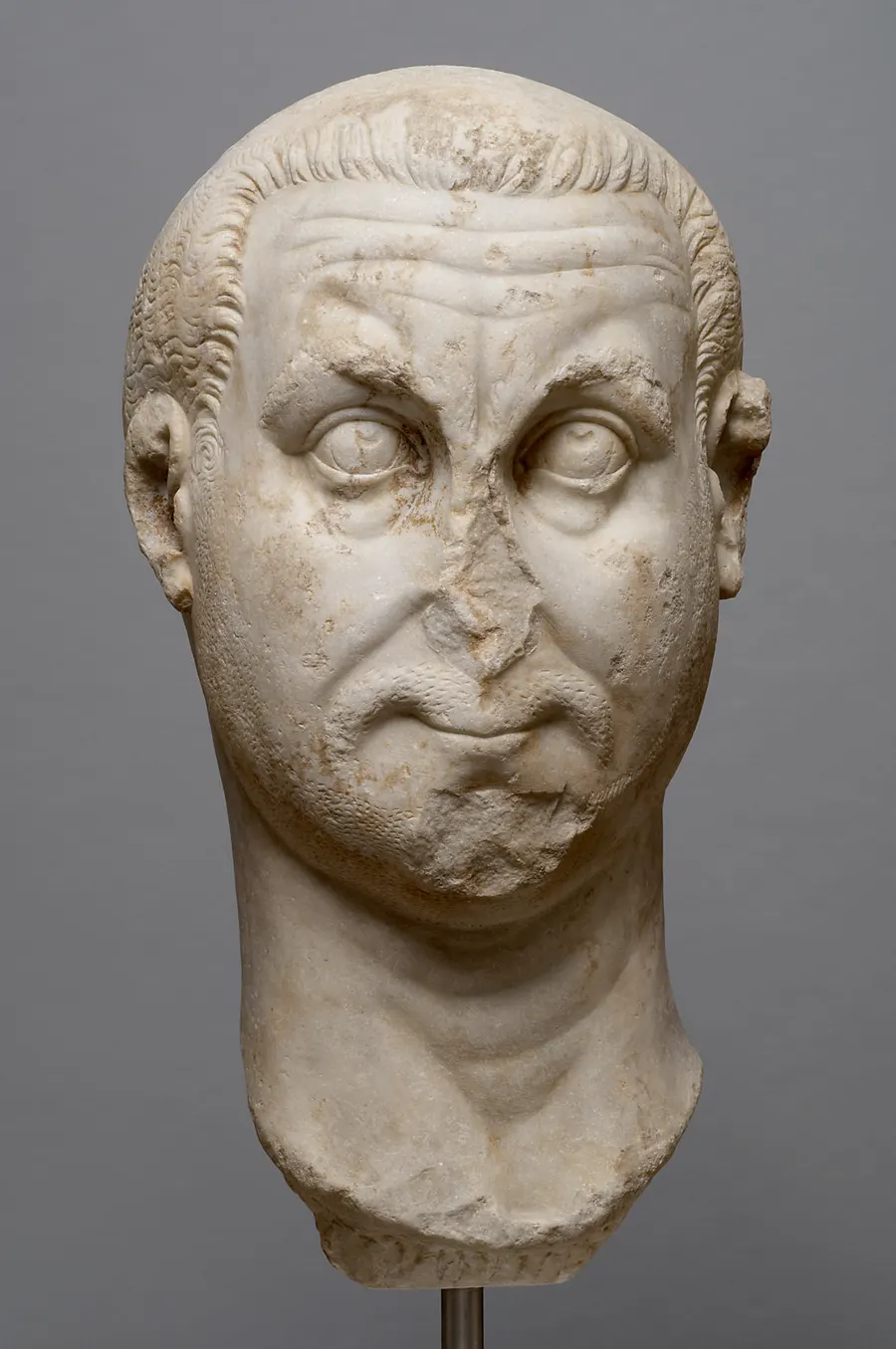
A marble head of the emperor Licinius, found at Ephesus, in the Kunsthistorisches Museum, ViennaA marble head of the emperor Licinius, found at Ephesus, in the Kunsthistorisches Museum, ViennaImage: unknown, found in Ephesos · CC BY-SA 4.0
world · Europe

Constantine defeats Licinius at Adrianople

By 324 the Roman world was split between two emperors, Constantine in the west and his brother-in-law Licinius in the east, and their uneasy alliance had broken down. On 3 July 324 Constantine’s army crossed the River Hebrus by surprise near Adrianople, in Thrace, and routed Licinius’s larger force. Licinius fled to Byzantium and was finally beaten at Chrysopolis in September. Constantine became sole emperor, and he later rebuilt Byzantium as his new capital, Constantinople.

Source: De Imperatoribus Romanis: Licinius ↗
II
THE MIDDLE AGES

Medieval History

Kingdoms, conflict, faith, power and the changing medieval world.

987
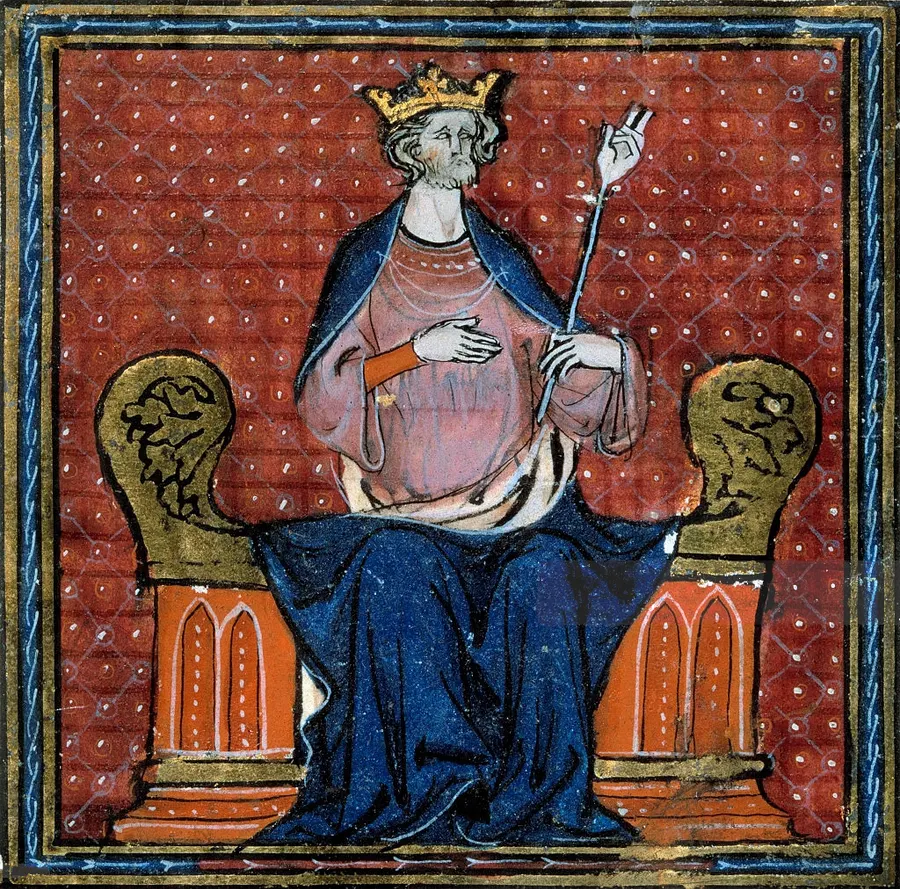
Hugh Capet enthroned, in a medieval French manuscript illustrationHugh Capet enthroned, in a medieval French manuscript illustrationImage: Unknown author · Public domain
politics · Europe

Hugh Capet is crowned king of the Franks

When the young Carolingian king Louis V died in 987 after a hunting accident, the great lords of the kingdom chose Hugh Capet, Duke of the Franks, as their king rather than Louis’s uncle. According to Larousse, Hugh was consecrated at Noyon on 3 July 987, though sources differ: Britannica gives 5 July, and others give 1 June, or Reims. His descendants, through the Valois and Bourbon branches of the family, held the French throne for more than eight centuries.

Source: Larousse: Hugues Ier Capet ↗
III
A CHANGING WORLD

Early Modern Era

Exploration, political change, scientific development and expanding global connections.

1608
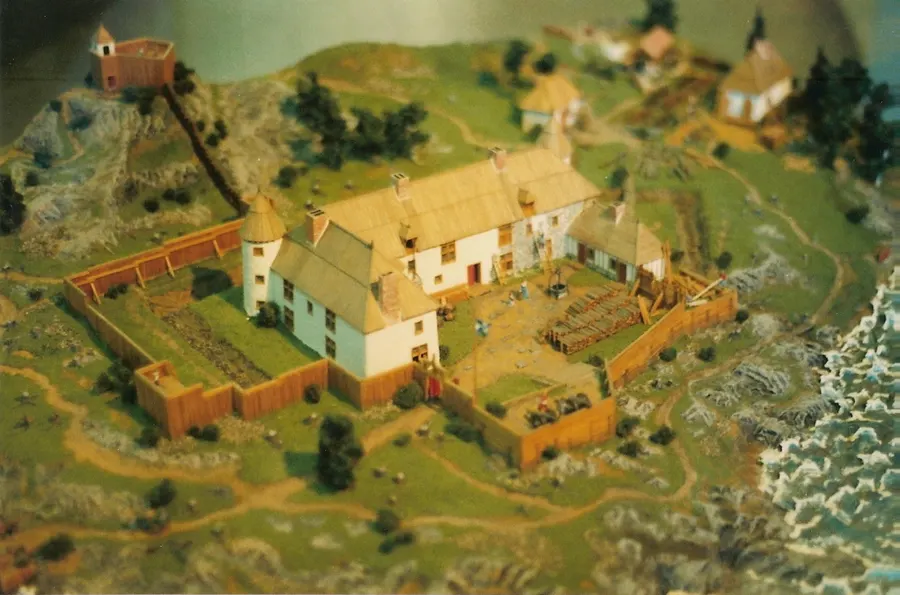
A scale model of Champlain's Habitation, the fortified trading post built at Quebec in 1608A scale model of Champlain’s Habitation, the fortified trading post built at Quebec in 1608Image: Charny · CC BY-SA 3.0
world · Americas

Samuel de Champlain founds Quebec

French traders had been sailing up the St Lawrence for furs since the voyages of Jacques Cartier in the 1530s, but earlier attempts to settle had failed. In 1608 Pierre Dugua de Mons, who held a royal monopoly on the fur trade, sent Samuel de Champlain upriver to set up a permanent base. Champlain, a navigator and mapmaker who had already explored the region, chose a spot where the great river suddenly narrows beneath a high cliff, a place the local people called Kebec. He arrived there on 3 July 1608, and his men began clearing the ground at the foot of Cap Diamant. They built the Habitation: three linked wooden buildings and a storehouse, surrounded by a ditch and a palisade. The first winter was terrible. Of the 28 men who stayed, only eight were still alive when supply ships returned the following spring, most of the rest having died of scurvy or dysentery. But the post survived. Quebec became the heart of New France and is now one of the oldest cities in North America, and Champlain is remembered as the father of New France.

Source: The Canadian Encyclopedia: Samuel de Champlain and the founding of Quebec ↗
1767
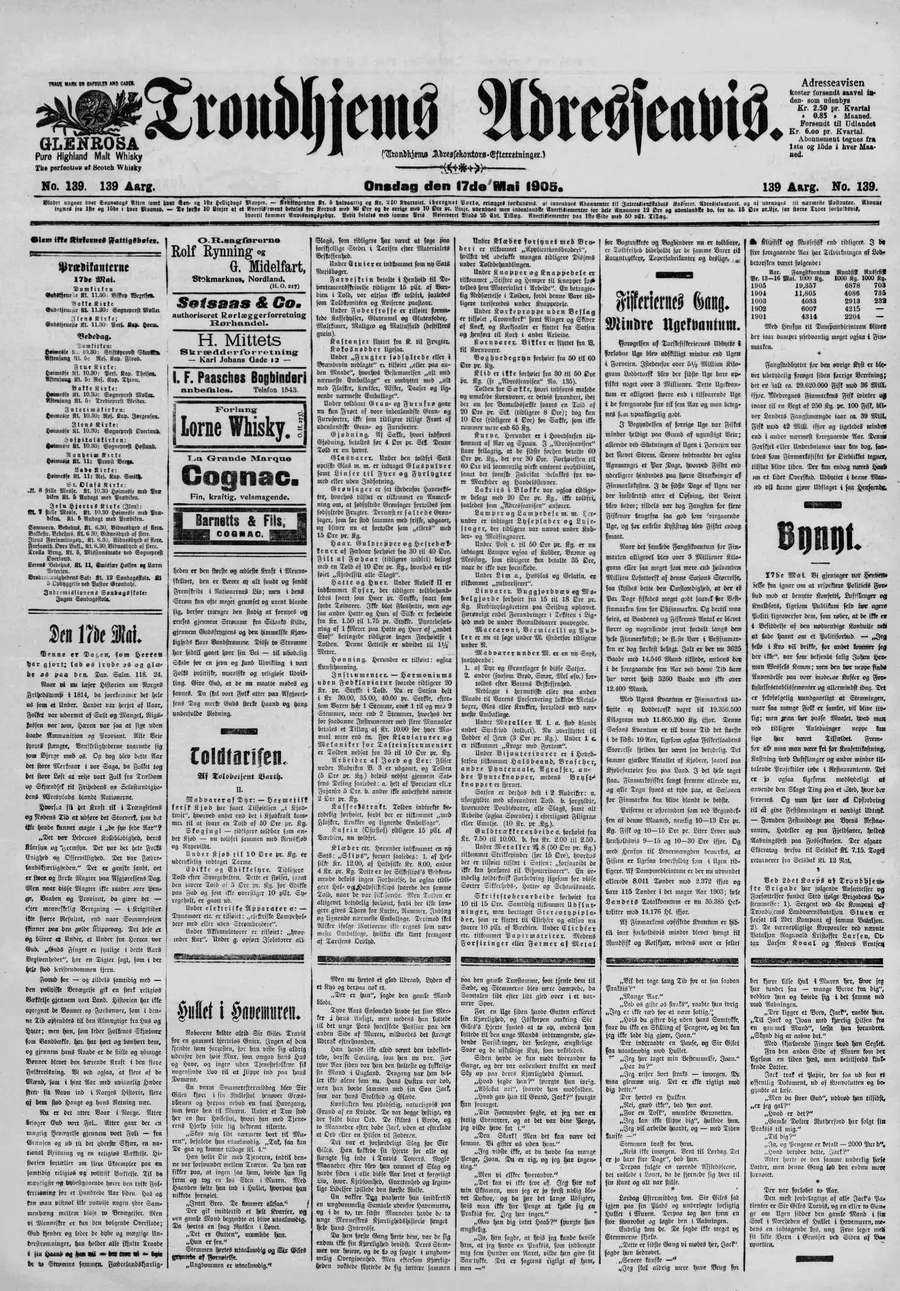
The front page of the Trondheim paper, then called Trondhjems Adresseavis, on 17 May 1905The front page of the Trondheim paper, then called Trondhjems Adresseavis, on 17 May 1905Image: Adresseavisen (Trondhjems Adresseavis) · Public domain
culture · Europe

Norway’s oldest surviving newspaper is first published

In the 18th century Norway was ruled from Copenhagen by the kings of Denmark, and a newspaper needed a royal privilege. In the spring of 1767 King Christian VII granted one to Martinus Nissen, an official in Trondheim, overruling the local governor who had opposed the idea. The paper was to carry notices from the town’s address office: goods for sale, ships arriving, lost property and official announcements. The first issue appeared on 3 July 1767 under the long title Kongelig allene privilegerede Tronhiems Adresse-Contoirs Efterretninger. Nissen edited it until 1795. Over the following centuries the advertising sheet grew into a full newspaper, and it took the name Adresseavisen in 1927. Now often called simply Adressa, it is still published in Trondheim, the oldest Norwegian newspaper in print.

Source: Store norske leksikon: Adresseavisen ↗
IV
THE NINETEENTH CENTURY

The 1800s

Industry, empire, invention, reform and a century of enormous transformation.

1848
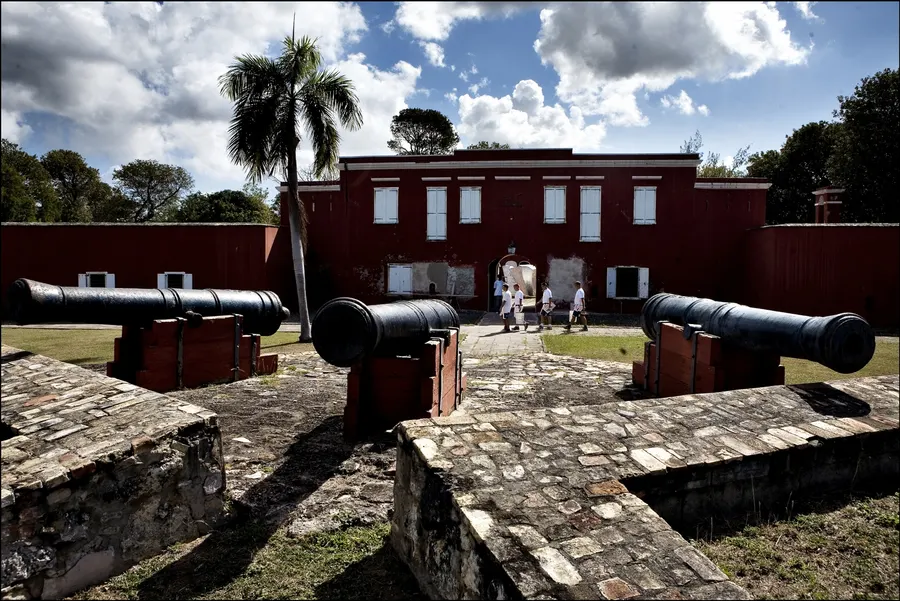
Fort Frederik at Frederiksted on St Croix, where the enslaved people of the island gathered to demand their freedom in 1848Fort Frederik at Frederiksted on St Croix, where the enslaved people of the island gathered to demand their freedom in 1848Image: OzarksRazorback · CC BY-SA 4.0
politics · Americas

Enslaved people in the Danish West Indies win their freedom

Denmark’s Caribbean colony of St Croix, St Thomas and St John, now the US Virgin Islands, was built on sugar grown by enslaved Africans and their descendants. Denmark had banned the transatlantic slave trade to its colonies, but slavery itself remained, and by the 1840s it had been abolished in the neighbouring British islands. The government in Copenhagen offered only a slow, step-by-step end to it, which left most people still enslaved for years to come. In early July 1848 the enslaved people of St Croix decided not to wait. Thousands gathered around Fort Frederik at Frederiksted and threatened to burn the town unless they were freed. On 3 July the governor-general, Peter von Scholten, arrived at Frederiksted and declared that all the unfree in the Danish West Indies were free from that day. In Denmark the credit has often gone to the governor; in the Virgin Islands the day is remembered as freedom won by the enslaved themselves. 3 July is still celebrated there as Emancipation Day.

Source: National Museum of Denmark: The abolition of slavery in 1848 ↗
1863
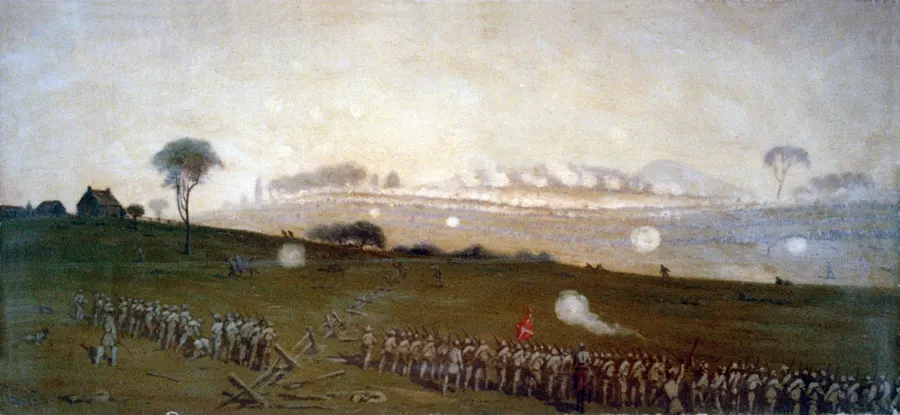
Pickett's Charge, sketched by the war artist Edwin ForbesPickett’s Charge, sketched by the war artist Edwin ForbesImage: Forbes, Edwin, 1839-1895, artist. · Public domain
world · Americas

Pickett’s Charge fails on the last day at Gettysburg

After two days of fighting at Gettysburg, Robert E. Lee gambled on a direct assault on the centre of the Union line. On 3 July 1863 some 150 Confederate guns opened fire at about 1 pm, and around 3 pm between 12,500 and 15,000 men, including George Pickett’s division, advanced across nearly a mile of open fields towards Cemetery Ridge. Union artillery and rifle fire cut them down, and more than half became casualties. Lee retreated the next day, and the Confederacy never again invaded the North.

Source: US National Park Service: Charge for victory or defeat at Gettysburg ↗
1866
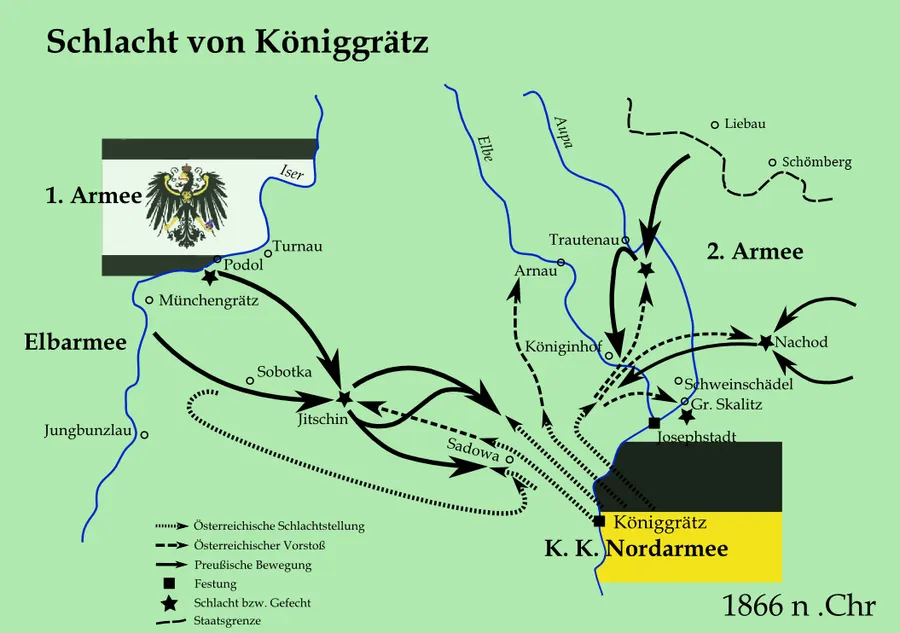
A German map of the Battle of Königgrätz, showing the Prussian armies closing on the Austrian northern armyA German map of the Battle of Königgrätz, showing the Prussian armies closing on the Austrian northern armyImage: Julien Then · Public domain
world · Europe

Prussia defeats Austria at Königgrätz

In the 1860s two great powers competed to lead the German states: the Austrian Empire, long the senior partner, and a rising Prussia under its chief minister Otto von Bismarck. In June 1866 the rivalry turned to war. Prussia’s chief of staff, Helmuth von Moltke, used the railways to move three armies quickly into Bohemia, where the Austrians under Ludwig von Benedek had gathered their main force. On 3 July 1866 the armies met near the fortress town of Königgrätz (Hradec Králové) and the village of Sadová, in the largest battle Europe had seen since Leipzig in 1813. The Austrians held on through the morning, but in the afternoon the Prussian Second Army arrived on their flank and their line broke. Prussian infantry with the breech-loading needle gun could fire far faster than their opponents. Austria lost about 45,000 men, nearly half of them taken prisoner, against fewer than 10,000 Prussians. The peace that followed shut Austria out of German affairs and cleared the way for a Germany united under Prussia.

Source: Britannica: Battle of Königgrätz ↗
1890
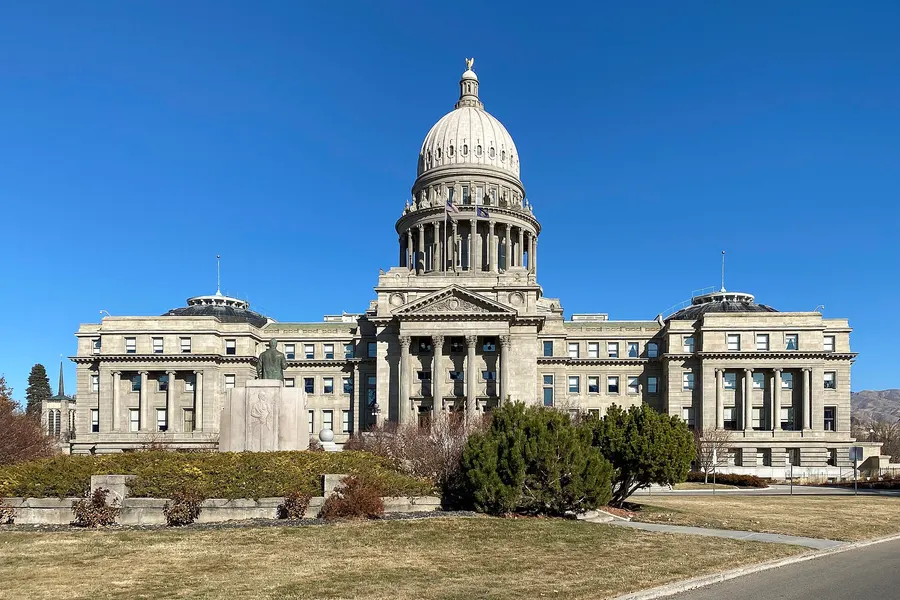
The Idaho State Capitol in BoiseThe Idaho State Capitol in BoiseImage: Quintin Soloviev · CC BY 4.0
politics · Americas

Idaho becomes the 43rd US state

Idaho had been a territory since 1863, and its population grew with gold and silver mining and the coming of the railways. On 3 July 1890 President Benjamin Harrison signed the act admitting it to the Union as the 43rd state, with Boise as its capital. Wyoming followed a week later.

Source: Idaho State Capitol Commission: Facts about Idaho ↗
V
THE TWENTIETH CENTURY

The 1900s

War and peace, technological leaps, social change, politics, sport and popular culture.

1938
Mallard, by then numbered 60022, hauling a train down Stoke Bank in 1962, where it set its record in 1938Mallard, by then numbered 60022, hauling a train down Stoke Bank in 1962, where it set its record in 1938Image: 4975darwin · CC BY-SA 4.0
science · Europe

Mallard sets the world speed record for steam

In the 1930s railways in Britain, Germany and the United States competed to run the fastest trains. For the London and North Eastern Railway, its chief engineer Sir Nigel Gresley designed the A4 class, streamlined locomotives whose smooth, wedge-shaped front was refined in a wind tunnel to slip through the air. Mallard, completed in March 1938, was one of the newest. On 3 July 1938, during what was officially a series of brake tests, Mallard was run hard down Stoke Bank, a long gentle slope between Grantham and Peterborough. A dynamometer car behind the engine, a travelling laboratory, recorded its speed on a paper roll: a peak of 126 miles an hour, beating the 124.5 miles an hour set by a German locomotive two years earlier. No steam locomotive has officially gone faster. Mallard is now kept at the National Railway Museum in York.

Source: National Railway Museum: Mallard, the world’s fastest steam locomotive ↗
1940
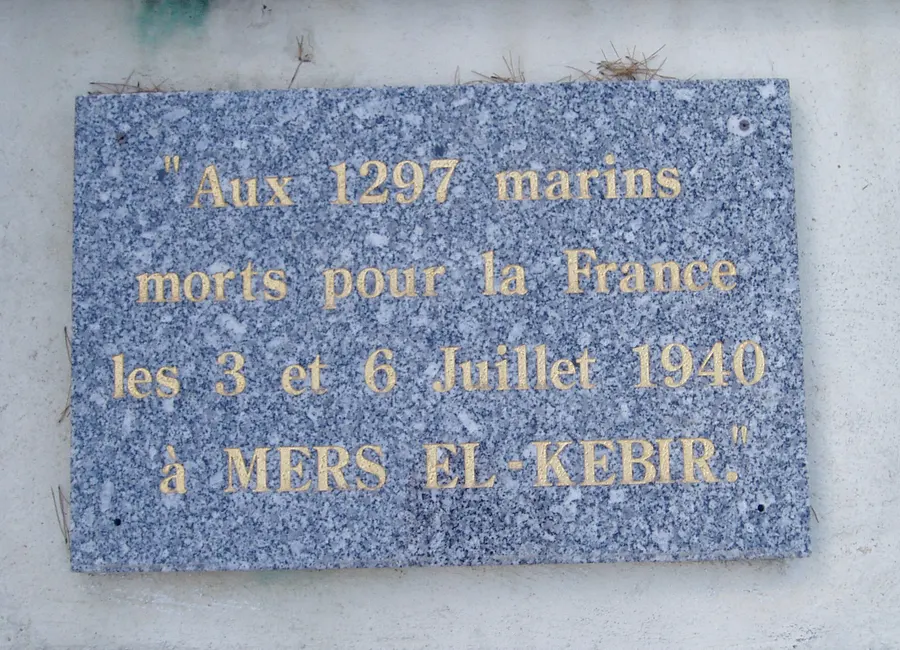
The memorial at Toulon to the 1,297 French sailors killed at Mers-el-Kébir on 3 and 6 July 1940The memorial at Toulon to the 1,297 French sailors killed at Mers-el-Kébir on 3 and 6 July 1940Image: Mikeo1938 (assumed) · Public domain
world · Africa

The Royal Navy fires on the French fleet at Mers-el-Kébir

After France signed an armistice with Germany in June 1940, Britain feared that the powerful French fleet could fall into German hands. On 3 July 1940 a British squadron under Admiral James Somerville arrived off Mers-el-Kébir, near Oran in Algeria, and gave the French admiral Marcel Gensoul a choice: join the British, sail to British or West Indian ports to be interned, or see his ships sunk. When talks failed, the British opened fire shortly before 6 pm. The battleship Bretagne blew up, and nearly 1,300 French sailors were killed. The Vichy government broke off relations with Britain days later.

Source: Imperial War Museums: Mers-el-Kebir ↗
1953
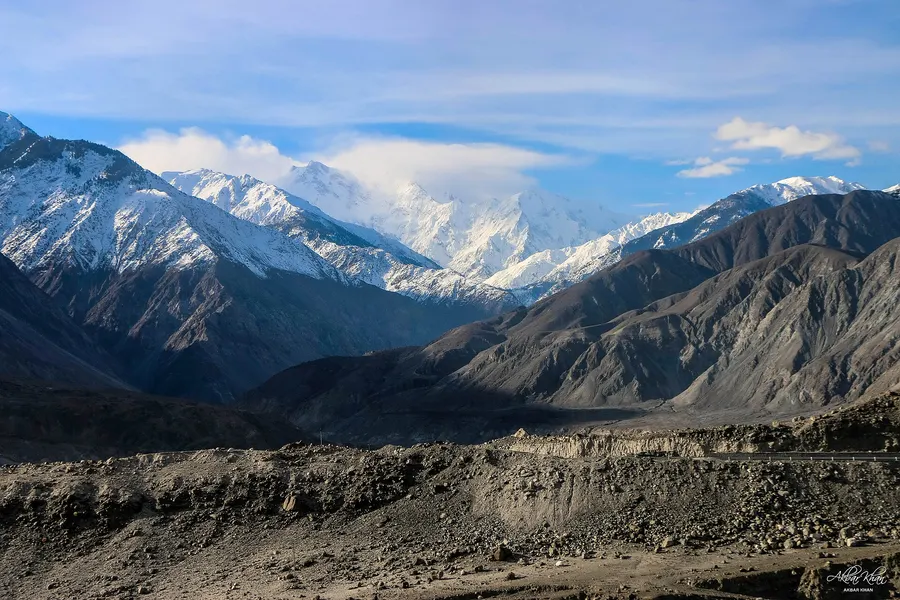
The Nanga Parbat massif in northern Pakistan, seen from the Karakoram HighwayThe Nanga Parbat massif in northern Pakistan, seen from the Karakoram HighwayImage: Akbar Khan Niazi · CC BY-SA 4.0
sport · Asia

Hermann Buhl reaches the summit of Nanga Parbat alone

Nanga Parbat, at 8,126 metres the ninth-highest mountain in the world, had become notorious among climbers. German expeditions had tried it again and again from the 1930s, and by 1953 some 31 climbers and porters had died on its slopes. That summer an Austro-German team set out in memory of Willy Merkl, who had died leading the 1934 attempt. In the early hours of 3 July 1953 the Austrian Hermann Buhl left the top camp for the summit. His partner set out later and turned back, so Buhl went on alone, climbing for some 17 hours, and he stood on the top at about seven in the evening. Coming down in the dark, he spent the night standing on a narrow ledge without shelter, and he reached his companions the next day, exhausted and frostbitten. It was the first ascent of Nanga Parbat, and it remains the only first ascent of an 8,000-metre peak made by a climber alone.

Source: Himalayan Journal: On the summit of Nanga Parbat ↗
1962
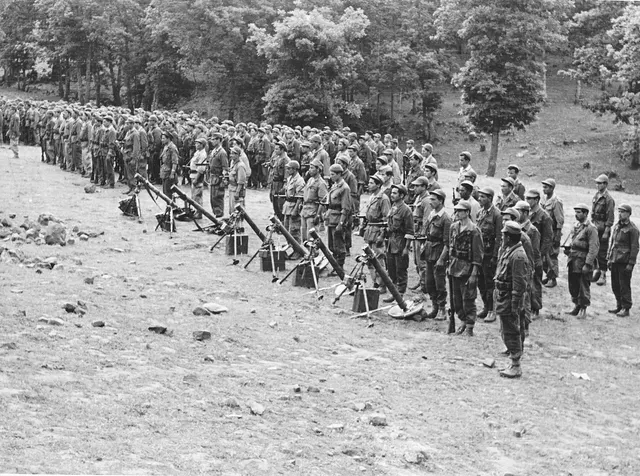
Soldiers of Algeria's National Liberation Army during the war of independenceSoldiers of Algeria’s National Liberation Army during the war of independenceImage: Zdravko Pečar · CC BY-SA 4.0
politics · Africa

France recognises the independence of Algeria

France conquered Algeria from 1830 and later treated it not as a colony but as part of France itself, home to about a million settlers of European origin. The Algerian majority had few political rights. In November 1954 the National Liberation Front (FLN) launched an armed revolt, and a long and brutal war followed, marked by guerrilla attacks, bombings, torture and mass reprisals. It divided France too, and in 1958 it brought Charles de Gaulle back to power. De Gaulle came to accept that Algeria would have to be free. In March 1962 French and FLN negotiators agreed the Evian Accords, which French voters approved in April. On 1 July Algerians voted in their own referendum: around six million for independence and about 16,000 against. On 3 July 1962 France formally recognised Algeria as an independent state. Algeria celebrates its independence on 5 July, the anniversary of the French capture of Algiers in 1830. Most of the settlers left for France within months.

Source: Britannica: Algerian War ↗
1988
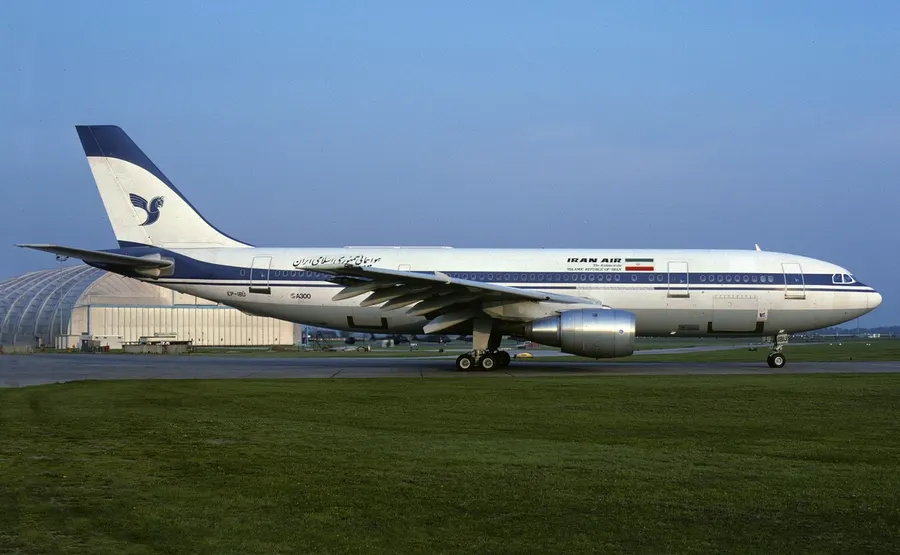
The Iran Air Airbus A300 lost as Flight 655, photographed in Germany in 1987The Iran Air Airbus A300 lost as Flight 655, photographed in Germany in 1987Image: Reiner Geerdts · CC BY-SA 4.0
world · Middle East

Iran Air Flight 655 is shot down over the Gulf

On 3 July 1988, near the end of the Iran-Iraq War, the US Navy cruiser Vincennes was in action against Iranian gunboats in the Strait of Hormuz when its crew mistook an Iran Air Airbus A300, on a scheduled flight from Bandar Abbas to Dubai, for an attacking military jet. Two missiles destroyed the airliner, and all 290 people on board were killed. The United States expressed deep regret and later paid compensation to the victims’ families.

Source: Britannica: Iran Air flight 655 ↗
WHY THESE MOMENTS?

Significance before volume

This page is not the longest possible list of events. It is a chronological journey through 3 July, where each entry is chosen for historical significance, human interest and reliability.

Facts are checked against authoritative museums, archives, universities and reference works. Where sources disagree, the page says so.

EXPLORED THE DEEPER STORY?

Return to the highlights of 3 July

Discover the lighter side of the date with famous birthdays, culture, firsts and lives remembered.

Explore This Day →
← PREVIOUS DAY2 July
HISTORY & TIMELINE3 July
NEXT DAY →4 July