Explore 8 July

Explore 8 July: Peter the Great breaks the Swedish army at Poltava, Commodore Perry’s black ships arrive off Japan, Montcalm holds Carillon and the leaders of Ethiopia and Eritrea meet for the first time in twenty years. Born today: Artemisia Gentileschi, Arthur Evans and Son Heung-min.

This day through time →12 verified events across 4 eras

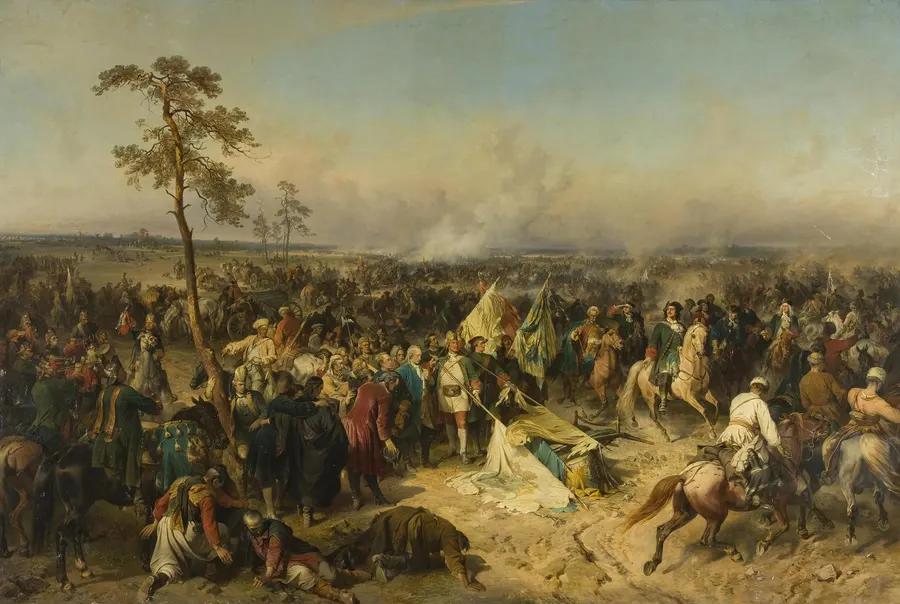
The Victory at Poltava, painted by Alexander von Kotzebue in 1862 and now in the Hermitage, St Petersburg
Image creditAlexander von Kotzebue · Public domainResized and cropped for display.

Peter the Great breaks the Swedish army at Poltava

At the start of the 18th century Sweden was the leading power of northern Europe, and its young king Charles XII had won a string of victories in the Great Northern War against Russia, Poland and Denmark. In 1708 he marched on Moscow, then turned south into Ukraine, hoping for support from the Cossack hetman Ivan Mazepa. A bitterly cold winter cost him thousands of men, and in the spring of 1709 his depleted army laid siege to the fortress town of Poltava.

Peter the Great brought up a much larger Russian army and dug in close by. Charles had been wounded in the foot and could not lead in person, but he chose to attack the Russian camp on 8 July 1709 (27 June in the Russian calendar of the day, 28 June in the Swedish one). Britannica puts the Russian army at some 80,000 men against about 17,000 Swedes. The assault broke down, the Swedish army was routed, and most of the survivors surrendered by the Dnieper a few days later. Charles escaped into Ottoman territory. Poltava ended Sweden’s time as a great power and announced Russia as the new force in eastern Europe.

Read the full storyHistory & Timeline →Source: Britannica: Battle of Poltava ↗
A 19th-century engraving of Commodore Perry's squadron on its expedition to Japan, from the New York Public Library's picture collection
A 19th-century engraving of Commodore Perry’s squadron on its expedition to Japan, from the New York Public Library’s picture collection
Image creditUnknown author · Public domainResized and cropped for display.

Commodore Perry’s black ships arrive off Japan

For more than two centuries Japan’s Tokugawa shoguns had kept the outside world at arm’s length. Foreign trade was confined to a small number of Dutch and Chinese merchants at Nagasaki, and Western ships that approached elsewhere were turned away. The United States wanted Japanese ports open to its steamers and whalers, for coal, supplies and the safe return of shipwrecked sailors, and President Millard Fillmore sent Commodore Matthew C. Perry with a letter asking for a treaty.

On 8 July 1853 Perry’s squadron of two steam frigates and two sailing sloops anchored off Uraga, at the entrance to Edo Bay, the bay of present-day Tokyo. The dark, smoking steamers, far better armed than anything Japan possessed, became known as the black ships. Perry refused to go to Nagasaki and insisted that the letter be accepted where he was; a few days later Japanese officials received it on shore. He promised to return for an answer, and came back in 1854 with a larger fleet. The treaty signed that year opened two ports to American ships and began the end of Japan’s long isolation.

Read the full storyHistory & Timeline →Source: Library of Congress: Perry in Edo Bay, the dawn of the U.S.-Japanese relationship ↗
The Victory of Montcalm's Troops at Carillon, an illustration by Henry Alexander Ogden
The Victory of Montcalm’s Troops at Carillon, an illustration by Henry Alexander Ogden
Image creditHenry Alexander Ogden (1854-1936) · Public domainResized and cropped for display.

Montcalm holds Fort Carillon against a far larger British army

In the Seven Years’ War, Britain and France fought for control of North America. Fort Carillon, which the French had built at the southern end of Lake Champlain, guarded the water route between the Hudson valley and the St Lawrence, and in the summer of 1758 Major General James Abercromby advanced on it with some 15,000 to 16,000 British regulars and American colonial troops. The most able of his commanders, Lord George Howe, was killed in a skirmish in the woods on 6 July.

The French commander, the Marquis de Montcalm, had only about 3,600 men. Rather than wait inside the fort, he built a wall of logs on the ridge in front of it, screened by a mass of felled trees with sharpened branches pointing outwards. On 8 July 1758 Abercromby sent his infantry against this line in repeated frontal assaults. They could not get through, and about 2,000 British and colonial soldiers were killed or wounded. Abercromby withdrew to Lake George. The British took the fort the following year and renamed it Ticonderoga.

Read the full storyHistory & Timeline →Source: Britannica: Battle of Carillon ↗
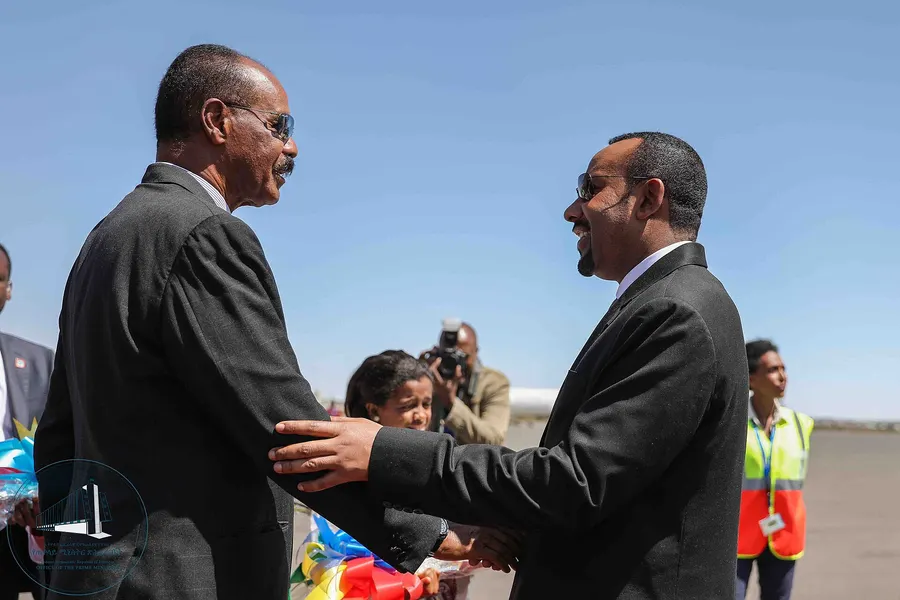
Eritrea's President Isaias Afwerki (left) and Ethiopia's Prime Minister Abiy Ahmed greet each other on an airport apron, in a photograph from the Ethiopian prime minister's office
Eritrea’s President Isaias Afwerki (left) and Ethiopia’s Prime Minister Abiy Ahmed greet each other on an airport apron, in a photograph from the Ethiopian prime minister’s office
Image creditOffice of the Prime Minister - Ethiopia · Public domainResized and cropped for display.

The leaders of Ethiopia and Eritrea meet in Asmara

Eritrea became independent of Ethiopia in 1993, but five years later the two countries went to war over their shared border. Tens of thousands of people were killed before the fighting ended in 2000, and a boundary commission’s ruling in 2002 was never put into effect. For the next sixteen years the border stayed closed and heavily armed, with no flights, trade or telephone links between the neighbours, a state often described as no war, no peace.

Abiy Ahmed became Ethiopia’s prime minister in April 2018 and quickly said he wanted peace. On 8 July 2018 he flew to Asmara, the first meeting between the leaders of the two countries in some twenty years. President Isaias Afwerki met him at the airport, and crowds lined the streets waving both countries’ flags. The next day the two men signed a joint declaration of peace and friendship that ended the state of war. Embassies, flights and telephone links were restored within weeks, and in 2019 Abiy was awarded the Nobel Peace Prize, above all for his initiative with Eritrea.

Read the full storyHistory & Timeline →Source: NobelPrize.org: The Nobel Peace Prize 2019, press release ↗

♙
PEOPLE

Born Today

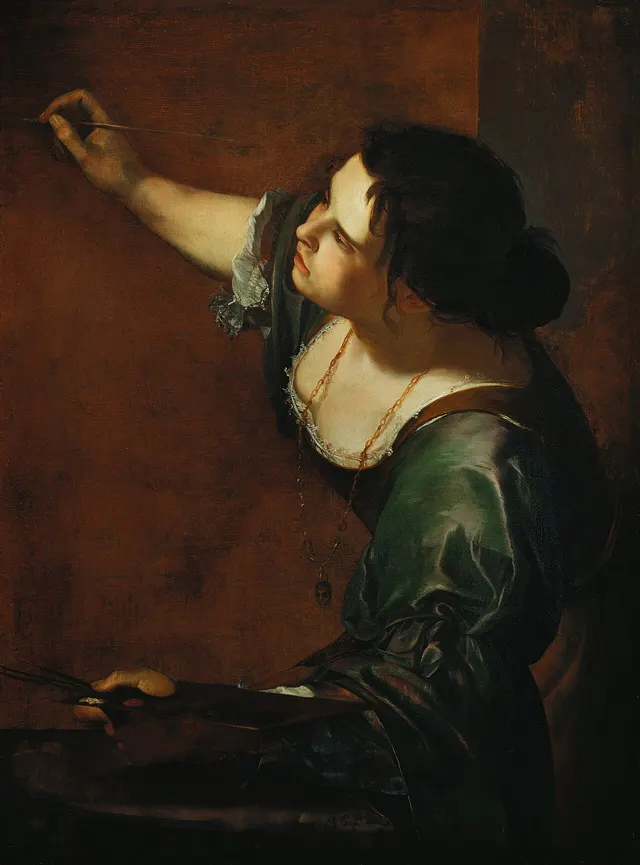
Artemisia Gentileschi
Image creditArtemisia Gentileschi · Public domainResized and cropped for display.

Artemisia Gentileschi

Italian Baroque painter, the first woman admitted to the Florentine academy of art, known for powerful scenes of heroines such as Judith Slaying Holofernes.

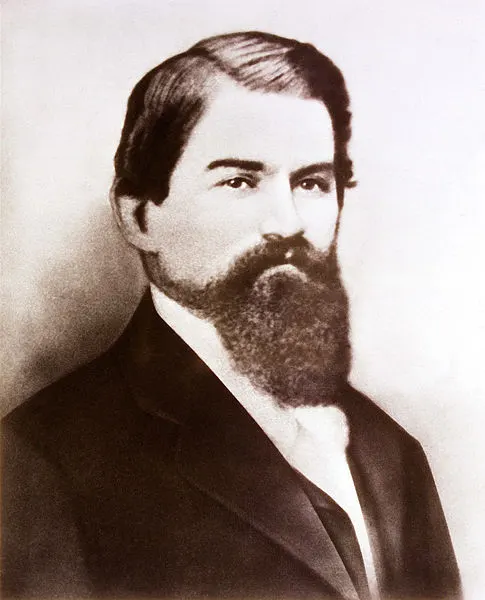
John Pemberton
Image creditUnknown author · Public domainResized and cropped for display.

John Pemberton

American pharmacist in Atlanta who in 1886 created the syrup for Coca-Cola, first sold as a drink at a soda fountain.

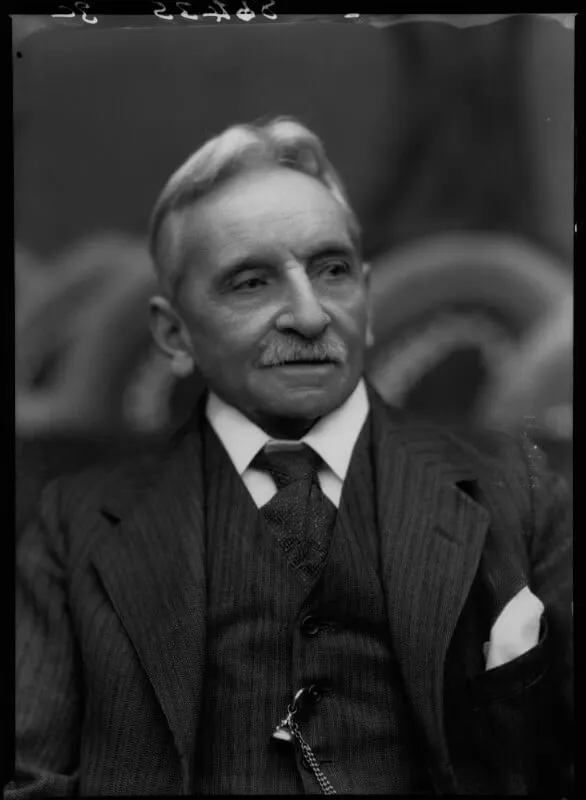
Arthur Evans
Image creditBassano Ltd · Public domainResized and cropped for display.

Arthur Evans

British archaeologist who excavated the palace of Knossos on Crete from 1900 and gave the Bronze Age Minoan civilisation its name.

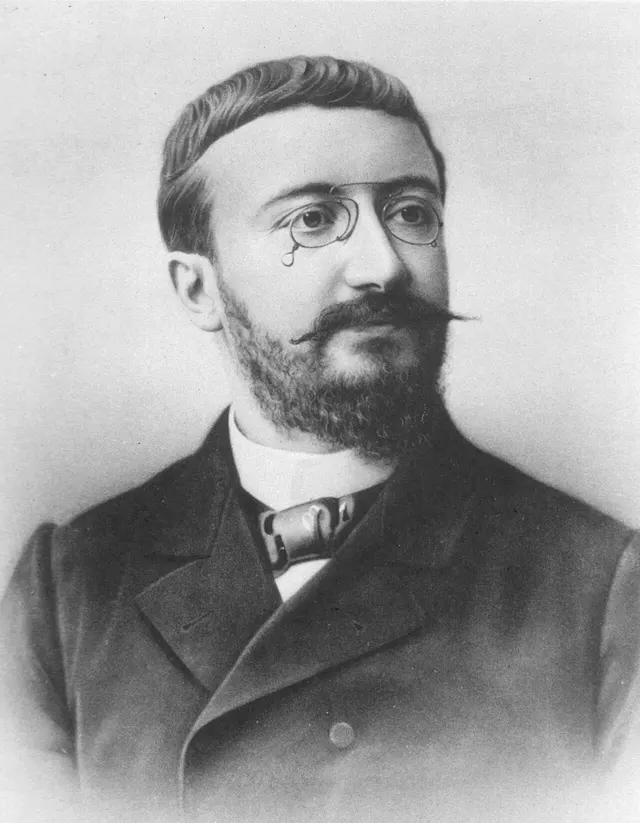
Alfred Binet
Image creditUnidentified photographer · Public domainResized and cropped for display.

Alfred Binet

French psychologist who, with Théodore Simon, devised the first practical intelligence test in 1905 to identify children who needed extra help at school.

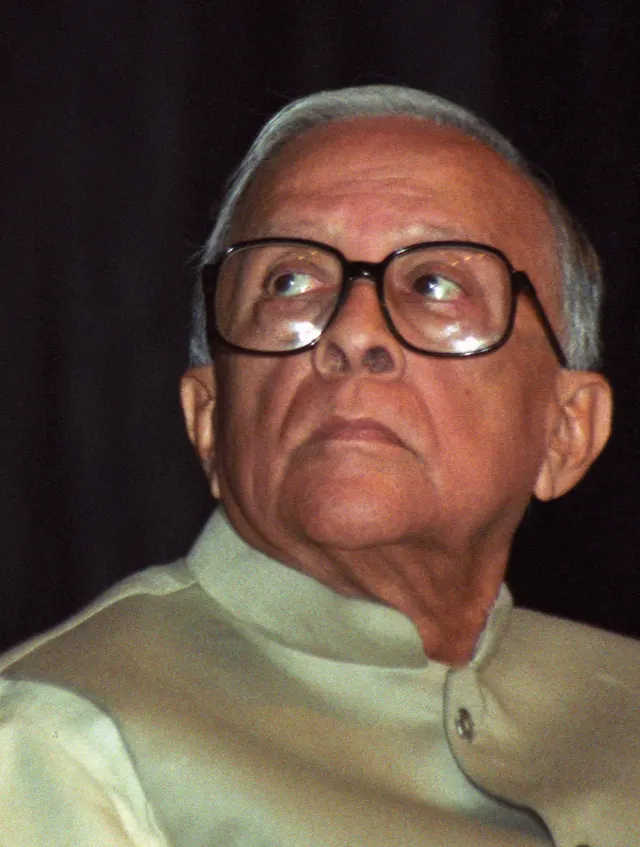
Jyoti Basu
Image creditBiswarup Ganguly · CC BY 3.0Resized and cropped for display.

Jyoti Basu

Indian Communist politician who was Chief Minister of West Bengal from 1977 to 2000, one of the longest-serving heads of an Indian state.

Anjelica Huston
Image creditKevin Paul · CC BY 4.0Resized and cropped for display.

Anjelica Huston

American actress and director, daughter of John Huston, who won an Academy Award for Prizzi’s Honor and played Morticia in The Addams Family.

Kevin Bacon
Image creditBryan Berlin · CC BY-SA 4.0Resized and cropped for display.

Kevin Bacon

American actor in Footloose, Apollo 13 and Mystic River, whose long list of films inspired the game Six Degrees of Kevin Bacon.

Son Heung-min
Image creditUjishadow · CC BY-SA 4.0Resized and cropped for display.

Son Heung-min

South Korean forward and national captain who spent ten seasons at Tottenham Hotspur, sharing the Premier League Golden Boot in 2021-22.

◉
IDEAS THAT CHANGED THINGS

Firsts, Science & Discoveries

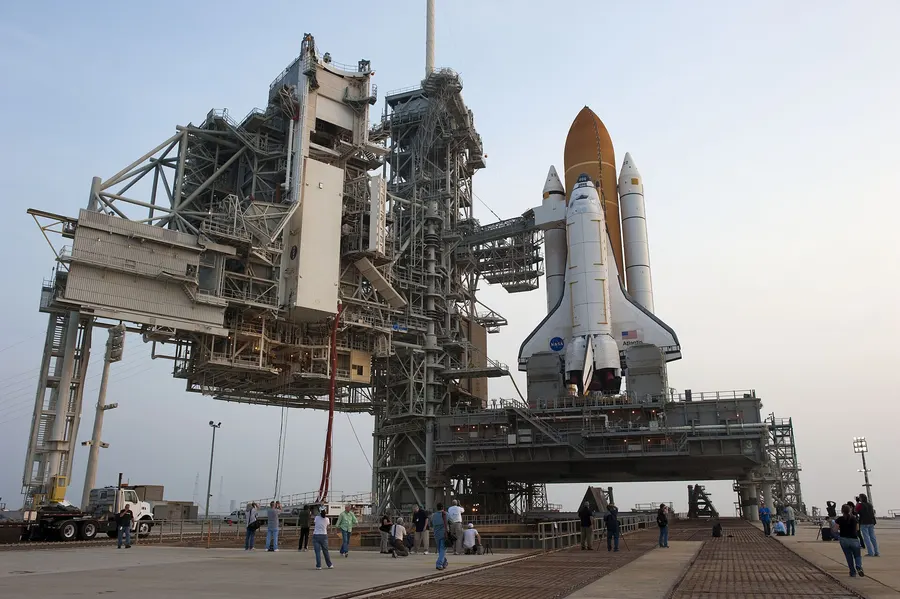
Atlantis on Launch Pad 39A at the Kennedy Space Center, with its cargo being loaded, before its final flight in 2011
Image creditKim Shiflett · Public domainResized and cropped for display.

Atlantis launches the last Space Shuttle mission

NASA’s Space Shuttle, the first reusable spacecraft to carry people into orbit, made its first flight in 1981. Over thirty years the orbiters launched the Hubble Space Telescope, carried the pieces of the International Space Station into orbit and flew hundreds of astronauts from many countries. Two were lost with their crews, Challenger in 1986 and Columbia in 2003, and after the Columbia disaster the United States decided to retire the fleet once the space station was complete.

On 8 July 2011, at 11.29 in the morning local time, Atlantis lifted off from Pad 39A at the Kennedy Space Center in Florida on mission STS-135, the 135th and last of the programme. Its crew of four, Chris Ferguson, Doug Hurley, Sandra Magnus and Rex Walheim, delivered the Raffaello cargo module packed with supplies to keep the station going. Atlantis landed back at Kennedy on 21 July. For the next nine years American astronauts reached orbit only aboard Russian Soyuz spacecraft.

Read the full storyHistory & Timeline →Source: NASA: STS-135 ↗
☆
SPORTING HISTORY

Sporting Moments

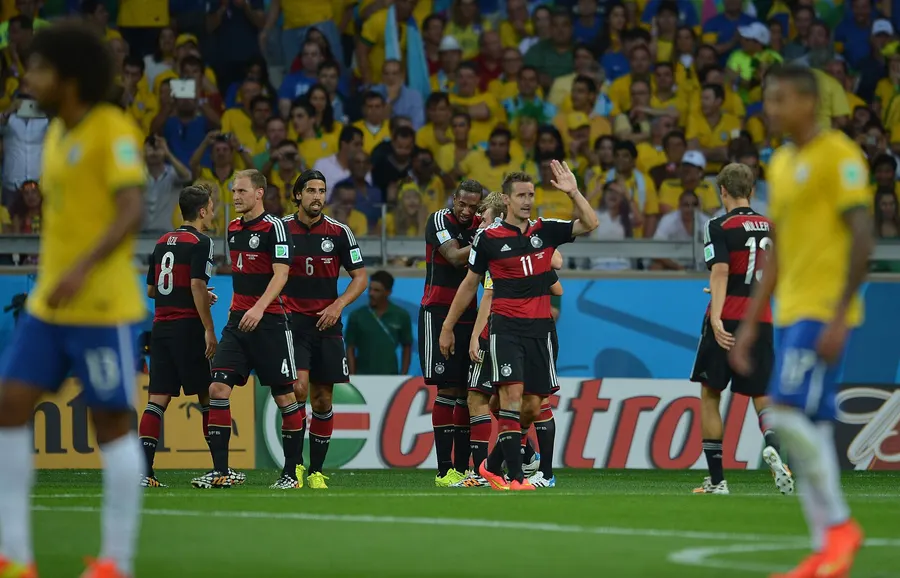
Germany's players celebrate a goal against Brazil at the Mineirão in Belo Horizonte on 8 July 2014
Germany’s players celebrate a goal against Brazil at the Mineirão in Belo Horizonte on 8 July 2014
Image creditMarcello Casal Jr/Agência Brasil · CC BY 3.0 brResized and cropped for display.

Germany beat hosts Brazil 7-1 in a World Cup semi-final

Brazil, five times world champions, hosted the 2014 World Cup and were expected to go all the way. They reached the semi-finals unbeaten, but lost their star forward Neymar to a back injury in the quarter-final against Colombia, and their captain Thiago Silva was suspended. Their opponents at the Mineirão stadium in Belo Horizonte on 8 July 2014 were Germany, who had knocked out France.

Thomas Müller put Germany ahead after 11 minutes. Then, in about six and a half minutes, they scored four more, a World Cup record; one of them made Miroslav Klose the tournament’s all-time leading scorer with 16 goals. It was 5-0 at half-time. André Schürrle added two more after the break before Oscar scored a late consolation for Brazil. FIFA calls it a sport-shaking shock, and no team had won a World Cup knockout match by six goals for 76 years. Five days later Germany beat Argentina in Rio de Janeiro to win their fourth world title.

Read the full storyHistory & Timeline →Source: FIFA: Germany hit Brazil for seven in sport-shaking shock ↗
♫
MUSIC • FILM • BOOKS • CULTURE

Culture Stories

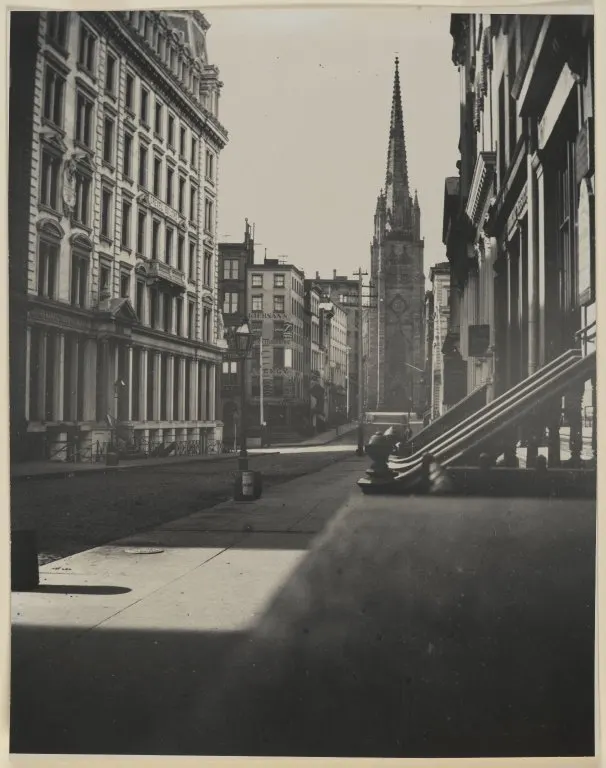
Wall Street in Manhattan, looking towards Trinity Church, photographed by George Bradford Brainerd in the 1870s or 1880s
Image creditGeorge Bradford Brainerd · Public domainResized and cropped for display.

The first Wall Street Journal is published

Charles Dow and Edward Jones were financial reporters in New York who in 1882 set up their own news agency, Dow Jones & Company, sending short news bulletins by hand to the banks and brokers of Wall Street. Dow also began to publish an average of leading stock prices, a way of showing at a glance whether the market was rising or falling.

On 8 July 1889 the company brought out the first issue of The Wall Street Journal, four pages long and priced at two cents. Its aim, in Dow’s words, was to give fully and fairly the daily news of the rise and fall in prices of stocks, bonds and some commodities. The Dow Jones Industrial Average, first published in 1896, became the most quoted measure of the American stock market, and the Journal grew into one of the most widely read newspapers in the United States.

Read the full storyHistory & Timeline →Source: Britannica: The Wall Street Journal ↗
✦
LIVES REMEMBERED

Remembered Today

Edgar the Peaceful
Image creditUnknown author · Public domainResized and cropped for display.

Edgar the Peaceful

King of the English from 959, whose reign was free of major wars; he backed the monastic reforms of Dunstan and was crowned in state at Bath in 973.

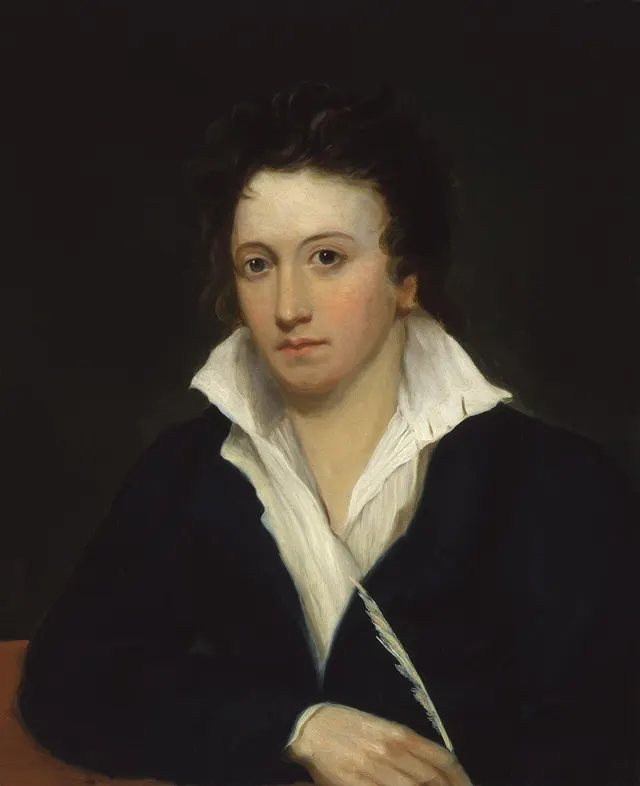
Percy Bysshe Shelley
Image creditAfter Amelia Curran · Public domainResized and cropped for display.

Percy Bysshe Shelley

English Romantic poet of Ozymandias and Prometheus Unbound, who drowned when his boat sank in a storm off the Italian coast, aged 29.

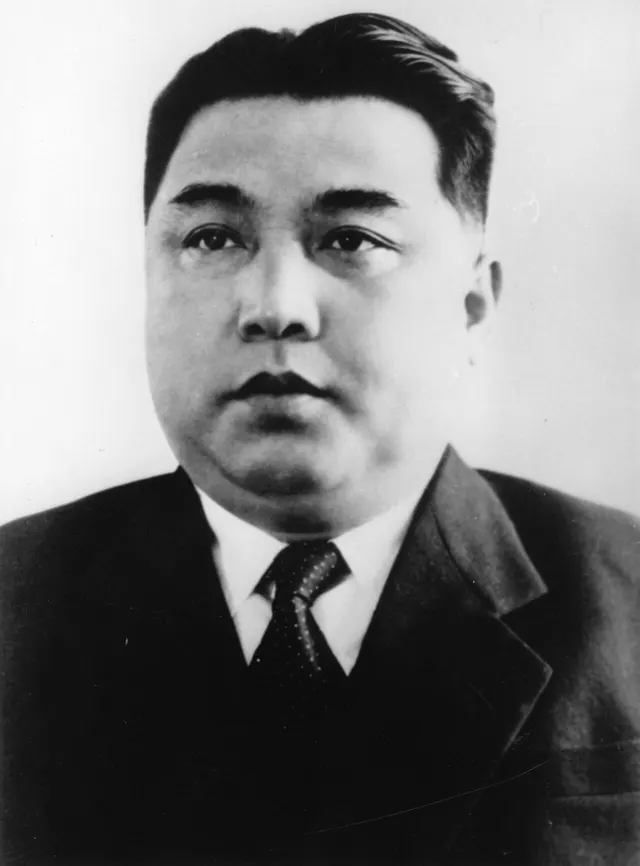
Kim Il-sung
Image creditUnknown author · Public domainResized and cropped for display.

Kim Il-sung

Leader of North Korea from its founding in 1948 until his death; his forces’ invasion of the South in 1950 began the Korean War. His son Kim Jong Il succeeded him.

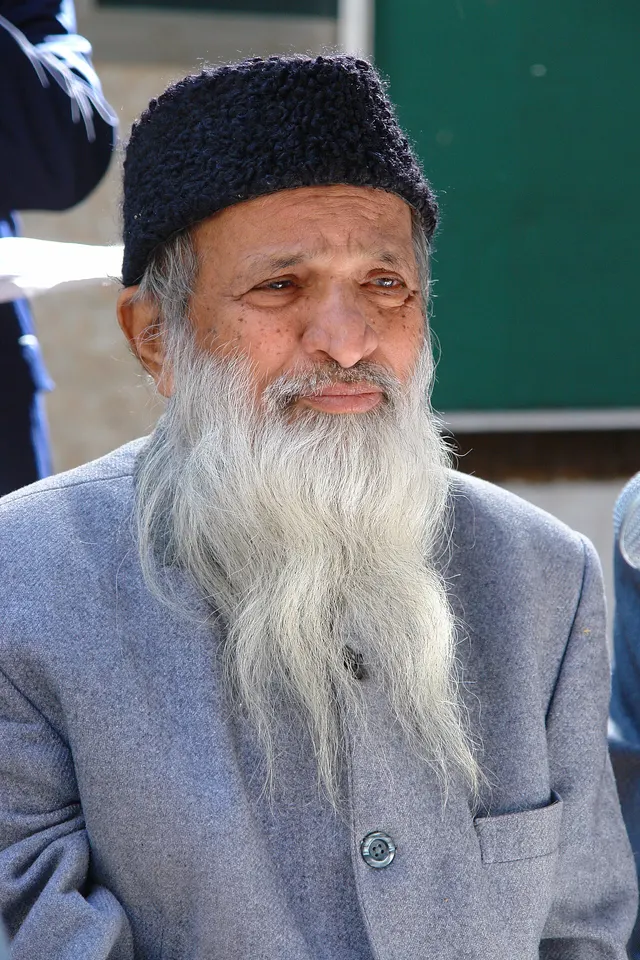
Abdul Sattar Edhi
Image creditHussain · CC BY-SA 3.0Resized and cropped for display.

Abdul Sattar Edhi

Pakistani humanitarian who built the Edhi Foundation into the country’s largest welfare network of ambulances, orphanages and shelters, while living very simply himself.

☉
AROUND THE WORLD

Observances & Anniversaries

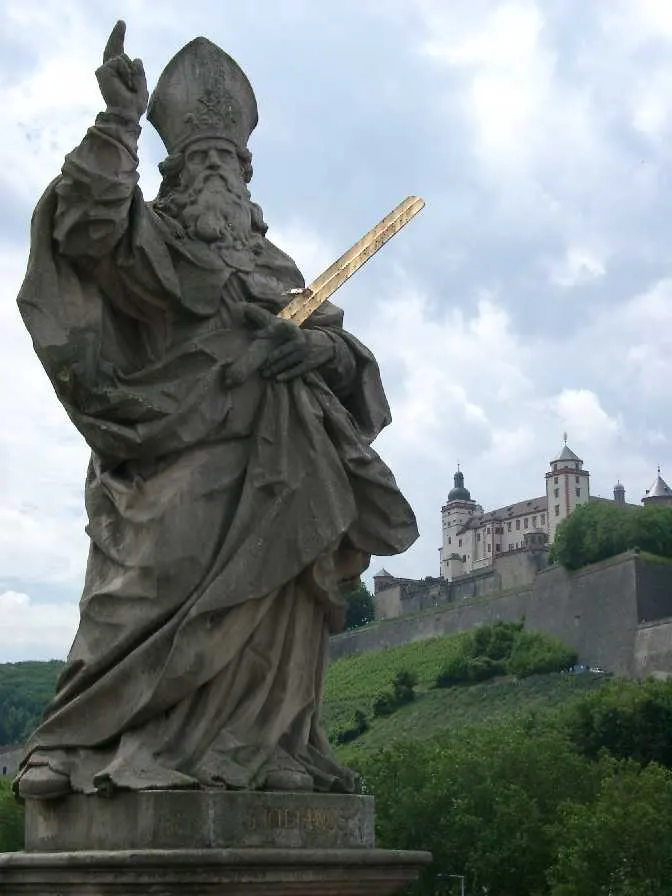
Statue of St Kilian on the Old Main Bridge in Würzburg, with the Marienberg Fortress behind
Image creditLutz.marten at English Wikipedia · CC BY-SA 3.0Resized and cropped for display.

Feast of St Kilian

8 July is the feast of St Kilian, an Irish missionary bishop who preached Christianity in Franconia, in what is now Germany. With his companions Colman and Totnan he was put to death at Würzburg in about 689, and their relics were later moved to the city’s cathedral.

Kilian is the patron saint of the diocese of Würzburg and of Franconia, and the feast is kept there with great ceremony, with a week of pilgrimages around the day. He is also honoured in Ireland, where he is thought to have been born in County Cavan.

Source: Britannica: Saint Kilian ↗
HISTORY & TIMELINE

Finished the highlights?

Follow 8 July chronologically, from the Middle Ages to the modern day, with 12 verified events and the sources behind them.

This day through time →