
HISTORY & TIMELINE
8 July

A journey through
8 July in history

The story of 8 July runs from an icon dug out of the ashes of Kazan in 1579 to a historic handshake at Asmara airport in 2018. In between come a French stand in the forests of North America, the battle that made Russia a great power, a Chilean earthquake felt as far away as Japan, American warships at the gates of Edo, the first Wall Street Journal, a treaty signed in a Tehran palace, a palace coup in Burundi, an earthquake among the temples of Bagan, the last launch of the Space Shuttle and the most famous World Cup semi-final of all.

III
A CHANGING WORLD

Early Modern Era

Exploration, political change, scientific development and expanding global connections.

1579
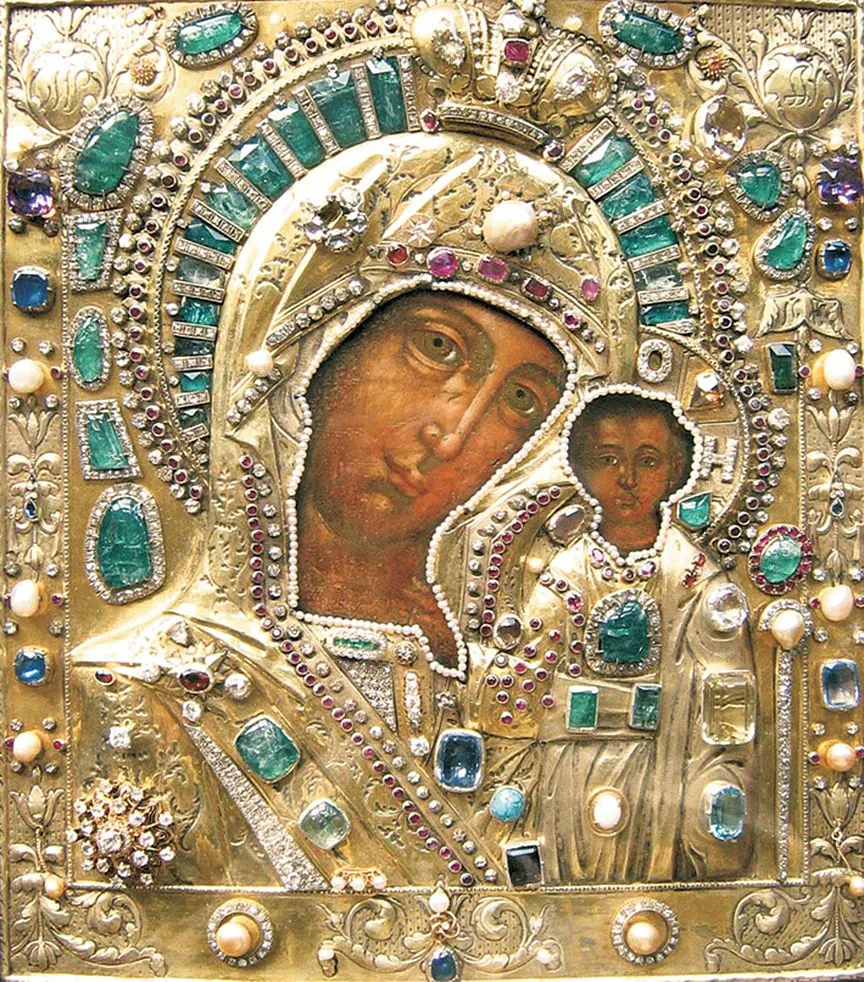
The 'Vatican copy' of the Kazan icon, in a jewelled cover, returned to Russia by the Vatican in 2004 and now kept in KazanThe ‘Vatican copy’ of the Kazan icon, in a jewelled cover, returned to Russia by the Vatican in 2004 and now kept in KazanImage: Unknown author · Public domain
culture · Europe

The icon of Our Lady of Kazan is dug from the ashes

In 1579 a fire destroyed much of Kazan, which Ivan the Terrible had conquered for Russia a generation earlier. A young girl, Matrona, said that the Virgin Mary had shown her in dreams where an icon lay buried, and on 8 July she and her mother dug it out from under a burnt house. Our Lady of Kazan became one of the most revered icons in Russia. The original was stolen in 1904 and probably destroyed; the Russian Church now keeps the feast on 21 July in the modern calendar.

Source: Orthodox Church in America: Appearance of the Kazan Icon of the Mother of God ↗
1709
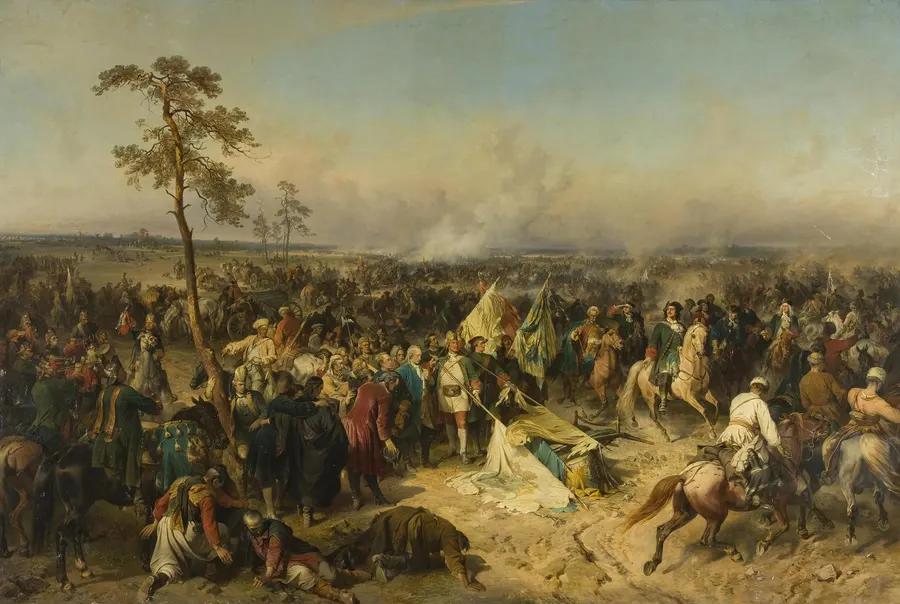
The Victory at Poltava, painted by Alexander von Kotzebue in 1862 and now in the Hermitage, St PetersburgThe Victory at Poltava, painted by Alexander von Kotzebue in 1862 and now in the Hermitage, St PetersburgImage: Alexander von Kotzebue · Public domain
world · Europe

Peter the Great breaks the Swedish army at Poltava

At the start of the 18th century Sweden was the leading power of northern Europe, and its young king Charles XII had won a string of victories in the Great Northern War against Russia, Poland and Denmark. In 1708 he marched on Moscow, then turned south into Ukraine, hoping for support from the Cossack hetman Ivan Mazepa. A bitterly cold winter cost him thousands of men, and in the spring of 1709 his depleted army laid siege to the fortress town of Poltava. Peter the Great brought up a much larger Russian army and dug in close by. Charles had been wounded in the foot and could not lead in person, but he chose to attack the Russian camp on 8 July 1709 (27 June in the Russian calendar of the day, 28 June in the Swedish one). Britannica puts the Russian army at some 80,000 men against about 17,000 Swedes. The assault broke down, the Swedish army was routed, and most of the survivors surrendered by the Dnieper a few days later. Charles escaped into Ottoman territory. Poltava ended Sweden’s time as a great power and announced Russia as the new force in eastern Europe.

Source: Britannica: Battle of Poltava ↗
1730
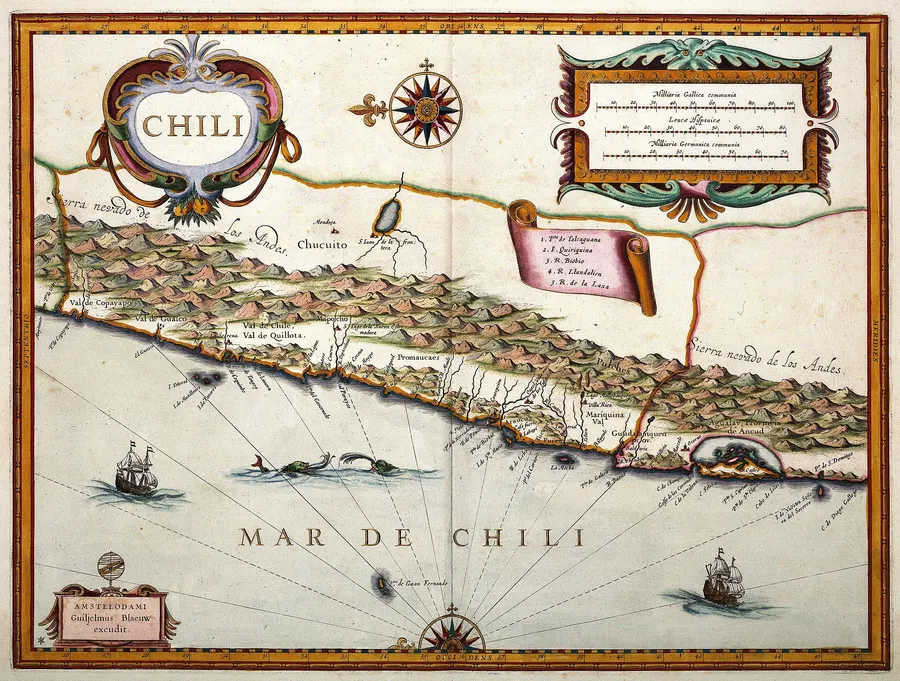
A 17th-century Dutch map of Chile from the Van der Hagen atlas, with the Pacific coast along the bottomA 17th-century Dutch map of Chile from the Van der Hagen atlas, with the Pacific coast along the bottomImage: Dirk Jansz van Santen · Public domain
world · Americas

A great earthquake and tsunami strike central Chile

Early on 8 July 1730 a huge earthquake struck off the coast of central Chile near Valparaíso. It damaged towns from La Serena to Chillán, and the tsunami that followed reached many metres high at Valparaíso, wrecked Concepción, then at Penco, and was seen on the coast of Japan. Chile’s national seismological centre gives a magnitude of 8.7, while a 2017 study of the historical records put it at 9.1 to 9.3, the largest known in central Chile.

Source: Centro Sismológico Nacional, Universidad de Chile: Terremoto de Valparaíso 1730 ↗
1758
The Victory of Montcalm's Troops at Carillon, an illustration by Henry Alexander OgdenThe Victory of Montcalm’s Troops at Carillon, an illustration by Henry Alexander OgdenImage: Henry Alexander Ogden (1854-1936) · Public domain
world · Americas

Montcalm holds Fort Carillon against a far larger British army

In the Seven Years’ War, Britain and France fought for control of North America. Fort Carillon, which the French had built at the southern end of Lake Champlain, guarded the water route between the Hudson valley and the St Lawrence, and in the summer of 1758 Major General James Abercromby advanced on it with some 15,000 to 16,000 British regulars and American colonial troops. The most able of his commanders, Lord George Howe, was killed in a skirmish in the woods on 6 July. The French commander, the Marquis de Montcalm, had only about 3,600 men. Rather than wait inside the fort, he built a wall of logs on the ridge in front of it, screened by a mass of felled trees with sharpened branches pointing outwards. On 8 July 1758 Abercromby sent his infantry against this line in repeated frontal assaults. They could not get through, and about 2,000 British and colonial soldiers were killed or wounded. Abercromby withdrew to Lake George. The British took the fort the following year and renamed it Ticonderoga.

Source: Britannica: Battle of Carillon ↗
IV
THE NINETEENTH CENTURY

The 1800s

Industry, empire, invention, reform and a century of enormous transformation.

1853
A 19th-century engraving of Commodore Perry's squadron on its expedition to Japan, from the New York Public Library's picture collectionA 19th-century engraving of Commodore Perry’s squadron on its expedition to Japan, from the New York Public Library’s picture collectionImage: Unknown author · Public domain
world · Asia

Commodore Perry’s black ships arrive off Japan

For more than two centuries Japan’s Tokugawa shoguns had kept the outside world at arm’s length. Foreign trade was confined to a small number of Dutch and Chinese merchants at Nagasaki, and Western ships that approached elsewhere were turned away. The United States wanted Japanese ports open to its steamers and whalers, for coal, supplies and the safe return of shipwrecked sailors, and President Millard Fillmore sent Commodore Matthew C. Perry with a letter asking for a treaty. On 8 July 1853 Perry’s squadron of two steam frigates and two sailing sloops anchored off Uraga, at the entrance to Edo Bay, the bay of present-day Tokyo. The dark, smoking steamers, far better armed than anything Japan possessed, became known as the black ships. Perry refused to go to Nagasaki and insisted that the letter be accepted where he was; a few days later Japanese officials received it on shore. He promised to return for an answer, and came back in 1854 with a larger fleet. The treaty signed that year opened two ports to American ships and began the end of Japan’s long isolation.

Source: Library of Congress: Perry in Edo Bay, the dawn of the U.S.-Japanese relationship ↗
1889
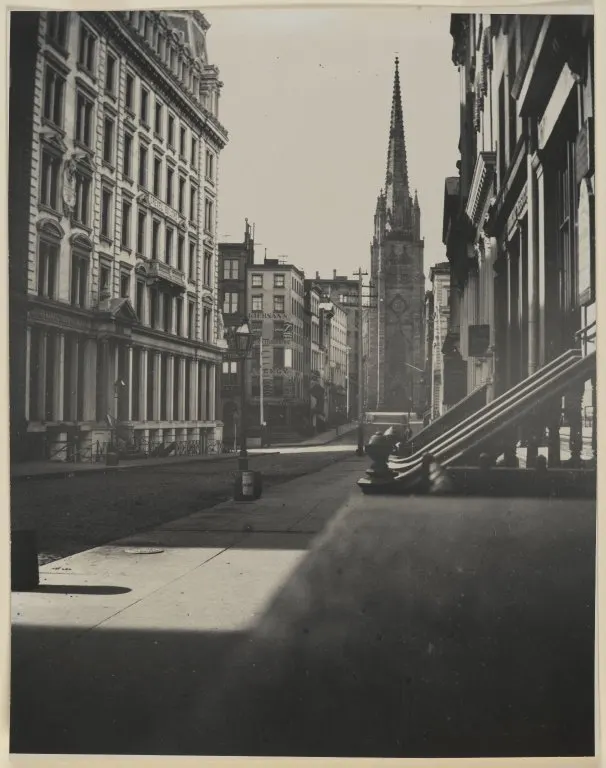
Wall Street in Manhattan, looking towards Trinity Church, photographed by George Bradford Brainerd in the 1870s or 1880sWall Street in Manhattan, looking towards Trinity Church, photographed by George Bradford Brainerd in the 1870s or 1880sImage: George Bradford Brainerd · Public domain
world · Americas

The first Wall Street Journal is published

Charles Dow and Edward Jones were financial reporters in New York who in 1882 set up their own news agency, Dow Jones & Company, sending short news bulletins by hand to the banks and brokers of Wall Street. Dow also began to publish an average of leading stock prices, a way of showing at a glance whether the market was rising or falling. On 8 July 1889 the company brought out the first issue of The Wall Street Journal, four pages long and priced at two cents. Its aim, in Dow’s words, was to give fully and fairly the daily news of the rise and fall in prices of stocks, bonds and some commodities. The Dow Jones Industrial Average, first published in 1896, became the most quoted measure of the American stock market, and the Journal grew into one of the most widely read newspapers in the United States.

Source: Britannica: The Wall Street Journal ↗
V
THE TWENTIETH CENTURY

The 1900s

War and peace, technological leaps, social change, politics, sport and popular culture.

1937
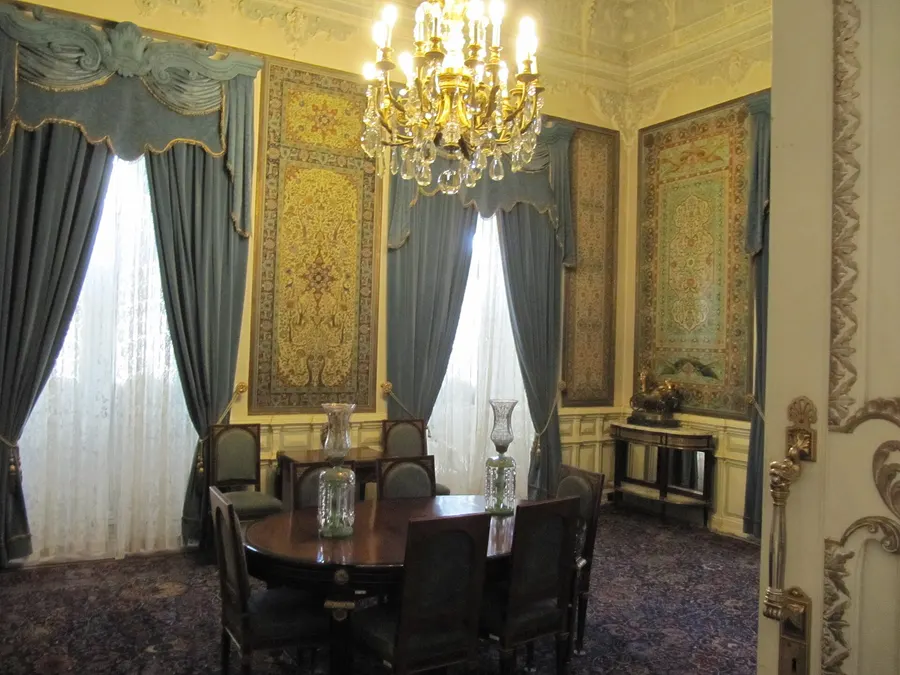
A room in the Saadabad Palace complex in northern TehranA room in the Saadabad Palace complex in northern TehranImage: sipo · CC BY 2.0
world · Middle East

Four neighbours sign the Saadabad Pact

On 8 July 1937 Turkey, Iran, Iraq and Afghanistan signed a non-aggression pact at the Saadabad Palace in Tehran, which gave the treaty its name. The four promised to respect one another’s borders and to stay out of each other’s internal affairs. It was probably meant to deter Italian ambitions in the region, but it had little effect in practice: in 1941 Iran was invaded by the Soviet Union and Britain.

Source: Britannica: Saʿdābād Pact ↗
1966
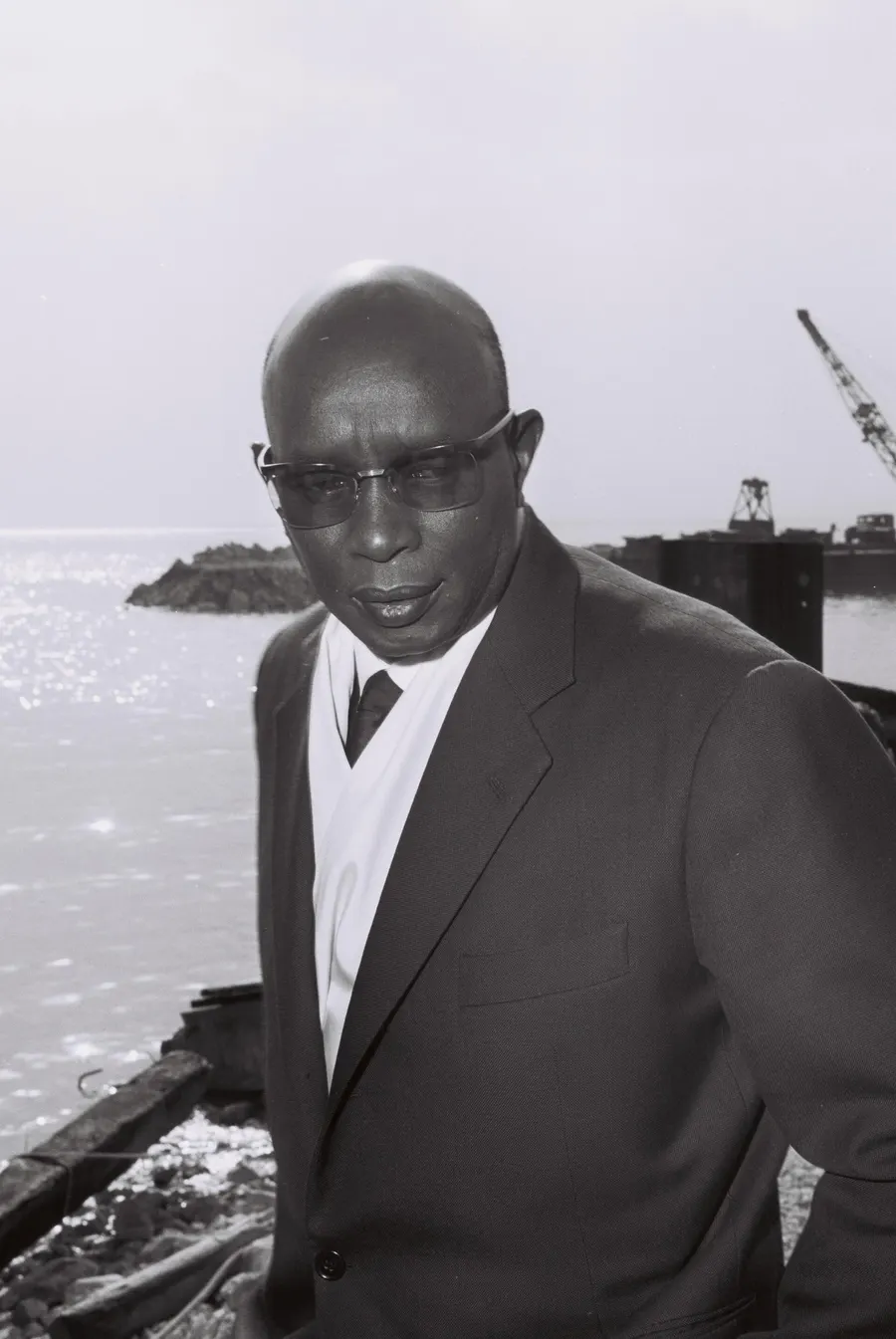
Mwambutsa IV, King of Burundi, photographed in 1962Mwambutsa IV, King of Burundi, photographed in 1962Image: Fritz Cohen · Public domain
politics · Africa

A prince takes the throne of Burundi from his father

Mwambutsa IV had ruled Burundi since 1915, but by 1966 he was spending long periods abroad. On 8 July 1966 his 19-year-old son, Prince Charles Ndizeye, declared that he had taken power, dismissed the prime minister and suspended the constitution. He appointed the army officer Michel Micombero as prime minister and was crowned as Ntare V in September. In November, while the new king was out of the country, Micombero overthrew him and declared Burundi a republic.

Source: Britannica: History of Burundi ↗
1975
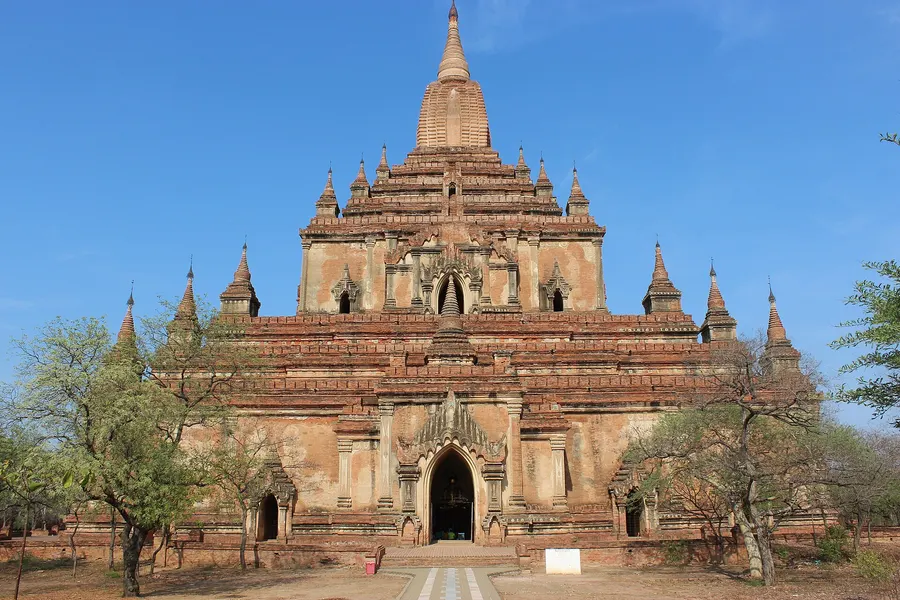
The Sulamani temple at Bagan, whose main spire collapsed in the 1975 earthquake and has since been rebuiltThe Sulamani temple at Bagan, whose main spire collapsed in the 1975 earthquake and has since been rebuiltImage: Grayswoodsurrey · CC BY-SA 4.0
world · Asia

An earthquake damages the temples of Bagan

Bagan, on the Irrawaddy in Myanmar, was the capital of a Buddhist kingdom whose rulers covered the plain with thousands of temples and pagodas between the 11th and 13th centuries. On 8 July 1975 a strong earthquake struck the area. More than half of the important monuments were badly damaged: the Bupaya pagoda fell into the river and the main spire of the Sulamani temple collapsed. Years of restoration followed, and Bagan became a UNESCO World Heritage Site in 2019.

Source: UNESCO: Pagan, Burma’s ancient city of 2,000 pagodas damaged by a violent earthquake ↗
VI
2000 TO TODAY

Modern Day

The events of recent decades that have already become part of the historical record.

2011
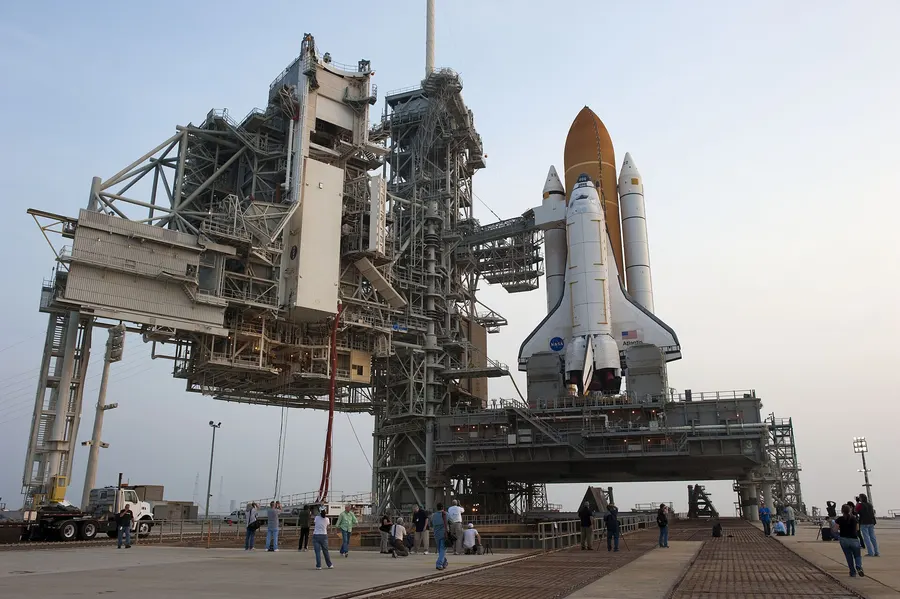
Atlantis on Launch Pad 39A at the Kennedy Space Center, with its cargo being loaded, before its final flight in 2011Atlantis on Launch Pad 39A at the Kennedy Space Center, with its cargo being loaded, before its final flight in 2011Image: Kim Shiflett · Public domain
world · Americas

Atlantis launches the last Space Shuttle mission

NASA’s Space Shuttle, the first reusable spacecraft to carry people into orbit, made its first flight in 1981. Over thirty years the orbiters launched the Hubble Space Telescope, carried the pieces of the International Space Station into orbit and flew hundreds of astronauts from many countries. Two were lost with their crews, Challenger in 1986 and Columbia in 2003, and after the Columbia disaster the United States decided to retire the fleet once the space station was complete. On 8 July 2011, at 11.29 in the morning local time, Atlantis lifted off from Pad 39A at the Kennedy Space Center in Florida on mission STS-135, the 135th and last of the programme. Its crew of four, Chris Ferguson, Doug Hurley, Sandra Magnus and Rex Walheim, delivered the Raffaello cargo module packed with supplies to keep the station going. Atlantis landed back at Kennedy on 21 July. For the next nine years American astronauts reached orbit only aboard Russian Soyuz spacecraft.

Source: NASA: STS-135 ↗
2014
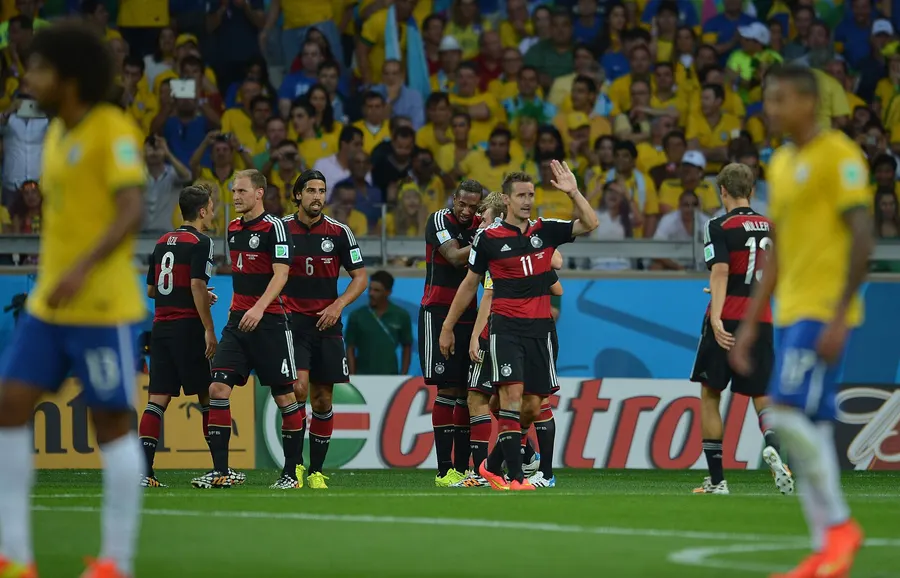
Germany's players celebrate a goal against Brazil at the Mineirão in Belo Horizonte on 8 July 2014Germany’s players celebrate a goal against Brazil at the Mineirão in Belo Horizonte on 8 July 2014Image: Marcello Casal Jr/Agência Brasil · CC BY 3.0 br
sport · Americas

Germany beat hosts Brazil 7-1 in a World Cup semi-final

Brazil, five times world champions, hosted the 2014 World Cup and were expected to go all the way. They reached the semi-finals unbeaten, but lost their star forward Neymar to a back injury in the quarter-final against Colombia, and their captain Thiago Silva was suspended. Their opponents at the Mineirão stadium in Belo Horizonte on 8 July 2014 were Germany, who had knocked out France. Thomas Müller put Germany ahead after 11 minutes. Then, in about six and a half minutes, they scored four more, a World Cup record; one of them made Miroslav Klose the tournament’s all-time leading scorer with 16 goals. It was 5-0 at half-time. André Schürrle added two more after the break before Oscar scored a late consolation for Brazil. FIFA calls it a sport-shaking shock, and no team had won a World Cup knockout match by six goals for 76 years. Five days later Germany beat Argentina in Rio de Janeiro to win their fourth world title.

Source: FIFA: Germany hit Brazil for seven in sport-shaking shock ↗
2018
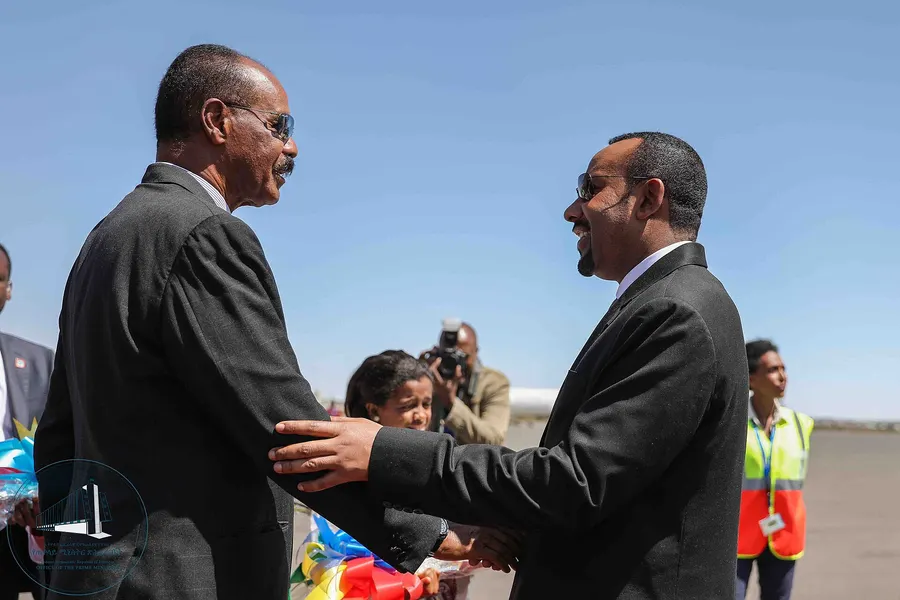
Eritrea's President Isaias Afwerki (left) and Ethiopia's Prime Minister Abiy Ahmed greet each other on an airport apron, in a photograph from the Ethiopian prime minister's officeEritrea’s President Isaias Afwerki (left) and Ethiopia’s Prime Minister Abiy Ahmed greet each other on an airport apron, in a photograph from the Ethiopian prime minister’s officeImage: Office of the Prime Minister - Ethiopia · Public domain
world · Africa

The leaders of Ethiopia and Eritrea meet in Asmara

Eritrea became independent of Ethiopia in 1993, but five years later the two countries went to war over their shared border. Tens of thousands of people were killed before the fighting ended in 2000, and a boundary commission’s ruling in 2002 was never put into effect. For the next sixteen years the border stayed closed and heavily armed, with no flights, trade or telephone links between the neighbours, a state often described as no war, no peace. Abiy Ahmed became Ethiopia’s prime minister in April 2018 and quickly said he wanted peace. On 8 July 2018 he flew to Asmara, the first meeting between the leaders of the two countries in some twenty years. President Isaias Afwerki met him at the airport, and crowds lined the streets waving both countries’ flags. The next day the two men signed a joint declaration of peace and friendship that ended the state of war. Embassies, flights and telephone links were restored within weeks, and in 2019 Abiy was awarded the Nobel Peace Prize, above all for his initiative with Eritrea.

Source: NobelPrize.org: The Nobel Peace Prize 2019, press release ↗
RESEARCH

Sources & Further Reading

Selected authoritative references supporting the events on this page.

Orthodox Church in America: Appearance of the Kazan Icon of the Mother of God↗Wikipedia: Our Lady of Kazan↗Britannica: Battle of Poltava↗Britannica: Charles XII↗Centro Sismológico Nacional, Universidad de Chile: Terremoto de Valparaíso 1730↗Carvajal et al., Journal of Geophysical Research (2017): Source of the 1730 Chilean earthquake↗Britannica: Battle of Carillon↗The Canadian Encyclopedia: Battle of Carillon↗Library of Congress: Perry in Edo Bay, the dawn of the U.S.-Japanese relationship↗Naval History and Heritage Command: Brief summary of the Perry Expedition to Japan, 1853↗Britannica: The Wall Street Journal↗Library of Congress: The Wall Street Journal (New York, N.Y.) 1889-1959↗Library of Congress: Dow Jones Industrial Average first published↗Britannica: Saʿdābād Pact↗Encyclopaedia Iranica: Iraq vi. Pahlavi period, 1921-79↗Britannica: History of Burundi↗Britannica: Michel Micombero↗Wikipedia: Ntare V of Burundi↗UNESCO: Pagan, Burma’s ancient city of 2,000 pagodas damaged by a violent earthquake↗U.S. Geological Survey: Ancient temples of Burma destroyed by earthquake↗UNESCO World Heritage Centre: Bagan↗NASA: STS-135↗NASA: 10 years ago, STS-135, the Space Shuttle’s grand finale↗Wikipedia: STS-135↗FIFA: Germany hit Brazil for seven in sport-shaking shock↗FIFA: Seven-up Germany stun hosts Brazil↗Wikipedia: Brazil v Germany (2014 FIFA World Cup)↗NobelPrize.org: The Nobel Peace Prize 2019, press release↗Britannica: Abiy Ahmed↗Al Jazeera: Ethiopia’s PM Abiy Ahmed in Eritrea for landmark visit↗
WHY THESE MOMENTS?

Significance before volume

This page is not the longest possible list of events. It is a chronological journey through 8 July, where each entry is chosen for historical significance, human interest and reliability.

Facts are checked against authoritative museums, archives, universities and reference works. Where sources disagree, the page says so.

EXPLORED THE DEEPER STORY?

Return to the highlights of 8 July

Discover the lighter side of the date with famous birthdays, culture, firsts and lives remembered.

Explore This Day →
← PREVIOUS DAY7 July
HISTORY & TIMELINE8 July
NEXT DAY →9 July