
HISTORY & TIMELINE
7 July

A journey through
7 July in history

The story of 7 July runs from the overturning of Joan of Arc’s conviction in 1456 to the launch of Africa’s continental free trade area in 2019. In between come a desperate battle on the plain of Otumba, a treaty signed at Tilsit after Napoleon’s meeting with the tsar on a raft, the US flag raised over Monterey, a secret society that began the Philippine Revolution, the first instalment of Pinocchio, bread sold ready-sliced, the plan to partition Palestine, the clash that opened the Second Sino-Japanese War, independence for Solomon Islands, a 17-year-old Wimbledon champion, the bombings in London and a UN treaty banning nuclear weapons.

II
THE MIDDLE AGES

Medieval History

Kingdoms, conflict, faith, power and the changing medieval world.

1456
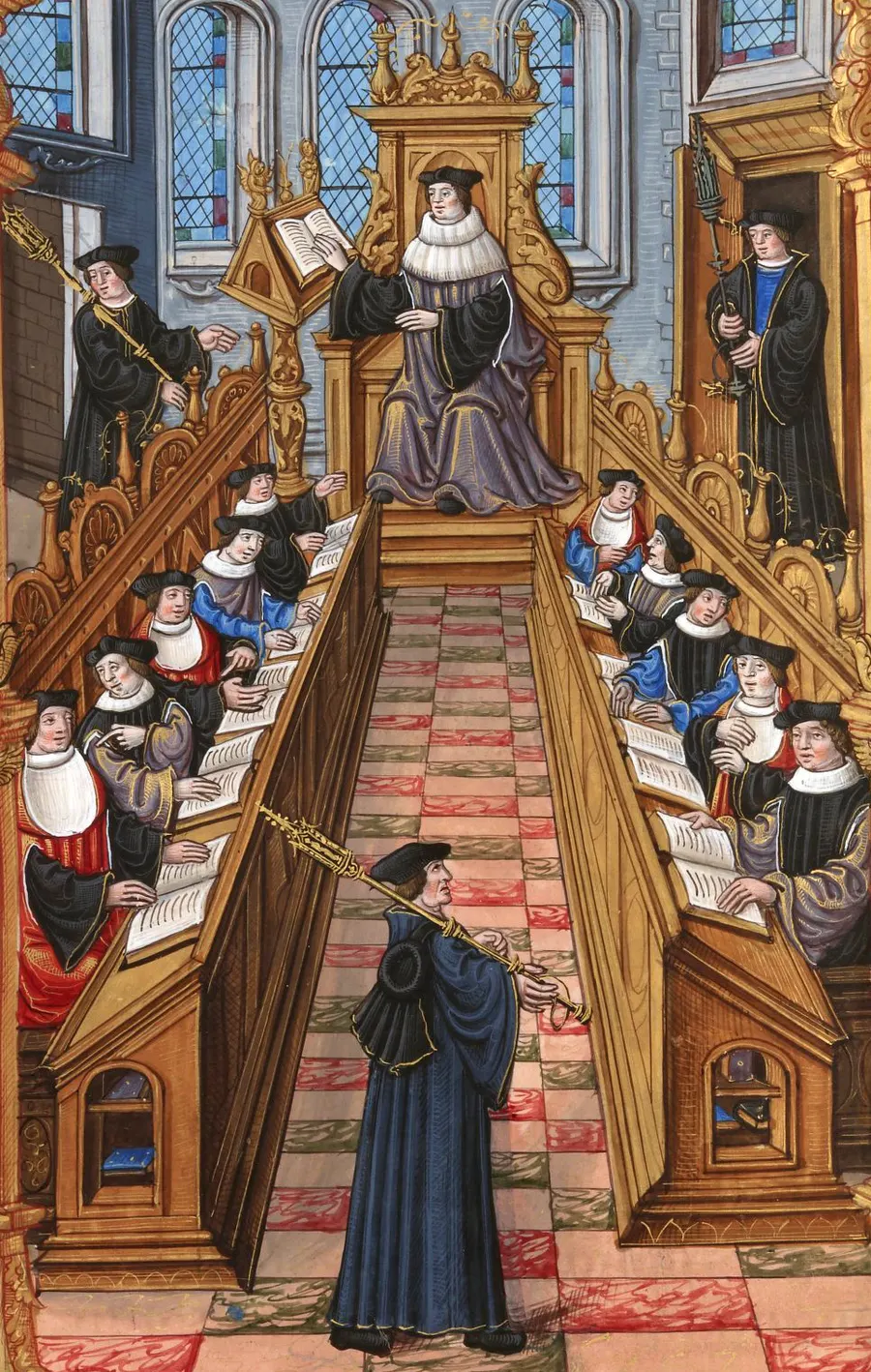
Doctors of the University of Paris in session, in a French illuminated manuscript of the early 16th century; the university's theologians had helped condemn Joan in 1431Doctors of the University of Paris in session, in a French illuminated manuscript of the early 16th century; the university’s theologians had helped condemn Joan in 1431Image: Étienne Colaud · Public domain
world · Europe

Joan of Arc is cleared, 25 years after her execution

Joan of Arc was burned at the stake in Rouen on 30 May 1431, after a church court in English-held Normandy, led by Bishop Pierre Cauchon, found her guilty of heresy. Her conviction was an embarrassment to Charles VII, the king she had helped crown at Reims. Once his armies had retaken Rouen, he ordered an inquiry, and in 1455 Pope Callixtus III allowed a new hearing, formally brought by Joan’s elderly mother, Isabelle Romée, and her brothers. The judges took evidence from well over a hundred witnesses, among them villagers from Domrémy, soldiers who had fought beside her and clerics who had sat through the first trial. On 7 July 1456, in the archbishop’s palace at Rouen, the sentence was read out: the earlier trial had rested on false charges, and it was declared null and void. A copy of the articles of accusation was torn up in public. Joan was canonised in 1920 and is now one of the patron saints of France.

Source: Vatican: Benedict XVI, general audience on Saint Joan of Arc (26 January 2011) ↗
III
A CHANGING WORLD

Early Modern Era

Exploration, political change, scientific development and expanding global connections.

1520
The Battle of Otumba in a painting from the Spanish colonial era, with mounted Spaniards in the thick of the fightingThe Battle of Otumba in a painting from the Spanish colonial era, with mounted Spaniards in the thick of the fightingImage: Unknown author · Public domain
world · Americas

Cortés and his allies survive the Battle of Otumba

On the night of 30 June 1520 Hernán Cortés and his men were driven out of the Aztec capital, Tenochtitlan, losing many soldiers, most of their horses and much of the gold they had seized. The survivors, together with their Tlaxcalan allies, set off on a long, painful retreat around the northern shore of the lakes, harassed as they went, heading for the safety of Tlaxcala. On 7 July, on the plain near Otumba, they found a great Mexica army barring the way. The exhausted Spaniards seemed certain to be overwhelmed, but Cortés and a handful of horsemen charged towards the enemy commander, who was marked out by his elaborate standard, and struck him down. The Mexica force lost heart and fell back. The retreat reached Tlaxcala, Cortés rebuilt his strength with new allies, and just over a year later, in August 1521, Tenochtitlan fell.

Source: Britannica: Hernán Cortés ↗
IV
THE NINETEENTH CENTURY

The 1800s

Industry, empire, invention, reform and a century of enormous transformation.

1807
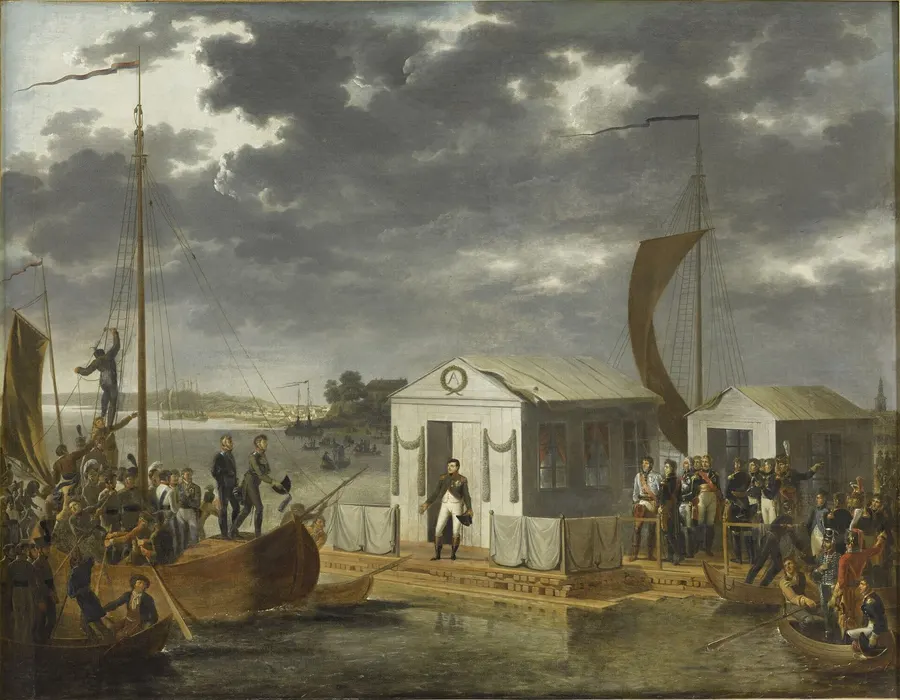
Napoleon arriving at the pavilion built on a raft in the River Niemen for his meeting with the tsar, painted by Adolphe RoehnNapoleon arriving at the pavilion built on a raft in the River Niemen for his meeting with the tsar, painted by Adolphe RoehnImage: Adolphe Roehn · Public domain
politics · Europe

France and Russia make peace at Tilsit

After his victory over the Russians at Friedland in June 1807, Napoleon met Tsar Alexander I on a raft moored in the River Niemen at Tilsit. On 7 July they signed a peace treaty that made France and Russia allies and redrew the map of central Europe. Two days later a harsh treaty with Prussia stripped it of about half its territory, creating the Grand Duchy of Warsaw and the Kingdom of Westphalia.

Source: Fondation Napoléon: Treaty between France and Russia, Tilsit, 7 July 1807 ↗
1846
An early view of Monterey with the US flag flying ashore and American warships at anchor in the bayAn early view of Monterey with the US flag flying ashore and American warships at anchor in the bayImage: US Department of Commerce, Bureau of Public Roads · Public domain
world · Americas

The US flag is raised over Monterey

Weeks into the war between the United States and Mexico, Commodore John D. Sloat of the US Pacific Squadron landed sailors and marines at Monterey, the capital of Mexican California. On 7 July 1846 they raised the American flag over the Custom House, and Sloat proclaimed California part of the United States. Mexico formally gave up California under the Treaty of Guadalupe Hidalgo in 1848.

Source: California Office of Historic Preservation: Custom House, Monterey ↗
1881
The giant Pinocchio statue at Collodi in Tuscany, the village that gave Carlo Lorenzini his pen nameThe giant Pinocchio statue at Collodi in Tuscany, the village that gave Carlo Lorenzini his pen nameImage: Pesciailtuopaese · CC BY-SA 4.0
culture · Europe

Pinocchio makes his first appearance

Carlo Lorenzini was a Florentine journalist who wrote under the name Collodi, after his mother’s home village. In his fifties he turned to writing for children, and in 1881 he offered a story about a wooden puppet to a new weekly, the Giornale per i bambini, published in Rome. The first instalment, called Storia di un burattino, the story of a puppet, appeared in the paper’s first issue on 7 July 1881. The tale ran in episodes and was at first meant to end grimly, but young readers wanted more, and Collodi carried on. In 1883 the episodes were collected into a book, Le avventure di Pinocchio. It became one of the most widely translated books ever written, and the puppet whose nose grows when he lies is known around the world.

Source: Treccani: Carlo Collodi (Enciclopedia dei ragazzi) ↗
1892
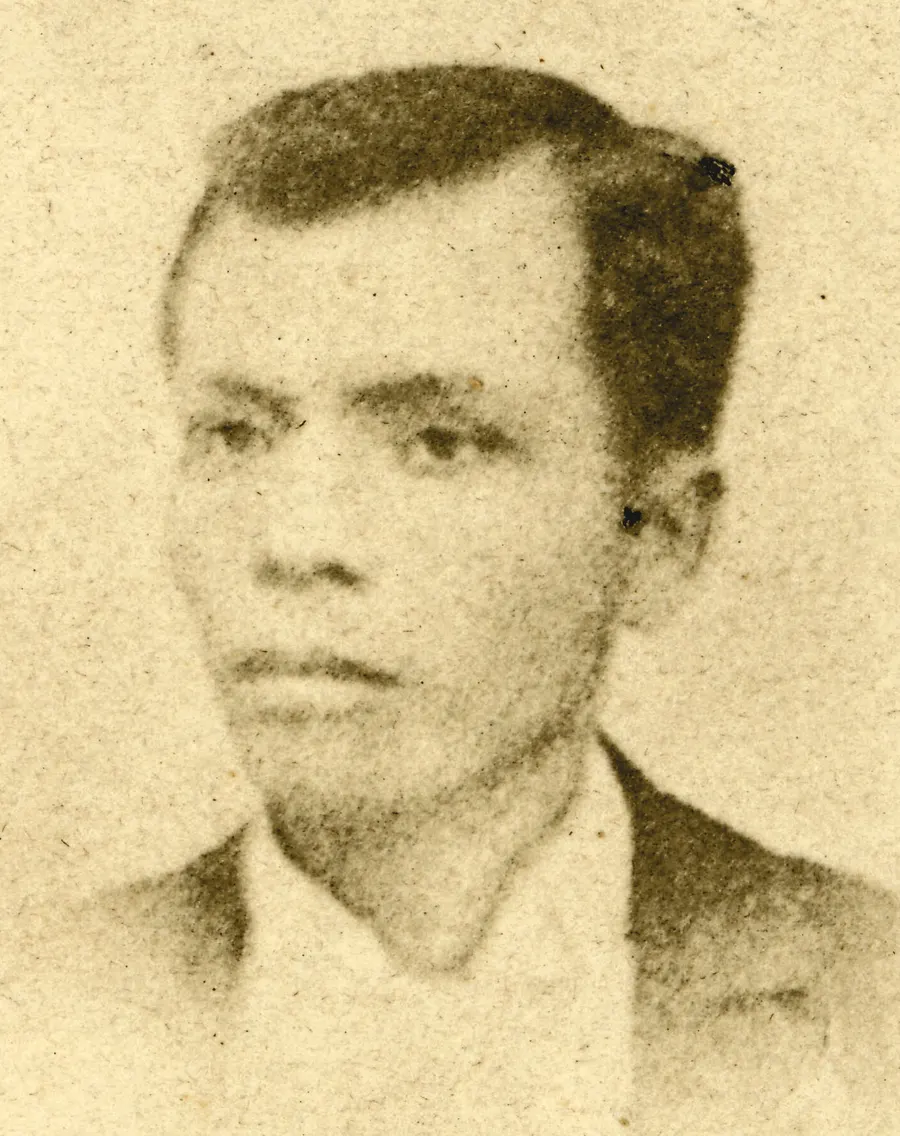
Andrés Bonifacio, one of the founders of the Katipunan and later its leader, in the best-known photograph of himAndrés Bonifacio, one of the founders of the Katipunan and later its leader, in the best-known photograph of himImage: Chofre y Cia (now Cacho Hermanos Inc.) · Public domain

politics · Asia

The Katipunan is founded in Manila

By the 1890s educated Filipinos had spent years asking Spain for reforms, with little result. In early July 1892 the writer José Rizal founded La Liga Filipina, a peaceful reform society, but within days he was arrested and sent into exile at Dapitan, on Mindanao. To some of its members, this showed that asking politely would never work. On the night of 7 July 1892, in the house of Deodato Arellano in Tondo, Manila, Andrés Bonifacio and a few companions founded the Kataastaasan, Kagalanggalangang Katipunan ng mga Anak ng Bayan, the Highest and Most Venerable Society of the Children of the Nation. Its aim was independence, not reform. Members joined by a blood compact and were organised in secret cells, and the society grew to many thousands. When the Spanish discovered it in August 1896, the Katipunan rose in revolt, starting the Philippine Revolution.

Source: National Historical Commission of the Philippines: Andres Bonifacio and the Katipunan ↗
V
THE TWENTIETH CENTURY

The 1900s

War and peace, technological leaps, social change, politics, sport and popular culture.

1928
A historical marker in Chillicothe, Missouri, beside the building where the town's bakery first sold machine-sliced breadA historical marker in Chillicothe, Missouri, beside the building where the town’s bakery first sold machine-sliced breadImage: Americasroof · CC BY-SA 3.0
science · Americas

Sliced bread goes on sale for the first time

Otto Rohwedder, a jeweller from Iowa, spent years trying to build a machine that could slice a whole loaf at once. His first prototype and its plans were lost when a fire destroyed his factory in 1917, and many bakers doubted the idea anyway, fearing that sliced bread would go stale too quickly. Rohwedder finally found a partner in Frank Bench, who ran the struggling Chillicothe Baking Company in Missouri. On 7 July 1928 the bakery sold the first loaves cut by Rohwedder’s machine, and customers took to them at once. Mechanical slicing spread quickly across the United States, helped by the new pop-up toaster, and within a few years most bread sold in American shops came ready-sliced. The phrase ‘the best thing since sliced bread’ followed.

Source: Smithsonian Magazine: Why we have sliced bread ↗
1937
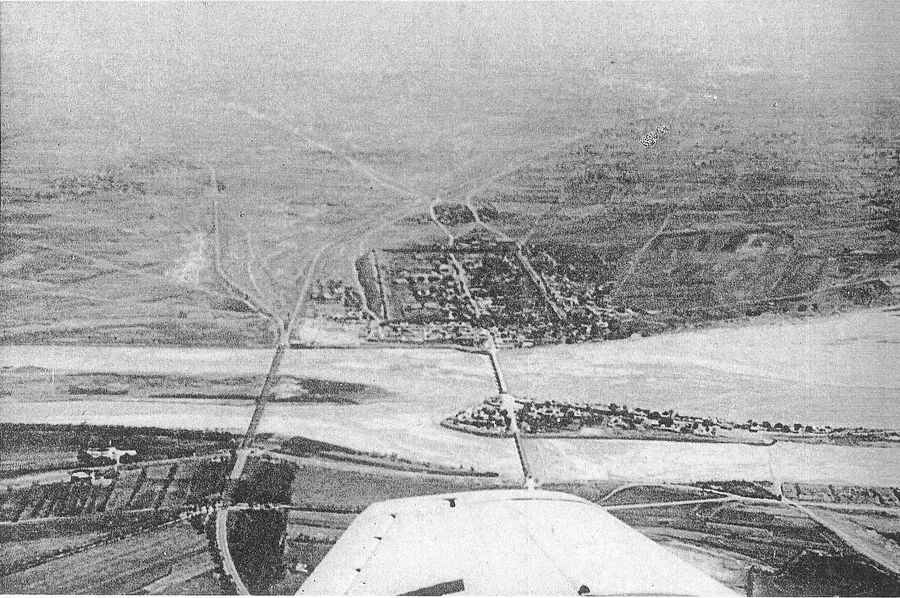
An old aerial photograph of the Marco Polo Bridge (Lugou Bridge) over the Yongding River, with the walled town of Wanping beside itAn old aerial photograph of the Marco Polo Bridge (Lugou Bridge) over the Yongding River, with the walled town of Wanping beside itImage: Unknown photographer · Public domain
world · Asia

Shots at the Marco Polo Bridge start a war between China and Japan

Japan had seized Manchuria in 1931 and kept pushing into northern China. By 1937 its troops were stationed around Beiping, as Beijing was then called, and Chinese anger was so strong that the Nationalists and the Communists had agreed to stop fighting each other and face Japan together. On the night of 7 July 1937 a small Japanese unit was holding manoeuvres near the Marco Polo Bridge, an ancient stone bridge outside the city. Claiming that one of its soldiers was missing, it demanded to search the walled town of Wanping. The Chinese garrison refused, shots were fired, and both sides opened fire. Neither government would back down, the fighting spread, and by the end of July Japan had taken Beiping and Tianjin. The clash became the start of the Second Sino-Japanese War, which lasted until 1945 and merged into the Second World War.

Source: Britannica: Marco Polo Bridge Incident ↗
1937
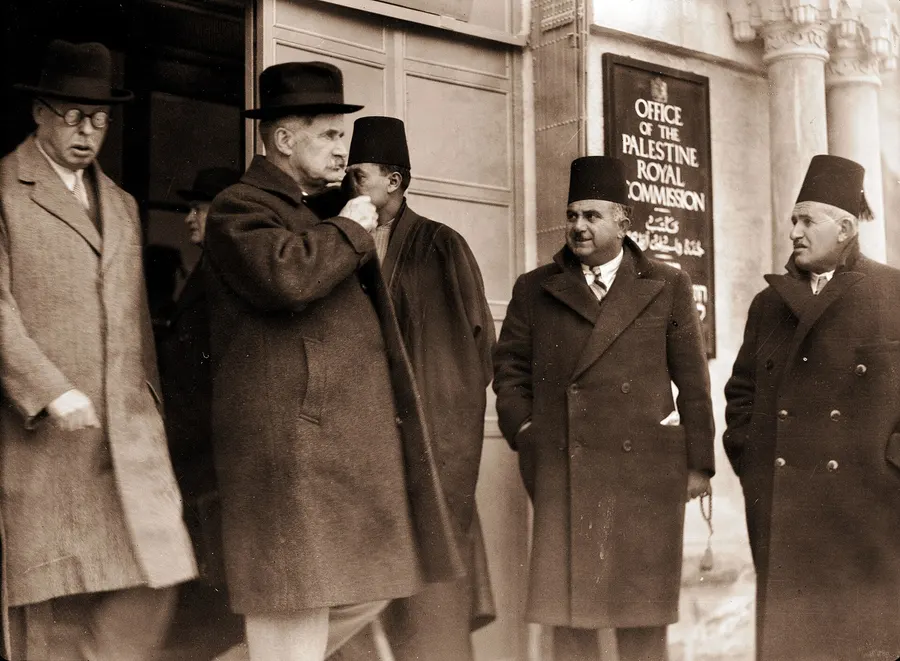
Members of the Palestine Royal Commission outside its office in Jerusalem in 1936Members of the Palestine Royal Commission outside its office in Jerusalem in 1936Image: American Colony (Jerusalem), Photo Department · Public domain
politics · Middle East

The Peel Commission proposes to partition Palestine

Britain set up a Royal Commission under Lord Peel after the Arab revolt broke out in Mandatory Palestine in 1936. Its report, published on 7 July 1937, concluded that the aims of Arabs and Jews could not be reconciled, and proposed for the first time that the country be partitioned: a Jewish state, an Arab state joined to Transjordan, and a British zone around Jerusalem and Bethlehem. The plan was rejected by the Arab leadership and divided Zionist opinion, and Britain dropped it in 1938.

Source: United Nations (UNISPAL): Summary of the Palestine Royal Commission report ↗
1978
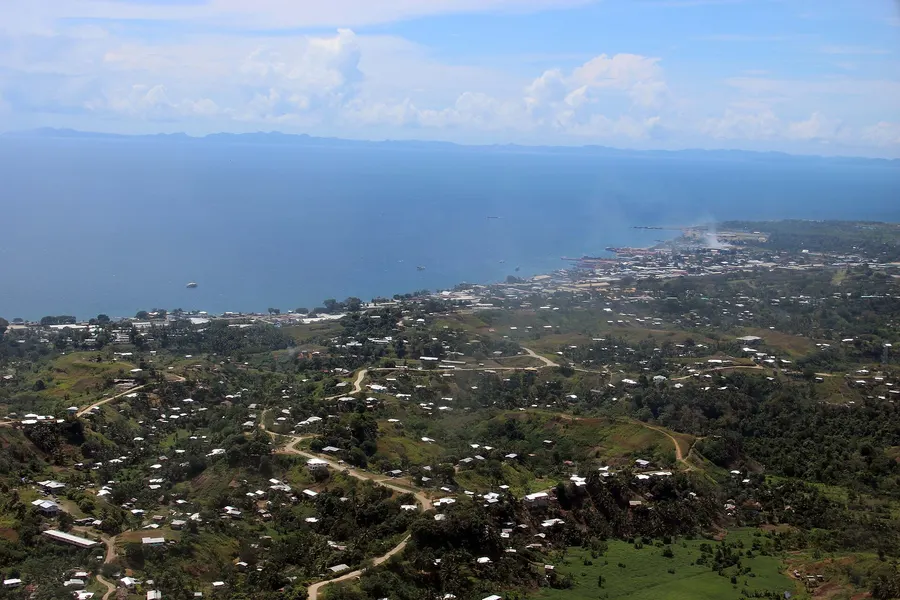
Honiara, the capital of Solomon Islands, on the north coast of Guadalcanal, seen from the air in 2013Honiara, the capital of Solomon Islands, on the north coast of Guadalcanal, seen from the air in 2013Image: Jenny Scott from Adelaide, Australia · CC BY 2.0

politics · Oceania

Solomon Islands becomes independent

Britain declared a protectorate over the southern Solomon Islands in 1893 and later added more islands to it. During the Second World War the islands were a battleground, and the fighting on Guadalcanal in 1942 and 1943 was among the hardest of the Pacific war. After it, a movement known as Maasina Rule pressed for more say for Solomon Islanders in running their own affairs. The protectorate gained its own elected government in the 1970s and was renamed Solomon Islands in 1975. Independence came on 7 July 1978, and the Legislative Assembly became the National Parliament. Peter Kenilorea, who had led the country towards independence, became its first prime minister. The new state stayed in the Commonwealth with the British monarch as head of state, represented by a governor-general, and 7 July is its national day.

Source: Britannica: History of Solomon Islands ↗
1985
Boris Becker in later life; in 1985 he became Wimbledon's youngest men's singles championBoris Becker in later life; in 1985 he became Wimbledon’s youngest men’s singles championImage: Barcex · CC BY-SA 4.0
sport · Europe

Boris Becker wins Wimbledon at 17

Boris Becker arrived at Wimbledon in 1985 as an unseeded teenager from West Germany, known mainly for a huge serve and for diving around the court. He had won the grass-court tournament at Queen’s Club a few weeks earlier, and he fought his way through the draw to reach the final. On 7 July 1985, on Centre Court, he beat the South African-born American Kevin Curren 6-3, 6-7, 7-6, 6-4 in just over three hours. At 17 he was the youngest man ever to win the Wimbledon singles title, as well as the first unseeded champion and the first German. He won Wimbledon again in 1986 and 1989 and later became world number one.

Source: Wimbledon: Thirty years on, when Becker stunned Wimbledon ↗
VI
2000 TO TODAY

Modern Day

The events of recent decades that have already become part of the historical record.

2005
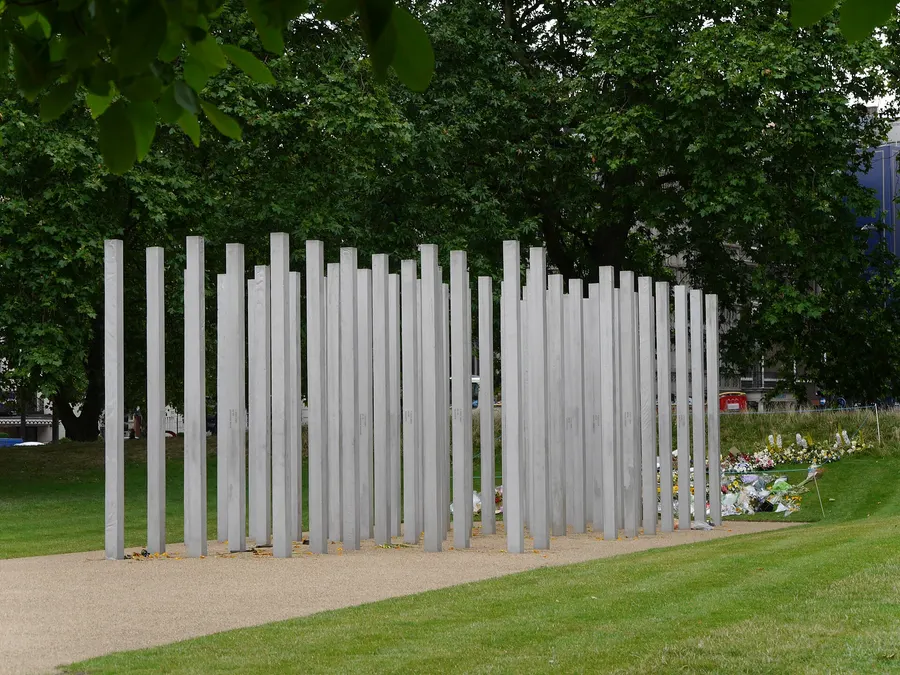
The 7 July Memorial in Hyde Park, London: 52 stainless steel pillars, one for each person killedThe 7 July Memorial in Hyde Park, London: 52 stainless steel pillars, one for each person killedImage: Edwardx · CC BY-SA 4.0
world · Europe

Bombs on London’s transport network

On the morning of 7 July 2005 four suicide bombers attacked London’s transport system during the rush hour, detonating bombs on three Underground trains, near Aldgate, Edgware Road and between King’s Cross and Russell Square, and on a bus in Tavistock Square. Fifty-two people were killed and hundreds injured. A memorial of 52 steel pillars, one for each victim, was unveiled in Hyde Park on the fourth anniversary.

Source: GOV.UK: Report of the official account of the bombings in London on 7th July 2005 ↗
2017
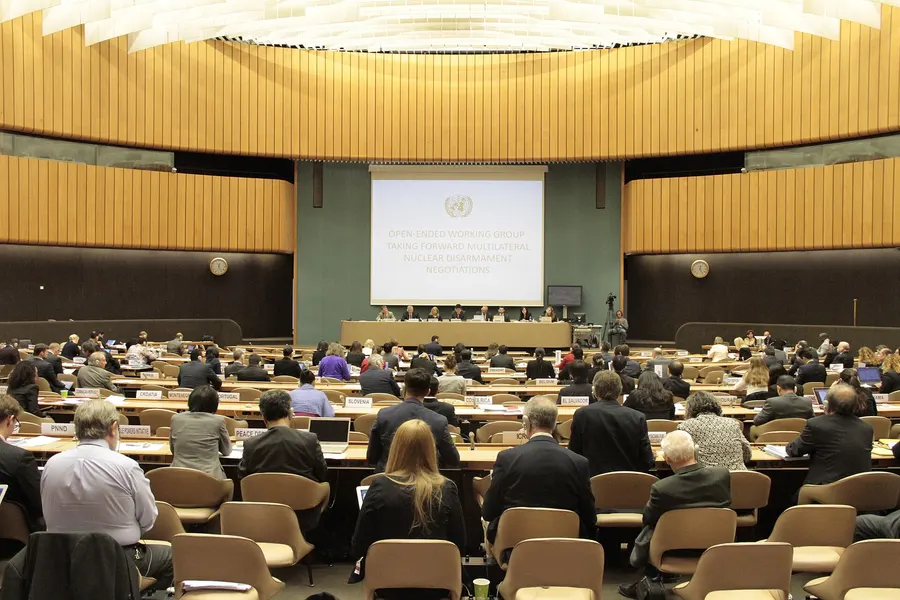
A UN working group on nuclear disarmament meeting in Geneva in May 2016, one of the steps that led to the treatyA UN working group on nuclear disarmament meeting in Geneva in May 2016, one of the steps that led to the treatyImage: ICAN-Australia · CC BY-SA 4.0
politics · Global

The UN adopts a treaty banning nuclear weapons

On 7 July 2017 a conference at the United Nations in New York adopted the Treaty on the Prohibition of Nuclear Weapons by 122 votes to one, with one abstention. It bans developing, testing, making, holding, using or threatening to use nuclear weapons. None of the nuclear-armed states took part. The treaty came into force on 22 January 2021, after 50 countries had ratified it.

Source: UN Office for Disarmament Affairs: Treaty on the Prohibition of Nuclear Weapons ↗
2019
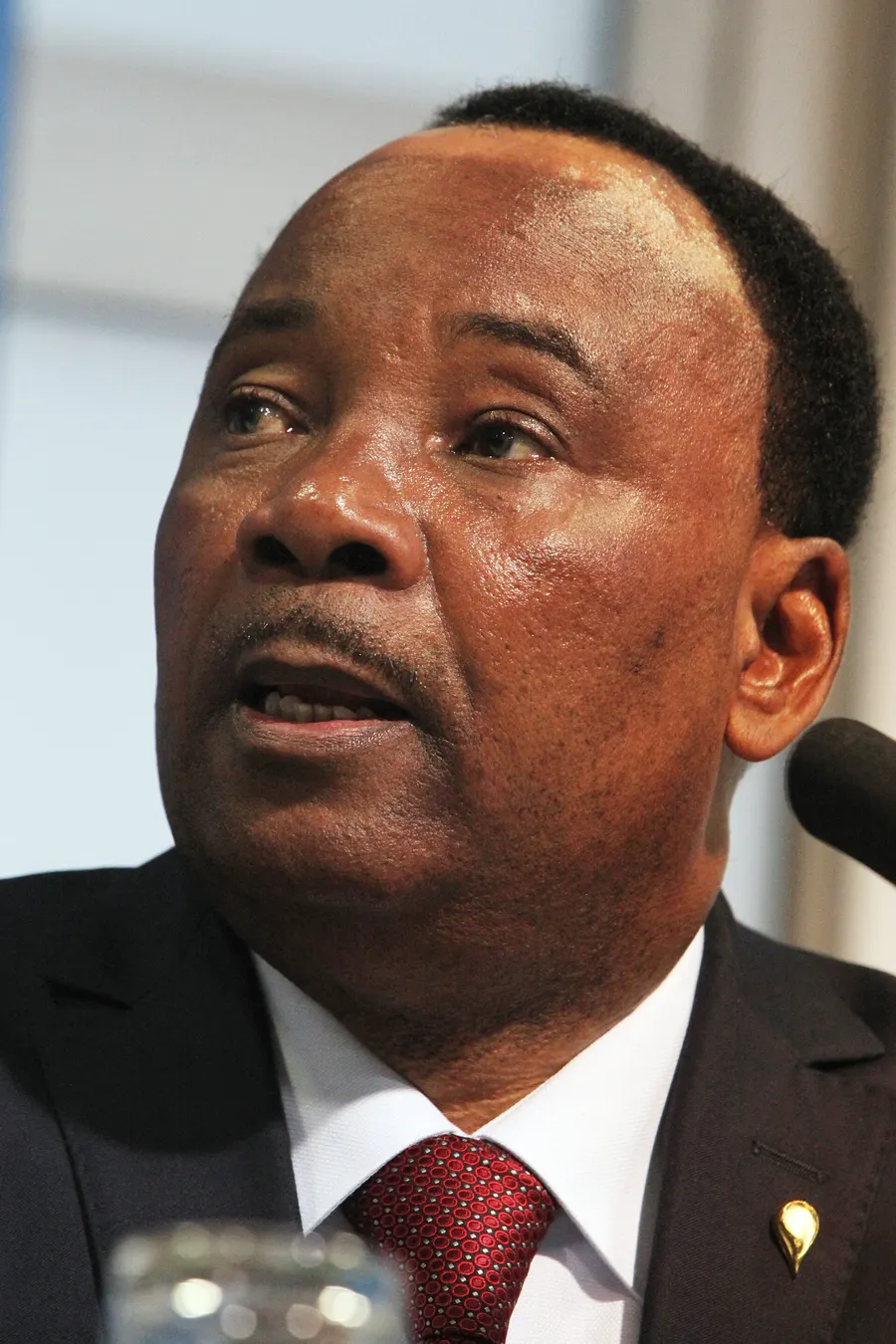
Mahamadou Issoufou, president of Niger and the African Union's champion for the free trade area, who hosted the Niamey summitMahamadou Issoufou, president of Niger and the African Union’s champion for the free trade area, who hosted the Niamey summitImage: Rama · CC BY-SA 2.0 fr
politics · Africa

Africa launches its continental free trade area

The agreement for an African Continental Free Trade Area, signed in Kigali in 2018, aims to create a single market across the continent. On 7 July 2019, at an extraordinary African Union summit in Niamey, Niger, its operational phase was launched, with shared rules of origin, a system for reporting trade barriers and a digital payments system, and Ghana was chosen to host its secretariat. Trading under the agreement began at the start of 2021.

Source: African Union: Operational phase of the AfCFTA launched at Niger summit ↗
RESEARCH

Sources & Further Reading

Selected authoritative references supporting the events on this page.

Vatican: Benedict XVI, general audience on Saint Joan of Arc (26 January 2011)↗Catholic Encyclopedia: St. Joan of Arc↗Britannica: Saint Joan of Arc↗Britannica: Hernán Cortés↗World History Encyclopedia: The Fall of Tenochtitlan↗Fondation Napoléon: Treaty between France and Russia, Tilsit, 7 July 1807↗Britannica: Treaties of Tilsit↗California Office of Historic Preservation: Custom House, Monterey↗Naval History and Heritage Command: Navy History Matters, July 2021↗Treccani: Carlo Collodi (Enciclopedia dei ragazzi)↗Britannica: The Adventures of Pinocchio↗National Historical Commission of the Philippines: Andres Bonifacio and the Katipunan↗Britannica: Katipunan↗Smithsonian Magazine: Why we have sliced bread↗Smithsonian Lemelson Center: The best thing since sliced bread↗National Museum of American History: Bread-slicing machine↗Britannica: Marco Polo Bridge Incident↗Britannica: Second Sino-Japanese War↗United Nations (UNISPAL): Summary of the Palestine Royal Commission report↗UK National Archives: Peel Commission Report 1937, plan of partition↗Britannica: History of Solomon Islands↗National Parliament of Solomon Islands: About Parliament↗Wimbledon: Thirty years on, when Becker stunned Wimbledon↗International Tennis Hall of Fame: Boris Becker↗Britannica: Boris Becker↗GOV.UK: Report of the official account of the bombings in London on 7th July 2005↗The Royal Parks: Monuments in Hyde Park↗UN Office for Disarmament Affairs: Treaty on the Prohibition of Nuclear Weapons↗UN News: UN conference adopts treaty banning nuclear weapons↗African Union: Operational phase of the AfCFTA launched at Niger summit↗African Union: Operational phase of the African Continental Free Trade Area launched↗
WHY THESE MOMENTS?

Significance before volume

This page is not the longest possible list of events. It is a chronological journey through 7 July, where each entry is chosen for historical significance, human interest and reliability.

Facts are checked against authoritative museums, archives, universities and reference works. Where sources disagree, the page says so.

EXPLORED THE DEEPER STORY?

Return to the highlights of 7 July

Discover the lighter side of the date with famous birthdays, culture, firsts and lives remembered.

Explore This Day →
← PREVIOUS DAY6 July
HISTORY & TIMELINE7 July
NEXT DAY →8 July